Chemin des Dames: What to See, Walks and Planning Guide
Plan a Chemin des Dames visit: key WW1 sites from the Caverne du Dragon to Craonne, walking options, timing and getting around by car.
In this guide
Last updated November 2026: the Chemin des Dames is a ridge road of about 26 km (16 miles) in the Aisne, between Soissons and Reims, and the setting for the April 1917 Nivelle offensive. Memorials, a restored underground quarry museum, preserved trench terrain and cemeteries make it a focused day trip. Plan on a car, 4 or more stops and a full day, with the Caverne du Dragon and Craonne as the stops to prioritise.
Featured image: joostpals, CC BY 2.0, via Flickr.
Chemin des Dames at a glance
Chemin des Dames (the "Ladies' Road") follows a ridge in the Aisne, in Hauts-de-France. Core stops sit within roughly 5 km (3 miles) of the Caverne du Dragon, so one car loop covers them. Anything beyond that needs a car or a very well-planned walk.
- Where: the Aisne, on the ridge between Soissons and Reims
- Length: about 26 km (16 miles) of ridge road
- Base towns: Laon, Reims or Soissons
- Car dependence: essential for more than one stop
- Time needed: half a day for the core stops, a full day for the wider list
Why the Chemin des Dames matters
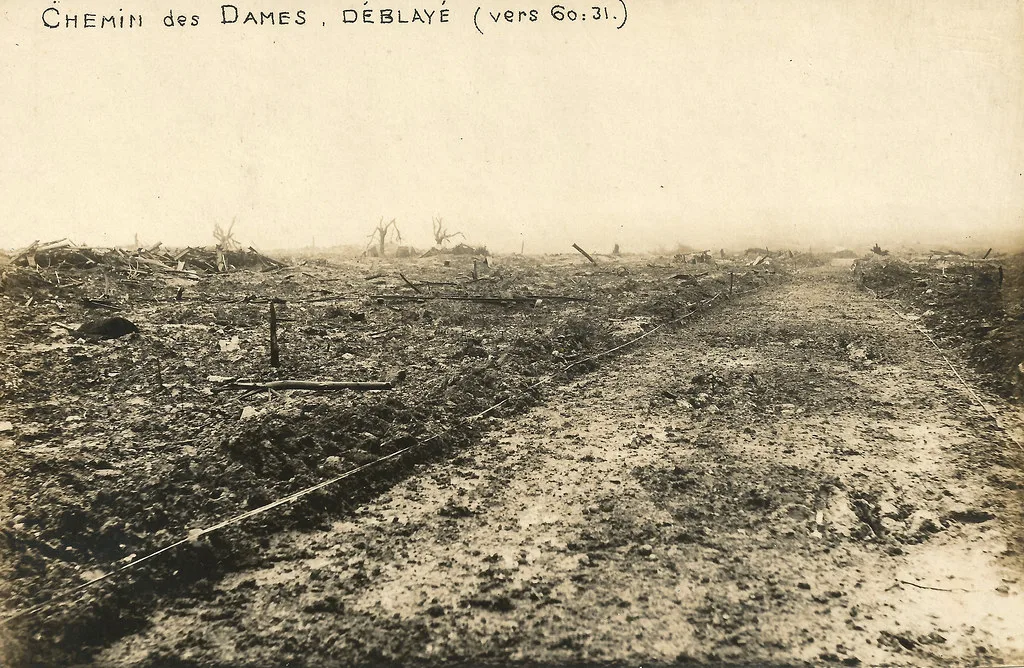
General Robert Nivelle launched his offensive along the ridge in April 1917. He had promised a rapid breakthrough, and it did not come. Heavy losses followed, and mutinies spread through parts of the French army that spring. Fighting continued on the ridge later in 1917, including the La Malmaison battle in the west. Earlier and later layers sit on the same ground: British forces were at Cerny in 1914, and combat returned to Hurtebise and Laffaux in May 1940. Napoleon's 7 March 1814 battle at Craonne is a separate story, often confused with the WW1 one. For wider context, see our guide to Western Front battlefields.
The key stops, in driving order
Drive west to east. Starting at Laffaux and finishing at Craonne puts the cemeteries and museum first and ends with open views and an easy walk. Caverne du Dragon is the anchor, and it pairs well with other First World War museums on a longer trip. Plateau de Californie keeps trench-shaped ground, and preserved trench sites elsewhere offer comparison. Craonne's Jardins de la Paix belong with the 2018 centenary memorials across France.
| Visitor type | Prioritise | Drop if short on time |
|---|---|---|
| First-timer | Caverne du Dragon, Constellation de la Douleur, Craonne gardens | Laffaux, La Royère |
| Family history | Cerny cemeteries, Soupir cemeteries | Plateau de Californie loop |
| Walker | Plateau de Californie loop, Craonne to Vauclair route | Roadside memorials |
| Art and memory | Constellation de la Douleur, Jardins de la Paix, Monument des Basques | Fort de Condé |
| Short on time | Caverne du Dragon and Craonne | Everything else |
- Jardin du Moulin de Laffaux: memorials gathered at a rest area when the N2 road was built. Monument des Crapouillots, 10 m (33 ft) high, is the largest. Skip it if you are short on time.
- Chapelle Sainte-Berthe and Fort de Malmaison: the 12th-century chapel was almost destroyed in the 1917 La Malmaison fighting and rebuilt afterwards. Plaques honour the French soldiers of that battle.
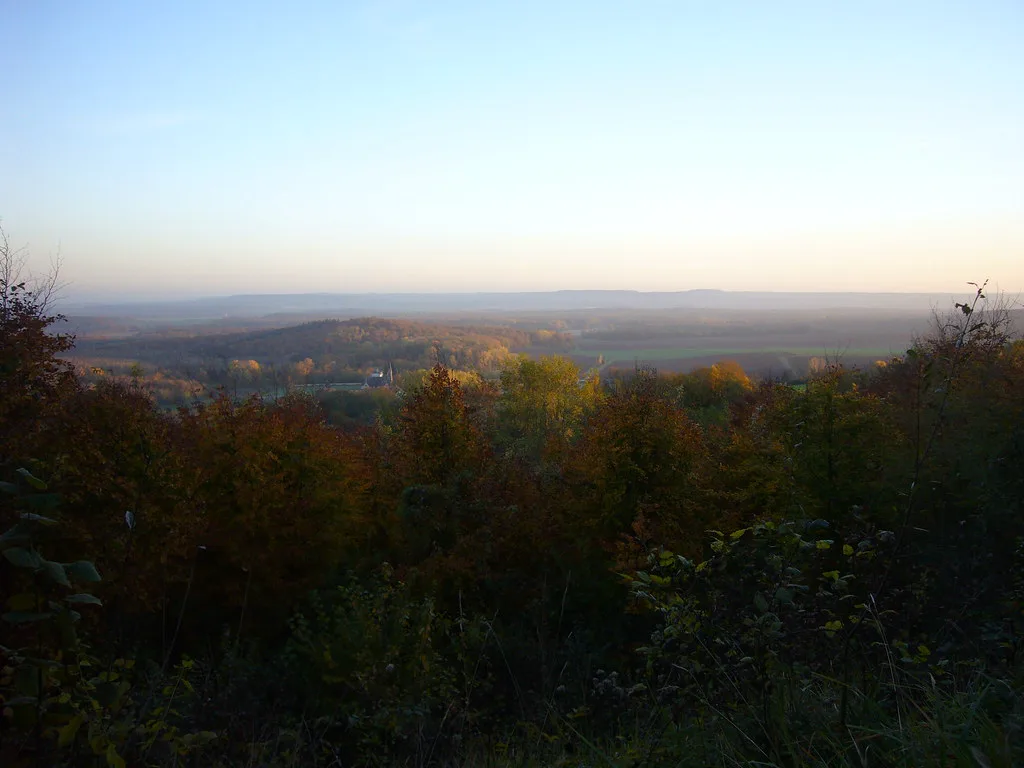
- Panorama de La Royère: a viewpoint over the Ailette valley. A concrete trench-shaped feature in the car park evokes the front line. Skip it on a half day.
- Cerny-en-Laonnois: the village was destroyed and rebuilt 600 m (about 2,000 ft) southwest of the original site. French and German cemeteries here hold about 12,000 dead between them. A memorial chapel and a lantern of the dead stand nearby, and the old village cemetery survives.
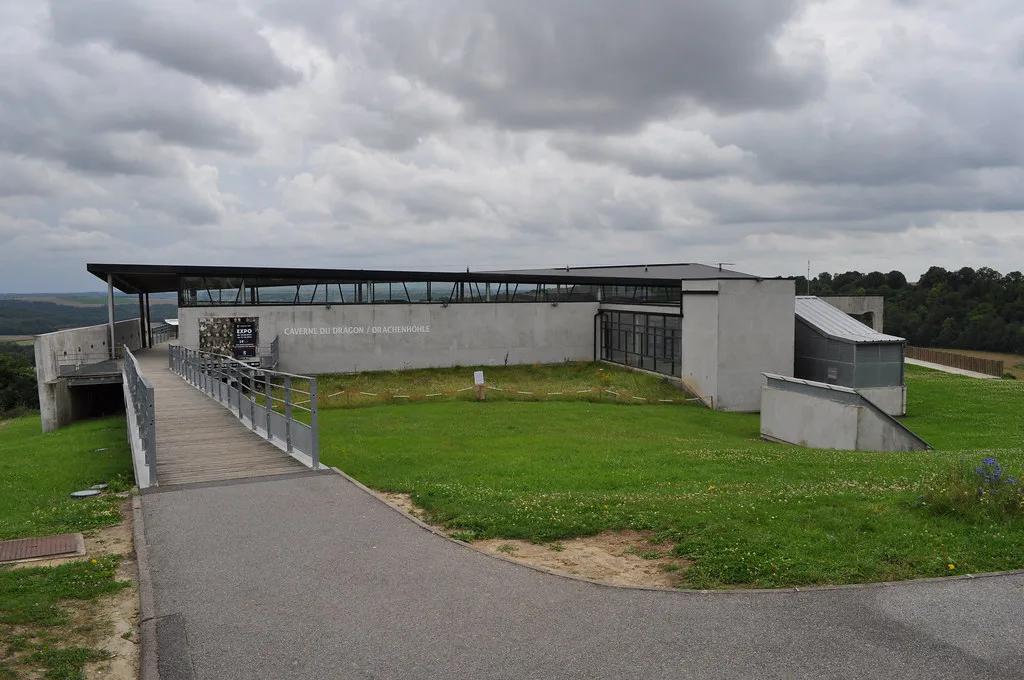
- Caverne du Dragon: a former quarry used as an underground stronghold for up to 400 men, now a First World War museum. German forces held it from 1915, and French forces retook it in 1917.
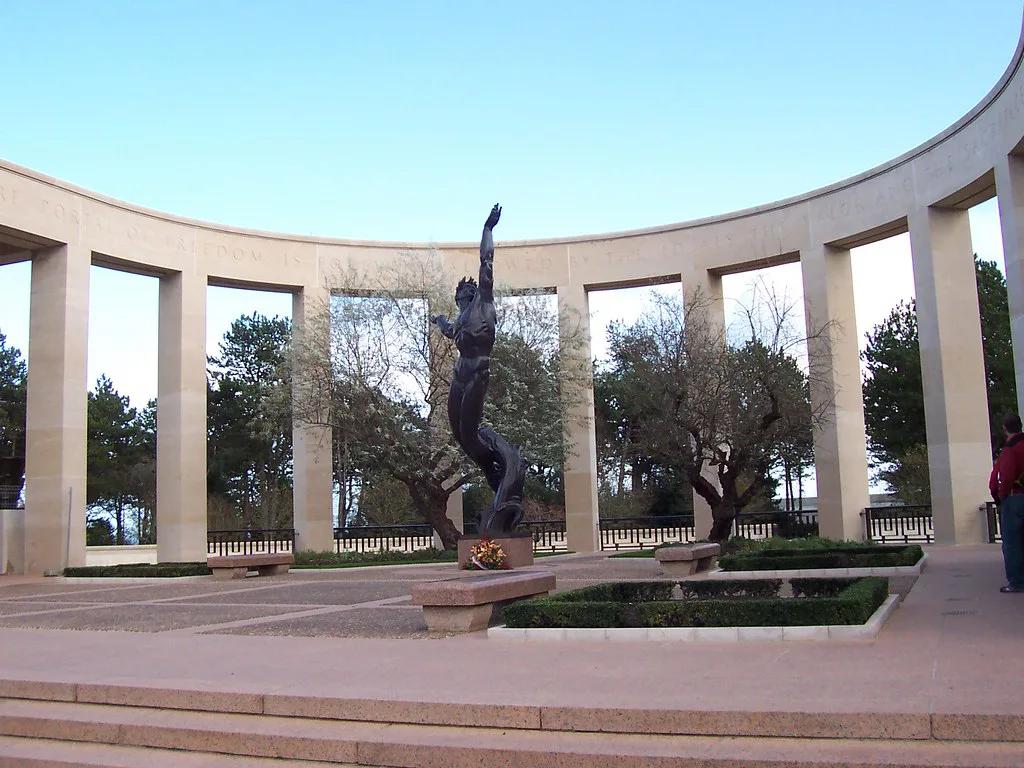
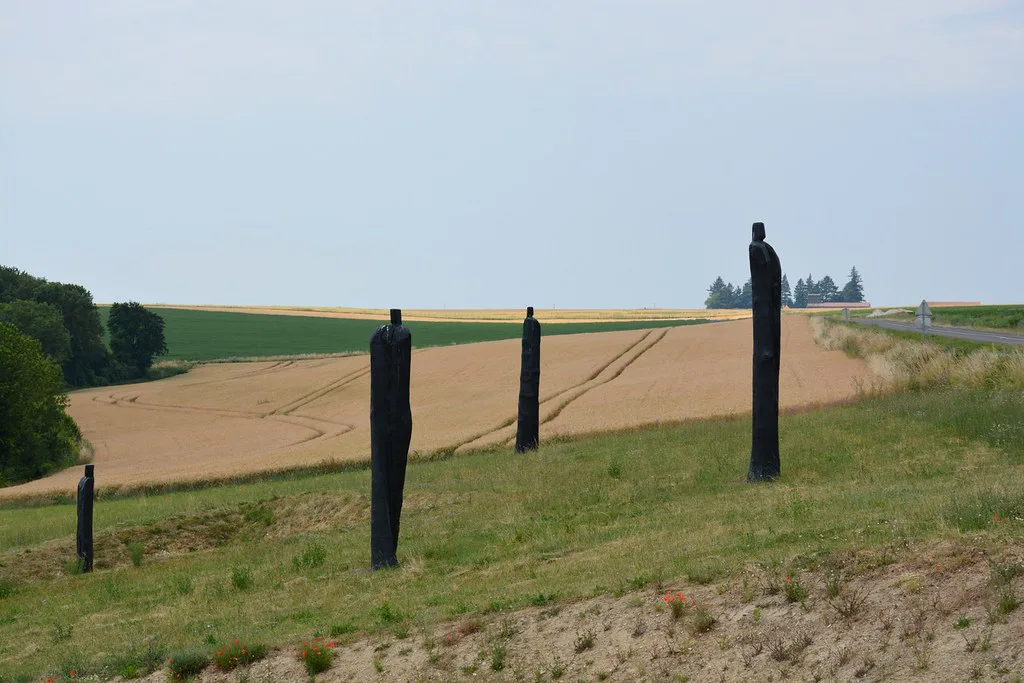
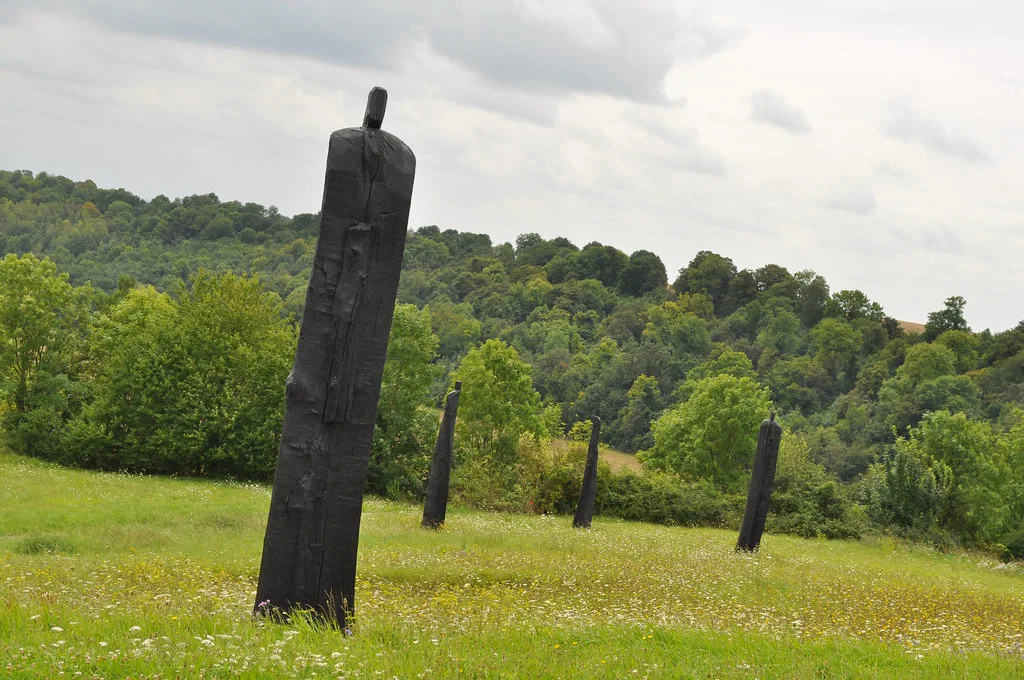
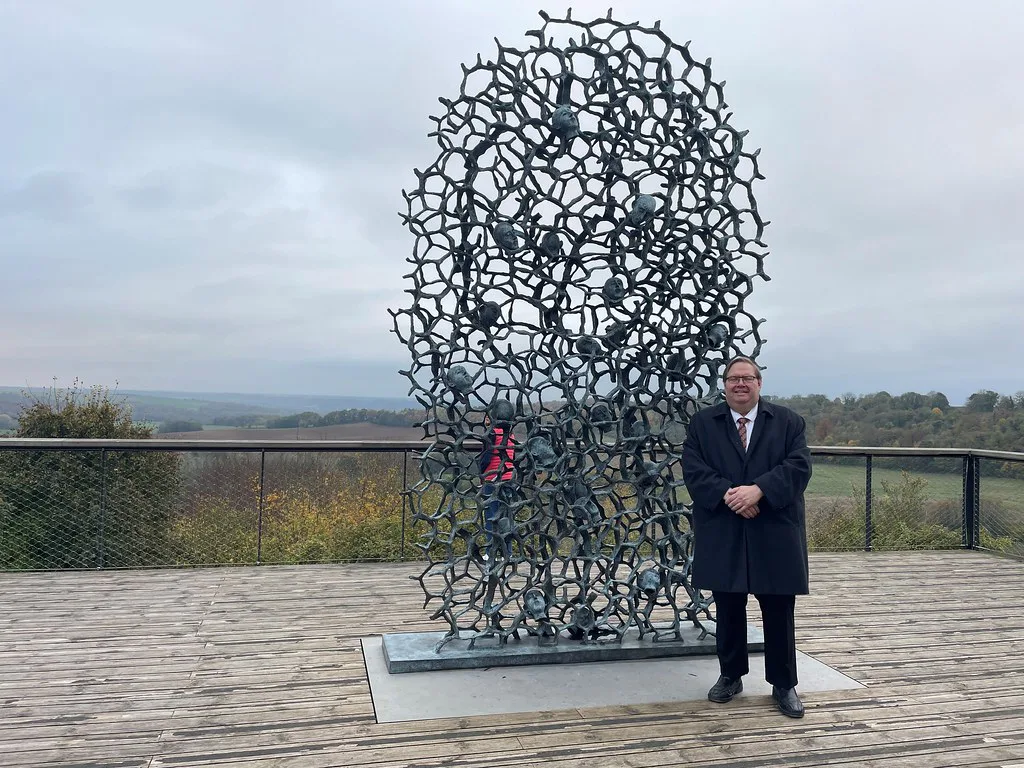
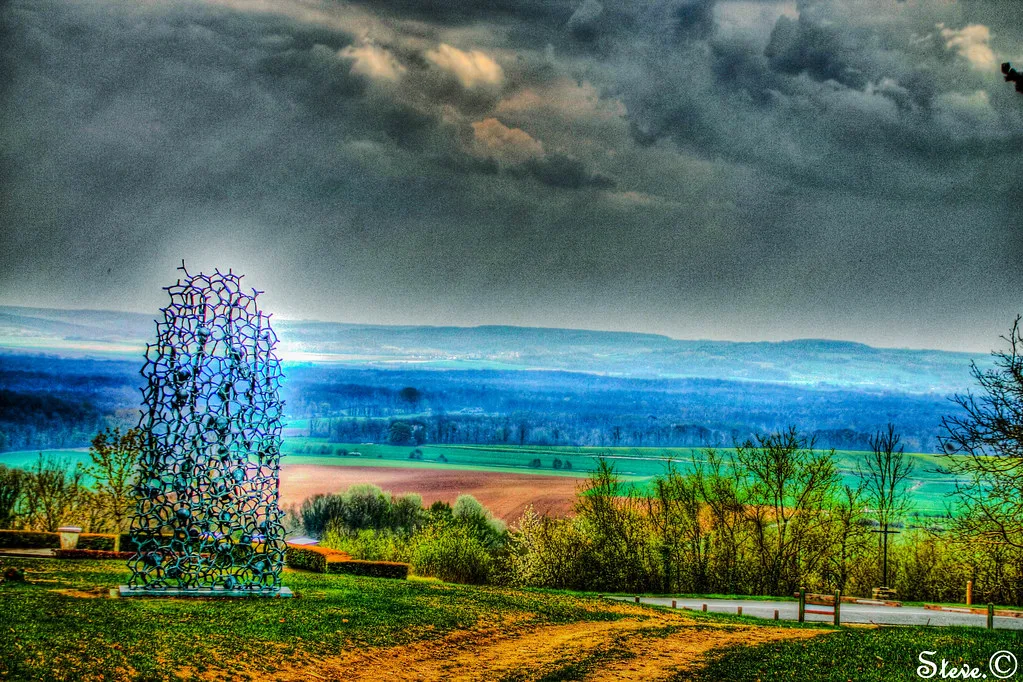
- Constellation de la Douleur: nine charred wooden statues honour the African riflemen (tirailleurs sénégalais) who died here in 1917. One statue stands in a trench.
- Ferme d'Hurtebise: rebuilt identically after the war. A monument here recalls both the 1814 Craonne battle and the Great War fighting.
- Monument des Basques: a 14 m (46 ft) obelisk for the 36th Infantry Division, showing a peasant in Basque dress rather than a soldier. A second monument nearby honours rugby players who fell.
- Plateau de Californie and Craonne: a 2.5 km (1.5 mile) loop passes old trench lines and shell craters in replanted forest. The 20 m (66 ft) wooden Tour d'Observation shows Reims cathedral to the south on a clear day. The Jardins de la Paix, with Italian, German and Moroccan gardens, mark the 2018 centenary on the site of the destroyed village.
- Abbaye de Vauclair: ruins of a 12th-century Cistercian abbey, a quieter note after the battlefield sites. Skip it if daylight is short.
- Monument de Napoléon: a statue from 1974 for the 7 March 1814 battle of Craonne. Skip it if you want only WW1 stops.
- Soupir cemeteries and Fort de Condé: British, French and Italian burials suit family-history visitors. Fort de Condé is a separate detour, so skip it unless you have a name to find.
Plan your time: half day, full day, two days
Time estimates here are a guide, because museum visits and parking vary. Half a day fits 4 stops, a full day fits 8, and two days add the Craonne walk. Cut Laffaux, La Royère and Vauclair first if you run short. Pair the ridge with the Armistice clearing at Compiègne if you want an Armistice theme. Readers building a longer route can browse other French WW1 sites.
- Half day: Caverne du Dragon, Constellation de la Douleur, Monument des Basques, Craonne gardens.
- Full day: Laffaux, Cerny-en-Laonnois, Caverne du Dragon, Ferme d'Hurtebise, Monument des Basques, Plateau de Californie, Craonne gardens, Abbaye de Vauclair.
- Two days: west side on day one with La Royère, Sainte-Berthe and Cerny; Caverne and Craonne on day two with a walk. Add Soupir if you are tracing a family name.
Chemin des Dames walks
Two Visorando route listings suit the ridge. Craonne and the California Plateau covers 7.41 miles in about 3h45, rated moderate. It starts at Bouconville-Vauclair and ends at Vauclair Abbey. From Aizy-Jouy, the Fort and Cemetery of La Malmaison route covers 8.09 miles in about 4h20, also rated moderate. Skip the Bouconville–Laon route at 14.32 miles, because it is a Francigena stage and not a battlefield walk. Paths of remembrance, at 172.5 miles from Beaumont-Hamel in the Somme, is a long-distance list far from the ridge. Shorter still, the Plateau de Californie loop is about 2.5 km (1.5 miles) and poorly waymarked, so carry a GPS track. Mistake to avoid: leaving marked paths in fields or woods, where unexploded shells remain a risk. Walk if you have half a day and walking boots; drive if you want 4 or more stops.
On a half-day plan, the Craonne and California Plateau route alone takes about 3h45, so it crowds out most of the stops.
| Route | Distance | Time | Start |
|---|---|---|---|
| Craonne and the California Plateau | 7.41 miles | About 3h45 | Bouconville-Vauclair |
| Fort and Cemetery of La Malmaison | 8.09 miles | About 4h20 | Aizy-Jouy |
Costs, tickets and opening hours
Memorials, cemeteries and the Craonne gardens are outdoor sites, and open-air stops like these are normally free. Caverne du Dragon is the main museum stop and may keep seasonal hours. Check current prices and hours on the Chemin des Dames tourism site before you set out.
Getting there and getting around
Drive if you can. Car parks sit at the Caverne du Dragon, Cerny-en-Laonnois and the Craonne gardens, where the car park is the former Place de la Croisette of the destroyed village. Public transport along the ridge is thin, so check TER and local bus timetables before relying on them. Laon, Reims and Soissons work as bases, and your route planner will give the drive times. Ask the tourist offices in Laon and Reims whether guided tours or taxis are running.
| Option | Cost | Flexibility | Effort | Access |
|---|---|---|---|---|
| Self-drive | Fuel and parking | Highest | Low | All main stops |
| Guided tour or taxi | Highest, ask locally | Fixed route | Low | Main stops only |
| Walking | Lowest | Moderate | High | Craonne, Vauclair, Malmaison |
Where to stay near the Chemin des Dames
Laon, the departmental capital, suits walkers and history readers who want a cathedral town. Reims suits a Paris–Reims trip that treats the ridge as a day out. Soissons and Reims bracket the ridge, so either shortens the first drive.
Etiquette, safety and mistakes to avoid
Cemeteries such as Cerny, where French and German graves total about 12,000, call for quiet voices and no climbing on memorials. Ground is wet and muddy after rain, so boots beat trainers on the Plateau de Californie. Stay out of fenced and private farmland, because much of the ridge is working fields. Never touch metal objects or shells, and report them to local police. National guidance on memorial sites comes from France's veterans' office, ONaCVG. Visiting on 11 November? See 11 November in France for ceremonies. Canadian service is covered in our guide to Canadian memorials on the Western Front, though the ridge itself is mainly French, with British burials at Soupir.
Frequently Asked Questions
What was the Chemin des Dames offensive and when did it take place?
It was a French-led attack along the ridge launched in April 1917 under General Robert Nivelle, who had promised a breakthrough. Heavy losses and the mutinies that followed made it a turning point in French morale.
Keep planning
Guides on the same trip