WW1 Museums in France: 3 Top Picks Ranked and Compared
Compare WW1 museums in Péronne, Meaux and Verdun by collection, best fit, time to allow, transport planning and nearby battlefield pairings.
In this guide
Last updated November 2026: among WW1 museums in France, our first pick is Péronne's Historial de la Grande Guerre for comparing national experiences. Choose the Musée de la Grande Guerre in Meaux for a broad introduction, or the Mémorial de Verdun to concentrate on one battle and its landscape.
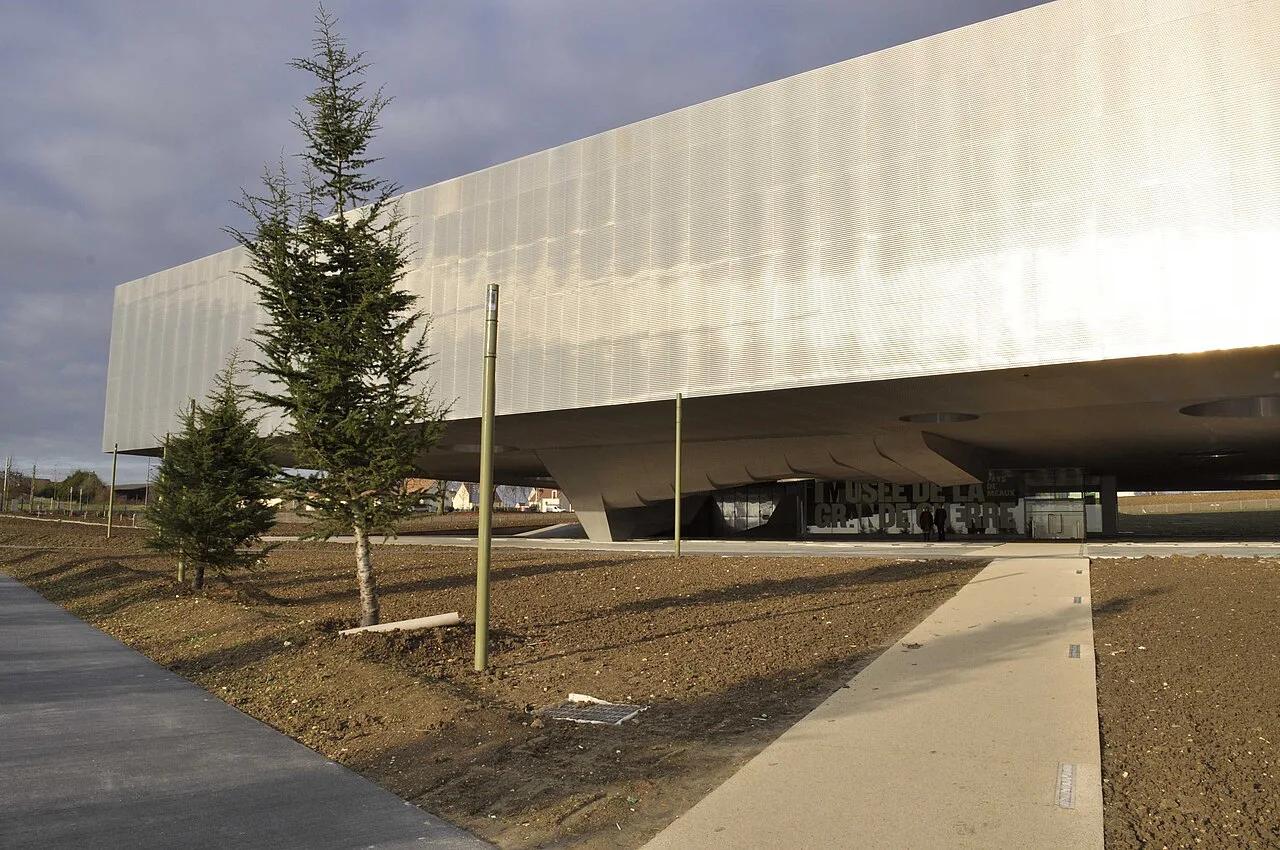
Featured image: Prosopee, CC BY-SA 3.0, via Wikimedia Commons.
WW1 museums in France compared
Our editorial ranking favors clear historical context, a distinct collection focus and useful links to the surrounding history. It suits a general visitor, so your preferred front may change the order. This is a selection of three French museums rather than a European directory. Visit lengths are editorial estimates and exclude travel. Floor area isn't ranked, so a higher place doesn't mean a larger building. For wider route ideas, use our Western Front battlefield guide.
| Rank and museum | Base and theme | Collection focus | Best for | Time to allow | Car-free access and booking |
|---|---|---|---|---|---|
| 1. Historial de la Grande Guerre | Péronne, France; Somme and wider war | French, British and German experiences | Comparing societies and soldiers | About half a day | Route and booking terms unconfirmed |
| 2. Musée de la Grande Guerre | Meaux, France; wider war and the Marne | Uniforms, equipment, objects and reconstructions | A broad first visit | About half a day | Route and booking terms unconfirmed |
| 3. Mémorial de Verdun | Verdun, France; Battle of Verdun | The battle and the people who lived through it | Depth on one battlefield | Half day; full day with nearby sites | Last-mile route and booking terms unconfirmed |
Which museum should you choose?
Start with your route and the question you most want answered. All three are dedicated to First World War history, but their angles differ.
- First visit: choose Meaux for the wider story and a strong emphasis on material objects.
- International perspective: pick Péronne to compare French, British and German experiences.
- Specialist interest: select Verdun if this battle is central to your trip.
- Limited time: stay with the museum that fits your route, without adding an outdoor circuit.
- Travel without a car: compare the complete return journey to each entrance before choosing.
- Children: preview the content, because weapons, injury, death and loss may distress some visitors.
- Mobility needs: ask the museum about entrances, toilets, seating, internal routes and any outdoor sections.
- Non-French speakers: check which languages cover labels, films and any audio guide.
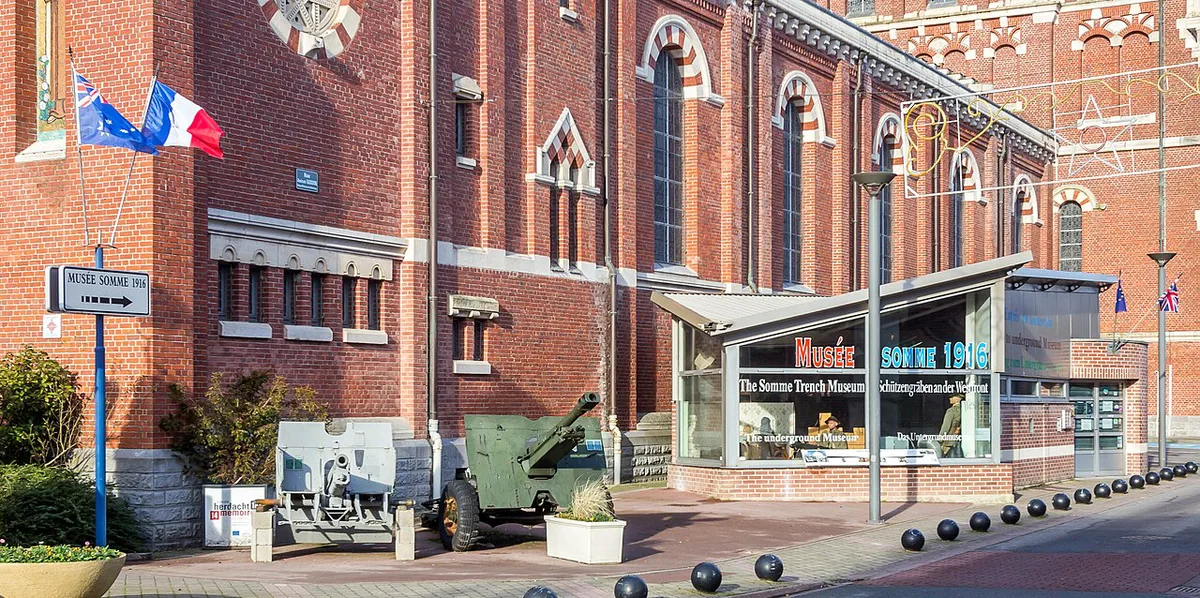
1. Historial de la Grande Guerre, Péronne
Go to the Historial to see how French, British and German experiences relate to one another. Its displays connect military life with civilian society. Objects set out in shallow floor displays give soldiers' equipment a distinctive place in the galleries. That comparative approach earns our top position.<br><br>You may prefer Meaux if your priority is a large visual display of military material. Allow about half a day as an editorial estimate, with extra time if you read closely. Péronne is the natural base. Drivers have more flexibility for adding rural sites, but should also plan where to park. Without a car, work backward from your return service and include the walk or taxi to the entrance.<br><br>For a pairing, use Somme Great War sites to choose one nearby place connected with your interests. Keep it separate from your museum time. If you're tracing a national story, our guide to Canada's Great War places can help shape a wider route.
2. Musée de la Grande Guerre, Meaux
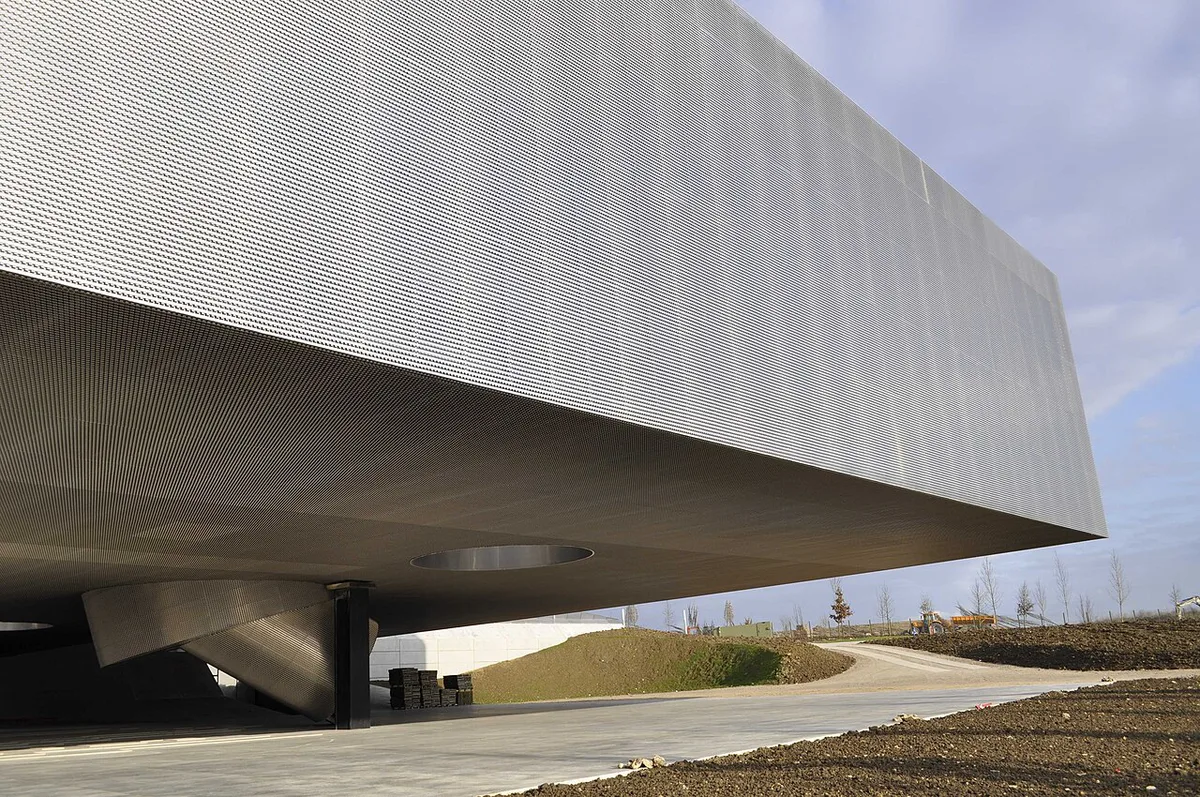
Meaux is our recommendation for building a broad picture before following a particular front. The Meaux Great War museum pairs the wider conflict with its local connection to the Battle of the Marne. Uniforms, equipment, everyday objects and reconstructed scenes make material culture a major reason to visit. Choose it if seeing objects helps you follow changes in warfare and daily life.<br><br>Its wide scope can be a drawback if you only want detailed interpretation of the Somme or Verdun. Set aside about half a day as an editorial estimate, then add your travel. Meaux is the practical base, but arriving in town is only part of the journey. Plan the final connection on foot, by local transport or by taxi, including the way back. If driving, include parking in your arrival plan.<br><br>Armistice history makes a thematic follow-up through Compiègne's Armistice site. Treat that as a separate outing unless your transport times and both opening calendars leave enough room.
3. Mémorial de Verdun
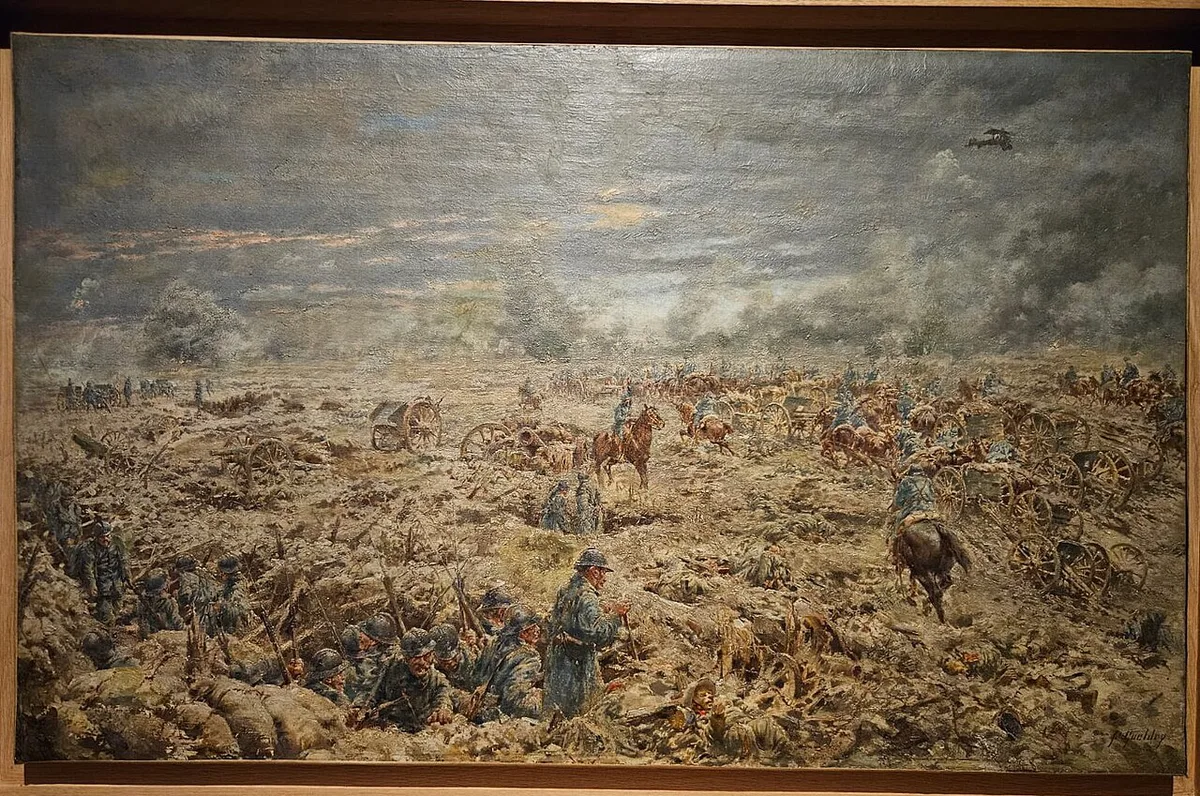
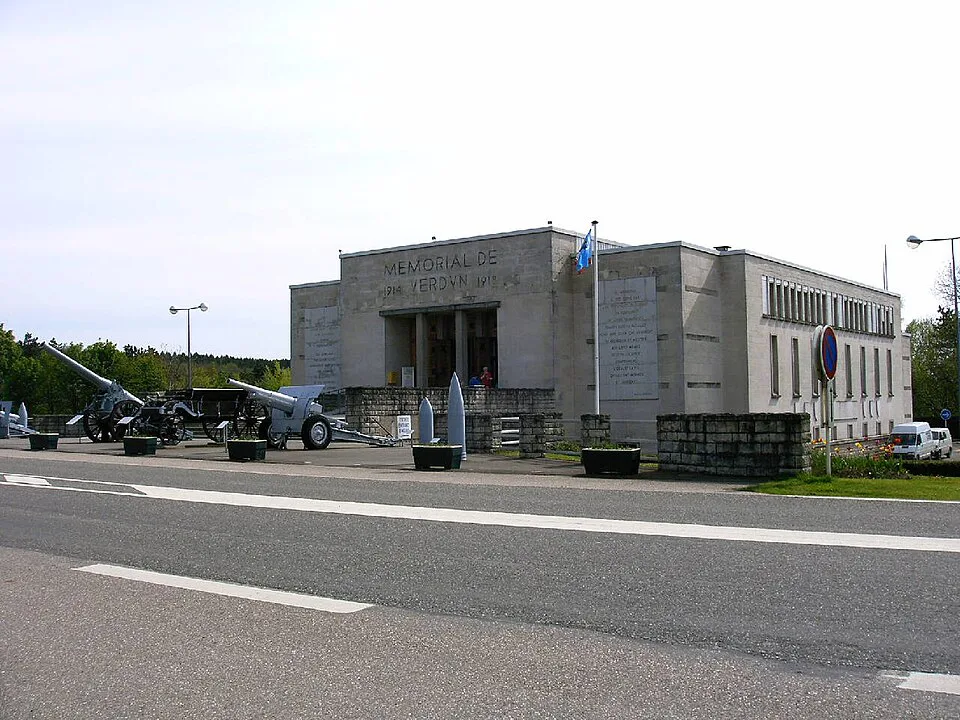
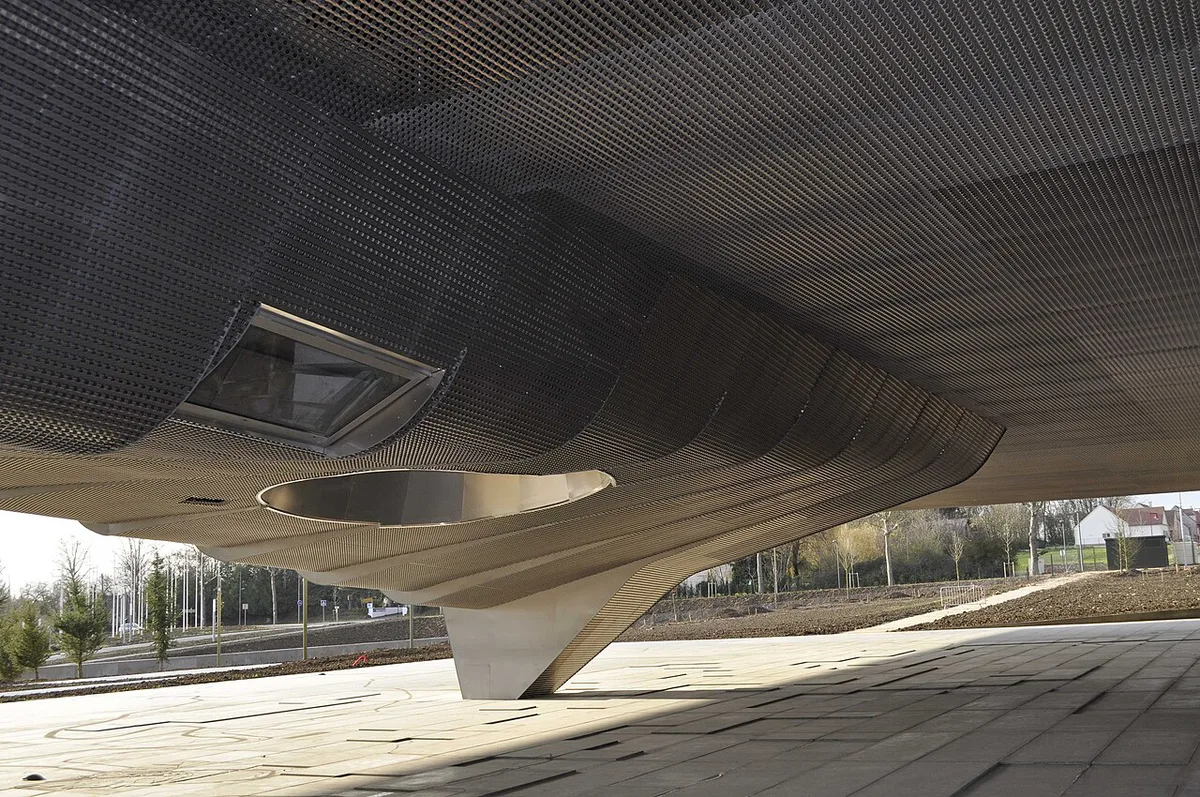
Select the Mémorial de Verdun museum when you want sustained attention on the Battle of Verdun. Its interpretation addresses French and German experiences, with the surrounding battlefield adding geographical context. It ranks third here because its focus is narrower, not because it matters less. For a Verdun-centered trip, make it your first choice.<br><br>Allow half a day for the museum and its transfers within a local stay. Reserve a full day if adding nearby battlefield places; both timings are editorial estimates. Because the museum is out on the battlefield, don't treat arrival in Verdun town as arrival at its door. A car can make site pairings much easier. Without one, arrange both directions of the final transfer before fixing your visit.<br><br>Use the Verdun visitor office to organize local options. Choose a nearby memorial as a pairing rather than trying to cover the whole area. Outdoor ground may be uneven or wet, so wear suitable shoes and assess access separately from the museum. At cemeteries, ossuaries and memorials, follow posted conduct rules, keep voices low and stay on permitted routes. These are places of mourning.
Plan WW1 museum visits by region and transport
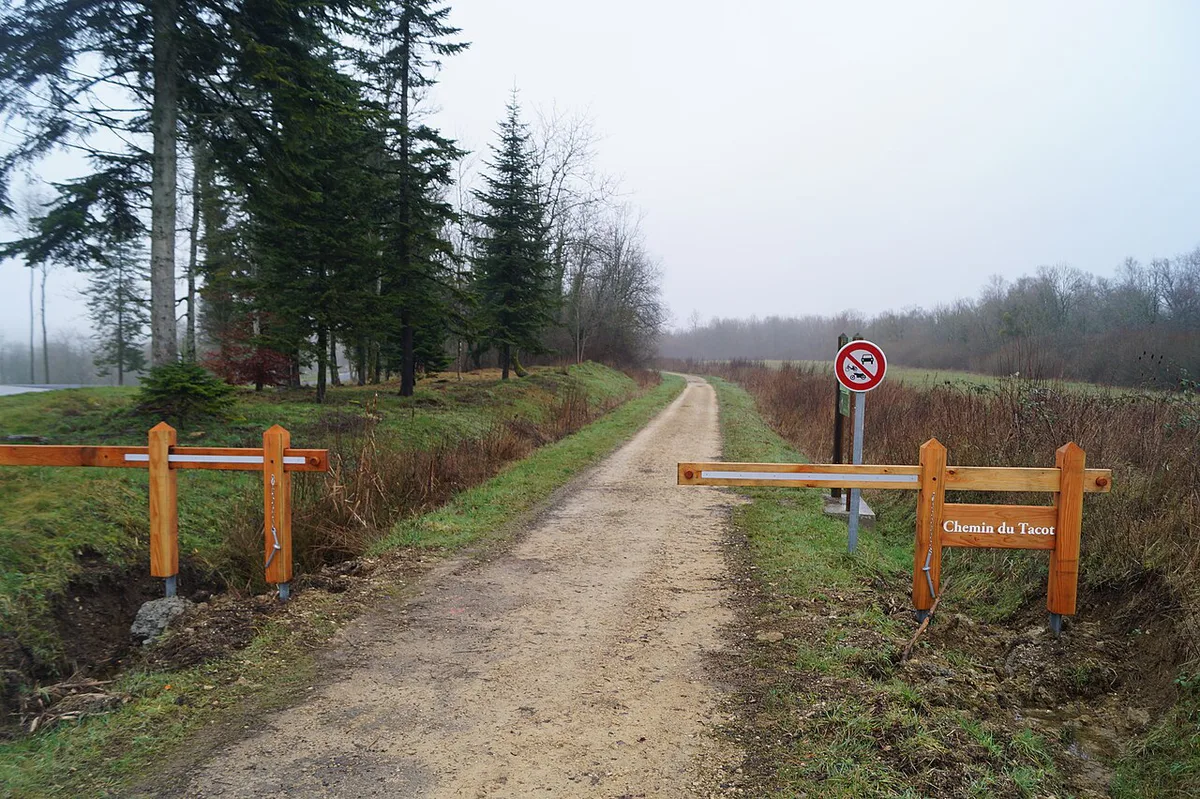
Treat Péronne, Meaux and Verdun as separate planning bases, not a single-day circuit. With limited time, one museum and its journey are enough. On a longer road trip, give Verdun its own local stay if the battlefield is a priority. Our overview of French First World War locations can help you decide what belongs on the route.<br><br>Travelers without a car should settle the return trip first. Weekend, holiday and off-season connections can differ from weekday travel. Check the transport operator's calendar for your exact date. A taxi may solve the final leg, but arrange the return as carefully as the outbound ride. Drivers should compare total travel time with the museum time they actually want.<br><br>If you want outdoor remains, browse surviving trench visits separately. Reconstructed museum scenes and preserved battlefield trenches offer different experiences. For another French front, read about the ridge called Chemin des Dames. Don't assume that it fits the same day as a museum visit. Readers interested in commemorative places can also explore heritage linked to the centenary.
Tickets, hours and access before you go
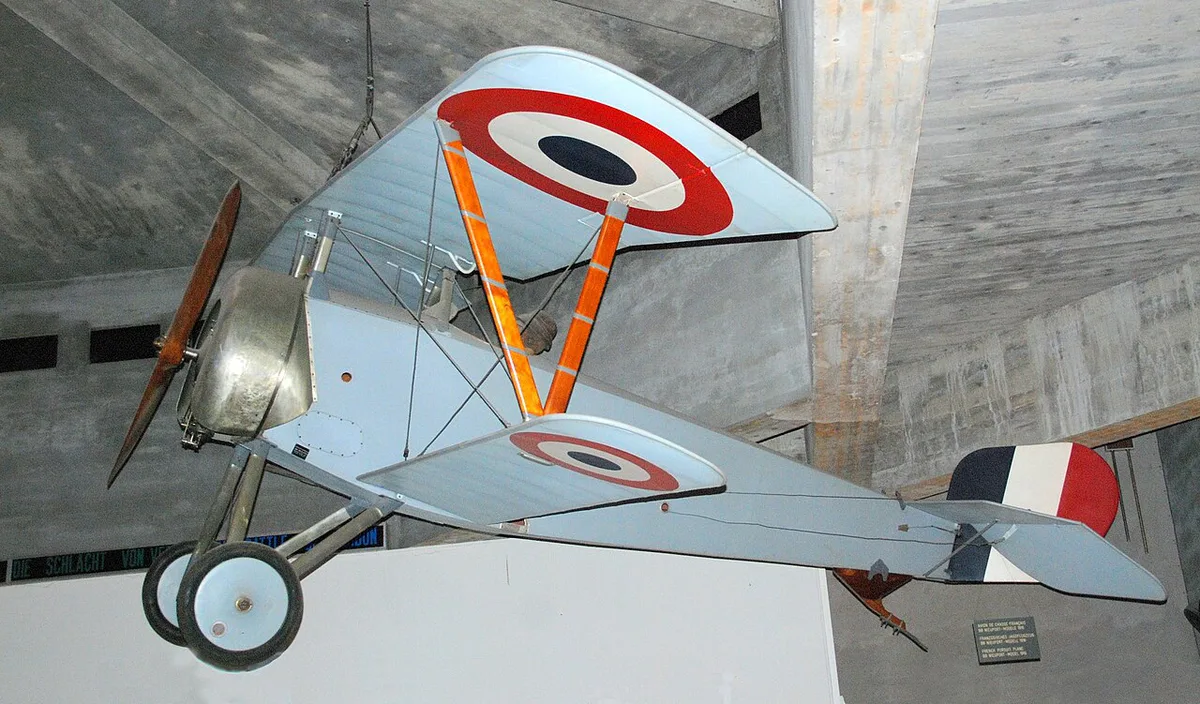
Admission and opening calendars aren't compared here, so this ranking doesn't identify a lowest-cost choice. Use each museum's official visitor information for your travel date. For your total budget, include transfers and parking as well as admission. A museum with a longer taxi connection may cost more overall, even if its ticket is cheaper.
- Opening plan: check weekly closures, seasonal breaks, holiday hours and last entry.
- Ticket value: compare what admission covers, including temporary exhibitions, audio guides and any outdoor visit.
- Booking: look for reservation requirements and group arrangements.
- Access: ask about your specific mobility needs, including the route from parking or transport.
- Family planning: ask about sensitive displays, films and facilities your children may need.
Visiting around November commemorations
Armistice commemorations can affect how you plan a November visit, so don't assume that a normal weekday schedule applies. Check the museum calendar and transport service for the same date. Allow for ceremonies, temporary access changes and a different local pace. Our guide to France's November commemorations provides context for that part of your trip. If attending a ceremony matters to you, plan around its published arrangements and treat the museum as a separate visit.
Keep planning
Guides on the same trip