Armistice Clearing, Compiègne: Visitor Guide
Visiting the Armistice Clearing near Compiègne? Get here from Paris, see what's there, learn the replica carriage story and plan a day with the château.
In this guide
Last updated November 2026: the armistice clearing Compiègne is known for is the Clairière de l'Armistice, where the 1918 Armistice was signed in Marshal Foch's railway carriage. It lies in the Forest of Compiègne near Rethondes, Oise, France, about 78 km (48 miles) north-east of Paris. It suits Paris day-trippers, WWI route planners and descendants of soldiers, and it is a poor fit for anyone wanting only a quick photo stop.
Featured image: O Suave Gigante, CC0 1.0, via Flickr.
Quick answer: what the Armistice Clearing in Compiègne is and who should go
Two armistices were signed in this forest glade, one in 1918 and one in 1940. A museum, a memorial garden and a Foch statue now fill the site. Read the Armistice Museum's own pages for current practical details.
Go if you want to understand how the First World War ended, not just see a spot on a map. Skip it if you have only an hour or no way of covering the distance from town. For time, our editorial estimate is two to three hours for the museum and clearing alone. Add half a day if you also visit the château. A full day from Paris leaves room for a return-train buffer.
This stop belongs on a wider route. Our guide to WWI battlefields in Europe shows where the glade sits among the Western Front sites.
How to get from Paris to the Armistice Clearing
The glade is outside town, not beside the station. Reporting from 2018 put it 6.6 km (about 4 miles) east of Compiègne station. The same reporting gave the Paris to Compiègne train as about 40 minutes and €19 return. Those figures are several years old, so look up current fares and timetables on SNCF Connect or TER Hauts-de-France before booking.
Roughly 78 km (48 miles) separates Paris from the glade, but a train reaches Compiègne in about 40 minutes, leaving only the last leg to plan.
Walking the 6.6 km takes roughly 80 minutes each way at a steady pace, which is an editorial estimate. Ask the Compiègne tourism office about buses, bike hire and taxi pick-ups before you commit to a plan.
| Option | What to know | Best for |
|---|---|---|
| Train plus taxi | About 40 minutes Paris to Compiègne, then roughly 6.6 km by road. Agree the taxi fare and a return pick-up in advance. | Most day-trippers |
| Train plus cycling | Same train, then 6.6 km each way. One B&B near the château lent bikes in 2018, so ask your host. | Confident cyclists |
| Train plus walking | About 4 miles each way on top of the train. Allow time for the return. | Walkers with a full day |
| Local bus | Ask the tourist office whether any line serves the site and how often it runs. | Budget travelers with spare time |
| Driving | About 78 km (48 miles) from Paris. Parking arrangements are worth checking in advance. | Groups and tight schedules |
What you will see at the clearing and museum
Start inside the museum. It holds a railway carriage in Compagnie Internationale des Wagons-Lits livery, laid out as it was in 1918 around a central table. Be clear on one point: the carriage on display is a replica, not the original. Reporting says the original was taken to Germany and later burned. Read the museum's own wording on its history.
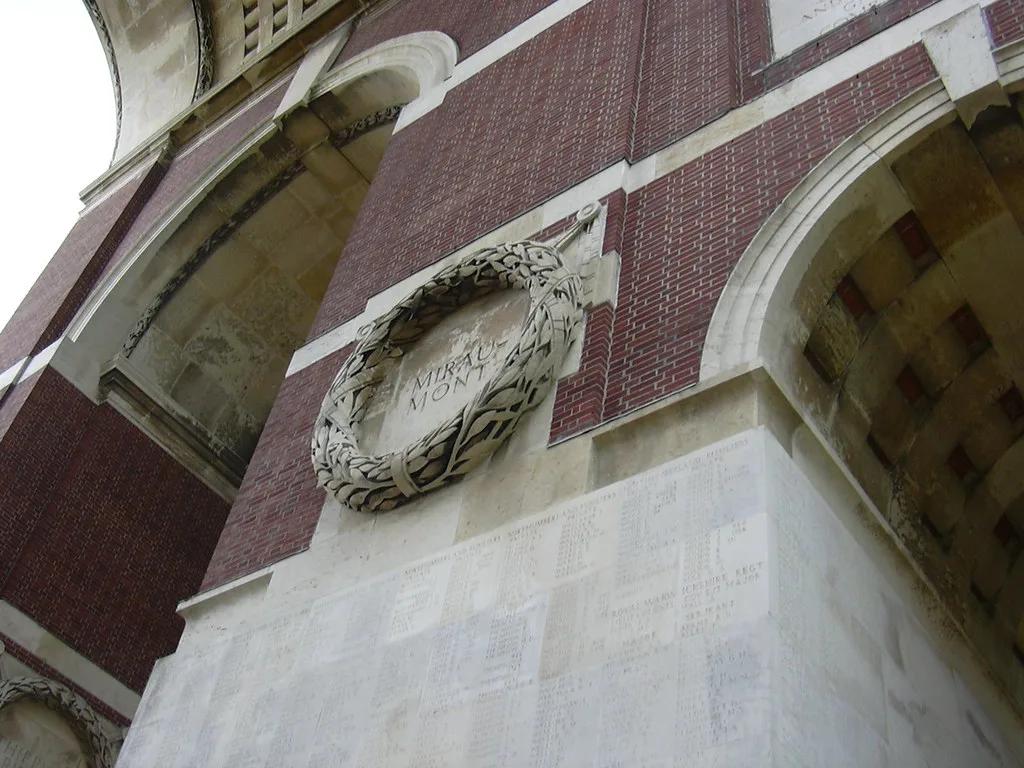
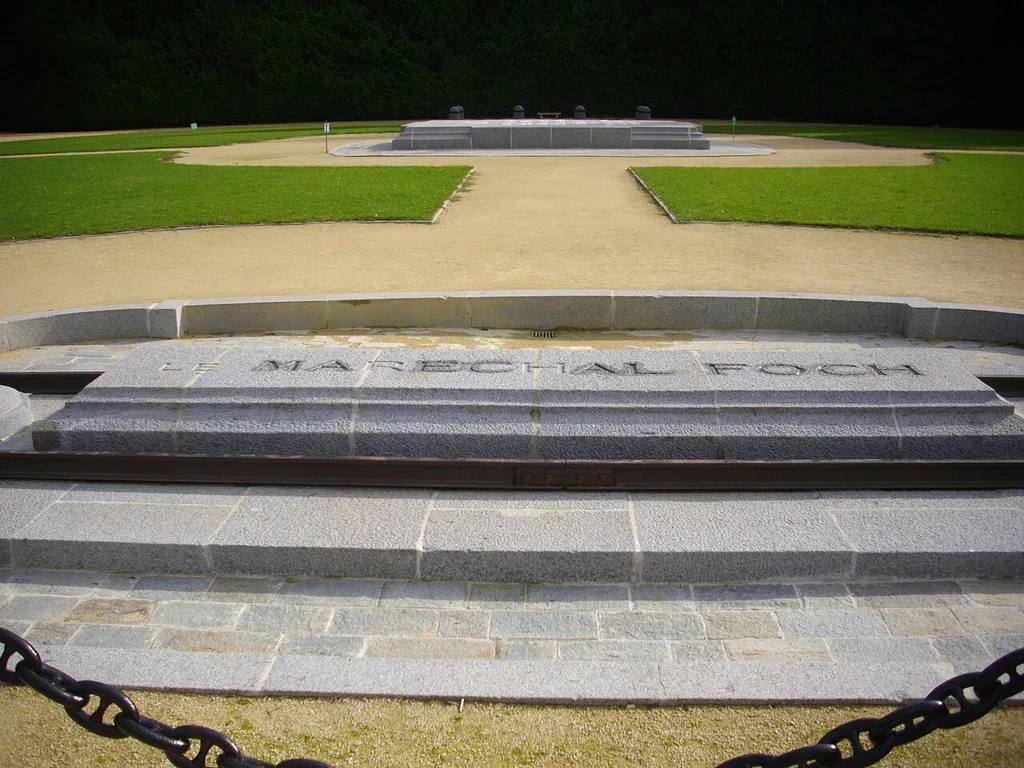
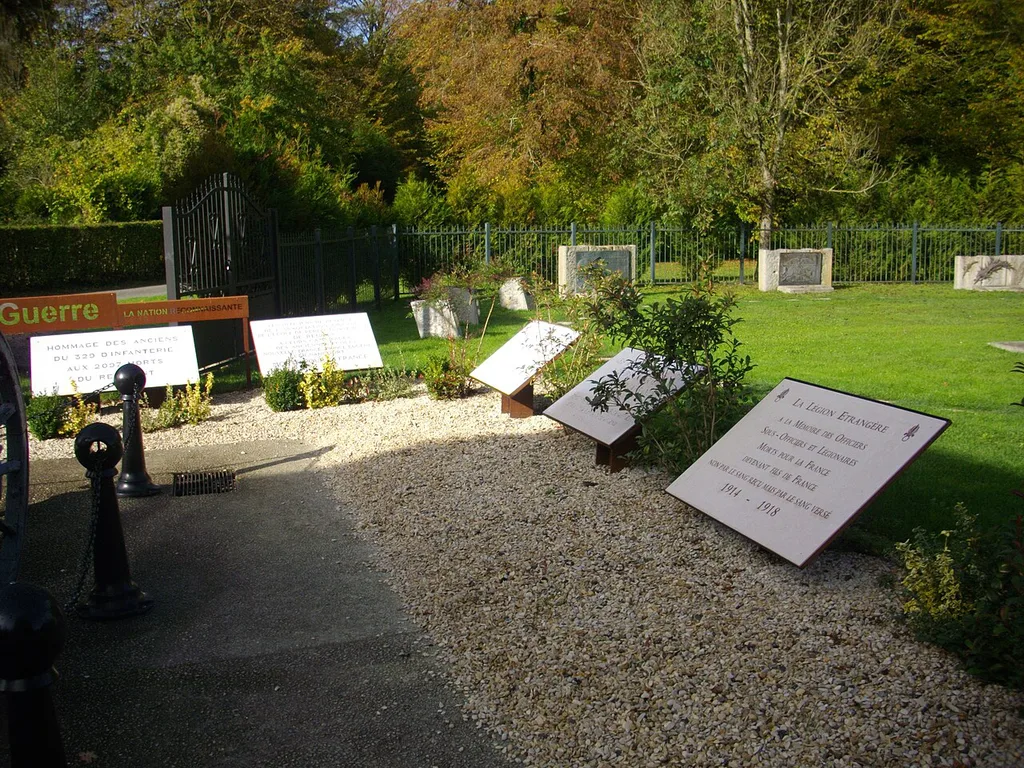
The rest of the museum covers how the war reached this point, with maps of the front line and cases of weapons. Outside, the memorial garden holds several monuments. Marshal Foch's statue stands over the larger part of the clearing. A marker shows the spot where the carriage stood.
A small memorial garden honors Augustin Trébuchon. Accounts commonly describe him as a soldier of the 415th Infantry Regiment, killed at 10.50am on 11 November 1918, ten minutes before the ceasefire. Treat the exact unit and time as details to read on the museum's panels.
- Museum with replica Wagons-Lits carriage
- Memorial garden and monuments
- Statue of Marshal Foch
- Marker at the rail spot where the carriage stood
- Memorial to Augustin Trébuchon
The 1918 and 1940 armistices in brief
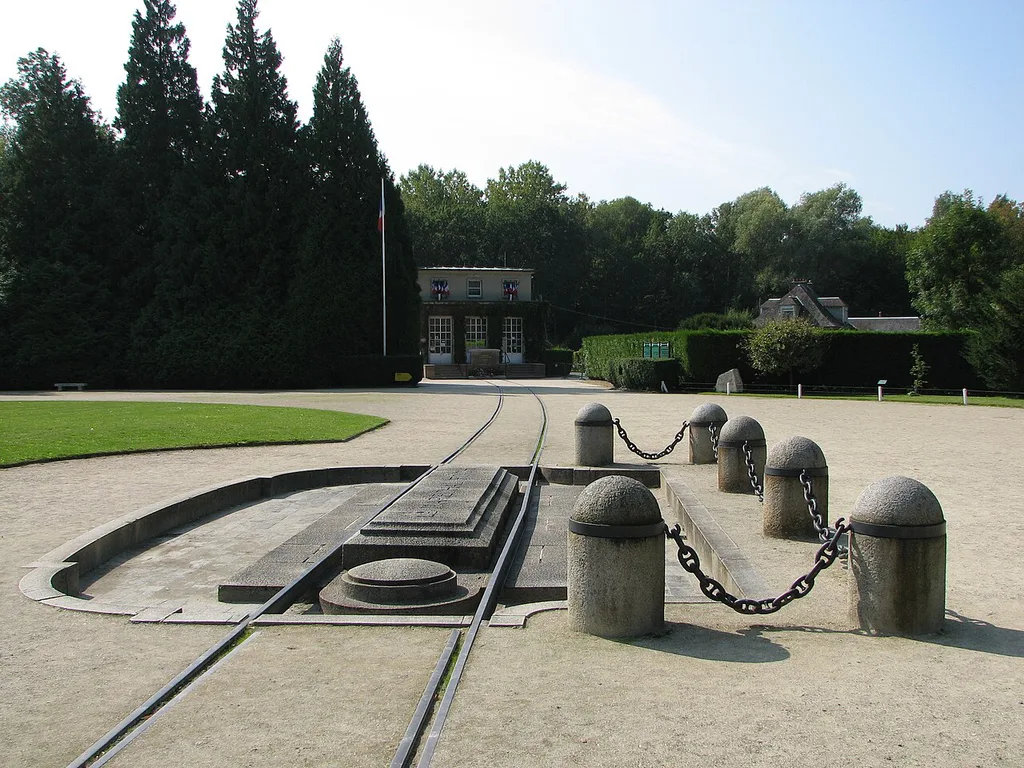
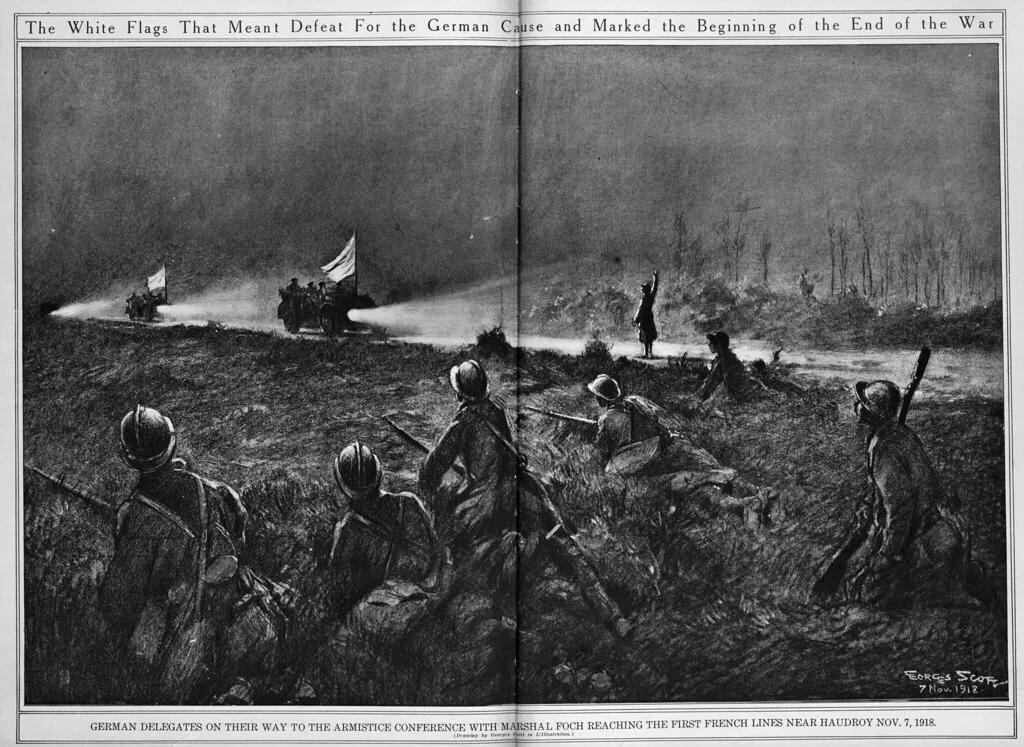
In 1918, Foch received the German delegation here after two days of negotiation, kept secret from politicians and the press. Photographs were banned, though one railway employee is said to have taken grainy shots anyway. The glade sat away from the front line, which made it a quiet place to talk.
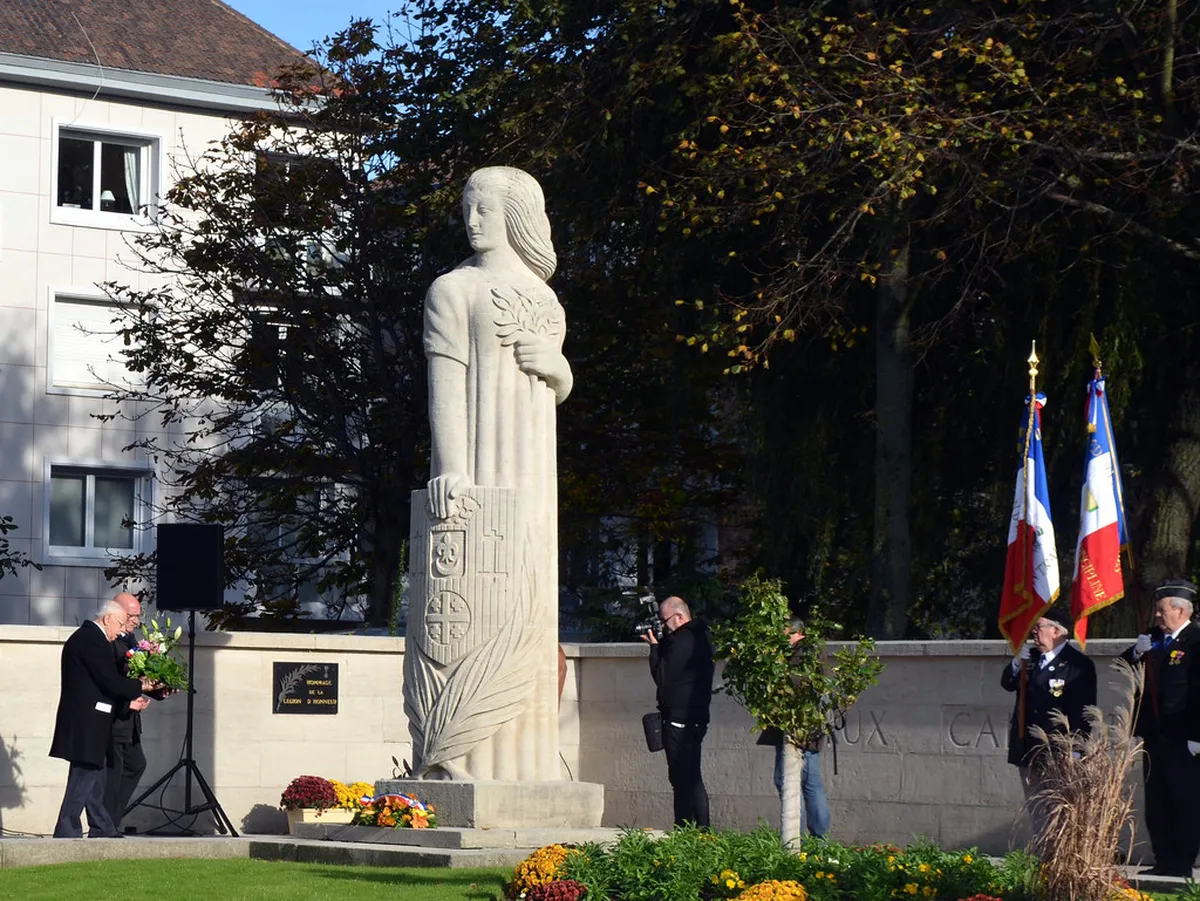
In 1940, Germany returned the carriage to the same glade after defeating France. Hitler insisted on sitting in Foch's seat while the French accepted terms. He then had the site razed, memorials included, apart from Foch's statue. Nobody knows why the statue was spared. The site was later rebuilt, so what you see today is a reconstruction of a landscape erased in 1940.
Common misconception: the Armistice was not signed at 11am. The signing took place early on 11 November, and 11am was when the ceasefire began. Many accounts give 5.15am for the signature.
Commemoration is part of the story too. Our guide to centenary commemoration sites shows how other places marked the anniversary.
Tickets, opening hours and the 11 November crowds
Hours, ticket prices and weekly closing days change by season, so read them on the official museum site before you set out. Ceremonies around 11 November can bring crowds and access restrictions.
- Museum ticket price and any combined ticket
- Seasonal opening hours and weekly closing day
- Whether the outdoor memorial garden is open to enter without a museum ticket
- Photography rules inside the museum
- Access arrangements on 11 November
Combine it with Compiègne's château and town
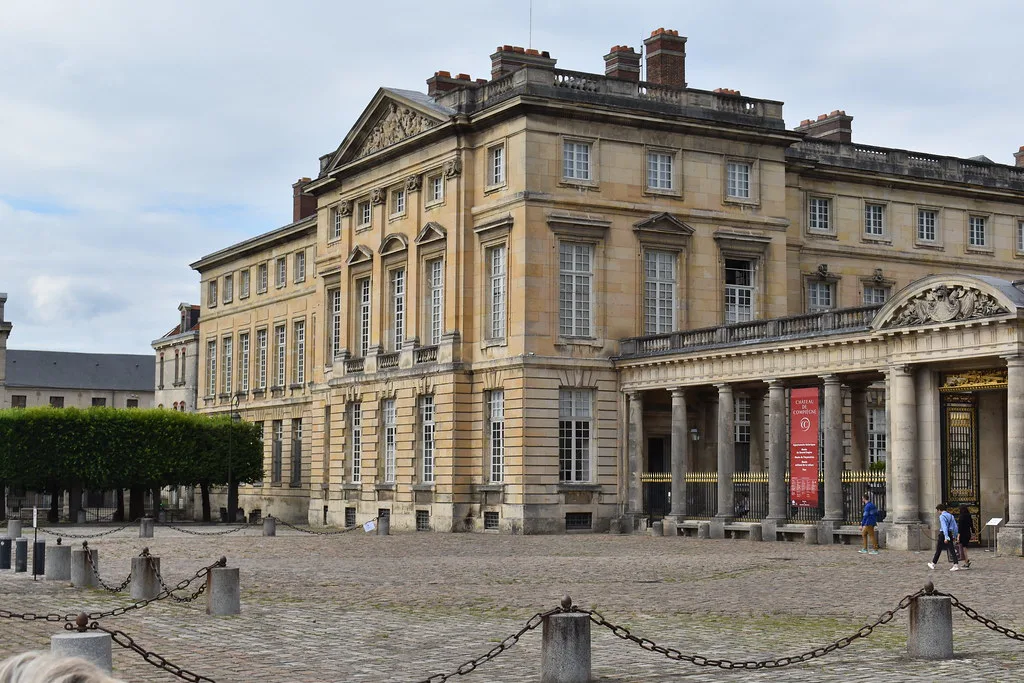
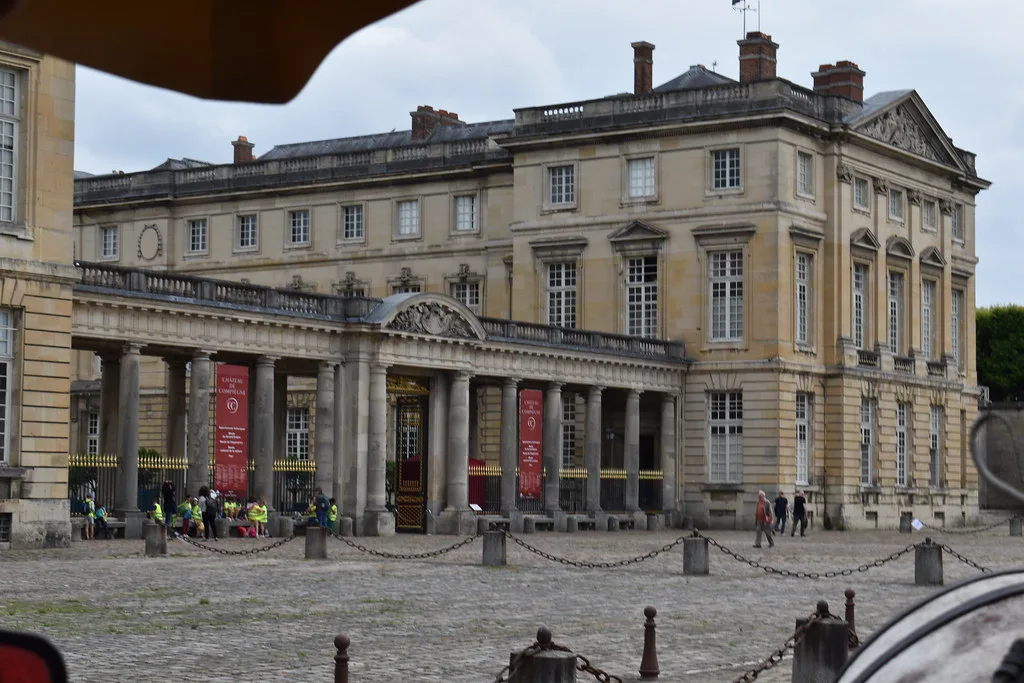
Compiègne's château was built under Louis XV. Its interiors include Napoleon's magenta bedroom, a gold-columned ballroom and a map room. Check the château's official site for current hours and prices. The town has long been a horse-breeding centre, with wide avenues lined with horse-chestnut trees. Ask the tourist office for lunch suggestions near the château.
Pairing the château with the glade leaves little slack when the walk alone is 80 minutes each way, so plan around that.
These plans are suggestions, not tested timings.
- Museum only: train, taxi to the glade, museum and memorial garden, then back to the station. Plan for a few hours.
- Museum plus château: visit the glade in the morning, then lunch in town and the château after.
- Day trip from Paris: leave early, keep the château optional, and book a return train with a buffer of at least an hour.
Where it fits on a WWI route in France
The glade is the end point of the war story, so it pairs well with sites that show the fighting. Our overview of WWI sites in France shows how to build a route. Readers heading further into the Aisne may add the Chemin des Dames ridge, though work out the driving distance before promising yourself a same-day pairing.
Other museums give a wider view of the war. The Musée de la Grande Guerre in Meaux is one option. Our comparison of WWI museums helps you choose between them.
If you are traveling around 11 November, our guide to Remembrance Day in France covers how the date shapes your plans.
If you stay overnight, ask the tourist office for current lodging. One B&B near the château charged from €120 in 2018, but treat that as outdated.
Mistakes to avoid and etiquette
This is a memorial, so keep voices low and follow any signs about photography. The 1940 history makes the site sensitive for many visitors. Treat the monuments with respect.
- Assuming the glade is walkable from Compiègne station. It is about 6.6 km out.
- Expecting the original carriage. The one on display is a replica.
- Visiting on 11 November without checking access and ceremony arrangements.
- Seeing only the clearing, or only the museum. The two work together.
- Planning a same-day return from Paris without a train buffer.
Keep planning
Guides on the same trip