7 Cold War Sites in Europe to Visit, by Type
Seven Cold War sites in Europe, from inner-border memorials to nuclear-age bunkers, grouped by type with access, booking and route advice.
In this guide
Last updated November 2026: Cold War sites in Europe fall into a few clear types, namely border crossings, inner-border museums, bunkers and secret-police sites. Pick by theme first, then by how far you will travel and whether you prefer guided or self-guided visits. Below are seven places to anchor a trip, grouped by what you see.
Featured image: Mahei, CC BY-SA 4.0, via Wikimedia Commons.
Quick answer: the best Cold War sites by type
For the Iron Curtain itself, start with Point Alpha, Mödlareuth, Marienborn and Hötensleben. For a museum on the border story, add the Eichsfeld border museum. For the nuclear age, choose the government bunker at Ahrweiler or Hack Green in Britain. Secret-police history has its own guide further down. Berlin has dedicated guides elsewhere, so this page leaves it out and concentrates on places that reward a longer journey.
How to choose between border, bunker and museum sites
Start with theme. Border sites are mostly outdoors, bunkers are underground, and museums suit bad weather. Next, check access. Rural inner-border sites sit far apart and are poorly served by public transport, so a car saves hours. Then think about format. Many bunkers admit visitors on guided slots, and some memorials open seasonally or on set weekdays. Finally, match the place to your group. Underground sites are a poor fit for claustrophobic visitors, and long outdoor walks suit those with good mobility. These are respectful sites of division, surveillance and nuclear threat, so plan time to read rather than to photograph.
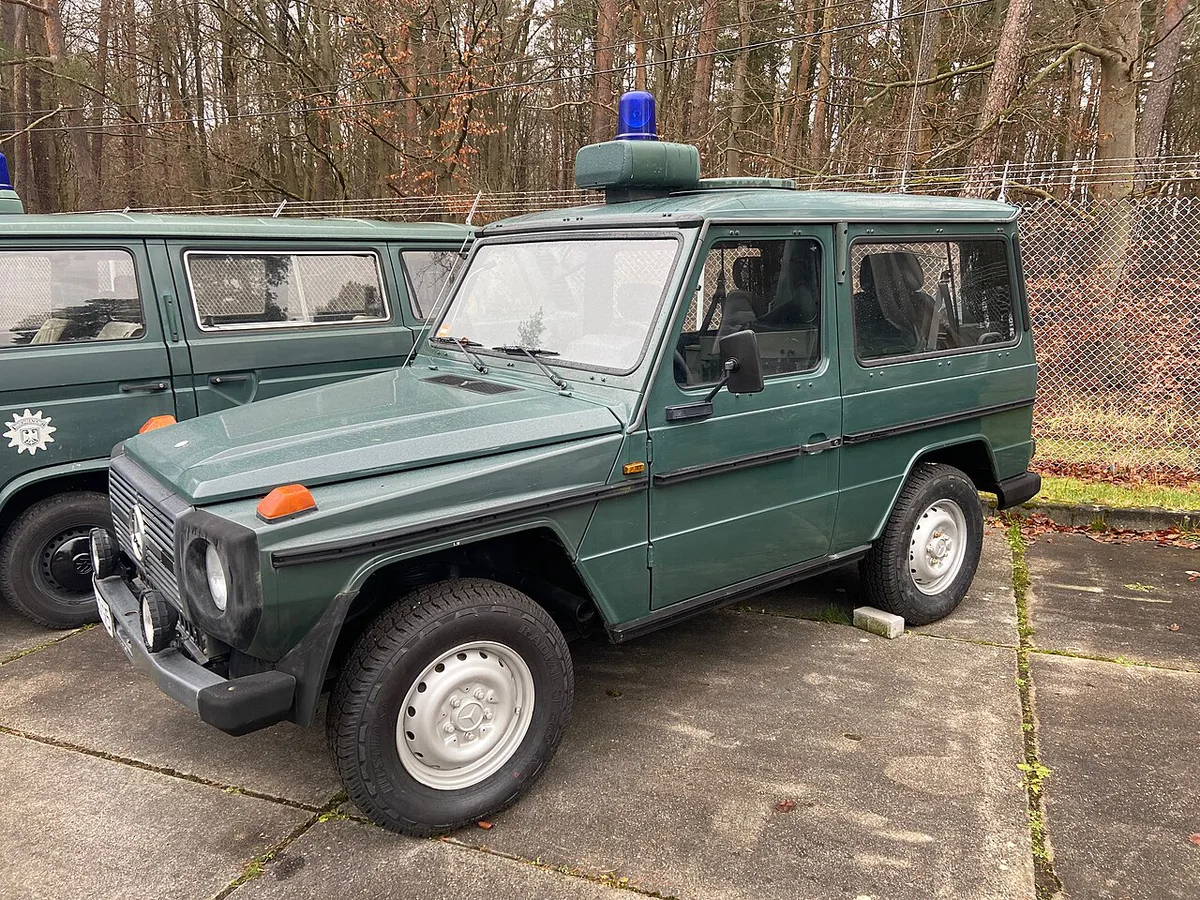
7 Cold War Sites in Europe Worth the Trip
Prices and hours checked November 2026: this guide quotes none, because each site sets its own schedule. Use the official link in each entry for current hours and tickets.
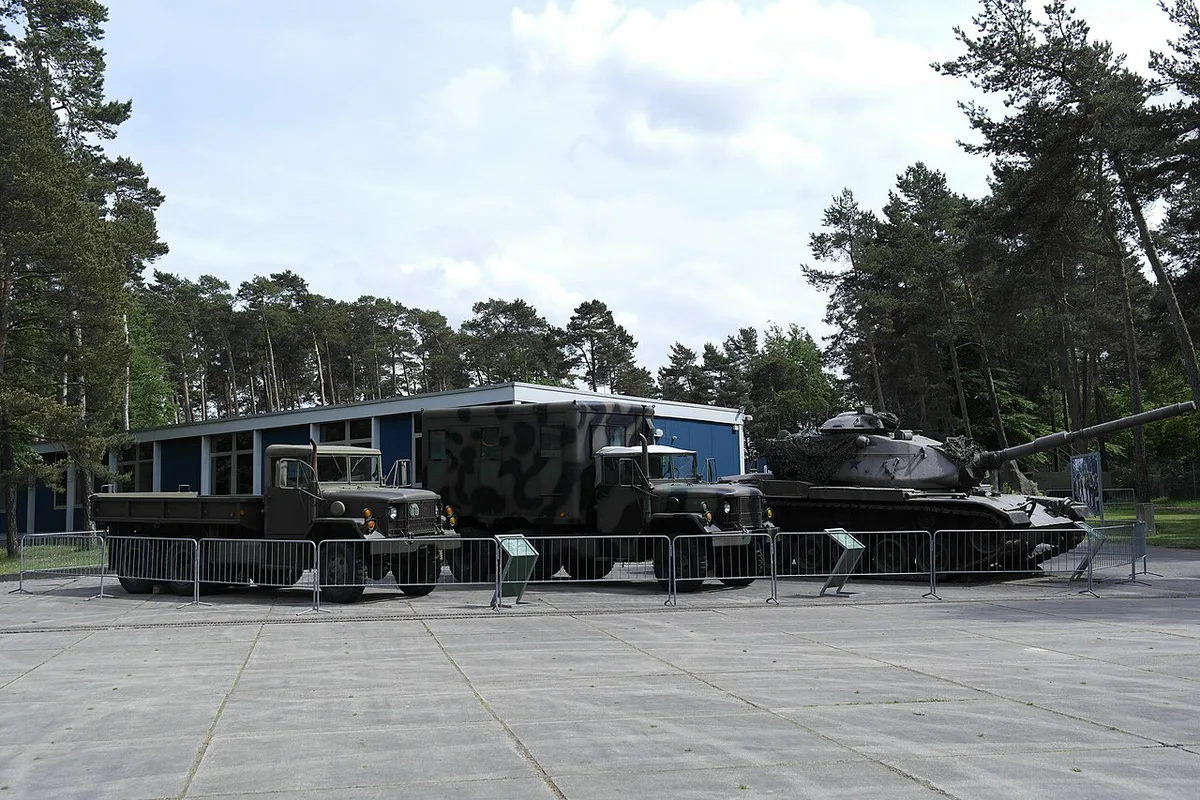
1. Point Alpha, Germany
Point Alpha is a former Cold War border post on the inner German border, and it is the clearest place to see how the frontier worked on the ground. Walk the open-air border grounds first, then go indoors for the exhibitions that explain the standoff. Read our Point Alpha observation post guide before you plan the day.
The Point Alpha Foundation publishes current visiting information. Allow a half-day and expect to arrive by car, since the rural setting is thinly served by transit. Skip it in heavy rain if you only want a quick photo stop, because much of the site is outdoors.
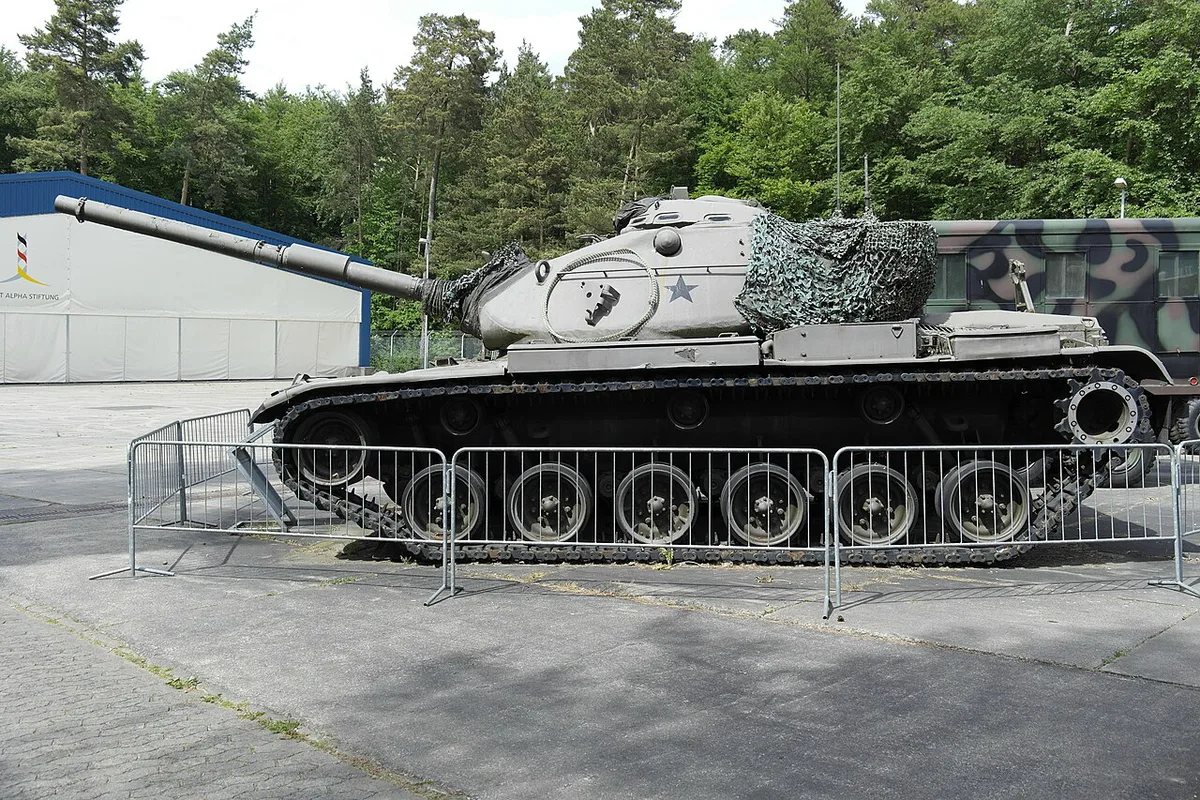
2. Mödlareuth, Germany
Mödlareuth is a village the border once divided, and it holds the German-German museum devoted to that story. Its value is scale: you see how a frontier cut through one small community rather than through open country. Our Mödlareuth village museum page covers what to see in more detail.
The official museum site lists opening days and ticket information. Plan roughly an hour or two on site, and combine it with other border stops by car. Skip it if you expect a large indoor museum, because much of the experience happens outdoors in the village.
3. Marienborn Memorial, Germany
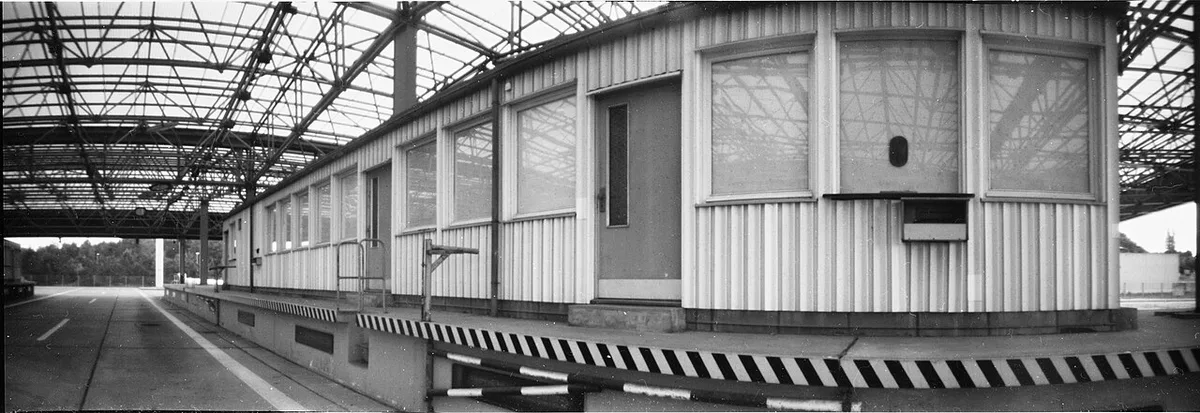
Marienborn was a border crossing checkpoint, and today it is a memorial run by the Sachsen-Anhalt memorials foundation. It shows the machinery of control: lanes, inspection areas and the buildings that processed travellers. Our Marienborn checkpoint memorial guide explains the layout.
Hours and guided options are posted on the Marienborn Memorial website. Give it a half-day if you want to read the exhibitions and walk the whole site. Skip it if you only want scenic views, since its subject is administration and control rather than landscape.
4. Hötensleben Border Monument, Germany
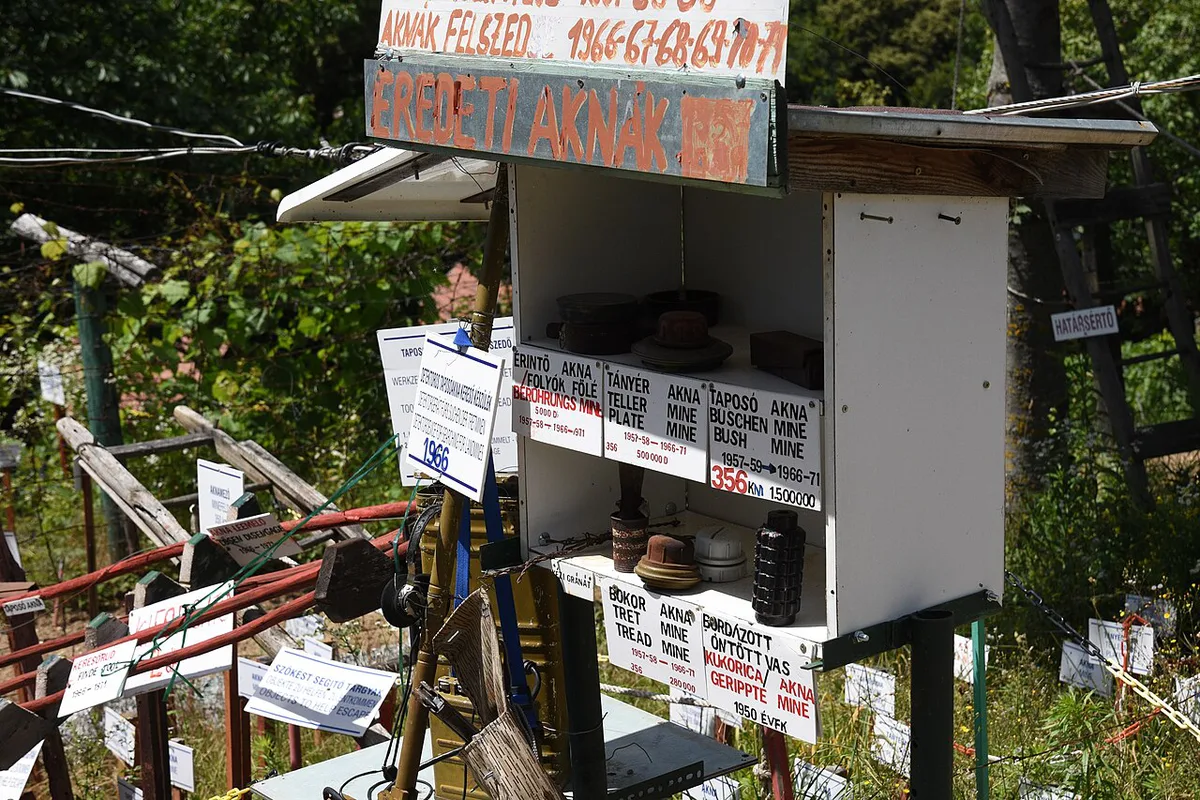
Hötensleben preserves a stretch of the border fortifications as a monument, so you can see the physical barrier rather than read about it. It is managed by the same Sachsen-Anhalt foundation that runs Marienborn, which makes the two a natural pairing. Walk the preserved strip slowly and read the information panels.
Current access details are on the Hötensleben memorial site. Allow about an hour for the monument itself, plus travel time between the two sites by car. Skip it in poor weather, because the experience is almost entirely outdoors.
5. Grenzlandmuseum Eichsfeld, Germany
Grenzlandmuseum Eichsfeld is a border museum that tells the story of division through the regional experience of the frontier. Choose it when you want the human story behind the fences, with more context than an open-air memorial gives. The Grenzlandmuseum Eichsfeld site lists current hours and visitor information.
For comparison with similar places, see our overview of inner-border museums in Germany. Count on a half-day if you pair the museum with the outdoor border sections nearby. Skip it if you prefer open-air sites, since much of the visit is indoors.
6. Government Bunker Ahrweiler, Germany
The Dokumentationsstätte Regierungsbunker documents the emergency bunker built for West Germany's government in the nuclear age. It is underground, so it suits wet or cold days and anyone who wants the Cold War's scale of preparation. Our Ahrweiler bunker guide covers the route through the complex.
Entry rules and booking options are on the official Regierungsbunker site. Plan a half-day and secure a slot in advance, since guided entry is the norm at bunkers like this. Skip it if you are claustrophobic or have limited mobility, because the corridors are long and enclosed.
7. Hack Green Secret Nuclear Bunker, Britain
Hack Green is a secret nuclear bunker in Britain, and it is the in-scope counterpart to Ahrweiler for readers who prefer to stay in the UK. It shows the same Cold War logic from the Western side: planning to keep government and communications working after an attack. Our guide to more Cold War bunkers compares it with other underground sites.
Opening days vary, so use the Hack Green website for the current schedule. Allow a half-day, and note that a car is the practical way to reach it. Skip it if you want open air, because the main interest is underground.
Stasi sites and Iron Curtain museums
Secret-police history deserves its own trip, and it extends well beyond the capital. Read about Stasi sites beyond Berlin before choosing prisons and archives. For wider museum options, browse our Iron Curtain museum guides. Treat these places as memorials to people who were watched, detained or separated from their families. Follow each site's own conduct rules, keep voices low, and photograph only where permitted.
Beyond Germany: where this guide stops
Hack Green is the only non-German site we have verified here. France has Cold War air bases and nuclear bunkers, but we have not confirmed visitor access for them. Check each base or bunker's official source before you plan a trip around one.
Sample routes: 1 day, 3 days and 1 week
With 1 day, choose one region: Point Alpha, then Mödlareuth if the drive allows. With 3 days, add Marienborn and Hötensleben, which sit close together, and finish at the Eichsfeld border museum. With 1 week, build a road trip along the old frontier and add Ahrweiler. Cyclists can follow the Iron Curtain cycling route, which is also described on the EuroVelo 13 official page. Leave a buffer day for closures and long rural transfers.
With 1 day, choose one region, since rural inner-border sites are poorly served by public transport and a car saves hours.
| Trip length | Stops from the article |
|---|---|
| 1 day | Point Alpha, then Mödlareuth if the drive allows |
| 3 days | Add Marienborn and Hötensleben, then finish at the Eichsfeld border museum |
| 1 week | Road trip along the old frontier, adding Ahrweiler |
Costs, booking and getting around
We found no current ticket prices that we could verify for these sites, so none are quoted here. Use each official link above for fees, guided slots and accessibility details.
Common mistakes to avoid
Do not assume every site opens daily, because rural memorials often keep seasonal or weekday hours. Do not skip booking at guided bunkers. Do not underestimate distances between border sites, which are far apart. Finally, do not treat memorials as photo stops. Read the exhibitions, and give yourself time to take in what each place records.
In Britain, the Cold War bunkers built for regional government in a nuclear war are now open as museums.
Explore More Guides
Keep planning your trip with these guides.
Guides
- Point Alpha: Cold War Border Memorial Visitor Guide
- Iron Curtain Trail (EuroVelo 13)
- Visitor Guide to Germany's Divided Village
- Marienborn Border Crossing
- Government Bunker Ahrweiler: Tours, Tickets & Guide
- Cold War Bunkers in Europe: Which to Visit
- Inner German Border Museums
- Stasi Museum Leipzig
- Iron Curtain Museums: Which to Visit and How to Choose
Keep planning
Guides on the same trip