Modlareuth (Mödlareuth): Visitor Guide to Germany's Divided Village
Modlareuth, spelled Mödlareuth, is the Bavaria-Thuringia village once split by a border wall. See what the museum and open-air remains cover and how to plan a visit.
In this guide
Last updated November 2026. Mödlareuth, also typed Modlareuth or Moedlareuth, is the village on the Bavaria-Thuringia border near Hof that a wall once divided, which is why it is nicknamed 'Little Berlin'. It suits history travellers and road-trippers who want to stand on the former inner German border. Public transport to such a small rural village is thin, so plan your route before you leave.
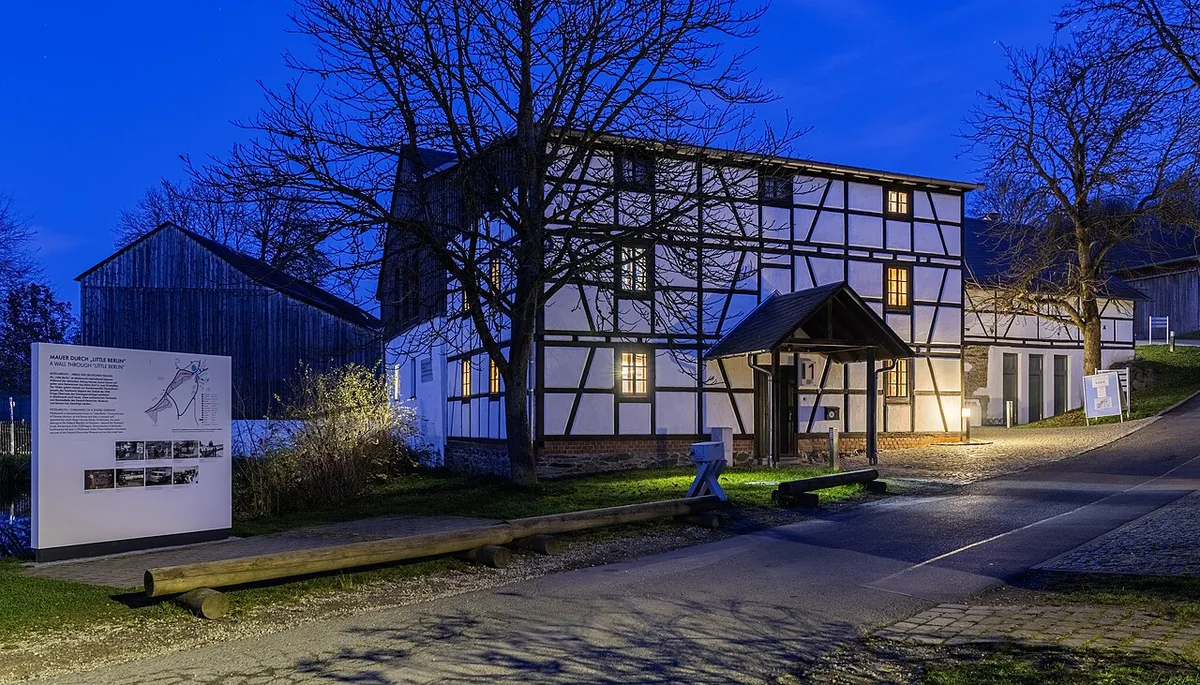
Featured image: PantheraLeo1359531/Die Fotos im Foto sind vom Museum Mödlareuth, schaffner-doku, Arndt R, CC BY 4.0, via Wikimedia Commons.
Modlareuth, or Mödlareuth: what it is and why it matters
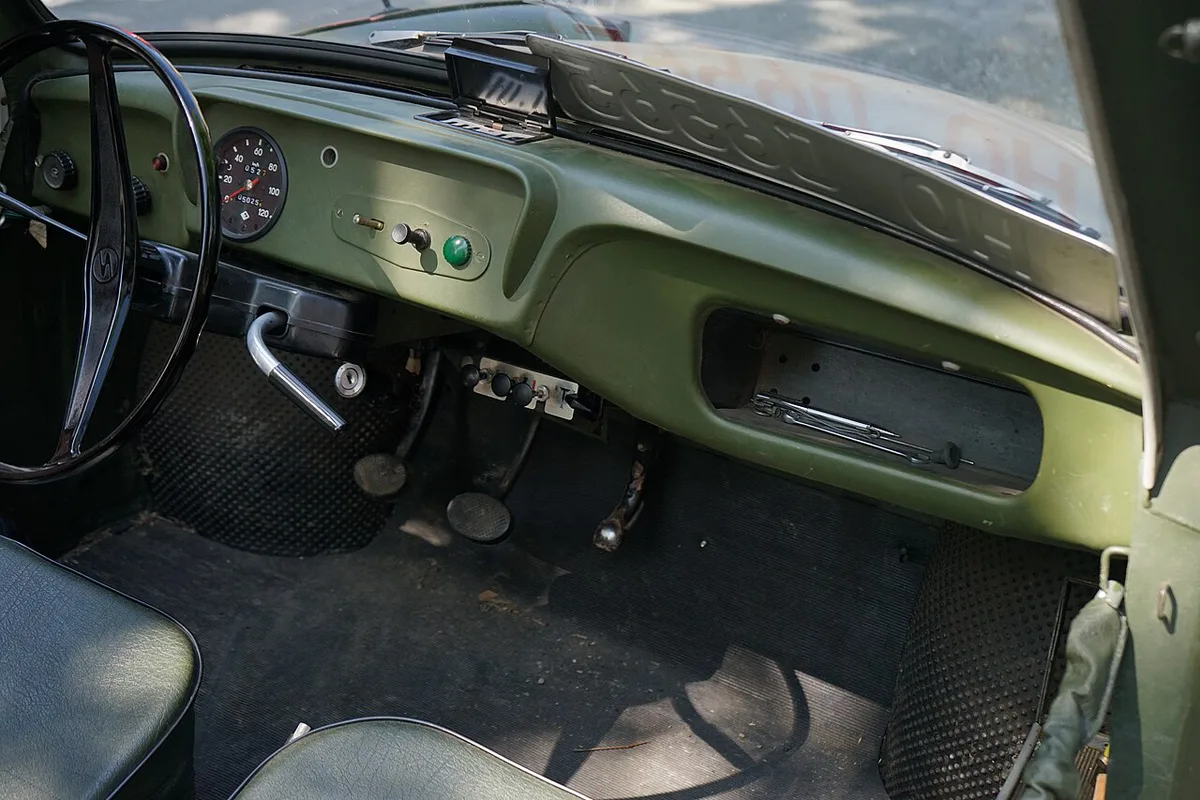
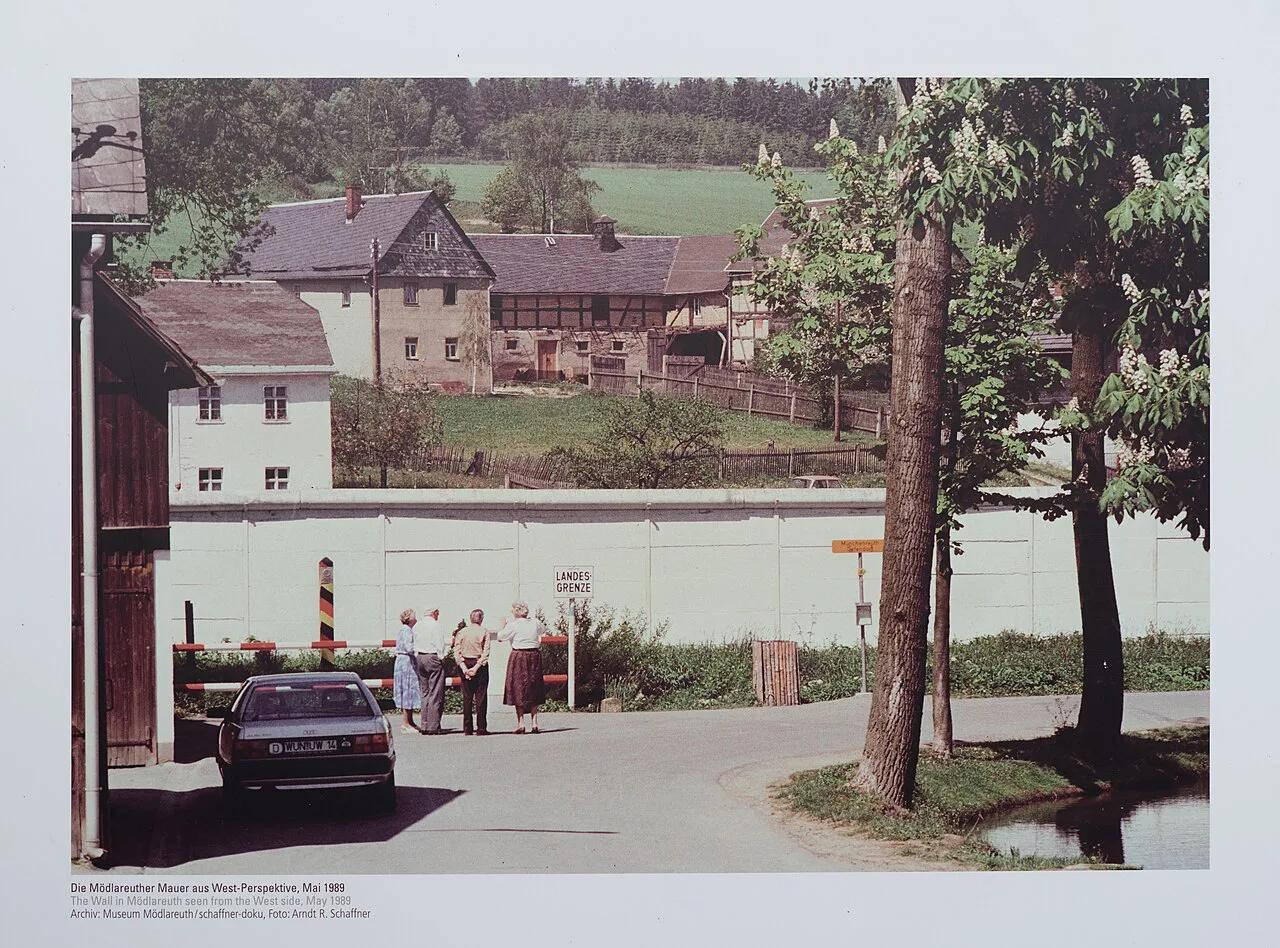
Mödlareuth is a small village whose two halves ended up on opposite sides of the Cold War. One half lay in Bavaria in the West, and the other lay in Thuringia in the East. A stream ran through the village, and the border followed it. Families and neighbours were separated by a fortified barrier. That is why the village is called 'Little Berlin'. Say the name roughly as 'MURD-la-royt'. The umlaut is why the keyword is often typed as Modlareuth or Moedlareuth.
Mödlareuth timeline: from the Tannbach border to reunification
The line through Mödlareuth is older than the Cold War, and knowing the sequence makes the open-air remains easier to read on site.
- 1810: The Tannbach stream became a state boundary between Bavaria and the Reuss territories to the north. For well over a century it was an administrative line that villagers crossed daily.
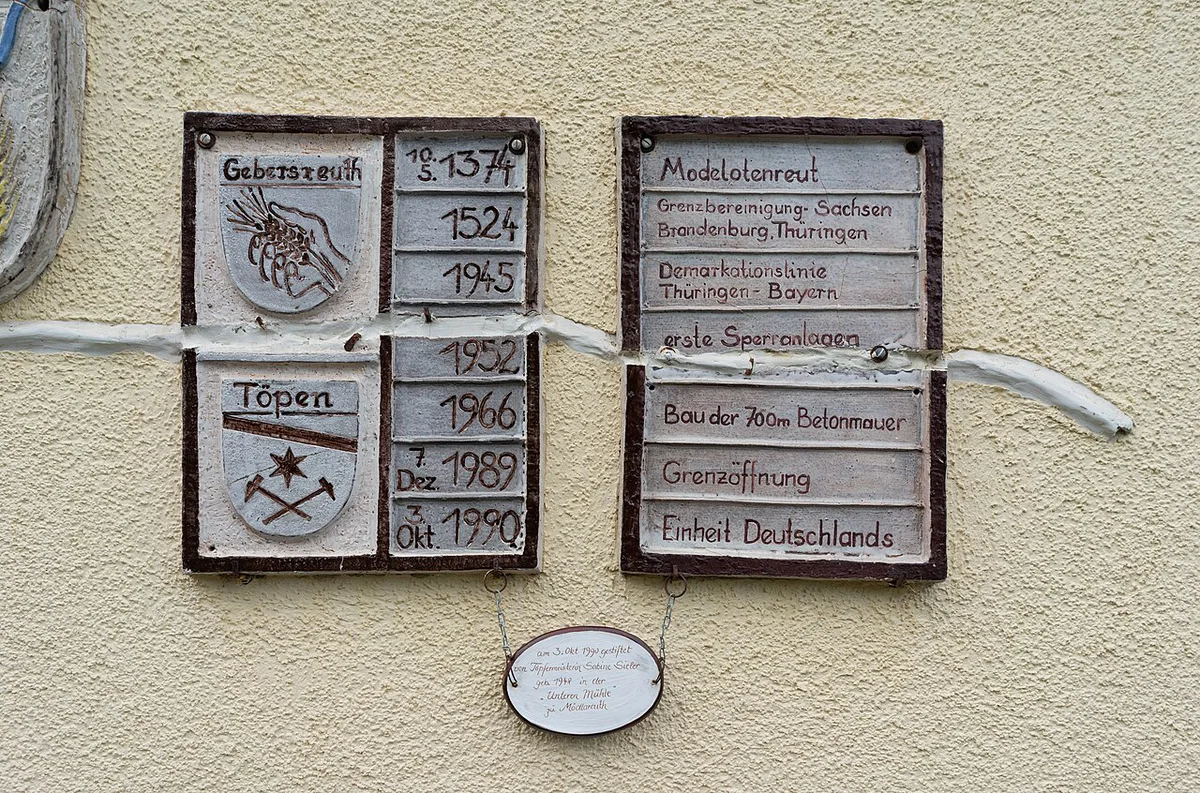
- 1945: After the war, the stream became the demarcation between the American and Soviet occupation zones. The village was split, and the Americans' nickname for it, 'Little Berlin', stuck.
- 1950s: East German authorities fortified their side with fences, control strips and watchtowers, and the crossings that locals had used were closed.
- 1966: A concrete wall replaced the earlier fence along part of the village. This is the barrier that gave the place its Berlin comparison, and sections of it still stand.
- 1989: The border opened in December 1989, and the two halves of the village could be crossed freely again.
- After 1990: Preservation of the remaining installations and the creation of the museum followed, so that the barrier would be kept as a place of remembrance.
When you walk the open-air section, look for the contrast between the Bavarian side, with ordinary village buildings, and the eastern side, where the former control strip and observation structures were. The museum's own site gives the detailed chronology and current exhibition information. For wider background, see the Mödlareuth article on Wikipedia.
What to see: open-air border remains and the museum
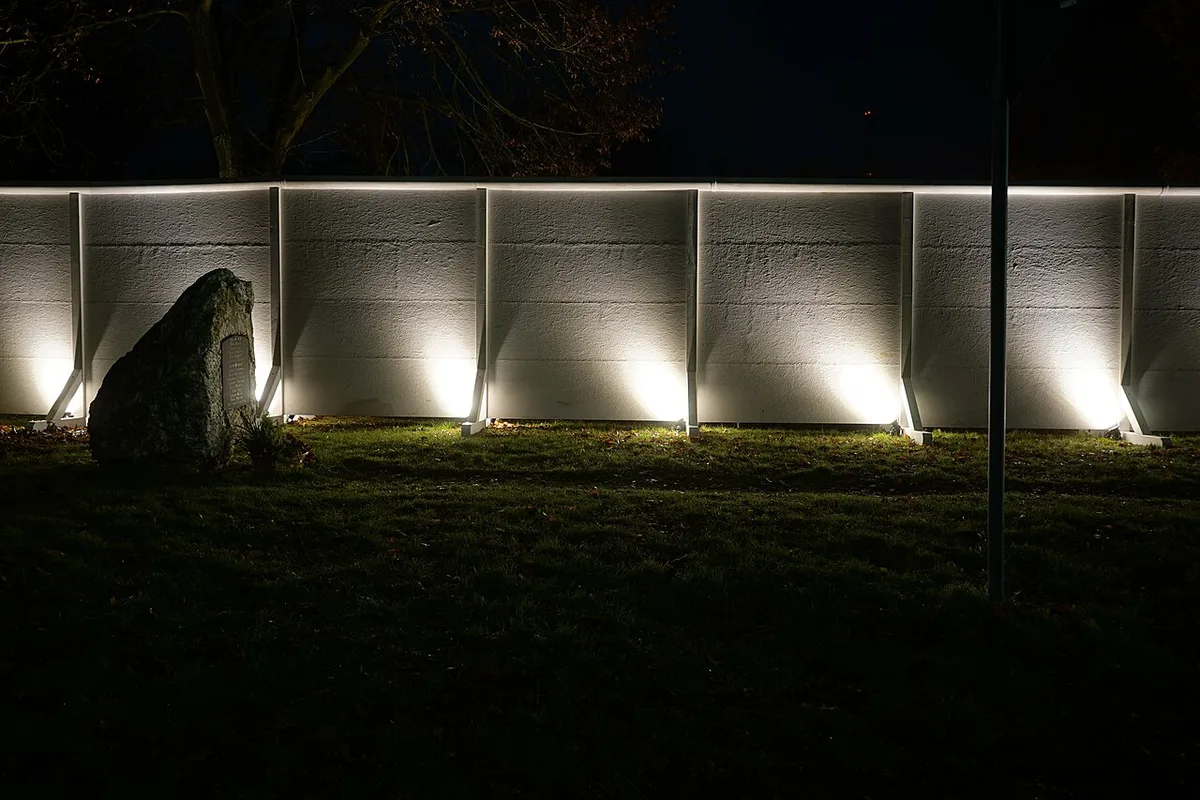
Two parts make up a visit, and they work differently. The open-air section preserves stretches of the border installations in the village itself. You walk along the line and see how the barrier cut through ordinary streets and fields. Indoors, the Deutsch-Deutsches Museum Mödlareuth explains the divided-village story and the wider German division. Exhibit and sign languages differ by display, so check the museum's site for English-language material before you go. Compare it with other sites in our guide to German inner-border museums.
How to get there
A car is the practical choice. The village sits in a rural area near Hof, and bus or rail links to border villages are sparse. If you rely on public transport, build the route from the nearest larger town and check current timetables with the regional operator. The museum's site also lists arrival details and parking. Tour options vary, so ask the museum or the regional tourist office about guided visits. Cyclists can place the village on the wider Iron Curtain Trail route.
When to go, how long to stay and what it costs
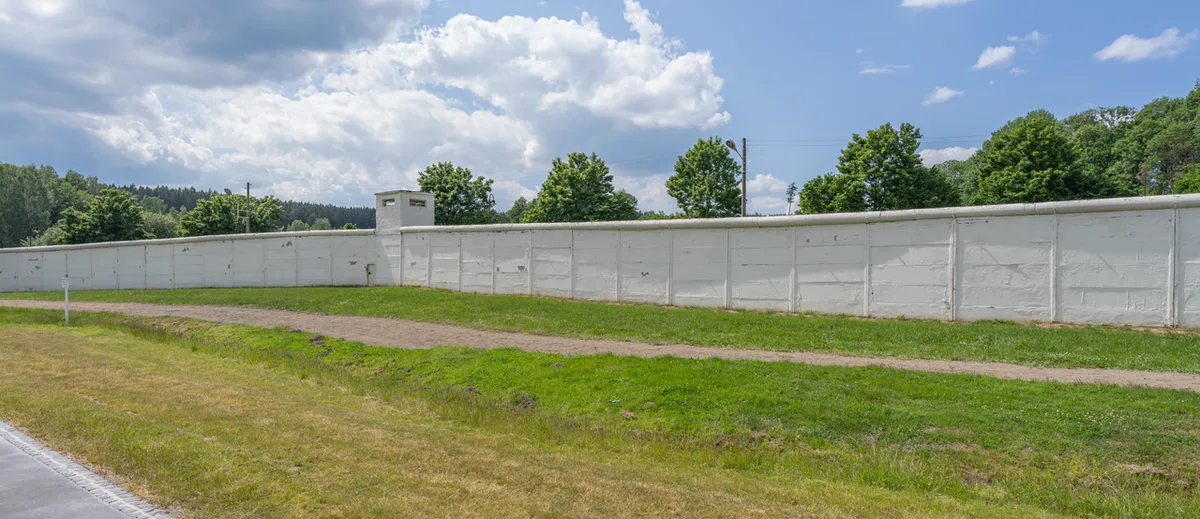
Much of the visit is outdoors on uneven ground, so dress for the weather and wear sturdy shoes. Plan on a half-day at most, with time for both the outdoor remains and the exhibition. Seasonal hours, closing days and ticket prices change, so read them on the museum's official site for 2026 before you set out. Ask the museum whether the outdoor remains can be visited without a ticket. Food and toilets in a village this small are limited, so eat in Hof or another larger town on your route.
Is Mödlareuth worth the detour?
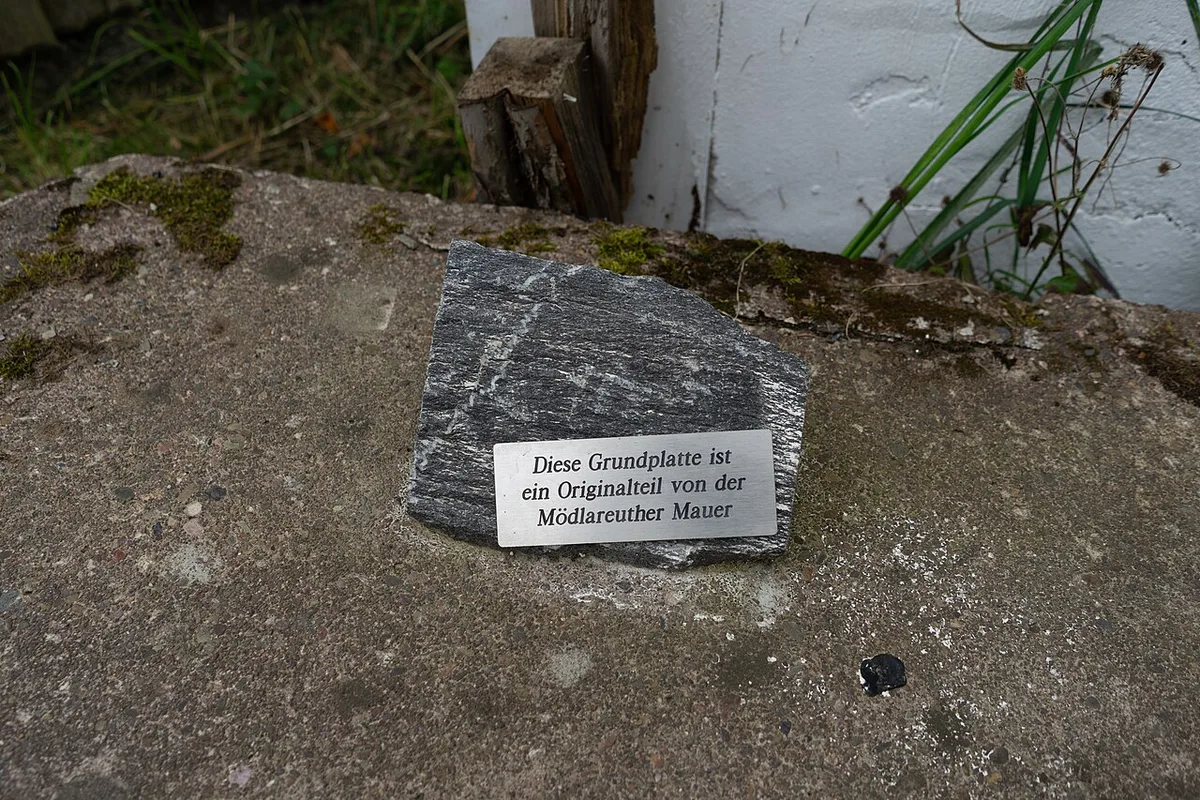
It is worth it if you want the human scale of the border rather than a broad overview. A single divided village makes the story easy to grasp. It is less rewarding if you want large exhibitions or a long, hands-on day. For scale and depth, compare it with Point Alpha: Cold War Border Memorial Visitor Guide, a former Cold War observation post site. Marienborn Border Crossing: Cold War Memorial Guide preserves a former crossing point and shows a different side of the border. Families with older children and school-age history students will get the most from Mödlareuth.
Pairing Mödlareuth with other Cold War sites
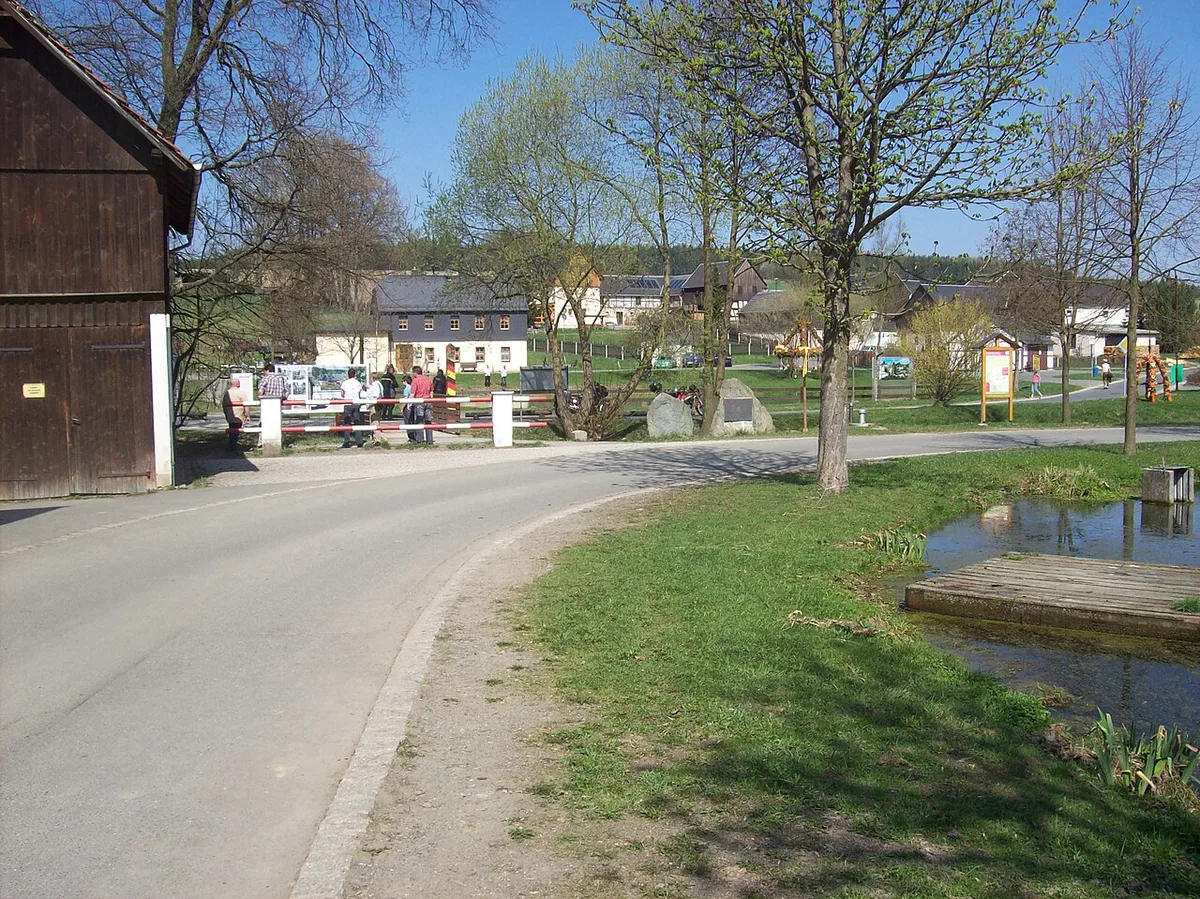
Mödlareuth works as one stop on a longer border road trip. Extra driving is the trade-off, because these sites are spread across rural Germany. Pair it with other border memorials and museums rather than adding a distant city. Our hub on 7 Cold War Sites in Europe to Visit, by Type shows where Mödlareuth fits in the wider picture. Anyone interested in surveillance history can continue with Stasi Museum Leipzig: Runde Ecke & Bunker Guide.
Keep planning
Guides on the same trip