Inner German Border Museums: Which to Visit
Compare inner German border museums and memorials by site type, best-for visitor and access, with planning tips for Point Alpha, Mödlareuth and Marienborn.
In this guide
Last updated November 2026. The inner German border ran roughly north to south across Germany from 1945 to 1990, and each inner German border museum covers a different stretch of it. For a divided village, pick Mödlareuth. For a preserved checkpoint, pick Marienborn. For a Cold War lookout over the Fulda Gap, pick Point Alpha. Berlin's DDR Museum covers everyday GDR life, not the border, so treat it as an optional add-on.
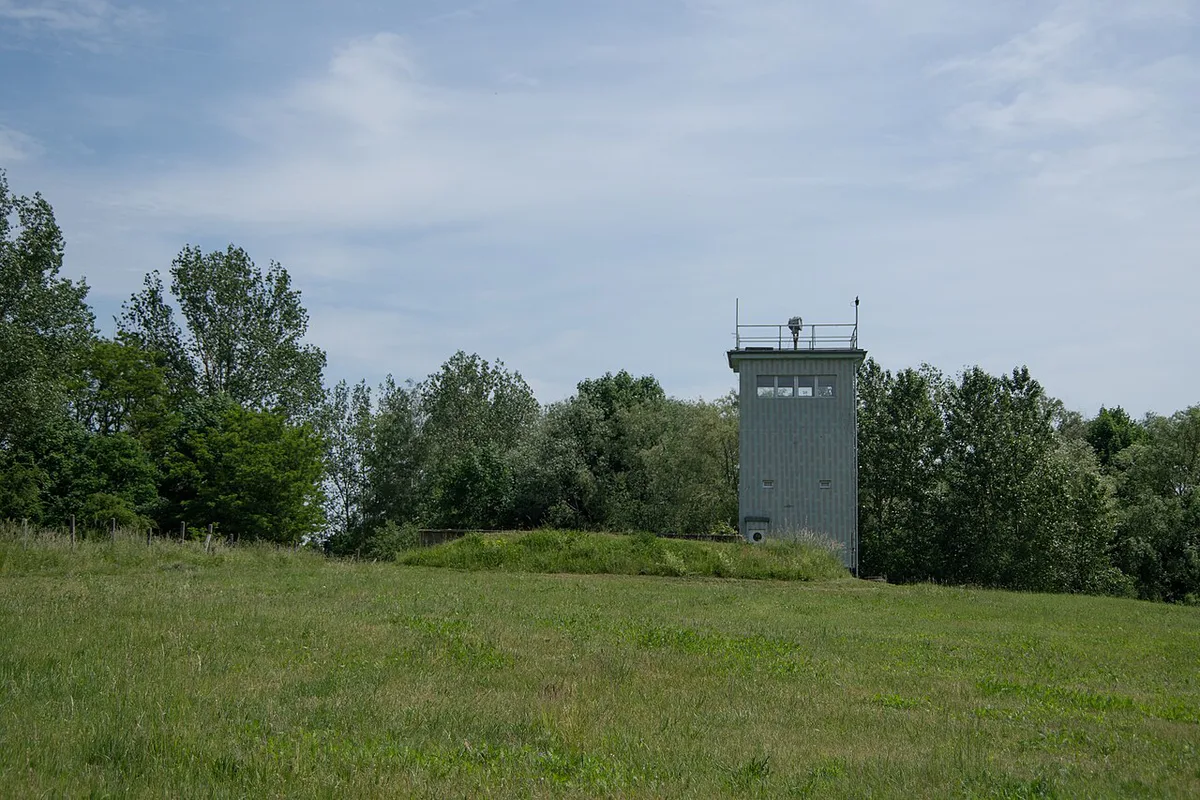
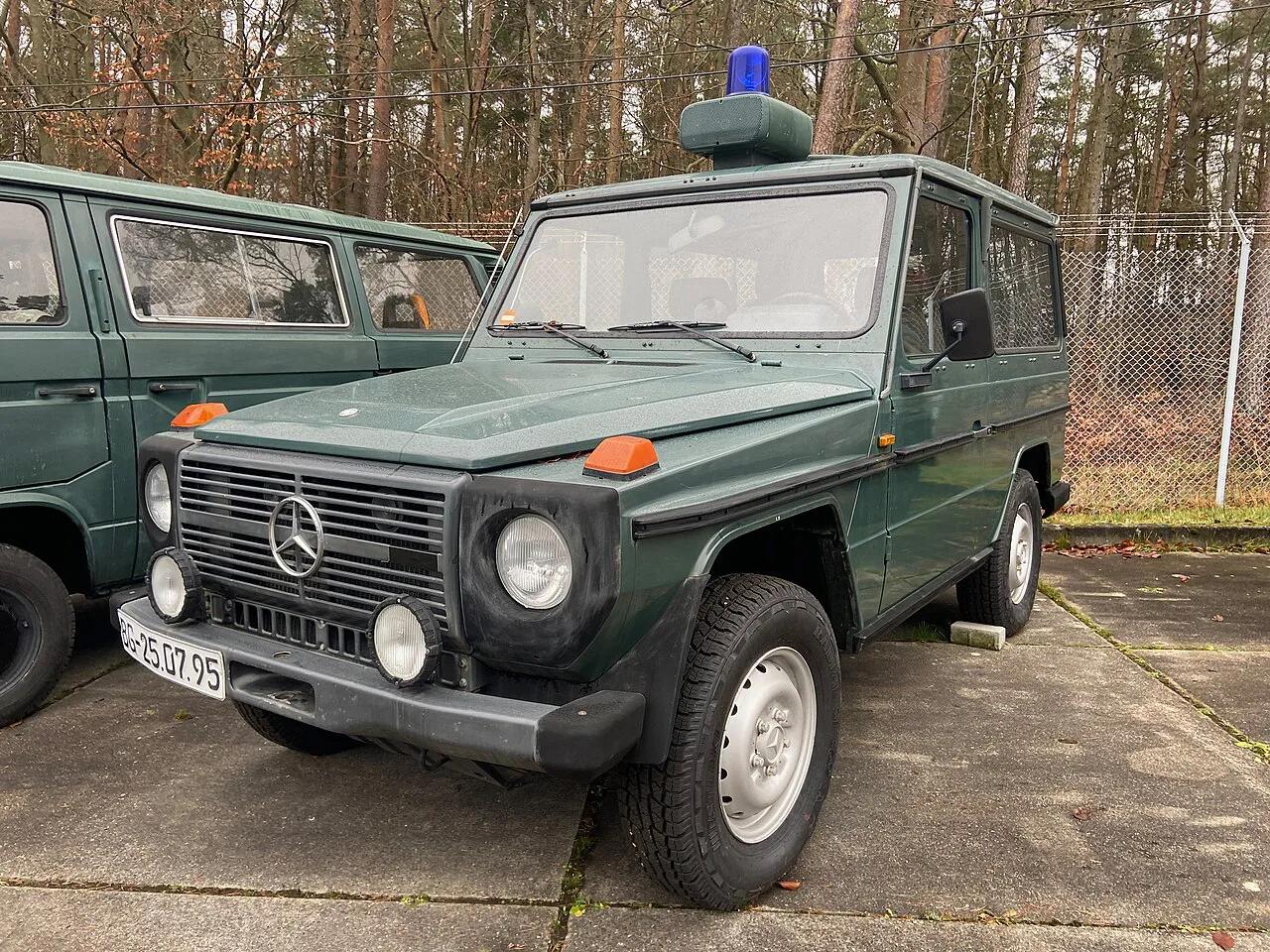
Featured image: a.froese, CC BY-SA 2.0, via Wikimedia Commons.
Best Inner German Border Museums at a Glance
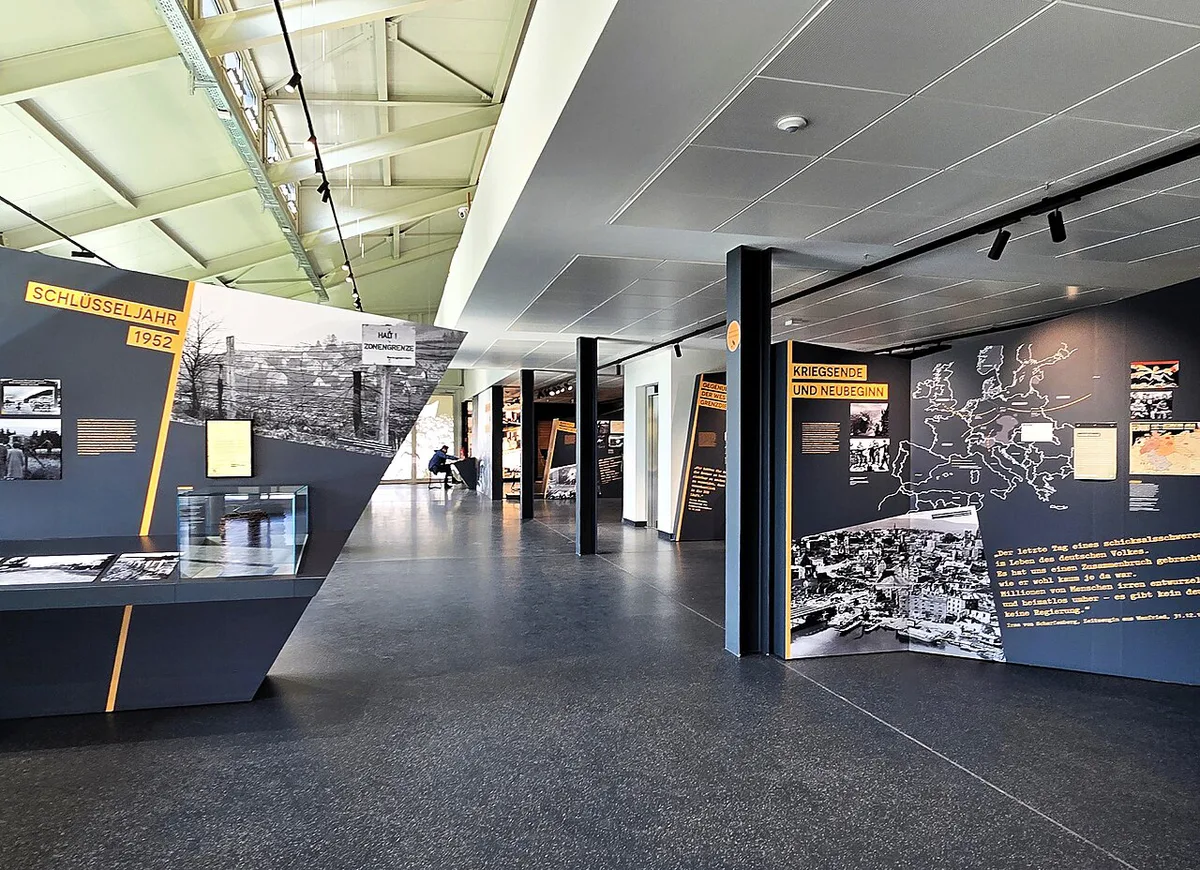
Five sites cover most of what visitors want, and each answers a different question. The table sorts them by type and by who gets the most from them.
| Site | Type | Best for | Guide |
|---|---|---|---|
| Point Alpha | Memorial and border-landscape site | Fulda Gap and Cold War frontline context | Point Alpha memorial |
| Mödlareuth | Open-air and museum site in a divided village | Seeing how a border split one community | divided village of Mödlareuth |
| Marienborn | Preserved former checkpoint | Understanding how crossings were controlled | Marienborn checkpoint memorial |
| Grenzlandmuseum Eichsfeld, near Teistung | Museum plus circular trail | Families and mixed-interest groups | Official site linked below |
| Museum für Grenzgänger, Bad Königshofen | Small regional museum | Stories of daily life and smuggling on the zone border | Official site via the regional listing |
How to Choose an Inner German Border Museum
Start with what you want to see. Museums explain, while open-air remains let you stand where the fences and control buildings were. Then match the site to your group and your transport.
- History-focused adults: Marienborn for the checkpoint system, Point Alpha for the Cold War setting.
- Families: the Grenzlandmuseum Eichsfeld offers an interactive model of Germany, media stations, quiz apps and children's booklets.
- Short on time: pick one site and read its official page first.
- Surveillance interest: add a detour through Stasi Museum Leipzig: Runde Ecke & Bunker Guide.
- Car-free travelers: choose the sites nearest a rail station and confirm onward links.
Large Sites vs. Small Local Museums
Large sites such as Marienborn and Point Alpha give scale and strong interpretation. Small museums give a human angle. The Museum für Grenzgänger at Martin-Reinhard-Straße 9 in Bad Königshofen fills two floors of a former border information centre. It follows neighbourly ties before 1945, then the zone border from 1945 to 1989, through smuggling, cross-border trade and flight. Small venues are quieter but keep shorter hours, and the regional listing showed no accessibility information, so contact the museum directly.
Bad Königshofen's museum covers the zone border from 1945 to 1989, a year short of the 1990 end the inner border reached.
Costs, Tickets and Opening Hours
Prices and hours are not fixed across these sites, so use each operator's own page. The Grenzlandmuseum Eichsfeld site is the place to confirm tickets and tour times, and the observation tower there is visited only as part of a guided tour. Marienborn publishes details through its memorial foundation page. Small museums often open on afternoons only and close on public holidays, so check the day before you set out.
Getting There and Getting Around
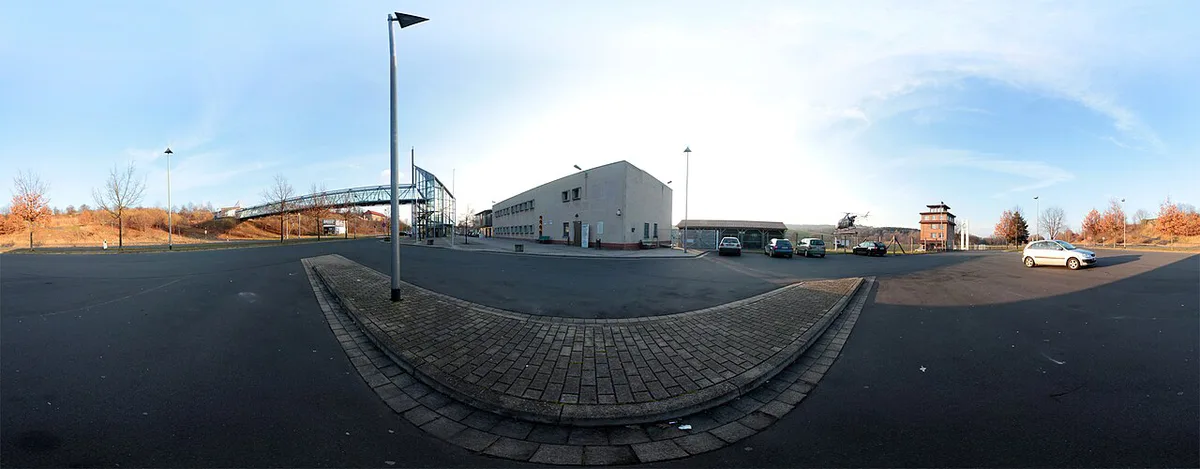
These sites lie in different federal states, and many sit in rural areas with sparse public transport. A car or a taxi leg usually saves time. Check regional timetables for any bus connection, and note that the Eichsfeld museum sits near Teistung at the former Duderstadt/Worbis crossing. Cyclists can follow the old border on the cycle route along the old border, and the EuroVelo 13 route page lists its sections.
Car-free visitors should pick sites near a rail station, and cyclists have EuroVelo 13 as the bike option along the old border.
Sample Routes
A one-day plan works best with one large site and one smaller stop. A weekend lets you add a third.
- One day: Marienborn in the morning, then a nearby memorial such as Hötensleben if you have a car.
- Weekend: Point Alpha on day one, the Grenzlandmuseum Eichsfeld near Teistung on day two, then the small museum at Bad Königshofen or Mödlareuth if you are heading south.
- West German add-on: the Ahrweiler government bunker fits a wider Cold War trip, but it is not a border site.
Mistakes to Avoid
Do not mistake the DDR Museum in Berlin for a border museum. It covers everyday GDR life across more than 1,000 m², not the frontier. Do not assume daily opening at small venues, and do not miss guided-only features such as the Eichsfeld observation tower. For a wider shortlist, see our guide to Iron Curtain Museums: Which to Visit and How to Choose, or return to the 7 Cold War Sites in Europe to Visit, by Type overview.
What to See Beyond the Exhibition Rooms
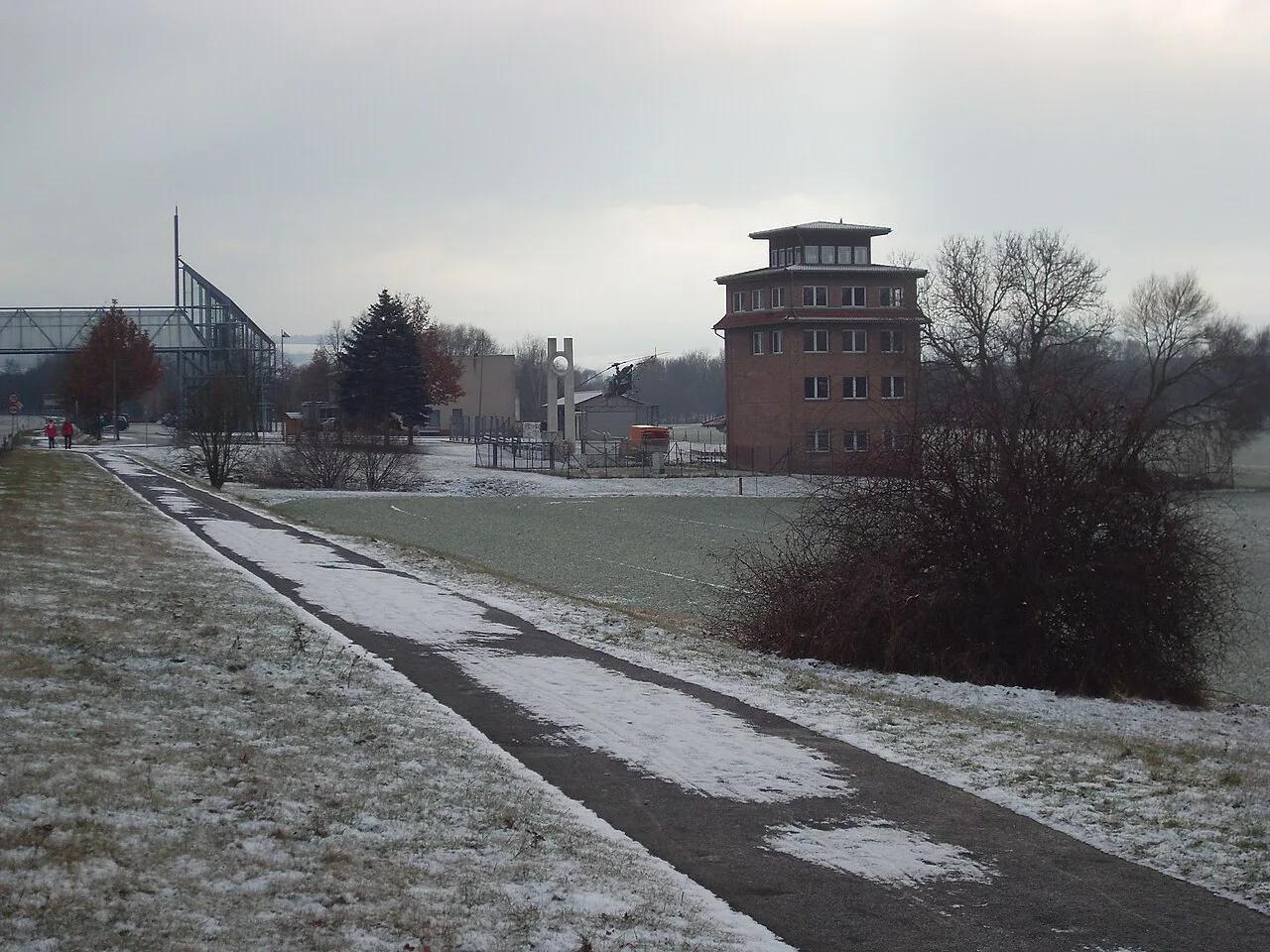
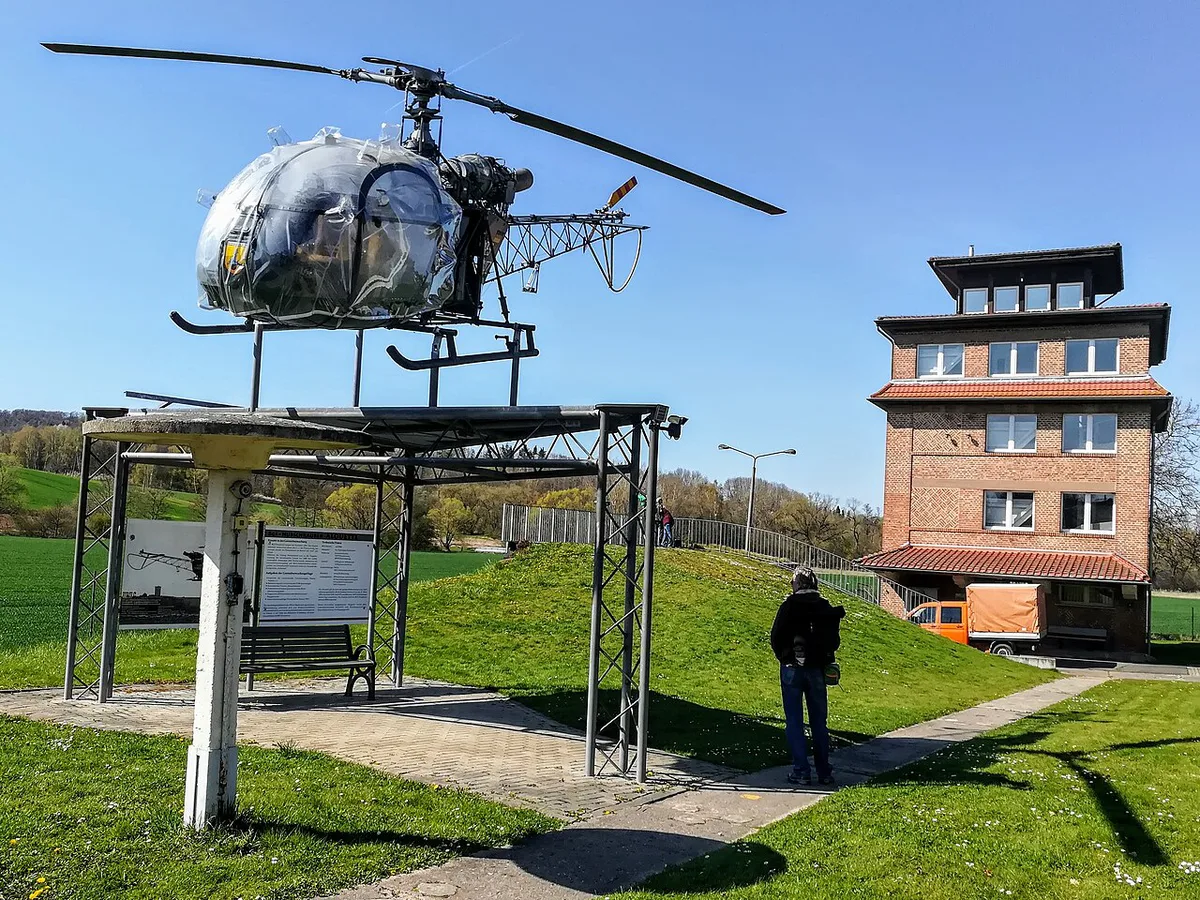
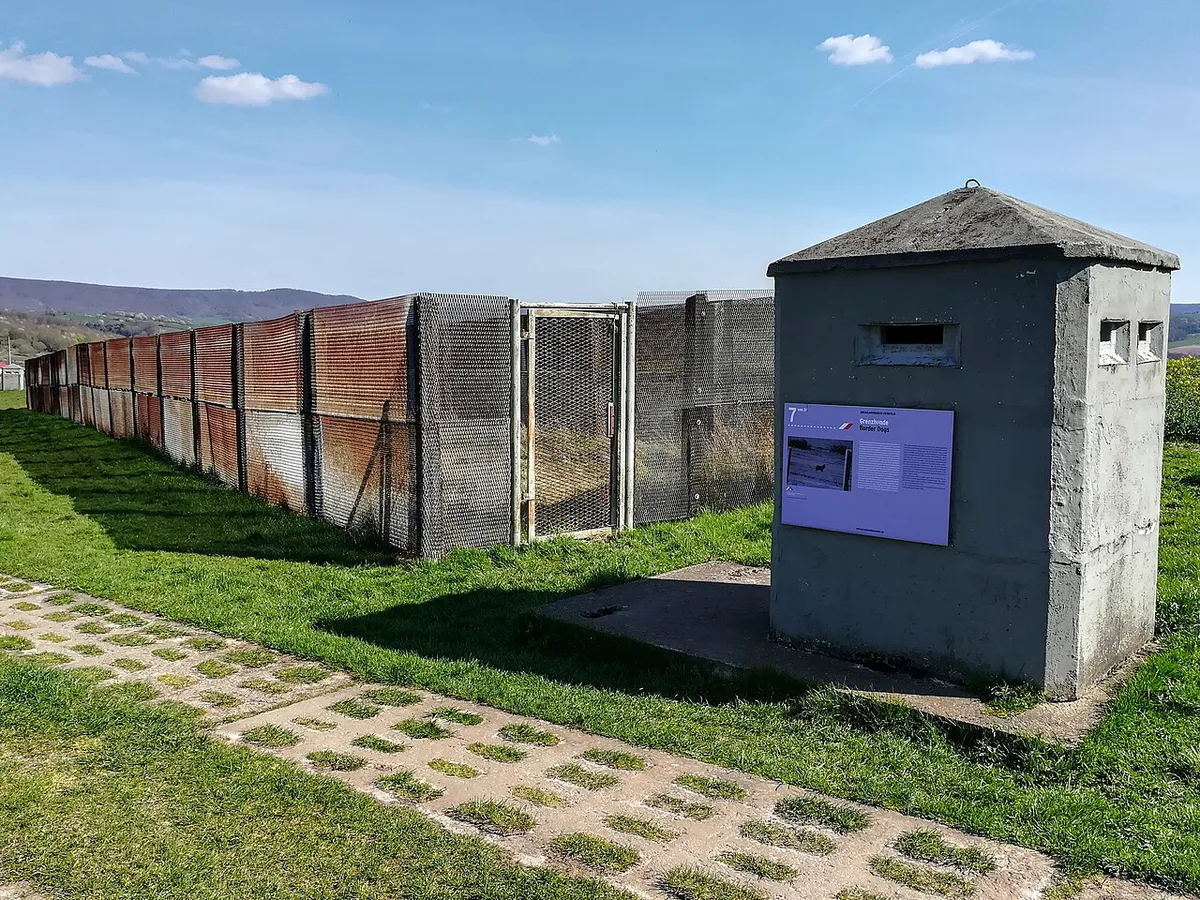
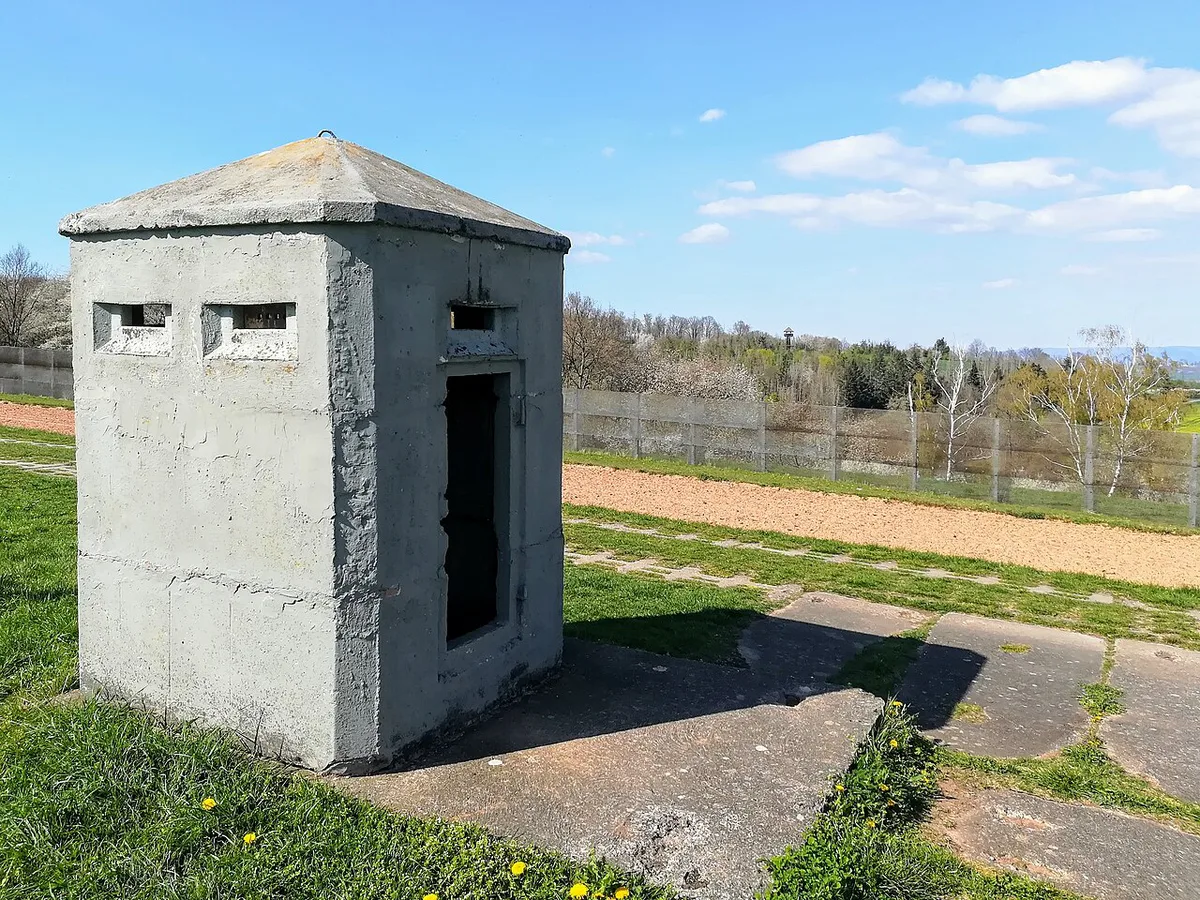
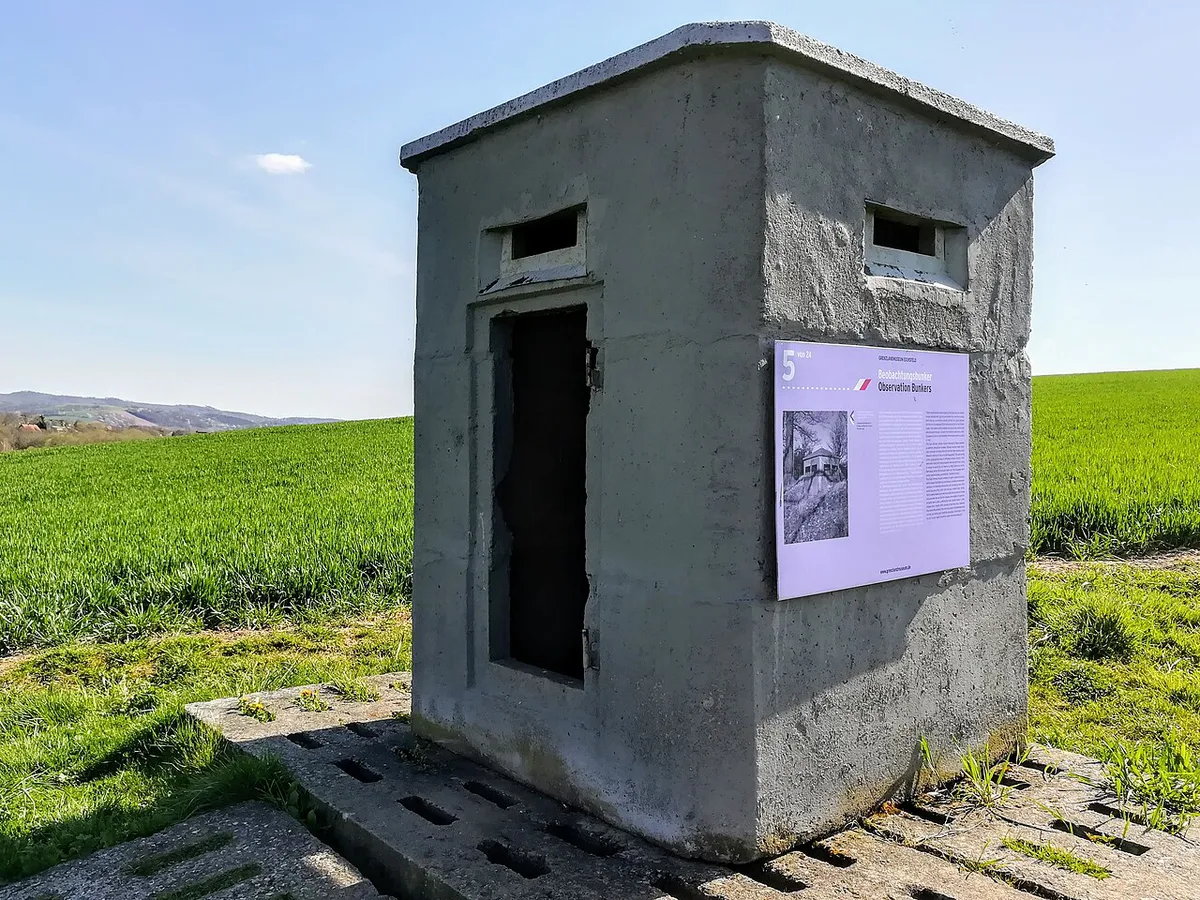
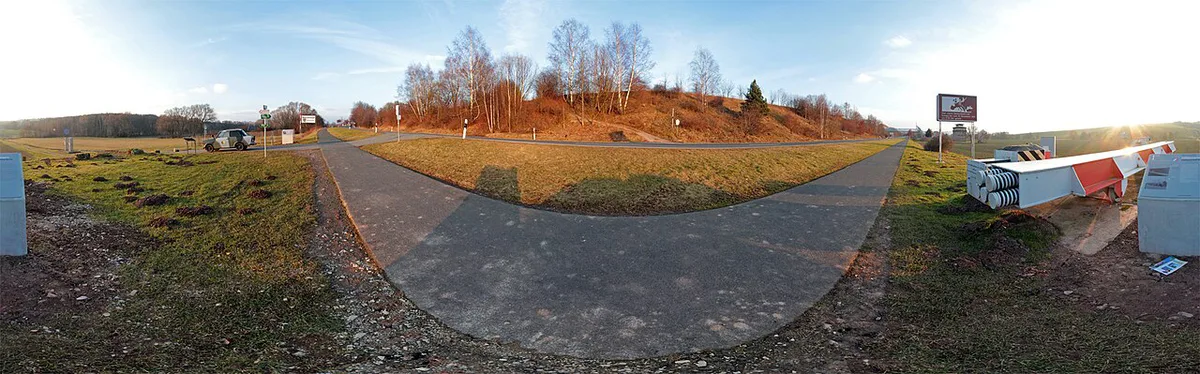
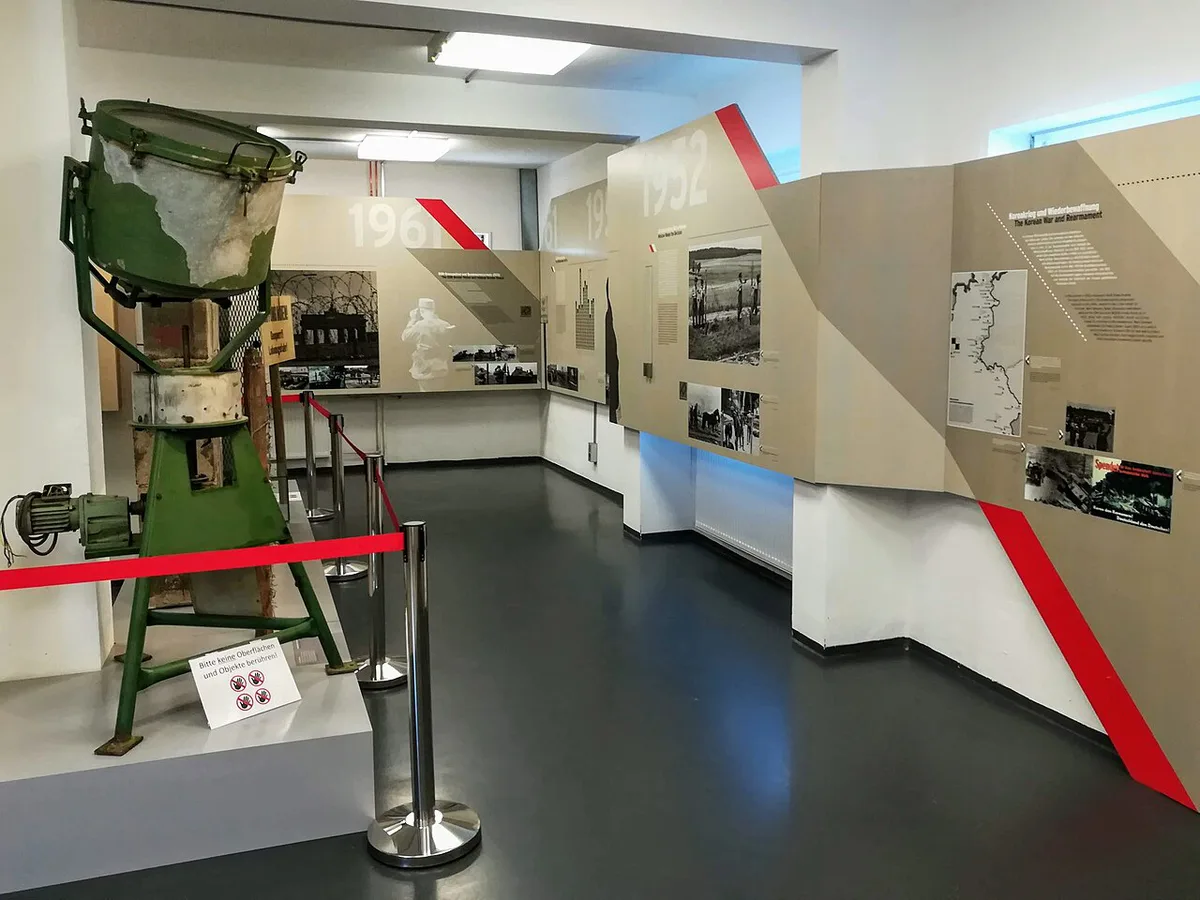
At Grenzlandmuseum Eichsfeld, combine the indoor displays with the circular trail outside. It passes original control buildings, vehicle barriers and signal-fence remains. The observation tower is accessible only on a guided tour, so confirm tour times before travelling.
This outdoor setting helps explain how the border operated between 1945 and 1990. It also gives a useful contrast with the Museum für Grenzgänger in Bad Königshofen. That smaller museum occupies two floors of a former border information centre and focuses on local lives, including smuggling, trade and flight.
Choose Eichsfeld if you want physical border infrastructure as well as interpretation. Choose Bad Königshofen if local stories matter more than preserved installations. Both are better planned as deliberate stops, since smaller venues can have limited opening days.
Keep planning
Guides on the same trip