Point Alpha: Cold War Border Memorial Visitor Guide
What to see at Point Alpha, the former US observation post on the inner-German border, plus how to plan the visit, time needed and who it suits.
In this guide
Last updated November 2026: Point Alpha is the Cold War memorial and museum on the former US Army observation post on the Hesse-Thuringia border, near Rasdorf and Geisa. It overlooks the Fulda Gap, the lowland corridor that NATO and Warsaw Pact planners watched closely. History readers and Germany road-trippers get the most from it, and this guide covers what you see, how to plan the day and what to combine it with.
Featured image: Bybbisch94, Christian Gebhardt, CC BY-SA 4.0, via Wikimedia Commons.
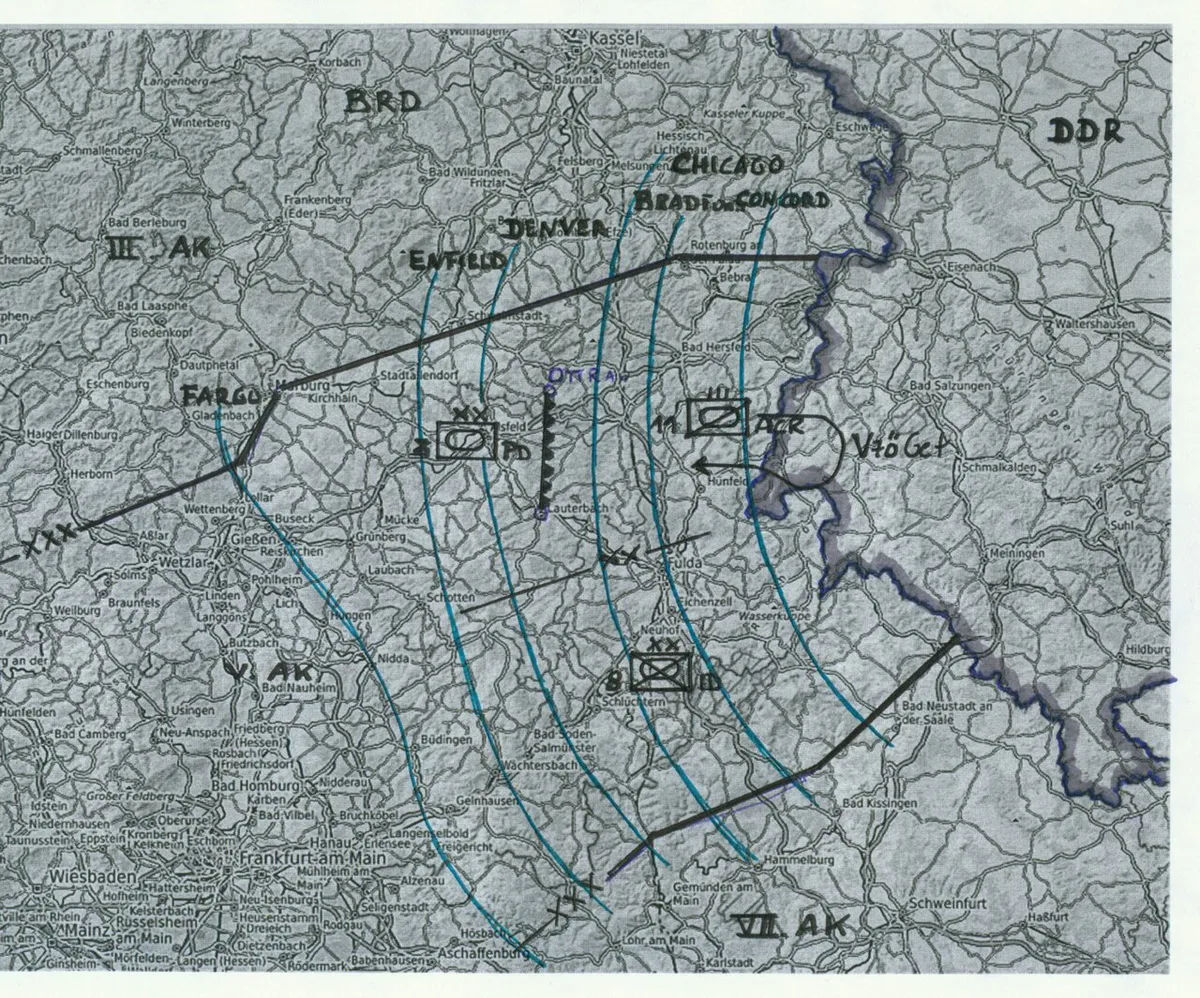
What Point Alpha is (and why the Fulda Gap mattered)
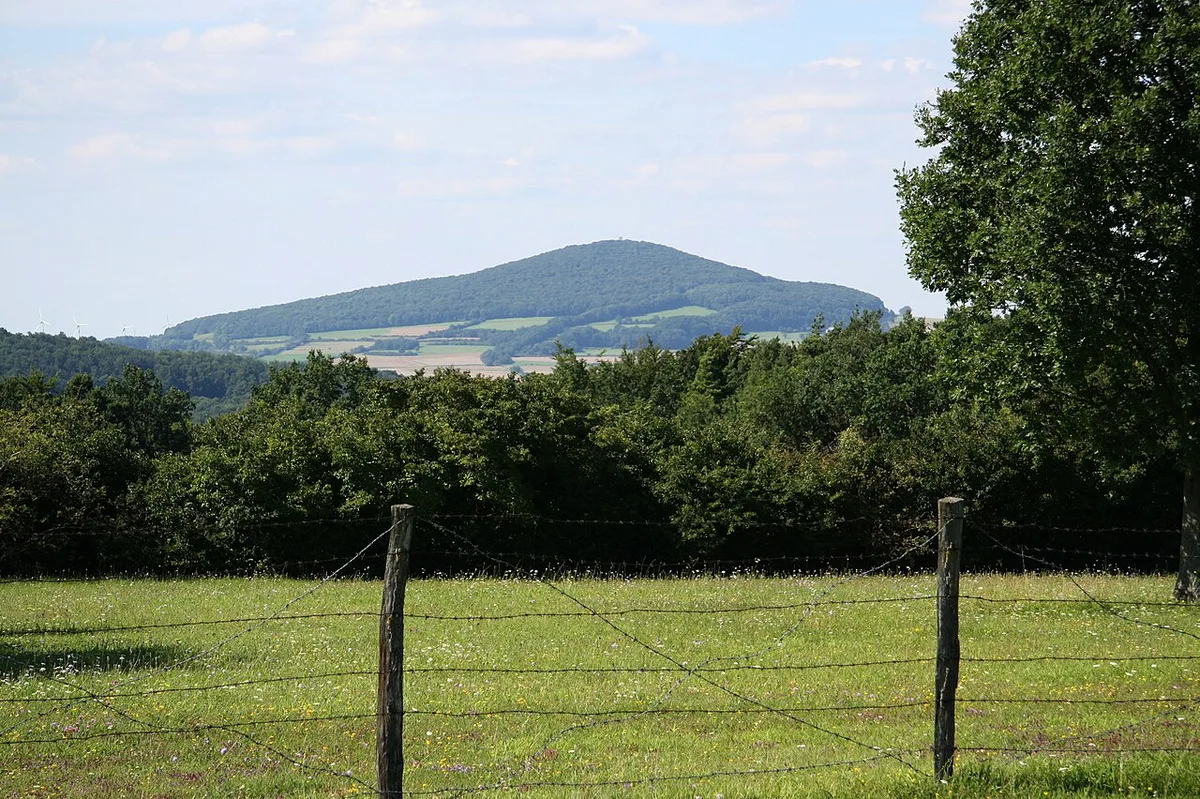
Point Alpha sits where Hesse meets Thuringia, on what was the inner-German border. On one side stood a US Army observation post, and on the other side lay the East German (GDR) border zone. Today the site is run as a memorial and meeting place, and the Point Alpha Foundation publishes its history and visitor information. You can walk from the US camp across the former border line in one visit.
- Fact check: the Fulda Gap is often described as the route a Warsaw Pact advance might have taken toward western Germany.
- Treat the popular line that a third world war would have started here as a Cold War planning concern, not a settled fact.
- Check the foundation's own history pages for sourced background on the base and its name.
Who Watched the Border, and How the Outpost Survived
Point Alpha was a working military post before it was a place of remembrance. In the later Cold War, soldiers of the US 11th Armored Cavalry Regiment, known as the Blackhorse Regiment, were responsible for this stretch of frontier from their base in the Fulda area. At the observation post, their job was to watch the other side, patrol the western edge of the border and report any unusual activity.
This explains the layout you see today. The American camp stood extremely close to the East German barriers, so routine duty took place within sight of GDR border troops. As you walk around, compare what each side could see. The view helps explain why a quiet rural spot received so much military attention.
German reunification ended the post's military purpose, and keeping the site was not a foregone conclusion. People from the region campaigned to save the camp and the nearby border remains instead of letting them disappear. Their efforts are why you can still view the military installations and the border together.
The name is also linked with the Point Alpha Prize, which honours service to German and European unity. Its first recipients were Helmut Kohl, George H. W. Bush and Mikhail Gorbachev, three leaders closely associated with the end of Germany's division. For further background, the German-language Wikipedia article on Point Alpha is a useful starting point before a visit.
What you can see at Point Alpha
Expect an open-air meadow site rather than a single building. Exhibits fall into four themes, and the foundation's site lists what is currently open.
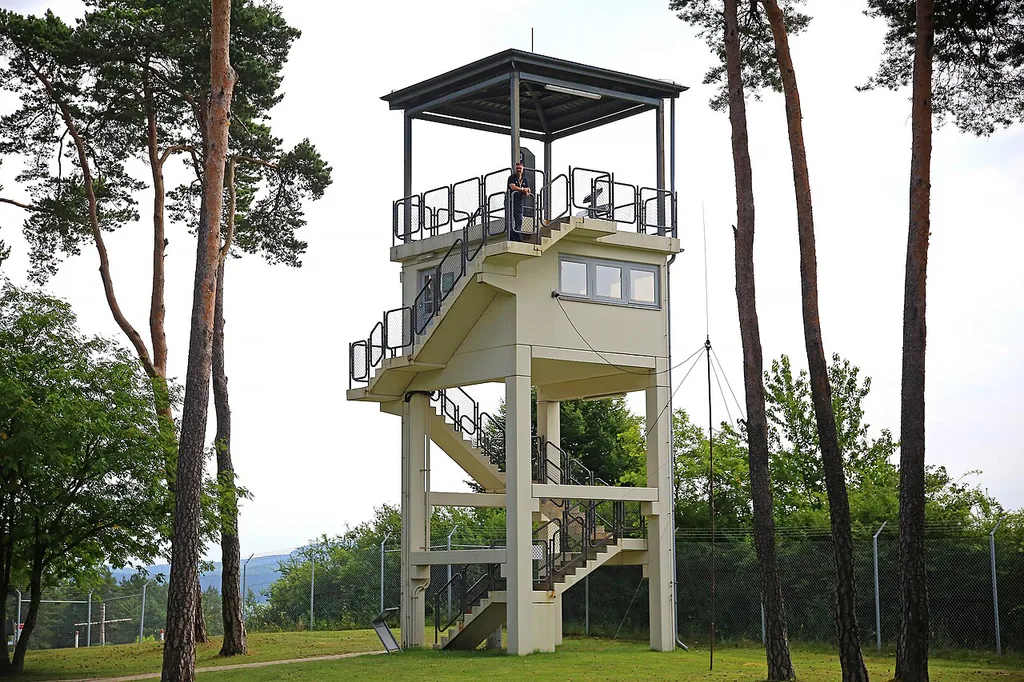
- US base and observation tower: the American side of the site, with a tower looking over the border country.
- Border fortifications: preserved or reconstructed GDR fence sections and the strip that ran beside them.
- Weg der Hoffnung (Path of Hope): an art installation and memorial route along the border.
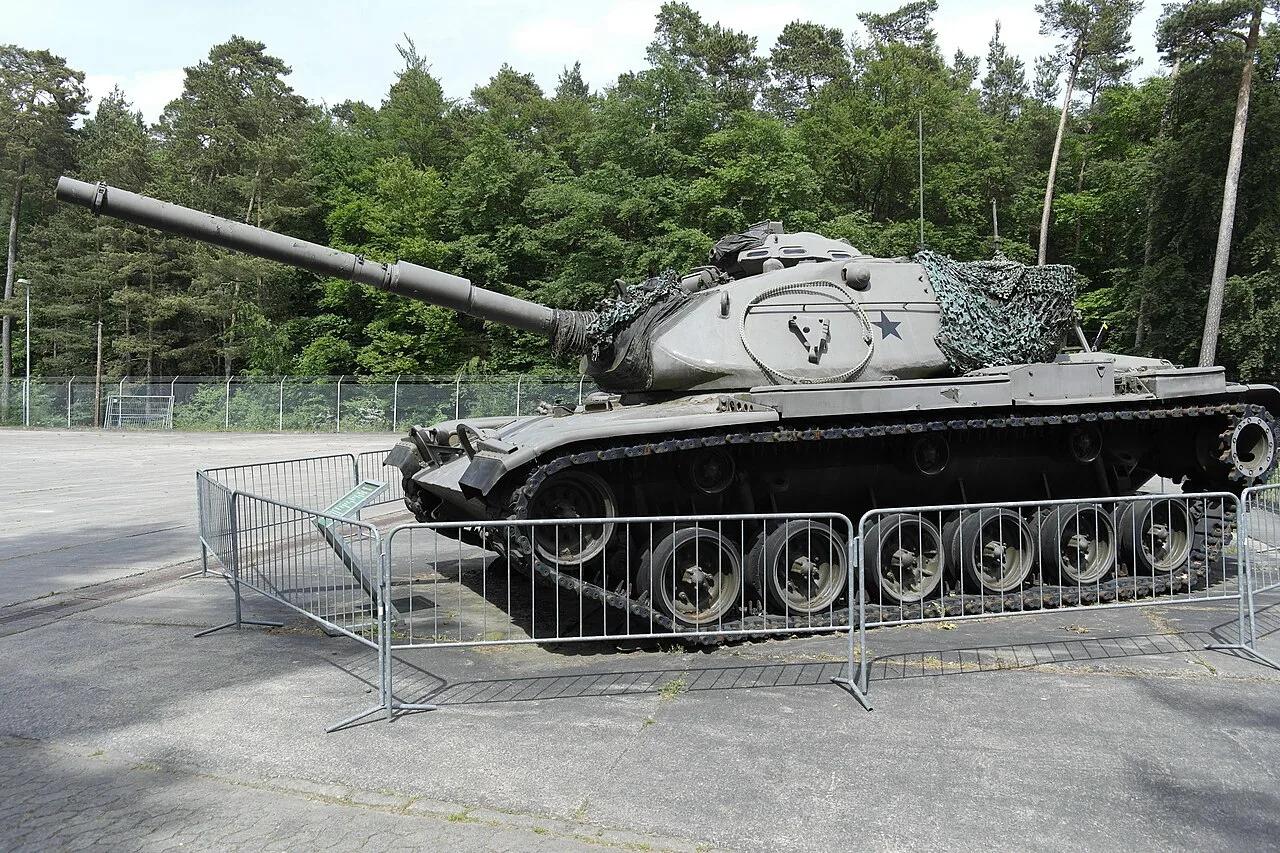
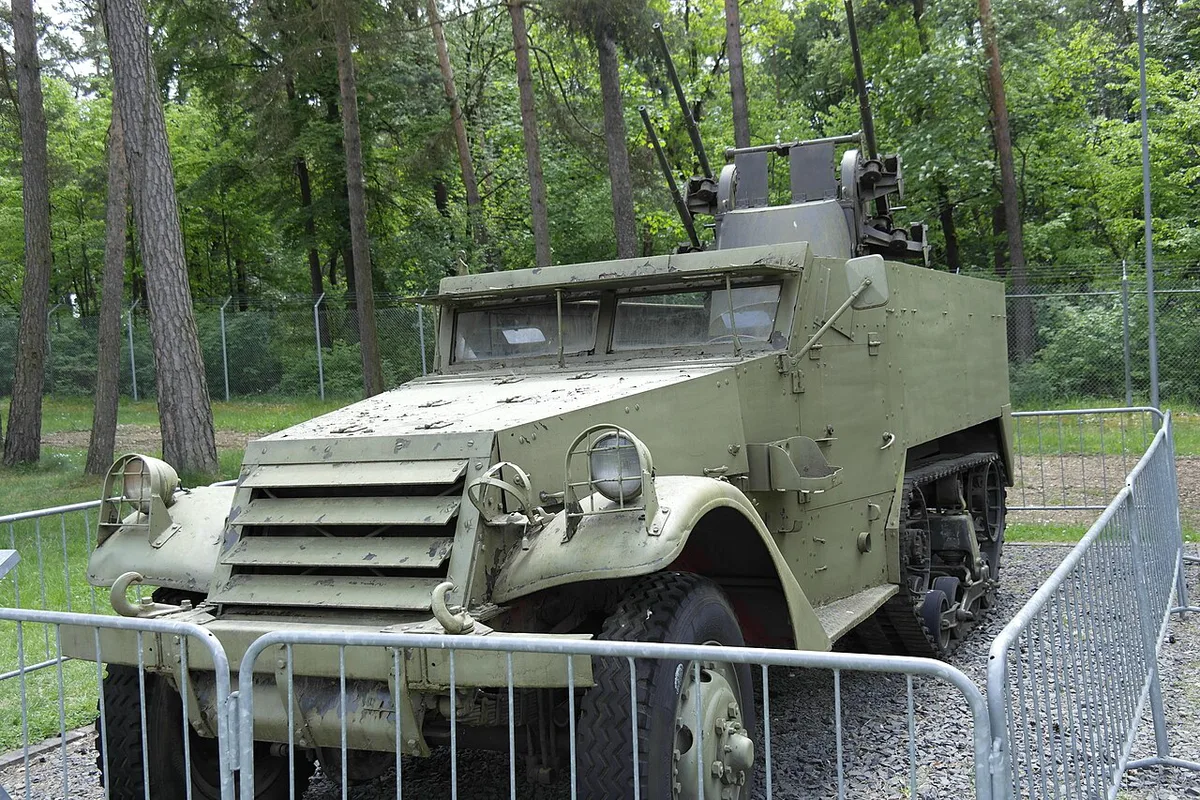
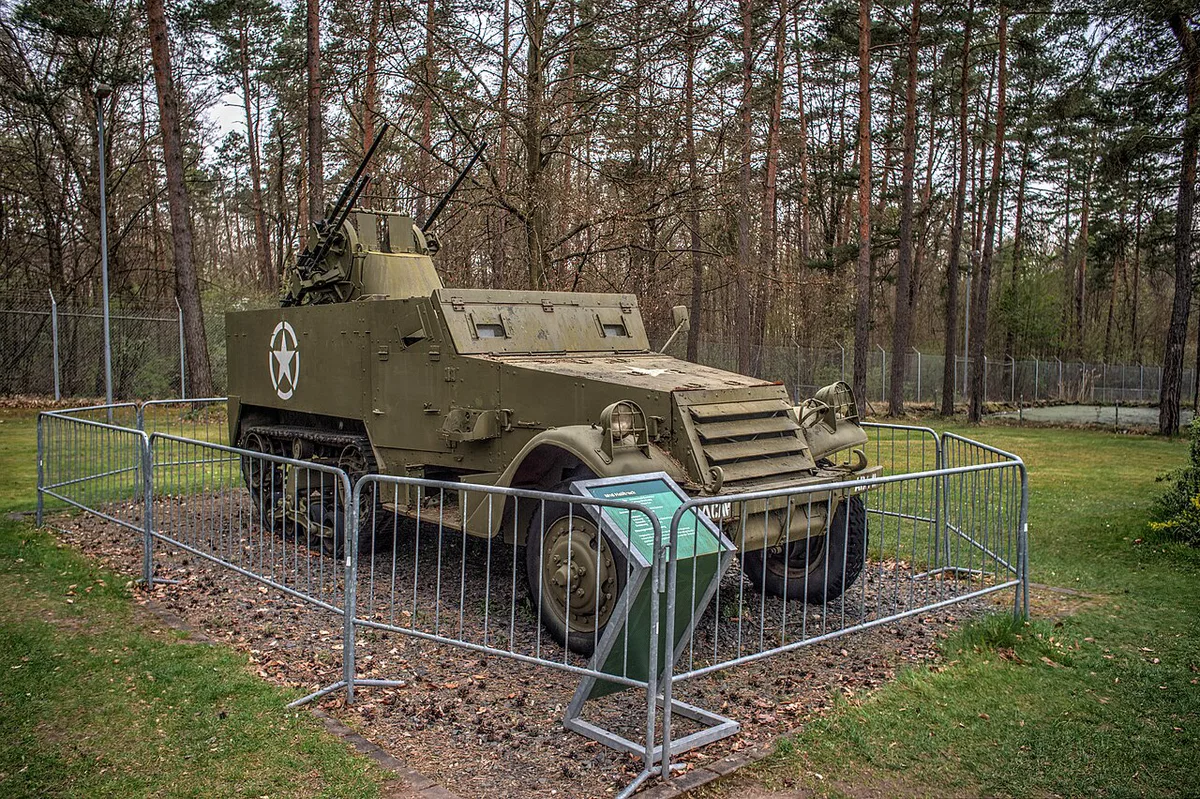
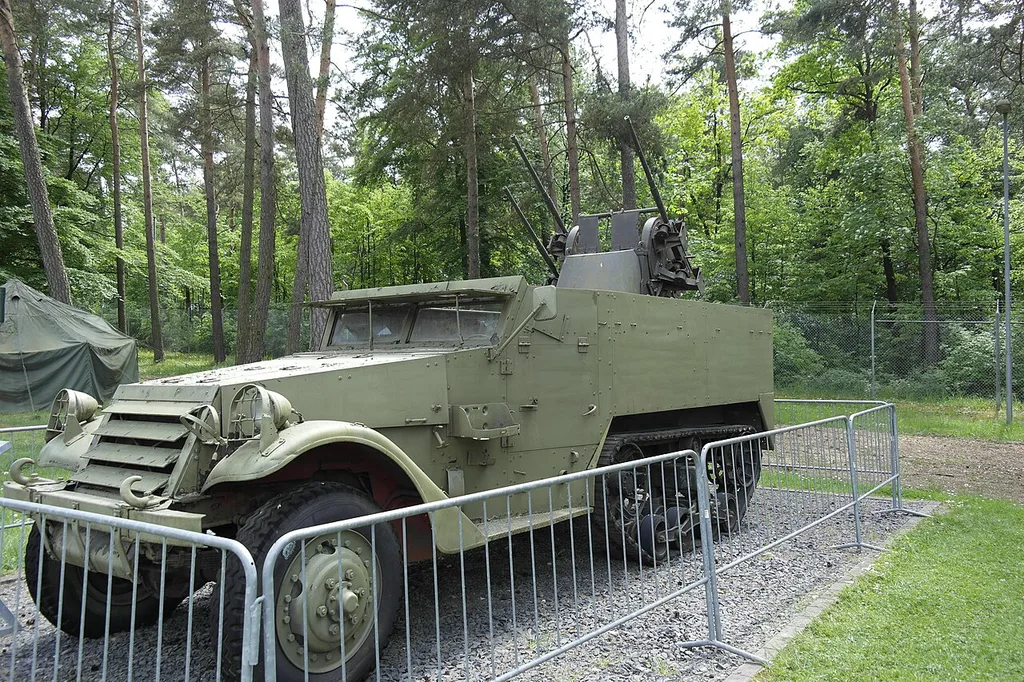
- Exhibition buildings and outdoor vehicles: a museum building plus military vehicles displayed in the open. Which pieces are on show can change.
Haus auf der Grenze and the Path of Hope Sculptures
Two parts of the memorial are worth knowing by name before you arrive, because they add what the tower and military hardware cannot show on their own.
Haus auf der Grenze (House on the Border)
This exhibition building on the Thuringian side shifts the focus from the American lookout to the divided country. Its themes include the GDR border regime and what division meant for people living beside it. It also covers the Green Belt (Grünes Band), the corridor of habitats along the former death strip. If your group is less interested in military vehicles, give this building a generous share of your time.
Weg der Hoffnung (Path of Hope)
The outdoor installation is a series of large metal sculptures by the artist Ulrich Barnickel. Its 14 stations follow the structure of the Christian Stations of the Cross and connect that story with oppression, resistance and the peaceful overcoming of division. The route runs for about 1.4 km along the former border, a length that echoes the scale of the whole inner-German frontier.
You don't need a religious background to follow it. Pause at individual figures instead of treating the path as just a link between exhibitions. With children, it helps to ask what each figure is doing before explaining the historical theme.
Allow for the return walk when planning your route, especially if your car is parked at the other end. If steps, distance or uneven ground are a concern, ask the foundation which entrance and parking area will suit you before you travel.
Is Point Alpha worth visiting?
It suits history readers, families with older children and drivers on a Germany road trip. It fits less well if you have no car or under 2 hours to spare. Compared with a city museum, this is a rural, exposed site, so plan for the weather. The table below places it against two sister sites.
| Site | Type of site | What you see | Best fit |
|---|---|---|---|
| Point Alpha | Former US observation post and memorial | Tower, border fence, Path of Hope, exhibition | Cold War readers, road trippers |
| Mödlareuth border village | Divided village museum | A village once split by the border | Visitors who want a human-scale story |
| Marienborn checkpoint memorial | Former border crossing memorial | Checkpoint-style buildings and grounds | Visitors interested in crossing procedures |
- Mistake to avoid: arriving without checking seasonal opening times.
- Mistake to avoid: expecting a staffed guided tour without booking.
- Mistake to avoid: underestimating the walk across open meadow.
- Mistake to avoid: treating it like a Berlin-style city museum.
Opening hours, tickets and guided tours
Opening days, hours, admission and tour booking are not stated here because they change by season. The official Point Alpha site lists current details, including accessibility, dog rules and photography rules.
How to get to Point Alpha
Rasdorf and Geisa are the nearest named places, and a car is the practical way to reach a remote rural site like this. Public transport options and parking should be checked with the regional timetable operator and the official site before you set out. Plan on limited bus service until you have verified otherwise.
How long to spend and how to plan the day
A short visit covers the tower and the fence walk. A full visit adds the exhibition and the Path of Hope, and we suggest allowing a half day. Treat that as a planning estimate, not an official figure. Check the forecast first, because the meadow is open to rain and wind in winter, and ask the foundation which buildings close in the off-season.
Combining Point Alpha with other Inner German Border sites
Point Alpha works as a standalone half day or as one stop on a longer border route. For other stops, start with our guide to inner German border museums. The wider context is in our overview of Cold War sites across Europe. Cyclists can follow the continental route described by EuroVelo 13. Read Stasi Museum Leipzig: Runde Ecke & Bunker Guide for the East German surveillance story. Distances between stops should be checked on a map before you commit to a multi-site day.
Where to stay and eat nearby
Geisa and Rasdorf are the closest towns, and the foundation operates from Geisa Castle. Past visitors have reported a castle stay and an on-site cafeteria in the former barracks. Confirm both with the official site, since neither is guaranteed to be current.
Walking the two Sides of the Former Border
Point Alpha makes most sense as one connected walk across two former Cold War worlds. Start at the former US observation post, where the tower provides the western military perspective over the Fulda Gap. Continue toward the former border line to understand how closely the opposing systems faced each other.
On the GDR side, focus on the border fortifications and the strip beside them. The Weg der Hoffnung, or Path of Hope, adds a memorial route through the open landscape. Exhibition buildings and outdoor vehicles provide context, but the exposed ground is central to the visit.
If you have under 2 hours, concentrate on the tower, the border fence and the outdoor route. A longer visit leaves room for the exhibition and the Path of Hope. Wear footwear suitable for meadow paths, and bring rain or wind protection because much of the route is outdoors.
Keep planning
Guides on the same trip