8 WW2 Sites in Europe: What to See and How to Choose
Compare 8 WW2 sites in Europe by history and interest, from Normandy to Dunkirk and Bletchley Park, then plan a realistic, respectful visit.
In this guide
Last updated November 2026: use this guide to choose among WW2 sites in Europe by interest and geography. For landings, start in Normandy; for evacuation history, choose Dunkirk; for codebreaking, go to Bletchley Park in England.
Featured image: ho visto nina volare, CC BY-SA 2.0, via Flickr.
Which WW2 Sites in Europe Should You Choose?
Pick a theme before booking transport. Each entry has a clear wartime connection and a distinct reason to go. This selective list covers France and England only. It has no dedicated entry on the Holocaust or the Nazi rise to power, so plan those subjects separately.
- First visit with broad context: Mémorial de Caen.
- American landing history: Omaha Beach, Utah Beach and Pointe du Hoc.
- Remembrance: Normandy American Cemetery.
- Allied supply by sea: Arromanches.
- Evacuation or intelligence history: Dunkirk or Bletchley Park.
Compare the WW2 Sites at a Glance
Time allowances are editorial planning estimates for the visit itself, without transfers.
| Site and country | Type | Best for | Time to allow | Main trade-off |
|---|---|---|---|---|
| Mémorial de Caen, France | Museum and memorial | Wider context | Most of a day | Leaves less time for the coast |
| Omaha Beach, France | Landing beach and landscape | Reading the terrain | A few hours | Needs background to interpret |
| Normandy American Cemetery, France | Cemetery and memorial | Remembrance | A few hours | A place for quiet, unhurried visiting |
| Pointe du Hoc, France | Battlefield landscape | Surviving physical evidence | A few hours | Outdoor visit exposed to weather |
| Utah Beach Museum, France | Museum at a landing area | Utah landing history | A few hours | Adds distance to an Omaha-focused day |
| Arromanches, France | Coastal landscape | Harbor and supply history | A few hours | Offshore remains are viewed from a distance |
| Dunkirk, France | Town, coast and museum | Evacuation history | Half a day or more | Plan separately from Normandy |
| Bletchley Park, England | Original wartime site | Codebreaking | Most of a day | Separate from the French sites |
8 WW2 Sites in Europe by Theme and Region
Entries run from Normandy to Dunkirk and then England. Normandy is a region with separate sites, so check each location and its access individually.
1. Mémorial de Caen, France: wider context
This museum in the city of Caen places the Normandy fighting within a wider story of war and peace. Choose it first if you want causes and consequences before seeing the coast. Follow the wartime galleries in sequence, paying attention to civilian experience as well as military operations.
Allow most of a day as a planning estimate, plus transfers. The official Mémorial de Caen site is the place to plan admission and opening times. Travelers with only a short window for the beaches may prefer to skip it.
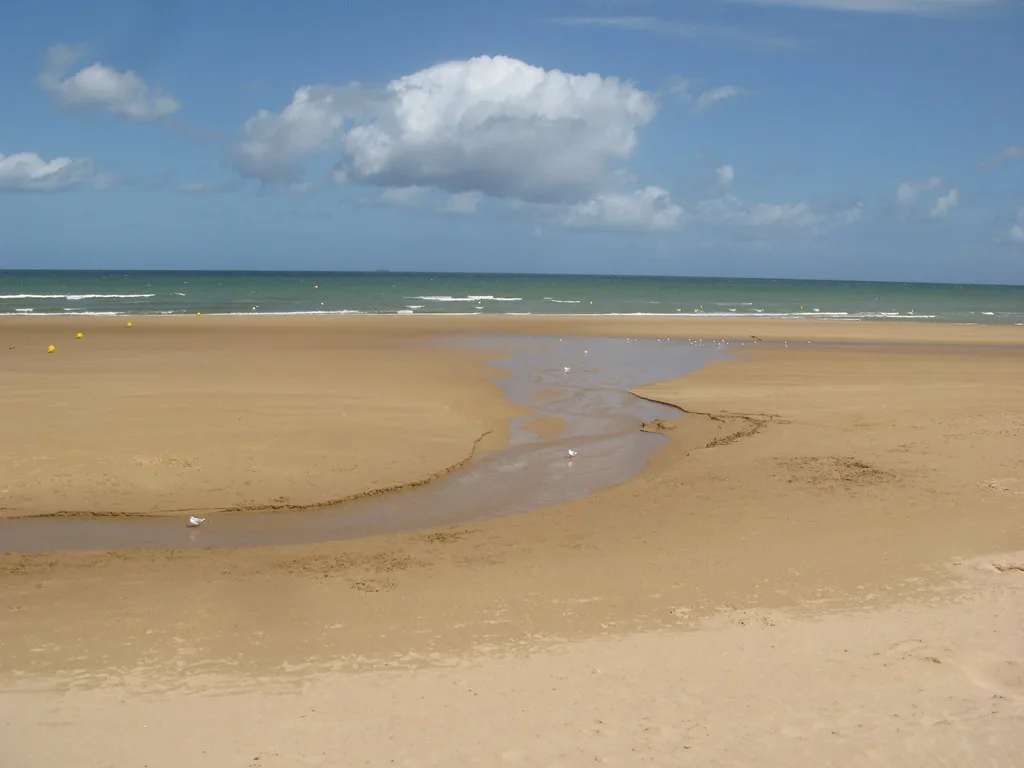
2. Omaha Beach, France: landing terrain
Omaha was one of the American landing beaches on D-Day, and its landscape is the main reason to visit. Stand near the shoreline and look inland to compare the open sand with the higher ground behind it. That view helps explain what troops faced while crossing the beach.
A guide can connect today's access points and memorials with unit movements that are hard to read alone. Allow a few hours, and consider tide, wind and footing. Anyone who mainly wants indoor exhibits should prioritize a museum.
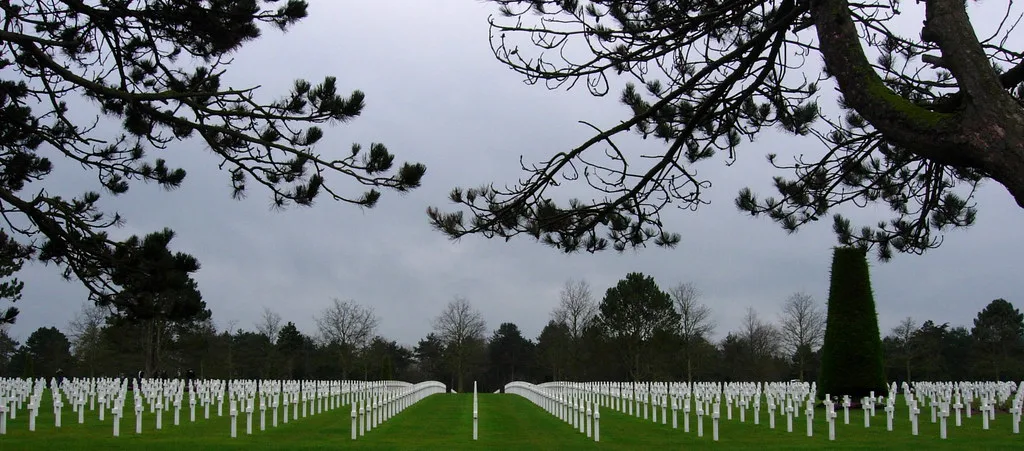
3. Normandy American Cemetery, France: remembrance
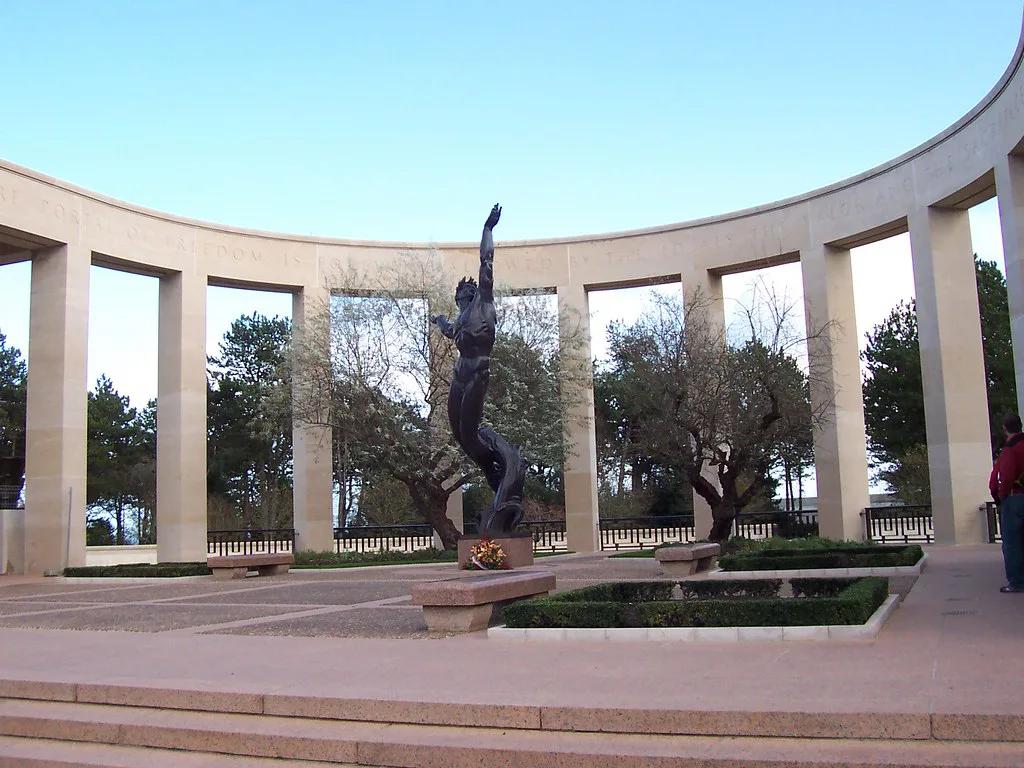
At Colleville-sur-Mer, above Omaha Beach, this cemetery honors American service members who died in the Second World War. Visit the rows of headstones and the memorial to the missing, and leave time to read individual names. Its managing body publishes official cemetery visitor information, including current arrangements.
Read its conduct guidance before arrival. Set aside a few hours without squeezing the visit between timed bookings. Visitors seeking battlefield equipment or reenactment-style interpretation should look elsewhere.
4. Pointe du Hoc, France: battlefield evidence
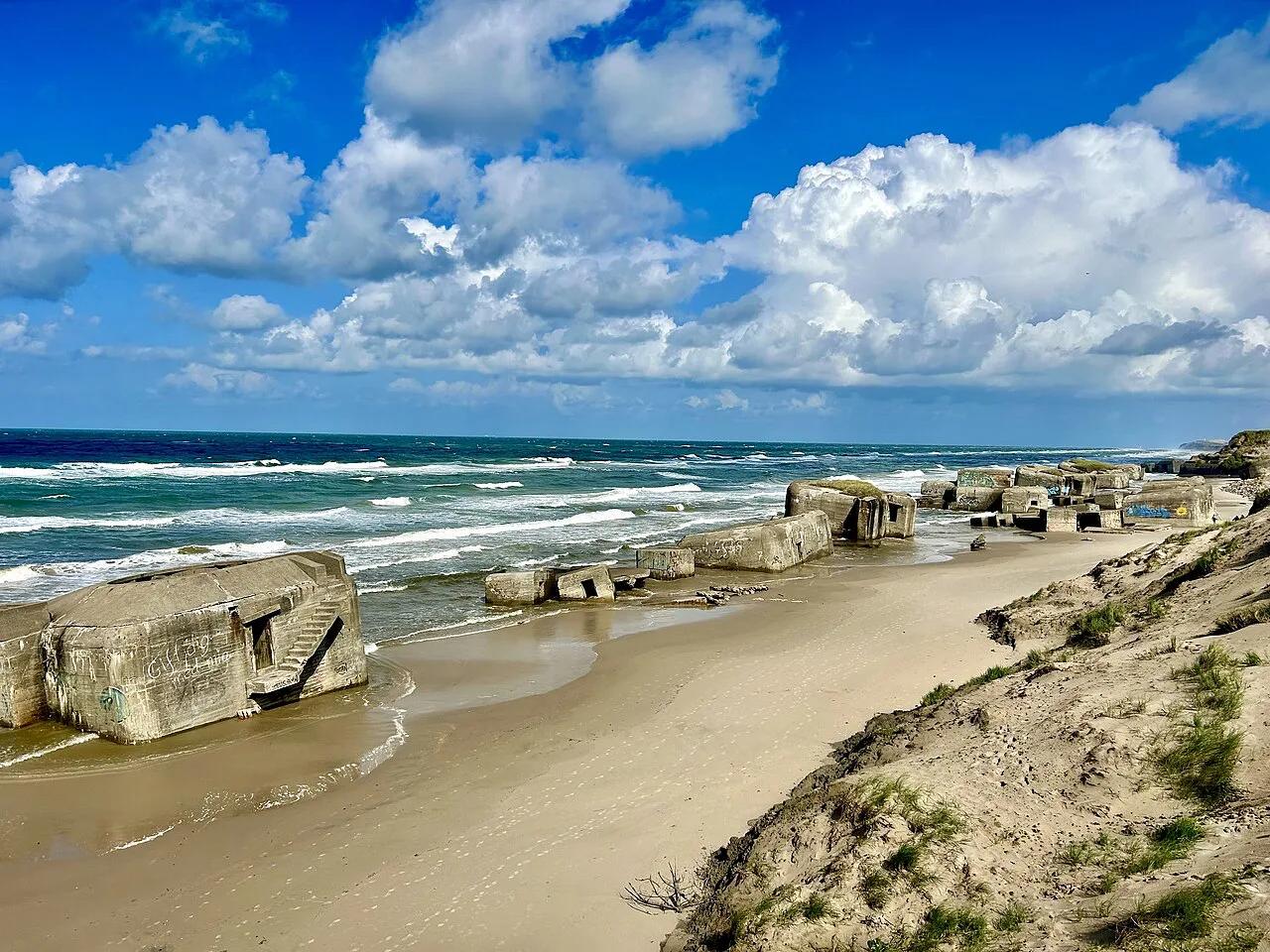
US Army Rangers assaulted this German clifftop position on D-Day. Cratered ground and damaged concrete positions still show the effects of the fighting, making it a strong choice for physical evidence. Compare the cliff edge with the surviving bunkers to understand the position's relationship to the sea.
Allow a few hours and pair it with Omaha if your transport works. Uneven terrain and weather deserve attention, especially with limited mobility. Skip it if your visit must be entirely indoors.
5. Utah Beach Museum, France: the western landing area
Beside the American landing area at Utah Beach, this museum focuses on the assault there and its place in the Normandy campaign. Use the exhibits to follow the landing, then look at the beach itself to connect objects and accounts with the ground. It suits travelers who want depth beyond Omaha.
Allow a few hours as an editorial estimate, with extra time for the transfer. Check the operator's current admission, hours and access details. First-time visitors based around Caen with limited time may choose a closer cluster.
6. Arromanches, France: the artificial harbor
After the landings, the Allies built an artificial harbor off Arromanches to bring supplies ashore. Look out from the waterfront for surviving sections, which make the scale of the engineering easier to picture. This stop is useful for understanding how an invading force was supplied, not just how it reached land.
Allow a few hours, longer if adding a museum visit. Tide and visibility can change what you see. Travelers focused only on infantry combat may give priority to Omaha or Pointe du Hoc.
7. Dunkirk, France: evacuation history
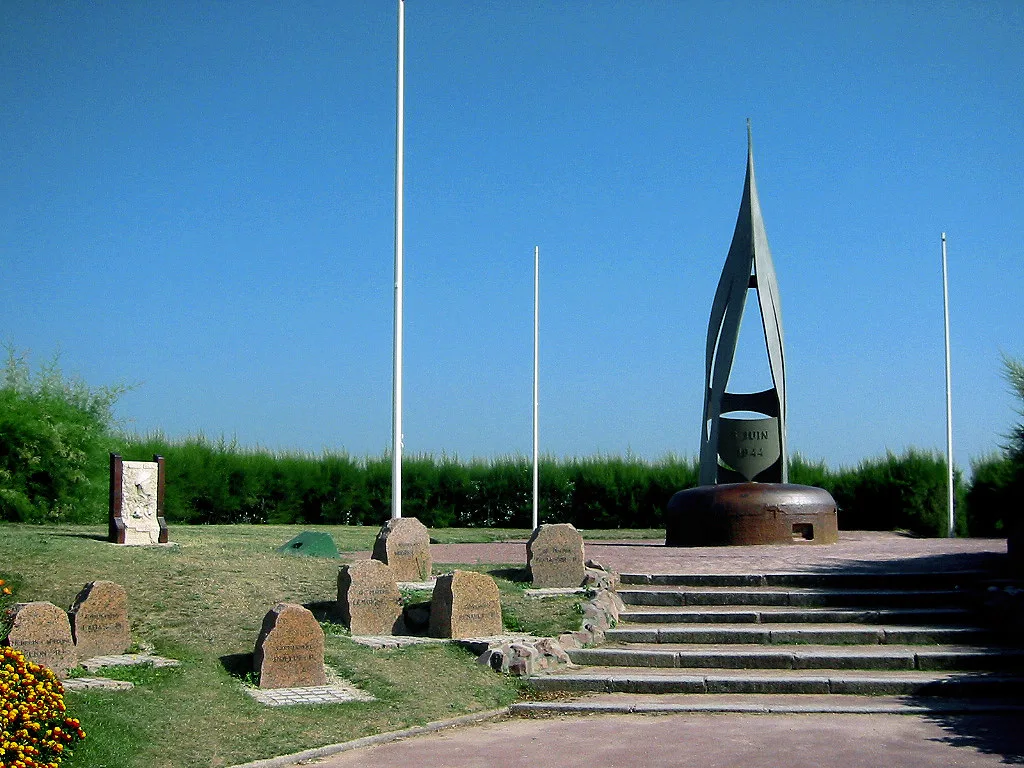
In 1940, British and French troops were evacuated from this area as German forces advanced. Visit the coast and consider the Dunkirk 1940 Museum to connect the shoreline with the military crisis. Evacuation preserved many troops, but it did not by itself decide the war's outcome.
Allow half a day or more, excluding travel, and check the museum's current opening status. Treat Dunkirk as its own planning unit rather than an easy addition to Normandy. Skip it on a short Normandy-only trip.
8. Bletchley Park, England: codebreaking
Bletchley Park was a center of Britain's wartime codebreaking, including work against German Enigma messages. Explore the historic buildings and exhibitions, focusing on how intercepted messages became usable intelligence. It broadens a battlefield-centered trip by showing the work of people far from the front.
Allow most of a day as a planning estimate. Use the Bletchley Park visitor website for tickets, hours and accessibility planning. Travelers who want landing grounds or a short outdoor stop should choose another entry.
How to Plan a Realistic WW2 History Trip
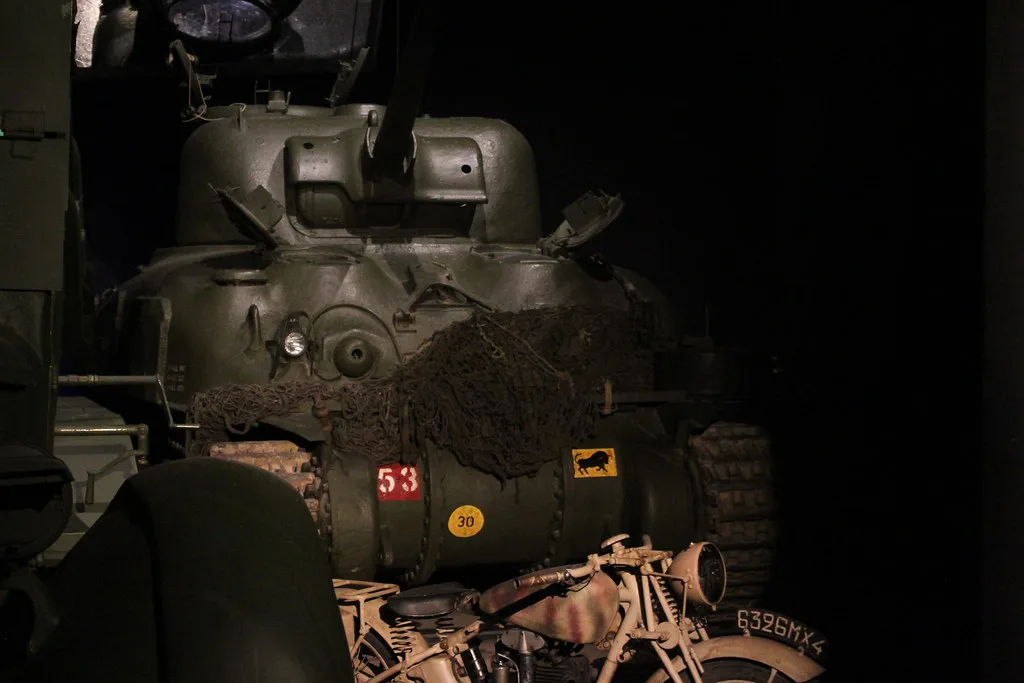
Build your route around one base or cluster. Normandy is not part of Paris, and a day trip from there needs both long-distance and local transport. With one day, choose a narrow theme. Several days allow deeper Normandy coverage; multiple countries add transfers and accommodation changes. For indoor choices, compare Europe's WW2 museums.
- Public transport: map the final leg and return connection to every site, not just the nearest town.
- Driving: gives more control over rural stops, but adds parking and navigation.
- Guided tour: useful for terrain interpretation and car-free travel; compare pickup points and included stops.
- Independent visit: better for choosing your own pace, with preparation beforehand.
- Longer route: explore the Liberation Route Europe theme, then plan each transfer separately.
- Unit history: continue with these Band of Brothers locations.
Costs, Tickets and Seasonal Planning
Get admission prices and hours from each operator before fixing your route. Free entry, where offered, can still leave transport as a major expense compared with admission.
- Budget separately for admission, local transport, parking, guides and extra nights.
- Book fixed transport and guided places around your must-see site.
- Check holiday closures and any commemorative-date restrictions.
- Plan outdoor stops around weather, daylight and tides.
Visiting Memorials and Sites Respectfully
Treat cemeteries and memorials as places of mourning. Keep voices low, follow posted photography rules and stay off graves or restricted structures. Before bringing children, consider their readiness for accounts of death and violence. Ask operators about step-free routes, seating and surfaces if access affects your plans.
Common Planning Mistakes to Avoid
Leave room for travel and reflection instead of collecting names on a map.
- Treating Normandy as a single attraction.
- Booking a base before checking final-mile transport.
- Assuming a landing area retains its wartime appearance.
- Pairing distant places without checking door-to-door travel.
- Filling every day with emotionally demanding visits.
Explore More Guides
Keep planning your trip with these guides.
Guides
Keep planning
Guides on the same trip