WW2 Tours in Europe: How to Choose the Right Trip
Compare WW2 tours in Europe by route, length and format, with Normandy drive times, self-drive trade-offs, cost drivers and booking checks.
In this guide
Last updated November 2026: to compare WW2 tours in Europe, pick the war story first, then the travel format that fits your days, budget and mobility. Start with our wider map of war sites if you haven't settled on a destination. For a first trip focused on D-Day, Normandy is a clear starting point, with Caen or Bayeux as your base.
Featured image: n_willsey, CC BY-SA 2.0, via Flickr.
Which WW2 Tour in Europe Should You Choose?
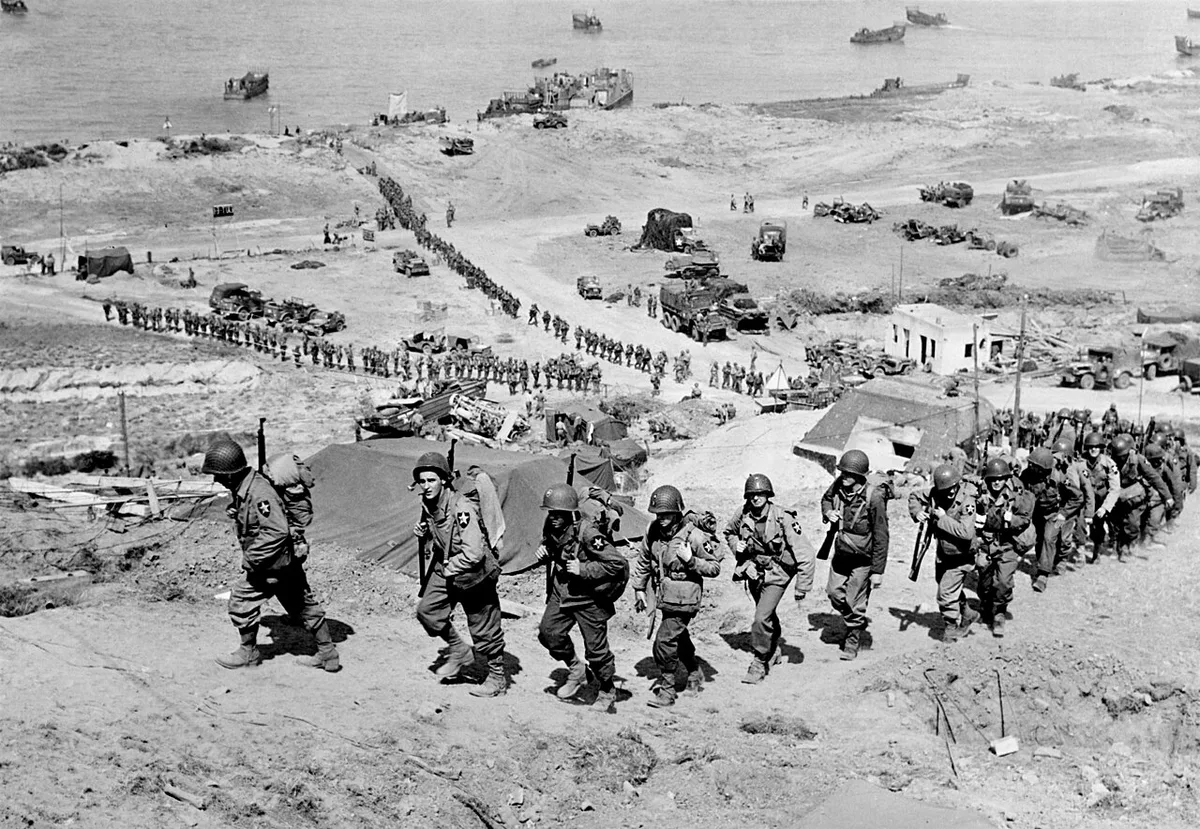
Match the route to the history you most want to understand. Normandy suits travelers drawn to June 6, 1944, and its 5 landing beaches. Multi-country WW2 tours suit people following a campaign or unit, but they add transfers and hotel changes. These options cover only part of the war in Europe, and none is the right choice for everyone.
| Your interest | Route and base or gateway | Format to compare | Main limitation |
|---|---|---|---|
| D-Day and the Battle of Normandy | Normandy, from Caen or Bayeux | Guided day tours or self-drive | Sites are spread along the coast and inland |
| The 1940 campaign and evacuation | Dunkirk, northern France | Self-drive or independent visit with a local guide | A narrower story than a campaign-wide tour |
| Occupation and Holocaust history | Paris | City walk plus independent memorial visit | Does not cover the battlefields |
| Airborne operations in the Netherlands | Arnhem | Specialist guide or self-planned visit | Needs its own time if added to France |
| Liberation and later fighting | Luxembourg and western Germany | Private driver-guide or self-drive | Route and site access need advance planning |
| The Italian campaign | One region of Italy | Escorted tour or self-drive | Too broad to treat as a short add-on |
WW2 Tour Routes: Normandy to Italy
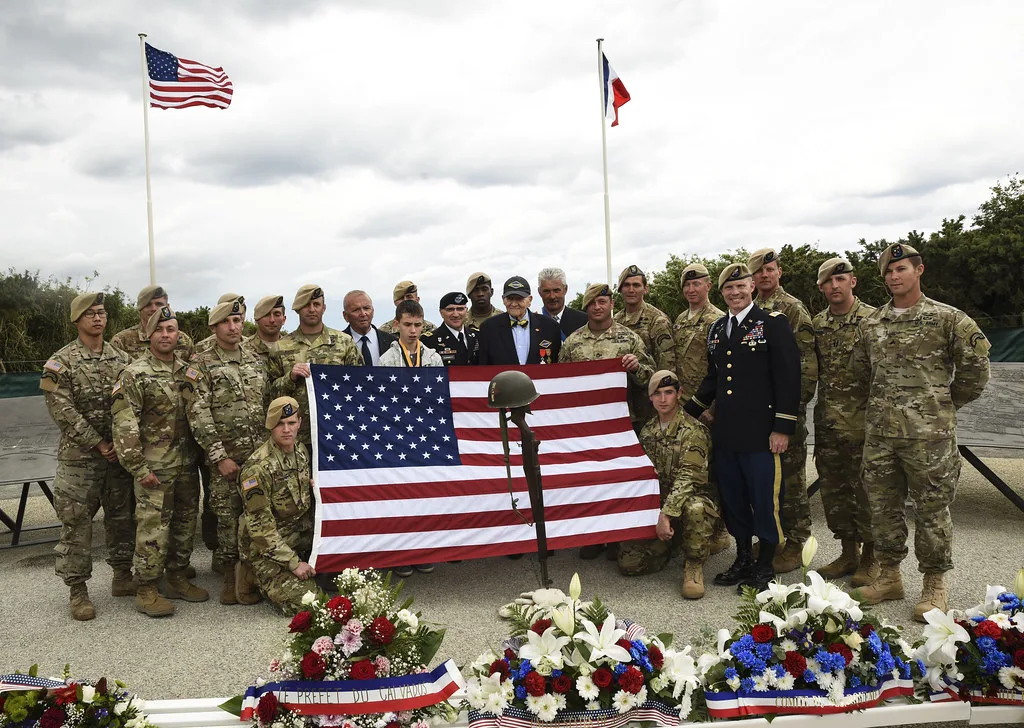
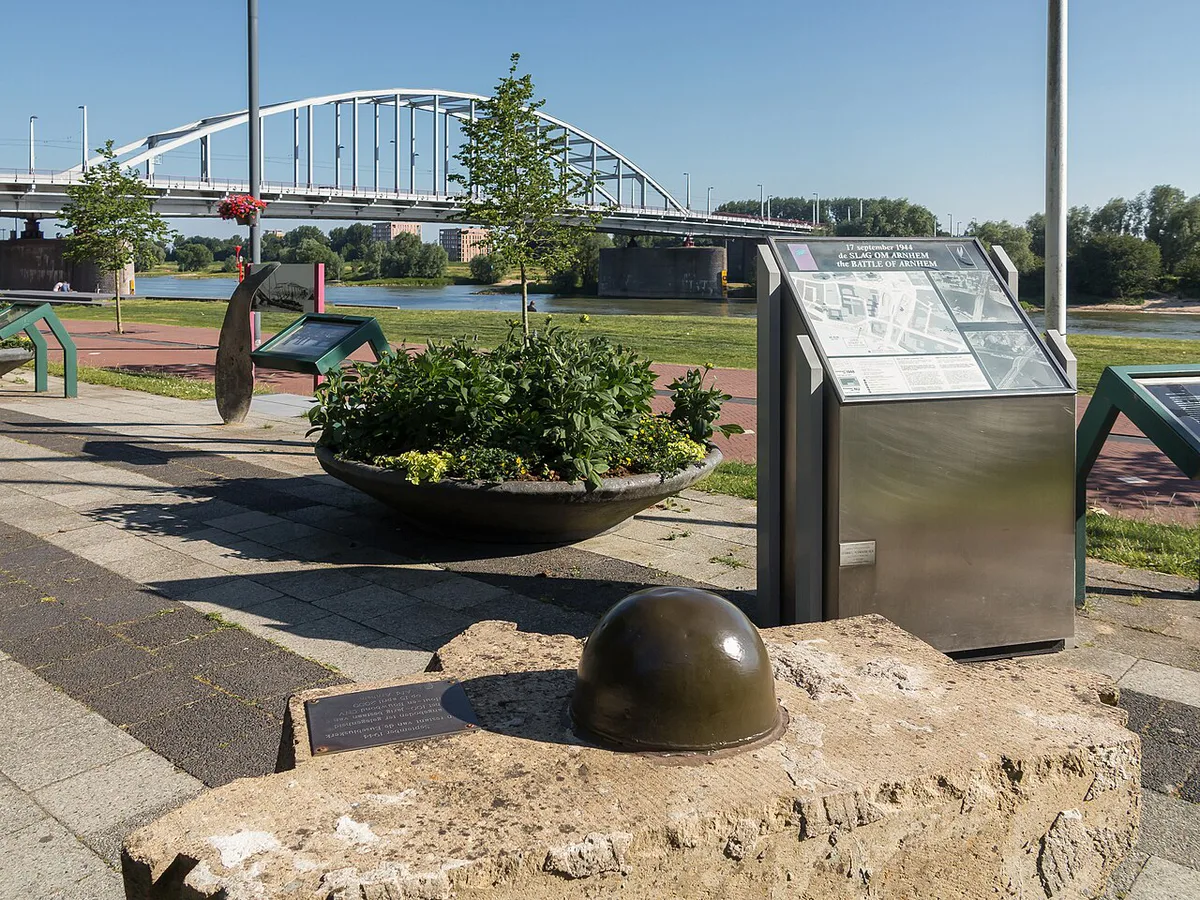
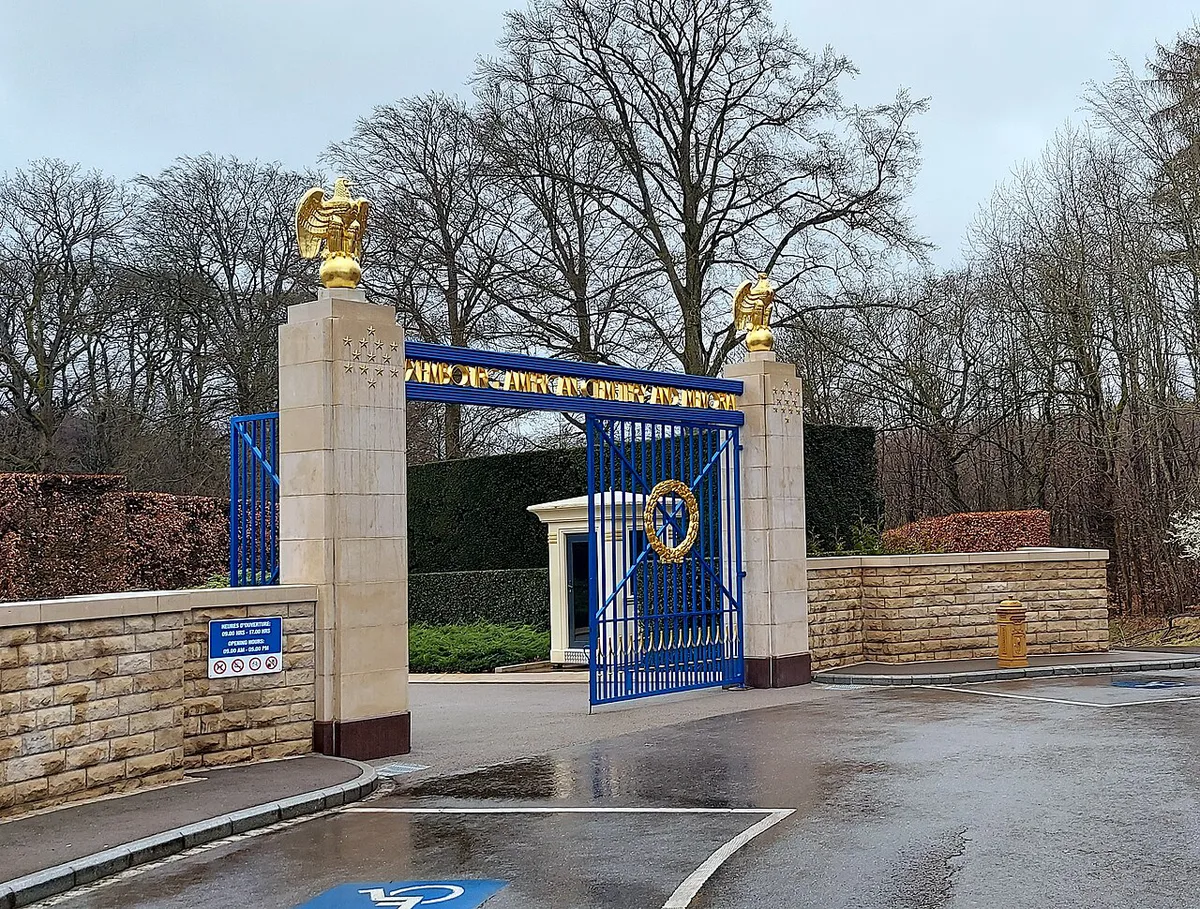
Choose one connected story before adding countries. In Normandy, American, British and Canadian sectors give a trip a natural structure. Dunkirk centers on 1940, so its Dunkirk 1940 museum belongs to an earlier chapter than D-Day. In Paris, the Mémorial de la Shoah can anchor a day on occupation and Holocaust history. Treat it as a place of remembrance and give it unhurried time. Arnhem, Luxembourg, Germany and Italy can each shape a separate trip or a leg of a longer one. For a cross-border theme, read our connected liberation trail guide. You can also research places on Liberation Route Europe's own site. Fans of one American airborne story can plan around these Easy Company locations. If collections matter more than field positions, compare museum-focused WW2 stops before choosing a route.
Guided, Private, Self-Drive or Independent?
A tour buys planning help and, with the right guide, historical interpretation. Self-driving gives you control of the pace, but navigation, parking and research become your job. A driver is not automatically a qualified or specialist guide, so ask which one you are booking. These trade-offs vary by operator and itinerary.

| Format | Planning and flexibility | Interpretation and pace | Cost structure and access | Best fit |
|---|---|---|---|---|
| Multi-day escorted tour | Little planning; fixed route | Depends on the guide; group pace | Usually a package per person; sites follow the itinerary | Travelers who want logistics handled |
| Private guide or driver-guide | Moderate planning; route often adjustable | Depends on qualifications; your party's pace | Often priced per group; car arrangements vary | Families, veterans' relatives or specialist interests |
| Shared day tour | Low planning; limited flexibility | Guided overview; group pace | Often priced per seat; selected stops only | Solo travelers without a car |
| City walking tour | Low planning; compact area | Detail on streets and events; walking pace | Per person or group; museum entry may be separate | A half day or day on one city theme |
| Self-drive | High planning; very flexible | Your research or hired local guides; your pace | Rental, fuel, tolls and parking; car-dependent | Confident drivers with several days |
| Independent public transport | High planning; tied to timetables | Local guides where available | Pay as you go; some sites may be hard to reach | Travelers with a short, tested site list |
How Many Days Do You Need?
Our pacing advice is to give 1 day to a single city theme or one tightly defined area. One day cannot cover all of Normandy. With about 3 days there, you can group Caen, the landing coast and the western airborne sites. A sample 3-day road route from Caen through Bayeux to Sainte-Mère-Église totals 165 km (about 103 miles). Its estimated driving time is about 3 hours. Treat that as a baseline, because extra beaches, detours and your trip home add time. On a longer holiday, either deepen one region or follow one multi-country thread. Count travel days and hotel changes separately from days spent at sites.
Paris to Caen by car takes about 2 hours 33 minutes before delays, so a 3-day Normandy base trip starts with that transfer.
Planning a Normandy WW2 Tour
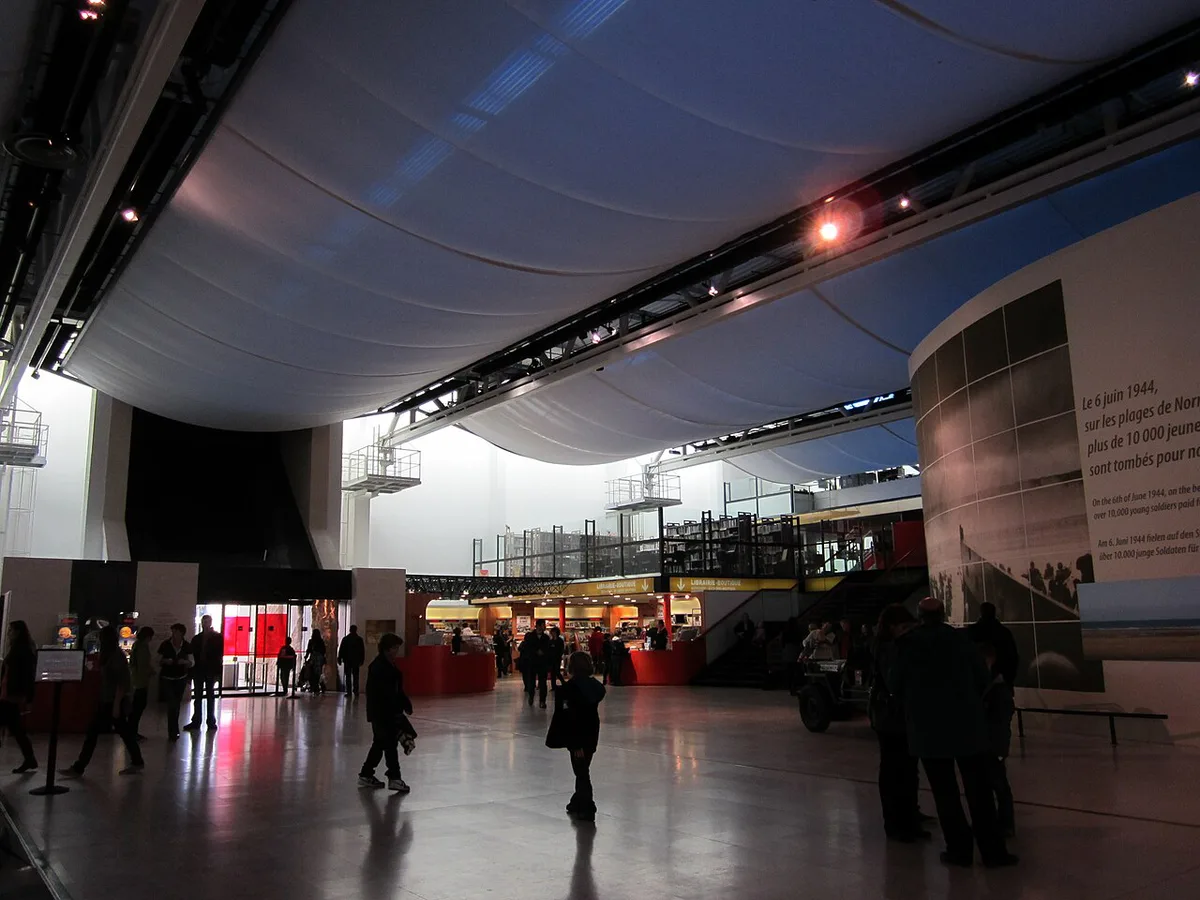
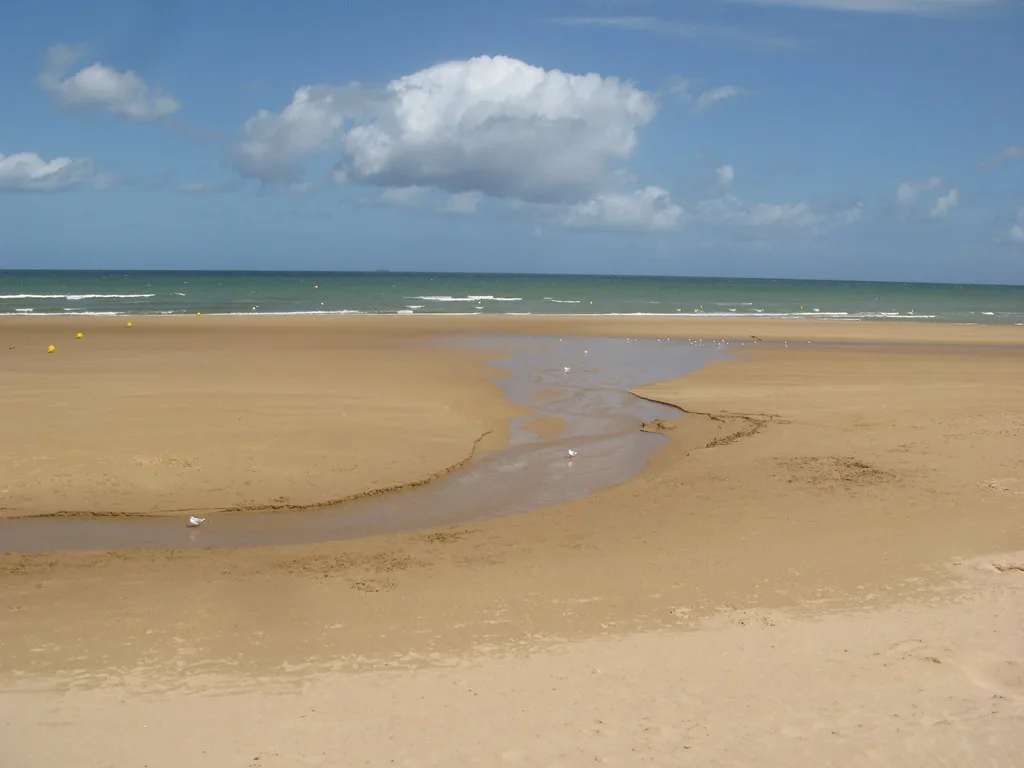
Normandy's 5 D-Day beaches are Utah, Omaha, Gold, Juno and Sword. Pointe du Hoc is a separate clifftop site between Omaha and Utah, not another landing beach. Stay in Caen for the Caen Memorial, or compare Bayeux if your tour picks up there. A split stay can work when you finish farther west, though it costs you a hotel move. The 3-day outline below is editorial pacing, so trim stops to fit opening times and your arrival. If you arrive late, add a night before Day 1.
- Day 1, Caen context: visit the Caen Memorial, a museum built above a German command bunker, and allow time for its D-Day and Battle of Normandy material.
- Day 2, British and Canadian sectors: group Sword, Juno and Gold. At Arromanches on Gold Beach, the Musée du Débarquement explains the artificial Mulberry harbor.
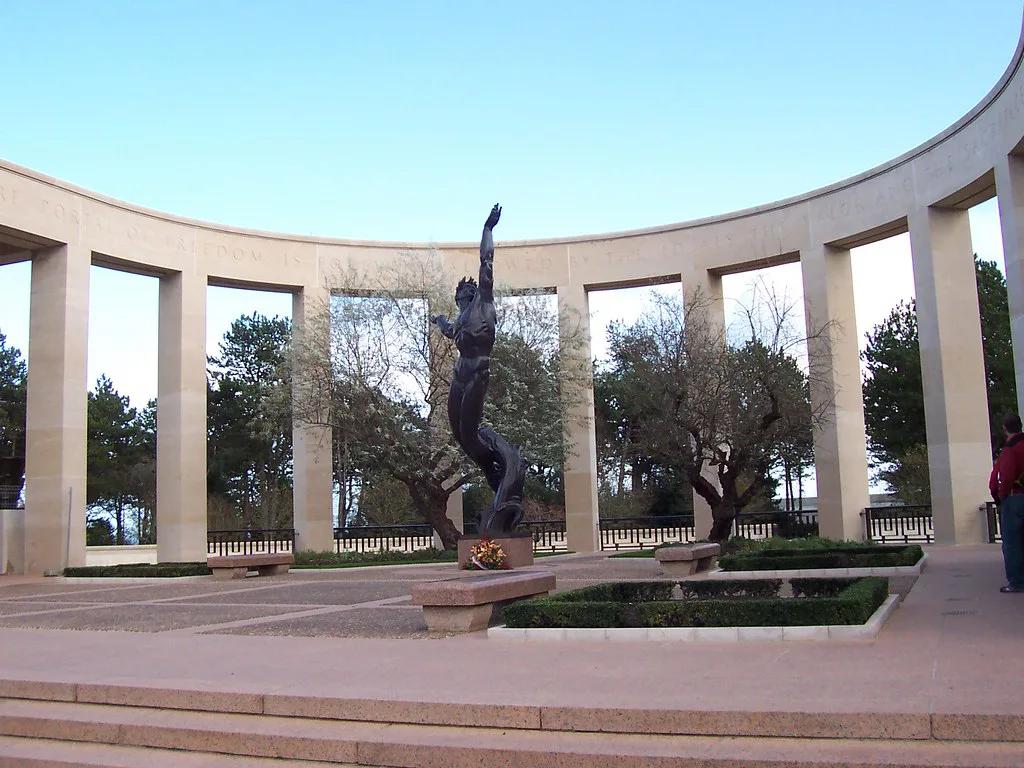
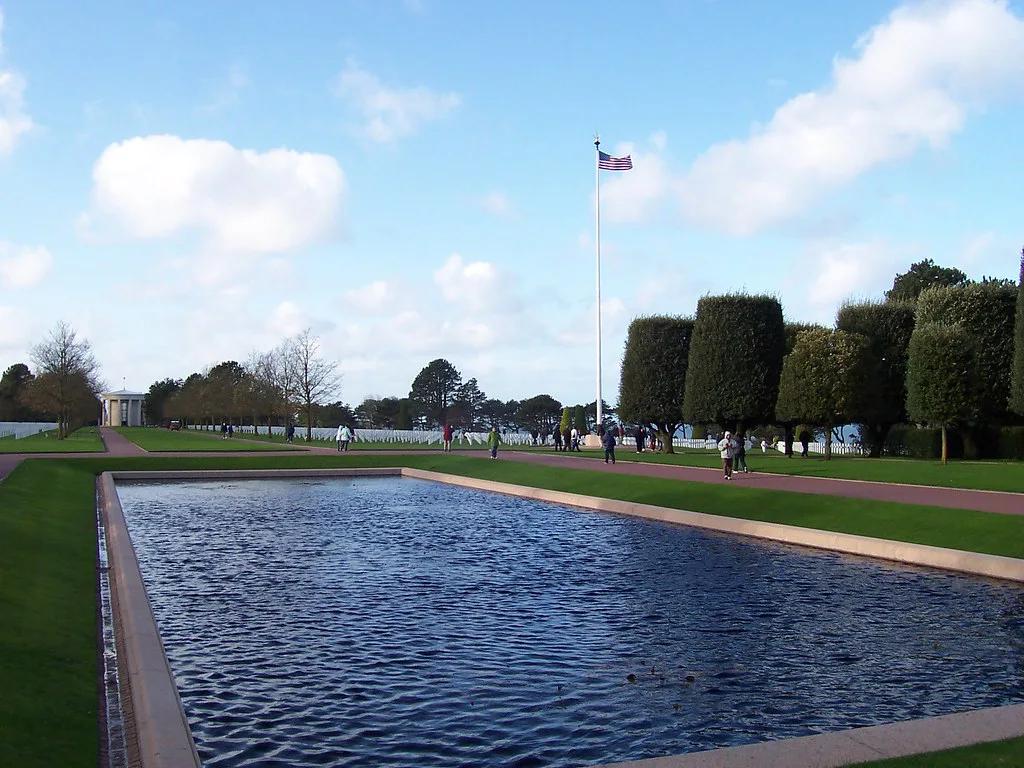
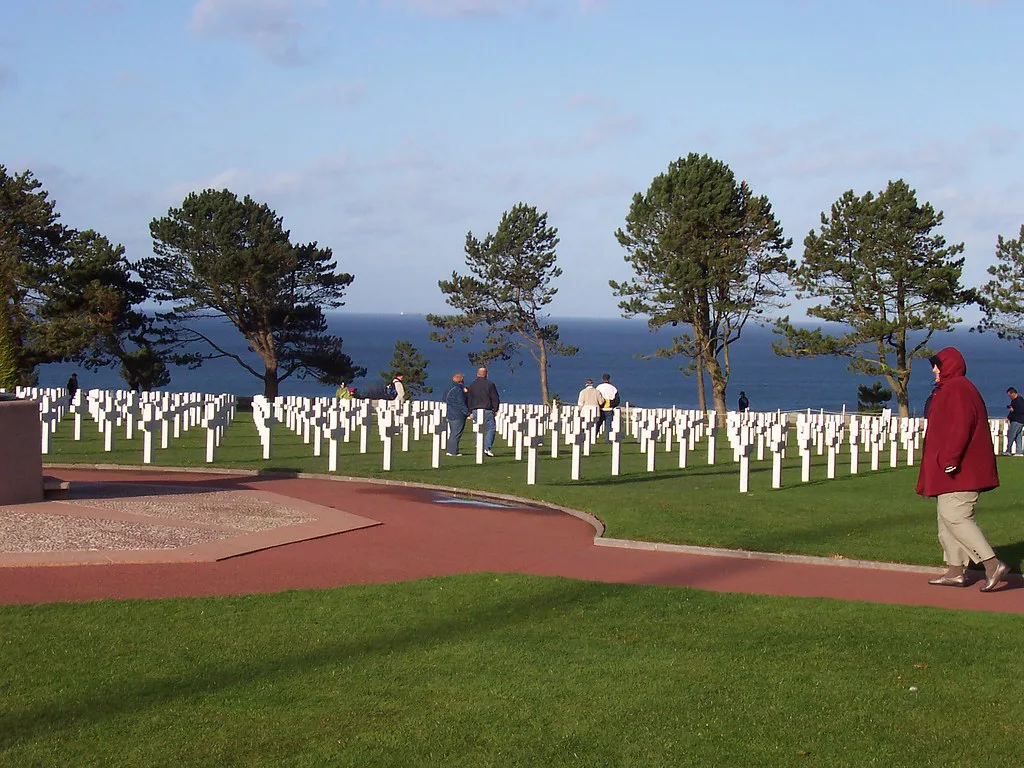
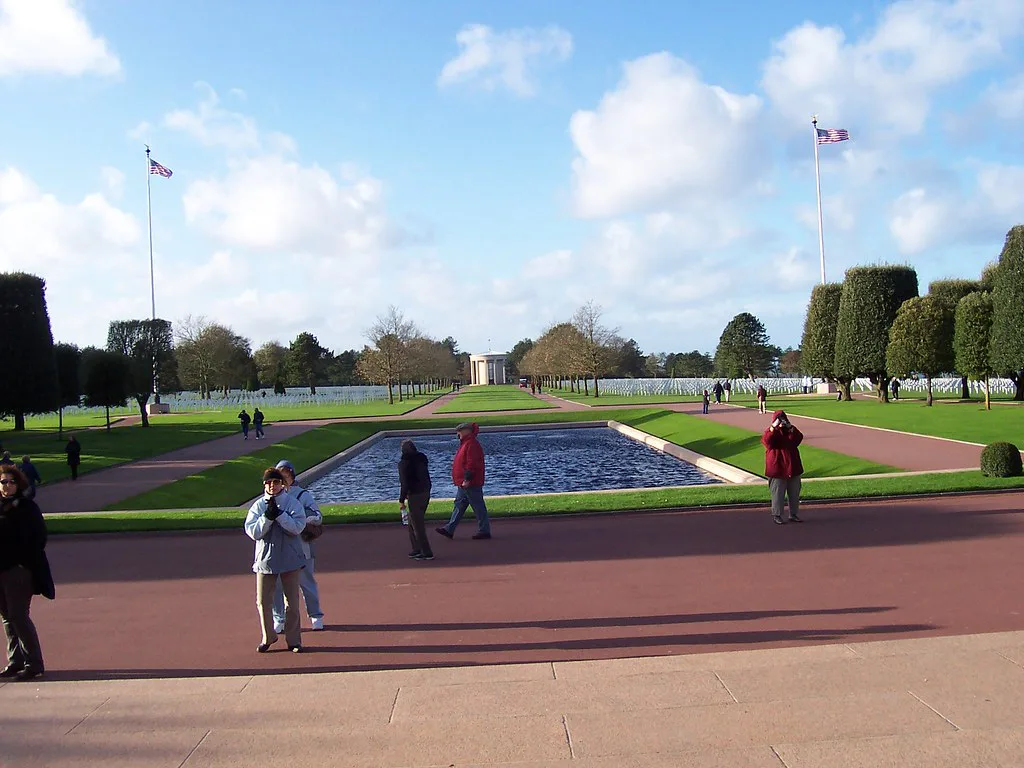
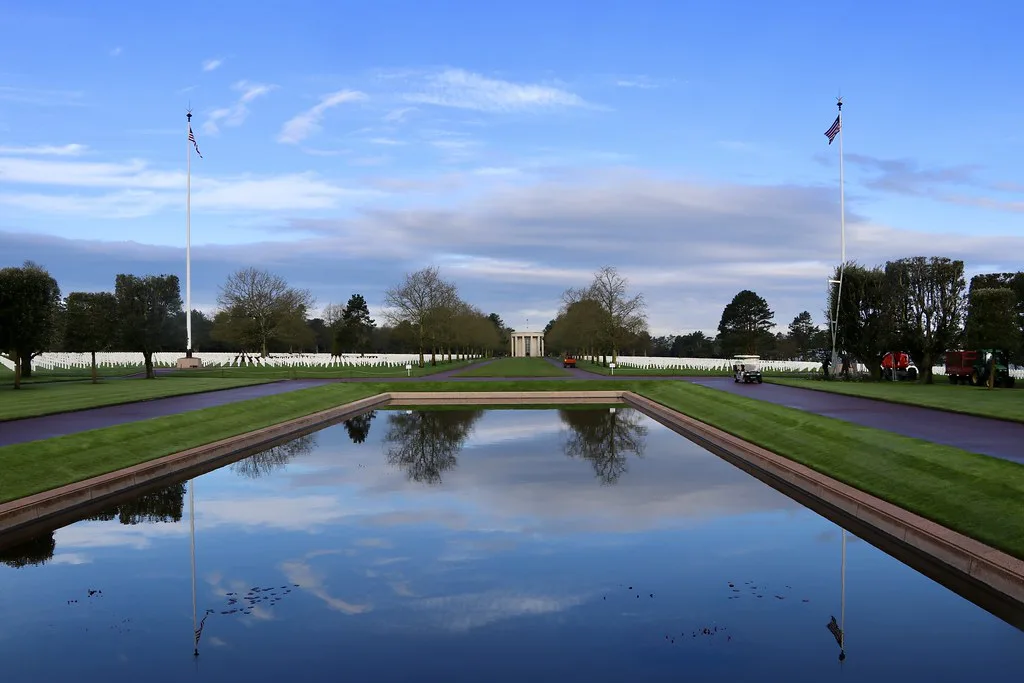
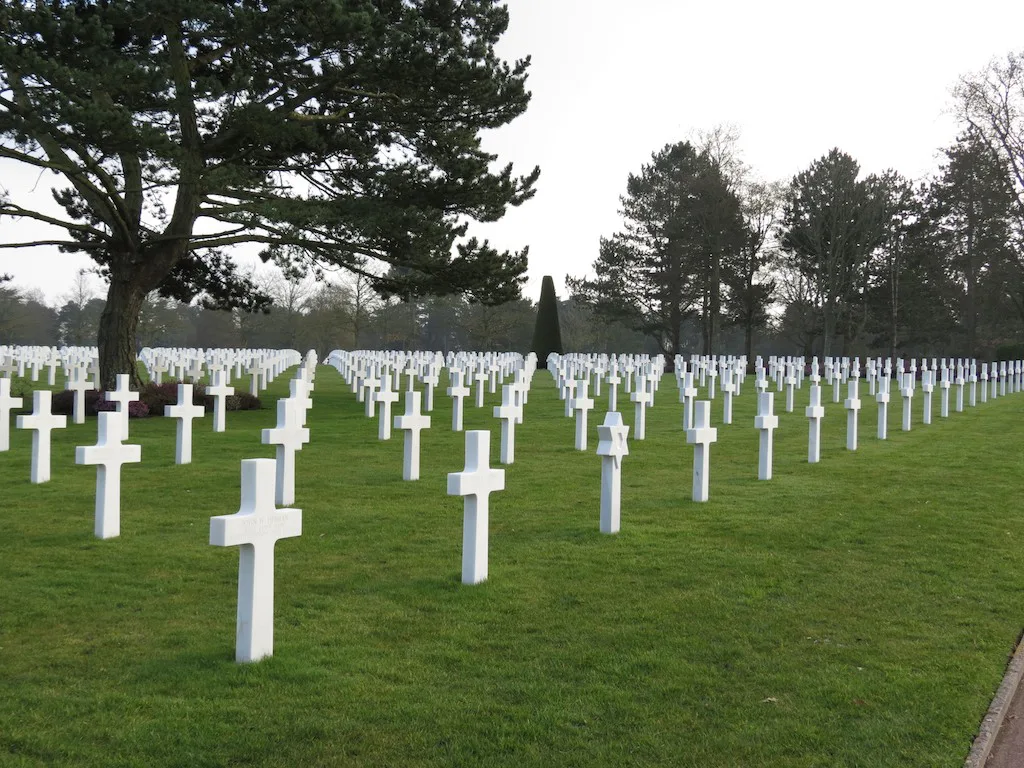
- Day 3, American sectors: group Omaha, the Normandy American Cemetery, Pointe du Hoc, Utah and Sainte-Mère-Église. This is a full day, so cut stops or add a day for museum time.
- Sainte-Mère-Église option: its Airborne Museum is dedicated to paratroopers of the US 82nd and 101st Airborne Divisions.
Getting to Normandy and Getting Around
Driving from Paris Charles de Gaulle Airport to Caen takes about 2 hours 33 minutes before delays or rental pickup. From Calais, allow about 3 hours behind the wheel. A Portsmouth–Caen ferry crossing has been listed at 5 hours 45 minutes, with 3 daily summer sailings. Check the operator's current timetable and actual ports before booking. A long day tour from Paris saves a hotel move but spends much of the day in transit. Staying locally leaves more room for cemeteries and museums. Without a car, choose a tour that names your must-see sites, or verify each public transport connection and return. At Juno, the Juno Beach Centre has offered 45-minute visits with Canadian guides daily from April 1 to October 31. Confirm the current season before building your day around one.
Juno Beach Centre visits run from April 1 to October 31, so a Day 2 British and Canadian sector plan needs dates inside that window.
What Does a WW2 Tour Cost, and What Is Included?
No dependable like-for-like price range covers these routes, so request dated quotes from operators for the same dates and party size. A shared seat will often cost less than hiring a private guide alone, but compare the full trip total.
- Guide, driver and vehicle: identify which are included and whether the price is per person or per group.
- Admissions and reservations: separate entry fees from stops viewed outside.
- Hotels and meals: include single supplements and extra arrival or departure nights.
- Transport: add airport or rail transfers and baggage charges.
- Self-drive: add rental, fuel, tolls, parking, insurance and any one-way drop fee.
- Extras: ask about tips and taxes.
What to Check Before Booking a Tour Operator
Judge operators by their current itinerary and written booking terms, not by a broad battlefield label. Ask who will lead your departure and what that person specializes in. A stop described as a drive-past is very different from a guided visit. Send the same questions to every company so their answers are easy to compare.
- Departure: is it operating, what is the minimum number, and when is it guaranteed?
- Guide: what are their specialism, language and any required local authorization?
- Group: what is the maximum size?
- Sites: which are entered, which are only passed, and are tickets included?
- Pace: how much time is spent at sites compared with transit?
- Logistics: where are pickup and finish points?
- Access: how much walking, stairs and uneven ground are involved, and where are toilets?
- Terms: what are the reservation, cancellation and refund rules?
Visiting Memorials and Avoiding Planning Mistakes
Cemeteries, memorials and Holocaust sites are places of mourning and remembrance. Before arriving, read each site's own rules on guiding, photography, dress, conduct and visits with children. For Normandy American Cemetery, use the American Battle Monuments Commission, which manages it. Leave breaks around emotionally demanding visits. Seasonal closures and commemoration periods can change access, especially if your dates fall near June 6.
- Avoid stacking distant sites without counting transfer time.
- Do not assume museum entry or specialist interpretation comes with a tour.
- Keep voices low and follow staff instructions at graves and memorials.
- Leave a spare slot so one closure or delay doesn't unravel your day.
Keep planning
Guides on the same trip