Liberation Route Europe: Routes, Countries & How to Choose
What the Liberation Route Europe is, which countries and themed walking and cycling routes it covers, and how to choose a section to visit.
In this guide
Last updated November 2026: the Liberation Route Europe is an international heritage route and foundation, based in the Netherlands, that follows the Allied advance of 1944 and 1945. In practice it is a network of themed walking and cycling routes, not one trail you can follow end to end. Use this guide to sort the routes by country, theme and travel mode.
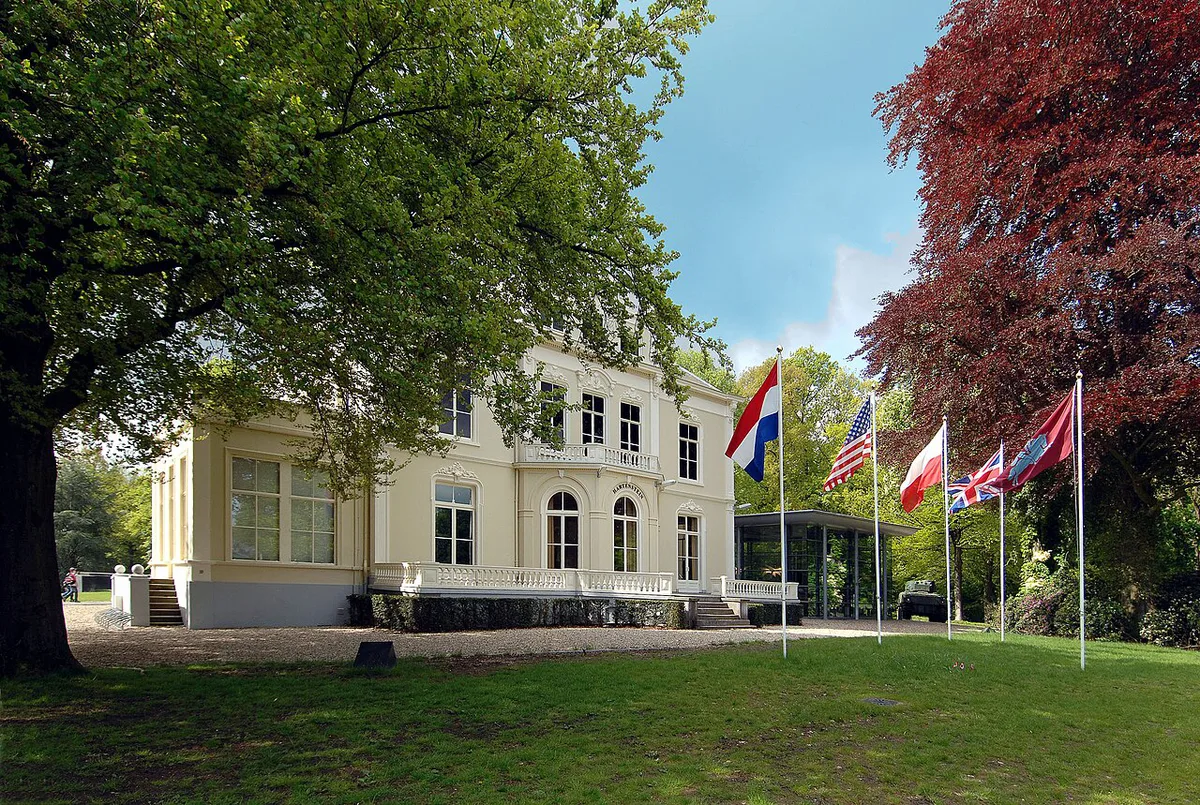
Featured image: Dat doris, CC BY-SA 4.0, via Wikimedia Commons.
What Liberation Route Europe is (and isn't)
Liberation Route Europe is run by the Liberation Route Europe Foundation, which is based in the Netherlands. Its routes follow the Western Allied advance and other Second World War themes. Each route has its own start, theme and travel mode, so there is no single signposted road from coast to coast. Treat it as a menu of regional routes. Some are walks, some are bike rides, and some link memorials and museums. Official route pages are Dutch-first, with partly translated titles, so expect a mix of English and Dutch labels. For a wider country-by-country overview, start with our WWII sites in Europe guide.
Where the Liberation Route Europe routes run
Routes cross the Netherlands, Belgium, Germany and Finland. Most listed routes sit in the Netherlands. Westerbork–Bergen-Belsen is a memorial cycling route of about 345 km that follows the former rail line between the Westerbork transit camp and Bergen-Belsen. Finland's Ilomantsi battlefield path runs about 118 km past Winter War (1939–1940) and Continuation War battlefields. Belgium's Libramont-Chevigny route has 9 panels that you can reach by bike. Themes below show what each cluster covers.
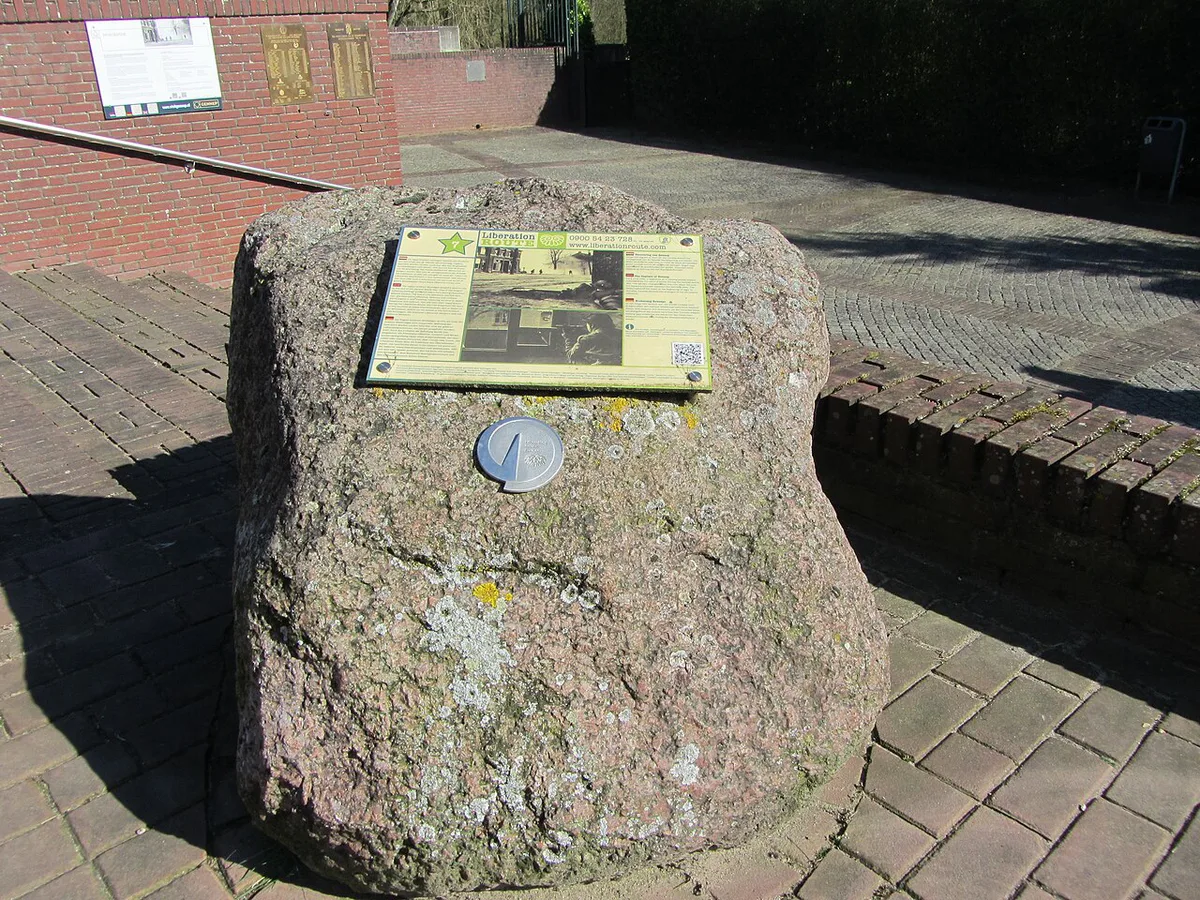
- Market Garden and Dutch liberation: Scottish Highlanders routes follow the 51st Highland Division in Operation Colin, October–November 1944, around Loon op Zand, Tilburg, Vught, Waalwijk, Boxtel, Sint-Michielsgestel and Heusden.
- More Dutch liberation: the Timberwolves route in West-Brabant (First Canadian Army, autumn 1944), Operation Vitality I from the Kreekrakdam in Zuid-Beveland, and Liberation Route Maasgouw in the former Maasbracht municipality.
- Early war: the Rhenen and Wageningen route covers the Grebbeberg battle of May 1940 and the 5 May capitulation talks at Hotel De Wereld.
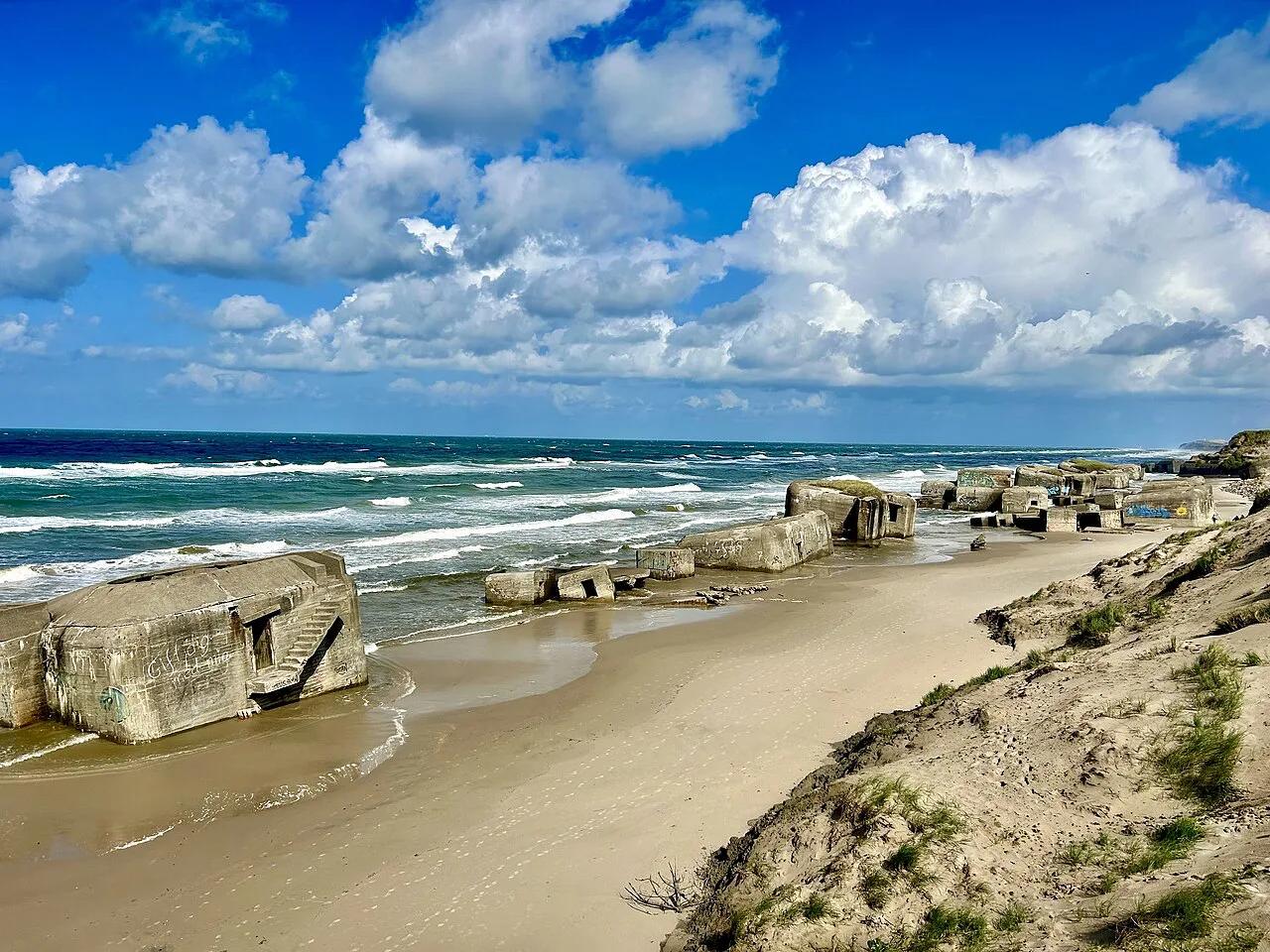
- Atlantikwall coast: cycling routes by province for Groningen, Friesland, Noord-Holland, Zuid-Holland and Zeeland, plus Festung IJmuiden, Den Helder and Walcheren (Vlissingen–Middelburg–Nieuwdorp).
- Camps and memorials: Westerbork–Bergen-Belsen, and the Westkreis cycling route in North Rhine-Westphalia that starts at the Waldniel-Hostert memorial.
- Ardennes: a Battle of the Bulge cycling route and the Libramont-Chevigny panels in Belgium.
- Eastern and Northern Europe: the Ilomantsi path in Finland and the Oder-Warta Region 1945 route.
- Berlin: a WWII cycling route and a city-centre walking route.
How to choose: Liberation Route Europe route comparison
Pick a theme first, then a country, then a travel mode. Six themes cover most of the listed routes. Effort labels are rough, so read each route's own page for its length before you commit.
| Theme / era | Country | Mode | Effort | Best for | Skip if |
|---|---|---|---|---|---|
| Market Garden and Dutch liberation | Netherlands | Cycling | Day rides, easy to link | Operation Colin and Canadian army history | You want a single dramatic site |
| Atlantikwall coast | Netherlands | Cycling | One ride per province | Bunker and coastal-defence fans | You travel in winter |
| Camps and memorials | Netherlands, Germany | Cycling | Multi-day | Reflective, unhurried trips | You have only a day |
| Battle of the Bulge | Belgium | Cycling | Day ride | Winter 1944–1945 history | You prefer walking |
| Eastern and Northern Europe | Finland, Germany | Walking, cycling | Multi-day for Ilomantsi | Remote battlefield walks | You need easy transport links |
| Berlin | Germany | Walking, cycling | Short walk to day ride | City-break travelers | You want rural battlefields |
Walking, cycling or driving
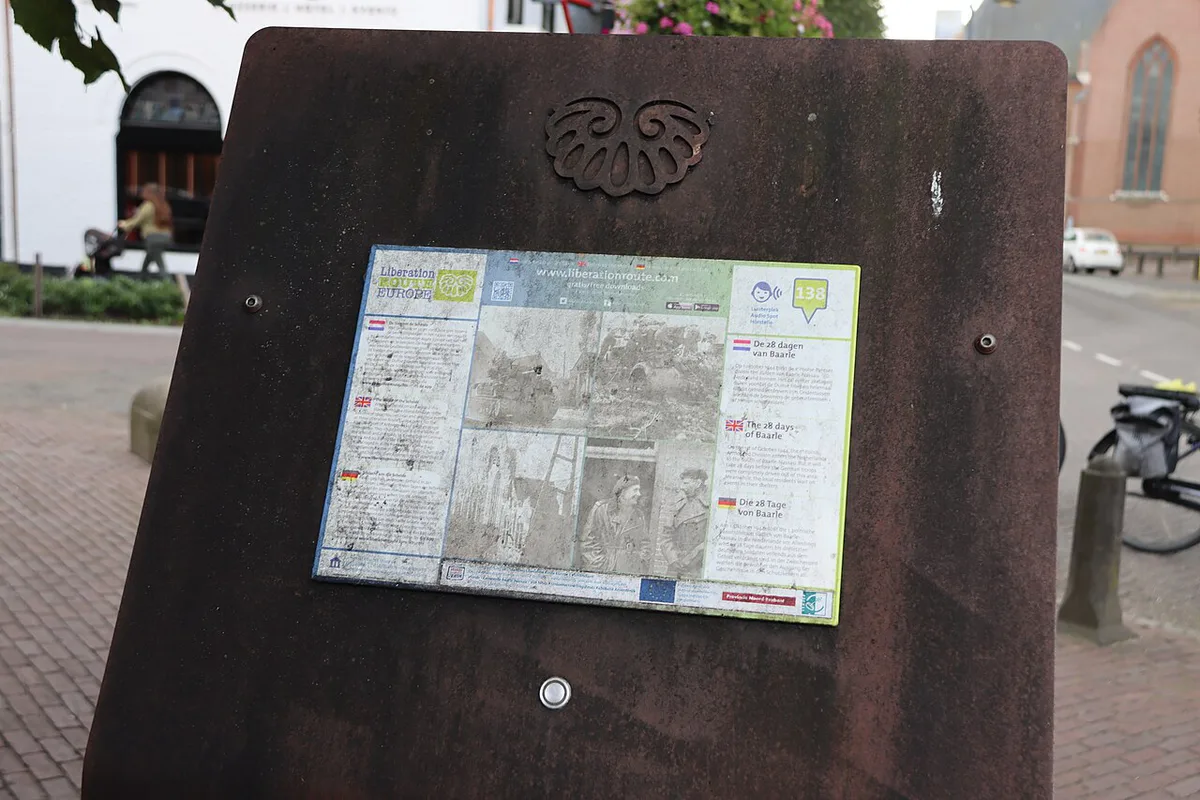
Cycling suits long routes. Westerbork–Bergen-Belsen at about 345 km is a multi-day ride, not a day trip. Dutch sections often lean on the bike-node network, so a node map helps. Walking suits compact areas such as Berlin's city centre, where WWII locations sit close together. Driving fills the gaps between stops in different countries, because the Ardennes, Dutch and Berlin sections lie far apart. From October to March daylight is short, and exposed Atlantikwall coast routes feel it most. Plan winter days around indoor stops instead. Our WWII museum picks list indoor options.
Planning logistics for Liberation Route Europe
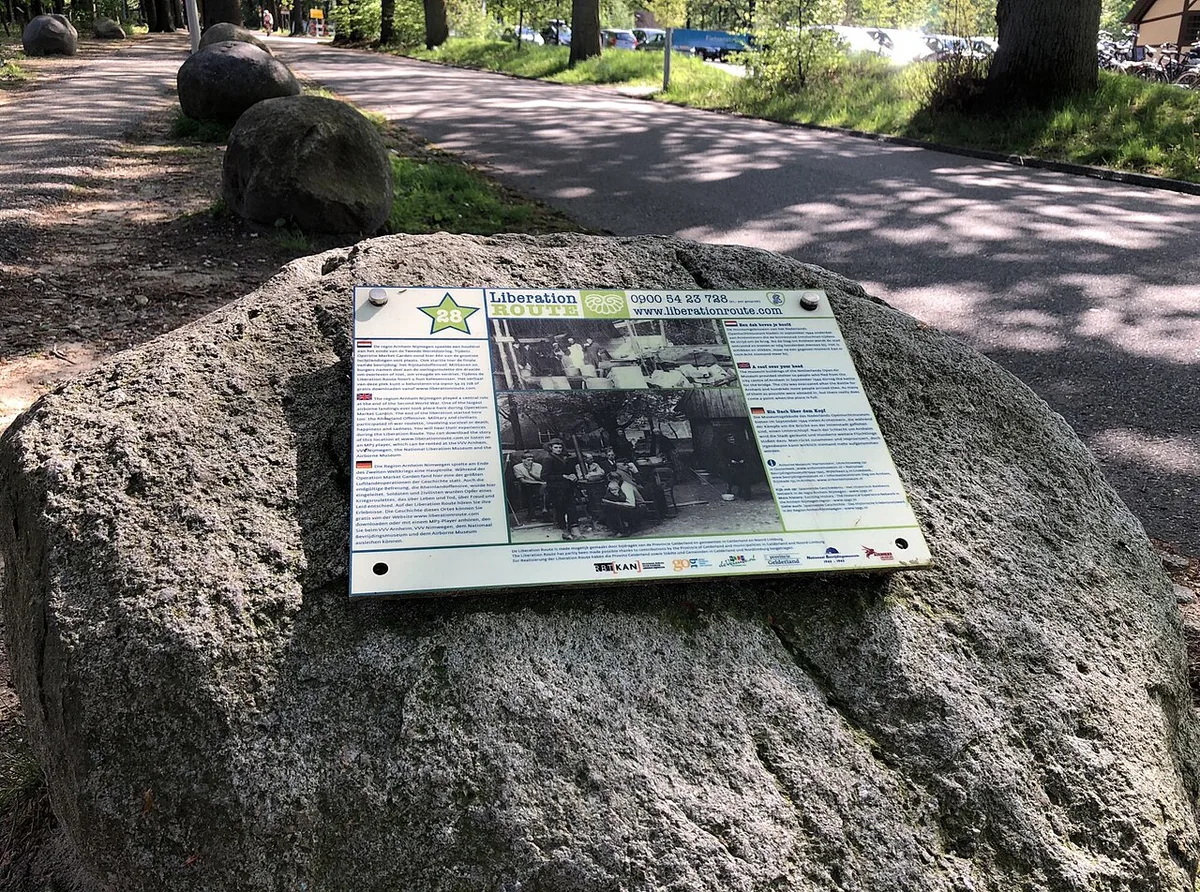
Start on the official site, where route pages, the app and GPX files are published. Language options differ by route. Groningen has a Liberation Route Europe Monument, so look up its exact position on the official map. Netherlands commemorations cluster around Liberation Day on 5 May, which is also the date of the Wageningen capitulation talks. Expect busy local events then. Freedom Path was an anniversary relay marking 80 years of freedom. It ran in 22 stages from Leopoldsburg to Arnhem, on 10–20 September, along the Market Garden route. Treat it as a past event unless the organizers announce a repeat.
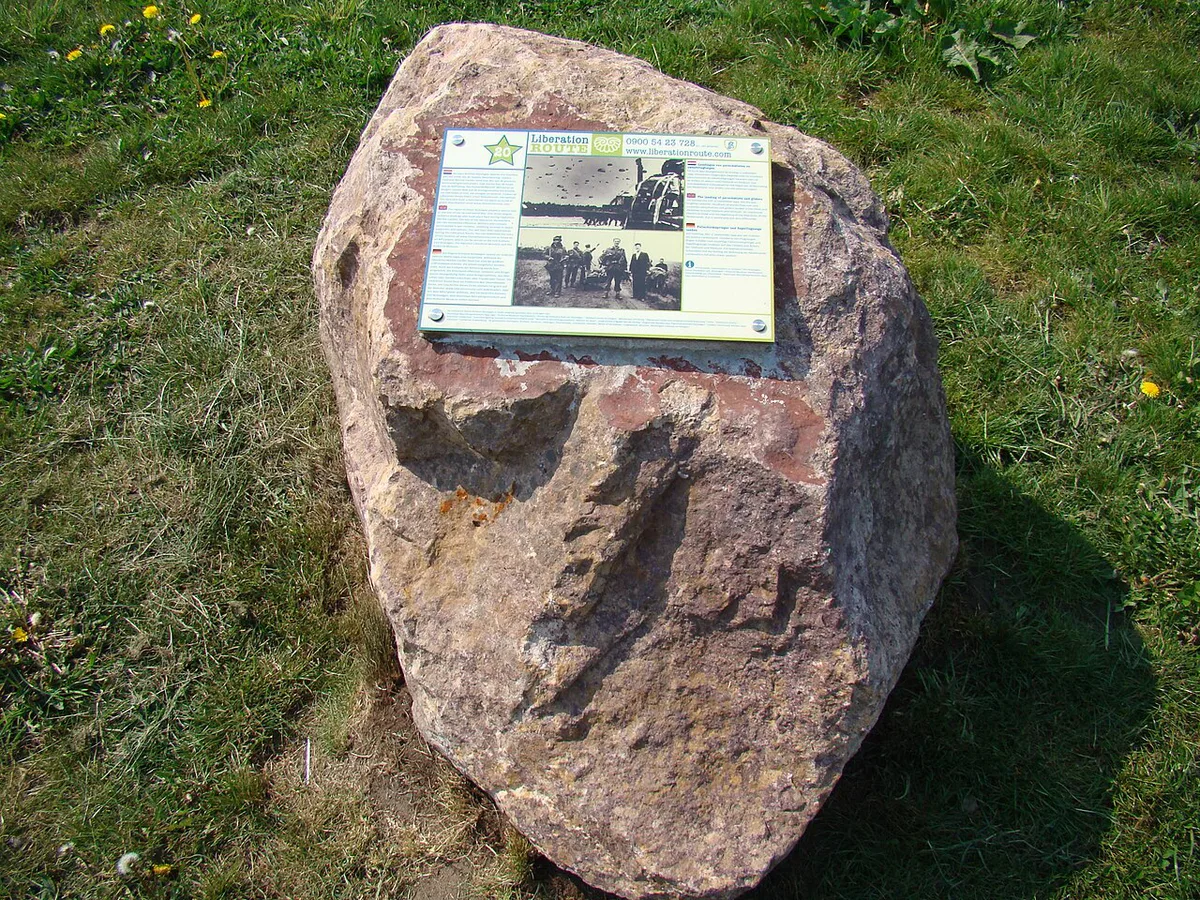
- Confirm that each marker or panel stands on public land with free access.
- Museum hours and closed days differ by site, so check them before building a day around one.
- Rail plus bike works for point-to-point routes; look for bike or e-bike rental near your start.
Sample pairings for a 3–5 day trip
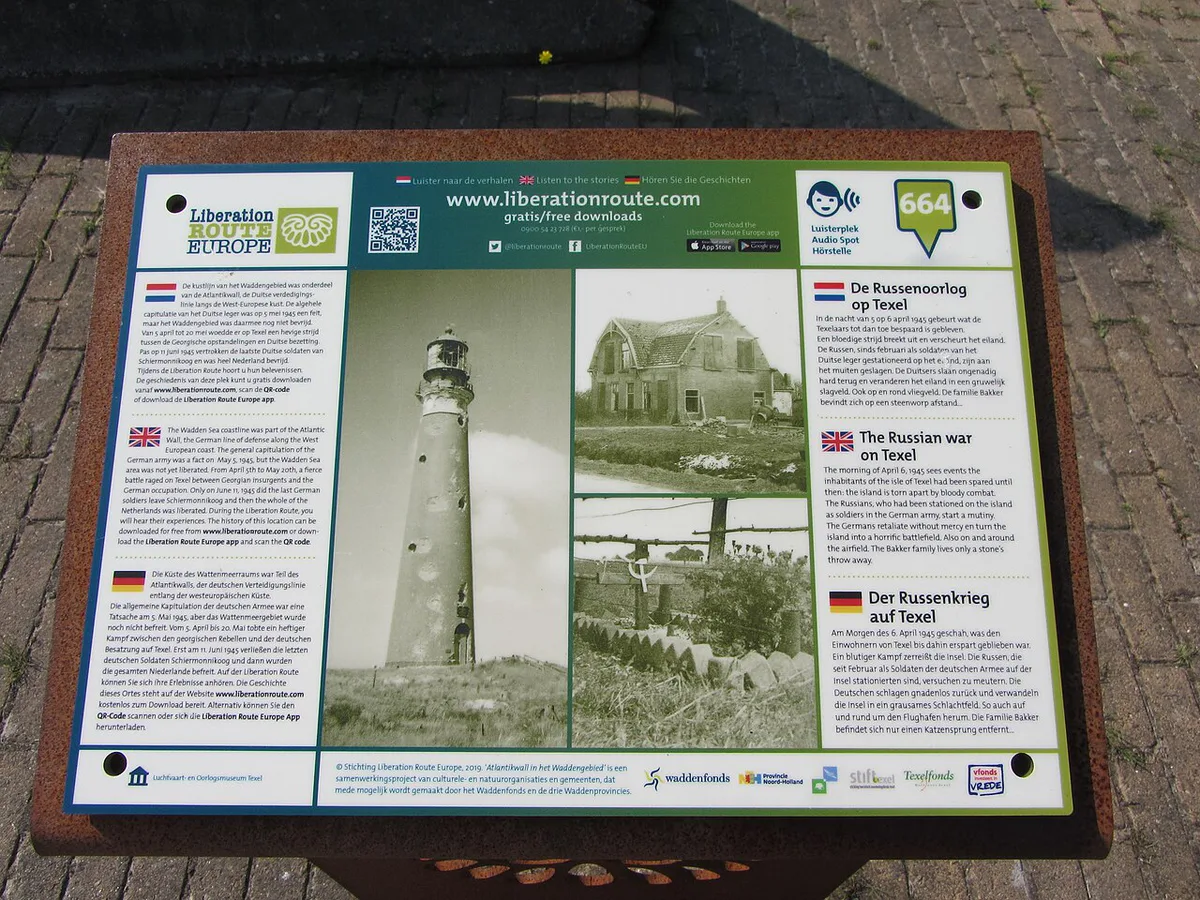
These are frameworks, not timed itineraries. Adjust them to your pace and to the length shown on each route's page.
Libramont-Chevigny's 9 panels can be reached by bike, which keeps the Ardennes leg in the same cycling plan as North Brabant.
- Market Garden plus Ardennes: a Scottish Highlanders or Timberwolves ride in North Brabant, then Libramont-Chevigny. Best for history-focused cyclists.
- Atlantikwall coast: Noord-Holland routes with Festung IJmuiden and Den Helder. Best for bunker and coastal-defence interest.
- Camps and memorials: Westerbork–Bergen-Belsen over several days. Best for travelers with time for quiet stops.
- Berlin: the city-centre walk plus the WWII cycling route. Best for a city break.
Mistakes to avoid
Camp and memorial sites call for a different tone and more time than battlefield hiking. Keep voices low, follow posted rules and leave room in the day for reflection.
- Treating it as one road trip: it is a network of regional routes.
- Relying on aggregator distances: use each route's own page.
- Skipping museum opening checks before you set out.
- Under-planning day length on cycling routes of 100+ km, such as Ilomantsi.
- Cycling the exposed Atlantikwall coast in winter.
- Rushing Westerbork or Bergen-Belsen between other stops.
Where to go next
Normandy is a natural start for the early part of the advance. Mémorial de Caen publishes its own visitor information. The Normandy American Cemetery is run by the American Battle Monuments Commission. Easy Company readers can pair the Market Garden and Ardennes sections with Band of Brothers locations. Our country-by-country WWII site list covers the wider picture.
Keep planning
Guides on the same trip