14 Best WW2 Sites in England and How to Choose
Plan a WW2 trip in England: 14 sites across codebreaking, air war, naval and D-Day history, with routes, time and booking tips by region.
In this guide
Last updated November 2026. The best WW2 sites in England fall into a few types: codebreaking, air war, naval, tanks, D-Day and the home front, and remembrance. Bletchley Park suits codebreaking, IWM Duxford suits aircraft, and Portsmouth suits ships. Use this guide to match one site per interest, then follow the links to each full guide.
Featured image: Outwivcamera, CC BY-SA 4.0, via Wikimedia Commons.
Quick answer: the best WW2 sites in England at a glance
Pick one site per theme and you have a workable trip. Use the table below to match each site to a theme, a region and a type of visitor. Detailed guides for every site are linked in the list that follows.
| Site | Theme | Region | Best for |
|---|---|---|---|
| Bletchley Park | Codebreaking and intelligence | Home Counties, north-west of London | Readers who want the story of signals and machines |
| IWM London | Whole-war overview | London | One-day context before visiting specific sites |
| HMS Belfast | Naval war | London, on the Thames | Visitors who want to walk through a warship |
| RAF Museum London | Air war | North-west London | Aircraft fans and families |
| Chartwell | Churchill and the home front | Kent | Biography-led visitors |
| IWM Duxford | Air war | East of England | Serious aviation history readers |
| Cambridge American Cemetery | Remembrance | East of England | A quiet, reflective stop |
| Portsmouth Historic Dockyard | Naval war | South coast | A full day among ships |
| Royal Navy Submarine Museum | Submarine service | South coast | Naval readers who want a different angle |
| Tank Museum, Bovington | Tanks and land war | Dorset | Armour enthusiasts |
| Tyneham | Home front and evacuation | Dorset | Drivers with flexible dates |
| Slapton Sands | D-Day rehearsal and remembrance | Devon | Quiet coastal visits by car |
| National Memorial Arboretum | Remembrance | Midlands | Reflective, unhurried visits |
| IWM North | War and conflict | North-west England | Visitors based in northern England |
How to choose: pick by interest
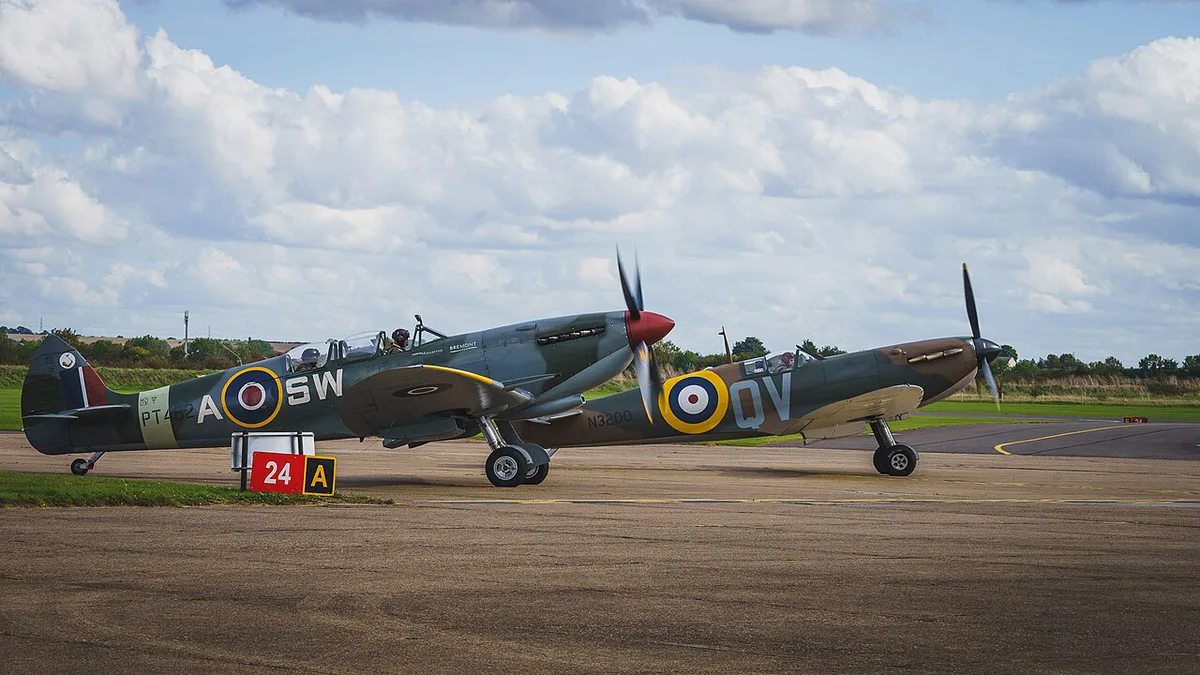
Start with what you want to understand, not with the nearest car park. For codebreaking, Bletchley Park is the clear choice, with its neighbour the National Museum of Computing covering the machines. For the air war, the Battle of Britain ran from July to October 1940, and 15 September is widely seen as the day Fighter Command gained a decisive victory. RAF Museum London and IWM Duxford carry that story best.
Naval history points to HMS Belfast in London or Portsmouth Historic Dockyard on the south coast. Tank and land-war readers should head to Bovington in Dorset. D-Day history in England means rehearsal and preparation, and Slapton Sands in Devon is the key place to understand it. Remembrance visitors have two quiet choices in Cambridge American Cemetery and the National Memorial Arboretum.
14 Best WW2 Sites in England to Visit
Each entry below gives the theme, the time to allow and who should look elsewhere. Ticket prices and opening hours change often, so this guide gives none and points to each official page instead. Where a site has a dedicated guide, the link sits in the first sentences.
1. Bletchley Park
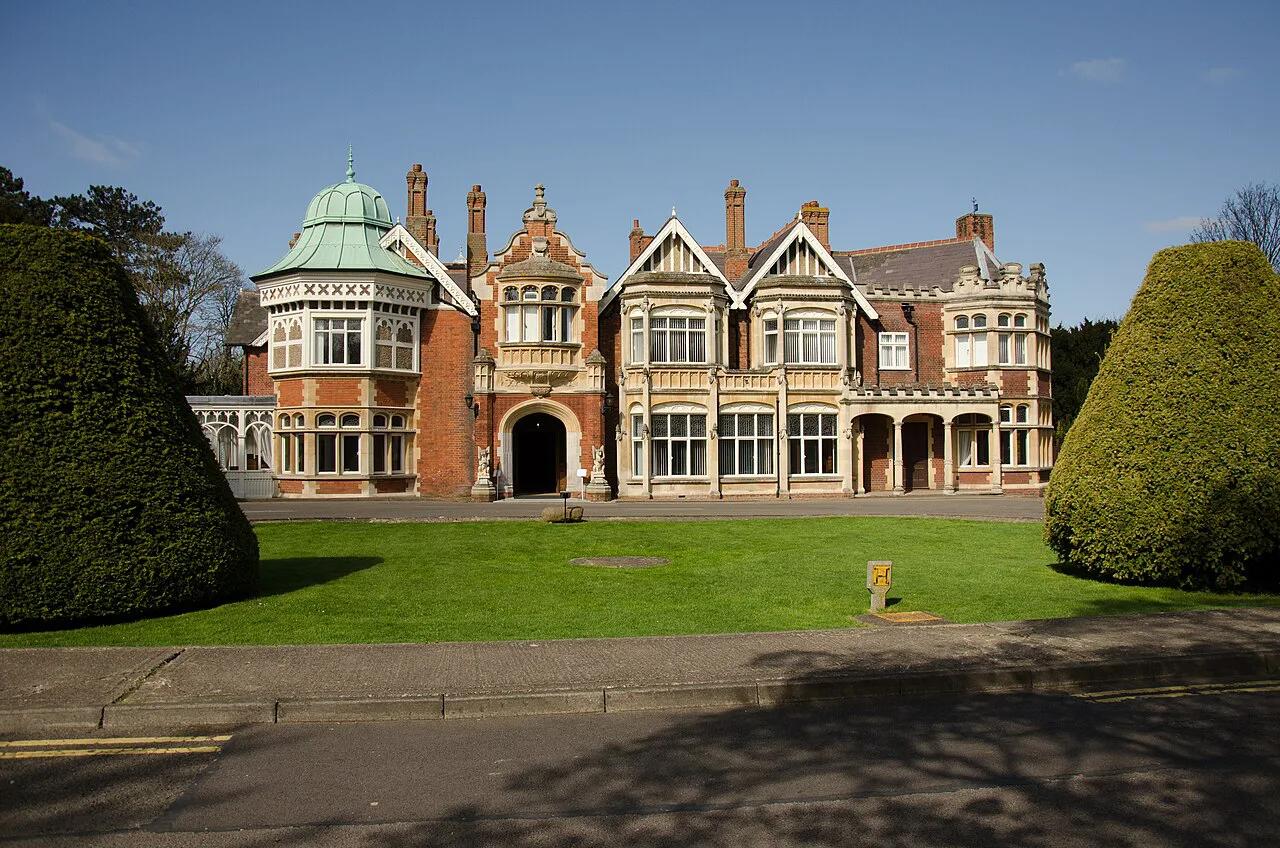
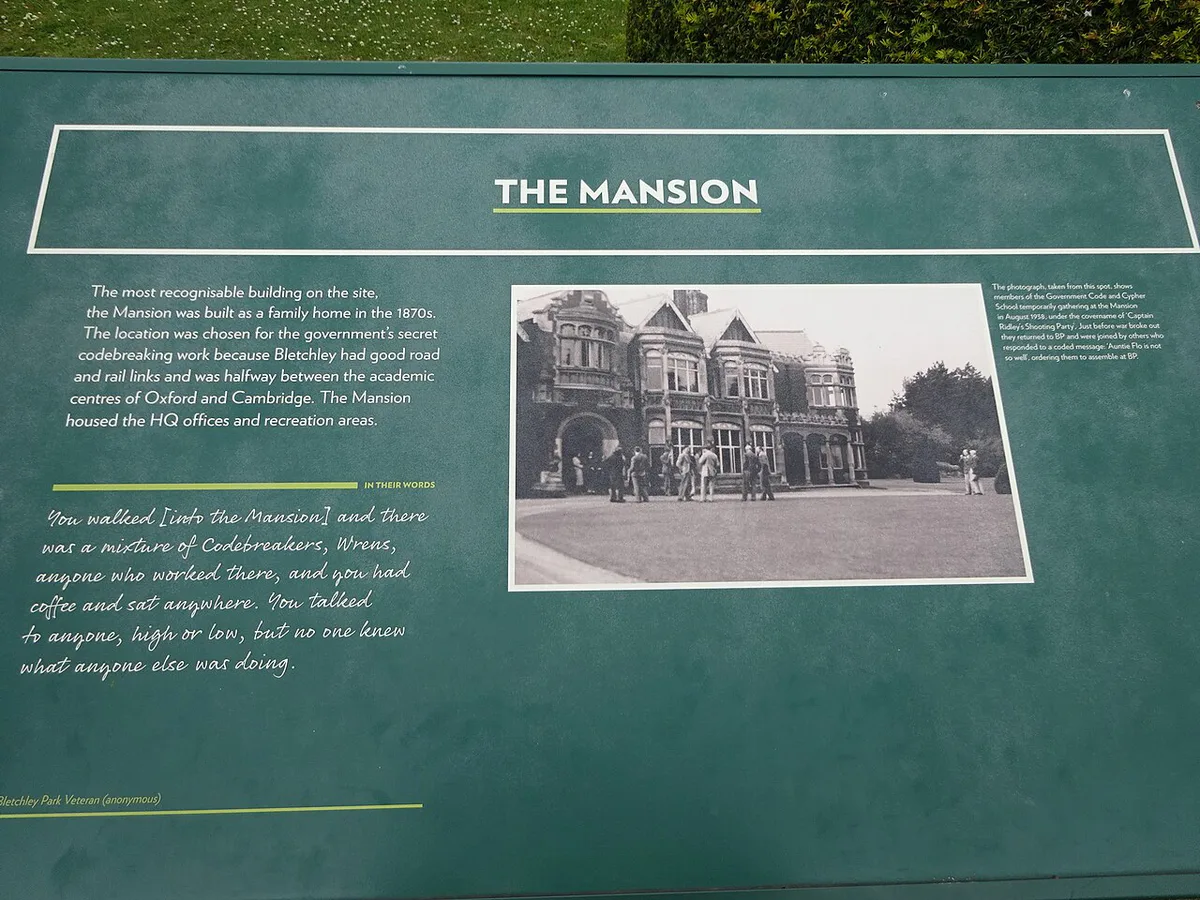
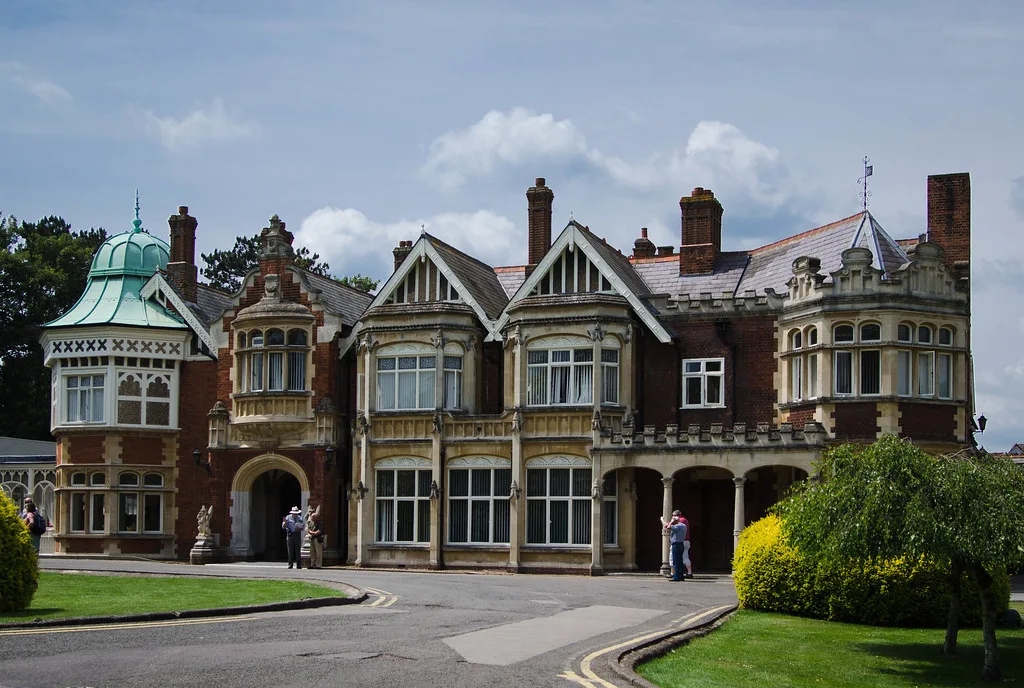
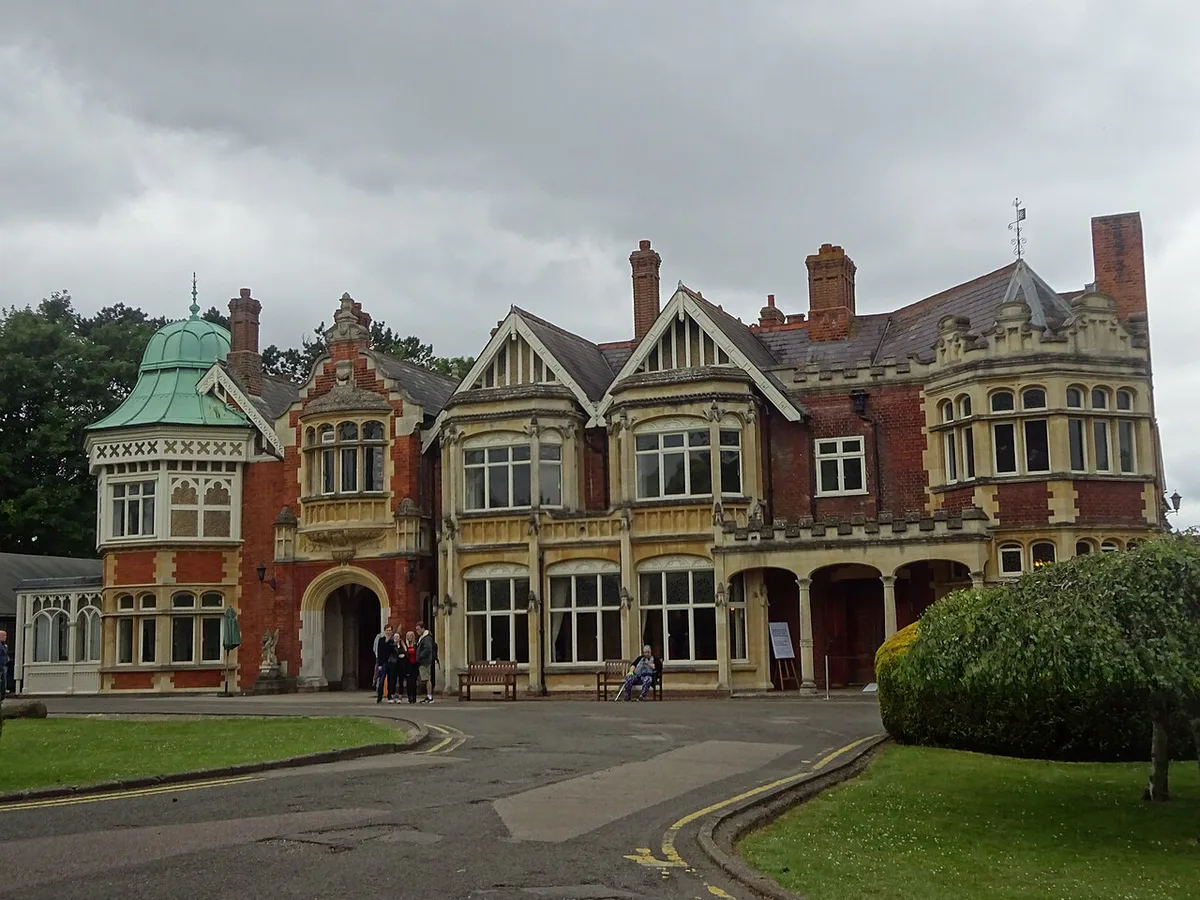
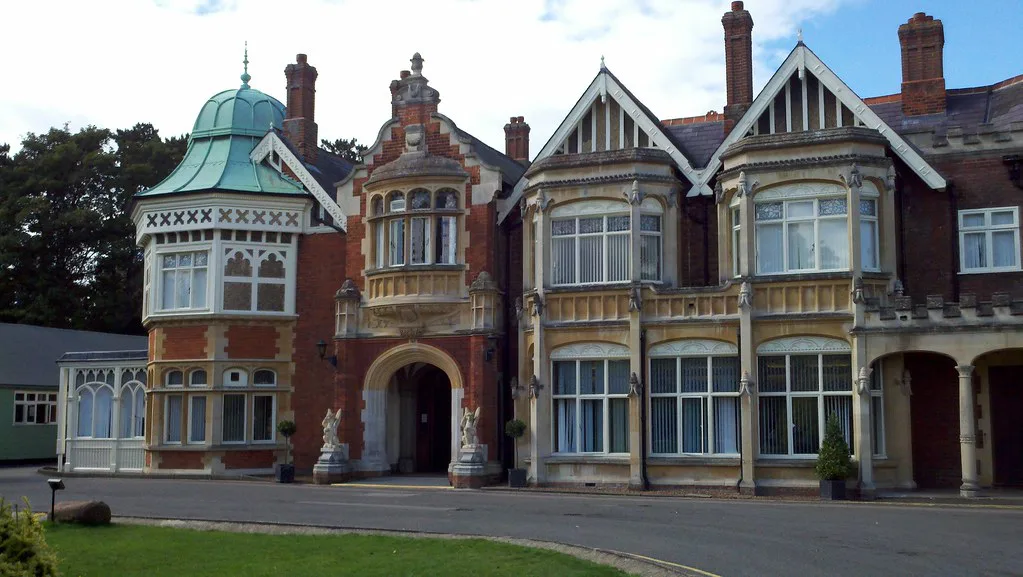
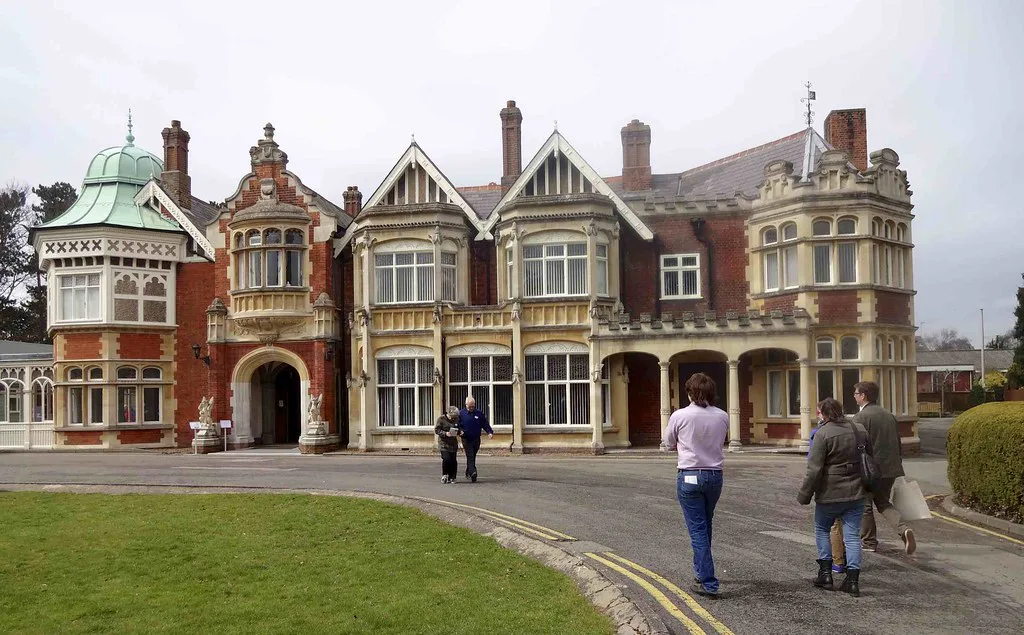
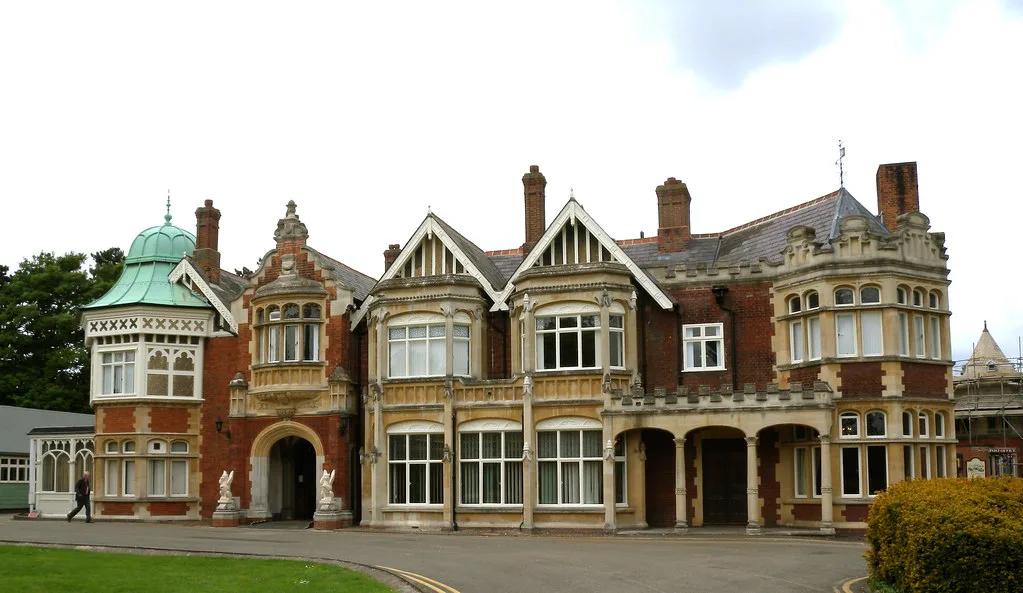
Bletchley Park was Britain's wartime codebreaking centre, and its codebreaking huts and mansion give the clearest account of intelligence work. Allow a half to a full day, because the huts, exhibitions and grounds reward slow reading. The National Museum of Computing shares the site and adds the machine side of the story. Trains from London are the usual route, so check times on National Rail Enquiries.
Our guide explains how to reach Bletchley from London by train, tour or car. Ticket details sit on the official Bletchley Park site. Skip it if you want aircraft or ships, because the story here is about people, signals and machines.
2. IWM London
IWM London's Second World War galleries give the widest overview of the conflict under one roof. It is the best first stop if you want context for the specialist sites that follow. Expect to spend at least half a day, and longer if you read every display.
Combine it with a ship visit on the same day, since both sit in central London. Leave it off your list if you want large aircraft or vehicles, because Duxford and the RAF Museum do that at greater scale.
3. HMS Belfast
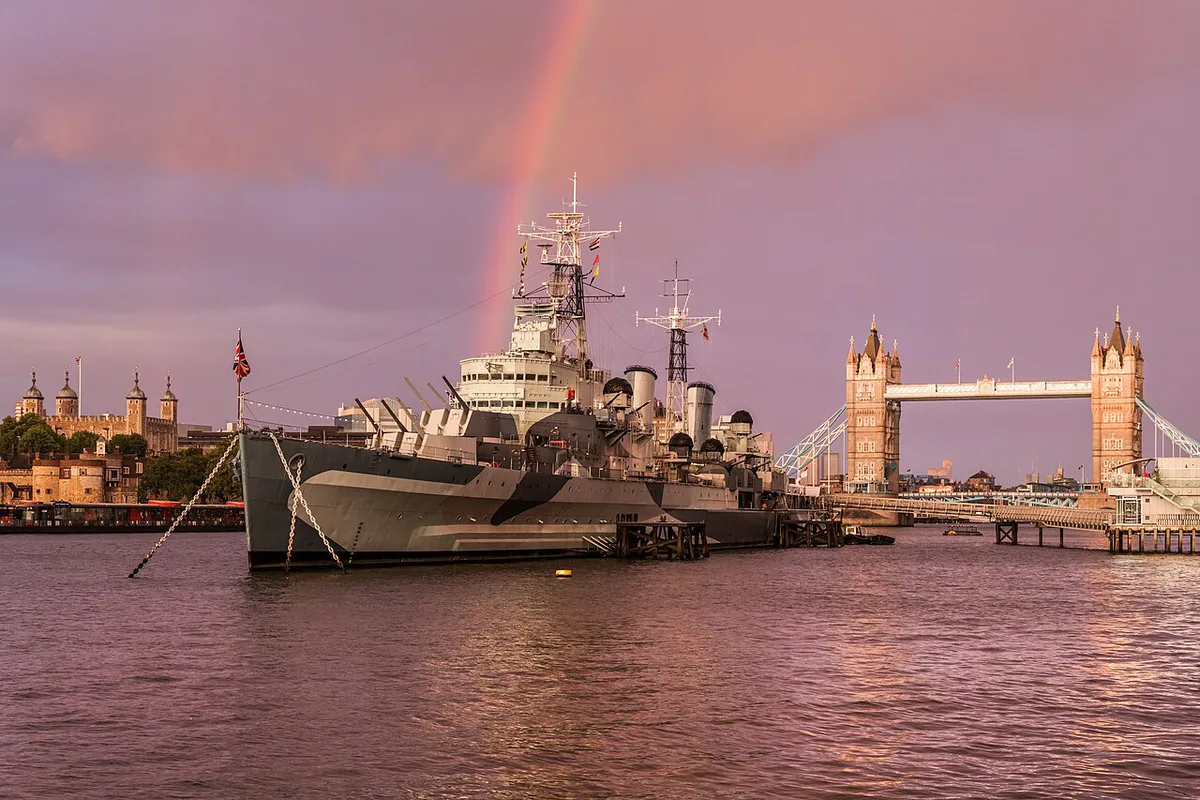
Moored on the Thames, the Thames-moored cruiser is a Royal Navy warship you can walk through from deck to engine spaces. Its central London position makes it the easiest naval stop in the capital. Plan a couple of hours, and pair it with IWM London for a full day of London war history.
Expect steep ladders and tight decks throughout the ship. Pass if stairs are a problem or you prefer exhibits to a ship's working spaces.
4. RAF Museum London
The RAF Museum at Hendon is the capital's main air war collection, with aircraft from the period of the Battle of Britain. Hendon lies in north-west London, so allow travel time from the centre. Children who like aircraft tend to do well here, as the hangars are easy to move through.
Opening and entry details are on the RAF Museum London visit page. Not ideal if you are also going to Duxford, because the two overlap and Duxford is larger.
5. Chartwell
Churchill's family home at Chartwell in Kent shows the wartime leader's private world rather than the war itself. The National Trust page for Chartwell carries current entry arrangements. Expect furnished rooms, gardens and household objects, which suits a half-day trip from London.
Children seeking vehicles and weapons will find little of that here. Give it a miss if you want military hardware rather than biography.
6. IWM Duxford
IWM Duxford's air hangars occupy a former RAF fighter airfield in Cambridgeshire. This is the strongest choice for serious aviation history, with aircraft spread across several large buildings. Allow most of a day, and expect some walking between hangars in all weather.
A themed East of England day works well if you add Cambridge American Cemetery. Look elsewhere if you want a short visit or a quiet, reflective atmosphere.
7. Cambridge American Cemetery
The American war dead at Cambridge rest in a cemetery maintained by the American Battle Monuments Commission. Details of the site and its memorial are on the ABMC Cambridge page. Treat it as a quiet stop of an hour or so, and keep voices low.
Follow the visitor guidance published by ABMC and posted on arrival. Not the right choice if you want activity-based sightseeing.
8. Portsmouth Historic Dockyard
Warships at Portsmouth Historic Dockyard sit within a naval base that holds several ships and museums on one site. It is the deepest naval visit on the south coast, so plan a full day. Underestimating the time here is the commonest planning error.
School holidays and summer weekends are the busiest periods. Skip it if you only have a few hours, and choose HMS Belfast instead.
9. Royal Navy Submarine Museum
The Royal Navy submarine collection covers the underwater service, an angle the big ship museums leave out. Pair it with Portsmouth on a two-day south coast plan. Interiors are tight, which some visitors find uncomfortable.
Check the current tour arrangements before you travel. Leave it out if you have limited time and want only the main Portsmouth ships.
10. Tank Museum, Bovington
The armour collection at Bovington in Dorset is the pick for land war and tank history. Plan a half to a full day, depending on how closely you read the displays. Tyneham is also in Dorset, so a car day can link the two if range access allows.
Families with children who like vehicles tend to enjoy it. Not for you if you want air or naval war, since tanks dominate the collection.
11. Tyneham ghost village
The abandoned village of Tyneham in Dorset lies inside a military range, and access can depend on firing days. Surviving buildings hold displays, and the walk among the ruins explains how a wartime takeover emptied a community. You need a car, and you should check the current range access schedule with the official authority before leaving.
Rural roads and limited facilities make it a poor fit for tight schedules. Skip it on firing days or if you rely on public transport.
12. Slapton Sands and Exercise Tiger
The Exercise Tiger memorial site on Slapton Sands in Devon marks a D-Day rehearsal during which Allied troops died. Treat it as a place of remembrance, with quiet conduct and no souvenir hunting. Local planning information is on Visit South Devon.
Access is rural, so a car makes the visit far easier. Look elsewhere if you want a museum with displays and facilities.
13. National Memorial Arboretum
The Midlands memorial arboretum is a landscape of memorials to service and loss, covering many conflicts rather than WW2 alone. It is a reflective site, not a quick stop, so allow at least half a day. Walking is a large part of the visit, so plan for weather.
It suits visitors who want to pay respects over a longer, slower visit. Not ideal if you need an exhibit-led military history visit.
14. IWM North
IWM North's war galleries bring the IWM story to north-west England. It covers war and conflict broadly, so WW2 is one strand among several. It is the logical stop when your trip is based in northern England rather than the south.
Plan a half day. Skip it if you want WW2-only depth, and head to Bletchley or Duxford instead.
Route logic: how the regions fit together
London works as a base for IWM London, HMS Belfast, the RAF Museum and a trip to Chartwell in Kent. Bletchley is a separate day out from the capital. Duxford and Cambridge pair neatly in the East of England. The south coast and Dorset reward a car, since Tyneham and Slapton are rural. The Midlands and the north hold the National Memorial Arboretum and IWM North, which sit well apart from the southern clusters.
Lesser-known WW2 sites in England
Historic England protected several smaller sites in 2020 to mark the 80th anniversary of the Battle of Britain. Two Chain Home radar towers, at RAF Stenigot in Lincolnshire and Great Baddow in Essex, are rare survivors of the world's first radar air defence network. The Stenigot tower stands 110 m high and was reported as upgraded to Grade II*.
The Polish Air Force memorial in Ruislip, West London, was also upgraded to Grade II*. The Spitfire Club at RAF Tangmere in West Sussex was the headquarters of 11 Group Fighter Command. Smaller listings include a pillbox disguised as a cottage in Northumberland, a mural-decorated school air raid shelter in Surrey and a civilian war memorial in Dorset. Several may be viewable from outside only, so check the listing and the owner's access arrangements before travelling.
Sample 1-, 2- and 3-day WW2 itineraries
Match the plan to one base and accept that each day holds one major site plus one smaller stop. Rural sites need a car, so build in driving time.

| Plan | Base | Route | Trade-off |
|---|---|---|---|
| 1 day | London | IWM London and HMS Belfast | Compact, central, easy on public transport |
| 1 day | London or Home Counties | Bletchley Park | A half to full day on site, plus train time |
| 2 days | Cambridge area | IWM Duxford, then Cambridge American Cemetery | Car or planned transfers help; Duxford fills most of a day |
| 2 days | South coast | Portsmouth Historic Dockyard, then the submarine museum | Dockyard takes a full day, so the second day is lighter |
| 3 days | Dorset and Devon | Bovington, Tyneham, then Slapton Sands | Car required; Tyneham depends on range access |
Costs, tickets and booking tips
Admission rules differ by site, so open each official page before you book. Large ticketed sites such as Bletchley Park and Portsmouth Historic Dockyard are the most likely to sell out in school holidays. Rural sites like Slapton and Tyneham cost little in tickets but a lot in driving time. Anniversary weeks around D-Day, VE Day and Remembrance can change crowds and opening, and the Battle of Britain anniversary falls on 15 September. Book ahead for those dates, and for any site that uses timed entry.
Plan air-war visits around 15 September, the Battle of Britain anniversary, since anniversary weeks can change crowds and opening.
Visiting respectfully and mistakes to avoid
Cemeteries, memorials and the Exercise Tiger site are places of remembrance. Keep voices low, follow posted rules, and avoid treating them as photo stops.
Three planning mistakes recur. Visitors underestimate Bletchley Park and Portsmouth, which each need most of a day. They ignore Tyneham's range-access limits. They also rely on public transport for rural sites, where a car is far more practical.
Many of these sites prepared the landings on the Normandy D-Day beaches, a ferry crossing away.
Explore More Guides
Keep planning your trip with these guides.
Guides
- Bletchley Park Visit Guide
- Bletchley Park From London: Train, Tour & Day Plan
- Imperial War Museum Duxford: Visitor Guide & Planning
- Imperial War Museum London: Visitor Guide
- HMS Belfast, London
- IWM North Manchester
- RAF Museum London: Hangars, Getting There & Visit Tips
- Cambridge American Cemetery: Free Entry, Hours & How to Visit
- Chartwell
- Tyneham Ghost Village: Opening Times, Access & Visit Guide
- Slapton Sands and Exercise Tiger
- National Memorial Arboretum Guide
- Portsmouth Historic Dockyard Guide
- Royal Navy Submarine Museum, Gosport
- Tank Museum Bovington: Visitor Guide
Keep planning
Guides on the same trip