10 WW1 Italian Front Sites to Visit and How to Plan
A visitor's guide to the WW1 Italian Front: 10 trenches, tunnels, museums and memorials, with itineraries, access tips and seasonal planning.
In this guide
Last updated November 2026: the WW1 Italian Front pitted Italy against Austria-Hungary from 1915 to 1918, and its remains run from the Dolomites through the Veneto plateaus to Friuli. Pick Lagazuoi and Cinque Torri for high-mountain trenches, Rovereto for a museum day, and Redipuglia for a memorial. Below are 10 sites ranked by what you see and the effort needed.
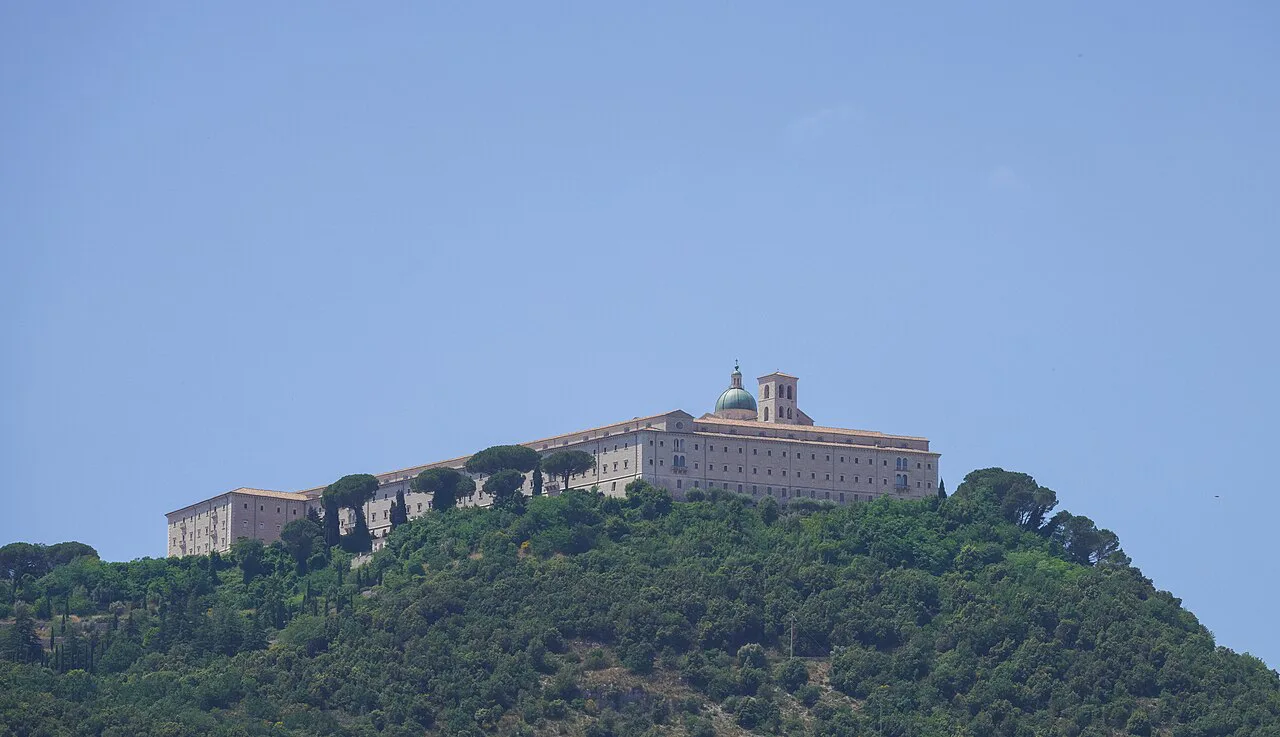
Featured image: Kevin1971, CC BY-SA 3.0, via Wikimedia Commons.
Italian Front in 60 seconds
Fighting ran from 1915 to 1918 across three theaters. The high-alpine Dolomites, the Asiago, Pasubio and Grappa plateaus and prealps, and the Isonzo, Carso and Piave lowlands each left different remains. Most visitors choose between mountain trenches, indoor museums and memorials. Armistice terms took effect on 4 November 1918, and the timeline below covers the turning points.
- 1915: Italy enters the war against Austria-Hungary.
- 24 October 1917: the Caporetto offensive opens and the Italian line falls back toward the Piave.
- 15 to 23 June 1918: Austria-Hungary's offensive across the Piave River fails.
- 24 October to 3 November 1918: the Battle of Vittorio Veneto breaks the Austro-Hungarian army.
- 4 November 1918: the Villa Giusti armistice takes effect.
10 Best WW1 Italian Front Sites to Visit
Sites run from effortless memorials to tunnel routes needing a headlamp. Each pick below is ordered by region, from the Dolomites to Friuli. Prices and hours checked November 2026; individual sites set their own seasons, so use the official links given.
Pair Redipuglia with the Caporetto story: its Isonzo fighting ran from 18 August to 12 September 1917, earlier than the 24 October 1917 offensive.
1. Lagazuoi war tunnels, Dolomites
Start with Lagazuoi's war tunnels, an underground Great War route in the Dolomites near Cortina d'Ampezzo. You walk through passages cut into rock, so a headlamp and sturdy shoes matter more than any guidebook. Lift times and seasons are published by the lift operator, and snow closes high routes in winter.
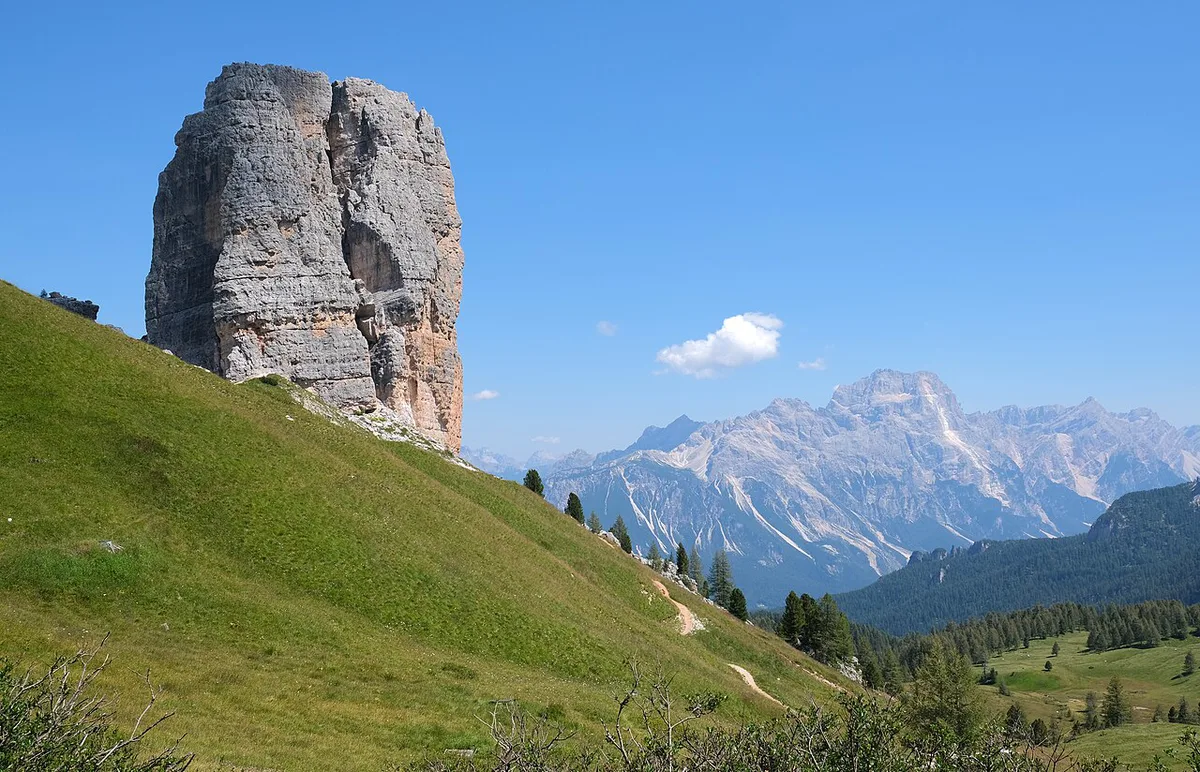
Combine it with Cinque Torri for a full Dolomites day. Avoid it if you dislike dark, enclosed passages or struggle with long flights of steps.
2. Cinque Torri open-air museum, Dolomites
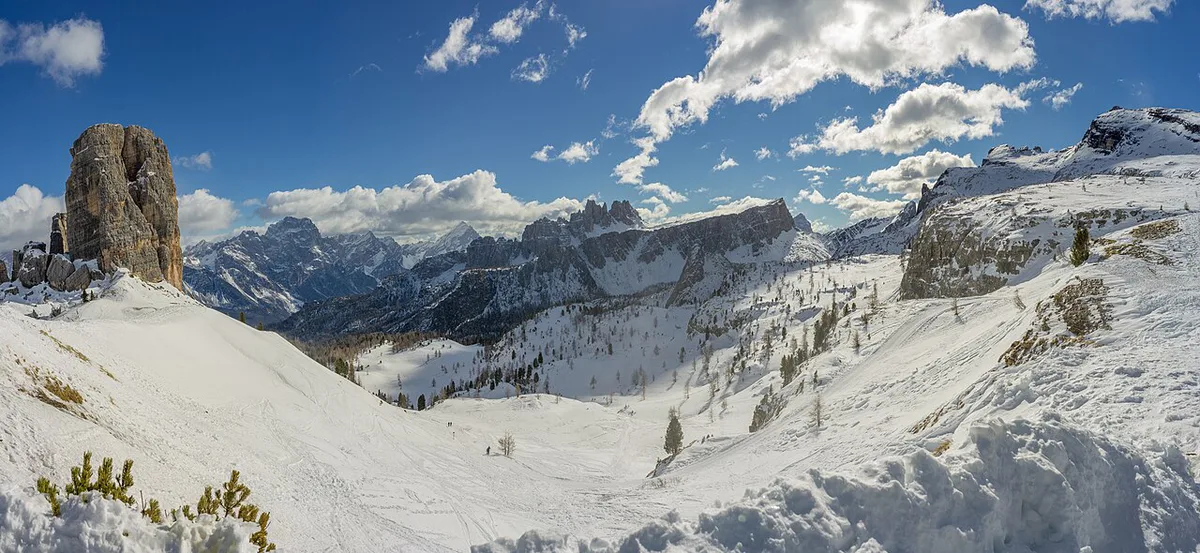
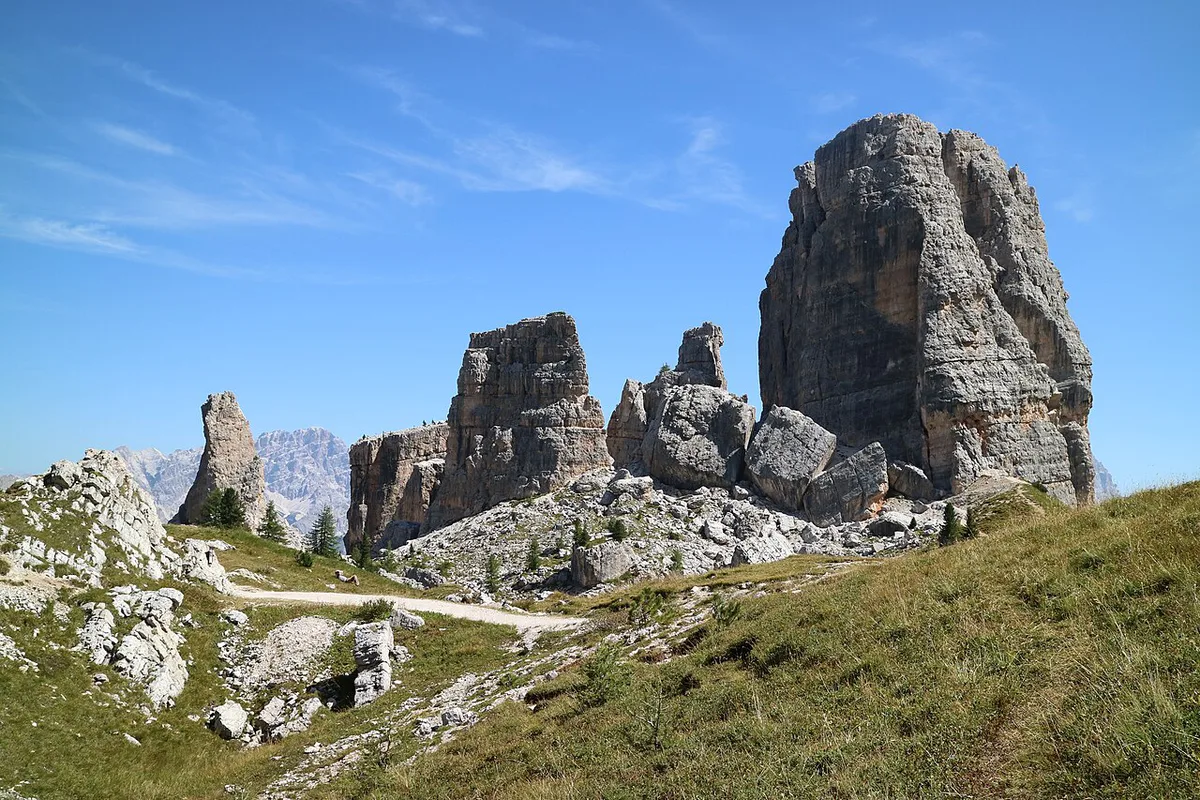
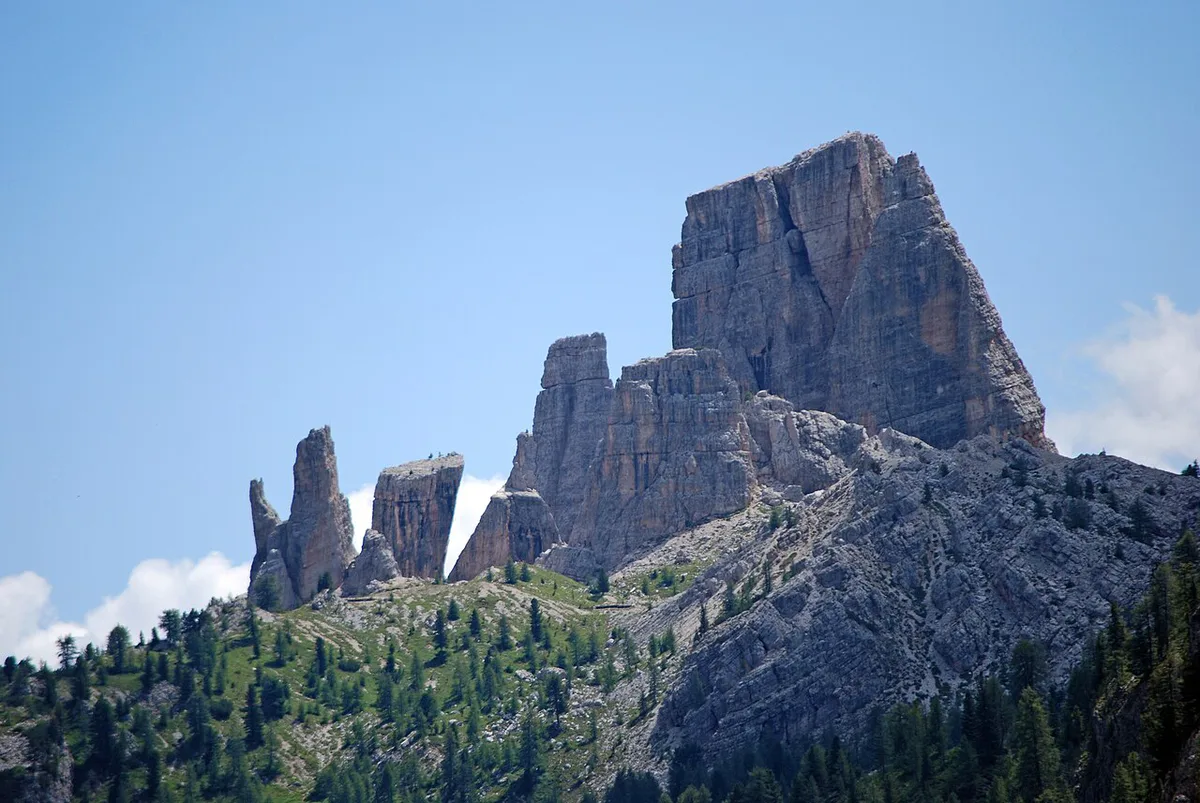
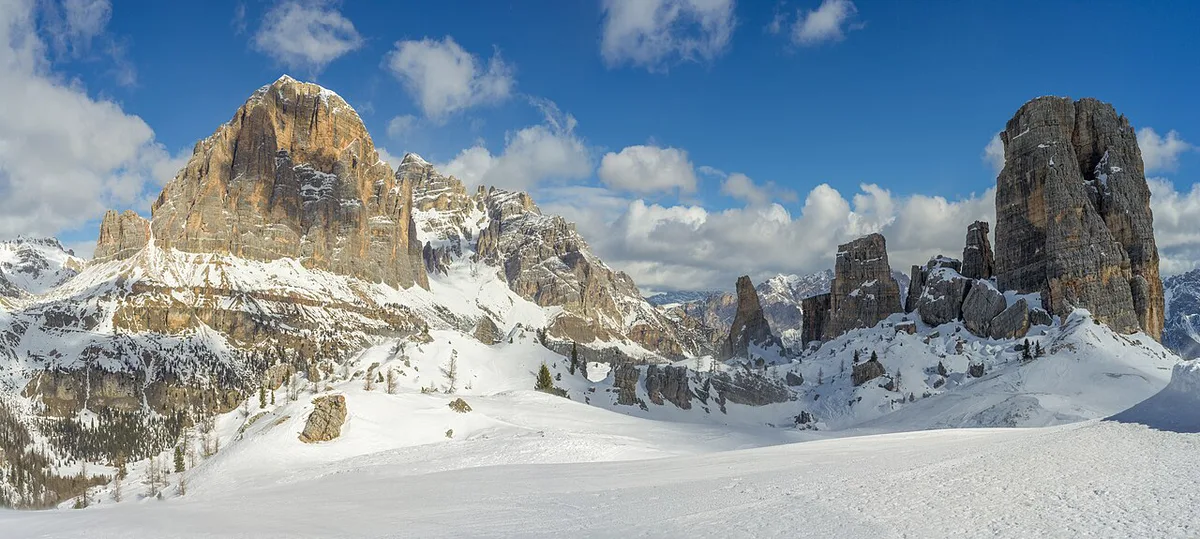
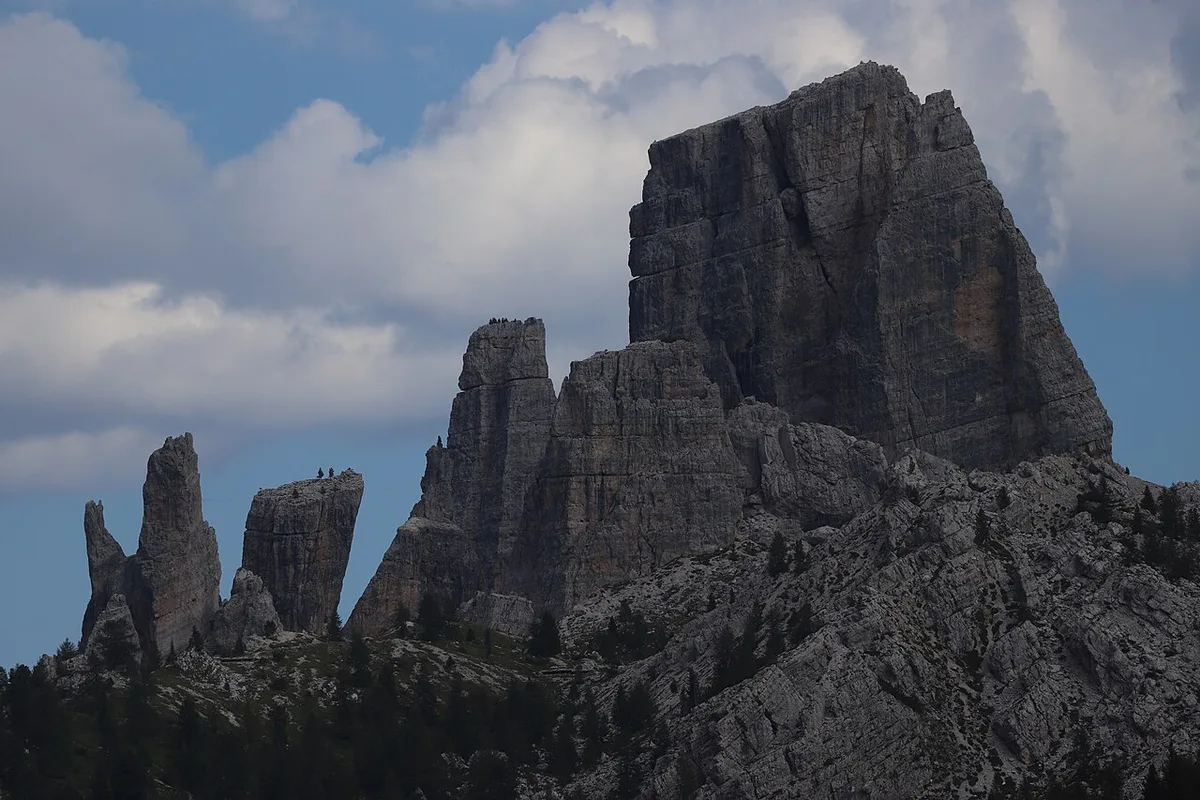
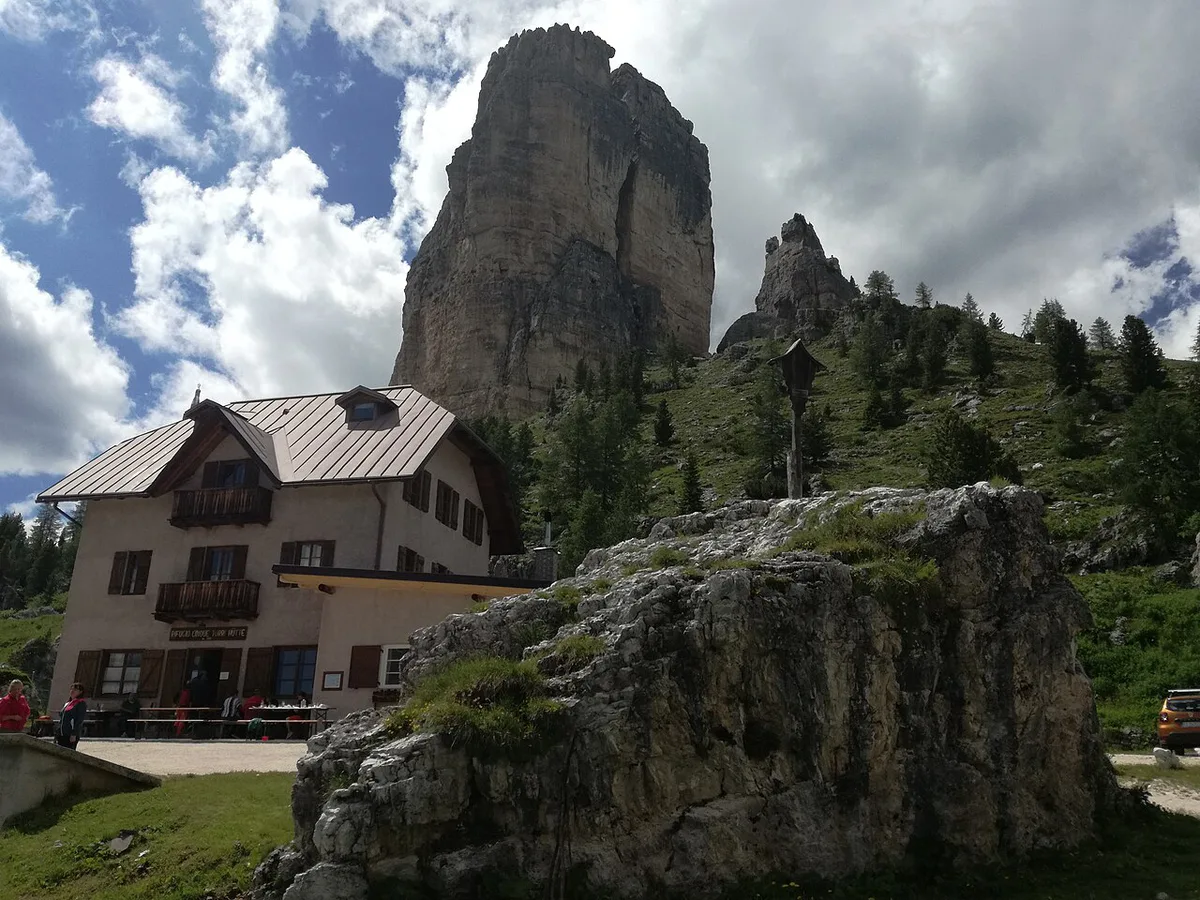
Cinque Torri's open-air trenches sit near Cortina d'Ampezzo and preserve front-line positions around the rock towers. Paths run outdoors, so you need no headlamp and can set your own pace. This is the easier Dolomites pick for families and photographers, with wide mountain views.
Reach it from Cortina and pair it with the Lagazuoi tunnels on the same day. Pass on it in heavy snow, when paths and lifts may be shut.
3. Marmolada Great War museum, Dolomites
Marmolada's war museum tells the story of the high-mountain war in the Dolomites. It works as a bad-weather alternative when trails are in cloud. Read its context first if you plan to walk trenches elsewhere in the region.
Access and season are listed on the Dolomites tourism site. Give it a miss if you want trenches underfoot, because this is a museum visit.
4. Monte Piana open-air museum, Dolomites
Monte Piana's open-air trenches preserve front-line positions on a mountain top in the Dolomites. Expect a walking day in boots, with exposed ground where weather can turn fast at altitude. It suits hikers and history readers who want a full outdoor site rather than a short stop.
Add it as a separate day on longer Dolomites itineraries. Skip it with small children or on low-cloud days.
5. Pasubio tunnel route, Veneto and Trentino
Pasubio's 52 tunnels form a mountain route on the prealps, built for the war. Bring a headlamp and expect a hiking day, with road access and seasonal restrictions to check on arrival. It rewards hikers who like engineering as much as views.
Weather risk is higher here than at lower memorials. Not ideal for anyone nervous about exposure or long walks.
6. Asiago memorial, Veneto
Asiago's memorial sits on the plateau where Conrad's forces attacked toward Vicenza on 15 June 1918. Little walking is required, so it suits low-mobility visitors and short stops. Use Asiago as a base, and see the Asiago tourism site for local information.
Pair it with a Pasubio or Grappa day. Hikers wanting trenches should choose Monte Piana instead.
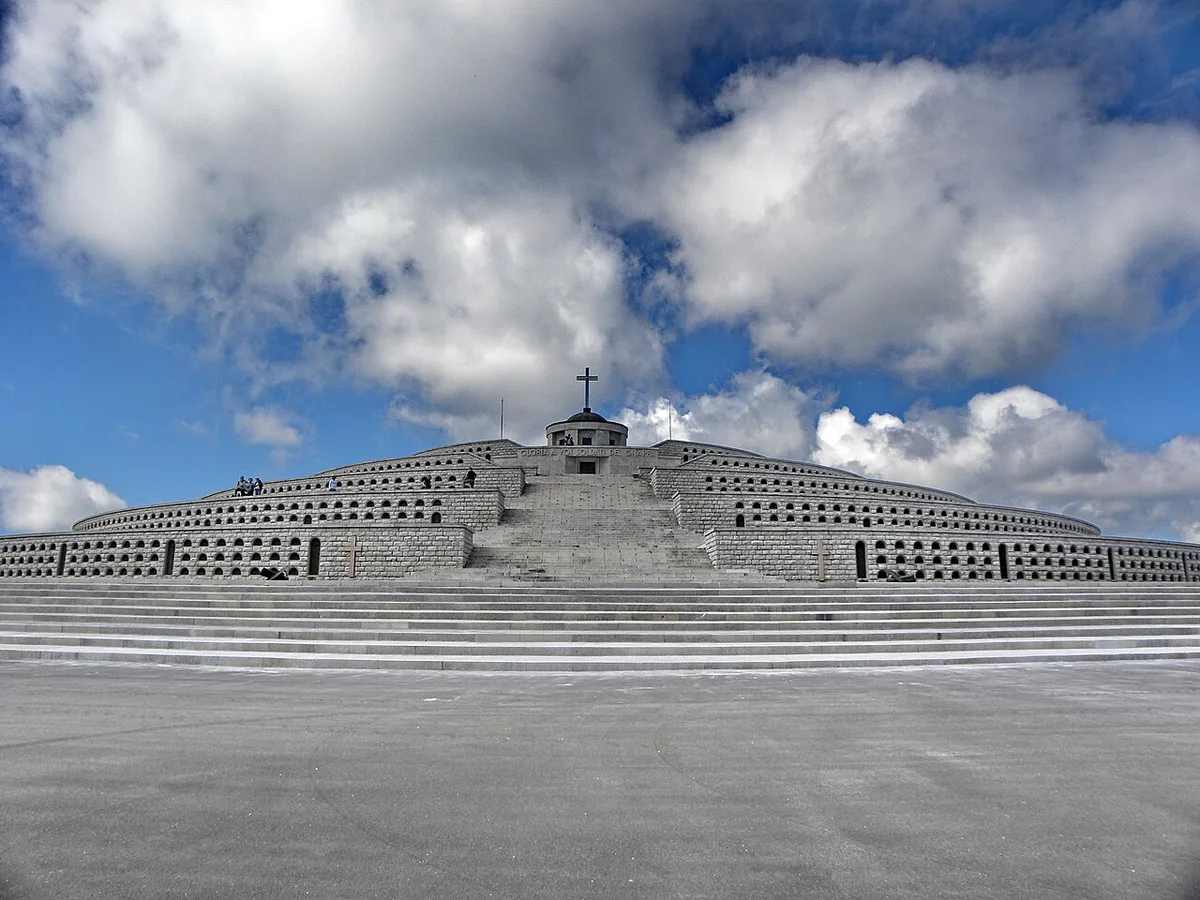
7. Monte Grappa memorial, Veneto
Visit the memorial on Monte Grappa, where a first attack in the Vittorio Veneto offensive opened on 24 October 1918. It is a memorial stop, with more driving than walking. Visit it with the respect due to a place of burial and mourning.
Official information on military memorials is held by the Ministry of Defence. Skip it in fog, when views and road conditions suffer.
8. Museo della Guerra, Rovereto
The war museum in Rovereto is the strongest indoor stop on the front, run as the Museo storico italiano della guerra. It is the rainy-day and low-mobility pick, and it gives context for every trench you walk later. Opening times and tickets are listed on the museum's own site.
Rovereto also works as a base for the Veneto and Trentino plateau sites. Skip it if you only want landscape and trenches outdoors.
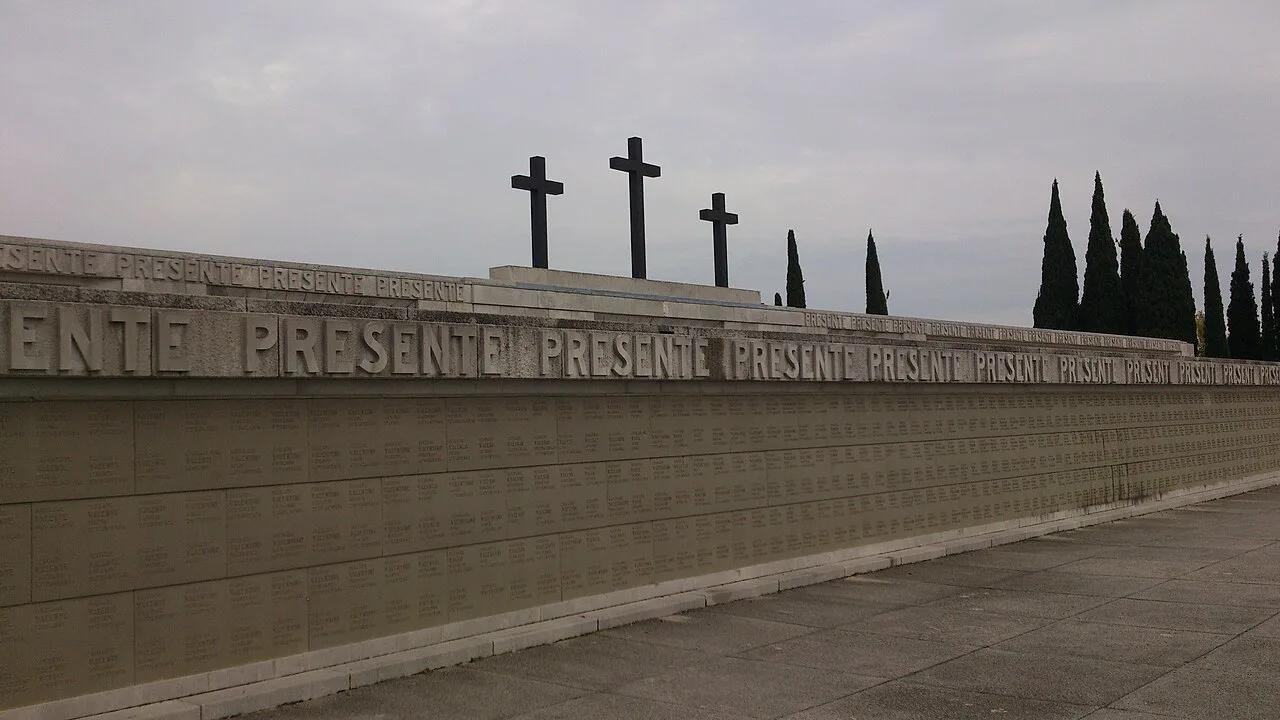
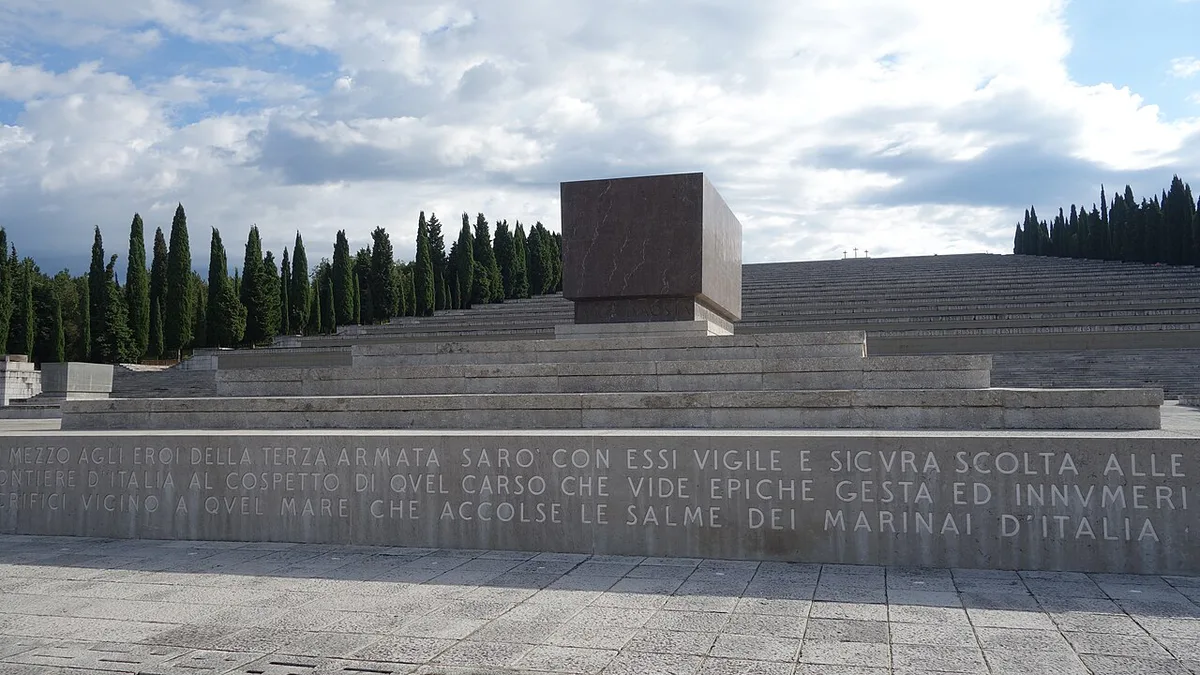
9. Redipuglia memorial, Friuli
Redipuglia's memorial anchors the Friuli side of the front, tied to the Isonzo battles such as the Eleventh Battle of the Isonzo from 18 August to 12 September 1917. Little walking is needed, which suits all fitness levels. Friuli Venezia Giulia's tourism site lists other Great War stops, and Gorizia or Trieste work as bases.
Carso and Isonzo coverage on this site is thin beyond Redipuglia. Skip it if you want mountain trenches.
10. Great War via ferrata routes
Great War via ferrata routes follow cables and ladders along wartime paths in the mountains. They need a harness, helmet and lanyard, plus prior experience or a mountain guide. Pair a guided route with one museum day for context.
Check each route's season and conditions before choosing dates. Avoid them with no climbing experience, with children, or in bad weather.
Which site suits your trip
Match the site to the effort you want to spend. Use this matrix to pick your first stop.
| Traveler | Start with | Why |
|---|---|---|
| History reader | Rovereto museum, Redipuglia | Context and memorial in one trip |
| Hiker | Pasubio, Monte Piana | Full outdoor days |
| Family | Cinque Torri | Open paths, no tunnels |
| Photographer | Lagazuoi, Cinque Torri | Mountain views |
| Low-mobility | Asiago, Rovereto | Short walks, indoor option |
Via ferrata and active routes
Cabled routes need a harness, helmet and lanyard, and prior experience helps. A mountain guide makes sense for first-timers. Weather and snow can close routes at short notice, so build slack into your plan.
Sample itineraries
Switching region means real driving, and most sites need a car or seasonal shuttle. Choose one region per day.
Pasubio's 52 tunnels make it a headlamp stop on the 4-day route, so pack one for that day.
- 2 days: Lagazuoi tunnels and Cinque Torri on day 1, then Rovereto museum or Asiago on day 2.
- 4 days: add Pasubio and Monte Grappa, with Asiago or Rovereto as a base.
- 7 days: add Monte Piana, Marmolada and Redipuglia, ending in Friuli.
- Rainy day or low mobility: Rovereto museum, Marmolada museum and Asiago memorial.
Costs, tickets and seasons
Ticket, lift and parking prices and opening months vary by site, and many high-altitude routes close in snow season. Check Cortina's tourism office and each operator's page for current figures.
Respectful visiting
Memorials and ossuaries are burial places, so keep voices low and stay on marked paths. Leave relics where you find them, and report any unexploded ordnance to authorities rather than touching it. Turn back early if weather closes in on the mountain.
Choose a Base by Region
Use separate bases for the Dolomites, the Veneto–Trentino prealps, and Friuli. Cortina d’Ampezzo suits Lagazuoi and Cinque Torri. Asiago is practical for its memorial and a Pasubio or Monte Grappa day. Rovereto works well for the war museum and the Veneto–Trentino sites. Gorizia or Trieste suit Redipuglia and the Isonzo side.
For a 2-day trip, stay in one mountain region and avoid long transfers. A 4-day route can combine Asiago, Pasubio, Monte Grappa, and Rovereto. Save Friuli for a 7-day itinerary that also includes Monte Piana, Marmolada, and Redipuglia. Most mountain sites are easier with a car or seasonal shuttle. Keep an indoor alternative nearby when cloud or snow closes high routes.
For the Western Front in France, see our overview of WWI battlefields.
Frequently Asked Questions
Where did Italy stand in WW1?
Italy entered the war in 1915 against Austria-Hungary. By the armistice that took effect on 4 November 1918, it was on the winning side.
Explore More Guides
Keep planning your trip with these guides.
Guides
- Lagazuoi Tunnels: WWI Hike, Cable Car & Gear Guide
- Cinque Torri Open Air Museum: Visitor Guide
- Marmolada Great War Museum: Access, Planning and History
- Redipuglia War Memorial: Visiting Guide and History
- Monte Grappa Memorial: Visiting Guide, Routes and Tips
- Asiago War Memorial: Visitor Guide to the Sacrario Militare on Colle Leiten
- WW1 Via Ferrata in the Dolomites
- Monte Piana Open-Air Museum
- Pasubio Tunnel Hike Guide
- Rovereto War Museum (Museo Storico Italiano della Guerra)
Keep planning
Guides on the same trip