Marmolada Great War Museum: Access, Planning and History
Plan a visit to the Marmolada Great War Museum at Punta Serauta: cable car access, what you see, timing, costs to check, and how to pair it with Lagazuoi.
In this guide
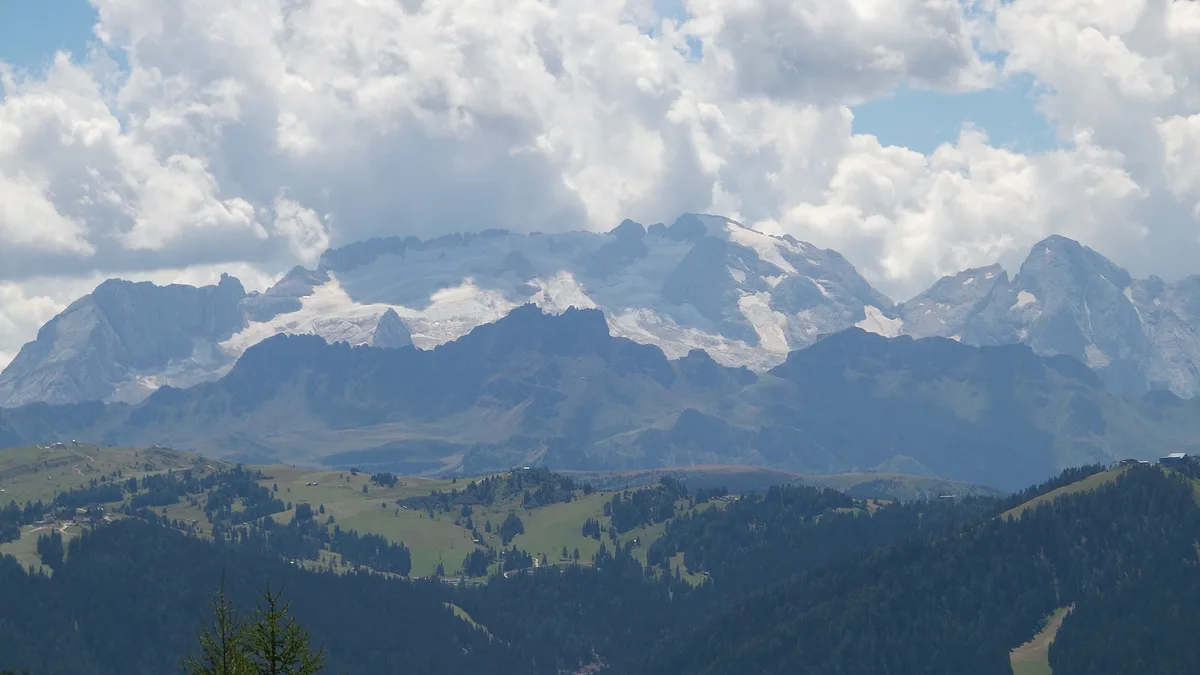
Last updated November 2026: the Marmolada Great War Museum is the Museo Marmolada Grande Guerra 3000m at Punta Serauta, reached by cable car from Malga Ciapela in Rocca Pietore. It tells the story of the white war fought on and inside the Marmolada glacier between 1915 and 1917. Use this guide to decide whether it suits your Dolomites trip, and read our overview of the Italian Front in the First World War for the wider picture.
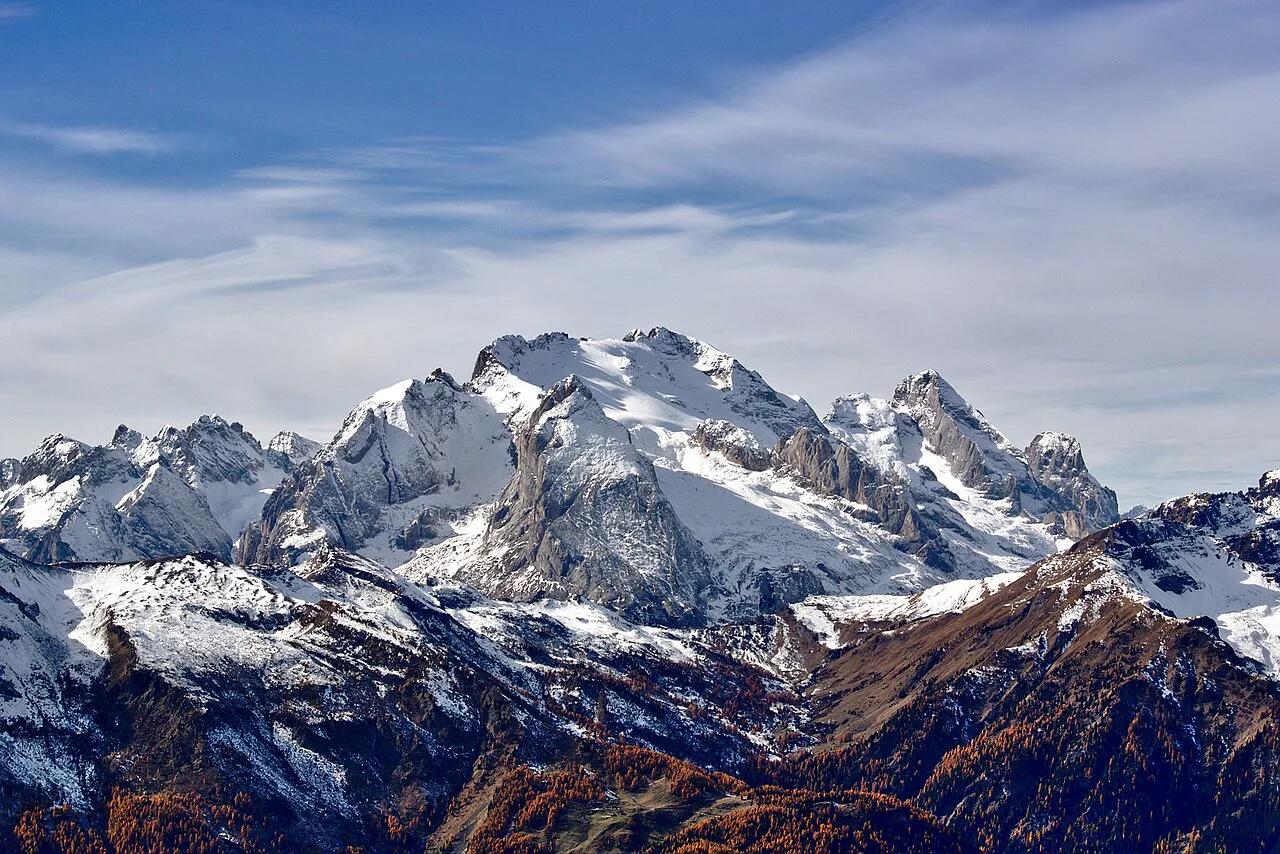
Featured image: Marco Bonomo, CC0, via Wikimedia Commons.
What the Marmolada Great War Museum is
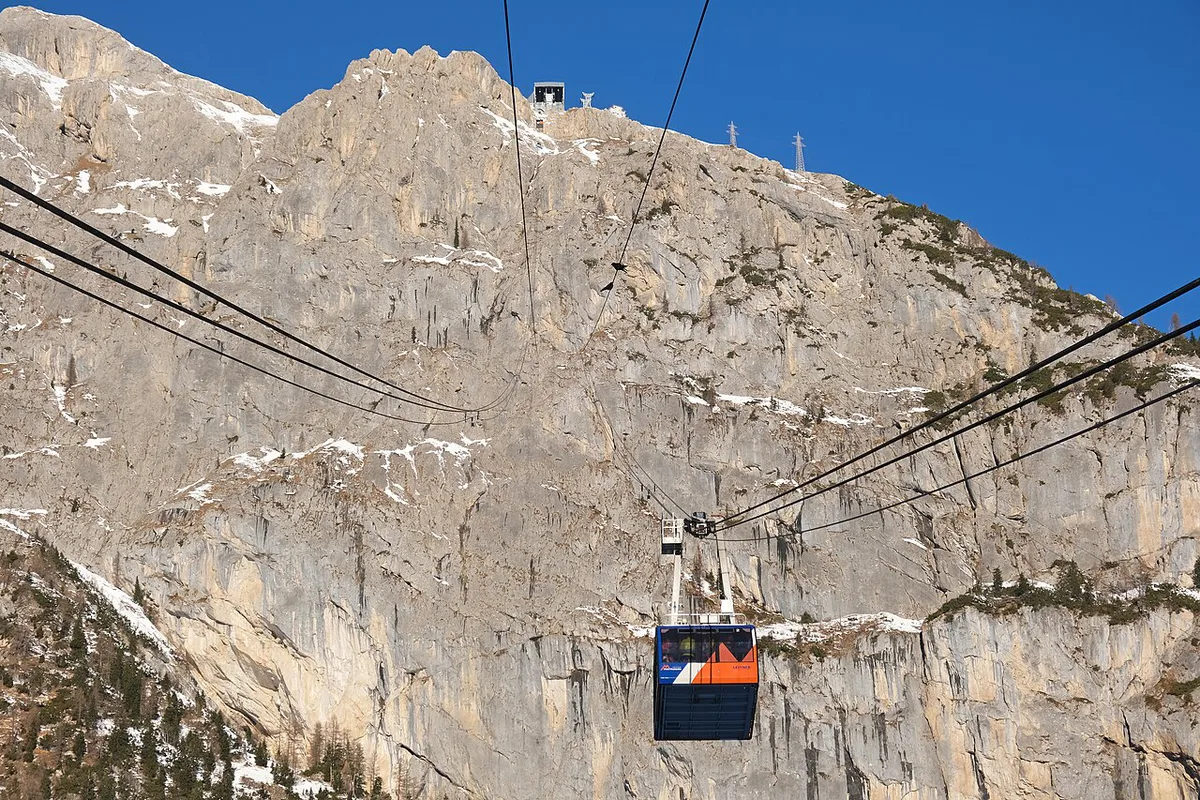
Museo Marmolada Grande Guerra 3000m sits at Punta Serauta, at about 3,000 m (roughly 9,800 ft). You reach it by the Marmolada cable car from Malga Ciapela, in the municipality of Rocca Pietore. Mario Bartoli founded it, and it opened on 9 June 1990. A full renovation followed in 2015, and the display now covers about 300 m² of objects, weapons, uniforms, documents, period photographs and a multimedia installation. Serauta is an intermediate station on the ride up to Punta Rocca, so the museum sits inside the lift infrastructure rather than at the end of a hike. That makes it a station-level visit, not a climb. Prices and hours checked November 2026 were not published in the sources we rely on, so the costs section below points to the operator.
The white war on the Marmolada, 1915–1917
Between 1915 and 1917, Italian and Austro-Hungarian troops fought on the Marmolada among rock and ice. Soldiers lived at extreme altitude, and the museum frames the war through their daily struggle to survive. The best-known single event is the avalanche of 13 December 1916. About 1 million m³ of snow and ice buried Austro-Hungarian positions, and about 300 soldiers died. Austro-Hungarian troops also dug a network of galleries and shelters inside the glacier, known as the Ice City (Città di Ghiaccio). Those galleries no longer exist because the glacier moves and has thinned. Do not plan a visit around seeing them. The museum and the surrounding positions are what remain to visit.
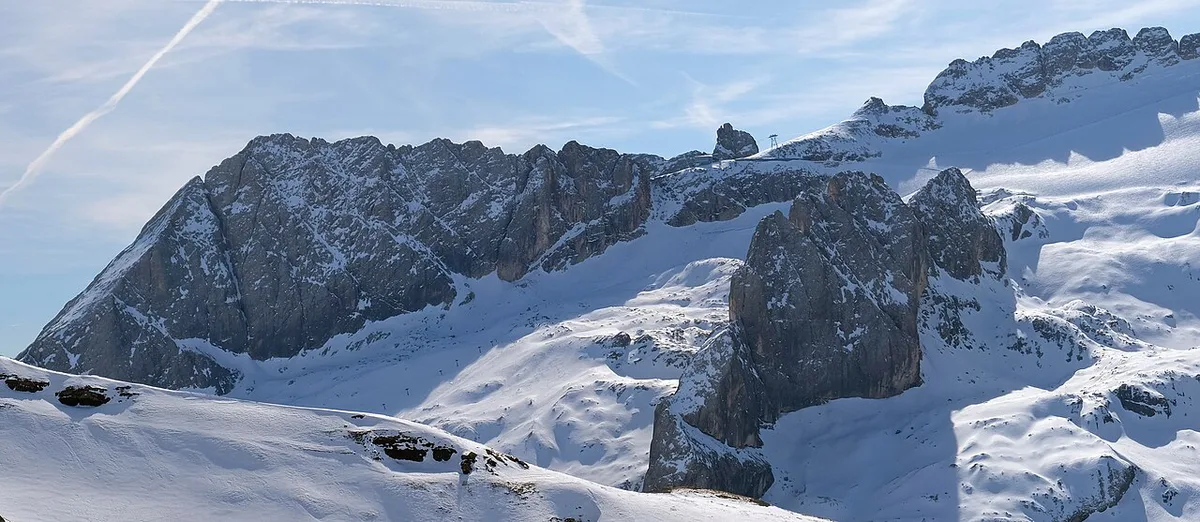
What you see at Punta Serauta
Inside the cable-car station, the museum is a compact, multimedia display built around the soldiers' lives, not around battle maps. Expect weapons, uniforms, documents and photographs, plus the installation added in the 2015 renovation. Outside, Serauta gives access to the Zona Monumentale Sacra, a zone of Italian and Austro-Hungarian galleries and positions from the war. A short walk of low difficulty leads to the Italian fortress at Punta Serauta, the Fortilizio. Wear proper footwear for it, because you are on mountain ground at 3,000 m.
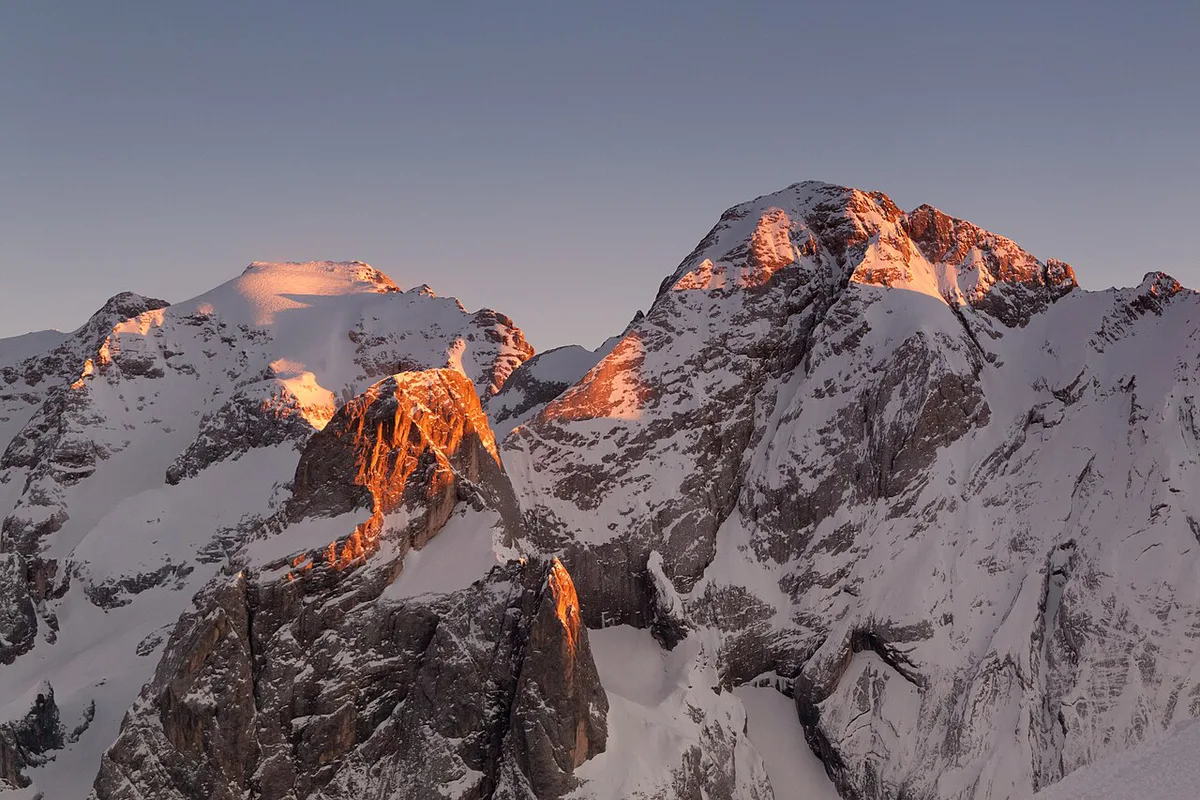
- Museum: indoor, about 300 m², at the Serauta station.
- Zona Monumentale Sacra: Italian and Austro-Hungarian galleries and positions around Serauta.
- Fortilizio at Punta Serauta: reached on a short, low-difficulty walk.
- Ice City galleries: gone, so not a visitable site.
How to get there: Malga Ciapela and the cable car
Start at Malga Ciapela, in Rocca Pietore, where the Marmolada cable car begins. The full ride from Malga Ciapela to Punta Rocca takes about 12 minutes, with Serauta as the intermediate station. You can get off at Serauta for the museum without continuing to the summit station. Confirm with the operator whether your ticket type allows that stop and which stages are running on your day. Parking and bus links at Malga Ciapela are not detailed in our sources, so check the operator and local tourism pages before you commit to a car or public transport plan. For a regional overview, the Dolomites tourism portal is a reasonable starting point.
Plan on about 12 minutes of lift time to reach Serauta, then add the short Fortilizio walk only if your footwear suits 3,000 m.
Costs, tickets and opening season
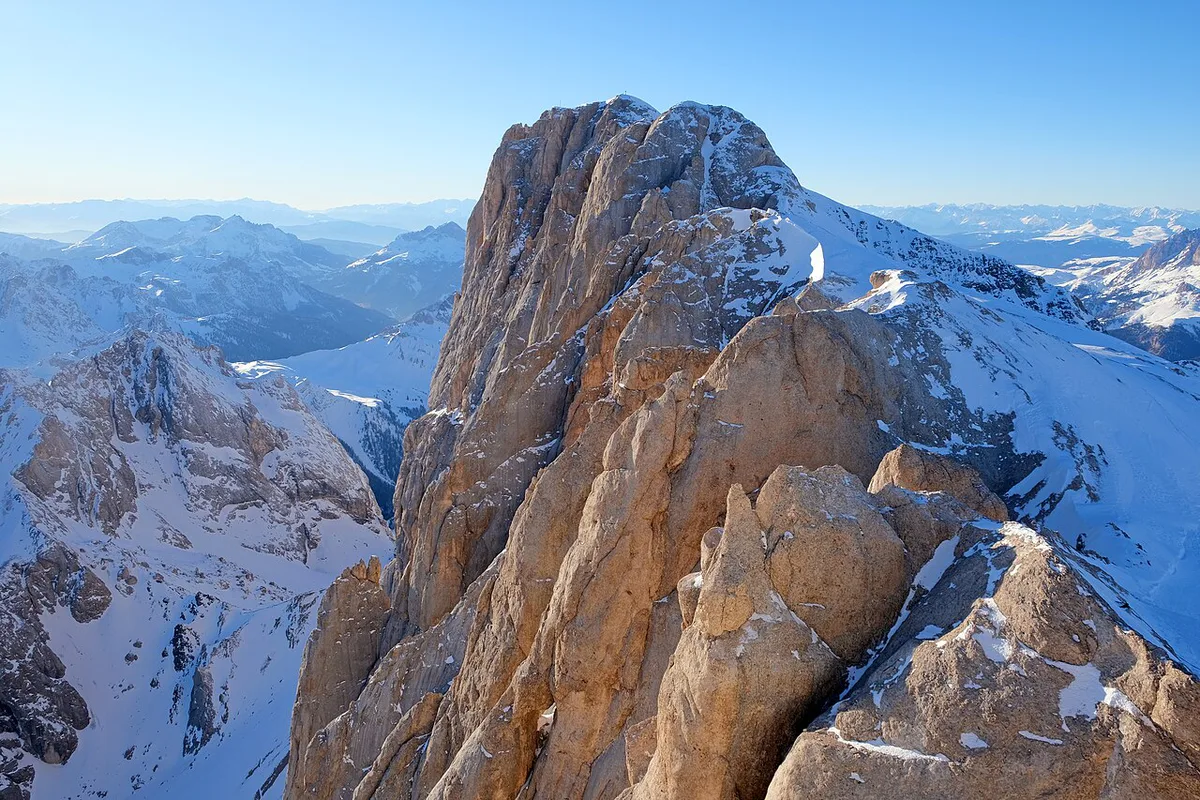
No published ticket price, opening date or last-ascent time is supplied for this page, so none is quoted. The cable car is the main cost, and the museum is reached through it. Food at mountain huts at altitude will normally cost more than in the valley. Expect the season to be limited, not year-round, and verify the dates and the cable-car timetable on the operator's official site before you travel. Treat the museum as part of one cable-car ticket decision. Compare that against the Lagazuoi 5 Torri lift information if you are choosing between the two.
How long to plan: a sample half-day
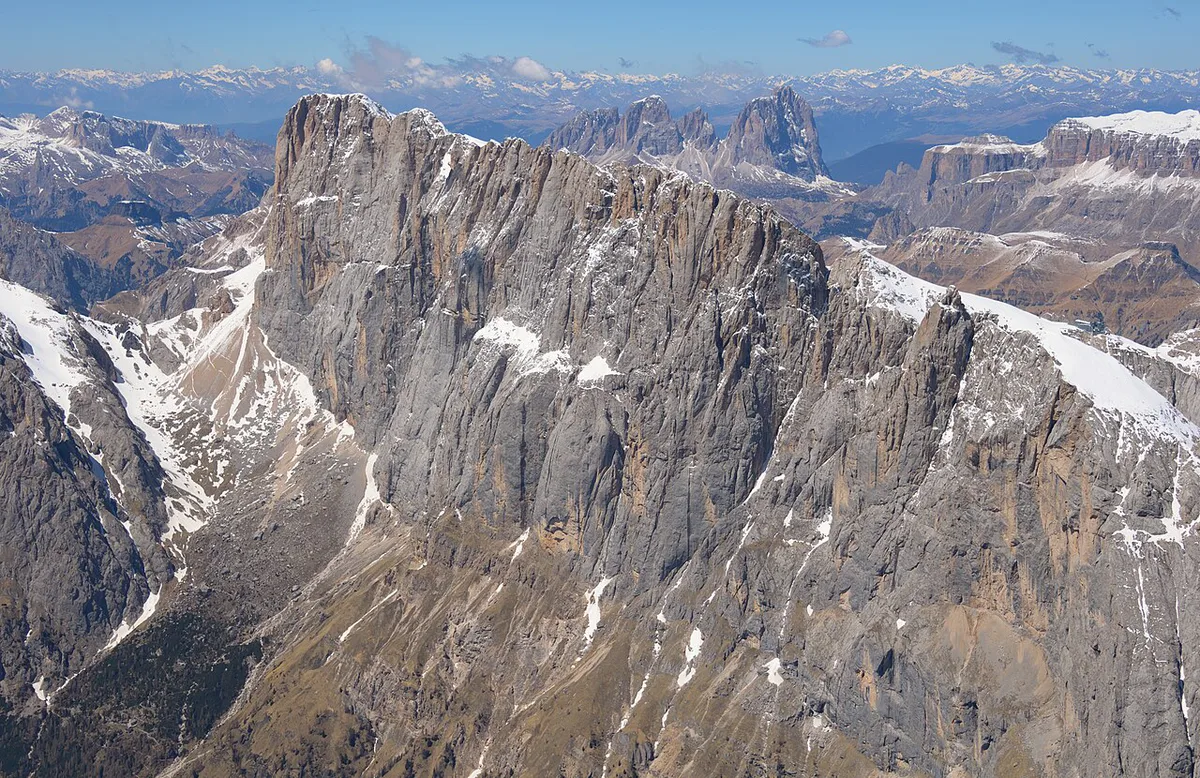
Allow a half-day for the museum and Serauta, and a full day if you add a valley walk. The cable-car ride to Punta Rocca takes about 12 minutes, and the rest of the time is yours to set. Two valley routes pair well with a lower-altitude day. The Val Ombretta path from Malga Ciapela to Rifugio Falier takes about 4 hours and is easy. The Passo Fedaia to Passo Padon walk takes about 40 minutes and gives a view of the glacier.
Pair the museum with the Val Ombretta path, about 4 hours and easy, and drop the high stage if visibility turns poor.
| Option | Time | Effort | Suits |
|---|---|---|---|
| Museum and Fortilizio walk from Serauta | Half-day; ride is about 12 minutes | Low; altitude is the main factor | Most visitors, including those who prefer not to climb |
| Museum plus Val Ombretta to Rifugio Falier | Full day; the walk is about 4 hours | Easy walk, higher overall effort | Walkers who want a valley day too |
| Museum plus Passo Fedaia to Passo Padon | Half-day plus about 40 minutes | Low to moderate | Anyone who wants a glacier view |
| Ferrata Eterna to Punta Serauta, then cable car down | Check with a guide | High; for experienced mountaineers with equipment | Experienced climbers only |
Marmolada versus Lagazuoi: which to choose
The two sites cover different wars. The Marmolada is the white war of ice, an avalanche and a vanished glacier city. Lagazuoi (2,835 m) was a mine war. Italian troops drove a gallery of more than a kilometre along the Cengia Martini and detonated it in June 1917. The Lagazuoi tunnel descends about 650 m between Passo Falzarego and the refuge. Choose Marmolada if you want an indoor museum reached by lift. Choose Lagazuoi if you want to walk through restored tunnels and trenches. Do both if you have two days of settled weather. Our guides to the Lagazuoi Tunnels: WWI Hike, Cable Car & Gear Guide and the Cinque Torri open-air museum cover the alternatives in detail.
| Site | Access type | Weather exposure | History theme | Best for |
|---|---|---|---|---|
| Marmolada museum, Serauta | Cable car from Malga Ciapela | High; 3,000 m altitude | White war, 1916 avalanche | Indoor museum and short walk |
| Lagazuoi tunnels and open-air museum | Cable car or on foot from Passo Falzarego | Check official site | Mine war, 1915–1917 | Walking through tunnels and trenches |
| Cinque Torri open-air museum | Check official site | Check official site | Trenches and positions | A lower-effort open-air visit |
Weather, altitude and safety
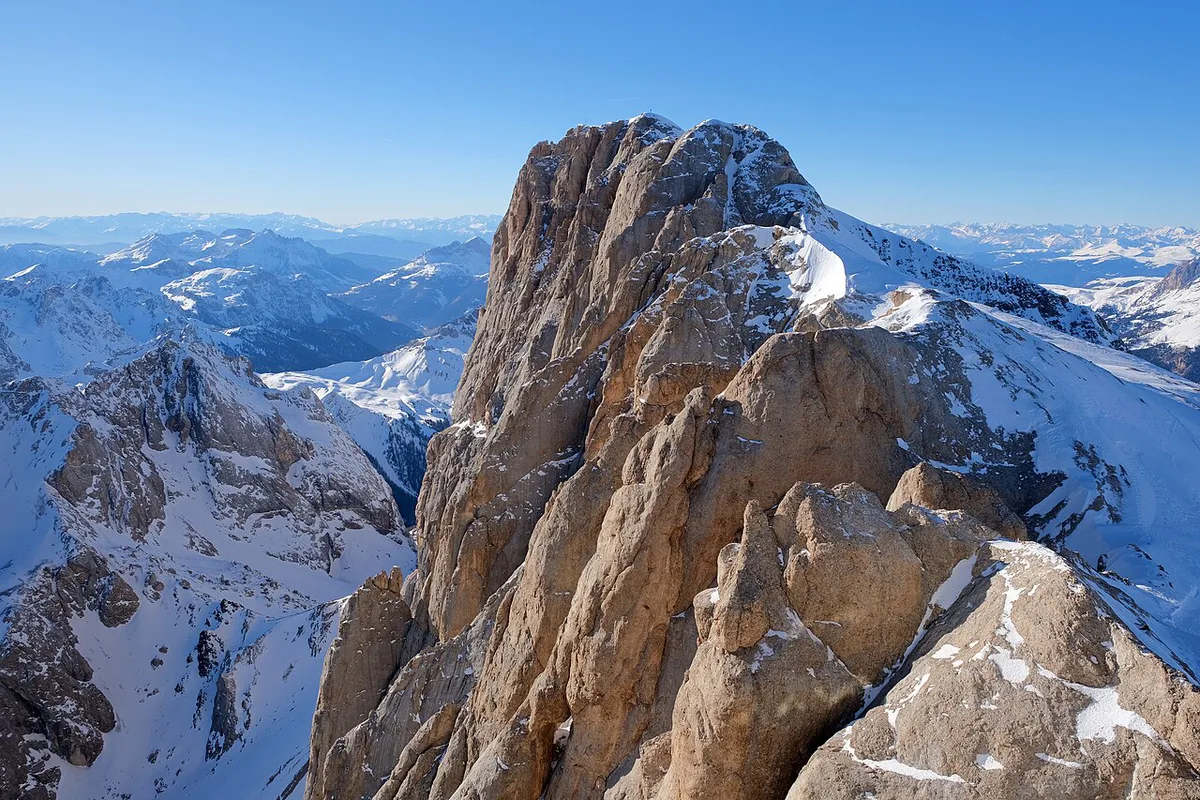
At 3,000 m it is cold and often windy, even when the valley is warm. Bring layers, a windproof jacket and sturdy shoes. Cable-car operations depend on the weather, so a closure can cut your visit short. In poor visibility, skip the high stage and choose a lower-altitude alternative. After the July 2022 serac collapse on the Marmolada, treat glacier safety as something to check with official mountain authorities, not with this guide. The WWI via ferrata routes guide covers protected routes, and Ferrata Eterna, which crosses the glacier to Punta Serauta, is for experienced mountaineers with proper equipment. The Rovereto war museum is a sound indoor plan for bad-weather days.
- Skip if: visibility is poor, the wind is strong, or you cannot manage altitude.
- Mistake: assuming the museum is open year-round.
- Mistake: arriving without checking the cable-car timetable.
- Mistake: underdressing for 3,000 m.
- Mistake: expecting to see the Ice City, which is gone.
Where to stay and the local base
Rocca Pietore is the municipality that includes Malga Ciapela, and it holds the Touring Club Bandiera Arancione designation. Its village of Sottoguda has been listed among the Borghi più Belli d'Italia since 2017. Sottoguda is known for wooden houses with balconies and for wood and wrought-iron craft workshops. The Serrai di Sottoguda canyon, about 2.5 km long, was closed after the 2018 Vaia storm. Its present status is not confirmed here, so check locally. Alleghe and Cortina are other bases, but their trade-offs are not covered in our sources. For Cortina, see the Cortina d'Ampezzo tourism site.
Pairing it with other WW1 sites
Within the Dolomites, the Marmolada pairs naturally with Lagazuoi. A third option is the Monte Piana open-air museum. Further afield, the Pasubio tunnels sit in a different region. Use the Marmolada for the ice and avalanche story, Lagazuoi for tunnels and mines, and Cinque Torri for trenches. Plan these across separate days so one bad-weather day does not cost you the whole trip.
Keep planning
Guides on the same trip