Monte Grappa Memorial: Visiting Guide, Routes and Tips
Visit Monte Grappa's WWI memorial: how to get there, what to see, timing, road and weather cautions, and how it fits an Italian Front trip.
In this guide
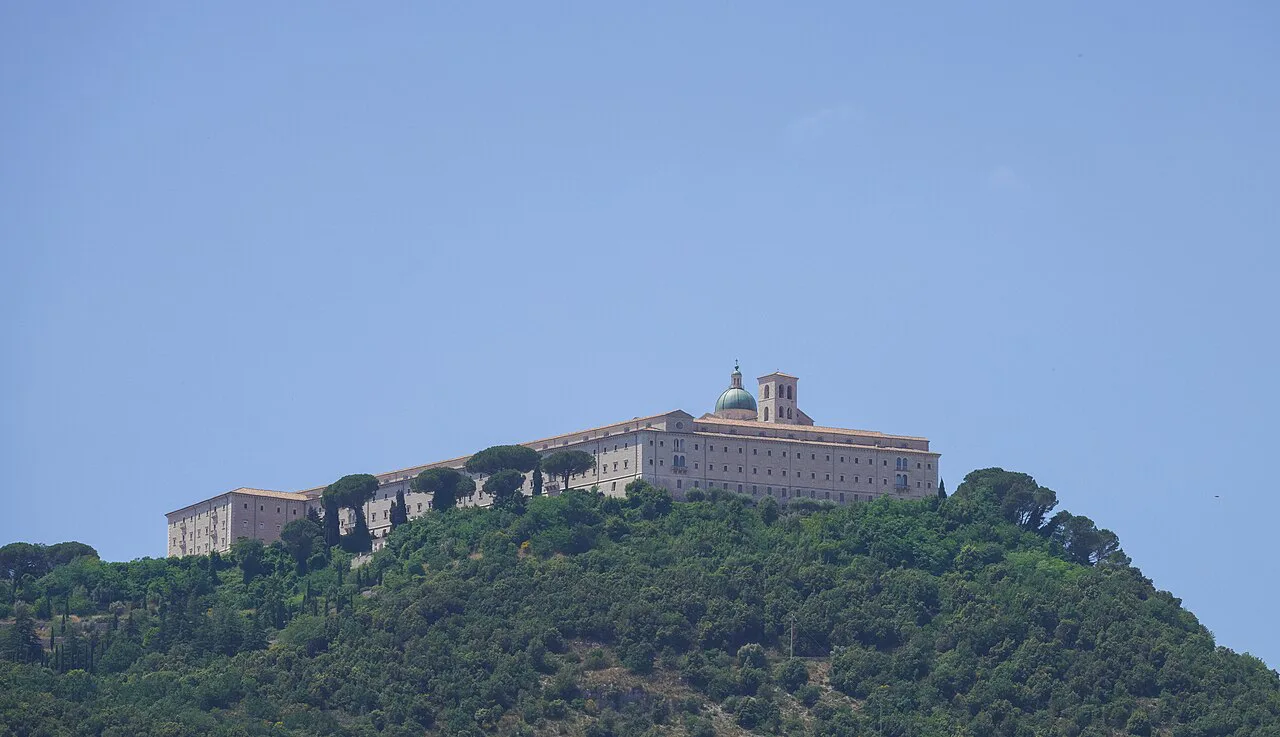
Last updated November 2026. Monte Grappa is the Veneto massif between Treviso and Vicenza where Italian forces held the line in 1917-18, and its summit carries the Sacrario Militare del Monte Grappa. It is not the Montegrappa pen maker in Bassano del Grappa, and it is not the spirit. Plan on a car or a pre-arranged transfer, because no direct public transport reaches the summit.
Featured image: Syrio, CC BY-SA 4.0, via Wikimedia Commons.
What Monte Grappa Is (and Which "Montegrappa" You Mean)
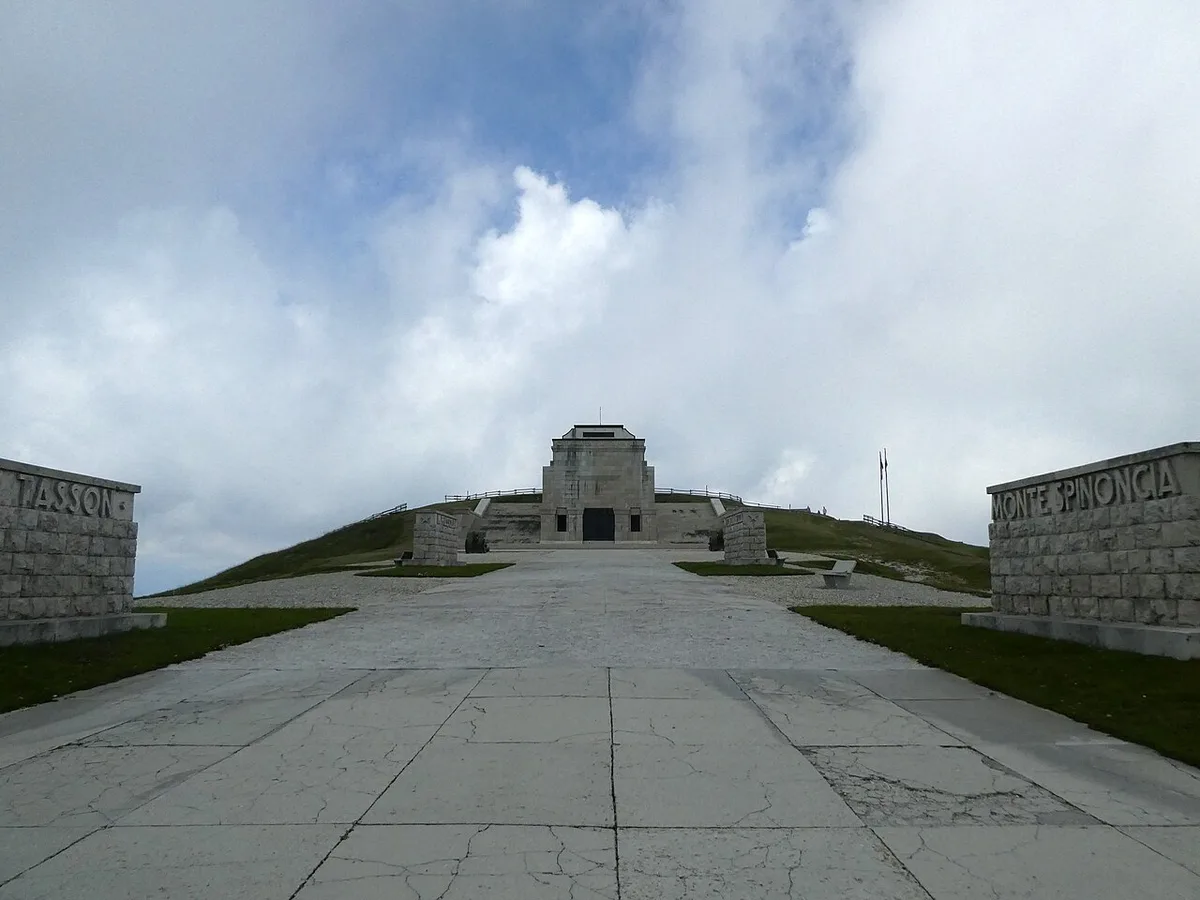
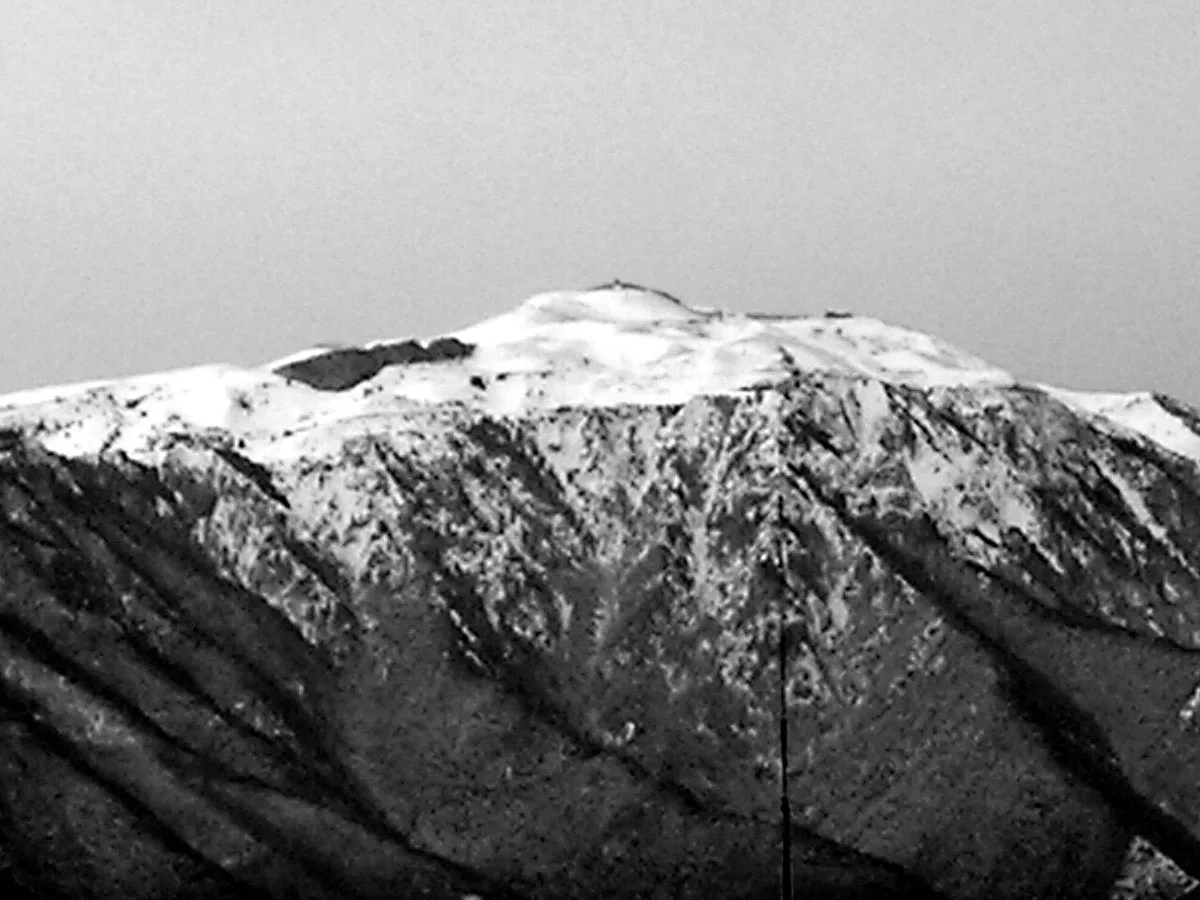
Monte Grappa is a mountain, and its summit memorial stands at 1,776 m (about 5,827 ft). It is the largest Italian military ossuary of the First World War and was inaugurated in 1935. The memorial lies 32 km (about 20 miles) northeast of Bassano del Grappa. Bassano also gives its name to the pen brand and the grappa distilleries, which are separate subjects. Treat Bassano as a base town, not as the destination.
Why the 1917-18 Battle Matters
After the defeats at Caporetto and on the Isonzo, Italian Alpine brigades made a stand on this mountain. They halted the Austro-Hungarian advance during the winter of 1917-18. Marshal Gaetano Giardino commanded the Italian forces on the mountain during that defence. Our Italian Front itinerary guide places Grappa between the Isonzo sites to the east and the Dolomites to the north. Grappa also has a Second World War history. Partisans sheltered on the massif and many were killed in 1944. Both layers deserve attention on a visit.
What to See at the Sacrario
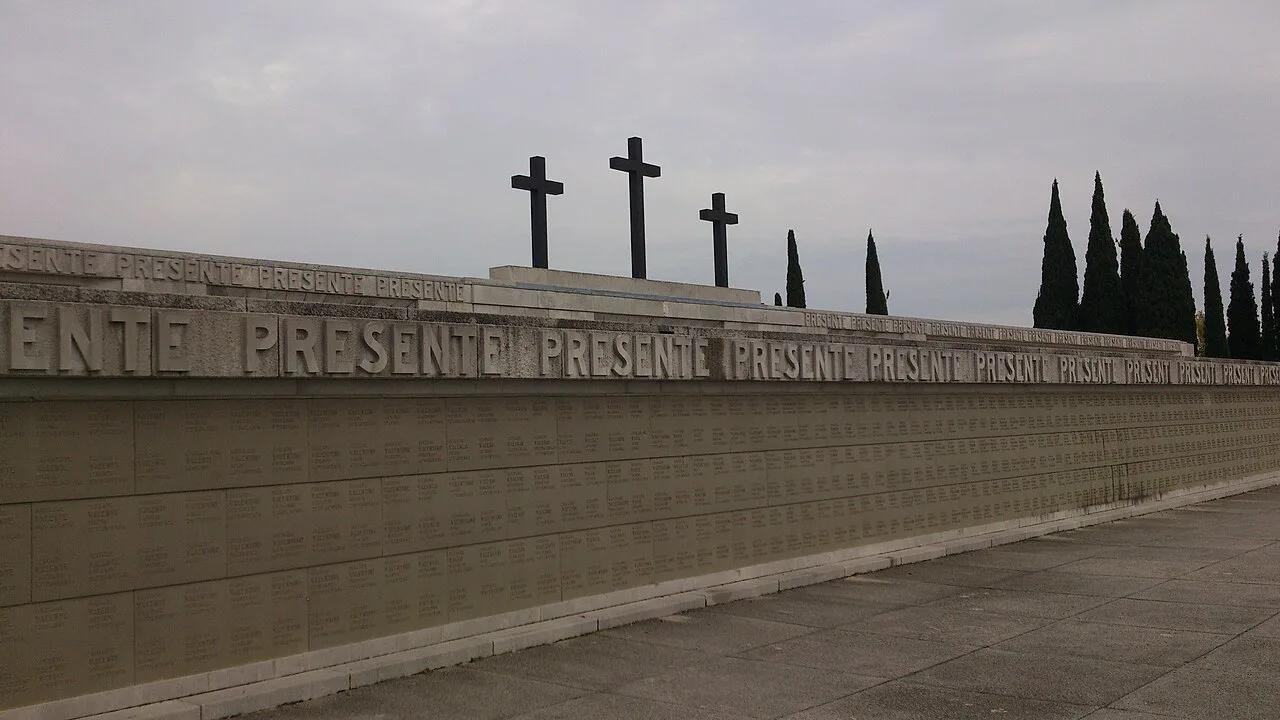
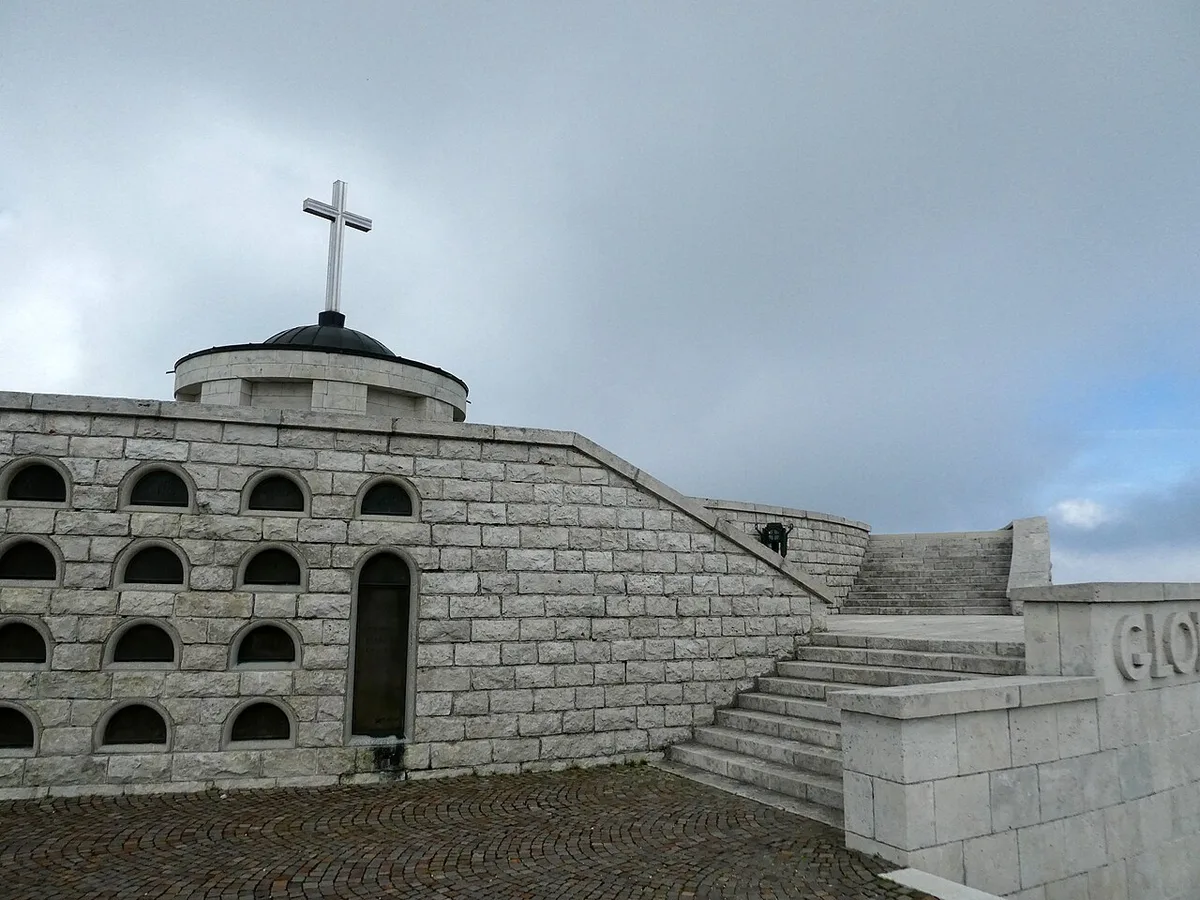
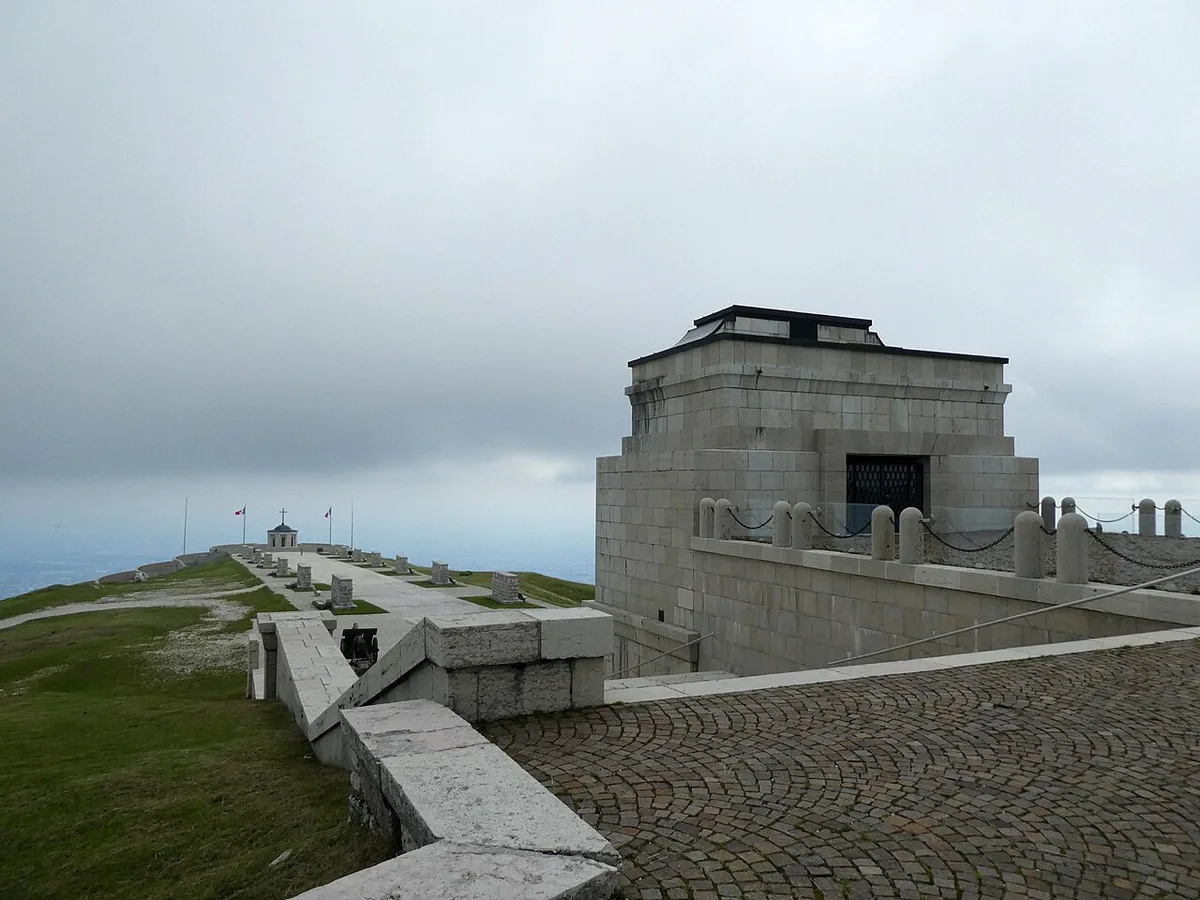
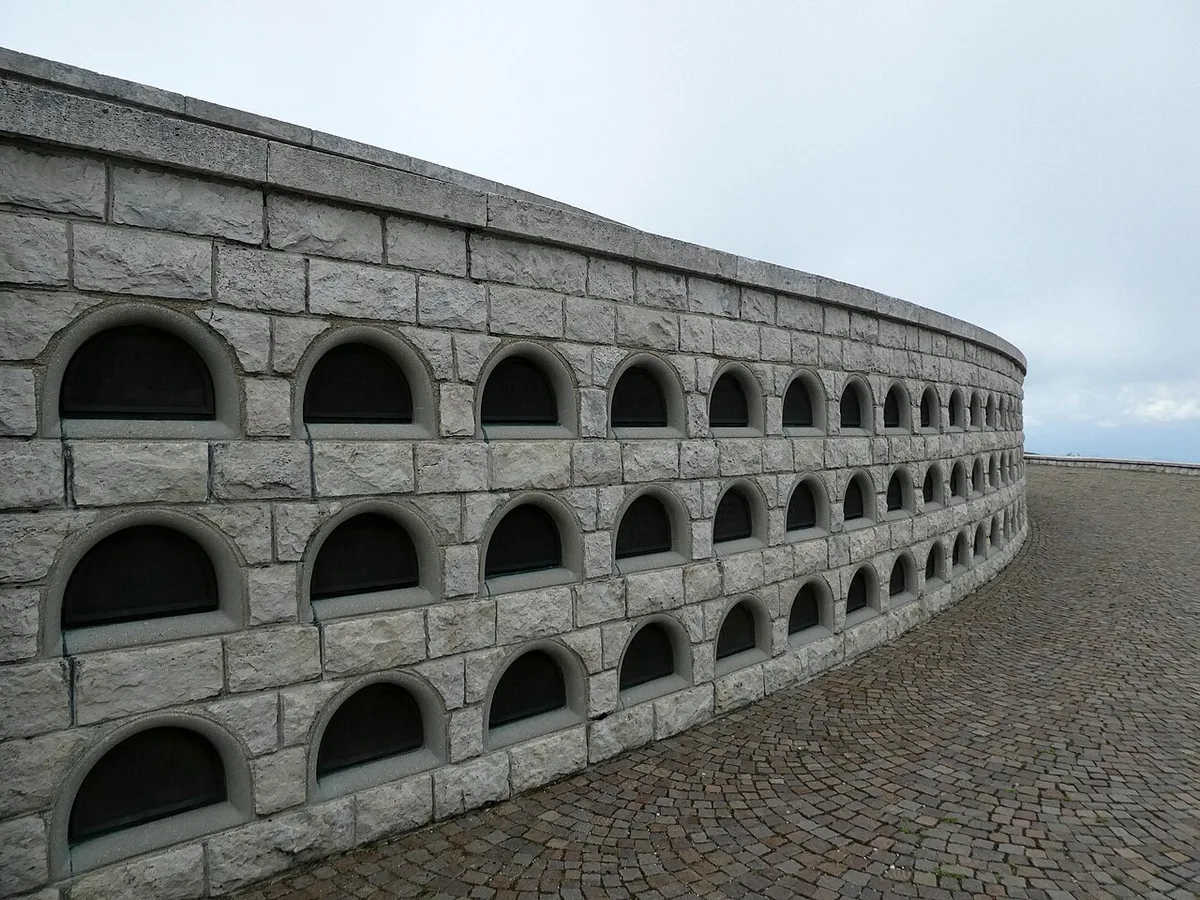
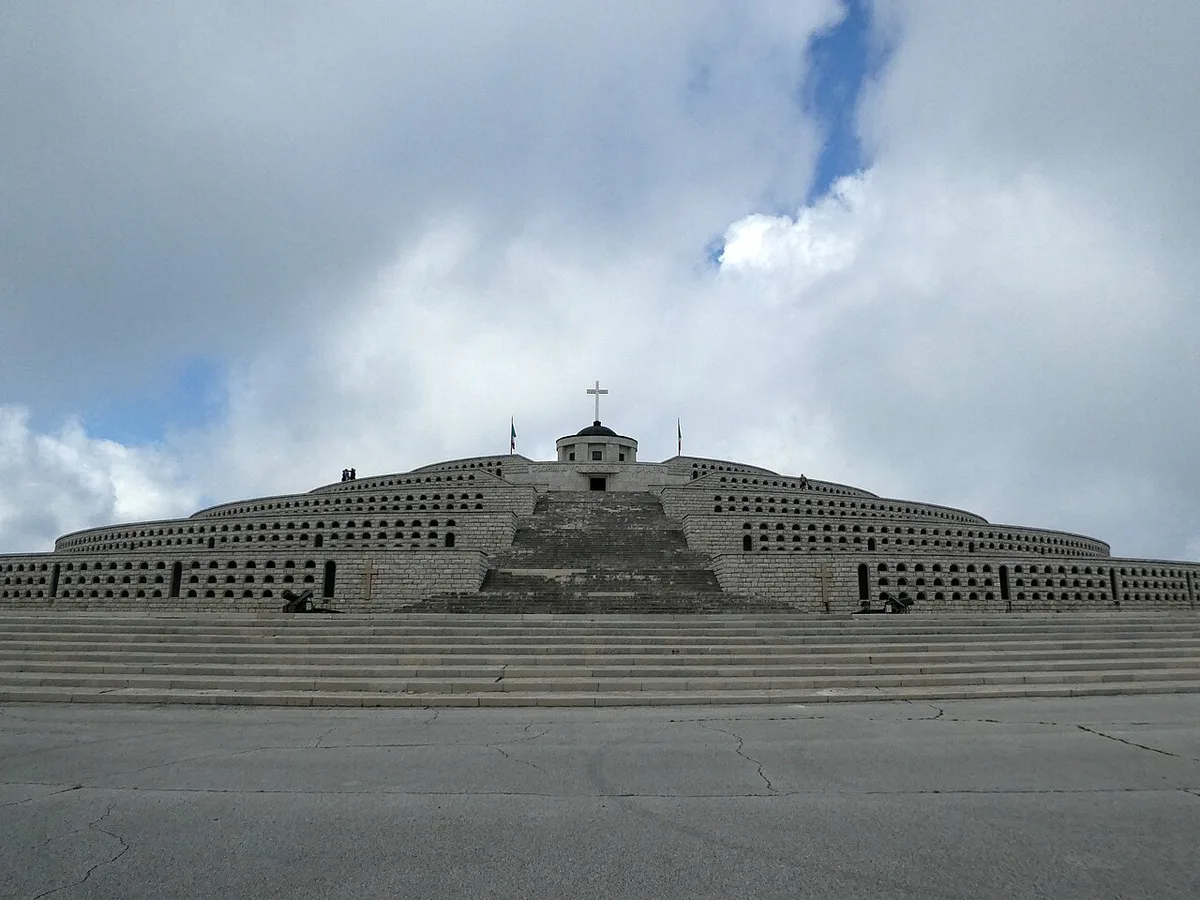
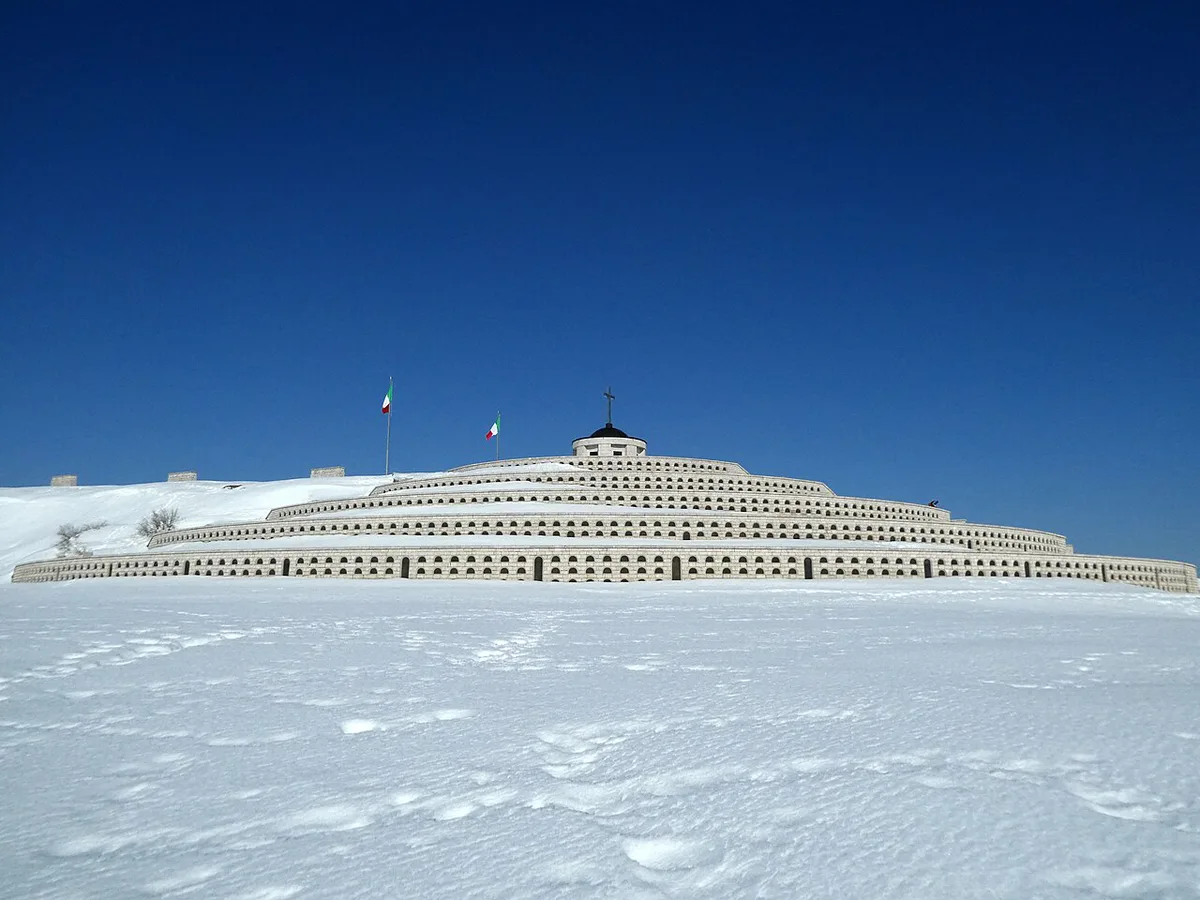
The ossuary was designed by Giovanni Greppi and Giannino Castiglioni. It copies the slope of the mountain in 5 concentric stone rings stacked into a pyramid. Bronze plaques name the dead, and a small sanctuary, the Madonnina del Grappa, crowns the top. Roughly 23,000 soldiers are entombed here. Published totals differ slightly, so the Ministry of Defence is the source for the exact count.
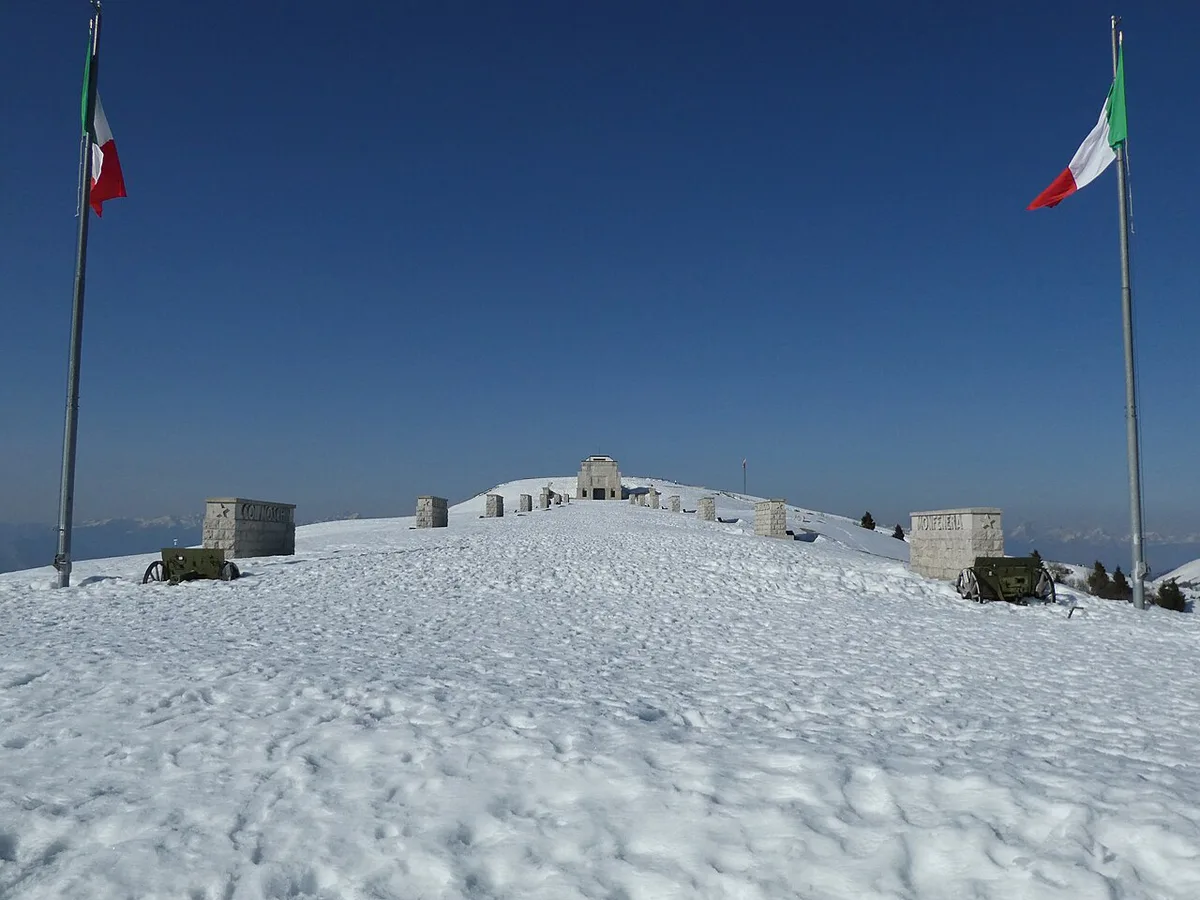
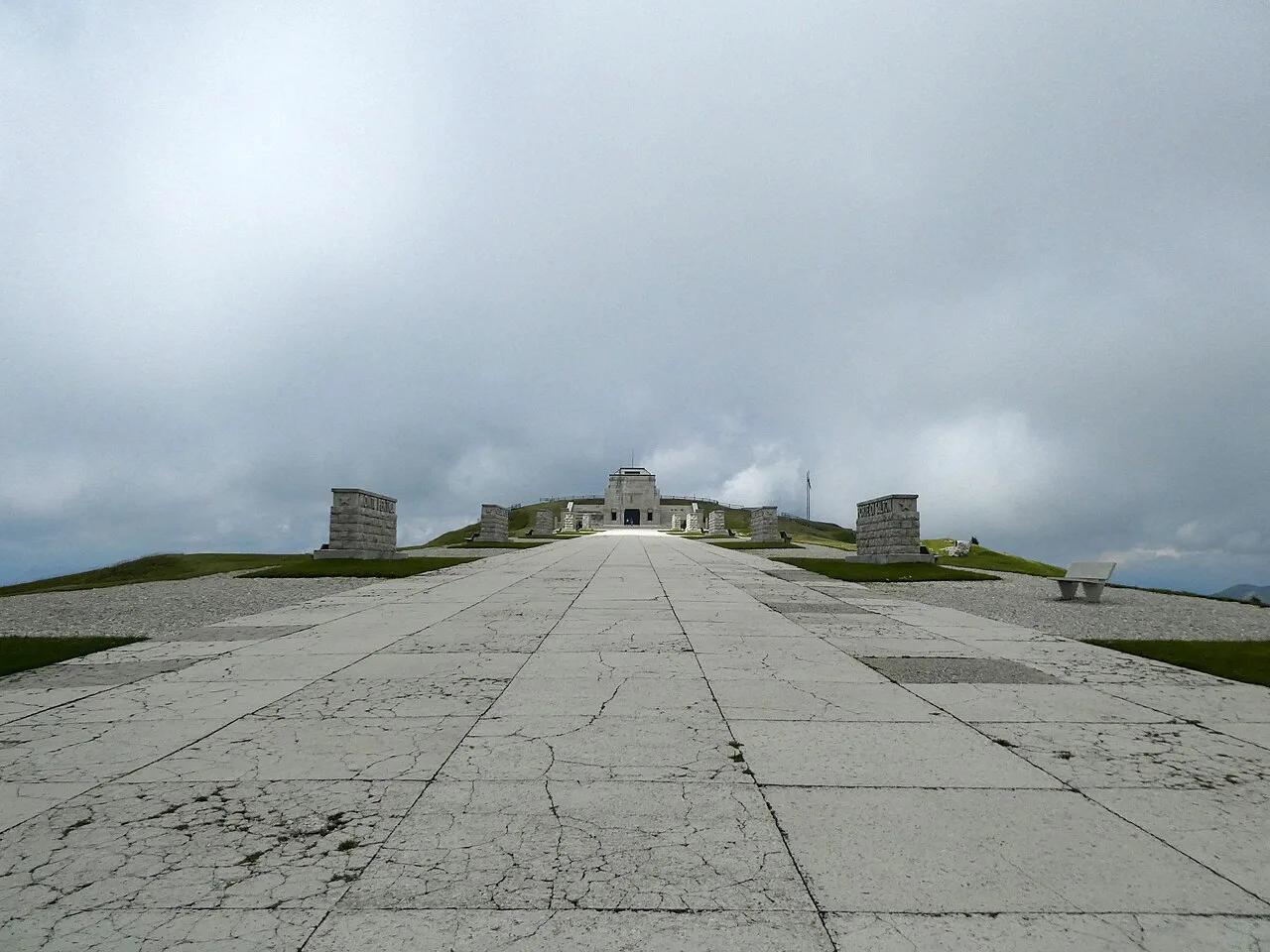
- Via Eroica: a 300 m (about 980 ft) avenue between the northern Austro-Hungarian sector and the southern Italian sector, lined with 14 monoliths named for battle peaks.
- Burials along the Via Eroica: 40 soldiers whose remains were found after the shrine was built.
- Italian ossuary: the chapel of the Madonna del Grappa sits at its centre, with the tomb of Marshal Giardino.
- Al Partigiano: Augusto Murer's 1974 sculpture in a cave near the memorial, dedicated to WWII partisans.
- The grave of a 21-year-old Austrian soldier, often marked with flowers and toys. Approach it quietly.
Galleria Vittorio Emanuele III and Other Summit Sites
The Sacrario is only part of what survives on the summit. Beneath it runs the Galleria Vittorio Emanuele III, a military tunnel system that Italian engineers cut into the rock during the war. Its main passage and side branches extend for roughly 5 km. They sheltered troops and gave artillery and machine-gun positions protected openings over the surrounding slopes. The tunnel helps explain how the defenders could hold such an exposed summit under bombardment.
Don't assume you can walk in when you arrive. Access can depend on guided openings, maintenance and the season, and the open section may cover only part of the network. Confirm the current arrangements before you drive up. If you go inside, bring a warm layer and shoes with good grip.
Above ground, look for these:
- Portale Roma: the monumental stone gateway associated with the Via Eroica. See it as part of your walk along the avenue.
- Summit war displays: check whether the museum room is open, and treat it as a possible extra when planning your day.
- The views over the front: on a clear day, the ridges and the drop to the plain show why control of this high ground mattered. In fog, you may see very little.
Add time to your half-day if you have a tunnel visit arranged. If surviving frontline positions interest you most, the Monte Piana open-air museum in the Dolomites lets you explore another mountain battlefield on foot. Plan it as a separate outing.
How to Get There: Routes Compared
The summit road follows the Strada Cadorna, which the army built in 1917 to haul materials for fortifications. Bassano del Grappa is the usual reference point, at 32 km from the memorial. Other approaches start from Possagno, Pederobba and Feltre. Distances and road character differ by route, so check current road notices before choosing one. Mountain roads like these are a poor fit for campervans and nervous drivers.
Base in Bassano and the 32 km from the memorial becomes your main road leg, with slow mountain speeds adding to the drive.
| Option | What to know | Best for |
|---|---|---|
| Drive from Bassano del Grappa | 32 km to the memorial. Follows the historic military road line. | Most visitors, with a day base in town |
| Drive from Possagno, Pederobba or Feltre | Alternative ascents. Road width and condition vary, so check notices first. | Confident mountain drivers |
| Taxi or organized tour | The only non-driving option, since no direct bus serves the summit. Book ahead. | Visitors without a car |
| Cycling | A major sustained climb to 1,776 m. | Fit, experienced riders only |
Opening Hours, Costs and Road Conditions
Hours and any entry charge are set by the Ministry of Defence office that manages the Sacrari, so check its official pages before you travel. Summit roads can close in snow or fog, and road notices come from the provincial authority. Regional visitor information is on Veneto's tourism site. Hours and prices checked November 2026 were not published as fixed figures, so confirm them there.
How Much Time to Plan
Allow a half-day if you drive up from Bassano. That covers the ossuary rings, the Via Eroica and the chapel. A full day adds the Murer cave, the walk through the sectors and slower photo stops. Short on time? Walk the Via Eroica from end to end and pause at the Giardino tomb. Allow extra time for the road itself, because speeds on a mountain approach are low.
Speeds stay low on the climb to 1,776 m (about 5,827 ft), so count that drive inside your half-day from Bassano.
Visiting Respectfully
This is a cemetery and ossuary, so keep voices low and dress modestly. Do not climb on monuments or niches. Photography and drone rules are set by the managing authority, so check them on the official site. Weather turns fast on the summit, which is often cold and fogged in when the valleys are clear. Bring layers and sturdy shoes.
| Season | Planning note |
|---|---|
| Spring | Snow can linger high up. Check road status first. |
| Summer | The most reliable season for access. Fog can still hide the rings. |
| Autumn | Shorter days and early cold. Leave time to descend in daylight. |
| Winter | Snow and ice can close the summit road. Confirm before driving. |
Where to Stay and Eat Nearby
Bassano del Grappa has the widest choice of hotels and restaurants, plus its Ponte Vecchio and distilleries as an optional extra. Asolo and Possagno are quieter bases at the foot of the massif. Mountain huts (rifugi) near the summit serve simple meals. Check each one's season before you rely on it for lunch.
War Sites in Bassano and the Foothills to Add to Your Visit
You can continue the story below the mountain, which is useful if cloud covers the summit or you have a spare afternoon in your base town.
- Viale dei Martiri, Bassano: this avenue, with wide views toward the massif, is a memorial to the partisan war. In late September, during the Second World War, German and Fascist forces swept Monte Grappa and then publicly hanged 31 young men from the trees here. Plaques on the trees remember them. It is a public street, but give it the same quiet attention as the summit.
- Ponte degli Alpini: this is the other common name for Bassano's Ponte Vecchio. The wooden bridge is closely tied to the memory of Italy's Alpine troops. It has been destroyed and rebuilt more than once, including after the Second World War.
- Hemingway and Great War Museum: housed at Villa Ca' Erizzo Luca in Bassano, it connects the writer's wartime ambulance service with the wider story of the Italian front. Check opening days and booking rules with the museum before you go.
- Gypsotheca Canova, Possagno: the museum of the sculptor Antonio Canova's plaster models was hit by shellfire during the fighting around Grappa, and a number of works were damaged. It makes a good stop if you use the Possagno side of the mountain.
For a car-free day, focus on Viale dei Martiri and the bridge, which you can combine on foot in Bassano's center. Add the museum if its opening times suit you, after checking how you will get there. These places add context, but they don't replace a visit to the Sacrario. If you have transport to the top, check road conditions first and fit the town stops around your summit drive.
Fitting Monte Grappa Into an Italian Front Trip
Pair Grappa with Asiago's ossuary memorial on the same Veneto front. Add Pasubio's mountain tunnels if you want a walking day. The Redipuglia memorial is a comparable Italian ossuary far to the east. If you want exhibits and interpretation, or have no car, skip the summit and visit the Rovereto war museum. Active visitors can look at Great War via ferrata routes. Continuing north, the front changes to high-alpine terrain at Lagazuoi's wartime tunnels. Nearby, Cinque Torri preserves trenches in open rock.
Frequently Asked Questions
Where is Monte Grappa in Italy?
Monte Grappa is a massif in the Veneto between Treviso and Vicenza. The memorial sits at 1,776 m, 32 km northeast of Bassano del Grappa.
Who fought at Monte Grappa?
Italian Alpine brigades defended the mountain in 1917-18 against the Austro-Hungarian advance. Marshal Gaetano Giardino commanded the Italian forces. Soldiers from both sides are now buried in the Sacrario.
Keep planning
Guides on the same trip