WW1 Via Ferrata in the Dolomites: Routes, Grades & Tunnels
Compare WW1 via ferrata routes in the Dolomites by grade, tunnels, season and access, with safety tips and who should skip each one.
In this guide
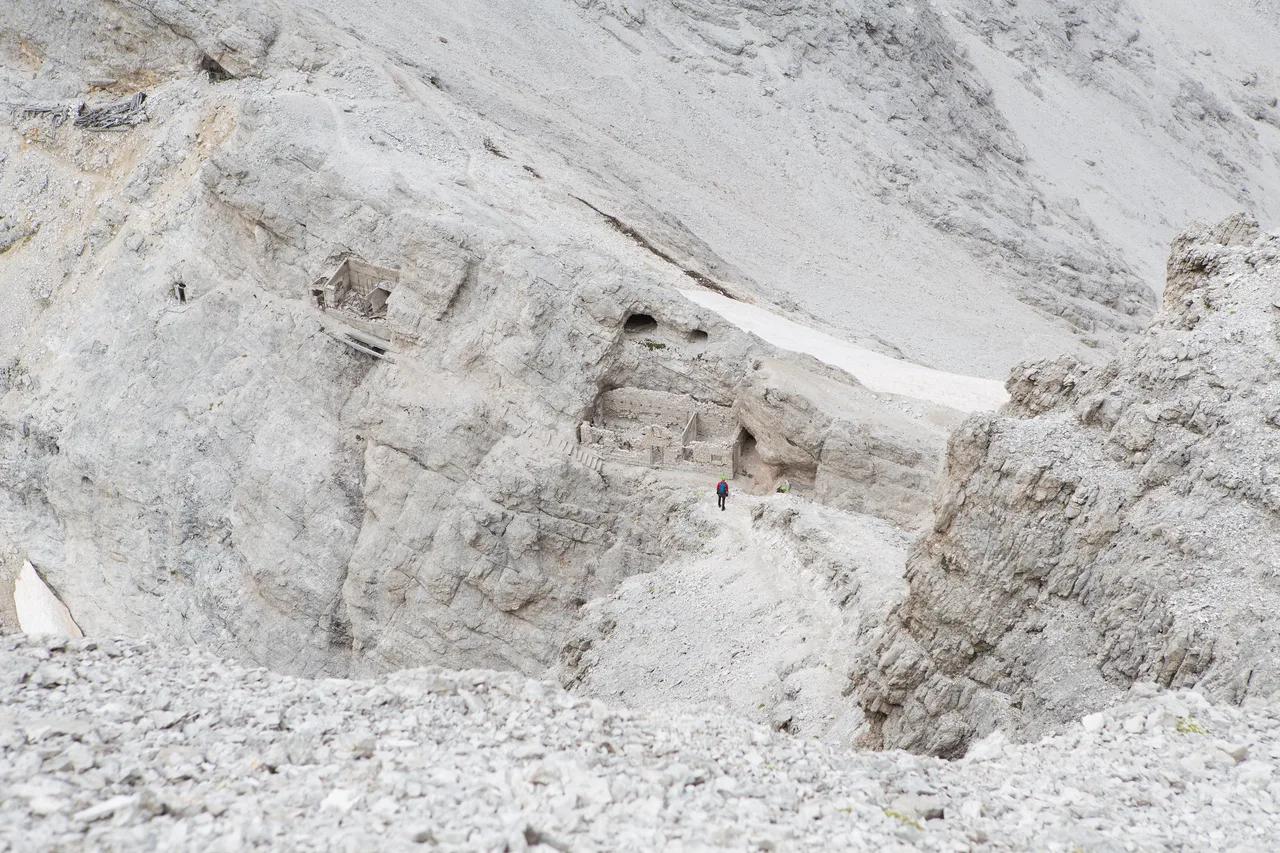
Last updated November 2026. A WW1 via ferrata in the Dolomites is a protected climbing route built on or beside Great War tunnels, galleries and soldiers' tracks. These routes cluster in the Sexten Dolomites, around Cortina at Lagazuoi and Cinque Torri, and on Marmolada. Grade, season and kit decide which one fits, so we sort them by ability and by how much history you want on the way.
Featured image: waltimo, CC BY-SA 2.0, via Flickr.
Quick answer: which WW1 via ferrata in the Dolomites fits you
Match the route to your experience, then check the comparison table further down. These picks rest on published grades and stage times.
- First-timer: start with the Croda Rossa ascent in the Sexten Dolomites. Its cable sections are short and the climbing stays at beginner level. Soldier-dug caves appear as you gain height.
- Experienced climber: take on Roghel and Cengia Gabriella, both advanced, on day 2 of the Monte Popera Circuit.
- History-first: walk the wartime galleries at Lagazuoi or the open-air paths at Cinque Torri near Cortina.
- Short on time: pick Cinque Torri, which is walkable without climbing kit, or a single Croda Rossa day from the Rotwand gondola.
How WW1 via ferratas came to exist
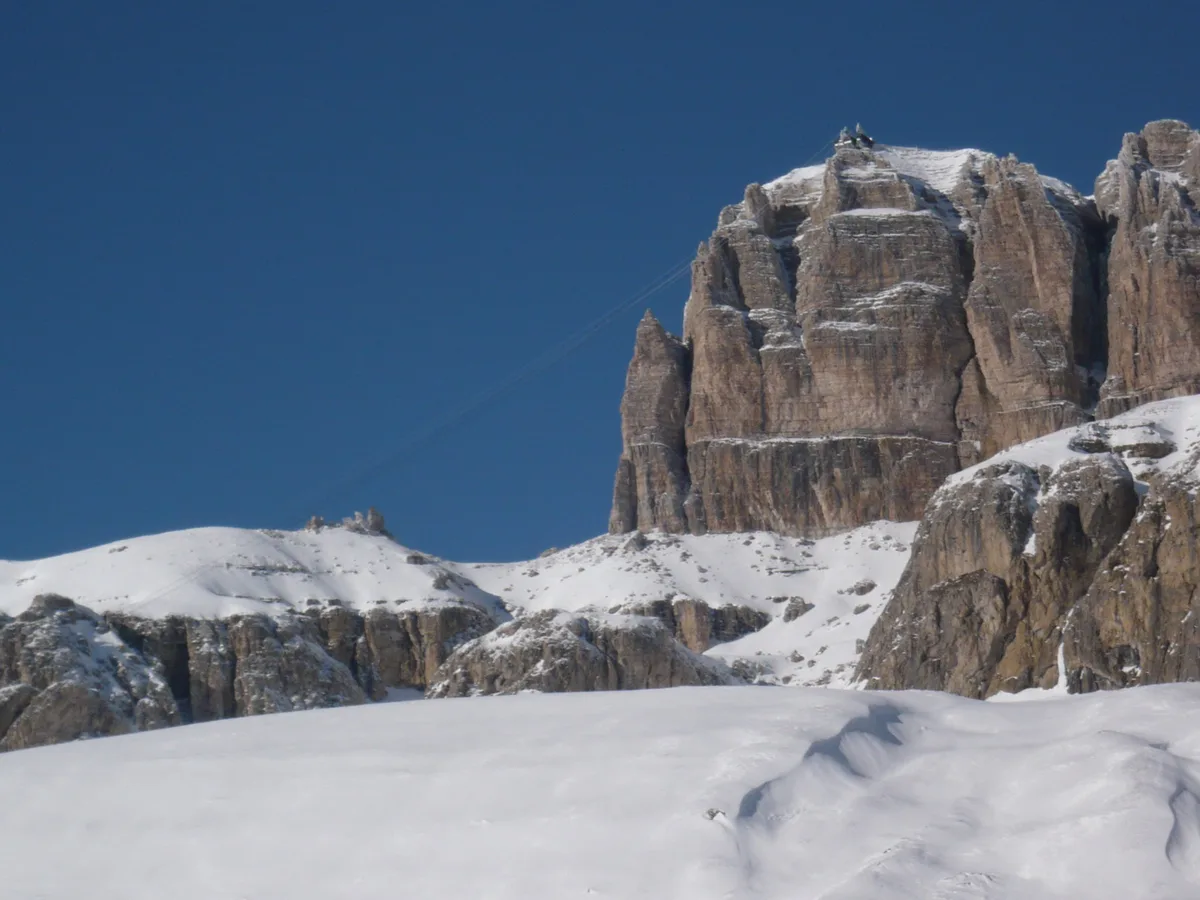
Italian and Austro-Hungarian troops faced each other across the high Dolomites for much of the Great War. Their positions sat on ridges and summits that no road reached. Soldiers climbed ledges, dug caves and tunnels, and hauled heavy artillery to lookout posts with no lifts or pulleys. They relied on muscle and mules. Cables, ladders and bridges on modern iron paths now run beside or through many of those wartime works. Our overview of the Italian front explains how the mountain war developed. For documents and collections, start with the Rovereto war museum.
WW1 via ferrata Dolomites routes compared
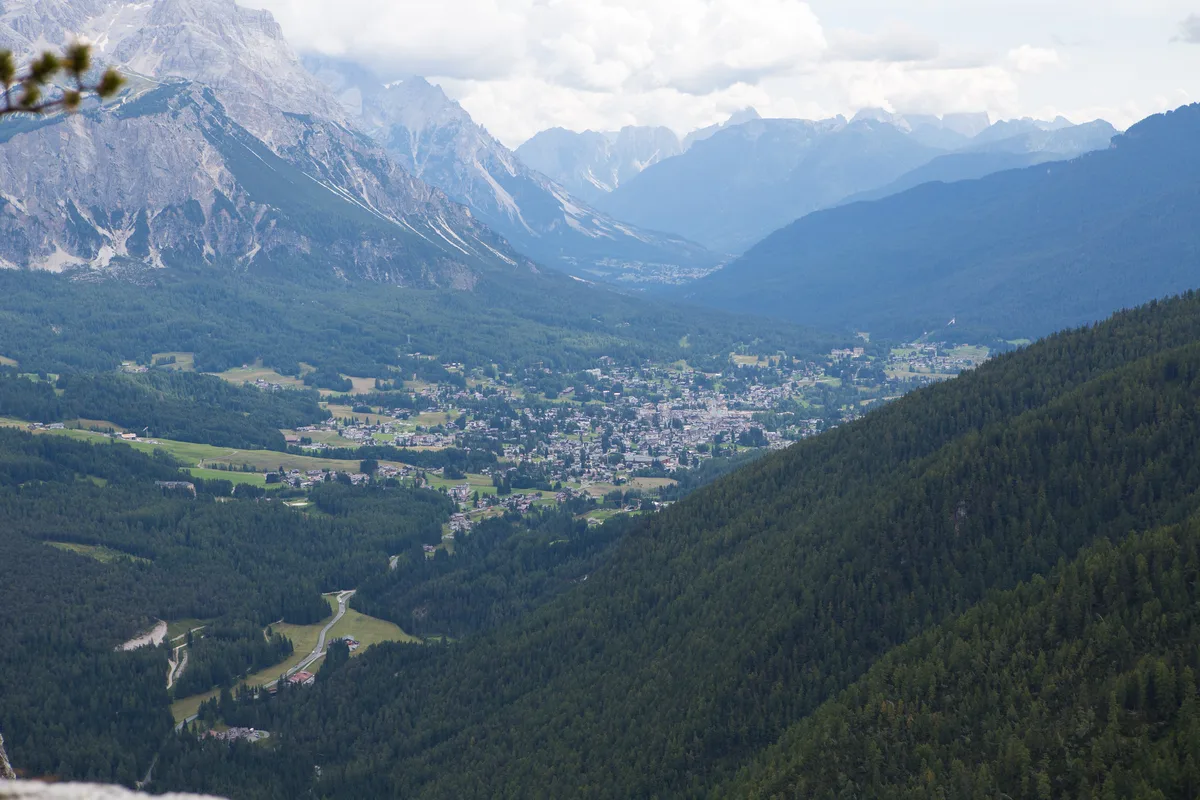
Grades and times below come from published stage descriptions of the Sexten routes. Paternkofel, Lagazuoi and Cinque Torri rows point you to local sources instead of a grade we can't verify.
| Route / area | WW1 feature | Grade | Typical time | Headlamp | Best for | Skip if |
|---|---|---|---|---|---|---|
| Croda Rossa + Zandonella (Sexten) | Barbed wire, decayed beams, soldier-dug caves | Beginner up; Zandonella is a harder downclimb | 7–8 hours to Rifugio Berti | Not stated for this route | First-timers with a head for heights | You dislike loose rock or downclimbing |
| Roghel + Cengia Gabriella (Sexten) | Remote slopes around Monte Popera | Advanced; Gabriella is easier but exposed | 8–9 hours to Rifugio Carducci | Not stated for this route | Experienced ferrata climbers | You are new to ferratas or tired |
| Paternkofel / Monte Paterno (Sexten) | WW1 tunnel at the route start | Ask the Sexten tourism office | Ask locally | Ask locally; carry one | History-first climbers | You can't confirm current route status |
| Lagazuoi tunnels (Cortina) | Wartime galleries | See our Lagazuoi guide | See our Lagazuoi guide | Carry one | Tunnel and history fans | You dislike dark, enclosed spaces |
| Cinque Torri (Cortina) | Open-air museum paths | Walkable, no climbing | See our Cinque Torri guide | No | Wet days, mixed groups, no kit | You want a technical climb |
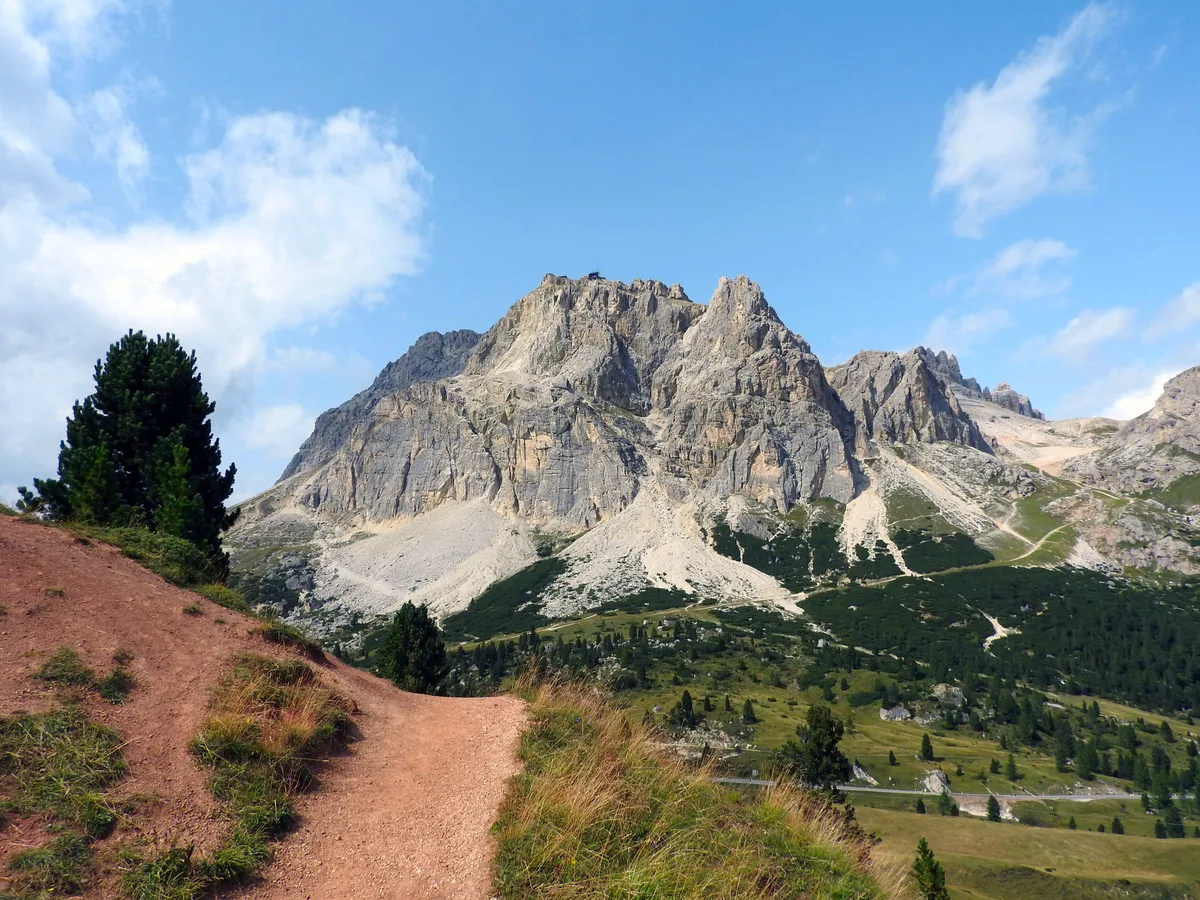
Sexten Dolomites: the densest WW1 via ferrata area
Sexten is where we'd send anyone who wants several WW1 ferratas in one trip. The Monte Popera Circuit links 6 via ferratas over 3–4 days. It covers 43.9 km (27.3 mi) with about 3,565 m (11,700 ft) of climbing. Use Tabacco map no. 10, Dolomiti di Sesto. The trailhead sits in the Fiscalina Valley, and both Sesto and Moos have public transport.
- Day 1: Rotwandwiesen to Rifugio Berti via Croda Rossa and Zandonella, 7–8 hours.
- Day 2: Rifugio Berti to Rifugio Carducci via Roghel and Cengia Gabriella, both advanced, 8–9 hours.
- Day 3: Rifugio Carducci to Rifugio Zsigmondy Comici via Severino Casara, mostly beginner with a few advanced passages, 5–6 hours.
- Day 4: Rifugio Zsigmondy Comici back to Rotwandwiesen via Strada degli Alpini (Alpinisteig), 5–6 hours.
Croda Rossa, Monte Popera and Paternkofel in practice
Our pick for history is day 1. Croda Rossa carries old barbed wire and wooden beams decayed by a century of weather. Soldier-dug caves become more frequent the higher you climb. Expect 3 short cable sections on the way to the summit, all at beginner level. Zandonella, the descent toward Rifugio Berti, is harder because it means downclimbing on cables with loose rock around you.
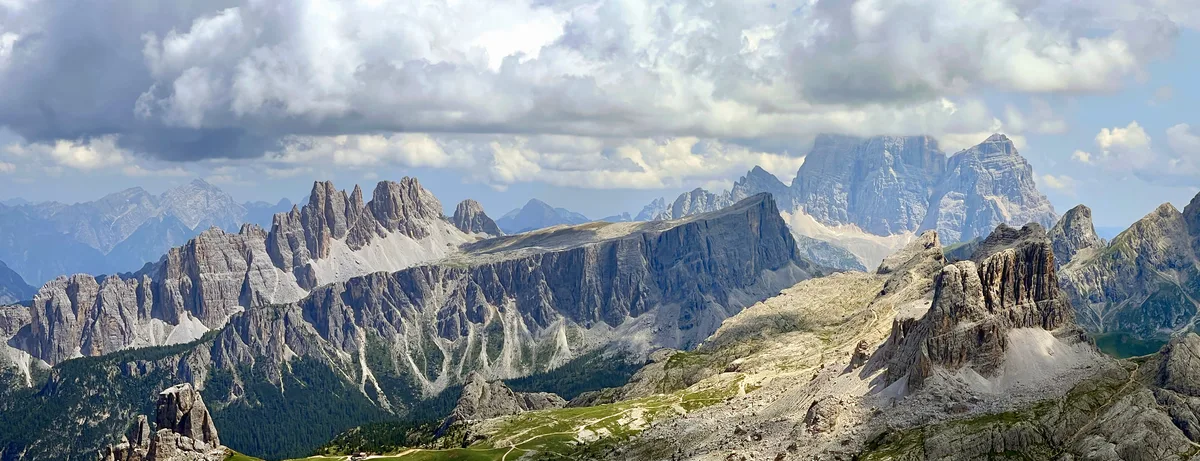
Day 2 is the one to respect. Roghel includes a slight overhang, and Cengia Gabriella has unprotected passages with drops beside you. We'd skip the circuit if you haven't done several ferratas or can't walk 8–9 hours a day. With 3 days to spare, take path 103 from Rifugio Carducci to Forcella Giralba, then follow the Alpinisteig signs. That returns you to the gondola top in about 6 hours.
Paternkofel (Monte Paterno) is the other Sexten name to know, because a tunnel built in the First World War marks the start of its via ferrata. Ask the Sexten tourism office for its current grade, time and lighting needs before you commit.
Cortina area: Lagazuoi and Cinque Torri
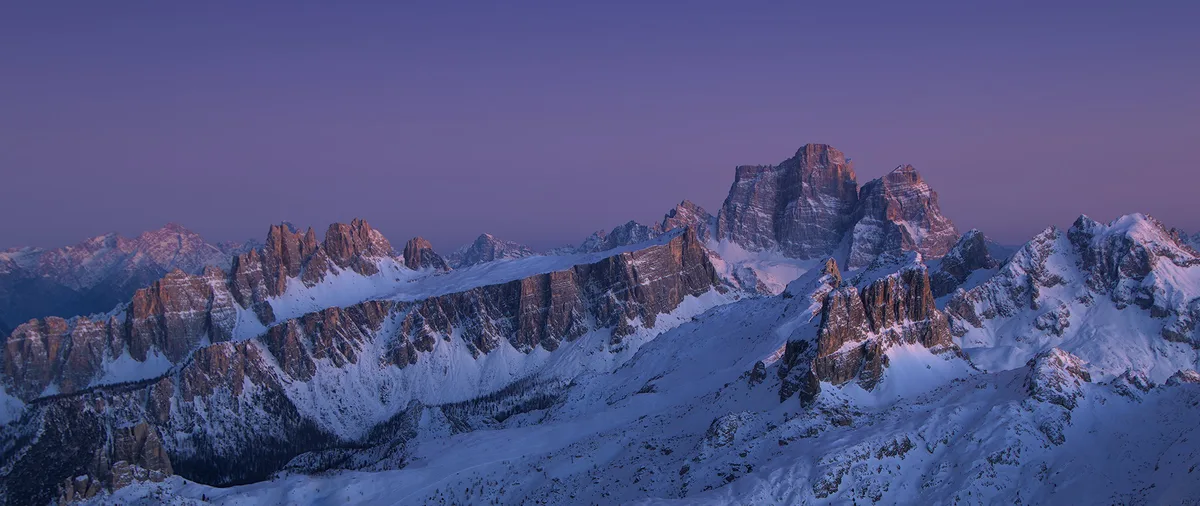
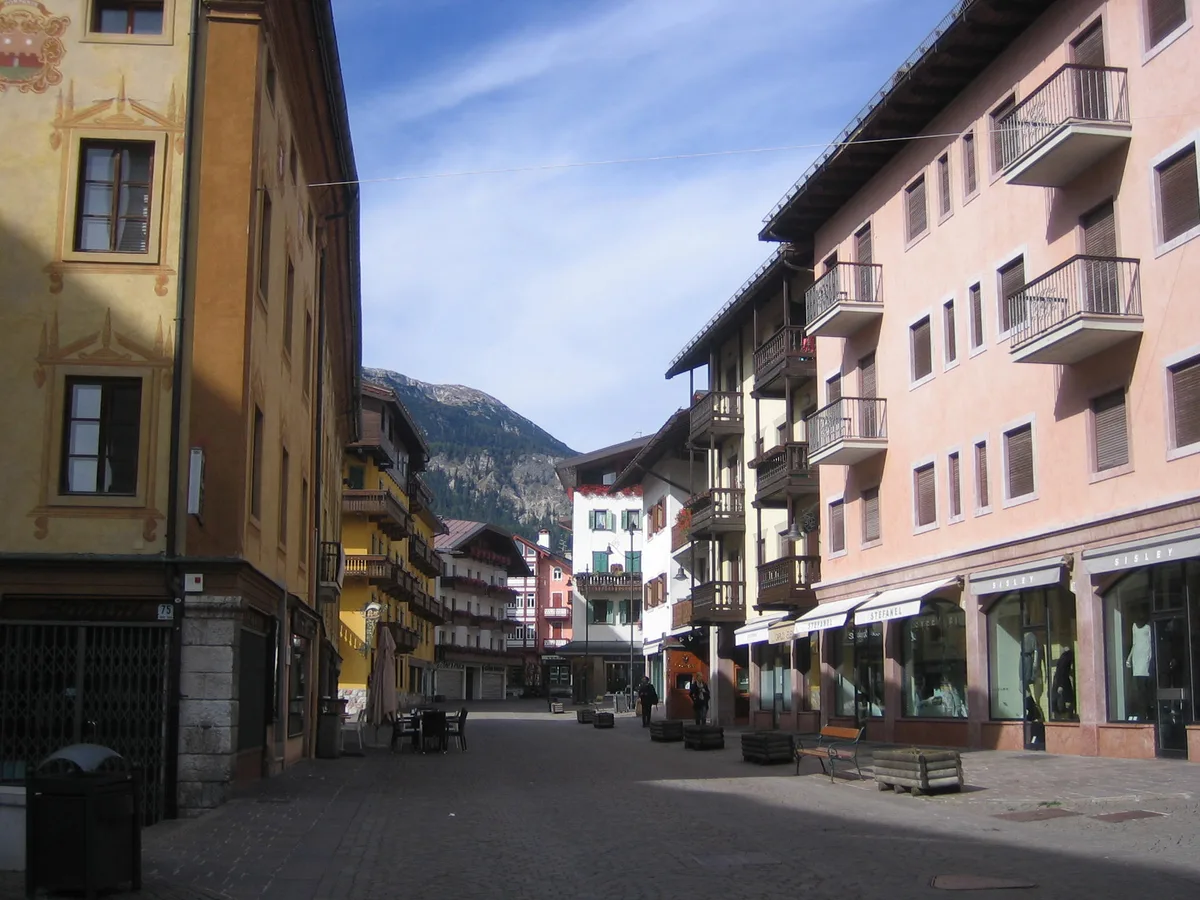
Cortina suits people who want Great War history without a multi-day commitment. Our Lagazuoi tunnels guide covers the wartime galleries in detail. For paths that need no harness, see Cinque Torri open-air museum. Lift operating windows are on the Lagazuoi 5 Torri site. Area information is on Cortina's official tourism page. When weather or experience rules out a technical route, Cinque Torri's walkable paths replace it without losing the history. Skip the tunnels if you dislike dark, enclosed spaces and won't carry a headlamp.
Marmolada and glacier-area history
Marmolada brings the Great War onto the glacier. Our Marmolada Great War museum guide covers what the collection shows. Glacier-area conditions change from season to season, so check current route status with local offices before planning anything technical. We'd book a guide for any route on or near ice.
Gear, grade and safety checklist
Via ferratas are dangerous. Rockfall, snow and weather change quickly, so check current route status and use proper equipment or a guide. Rent kit in Sesto or San Candido, where shops are listed as Noleggio on Google Maps. Keep your lanyard clipped even on easy-looking ledges such as the Alpinisteig. On Zandonella, leave gaps between climbers, because loose rock falls on whoever is below. Hire a guide if you are new to ferratas or tunnels. Self-guided suits climbers with experience and a current weather read.
- Kit: helmet, harness and via ferrata lanyard.
- Light: headlamp for any tunnel.
- Mistakes to avoid: stopping long under rockfall warnings on Casara.
- Mistakes to avoid: unclipping because the grade looks easy.
- Mistakes to avoid: removing kit before the last cable section.
- Mistakes to avoid: losing the red path markings near the small lake below Rifugio Berti.
- Mistakes to avoid: starting day 2 late, since it runs 8–9 hours.
Season, access and booking
Huts usually open from mid-June to the end of September, and dates shift slightly each year. The Rotwand gondola runs from about mid-June to the first week of October. July and August are busiest, so book huts months ahead. Rifugio Berti has opened summer bookings in February. Bus nos. 440 and 446 run through Sesto and Moos from Dobbiaco, and you get off at Kabinenbahn Rotwand. Search connections on the Sued Tirol Mobil site. Private cars face restrictions in Val Fiscalina in peak summer, so check the local tourism board before driving.
Start-of-trip gondola tickets stay valid for 10 days, which spans the 3–4 day Monte Popera Circuit.
Costs and trade-offs
We don't print tariffs, because lift and hut rates change every year. Check the lift operator for tickets and each hut for half-board rates. A round-trip gondola ticket bought at the start is valid for 10 days. A circuit needs 3 nights of half-board, while a day route needs none. Day routes cost less and fit a single weather window. Hut-to-hut buys more history but adds booking pressure and weather risk.
| Option | Cost items | Access |
|---|---|---|
| Single day route | Lift or gondola ticket, kit rental, optional guide | Bus plus lift; no hut booking |
| Hut-to-hut circuit | Round-trip gondola, hut half-board, rental, optional guide | Bus 440 or 446 to Kabinenbahn Rotwand; huts booked well ahead in July and August |
Respecting the battlefield
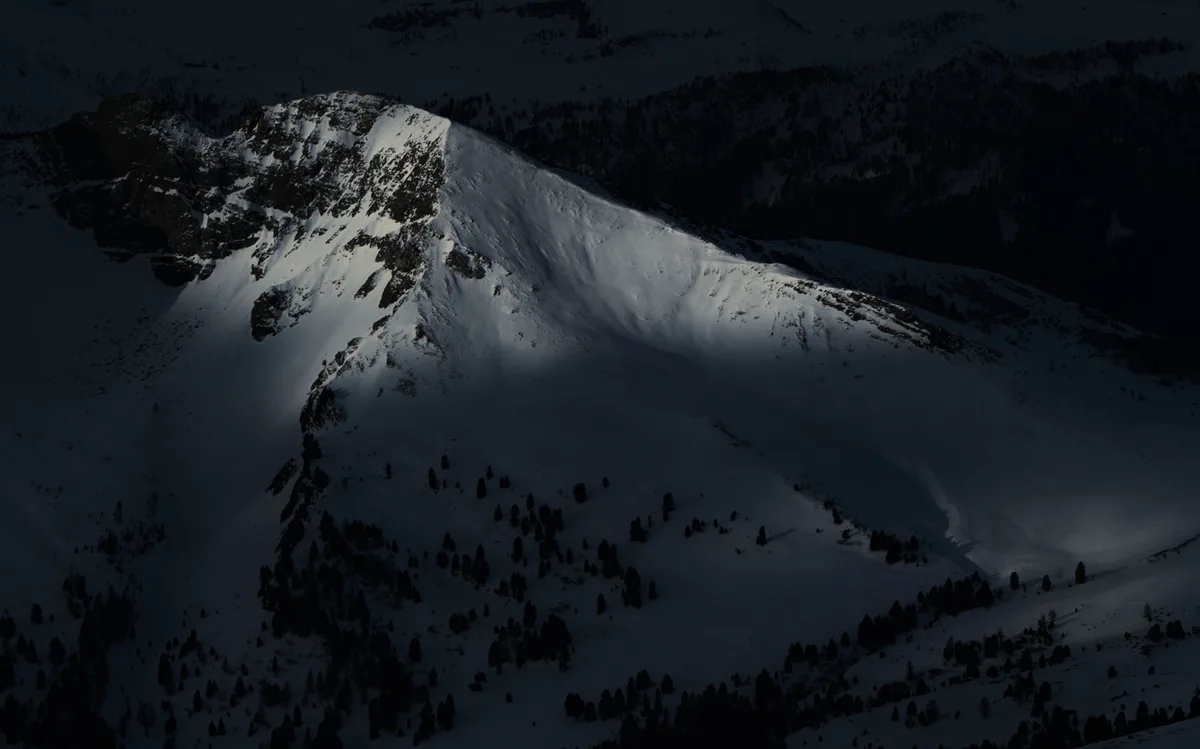
Stay on the marked route. Leave relics, barbed wire and wooden beams where they lie. Don't enter old positions or caves off-route, because they can be unstable. Treat memorials and any grave as places of mourning. Follow each site's posted rules. For a walk with no climbing, try the Monte Piana open-air museum near Sexten. Tunnel walkers outside the Dolomites can use the Strada delle 52 Gallerie: Pasubio Tunnel Hike Guide.
Wet-weather and no-equipment options
Rain or no kit shouldn't end the trip. Our Rovereto museum guide works for a wet day. Cinque Torri and Monte Piana need no climbing gear. Beyond the Dolomites, Redipuglia War Memorial: Visiting Guide and History is a major sacrario. Monte Grappa Memorial: Visiting Guide, Routes and Tips sits on another mountain front. Asiago War Memorial: Visitor Guide to the Sacrario Militare on Colle Leiten completes the plateau picture.
Where to base yourself
Base in Sesto or Moos for the Fiscalina Valley and the Rotwand gondola. Choose Cortina for Lagazuoi and Cinque Torri. Before a circuit, pick a bed near the bus stop with early breakfast. Ask whether the hotel stores spare luggage while you are on the trail.
Circuit plans need 3 nights of half-board, so base in Sesto or Moos near the Rotwand gondola.
Frequently Asked Questions
Was there fighting in the Dolomites during WW1?
Yes. Italian and Austro-Hungarian troops fought along the mountain front. Sexten, Cortina and Marmolada still hold tunnels, caves and wire. Our Italian front overview gives the wider picture.
Are there via ferratas in Italy?
Yes, and the Dolomites hold many. The Sexten Dolomites alone offer 6 on the Monte Popera Circuit, from beginner to advanced.
Can a beginner climb the Dolomites?
Beginner-level ferratas exist, such as Croda Rossa's short cable sections. Hire a guide and rent kit in Sesto or San Candido. Avoid Roghel and Cengia Gabriella until you have more experience.
Keep planning
Guides on the same trip