Asiago War Memorial: Visitor Guide to the Sacrario Militare on Colle Leiten
Guide to the Asiago war memorial, the Sacrario militare di Asiago on Colle Leiten: what it is, how to reach it, etiquette, and which Italian Front sites to pair it with.
In this guide
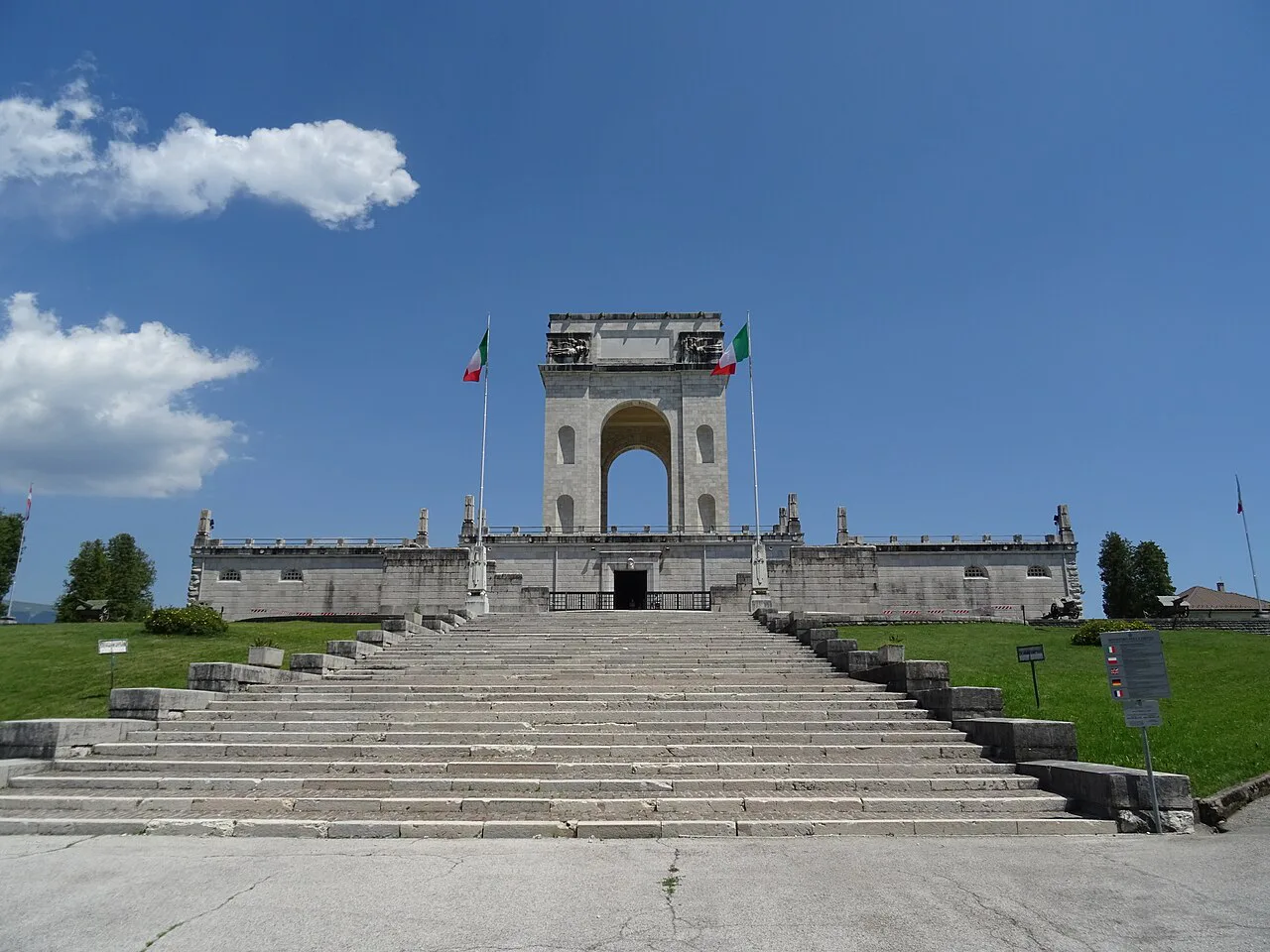
Last updated November 2026. The Asiago war memorial is the Sacrario militare di Asiago on Colle Leiten, a large ossuary and Great War memorial on the Asiago plateau in the Sette Comuni area of Veneto. It honors Italian and Austro-Hungarian dead, and it suits travelers who want a place of remembrance rather than trenches or exhibits. Below you will find what the site is, how to plan around a mountain road, and how it compares with other Italian Front stops.
Featured image: Syrio, CC BY-SA 4.0, via Wikimedia Commons.
Which Asiago War Memorial Is This?
Search results for this name usually point to the Sacrario militare di Asiago, also written as the Asiago Leiten ossuary. It stands on Colle Leiten and is a state-run military ossuary. Italian war graves and memorials fall under the defence ministry's Onorcaduti office, so the Ministry of Defence is the right place to confirm the operator's current rules. Smaller local monuments exist in the plateau's villages. This guide covers only the Leiten sacrario.
What You Will See at the Memorial
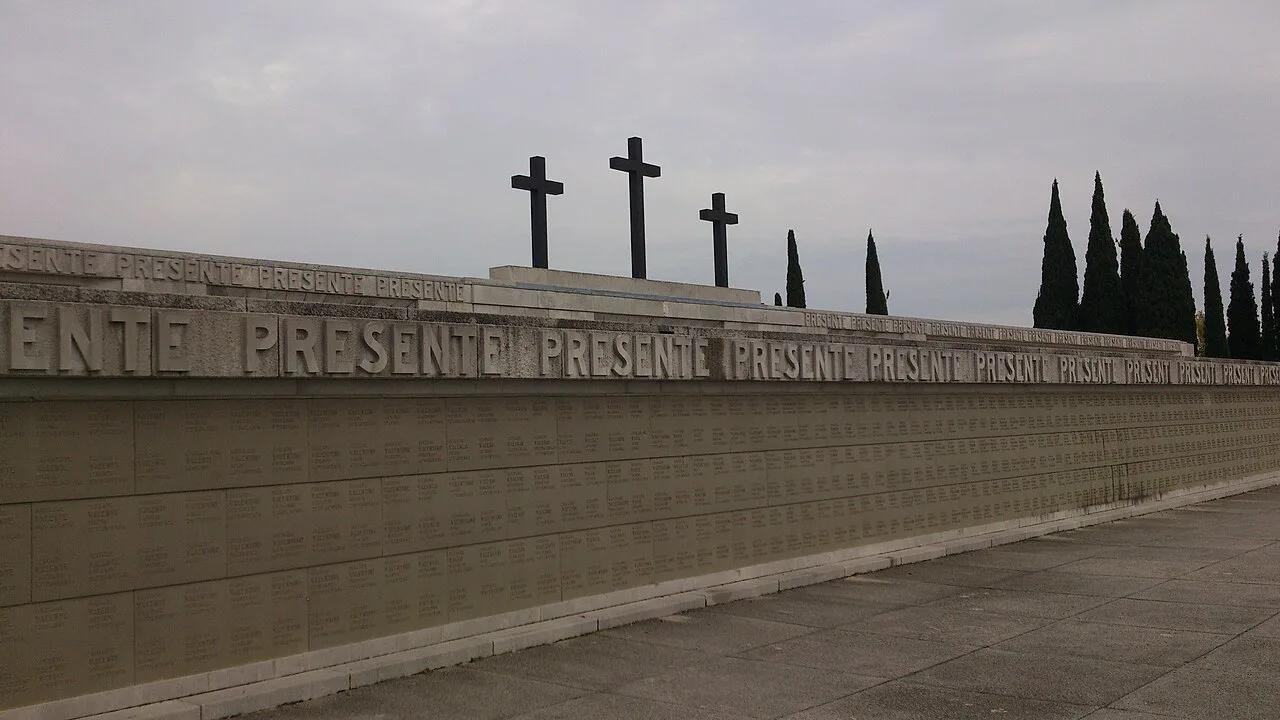
Expect a monumental ossuary and memorial set on a hill above the town, built to hold the remains of soldiers from both sides of the front. Italian and Austro-Hungarian dead are commemorated together here. That shared dedication is the main thing that sets the site apart from many single-nation memorials.
This is a place for quiet reflection. You will not find trenches, tunnels, reconstructed positions or a museum gallery. Plan on a short, contemplative stop rather than a long walk with interpretation panels.
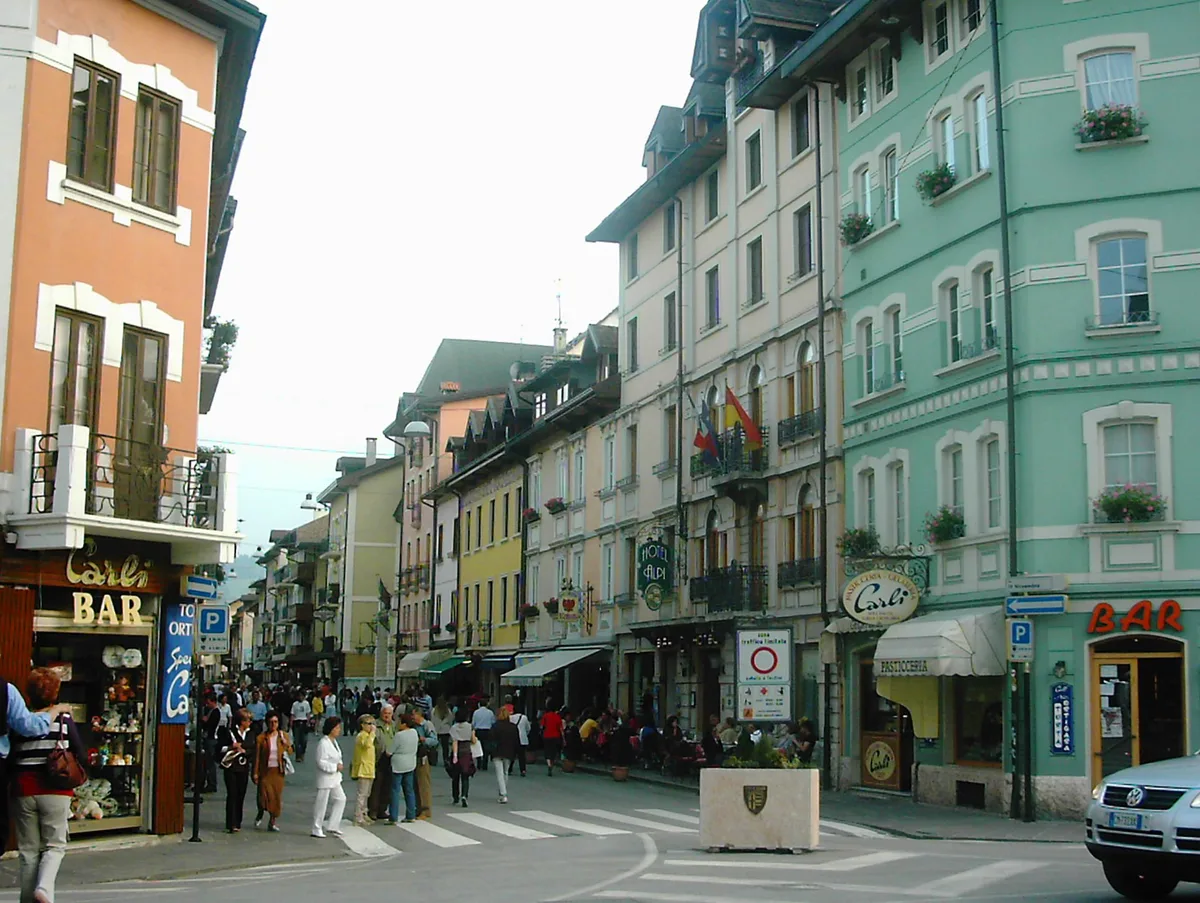
- Setting: Colle Leiten, above Asiago on the plateau.
- Character: ossuary and memorial, not a battlefield trail.
- Not here: trenches, galleries or guided exhibits.
How to Get to the Sacrario on Colle Leiten
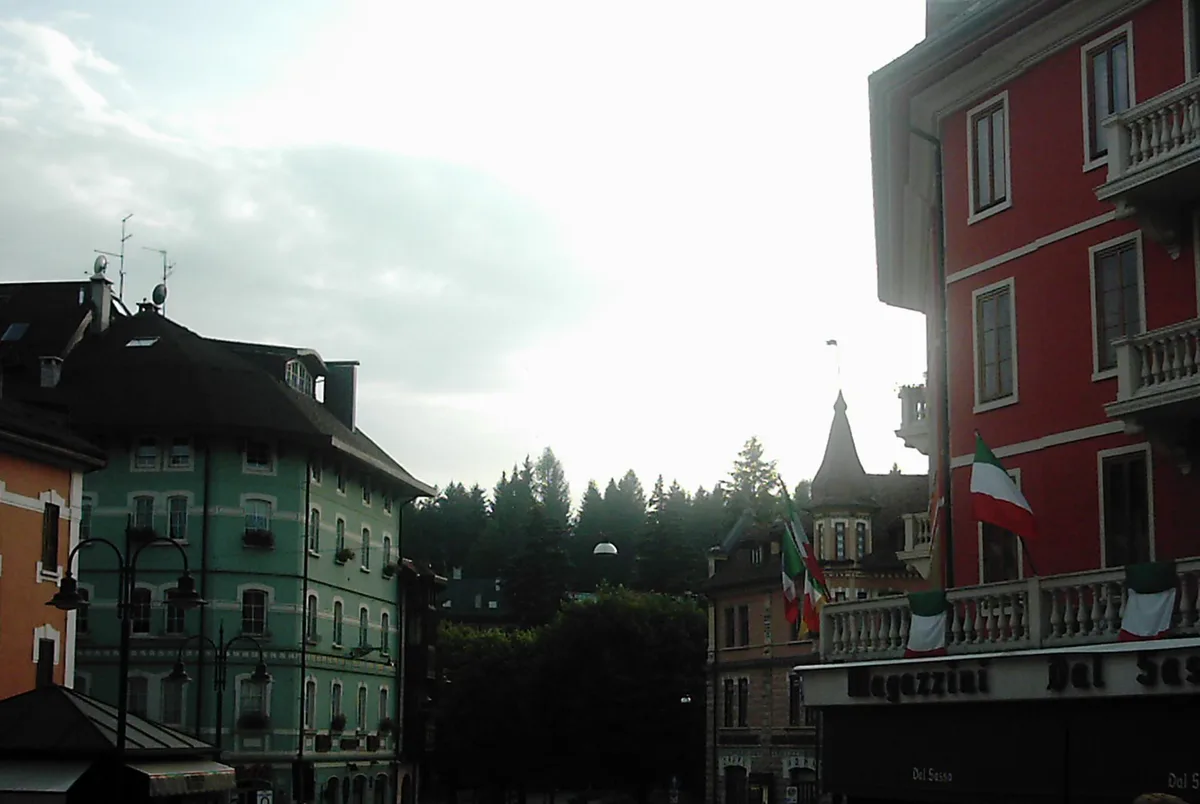
Asiago sits on a mountain plateau, so every approach involves a climbing road. Drivers coming from Vicenza or Padua reach the plateau by that road and then continue to the town. Without a car, check local bus links to Asiago and then plan the last stretch on foot or by taxi. The Asiago tourism office is the best source for current transport and parking details, because no timetable is confirmed here.
Hours, Entry and Seasonal Access
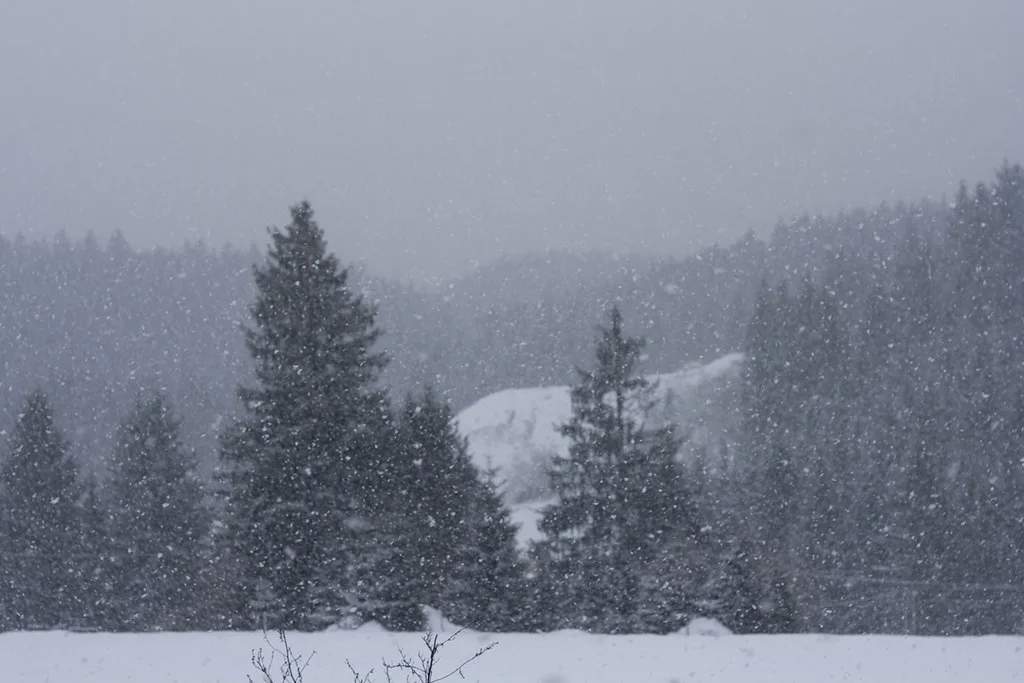
No official opening hours, fee or accessibility details are confirmed for this page. Ask the Onorcaduti office or the Asiago tourism office before you travel. Snow and fog can change road conditions on the plateau in winter, and daylight is short, so build a margin into any winter plan.
Etiquette at a Place of Remembrance
Treat the sacrario as a cemetery. Dress modestly, keep your voice low and put phones on silent. Photograph the architecture and landscape, not other visitors who are paying respects. Follow any posted rules at the entrance, and leave nothing behind. If a ceremony is under way, wait at a distance until it ends.
The Asiago Plateau in the Great War
In 1916 Austro-Hungarian forces launched the Strafexpedition, often called the Spring Offensive, against Italian lines in the mountains of the Veneto and Trentino. The Asiago plateau lay in the path of that offensive. Fighting there left a large number of dead on both sides, which is why a joint ossuary was later built above the town.
For the wider campaign, see our guide to the Italian Front. That page covers the front line from the Alps to the Adriatic.
Is the Asiago War Memorial Worth the Trip?
It is worth it if you are already on the plateau or want a respectful stop with a shared Italian and Austro-Hungarian dedication. It is a long detour if you want physical remains of the war. Compare it with other major memorials by scale and setting.
A similar commemorative experience awaits at the Monte Grappa Memorial: Visiting Guide, Routes and Tips. For a vast memorial on the eastern front, see Redipuglia.
If you want trenches or tunnels, go elsewhere. The Monte Piana open-air museum preserves positions on a mountain top. The Pasubio tunnel road offers a mountain tunnel walk. For museum interpretation, the war museum in Rovereto is the standard stop, and our page on the Rovereto museum explains it.
Build a Day Around the Memorial
Pair the sacrario with a slow day on the plateau. Start at Colle Leiten while the light is soft, then spend the rest of the day in Asiago town. Active travelers who want a harder day should read about the Great War via ferrata routes first and choose them separately.
- Short stop: memorial only, on the way through the plateau.
- Half day: memorial plus a walk in Asiago town.
- Full day: memorial, then a second Italian Front site chosen from the links above.
- Car-free option: base in Asiago and keep the plan to the memorial and the town.
Why the Leiten Sacrario Is Different From a Battlefield Visit
The Sacrario militare di Asiago is best approached as an ossuary, not as an open-air battlefield museum. Its purpose is remembrance of soldiers killed around the Asiago Plateau during the 1916 Strafexpedition and the wider Great War. Allow time to read the setting quietly rather than expecting a route through preserved combat positions.
This distinction matters when planning a day across the Sette Comuni, the plateau’s 7 historic communities. The memorial gives a concentrated commemorative stop above Asiago. It does not replace a visit to trenches, tunnels, or museum collections. Travelers seeking physical wartime infrastructure should choose a separate site, such as the Pasubio 52 Tunnels, and treat it as a different outing.
For many visitors, the best balance is a short visit at Colle Leiten followed by time in Asiago town. Keep a full day only if you are adding another Italian Front destination and have transport suited to mountain roads.
Keep planning
Guides on the same trip