Slapton Sands and Exercise Tiger: History and Visiting Guide
Slapton Sands in Devon hosted a 1944 D-Day rehearsal, Exercise Tiger. Read what happened, why the South Hams was evacuated and what to see today.
In this guide
Last updated November 2026. Slapton Sands is a beach on Start Bay in South Devon where US troops rehearsed the Utah Beach landing in April 1944. Exercise Tiger ended with a night attack that killed hundreds of Americans, so a visit is commemorative rather than a ticketed attraction. This guide covers the history, what you can see today and how to fit the coast into a wider 14 Best WW2 Sites in England and How to Choose route.
Featured image: Lewis Clarke, CC BY-SA 2.0, via Wikimedia Commons.
What Happened at Slapton Sands in 1944 (Exercise Tiger)
Exercise Tiger, also called Operation Tiger, was a full-scale rehearsal for the Utah Beach landing. It took place at Slapton Sands in late April 1944 with US assault force U. Units included the 4th Infantry Division and the 82nd and 101st Airborne Divisions. Troops used live ammunition and sailed a sea route meant to match the length of the Channel crossing. During the night, two German E-boat flotillas, nine boats in total, found the convoy. Accounts place the attack in the early hours of 28 April, about 15 miles out to sea. Landing craft carrying troops were sunk. Casualty figures vary by source. Most accounts say hundreds died, and one local history gives about 700. Treat any single number as an estimate. Operation Fabius followed in early May with assault force O.
- 22 April 1944: Exercise Tiger begins, with landing craft loaded with troops, tanks and equipment.
- 27 April 1944: planned assault day on the Slapton coast.
- 28 April 1944: E-boat attack on the convoy at sea.
- Early May 1944: Operation Fabius, the second rehearsal, with force O.
Which Ships Were Hit, and Why the Losses Stayed Quiet
The convoy attacked off the Devon coast was made up of tank landing ships, known as LSTs, carrying men, vehicles and fuel towards the practice beach. Knowing the ship numbers helps if you are tracing a relative or reading survivor accounts.
- LST-507: torpedoed, set on fire and lost.
- LST-531: torpedoed and sunk very quickly.
- LST-289: badly damaged, but it reached port.
The convoy had a thin escort. The corvette HMS Azalea was with it, but a second assigned warship, the destroyer HMS Scimitar, had been damaged and was in port. A mismatch in radio frequencies also hampered communication between the American vessels and British forces. Many men went into cold water, and some had not been shown how to wear their lifebelts correctly.
A frequently cited toll is 749 American soldiers and sailors dead. It covers service personnel from both the US Army and Navy, but accounts differ on what else should be counted. Claims of further deaths from live fire during the beach landings are much less firmly established, so keep them separate from the losses at sea.
Secrecy came from the timing. The Normandy invasion was only weeks away, and commanders worried that officers with detailed knowledge of the plans might have been captured. Survivors and medical staff were told not to discuss what had happened. Information was released later that summer, after D-Day, but the disaster received little public attention for decades. This is why it is often described as a cover-up, although it did appear in official and published histories after the war. For an overview and further references, see the Exercise Tiger entry on Wikipedia.
Why Slapton Was Chosen, and the Evacuation of the South Hams
Slapton had a small ley, low cliffs at either end and a flat coast road. Planners saw a resemblance to Utah Beach, west of the River Vire in Normandy. It was also well away from the routes German aircraft took across the Channel. It was one of four live-ammunition training areas, alongside Hayling Island, Bracklesham Bay and Littlehampton. To clear the ground, a requisition notice under the Defence Regulations went to Devon County Council. Civilians and livestock had to leave by 20 December 1943, which gave about six weeks. Local history records about 750 families, roughly 3,000 people, 180 farms and some 30,000 acres affected. Villagers moved furniture, crops and church valuables, and many never saw their homes in the same state again. Tyneham in Dorset tells a similar story of a community displaced for military training.
- Villages in the requisitioned zone: Torcross, Stokenham, Chillington, Sherford, East Allington, Blackawton, Strete and Slapton.
- Information centres for evacuees opened at Blackawton and Stokenham, staffed by the Women's Voluntary Service.
What You Can See and Do at Slapton Sands Today
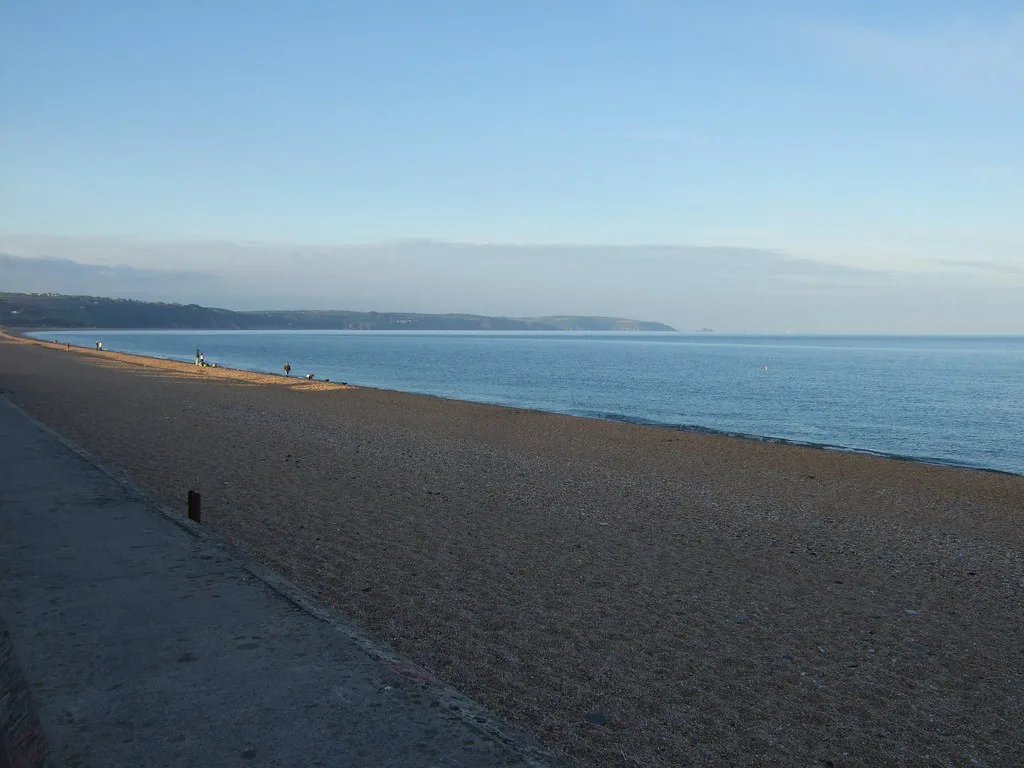
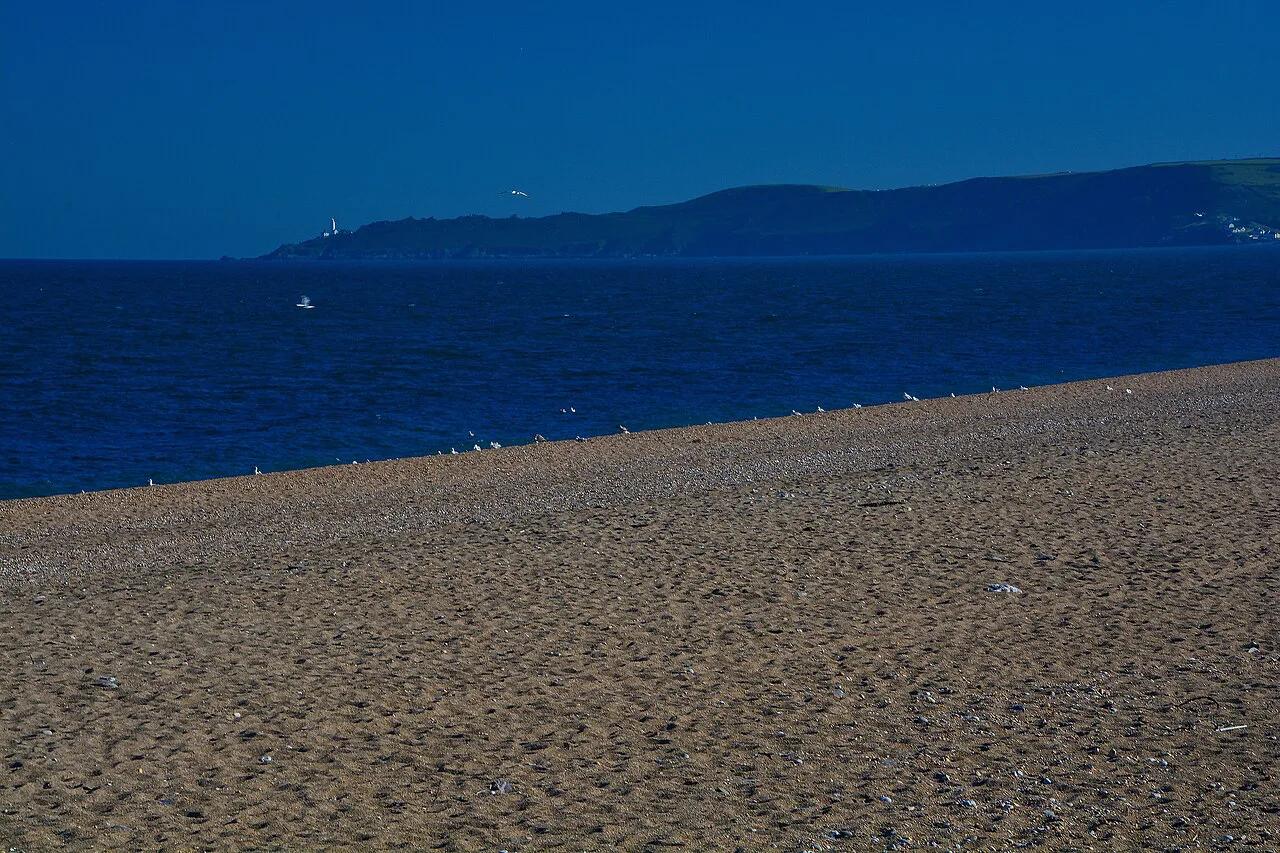
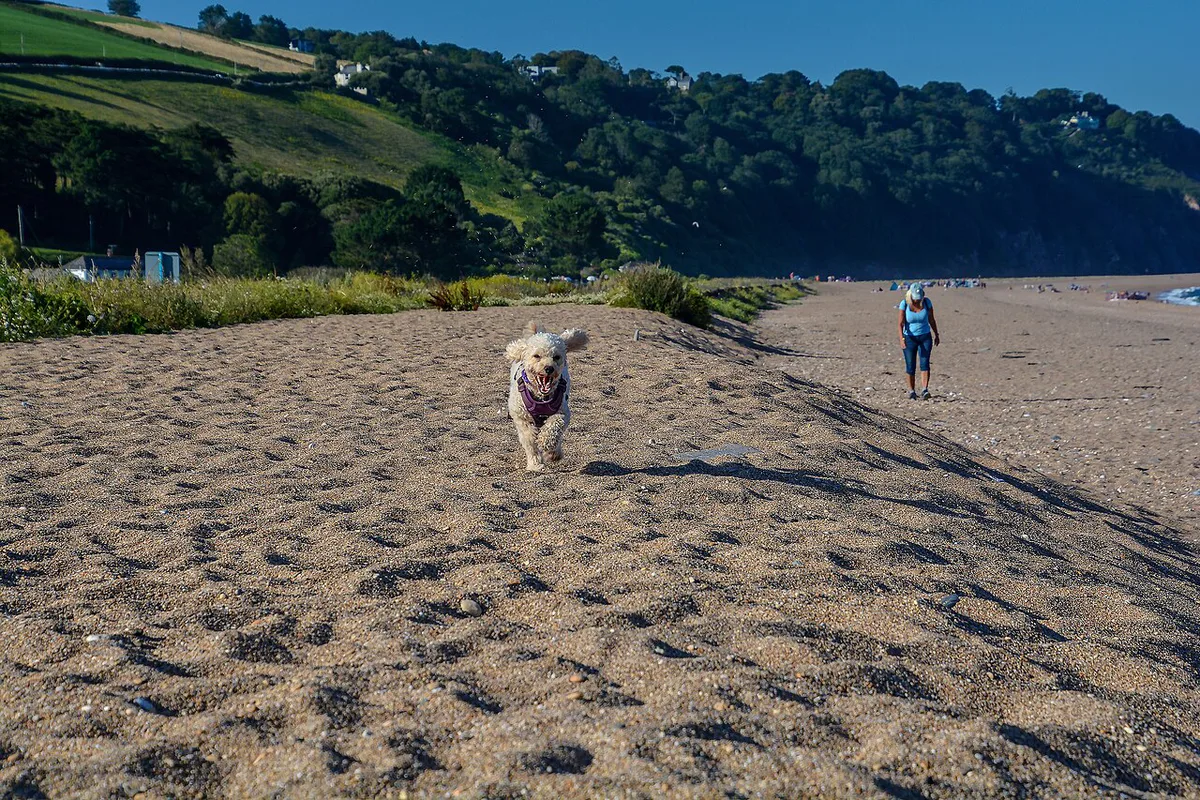
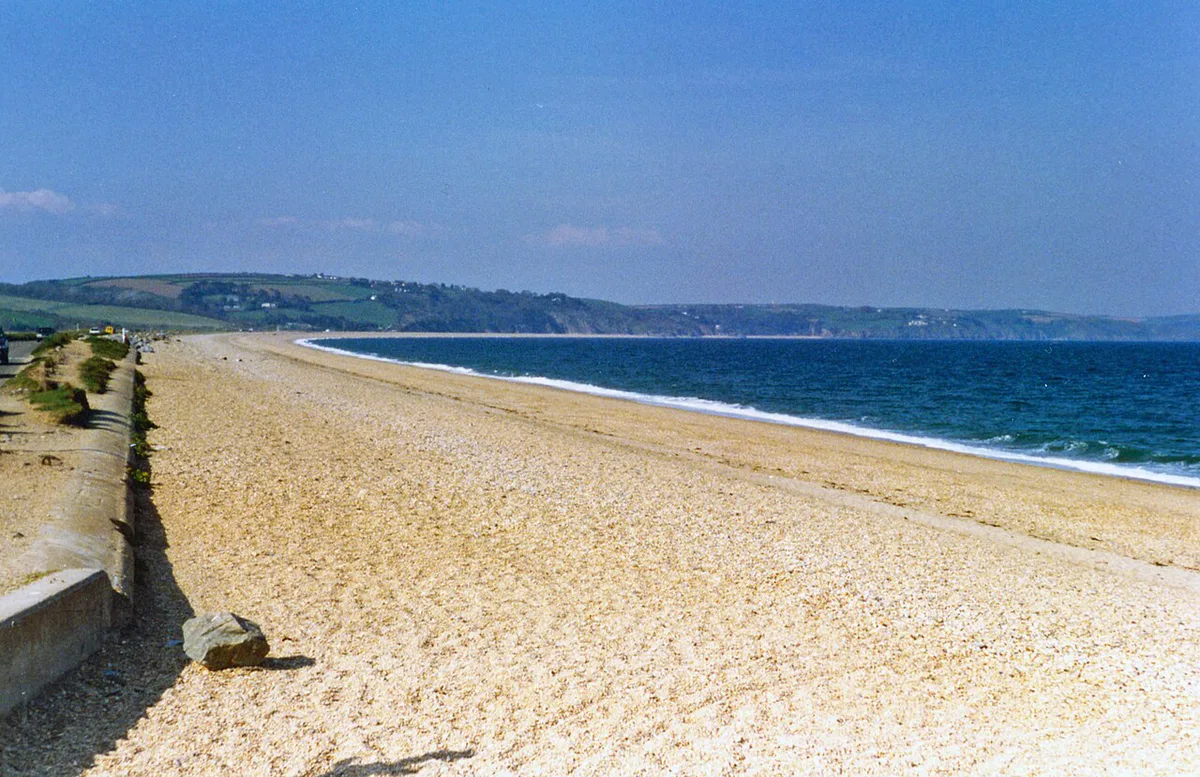
Slapton Sands is a coastal stretch, so the experience is outdoors and low-key. A memorial to Exercise Tiger stands on this coast, and Torcross is the village most visitors use as a base for the shoreline. Interpretation on site is limited, so read the history before you arrive. Behind the beach, Slapton Ley National Nature Reserve protects the freshwater ley that planners compared with Utah Beach. A walk along the shore and the flat coast road shows why the landscape suited the rehearsal. Check locally for current memorial access and any interpretation boards. Visit South Devon's area guidance is the starting point for current visitor information.
Torcross, the usual base for the shoreline, sat inside the zone where about 750 families were moved out before the 1944 rehearsal.
The Torcross Sherman Tank and the Two Memorials
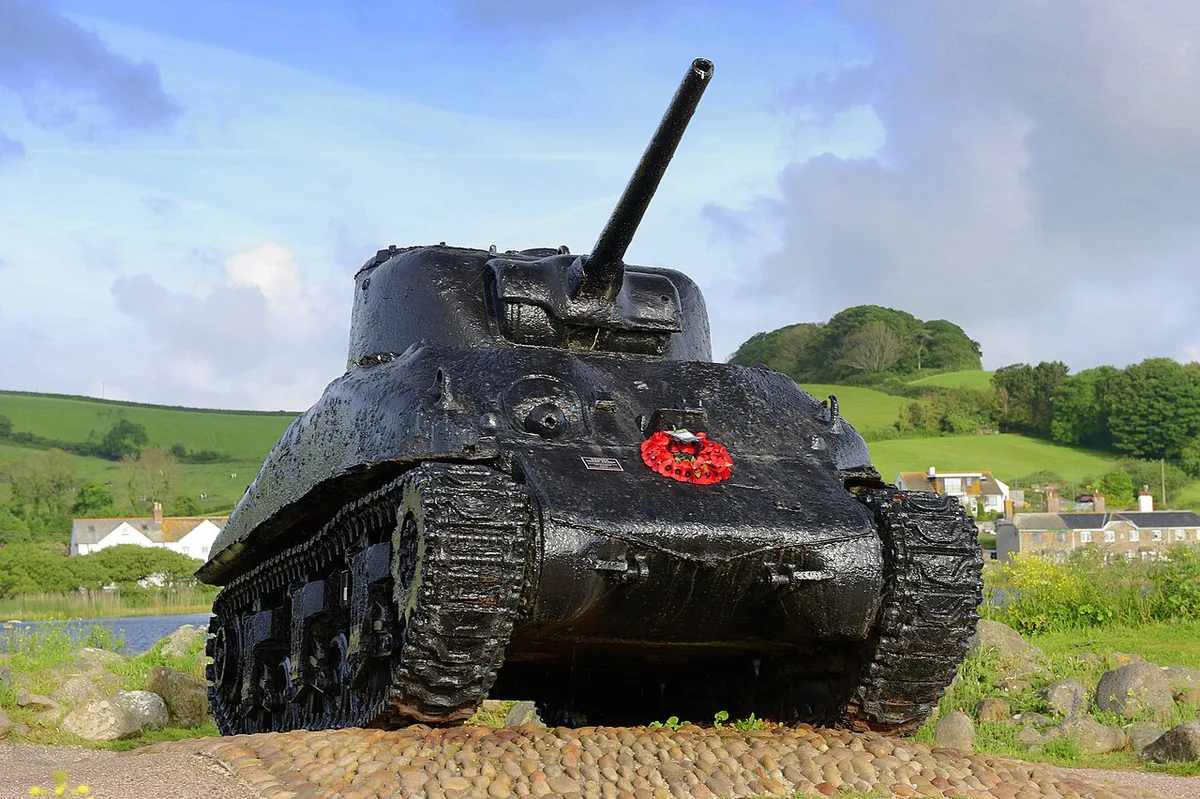
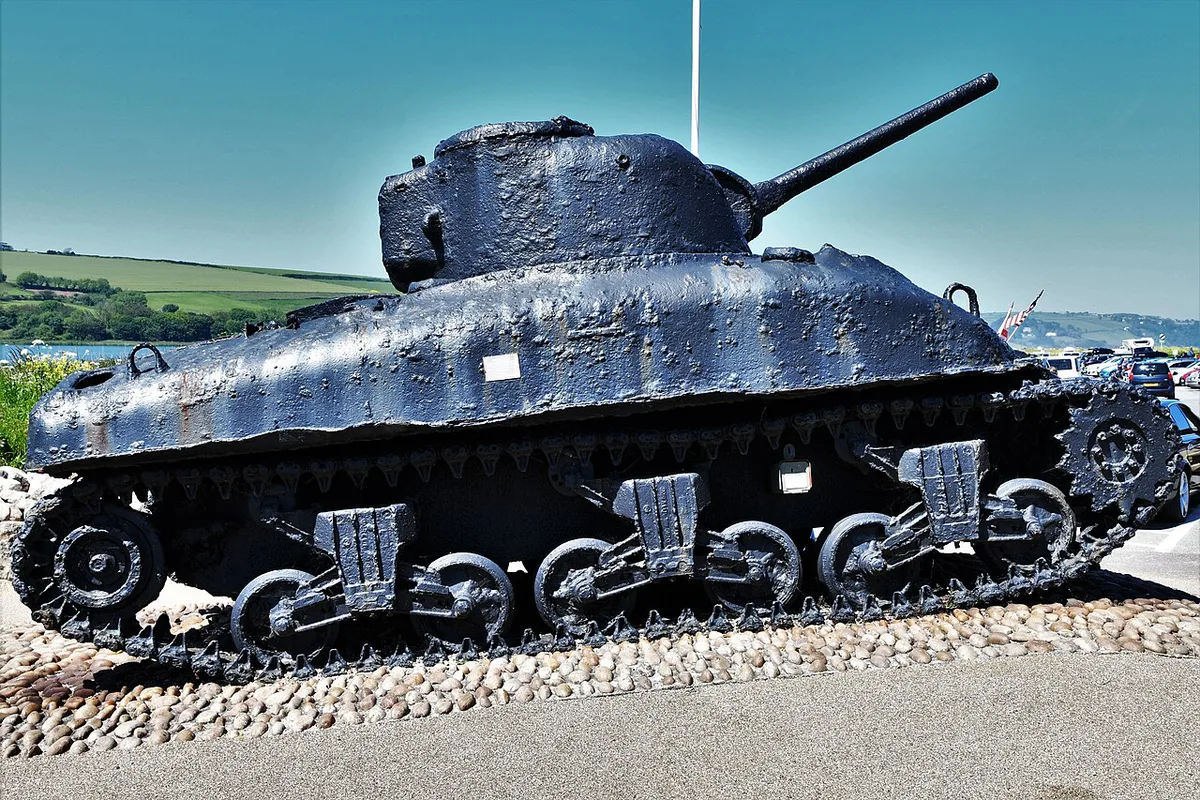
The tank at Torcross is a Sherman fitted for amphibious use, known as a Duplex Drive or DD tank. It sank offshore during wartime training and stayed on the seabed for about four decades. Do not assume it was lost in the E-boat attack, which happened much farther out.
Its recovery is largely the work of Ken Small, a Torcross resident who became interested after finding military relics while beachcombing. He bought the rights to the submerged tank from the US government, widely reported as costing 50 dollars, and campaigned to bring it ashore. Once recovered, it was placed at Torcross as a memorial to the Americans who died. Small also told the story in his book The Forgotten Dead.
It helps to know that the coast has two memorials with different purposes:
- Sherman tank at Torcross: the focus for remembering the servicemen lost in Exercise Tiger, with memorial plaques beside it.
- Stone monument along Slapton Sands: presented by the US Army after the war to thank local people who left their homes and land so troops could train. It is not primarily a memorial to the dead of Exercise Tiger.
If you only have time for a short stop, start at the tank and read the plaques. Then visit the stone monument for the civilian side of the story. The two are separate stops along the shore, so check your walking or driving route before setting off. Wreaths and personal tributes may be displayed at the tank, so give people space and do not climb on it.
Is Slapton Sands Worth It? Who Should Go and Who Should Skip
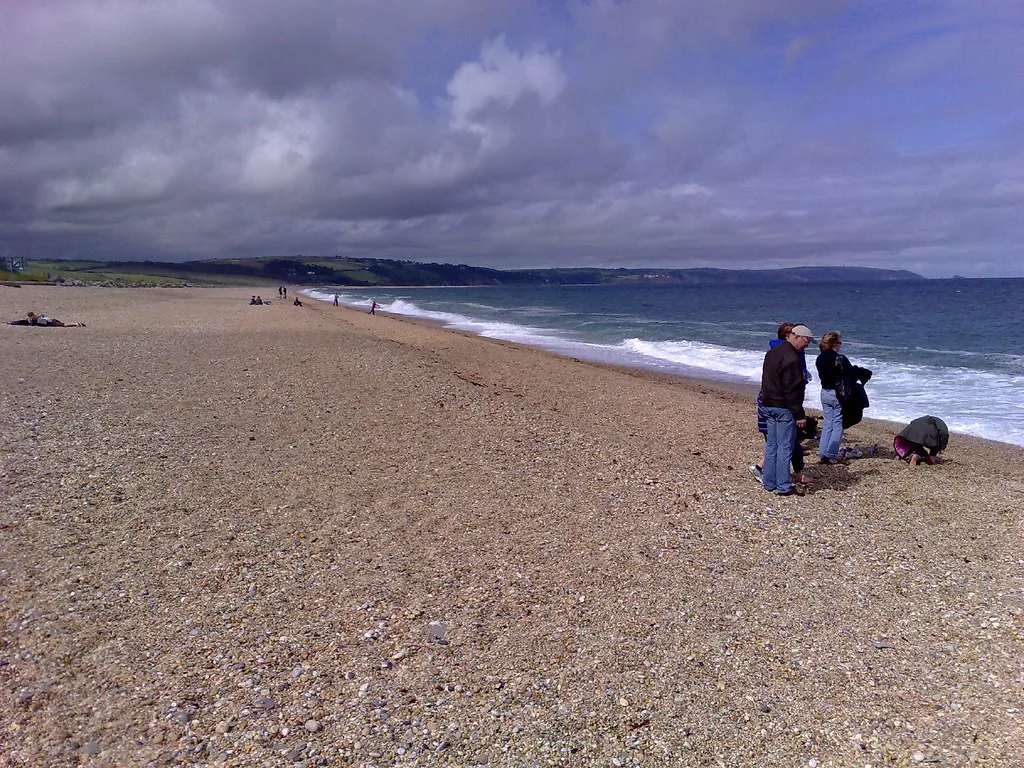
Slapton Sands suits people who value place over displays. Go if you want to stand where the rehearsal happened. Skip it if you expect a museum, a tour programme or a day of staffed exhibits. Treat it as a quiet memorial, not a theme-park stop. If you are not already in Devon, it rewards a detour mainly for history-minded travellers.
Skip the displays and you can still grasp the scale: civilians had to leave by 20 December 1943, giving about six weeks.
| Visitor | Fit | Time needed | What to expect |
|---|---|---|---|
| WW2 enthusiast | Strong | Half a day | Memorial, coast road, ley and the evacuation story |
| Veteran's family | Strong | Unhurried, set your own pace | A quiet place for reflection |
| Beach and scenery visitor | Good | Short stop to half a day | Coast and ley walks, with the history as context |
| Family with young children | Mixed | Short stop | Open beach; explain the memorial respectfully |
| Rainy-day visitor | Weak | Short stop | Exposed coast; little indoor interpretation |
- Mistake to avoid: expecting museum-style displays on site.
- Mistake to avoid: ignoring weather and sea conditions on an exposed coast.
- Mistake to avoid: treating a memorial where hundreds died as a photo backdrop.
Getting There, Parking and Planning Your Time at Slapton Sands
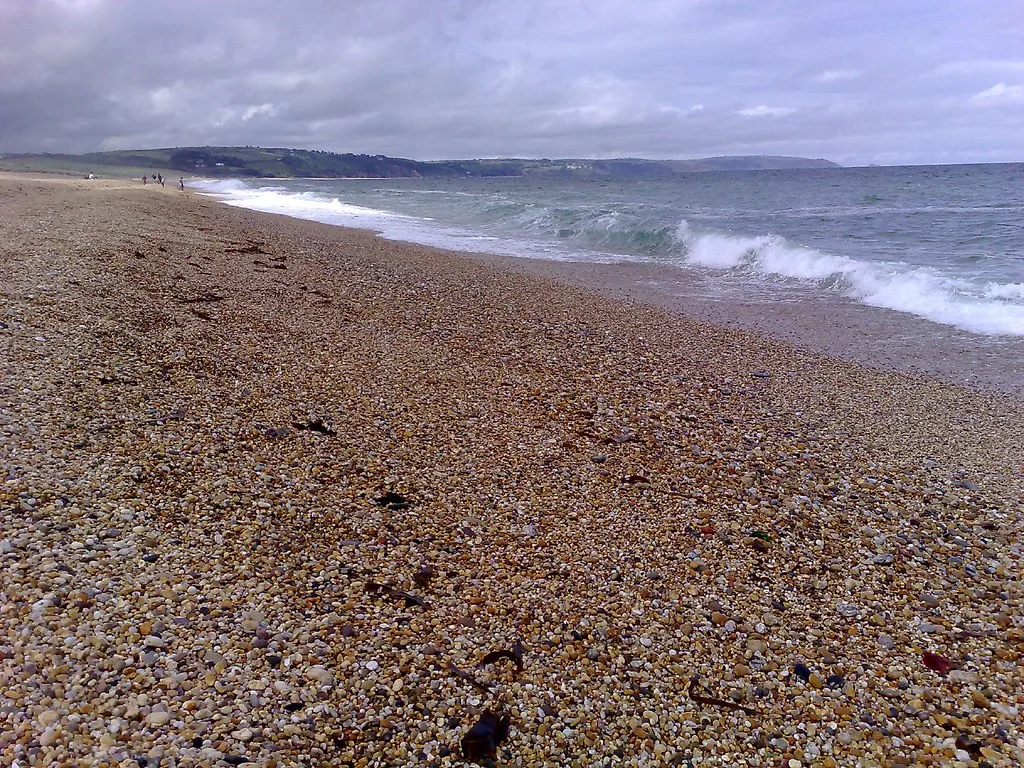
Parking, access and facilities change, so check the current position with Visit South Devon before you set out. Allow a short stop, a half-day or a full day depending on how much walking and reading you want.
- Short stop: memorial and a look along the beach.
- Half-day: memorial, Torcross and a ley walk.
- Full day: add other South Devon coast walks and reading time.
Combining Slapton Sands with Other WW2 Sites
Slapton fits a southern England route built around D-Day preparation. Portsmouth Historic Dockyard adds naval context. The Tank Museum at Bovington adds armour and training history. Cambridge American Cemetery: Free Entry, Hours & How to Visit commemorates US war dead in England, and the American Battle Monuments Commission publishes its visiting details. Check the journey between sites before committing to a single-day combination. The parent guide to 14 Best WW2 Sites in England and How to Choose links the wider region.
On-the-Day Checks: Weather, Tides and Torcross Access
Check these points on the day, because this is an exposed stretch of coast.
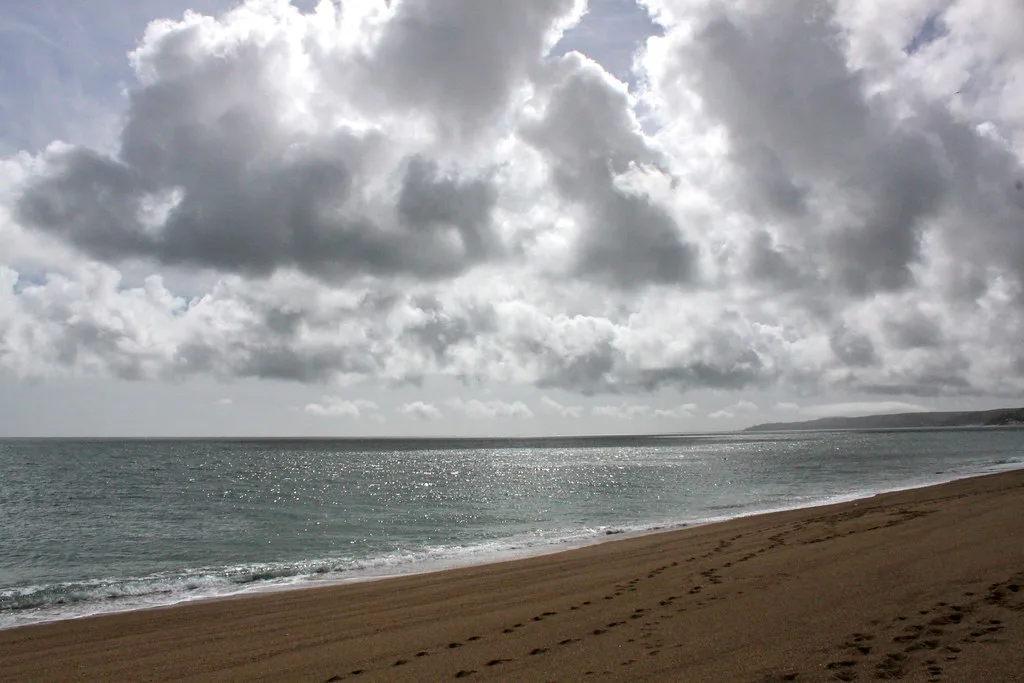
- Weather and sea conditions along Start Bay.
- Tide state, if you plan to walk the shoreline.
- Road and parking conditions near Torcross.
- Current memorial access, via Visit South Devon.
Frequently Asked Questions
Was there a practice run for D-Day?
Yes. Exercise Tiger was a full-scale rehearsal at Slapton Sands in April 1944. Operation Fabius followed in early May with assault force O.
Is the tank still at Slapton Sands?
A tank memorial is a known feature of this coast, with Torcross the usual reference point. Check Visit South Devon for its current status before you travel.
Keep planning
Guides on the same trip