Tank Museum Bovington: Visitor Guide
Plan a visit to The Tank Museum in Bovington, Dorset: who it suits, how to allow your time, tickets, events, getting there and Dorset pairings.
In this guide
Last updated November 2026. The Tank Museum at Bovington, Dorset, is a military museum devoted to armoured vehicles, and this guide to the tank museum bovington visit helps you decide whether to go. It sits on Linsay Road, postcode BH20 6JG. Use it alongside our England WWII sites guide if you are building a wider trip.

Featured image: Michael Garlick, CC BY-SA 2.0, via Wikimedia Commons.
Tank Museum Bovington: is it worth the trip?
Yes, if armoured vehicles, engineering or twentieth-century warfare interest you. VisitEngland, which lists the museum as a Quality Assessed visitor attraction, describes it as home to the world's largest and most significant collection of tanks. That is the listing's wording, and it signals how much there is to see. Families are well served too, because the museum offers interactive activities for all ages. Visitors with no interest in vehicles or military history may find a long day heavy going, and a shorter visit suits them better.
What to see at the museum
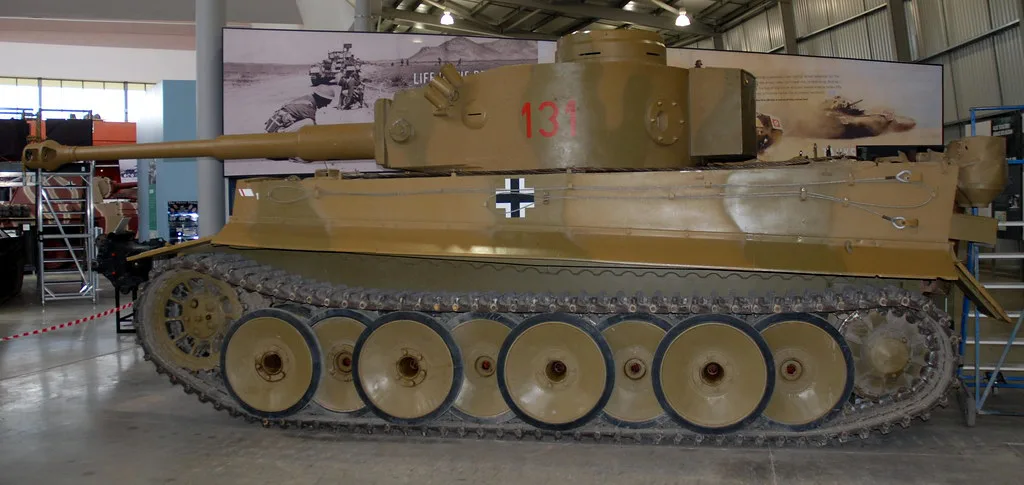
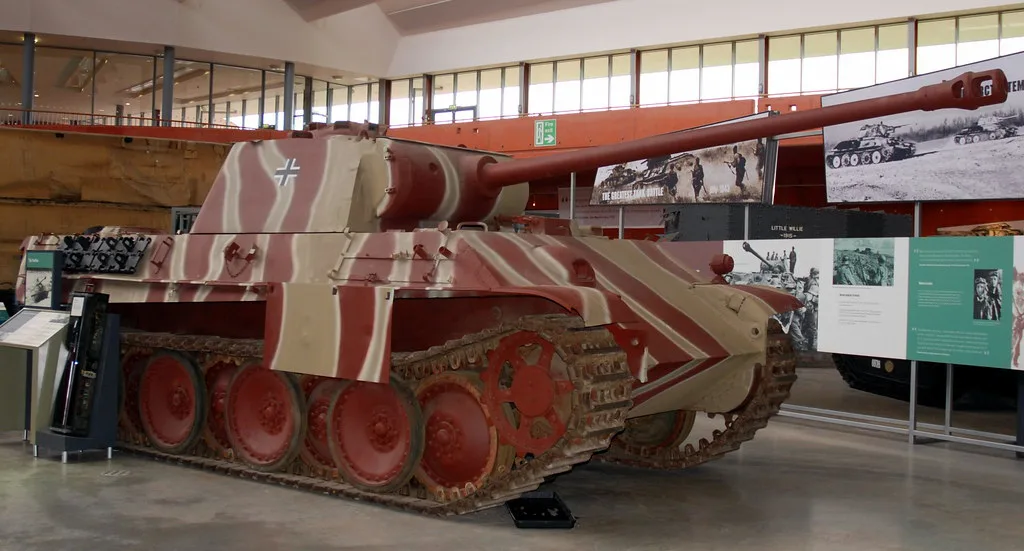
The collection runs from the first tanks of the First World War to modern armour, so you can follow how the machines changed. WWII enthusiasts will want to find Tiger 131, a German Tiger tank that the museum has restored to running order. Seeing a Tiger in motion is the reason many people choose the museum's Tiger Day event.
- WWII fans: prioritise the German and Allied armour of 1939 to 1945.
- Engineering fans: look for the cutaways and mechanical details beside the vehicles.
- Families: head for the interactive activities first, while children are fresh.
- Short visits: pick one era rather than trying to cover everything.
Landmark tanks to find, from Little Willie to Tiger 131
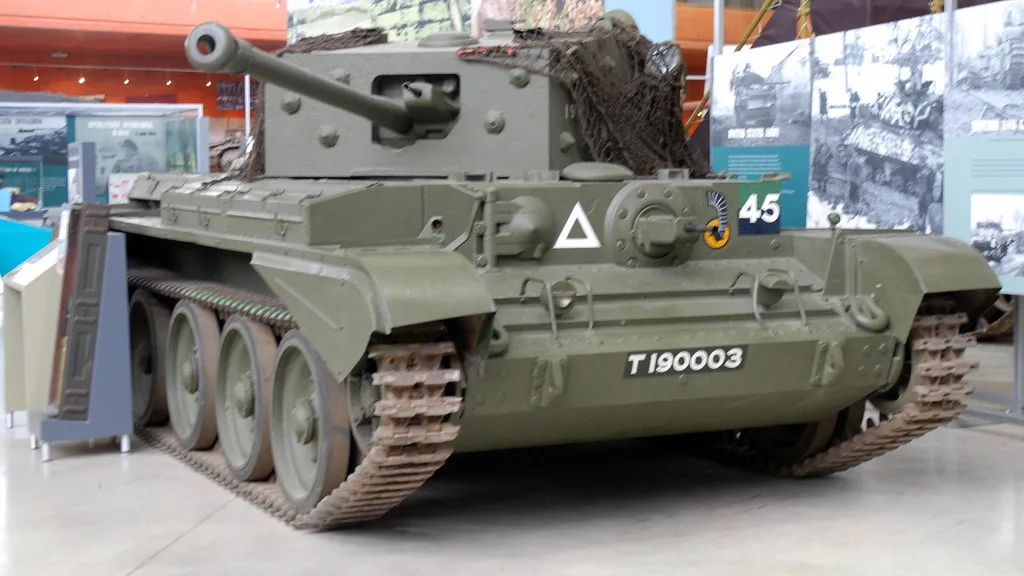
With limited time, a few landmark vehicles can give your visit a clear thread. These three take you from early experiments to the armoured battles of the Second World War. Museum vehicles can move for events, workshop care or new displays, so if one is your main reason for going, ask the museum whether it will be on show.
| Vehicle | Why it matters | What to look for |
|---|---|---|
| Little Willie | A British prototype built in 1915, and a forerunner of the tanks that went into battle | The box-like hull and low-set tracks |
| British First World War heavy tanks | The Mark I made the tank's combat debut on 15 September 1916, during the Battle of the Somme | The rhomboid shape, with tracks running right around the hull to help cross trenches |
| Tiger 131 | A German Tiger I captured by British forces in Tunisia in 1943 | The thick, slab-sided armour, large 88 mm gun and wide tracks |
Try comparing Little Willie with the later rhomboid tanks first. The change in shape shows how closely early design was tied to the problem of crossing broken ground and trenches. Then move on to the Second World War vehicles and compare how designers balanced firepower, protection and mobility.
Seeing Tiger 131 on display is different from seeing it run. If movement matters to you, book around a date for which the museum has specifically announced that this tank will appear in action, and do not assume that every live display includes it.
To follow the First World War story into France, read about the tanks at Cambrai in 1917. If your interest lies more with the 1944 campaign, our Normandy Tank Museum guide is a useful next read when planning across the Channel.
How long to allow
The museum does not publish a single recommended visit length that we can quote, so plan around your interest. A focused two-hour stop covers one or two halls and a break. Enthusiasts will fill a half day without trouble, and a full day suits anyone who wants to read every label. Arrive at opening, because queues and crowds build later, especially in school holidays. Check the opening hours on the official Tank Museum site before you set out. Do not leave the café and the shop for the last ten minutes, because closing-time rushes are the usual regret.
A simple order works for most visits. If you have children with you, start with the interactive activities while they are fresh. Then follow the collection in time order: Little Willie and the First World War rhomboid tanks first, then the Second World War armour, including Tiger 131. Engineering fans can slow down at the cutaways along the way. Leave modern armour until the end, when you can judge how much time is left.

Tickets, events and live displays
Ticket prices, opening hours and booking rules are published only on the official site, so read them there. Event days such as TANKFEST and Tiger Day feature iconic vehicles, living history and family activities, according to VisitEngland. Live tank displays run during selected school holidays. Expect larger crowds and busier parking on those days. Look for current dates and any advance-booking rules on the events page of the official site. For questions, the museum's phone number is 01929 405096.
Event days can bring heavier crowds and busier parking, so ring 01929 405096 with questions before you pick a date.

How to get to Bovington
Drivers should set a sat-nav to BH20 6JG. Parking arrangements and any charge are listed on the official site. Bovington is a village in Dorset with no mainline station of its own, so rail travellers need an onward bus or taxi. Plan the rail leg with National Rail Enquiries and ask the museum about the local bus link. Day trips from London, Bournemouth, Poole, Dorchester, Weymouth and Southampton are possible, but check journey times for your date. The camp around the museum is a military area, so follow the signs and any entry instructions.
Combining Bovington with other sights
Nearby, Tyneham Ghost Village: Opening Times, Access & Visit Guide is an abandoned village on military land in Dorset. Its access depends on firing-range schedules, so look up the current access dates before you plan around it. Further along the coast, Slapton Sands tells the story of D-Day training. For a multi-day south coast trip, add Portsmouth Historic Dockyard. If you are choosing between vehicles and aircraft, IWM Duxford is the aircraft-focused alternative.
Mistakes to avoid when visiting The Tank Museum
Do not try to cover every era on a short stop. A focused 2-hour visit works best when you choose one or two halls, such as the WWII displays, rather than rushing through the whole collection.
Do not assume a normal visit and an event day will work the same way. TANKFEST, Tiger Day and selected school-holiday live displays can mean heavier crowds and busier parking. Look up current dates and any advance-booking rules on the museum’s events page before travelling.
Rail visitors should not plan only as far as Dorset. Bovington has no mainline station, so plan the final bus or taxi connection before leaving. Drivers should use the museum postcode, BH20 6JG, and follow signs around the working military area.
Finally, look up opening hours before setting out. If plans change, the museum lists its visitor phone line as 01929 405096.
Keep planning
Guides on the same trip