
Cambrai Tank Battle 1917: History and Visitor Guide
Cambrai 1917 saw the first mass tank attack. Read what happened, then plan a battlefield visit with access, timing and trade-offs.
In this guide
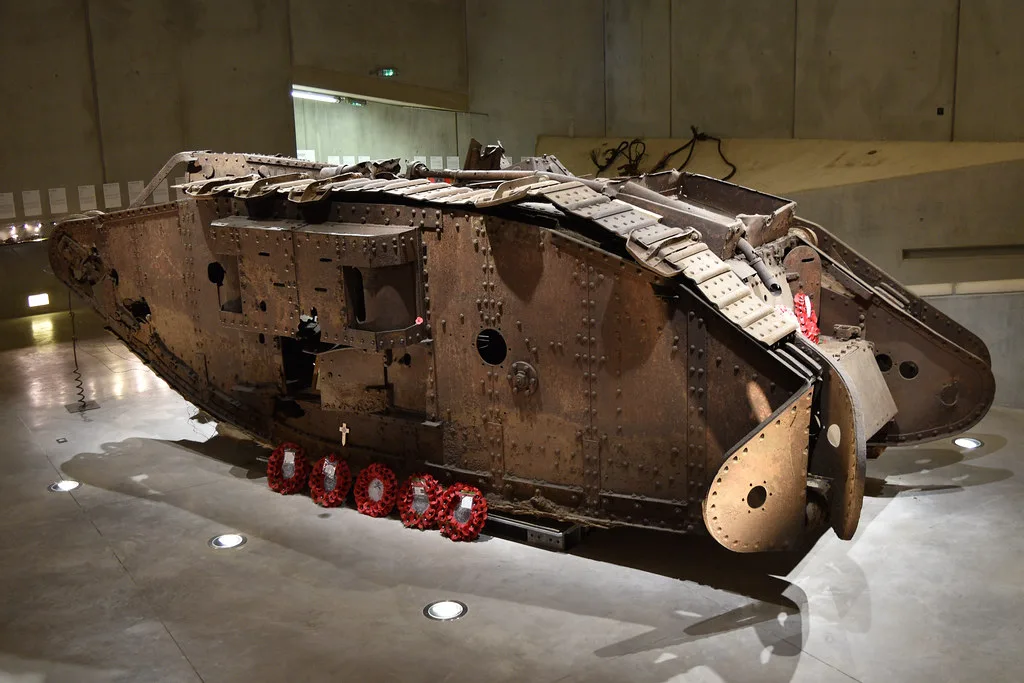
Last updated November 2026. The Battle of Cambrai began on 20 November 1917 and is the usual answer to "cambrai tank 1917": the first large-scale combined use of tanks on the Western Front. British forces broke through the Hindenburg Line in the opening hours, then lost much of the ground to a German counter-attack. Our guide covers the battle in brief, then explains what the ground offers visitors today.
Featured image: HawkeyeUK, CC BY-SA 2.0, via Flickr.
Quick answer: what happened at Cambrai in 1917
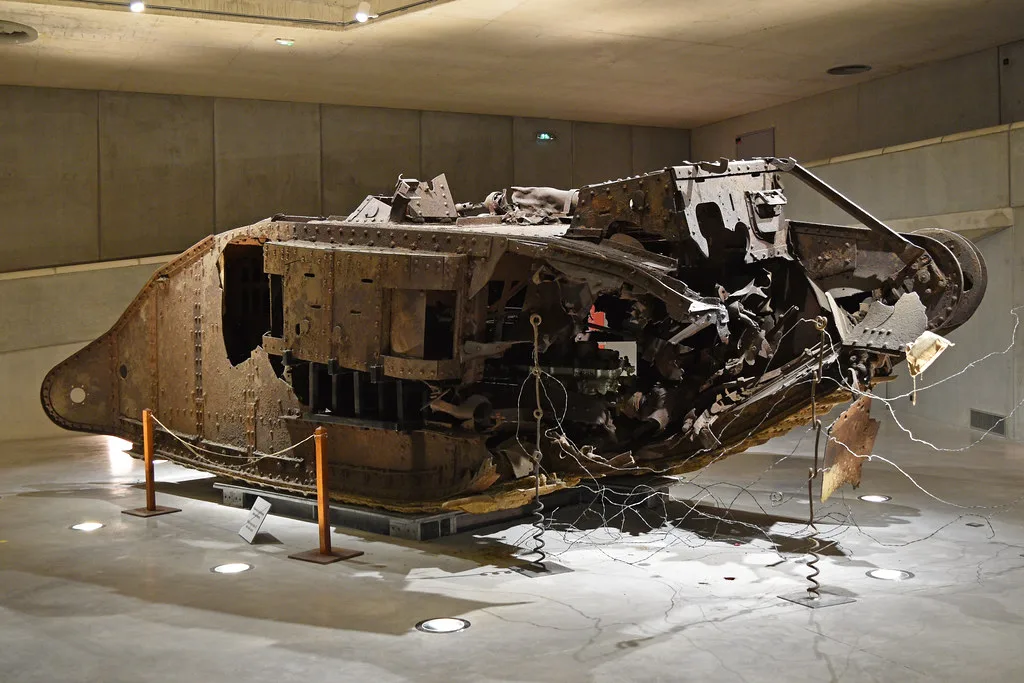
The attack opened at dawn on 20 November 1917 with no preliminary bombardment, so the German Second Army under Georg von der Marwitz had little warning. Tanks led the assault across a front of roughly 6 miles. Infantry and cavalry divisions followed behind them. Accounts differ on exact tank numbers, but figures near 476 are often quoted. Within hours the British pushed about 4 miles forward and broke the three trench systems of the Hindenburg Line. The outcome was mixed: an early breakthrough, then a German counter-attack that reversed much of it. Treat it as neither a pure victory nor a pure failure.
Why Cambrai: the tank case after Passchendaele
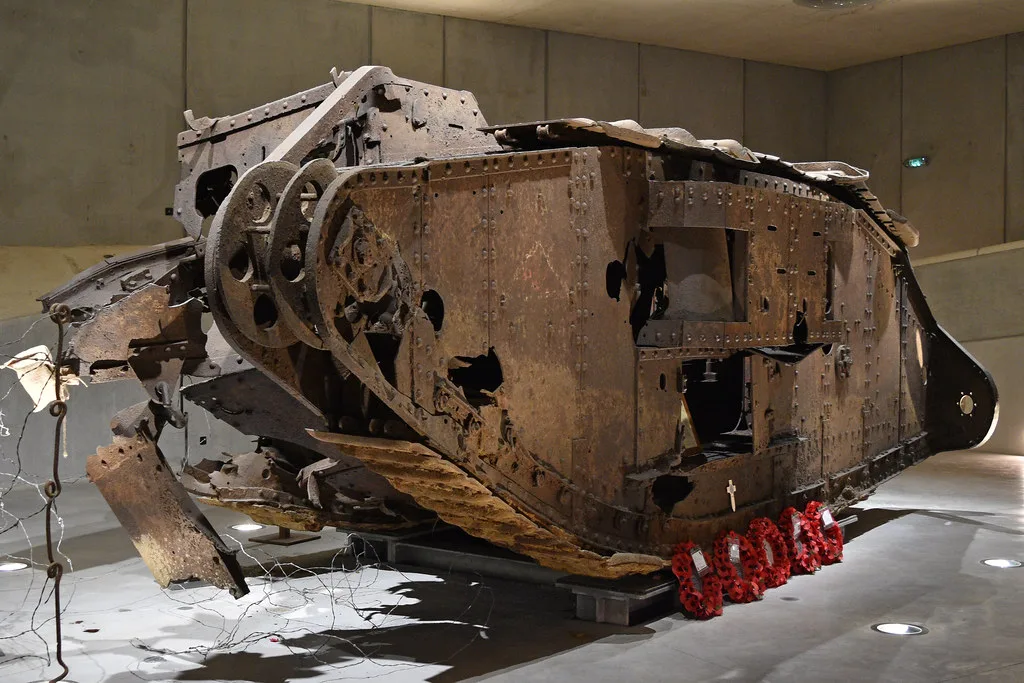
Tanks had struggled in the mud of the Third Battle of Ypres, which left many doubting them. Lieutenant-Colonel John Fuller of the Tank Corps proposed using them on drier ground between the Canal du Nord and the St Quentin Canal. Third Army commander Julian Byng backed the idea. Haig first refused, because he wanted to keep fighting at Passchendaele. He later returned to the plan, wanting a large success with the new weapon before the year ended. Byng also wanted a full breakthrough, not the short raid Fuller first described.
Day one: what the tanks did and where it stalled
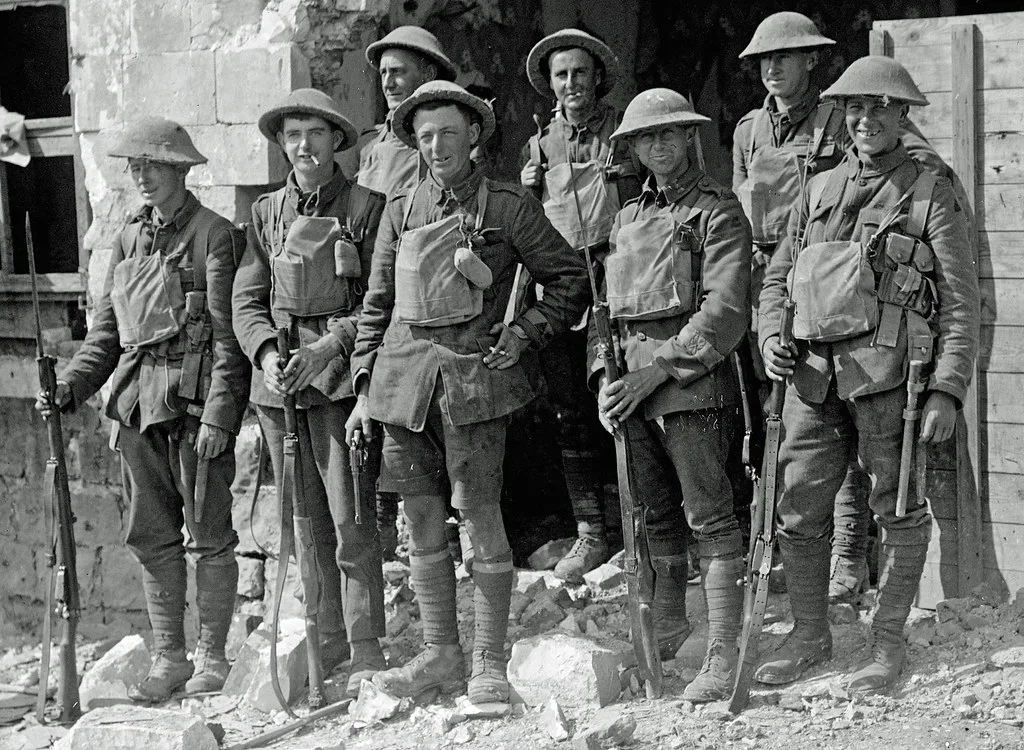
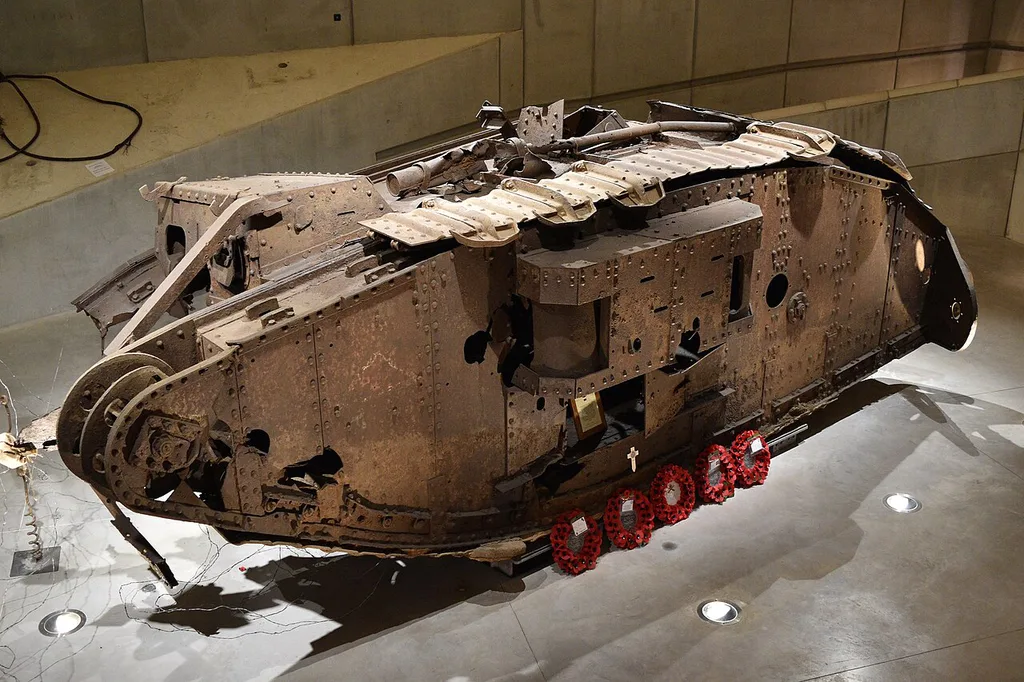
Tanks dragged the thick belts of barbed wire clear of the German lines, which let the infantry cross. Reported day-one gains included about 8,000 prisoners and 100 guns. Resistance hardened at the Flesquières ridge in the centre of the attack. One account says the local divisional commander distrusted tank cooperation, but historians read that point differently. Infantry tired, fuel ran low and a canal bridge was blown just as tanks reached it. Every available tank had been committed, so there were no reserves to exploit the gap. Reports say about half the tanks were out of action by evening.
- Surprise: no bombardment before the assault.
- Weak point: Flesquières ridge, where resistance stiffened.
- Limits: fuel, tired infantry, a destroyed bridge and no tank reserve.
- Crew conditions: Mark IV crews faced heavy noise and fumes, according to anecdotal accounts.
The German counter-attack and result
Reserves reached the Germans within days. Marwitz then launched about 20 divisions using infiltration tactics, named after General Oskar von Hutier. Within roughly a week, most of the ground had been regained. Casualty estimates are disputed. Figures near 50,000 German and 45,000 British are often quoted, so treat them as approximate. In Britain, church bells were rung after the first reports of success. The lasting result was that the Tank Corps had shown what massed armour could do, even without a decisive breakthrough.
Germany answered with about 20 divisions, while British tanks had no reserve left to exploit the gap.
Visiting the Cambrai battlefield today

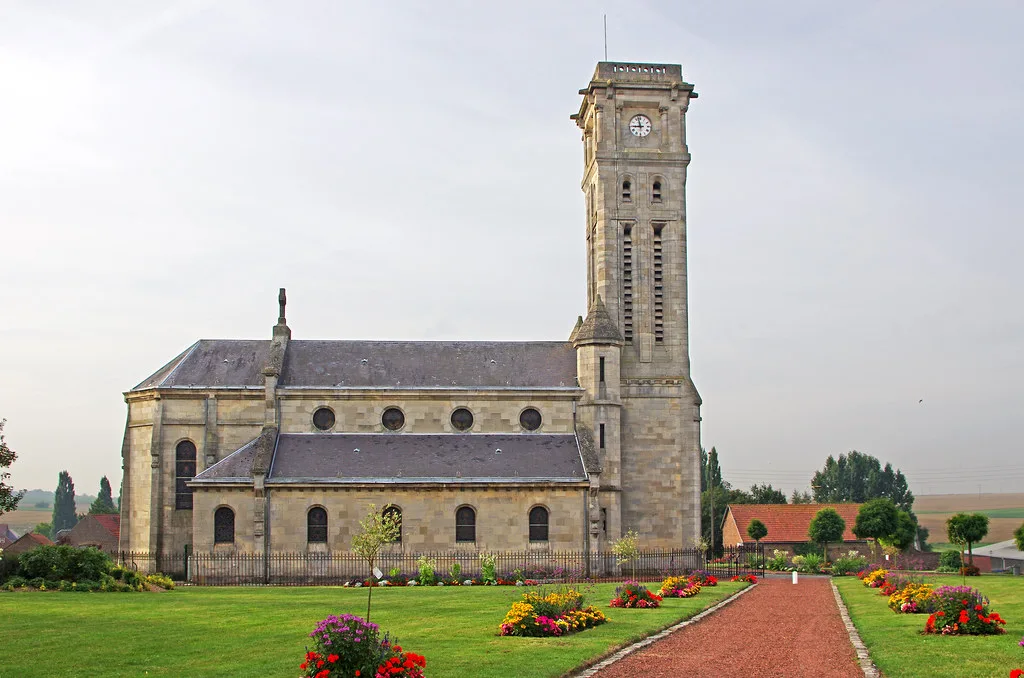
Expect open farmland with scattered memorials, not preserved trenches or tunnels. Flesquières is the place most tied to the tank story, because the ridge was where the advance stalled. Opening days, any local tank displays and winter closures change, so ask the local tourist office before you set out. Commonwealth War Graves Commission cemeteries and the Cambrai Memorial at Louverval are also part of the area's commemoration. Treat them as places of mourning and keep to the quiet, respectful conduct they call for. Without a car the area is hard to cover, so plan a taxi, a bike or a guided tour. Late November brings short daylight, so start early. Check current details on the date you plan to travel.
Visiting in late November means arriving near the battle's anniversary, since the attack began on 20 November 1917.
Decision guide: who should go and how to combine it
Go to Cambrai if the tank story and the ground of a single battle matter most to you. Skip it if you want preserved trenches or tunnels. For those, preserved trenches and tunnels at Vimy are the better choice. Our guide to 4 Vimy Ridge Sights: Memorial, Trenches & Tunnels covers the memorial and its grounds. For an underground visitor experience in Arras, see the Wellington Quarry in Arras and its official site. Check the distance between Cambrai and Arras before you plan a single day, because they are different areas. The Arras tourism office can help with local planning, and our Arras WWI guide lists nearby sites.
| Area | What you see | Preserved trenches or tunnels |
|---|---|---|
| Cambrai | Open farmland, Flesquières ridge, memorials and cemeteries | No |
| Vimy Ridge | Memorial and preserved trench lines | Yes |
| Arras | Town sites and the Wellington Quarry | Underground quarry, not trenches |
Mistakes to avoid
Do not expect trenches or tunnels at Cambrai. Do not assume public transport links the battlefield sites, since the area is spread out. Check seasonal closures before you travel. Do not frame the battle as a pure victory or pure failure. For names of the fallen and a wider commemoration, see the Ring of Remembrance (Notre-Dame-de-Lorette): Visitor Guide.
- Expecting preserved trenches or tunnels.
- Relying on public transport between sites.
- Skipping a closure check in winter.
- Treating the battle as all success or all failure.
Frequently Asked Questions
Why was the Battle of Cambrai important?
It showed that massed tanks, used with infantry and artillery, could break a strong trench line. It also secured the future of the Tank Corps.
Was Cambrai the first use of tanks in war?
No. Tanks first appeared at Flers on the Somme in September 1916. Cambrai was the first large-scale combined use of tanks.
Can you visit the Cambrai battlefield today?
Yes, though it is open farmland with memorials and cemeteries, not preserved trenches. Contact the local tourist office for current opening details.
Keep planning
Guides on the same trip





