
Wellington Quarry (Carrière Wellington), Arras: Visit Guide
Visiting Wellington Quarry (Carrière Wellington) in Arras: what the WWI tunnels are, how the guided visit works, booking, access and how to fit it into a Western Front trip.
In this guide
Last updated November 2026: Wellington Quarry is the Carrière Wellington, a WWI underground museum and memorial in Arras, northern France. You reach it through a guided descent into medieval chalk quarries that New Zealand tunnellers extended before the Battle of Arras. This guide covers the Arras site only, not other quarries or the New Zealand capital.
Featured image: zigazou76, CC BY 4.0, via Flickr.
Wellington Quarry in Arras: the quick answer
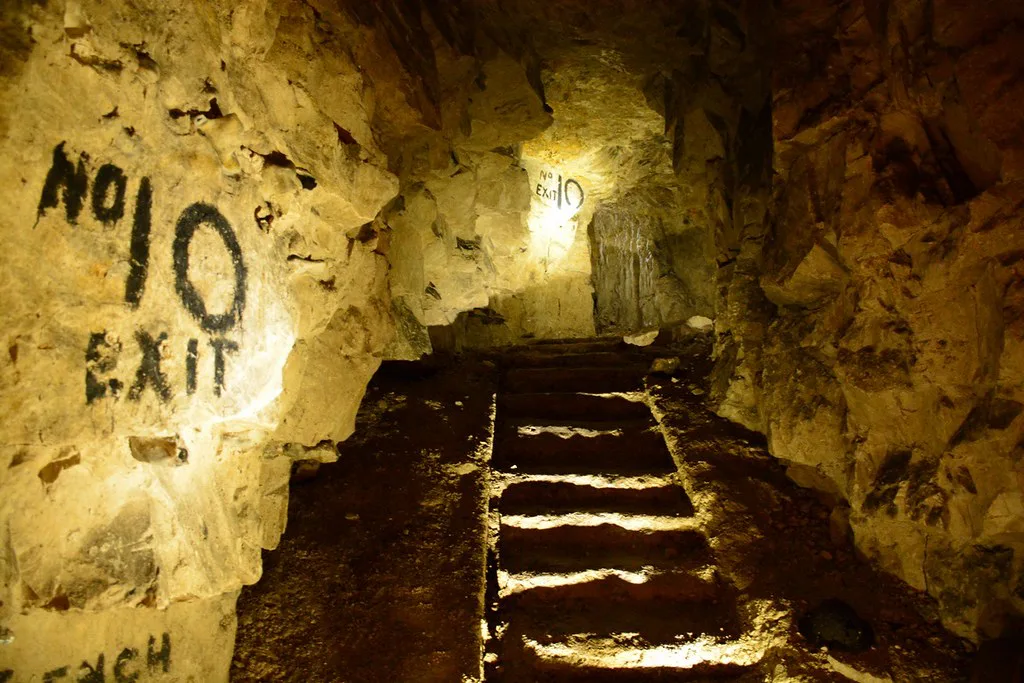
Carrière Wellington lies beneath Arras in the Hauts-de-France region. The address is Rue du Temple, 62000 Arras. Visitors go down about 20 m on a guided visit. Inscriptions and graffiti left by soldiers survive in the chalk walls. Guided commentary, projections and a film explain how the 1917 offensive was prepared. For wider context on the area, start with our Arras First World War sites overview.
The story in brief
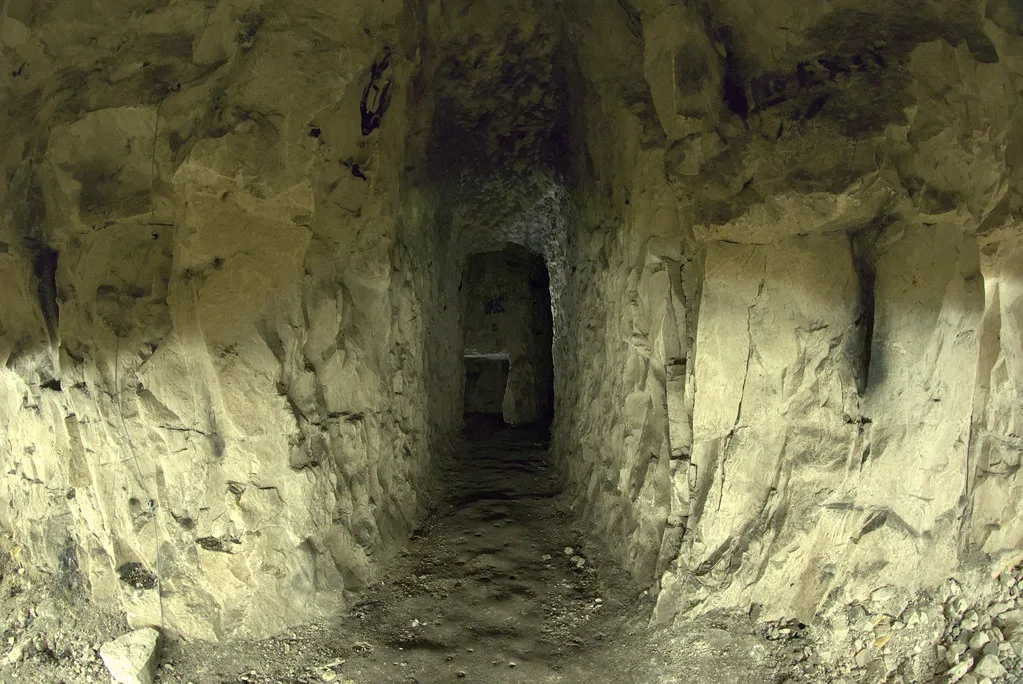
Arras sits above medieval chalk quarries. From 1916, New Zealand and British miners linked and extended them into a tunnel network of about 20 km. Accounts differ on how many troops it could shelter, with figures of 20,000 in some sources and 24,000 in others. Treat either number as approximate. On 9 April 1917, exits were opened and soldiers emerged to attack the German trenches in the Battle of Arras. Tunnels were named after New Zealand cities, and Wellington is that country's capital. That naming is why the museum carries the name it does.
What the visit is like
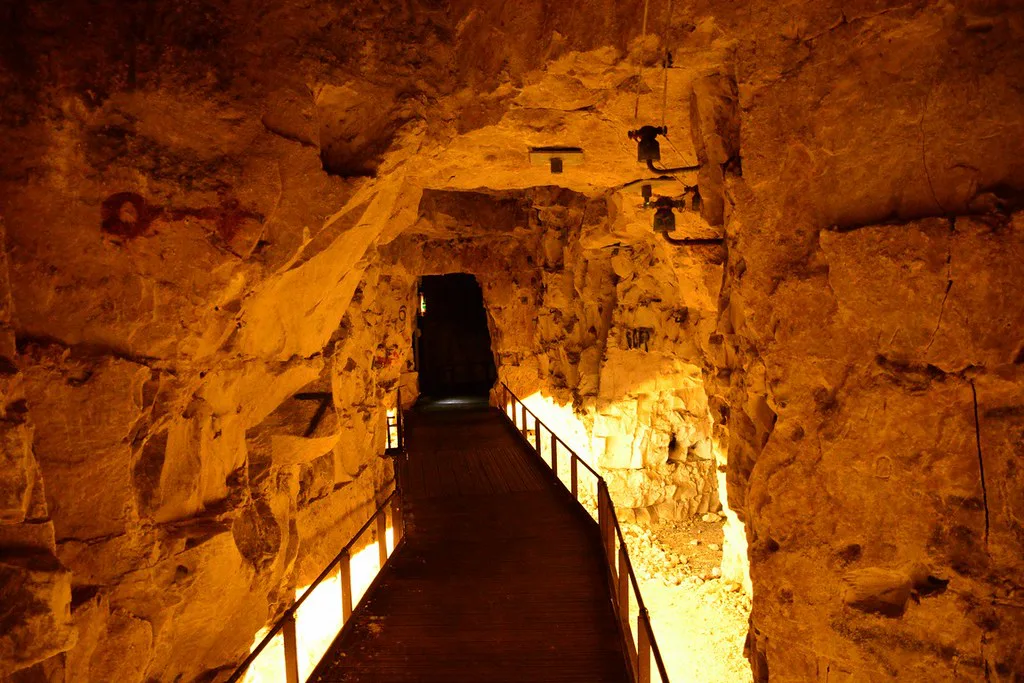
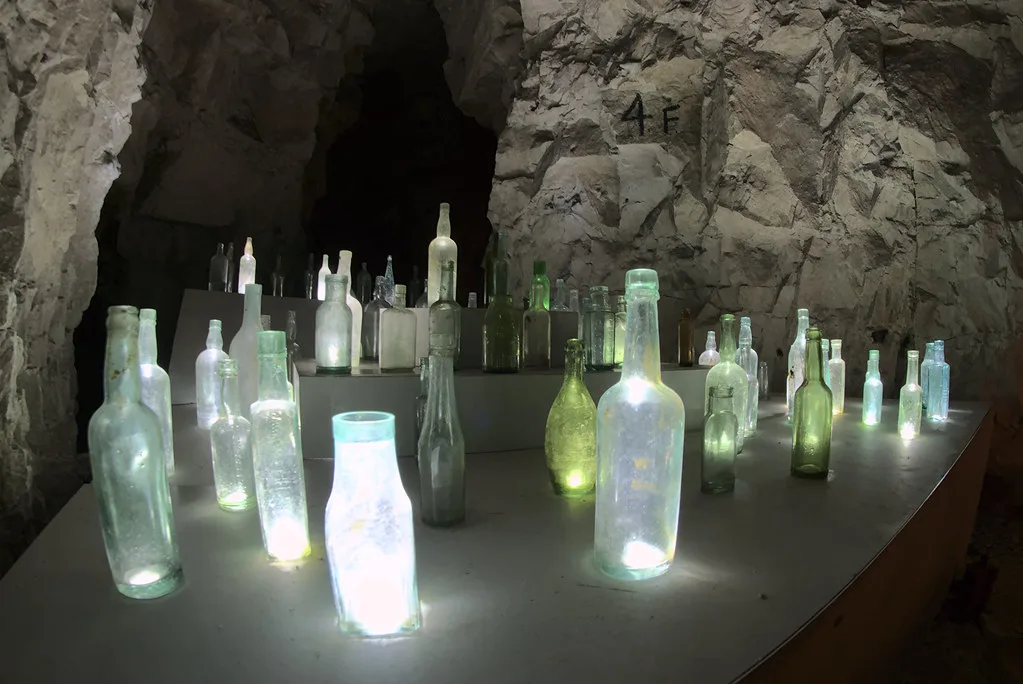
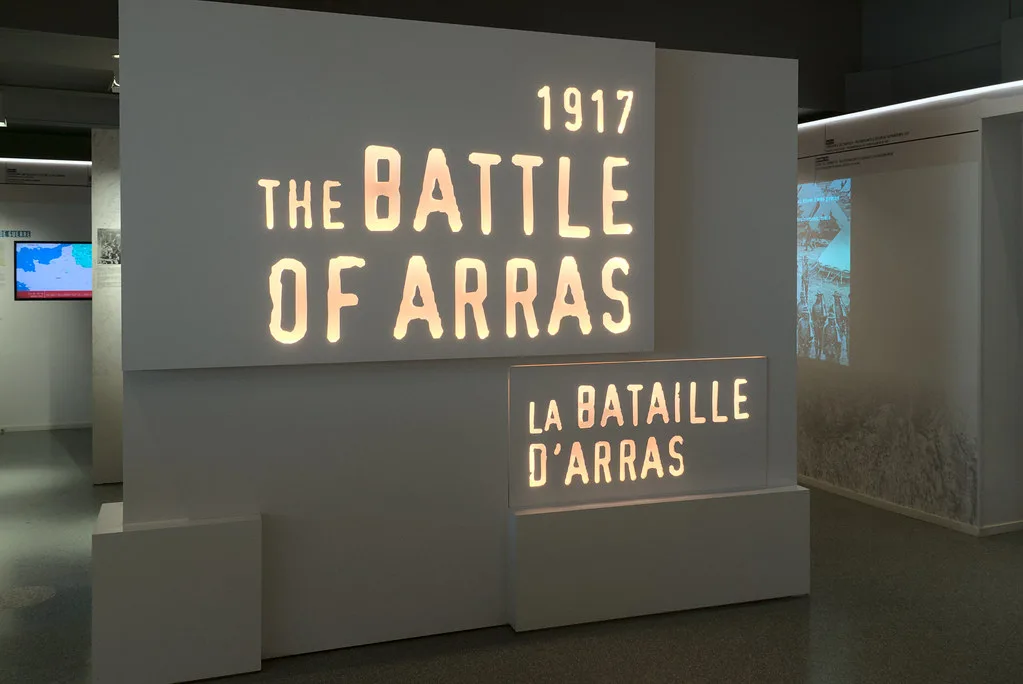
Entry is by guided visit only. You descend about 20 m below the streets of Arras into galleries cut in chalk. Soldiers' inscriptions and graffiti remain on the walls. Projections and a film set out the preparations for the offensive. Chalk workings are generally cooler than the street, so bring a layer. Wear shoes with grip, since underground surfaces can be uneven.
Only part of the 20 km network is shown on a guided visit, so expect a limited route rather than the full tunnel system.
Tickets, hours and booking
Prices, opening hours and tour languages are not listed here because they change by season. Check the official Carrière Wellington site for current figures and booking.
- Mistake to avoid: turning up without a booked slot, since entry is by guided visit.
- Mistake to avoid: confusing this site with other quarries or with the Vimy tunnels, which are a separate visit.
- Mistake to avoid: planning a tight connection afterwards, because the guided format sets the pace, not you.
Getting there and logistics
Carrière Wellington is at Rue du Temple, 62000 Arras. Arras has a railway station, so check SNCF or TER timetables for services from Lille or Paris. Parking and the walking route from the centre are best confirmed with the Arras tourist office. Match your arrival to your booked guided slot rather than the museum's opening time.
Access, comfort and who it suits
A 20 m descent into narrow chalk galleries may not suit visitors with limited mobility or claustrophobia. Ask the official site about lift access, stairs and age guidance for children before you book. Visitors who enjoy reading inscriptions and listening to a guide will get the most from it. Anyone wanting a quick look inside a museum building will find the format slower than expected.
Memorials outside and the 9 April commemoration
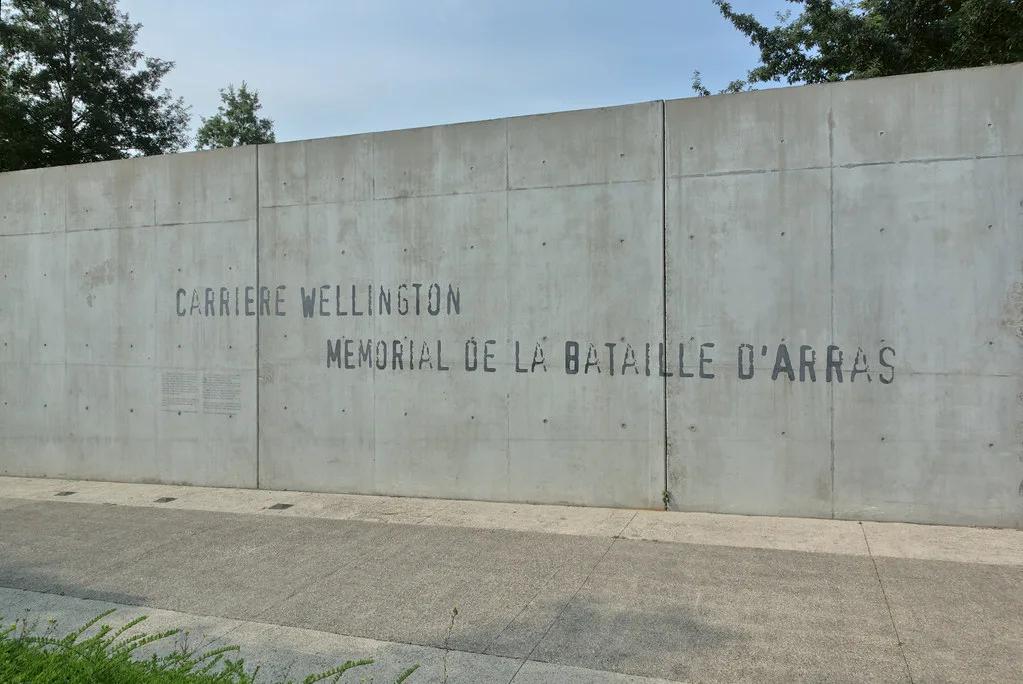
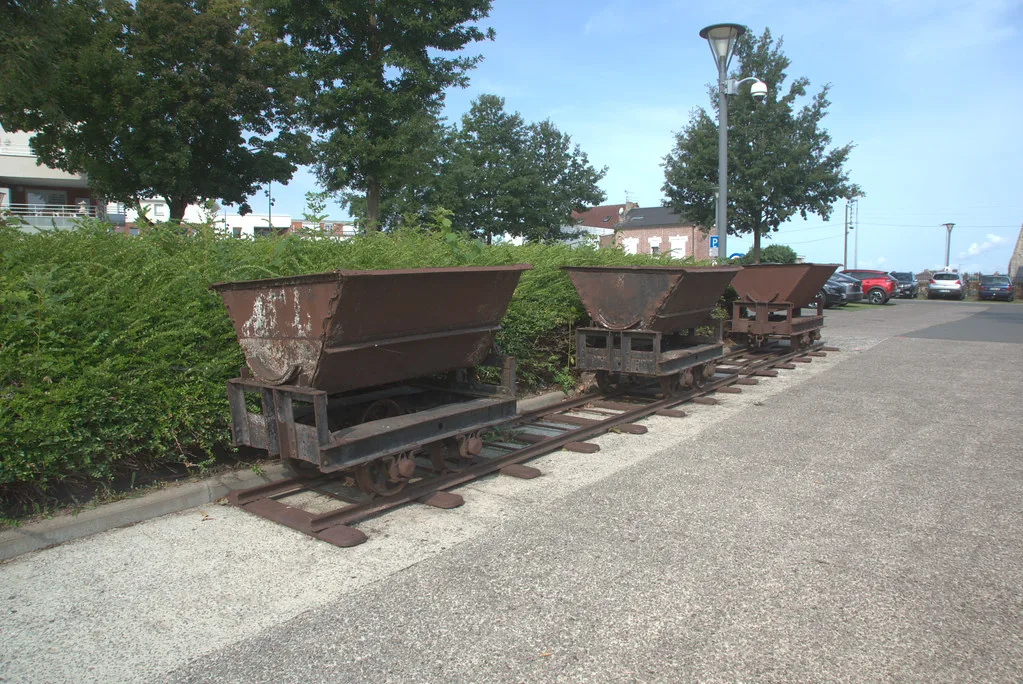
Outside the entrance, one memorial wall honours the regiments of the battle. A second wall honours the New Zealand tunnellers. In a nearby park, the sculpture The Earth Remembers by New Zealand artist Marian Fountain commemorates the tunnellers. A dawn ceremony is reported each 9 April at 6:30 AM, marking the moment the attack began. Ask the official site whether it is open to the public. Treat the site as a memorial and follow your guide's instructions underground.
Pair a 9 April trip with the 6:30 AM ceremony, which falls on the date the 1917 attack began.
Is it worth it? A decision table
Choose Carrière Wellington for the New Zealand tunnelling story and a guided descent. Choose the Vimy tunnels and trenches for preserved front-line ground and the Canadian memorial. Arras town sights suit a flexible, unticketed day.
| Option | Time | Cost tier | Access | Best fit |
|---|---|---|---|---|
| Carrière Wellington | One guided slot | Mid, check official site | Descent of about 20 m | New Zealand tunnellers and the 1917 build-up |
| Vimy tunnels and trenches | Half a day with travel | Check official site | Outdoor ground, short drive from Arras | Front-line landscape and Canadian memorial |
| Arras town sights | Flexible | Mostly low | Street-level walking | Cathedral, belfry and town hall |
Combine it with other stops
For a half-day, visit Carrière Wellington in the morning. Spend the afternoon on foot among Arras Cathedral, the Musée des Beaux-Arts, the Abbey of St. Vaast, the town hall and the belfry. For a full day, add a short drive to the Canadian memorial ground at Vimy. The Ring of Remembrance memorial at Notre-Dame-de-Lorette suits a quieter remembrance stop. Later 1917 fighting is covered in our Cambrai tank battle guide. Further afield, La Coupole France: V-2 Bunker Visit Guide needs its own day. Keep drive time, not distance, as your planning unit.
For the wider city context, see our complete tourism attractions guide.
Frequently Asked Questions
Are there any underground tunnels in Arras?
Yes. Medieval chalk quarries beneath Arras were extended in 1916 into a tunnel network of about 20 km. Part of it can be visited at Carrière Wellington on a guided tour.
How many men could be stationed in the tunnels at Arras?
Sources give 20,000 in some accounts and 24,000 in others. Treat both as approximate figures for the troops sheltered before the attack of 9 April 1917.
Where are the Wellington tunnels?
They lie beneath Arras in northern France, with the museum entrance on Rue du Temple, 62000 Arras. They are named after the New Zealand capital, not any other place called Wellington.
Keep planning
Guides on the same trip





