
Fromelles Visitor Guide: Museum, Cemeteries, Memorials
Plan a visit to Fromelles: Pheasant Wood Cemetery, the museum, VC Corner and the Cobbers memorial, how to get there and how long to allow.
In this guide
Last updated November 2026. Fromelles is a village in northern France, near Lille, where Australian and British forces fought on 19-20 July 1916. This guide covers the sites to see, the order to visit them, and the practical limits of a rural stop.
Featured image: ThruTheseLines, CC BY 2.0, via Flickr.
What Fromelles Is and Why Visit
Fromelles sits in the Hauts-de-France countryside, close to Lille and Armentières. Australians come because the 1916 battle was the first major action by Australian forces on the Western Front. British visitors come for the 61st (South Midland) Division, which fought alongside them. The village has a small, quiet set of memorial sites rather than a single headline attraction.
Best Things To See in Fromelles
Treat these as a short list of memorial sites in a farming landscape. Check each name on the ground, because signage is modest.
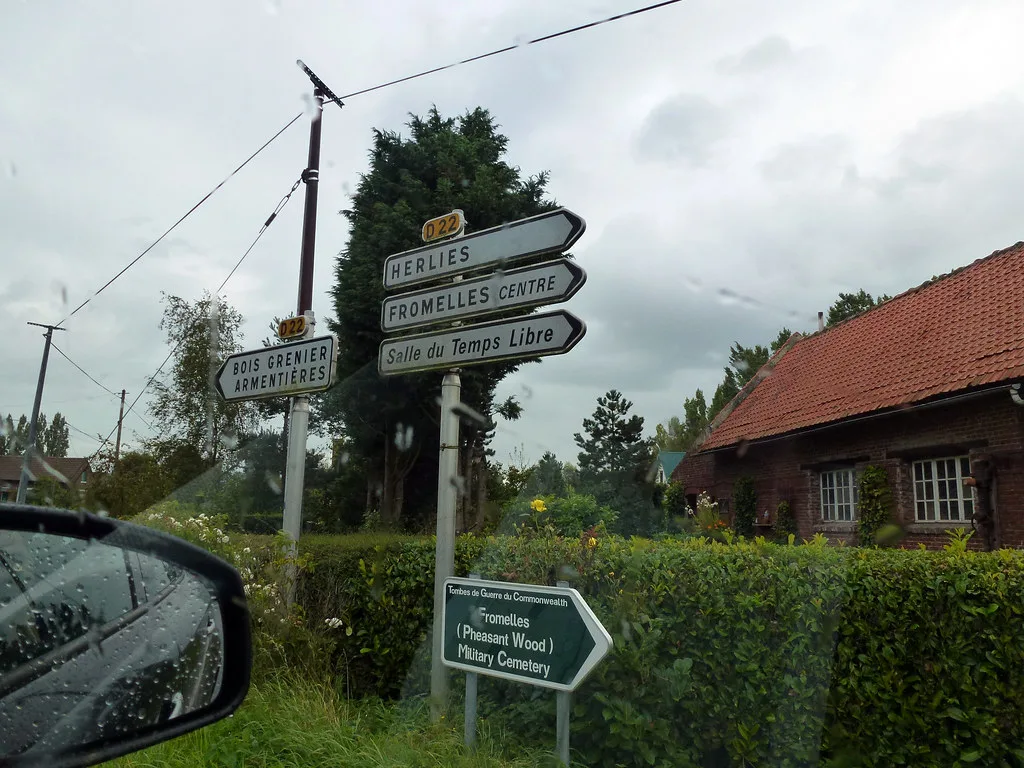
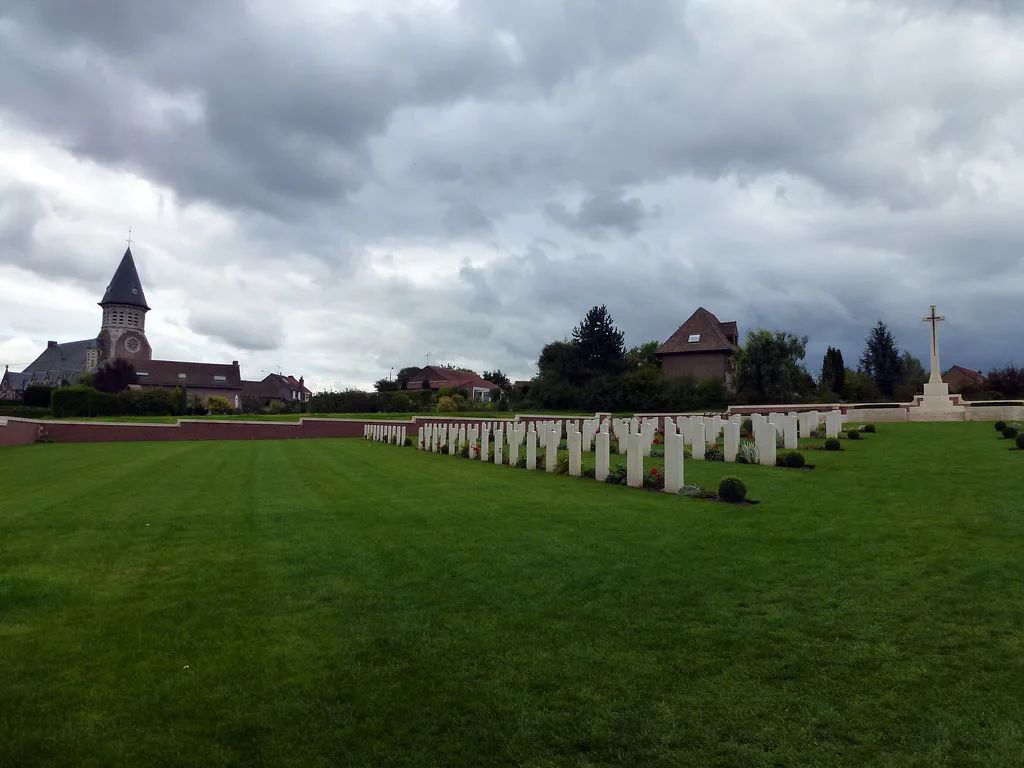
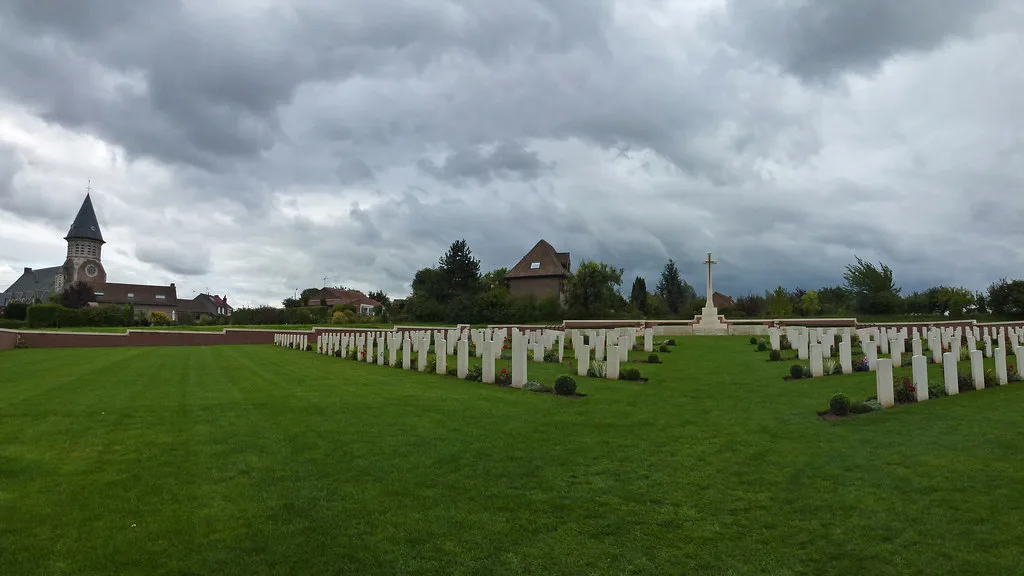
- Fromelles (Pheasant Wood) Military Cemetery: a Commonwealth War Graves Commission cemetery for soldiers recovered from mass graves. It is the main stop for most visitors.
- Fromelles (Pheasant Wood) museum: an interpretive centre that explains the battle and the recovery of the missing. Skip it only if you are short on time.
- VC Corner Cemetery and the Cobbers memorial: an Australian memorial site where the names of the missing are recorded.
- Australian Memorial Park: a small commemorative park linked to the battlefield. Look it up on a map before you set off.
The Battle in Brief
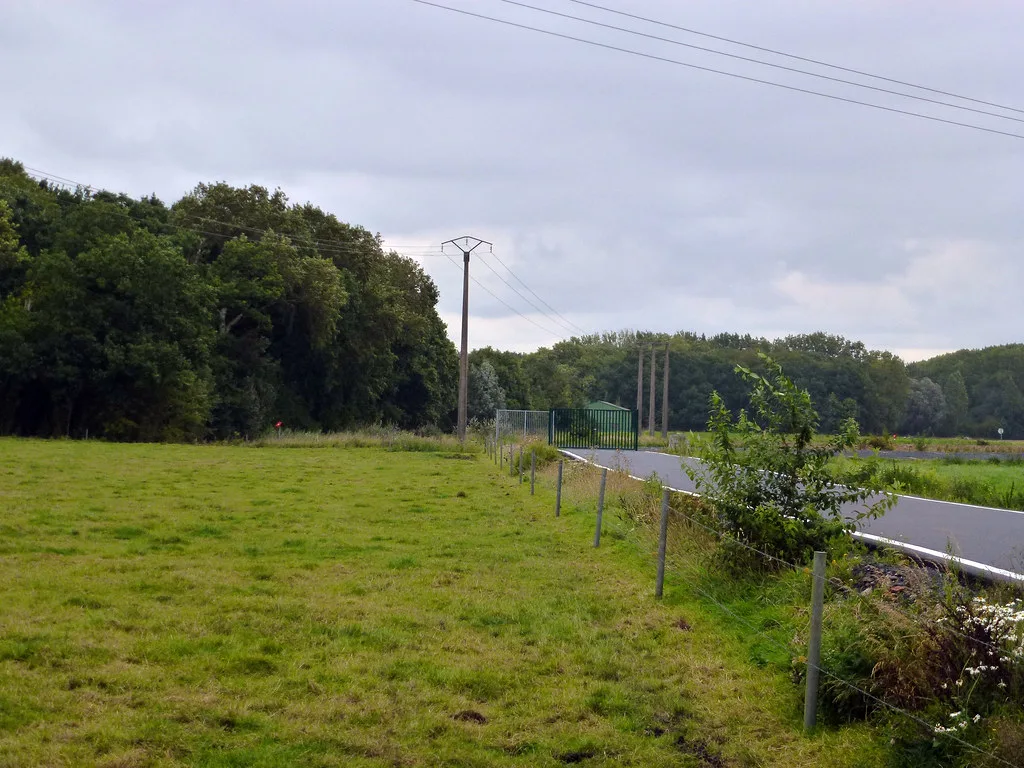
On 19-20 July 1916, the 5th Australian Division and the 61st (South Midland) Division attacked German positions near Fromelles. The attack was a diversion during the wider Somme campaign. Attackers crossed no man's land towards a German salient known as the Sugar Loaf. German machine guns and shellfire stopped them. Australian sources describe it as the worst 24 hours in Australian history. For casualty figures, use the Australian War Memorial or the CWGC rather than secondhand summaries.
How Long To Allow and a Half-Day Route
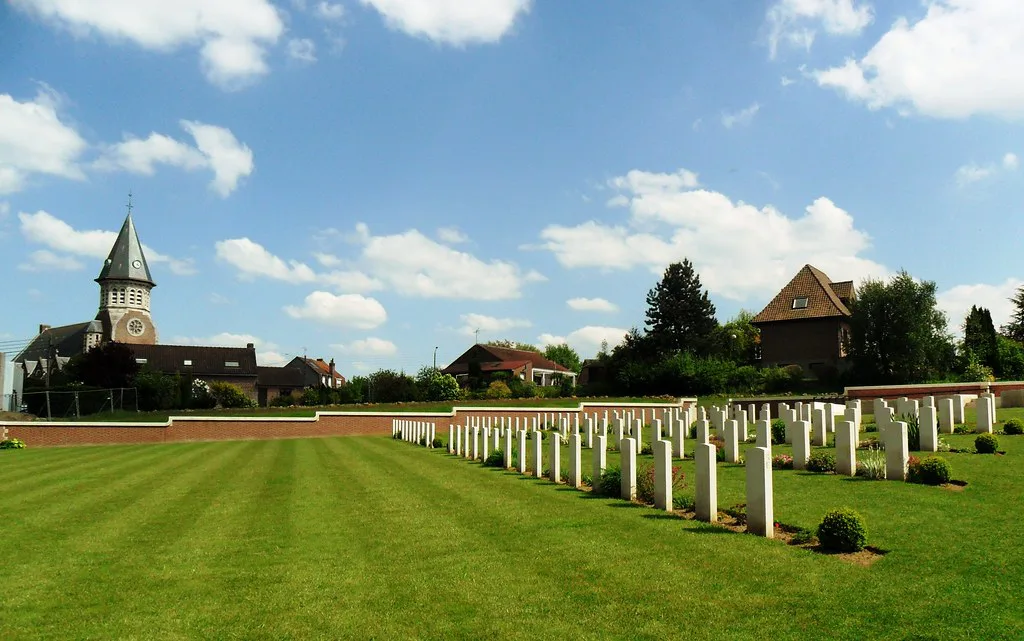
A focused visit to the cemetery and museum takes one to two hours. A half-day suits visitors who want to add VC Corner and the memorial park. Start at the museum for context, then walk or drive to Pheasant Wood Cemetery. Finish at VC Corner and the Cobbers memorial. Check a map before you go, since the sites are spread along rural roads. Skip the museum if you only have a couple of hours in Lille and want to spend that time at the graves.
Costs, Opening Hours and Seasonal Closures
Museum admission, closing days and winter hours are set by the operator and can change. Check the regional tourism site or the museum's own page before you travel. Cemeteries and memorials are open-air sites.
Getting There and Where To Base Yourself
Fromelles is rural, so a car is the practical choice from Lille or Armentières. Public transport is limited, so a taxi or a guided tour is the usual fallback. Check the TER Hauts-de-France timetable for the nearest station before planning. Expect narrow country roads and limited parking near the memorials. Lille offers the widest range of hotels and restaurants. Smaller towns nearby are quieter but have fewer choices. Do not expect cafés at the memorials, so eat before you arrive.
Etiquette and Mistakes To Avoid
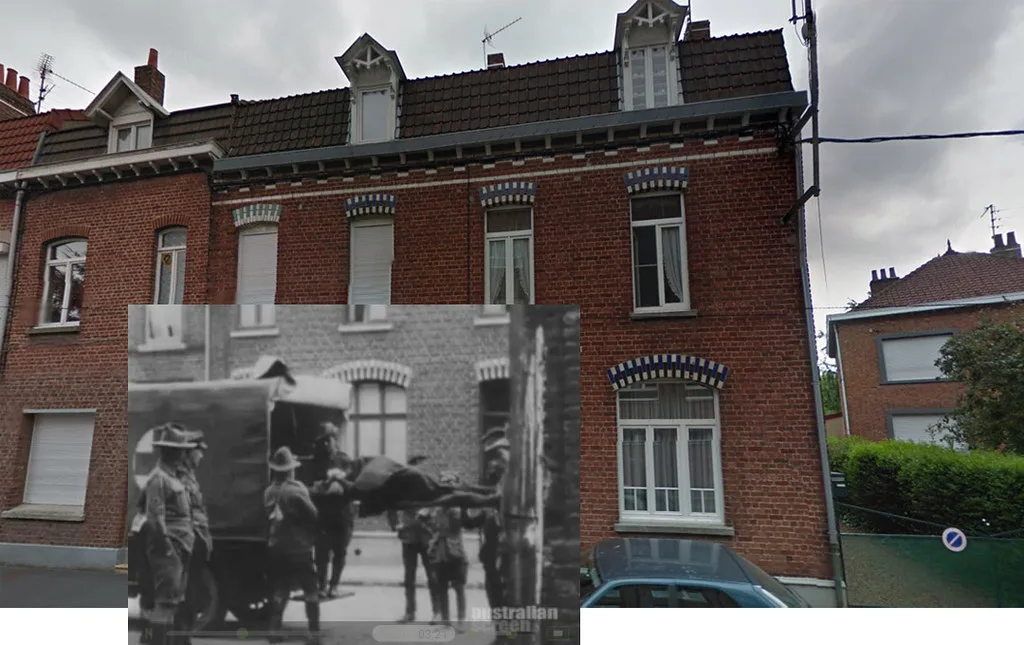
Fromelles holds war graves, and visitors should behave as they would at any cemetery. Keep voices low, stay on the paths and do not fly drones. Do not treat the stop as a quick photo opportunity. Read the posted visitor rules at each site. The wider Ring of Remembrance (Notre-Dame-de-Lorette): Visitor Guide shows how France commemorates its war dead. Descendants can search for a relative's name on the CWGC and Australian War Memorial databases before they travel.
Combine Fromelles With Other WWI Stops
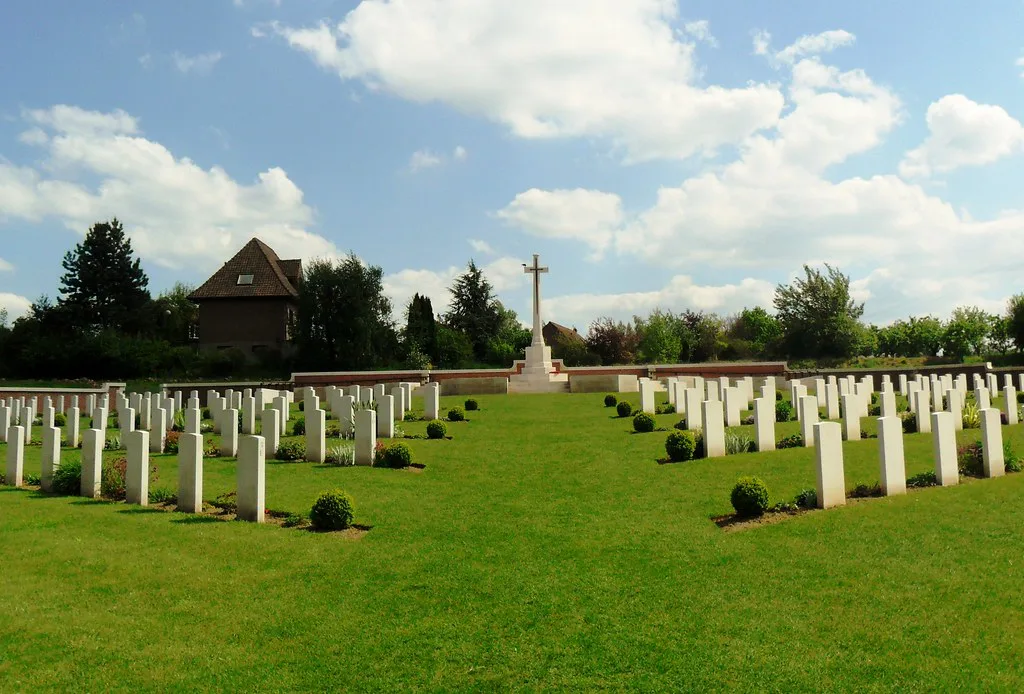
Fromelles pairs well with other Western Front sites in the north. Arras is a natural base, and its Wellington Quarry tunnels are a short extension. For a wider Arras itinerary, see our Arras WWI guide. Canadian history sits at Vimy Ridge memorial park, which contrasts with Fromelles' Australian focus. If you also want a WWII stop, Blockhaus d'Eperlecques is a different era.
Researching a Relative Before Your Visit
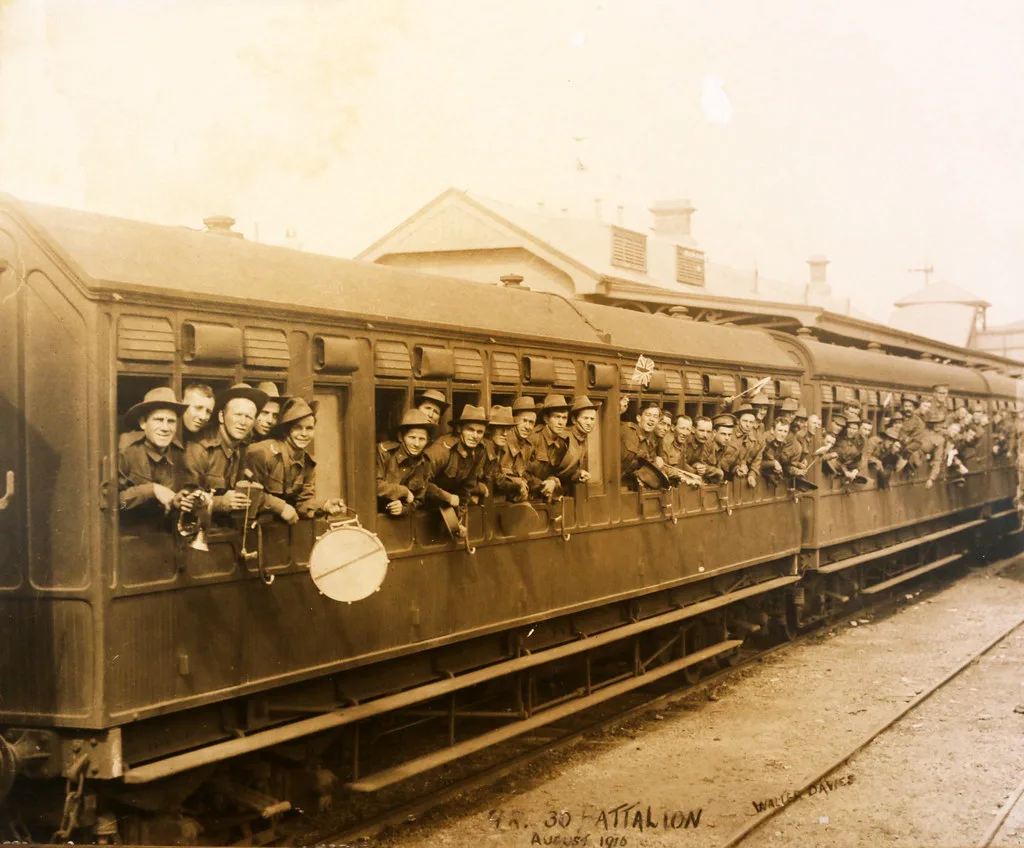
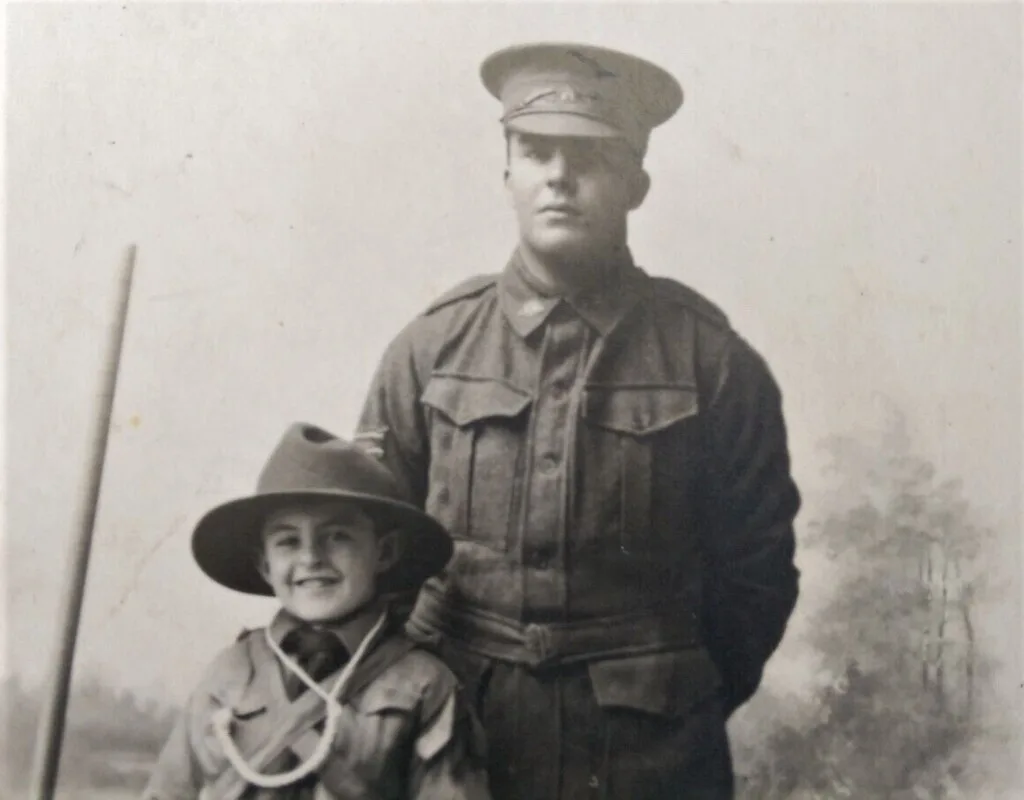
If you are visiting for a family connection, search the CWGC and Australian War Memorial databases before leaving. Record the person’s full name, service number and unit. This makes it easier to understand which memorial or cemetery may be most relevant.
The battle took place on 19-20 July 1916. The 5th Australian Division and the 61st (South Midland) Division fought there. Those details can help distinguish a Fromelles casualty from someone who served elsewhere on the Western Front.
Bring a downloaded record or a printed note. Mobile coverage can be unreliable on rural roads. At VC Corner, names of missing Australians are commemorated rather than marked by individual graves. Pheasant Wood is the more appropriate stop for visitors whose research identifies a burial there.
Keep planning
Guides on the same trip





