
Arras WW1 Guide: Tunnels, Memorials & Vimy
Visiting Arras for WW1? Compare Wellington Quarry, the Arras Memorial and Vimy Ridge, with timing tips, access trade-offs and who can skip what.
In this guide
Last updated November 2026. An Arras WW1 visit rests on the Battle of Arras, which began on 9 April 1917 and ran to 16 May 1917. In town, the sites to see are Wellington Quarry and the Arras Memorial and Flying Services Memorial at the Faubourg d'Amiens. Vimy Ridge lies outside town and completes the core of any trip.
Featured image: Dsch67, CC BY-SA 3.0, via Wikimedia Commons.

Arras in WW1: the short version
Arras was the hub of the British offensive that opened on 9 April 1917. The battle was planned to draw German forces away from the Nivelle Offensive, about 80 miles to the south. British, Canadian, Australian and German forces all fought in it. Today, the visitor story splits into underground tunnels, memorials and cemeteries, and the ridge to the north.
What to see: ranking by visitor need
Each stop below has a clear best use. Pick by what you want from the day, then cut the rest.
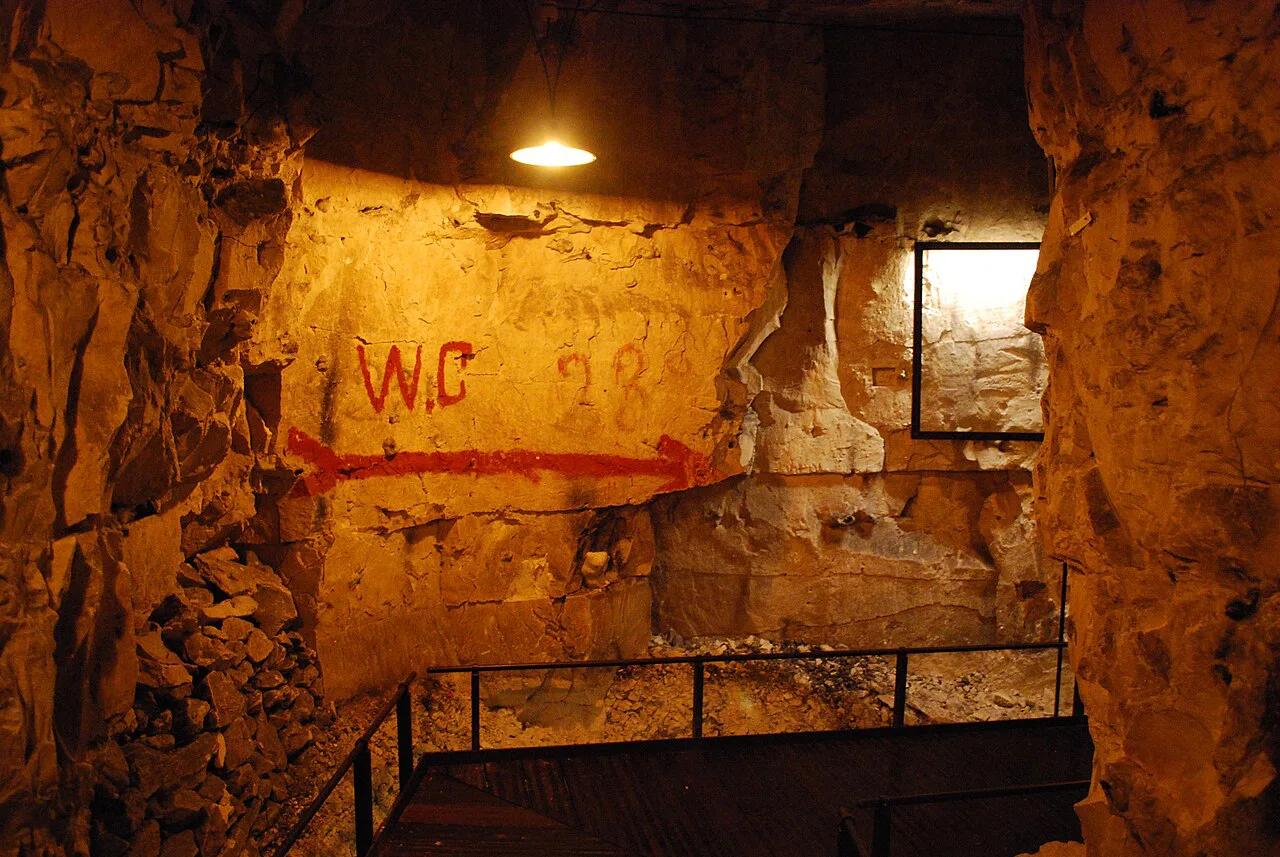
- Wellington Quarry: best for understanding how troops were hidden underground before the attack. Skip if tunnels or low light are a problem. Our guide to Wellington Quarry tunnels covers the visit in detail. The official Carrière Wellington site carries current visit information.
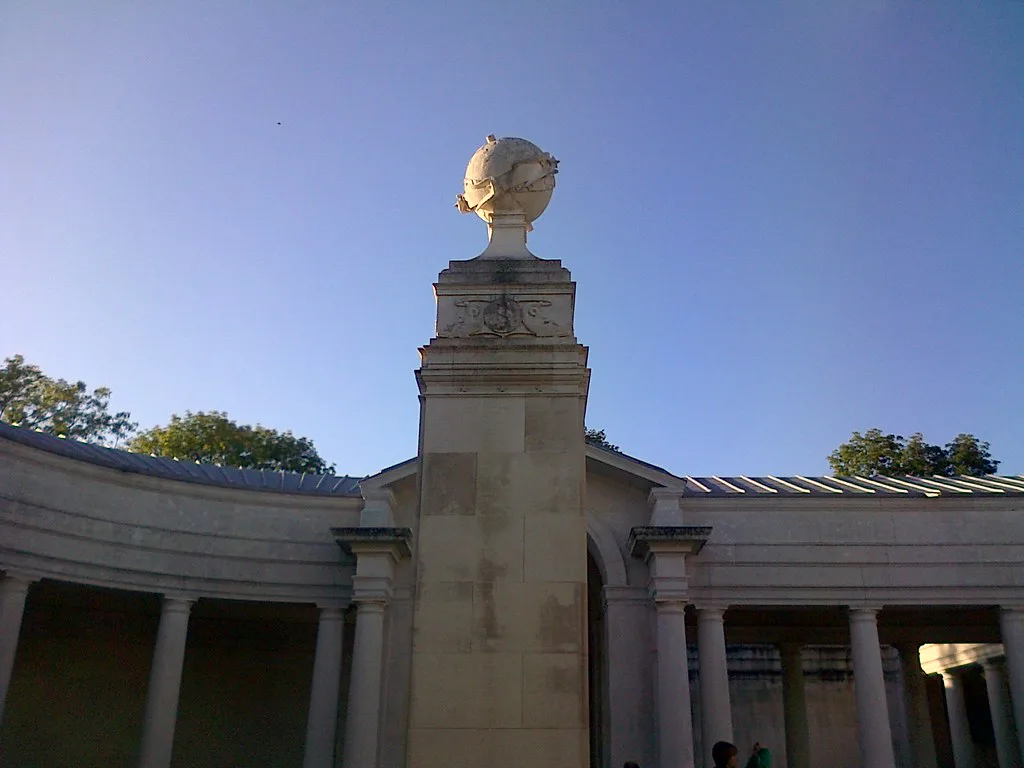
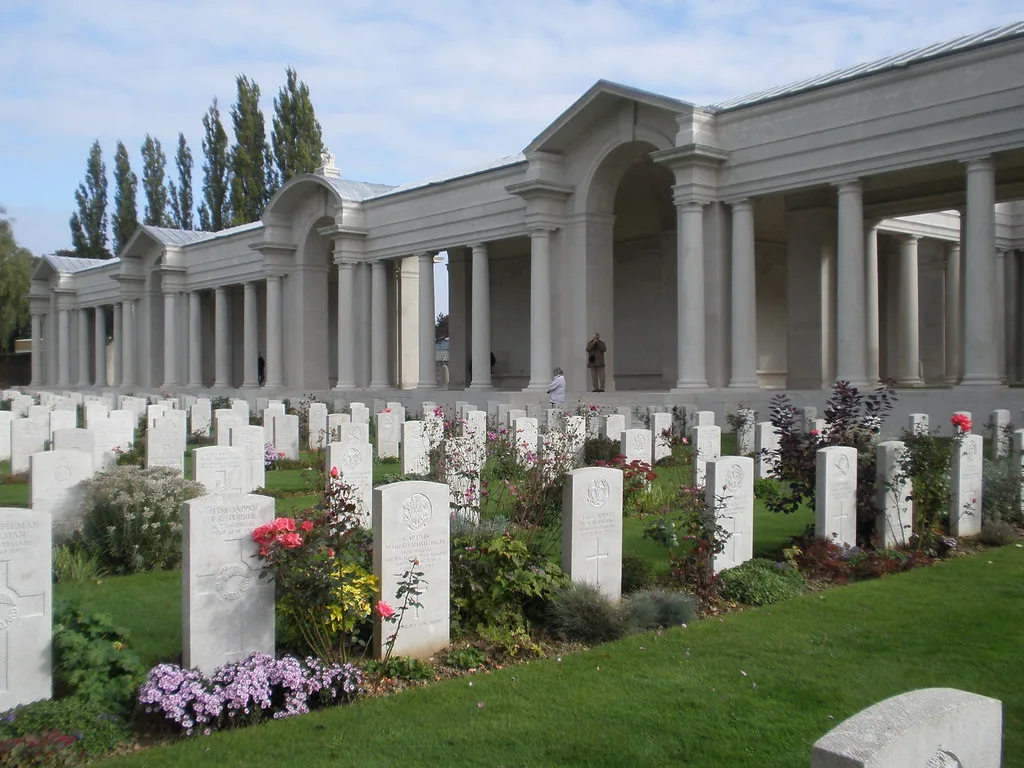
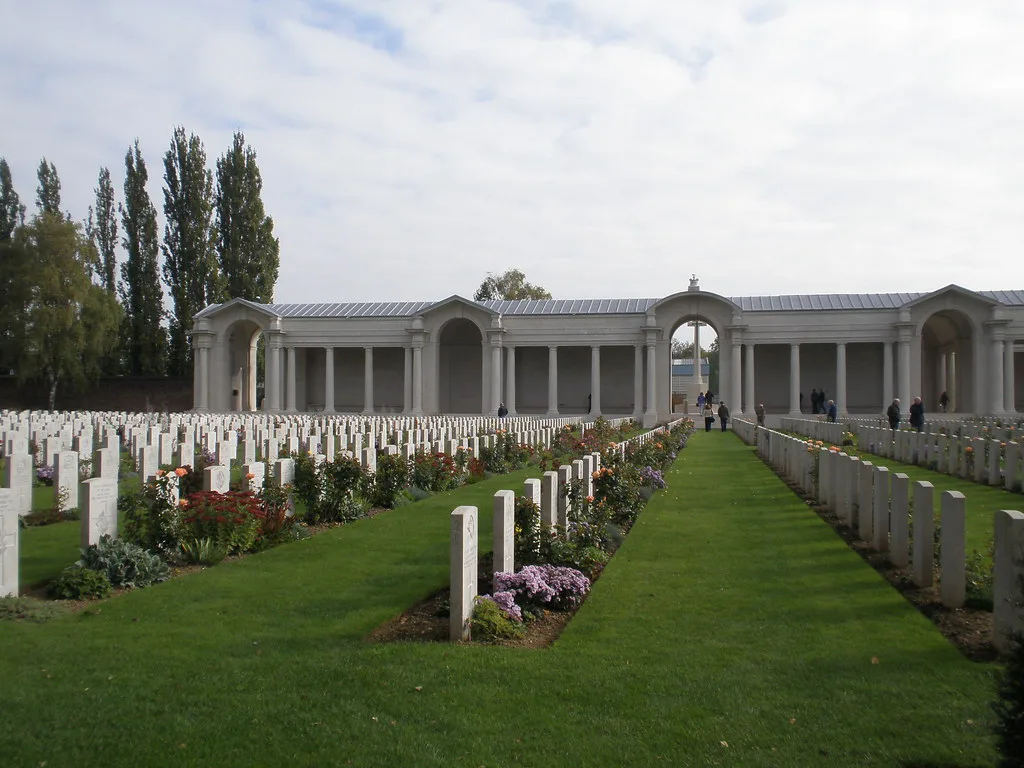
- Arras Memorial and Flying Services Memorial: best for a quiet, free stop in town at the Faubourg d'Amiens. Skip if you only want interpretive displays, because this is a place of remembrance rather than a museum. The Commonwealth War Graves Commission maintains the site.
- Vimy Ridge: best for preserved trenches, the memorial and the ground itself. Skip if you have no transport and only half a day. Start with our Vimy Ridge visitor guide. Then read about the tunnels and trenches before you book anything.
- Notre-Dame-de-Lorette: best for a large, calm memorial landscape. Skip if time is tight, since it is another outlying stop. See the Ring of Remembrance (Notre-Dame-de-Lorette): Visitor Guide for what it holds.
How long to allow
These figures are suggestions, not official durations. Adjust them for tunnel tour slots and your own pace.
| Time budget | What fits | What to cut |
|---|---|---|
| Half day | Wellington Quarry plus the Arras Memorial in town | Vimy Ridge and Notre-Dame-de-Lorette |
| One day | Wellington Quarry in the morning, Vimy Ridge in the afternoon | The Arras Memorial, or Notre-Dame-de-Lorette |
| Two days | Arras sites on day one, Vimy Ridge and Notre-Dame-de-Lorette on day two | Nothing from the core list |
Getting around: Arras base vs car
Wellington Quarry and the Arras Memorial are in town, so you can reach them from an Arras base without a car. Vimy Ridge and the Notre-Dame-de-Lorette memorial are outside town. Rural memorial sites can be hard to reach by public transport. A car, taxi or organised tour gives you the most flexibility. For trains and buses, check SNCF, TER and the Arras tourist office before you plan a no-car day.
Costs, tickets and opening hours
Underground tours are usually timed and can sell out, so check booking rules on the official Wellington Quarry site. Open-air memorials and cemeteries are free to enter and flexible. Prices, hours and seasonal or winter closures change, so confirm them on the official pages for each site. Pas-de-Calais Tourisme lists regional information.
Where to stay
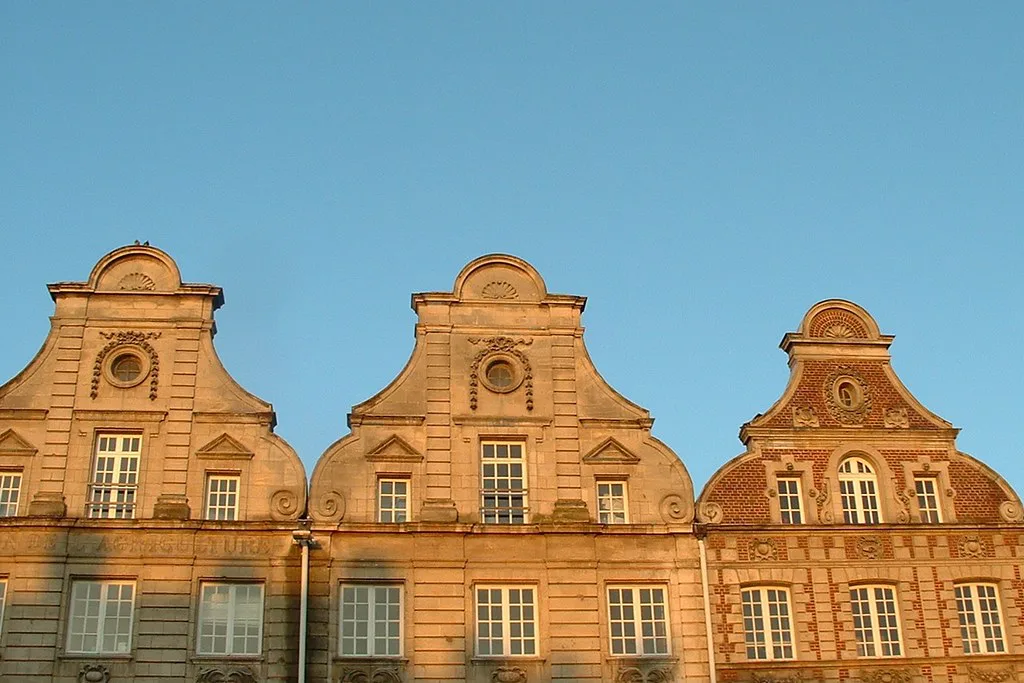
Staying in Arras town centre keeps you within walking distance of the squares, restaurants and the station. A room near the station suits a no-car plan with early starts. Sites such as Vimy Ridge are a short drive or taxi ride out. Check current availability with the tourist office.
Mistakes to avoid
A few planning errors cost visitors the most time.
- Trying to fit every site into one day. Choose from the time-budget table instead.
- Assuming tunnels are open. Check days and booking before you arrive.
- Wearing unsuitable footwear. Trenches and tunnels are uneven, and sturdy shoes are general good advice.
- Arriving on a closing day. Verify each venue's weekly closure.
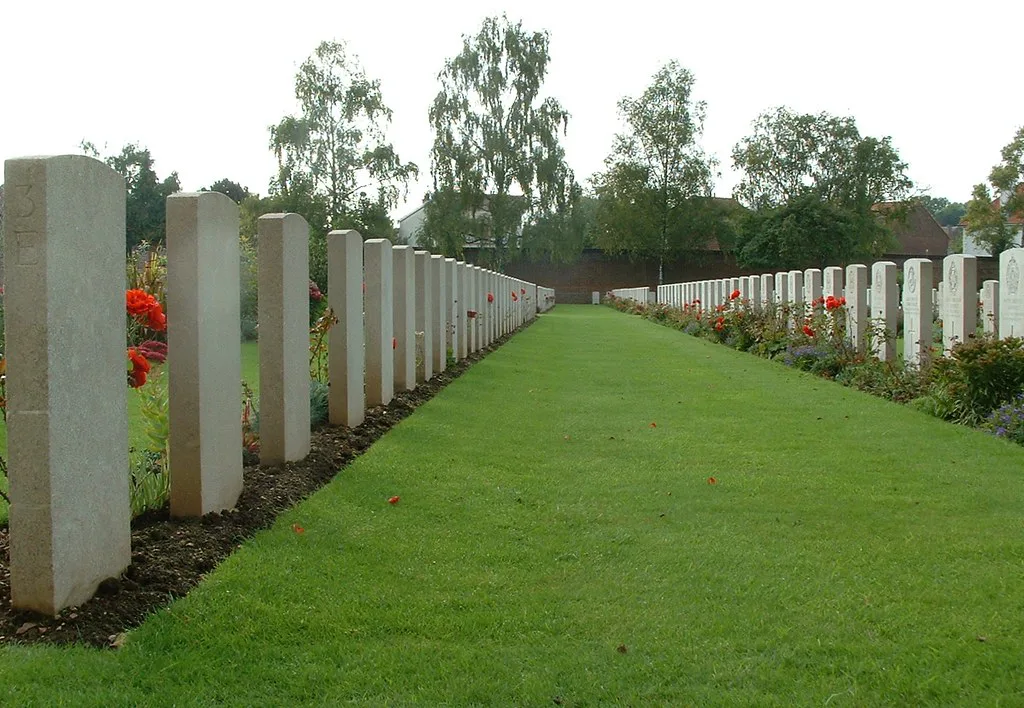
- Treating cemeteries as photo stops. Keep voices low, dress simply and follow posted rules, including any drone restrictions.
Extend the trip
With more time, other Western Front sites in this cluster add depth. Cambrai tank battle sites cover the 1917 fighting further on. Read about Fromelles for the Australian story. Étaples Military Cemetery: Visitor Guide to the CWGC Site in Pas de Calais shows the scale of the hospital and base area behind the lines.
The human cost of the Battle of Arras
The Battle of Arras was not a single-site action. It was a five-week offensive, running from 9 April to 16 May 1917, across ground now marked by memorials and cemeteries.
Commonly quoted totals put British casualties at about 158,000 and German casualties at about 125,000. Such figures include killed, wounded, missing and captured men, so they are not death totals alone.
This scale helps explain why a visit should include both interpretive sites and places of remembrance. Wellington Quarry explains the preparations for the opening attack. The Arras Memorial records those with no known grave. Vimy Ridge shows how the landscape shaped the wider offensive.
Allow time for quiet reflection at cemeteries and memorials. They are working commemorative places, not simply viewpoints on a battlefield route.
Frequently Asked Questions
Where was the Battle of Arras in 1917?
It was fought around the town of Arras in northern France, from 9 April to 16 May 1917. Vimy Ridge to the north formed part of the wider offensive.
Are there any underground tunnels in Arras?
Yes. Wellington Quarry offers a visit to the underground chambers used before the 1917 attack. Check the official site for current opening days and booking.
Keep planning
Guides on the same trip






