
Batterie Todt: Visit Guide to the Atlantic Wall Museum
Visiting Batterie Todt near Calais: what survives, museum closures, how long to allow, nearby sights, and who it suits.
In this guide
Last updated November 2026: Batterie Todt is a Second World War German coastal artillery battery near Audinghen and Cap Gris-Nez. Four 380 mm guns here could reach the English coast, and Turm 1 now holds the Musée du Mur de l'Atlantique. Anyone reading this in late November should know the museum is closed until after 12 February 2027.
Featured image: Pierre Andre Leclercq, CC BY-SA 2.0, via Flickr.
Batterie Todt at a glance
Batterie Todt, also called the Todt Battery, was built by Organisation Todt from July 1940. Its four Krupp 380 mm guns could shell targets more than 50 km (over 31 miles) away across the Dover Strait. Turm 1 is the only casemate run as a museum. Official figures put a visit at 1.5 to 2.5 hours. Tables below cover opening dates, access to each Turm and a plan for your day.
| Quick fact | Detail |
|---|---|
| Location | Route du Musée, 62179 Audinghen (Haringzelles hamlet), between Calais and Boulogne-sur-Mer |
| Open to visitors | Turm 1 (Musée du Mur de l'Atlantique) and the K5 railway gun outside |
| Normal hours | Tuesday to Sunday, 10:00 to 18:00; last admission 17:00; closed Monday |
| Closures | 31 August to 4 September 2026; 9 November 2026 to 12 February 2027 inclusive |
| Official time estimate | 1.5 to 2.5 hours |
| Best for | Atlantic Wall enthusiasts, UK day-trippers, families who will supervise children |
| Skip it if | You travel between 9 November and 12 February, or expect all four Turms to be open |
Check before you go: opening dates and closures
Closures are the main planning trap. Pas-de-Calais Tourisme lists an annual closure from Monday 9 November 2026 to Friday 12 February 2027 inclusive. That window includes today's date, so a drive this week would end at a locked site. Normal hours run Tuesday to Sunday, 10:00 to 18:00, with last admission at 17:00. Monday is a closed day. A shorter summer closure ran from 31 August to 4 September 2026. Phone +33 9 66 91 97 33 with questions, and check the museum's own site before you set out.
- Mistake to avoid: arriving between 9 November and 12 February.
- Mistake to avoid: planning the visit for a Monday.
- Mistake to avoid: entering Turms that are blocked or unsafe.
- Mistake to avoid: confusing the K5 railway gun with the 380 mm battery guns.
If the museum is shut
Shut doors do not have to cancel the trip. Cap Gris-Nez offers views across the Strait of Dover. On clear days, the tourism office says, the white cliffs of Dover can be seen from there, and the weather decides. Musée 39-45 in Ambleteuse is a second wartime option on the same coast.
What you can see at Batterie Todt: the four Turms compared
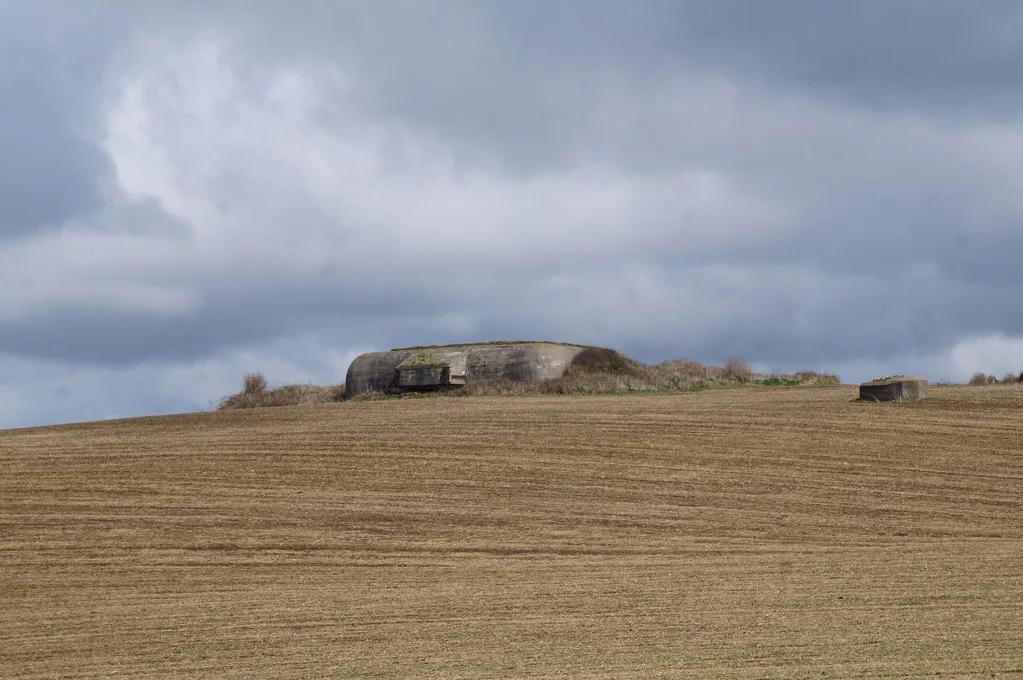
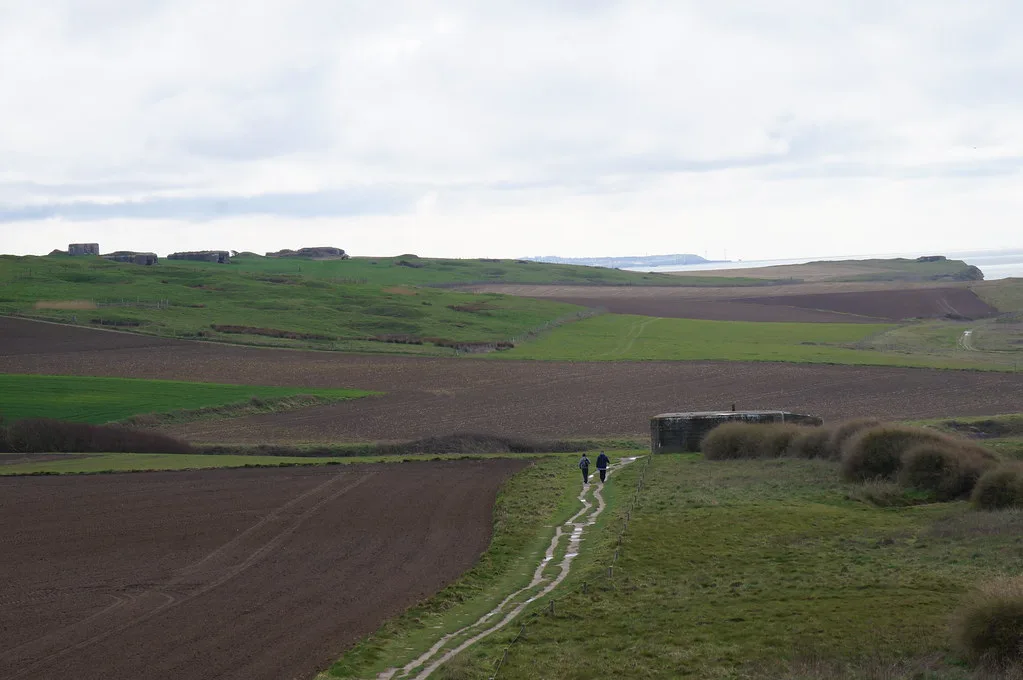
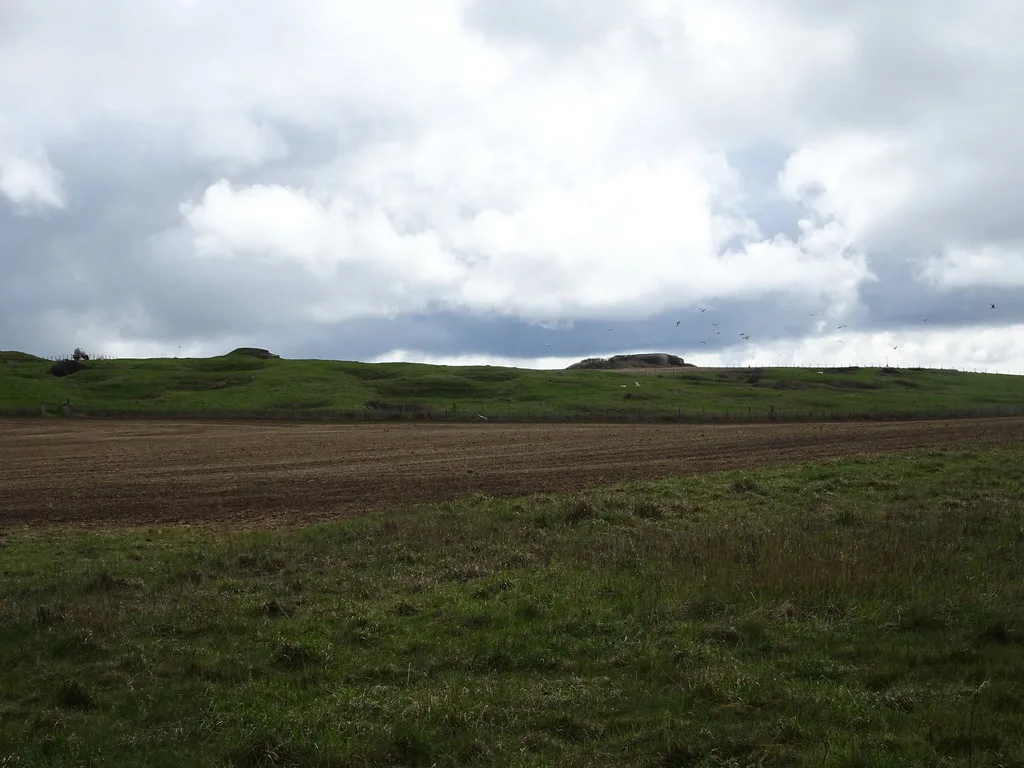
Four casemates stand on the plateau of Haringzelles, roughly 3 km southeast of Cap Gris-Nez. Access differs sharply between them. Only Turm 1 belongs to the museum visit. Outdoor Turms 2 to 4 are described in visitor accounts that may now be out of date, so treat the table as background rather than permission to enter.
| Turm | Access | What to know |
|---|---|---|
| Turm 1 | Museum, open in season | Original chambers, K5 railway gun outside, vehicles, uniforms and weapons |
| Turm 2 | Blocked to the public | Reported as a wildlife refuge, including bats; do not enter |
| Turm 3 | Ruin; approach with care | Wrecked by an accidental explosion after the war; large concrete fragments lie in the surrounding woods |
| Turm 4 | Open to the elements; use caution | Lower levels sealed; the gun room is often flooded; observation posts sit on top |
Inside Turm 1 and the K5 gun
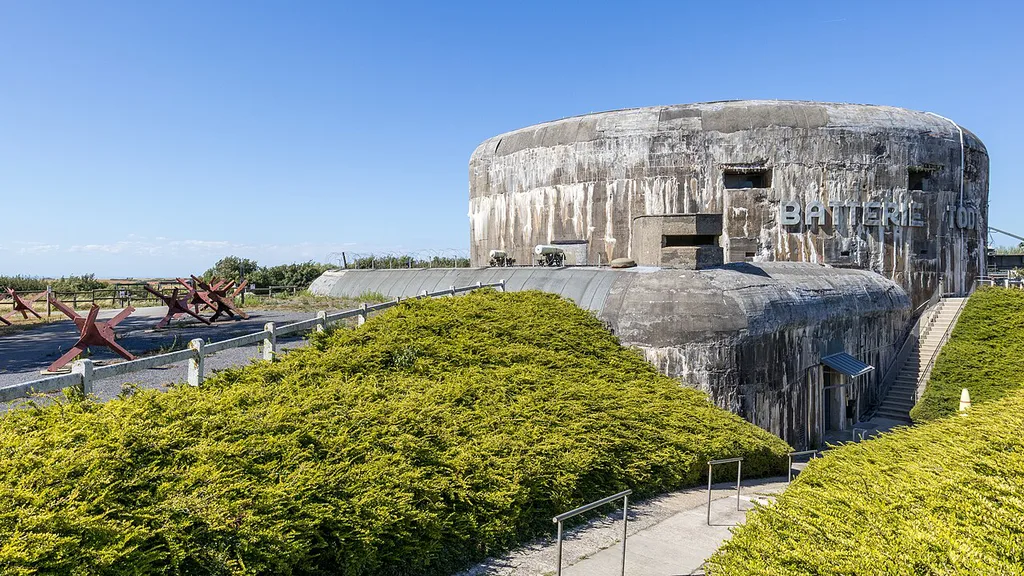
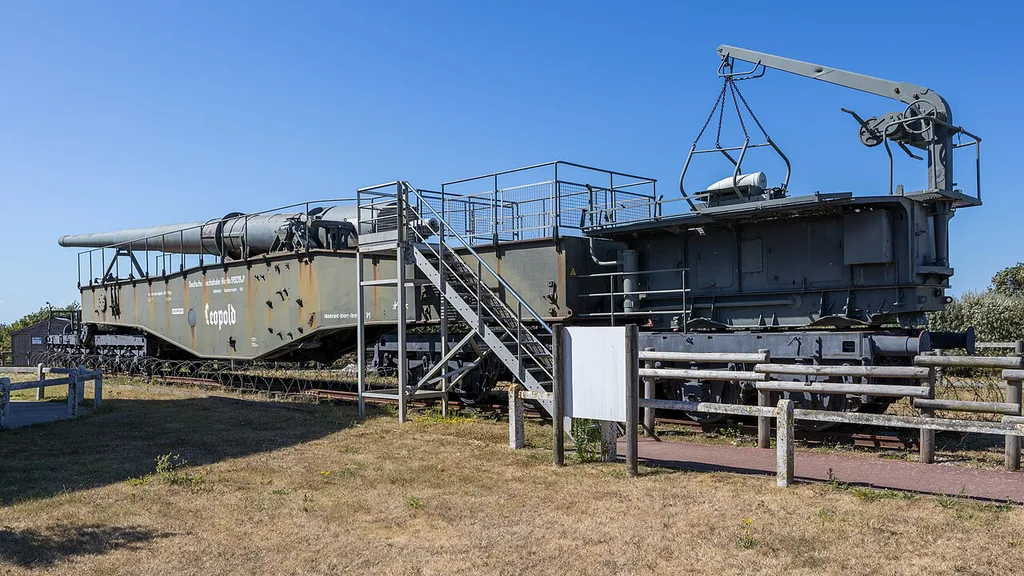
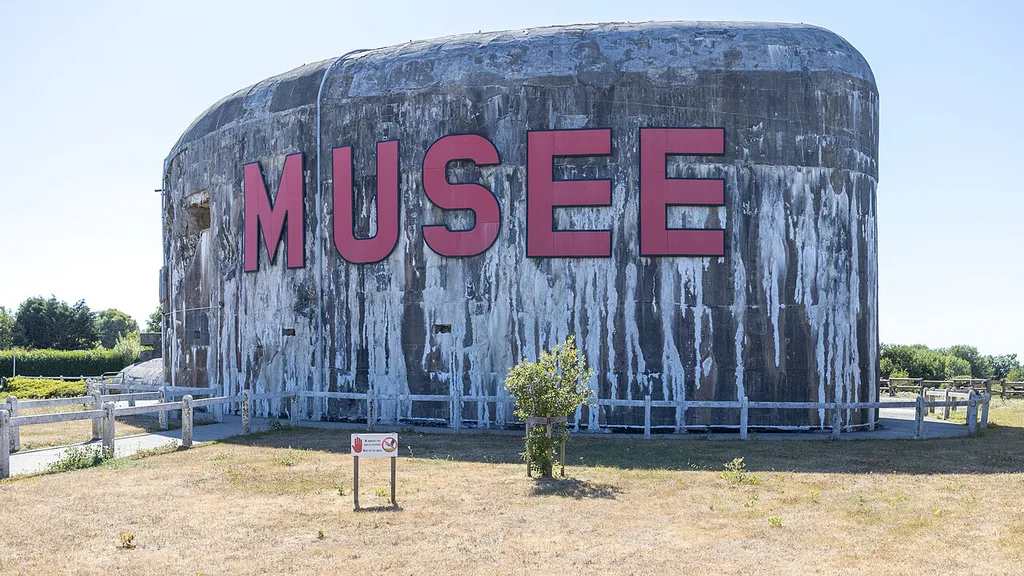
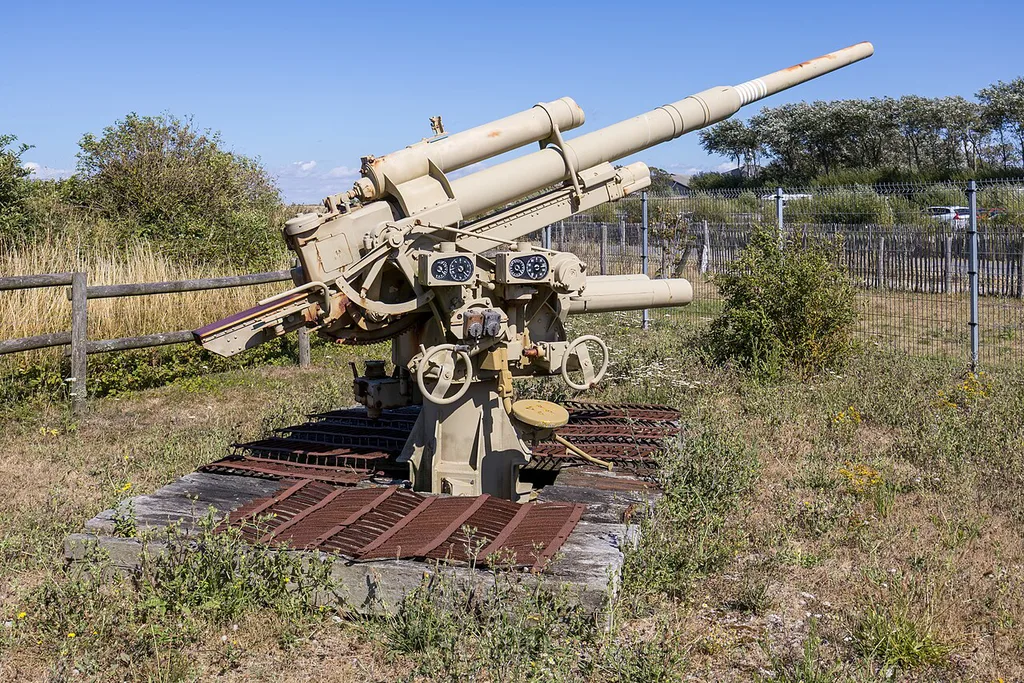
Inside Turm 1, you walk through original chambers where ammunition, machinery and crews once worked under reinforced concrete. Displays include uniforms, weapons, vehicles and propaganda posters from German and Allied forces. Outside stands a K5 railway gun, one of very few survivors. Photos from a 2016 visit also show an Achtung Minen sign on the grounds, so supervise children and keep to paths. Myth check: the K5 and the battery guns are different weapons. Published specifications list the K5 as 280 mm. Those in the casemates were 380 mm naval guns built by Krupp.
A short history: from Sea Lion to Undergo
Batterie Todt grew out of Operation Sea Lion, Germany's 1940 plan to invade Britain. Heavy guns were meant to dominate the Dover Strait, about 34 km (about 21 miles) wide at its narrowest. Organisation Todt began that coastal work on 22 July 1940. Planned as Siegfried, the battery was renamed for Fritz Todt, who headed the organisation. Sources differ on the exact dates of the first shot and the inauguration in early 1942. Each casemate measured about 47 m long and 20 m high, with walls 3.5 m thick. A garrison of about 390 men from the Kriegsmarine's 242nd Coastal Artillery Battalion manned the battery. Gun fire was directed from a control post at Cran-aux-Oeufs, 1,200 m north of the guns.
- 22 July 1940: Organisation Todt starts building heavy coastal batteries near Calais.
- 1942: the battery named for Fritz Todt enters service; sources give different dates for the first shot.
- 29 September 1944: the 3rd Canadian Infantry Division captures it in Operation Undergo, after heavy aerial bombardment.
How to get there and plan your time
Batterie Todt sits on Route du Musée in Audinghen, between Calais and Boulogne-sur-Mer. Visitor accounts say the D 940 leads into the area from any direction. Calais and Boulogne-sur-Mer make the logical bases. Because the site is rural and coastal, a car is the practical choice. For buses or trains, check regional tourism and transport sites, since no routes are confirmed here.
- Two-hour plan: arrive at the 10:00 opening, spend the time in Turm 1 and at the K5 gun, and skip everything else.
- Half-day plan: museum first, then the Cap Gris-Nez viewpoint, then lunch in Audresselles or a beach walk at Wissant.
- Late-day trade-off: last admission is 17:00 and the official estimate is 1.5 to 2.5 hours, so enter by about 14:30 for a full visit.
Combine Batterie Todt with nearby stops
Pas-de-Calais Tourisme suggests Cap Gris-Nez for views across the Strait of Dover. Audresselles, a fishing village, and Wissant, where you can walk the beach between the two caps, follow naturally. Musée 39-45 in Ambleteuse is the suggested next wartime stop. Bigger itineraries can add Mimoyecques and the Dunkirk beaches. Our La Coupole guide covers another companion Second World War site. Another Atlantic Wall-era bunker is covered in our Eperlecques blockhaus guide. Visiting details for Blockhaus d'Eperlecques are on its official site. Étaples is on the Opal Coast must-see list, and our Étaples war cemetery guide explains that visit.
First World War sites elsewhere in the region
Its First World War counterparts are a different trip. Our Vimy Ridge guide covers the Canadian memorial ridge. Our Vimy tunnels and trenches guide goes underground. Arras has a quarry visit too, in our Wellington Quarry guide.
Is it worth it? Who should go
Verdict: Batterie Todt is worth the drive for anyone interested in the Atlantic Wall, and it rewards the full 1.5 to 2.5 hours. Pas-de-Calais Tourisme says families enjoy it because they can walk inside the bunkers and see large equipment up close. Access for visitors with reduced mobility is unverified, so ask the museum before travelling.
- History enthusiasts: the K5 gun and the original casemate chambers are the draw.
- UK day-trippers: the Strait is about 34 km wide at its narrowest, which explains why this coast was fortified.
- Families: go, but supervise children closely because of the mine warnings on the grounds.
- Skip it if: you can only travel between 9 November and 12 February, or you want scenery without a museum.
Keep planning
Guides on the same trip





