
Blockhaus d'Éperlecques: V-2 Bunker Visit Guide
Visiting the Blockhaus d'Éperlecques near Saint-Omer? Get the V-2 bunker's history, what to expect, planning tips and how to pair it with La Coupole.
In this guide
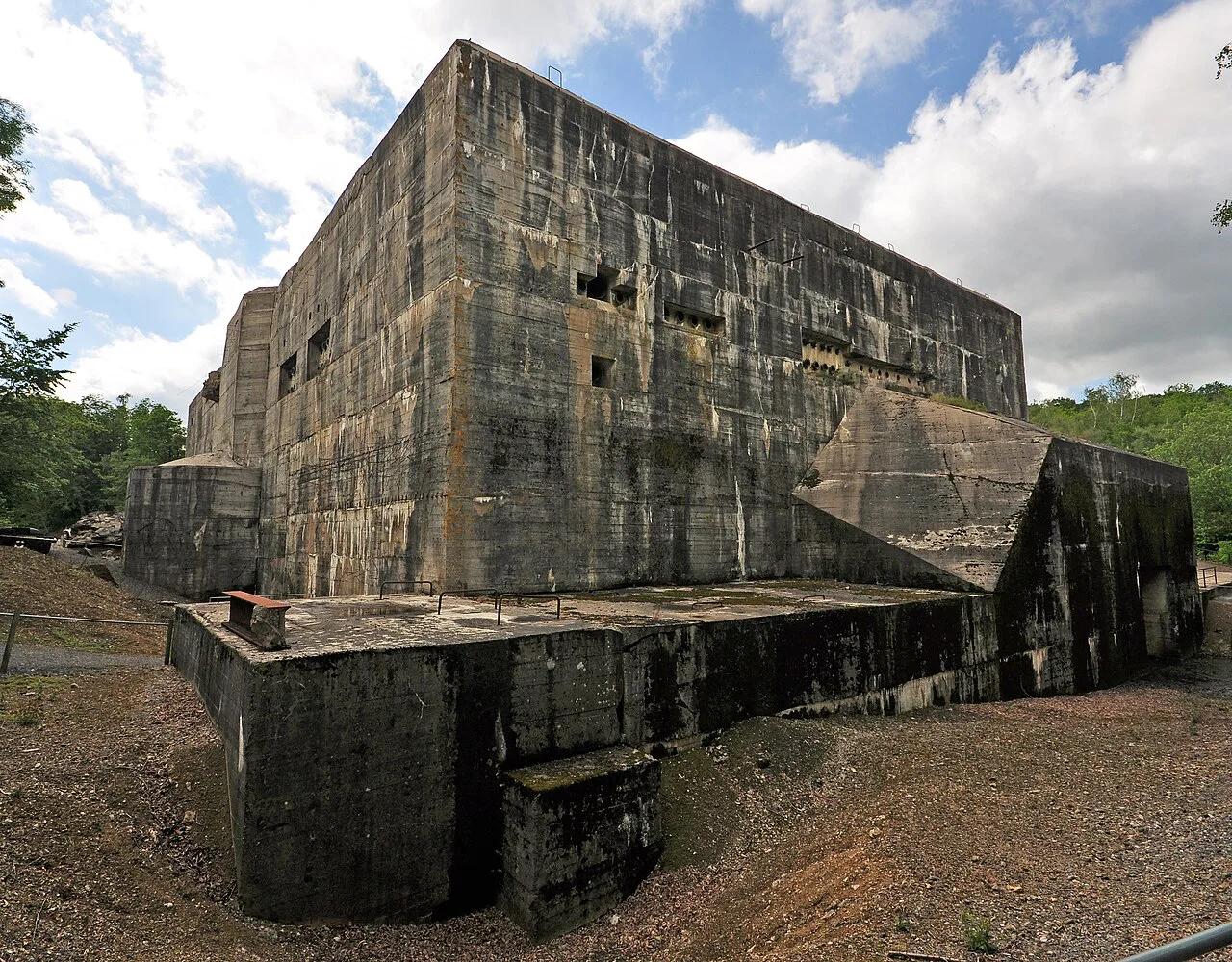
Last updated November 2026. The Blockhaus d'Eperlecques is a Second World War German bunker in a forest near Saint-Omer, built to assemble and launch V-2 rockets and now open as a museum site. Go if you want to see the scale of the V-weapon programme in concrete, and plan on driving. Prices, hours and seasons are not fixed here, so take them from the official site.
Featured image: Nilfanion, CC BY-SA 4.0, via Wikimedia Commons.
What the Blockhaus d'Éperlecques is
Locals and historians also call it the Watten bunker, after the nearby town. Nazi Germany built it between March 1943 and July 1944 under the codename Kraftwerk Nord West, meaning "Powerplant Northwest". Its planned role was to store and launch V-2 (A-4) ballistic missiles against Britain. Today it is part of a museum site in the Forêt d'Éperlecques, in the northern Pas-de-Calais. Visitors come to see the unfinished structure and to learn how it was meant to work.
A short history: Kraftwerk Nord West and the V-2 plan
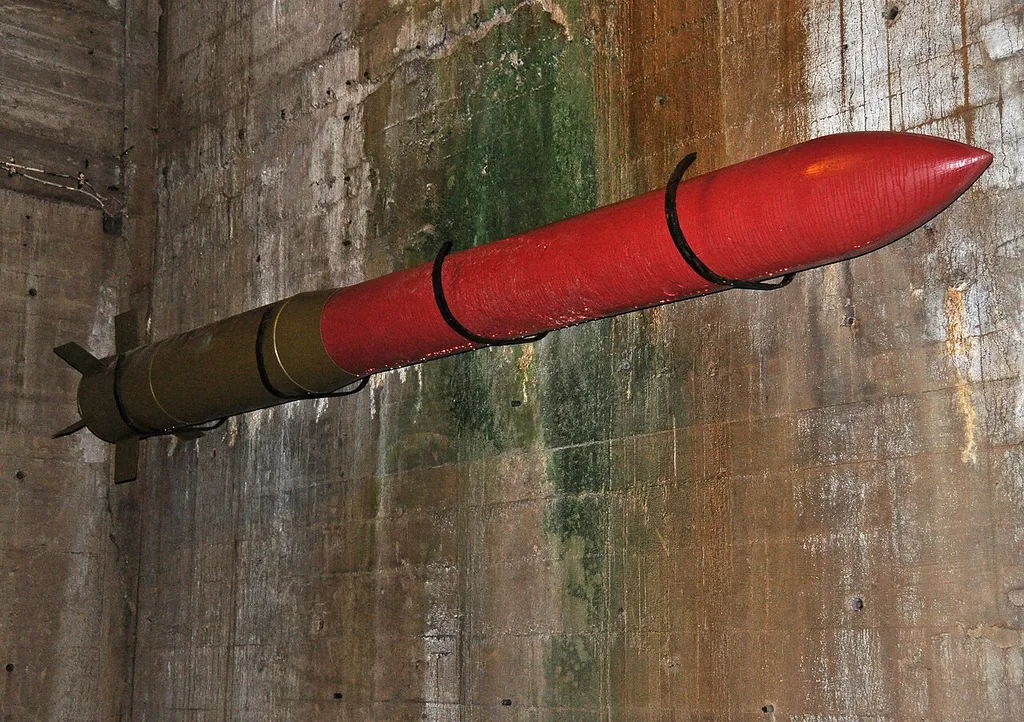
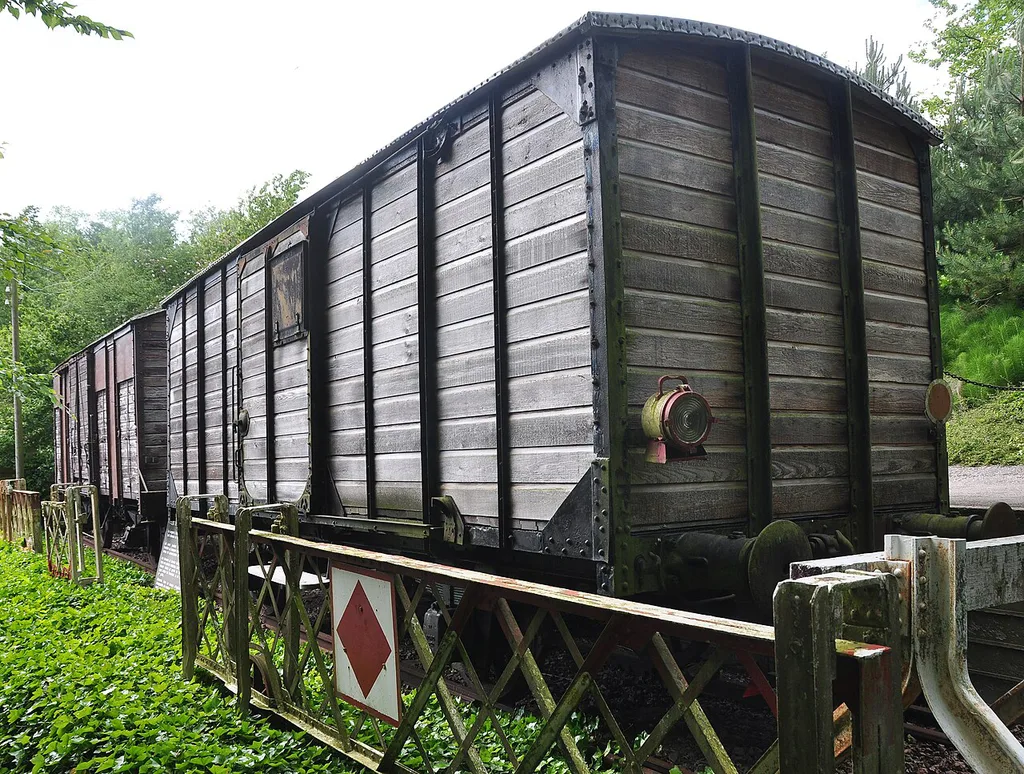
Planners designed the bunker to hold over 100 missiles at a time and to launch up to 36 a day. That scale explains the huge concrete mass you see on site. The V-2 was a long-range ballistic missile developed by Germany, and this site was one of several built to support its use. Construction relied on forced labour, and that part of the story deserves care. The museum presents the history of the people who worked here, so read its account before you go. Treat the visit as a historical site rather than a spectacle.
- Codename: Kraftwerk Nord West
- Built: March 1943 to July 1944
- Intended capacity: over 100 missiles, up to 36 launches a day
- Location: forest near Éperlecques and Watten, close to Saint-Omer
What you'll see on site
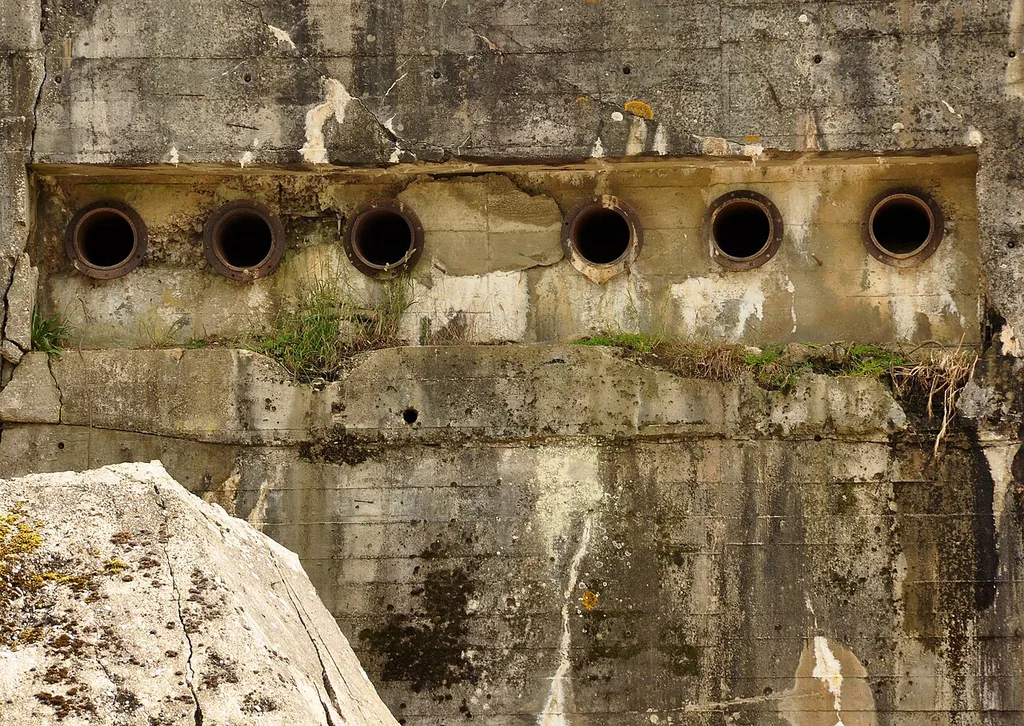
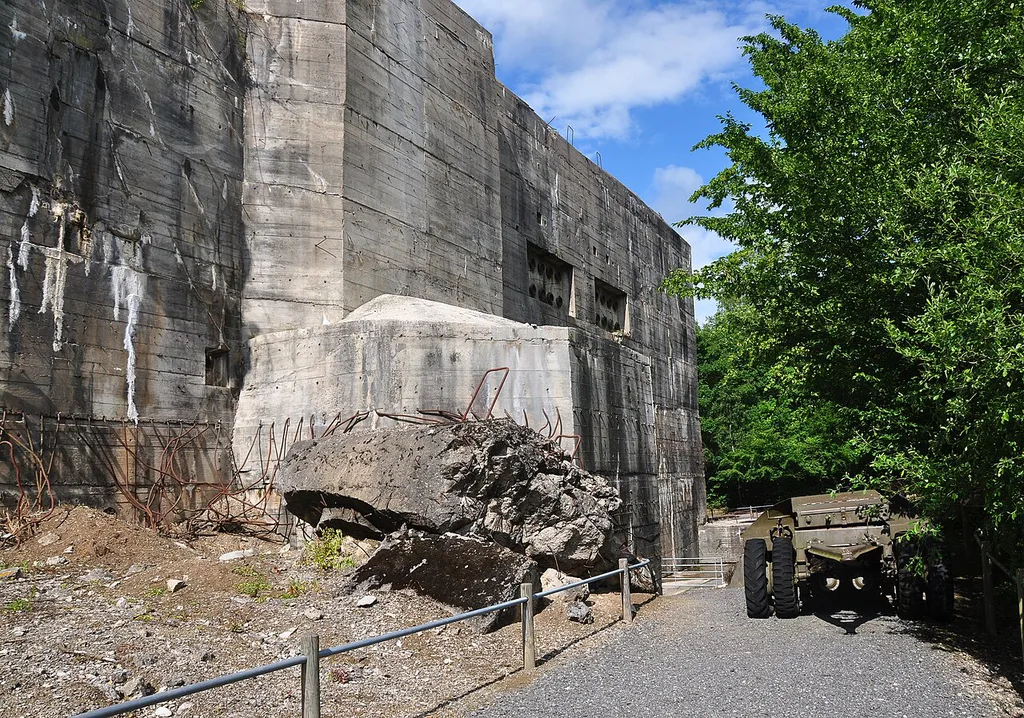
Expect a very large concrete structure set among trees, reached on foot from the entrance. Much of the visit is outdoors, so the forest setting matters as much as the bunker itself. The museum side explains the V-weapon programme and the site's wartime use. Exact exhibits and routes change, so the official site's visitor pages are the best place to see the current layout. Allow time to read the panels, because the context is what turns the concrete into history.
Tickets, opening hours and booking
No fixed price or schedule is published in this guide, because both change by season. The official site lists current opening dates, hours and ticket rates in euros. Winter closures are common at outdoor sites like this one, so check the calendar before driving out. Tickets are normally bought at the entrance, and the official site also tells you whether advance booking is offered. Prices and hours were last reviewed in November 2026 against the venue's own site.
How to get there and park
A car is by far the easiest option. The bunker lies in woodland outside Éperlecques, and public transport to the gate is limited. Saint-Omer makes a sensible base for hotels and restaurants. Calais, Dunkirk and Lille are all realistic starting points for a day trip by road. For regional travel context, Pas-de-Calais Tourisme lists accommodation and local transport. Travellers without a car should check taxi options from Saint-Omer before committing.
How long to plan and what to combine
Plan a half day at minimum, because the walk, reading and travel add up. The official site gives a typical visit length, so use that figure to build your day. The nearest comparable stop is La Coupole France: V-2 Bunker Visit Guide, about 14.4 km (8.9 miles) away. Both sites relate to the V-weapon programme, but they feel different. A second pairing is Batterie Todt: Visit Guide to the Atlantic Wall Museum on the Channel coast, though you should check the route on a map first. If your trip also covers the First World War, keep it as a separate day, for example at 4 Vimy Ridge Sights: Memorial, Trenches & Tunnels.
| Decision point | Blockhaus d'Éperlecques | La Coupole |
|---|---|---|
| Setting | Forest bunker, mostly outdoors | Larger, more developed museum complex |
| Typical visit time | Check the official site | Check the official site |
| Best for | Seeing the raw concrete structure | Detailed exhibitions on V-weapons |
| Can skip if | You want a short, indoor stop | You want an unrestored structure |
Practical tips and who should skip
Wear sturdy shoes, since forest paths can be wet and muddy after rain. Bring a waterproof layer, because much of the visit is outdoors. Ask the venue about pushchair and wheelchair access before you travel, since paths in woodland are rarely uniform. Young children may struggle with the history and the walking. Skip this stop if you only have an hour, if you have no car, or if you prefer indoor museums.
- Check seasonal opening before you drive.
- Wear footwear that handles mud.
- Read the forced-labour history before arriving.
- Allow a half day, not a quick stop.
Frequently Asked Questions
What was the Blockhaus d'Éperlecques built for?
Nazi Germany built it as a launch and assembly facility for V-2 rockets, under the codename Kraftwerk Nord West. It was never completed as planned and is now a museum site.
How long does a visit to the Éperlecques bunker take?
Plan a half day including travel. The official site gives a typical visit length, which is the best figure to use.
Is the Blockhaus d'Éperlecques worth visiting if I've been to La Coupole?
Yes, if you want to see a raw concrete structure in a forest setting. La Coupole is the more developed museum, so the two feel different rather than repeating each other.
Keep planning
Guides on the same trip






