
Ring of Remembrance (Notre-Dame-de-Lorette): Visitor Guide
What the Ring of Remembrance at Notre-Dame-de-Lorette is, who it honours, how to look for a name, and how to pair it with other Western Front sites.
In this guide
Last updated November 2026. The Ring of Remembrance (Anneau de la Mémoire) is the international memorial at Notre-Dame-de-Lorette, near Ablain-Saint-Nazaire in Pas-de-Calais, inscribed with the names of soldiers of all nations. This guide to the ring of remembrance covers the memorial in northern France, not memorial or memento mori jewelry. Below you will find who it honours, how to prepare for a name search, and where it fits among nearby Western Front sites.
Featured image: OliBac, CC BY 2.0, via Flickr.
What the Ring of Remembrance Is (and Isn't)
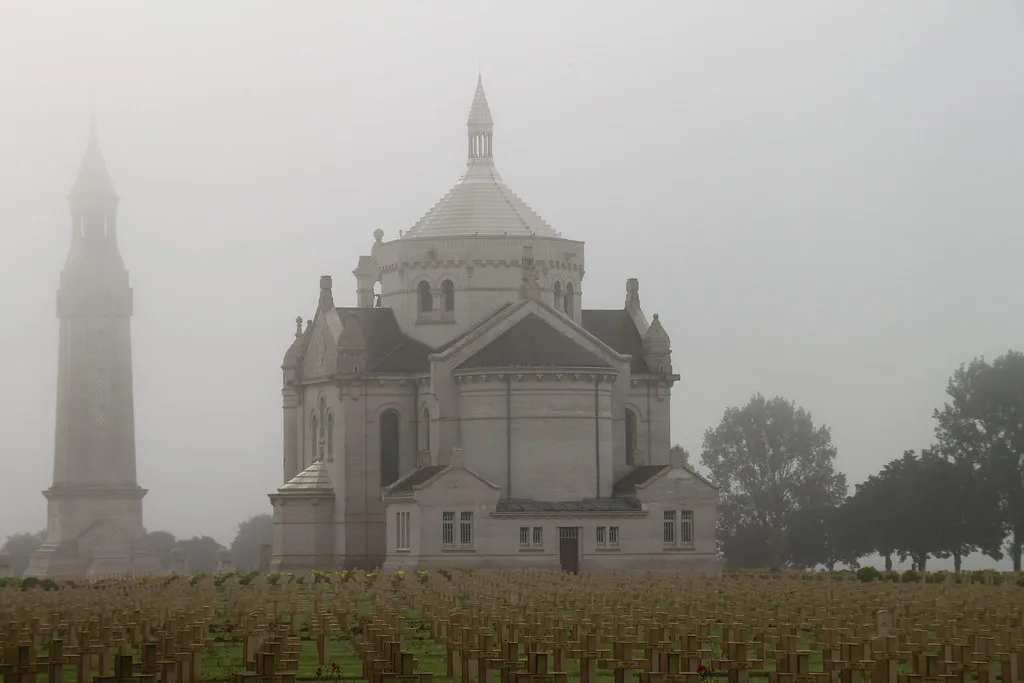
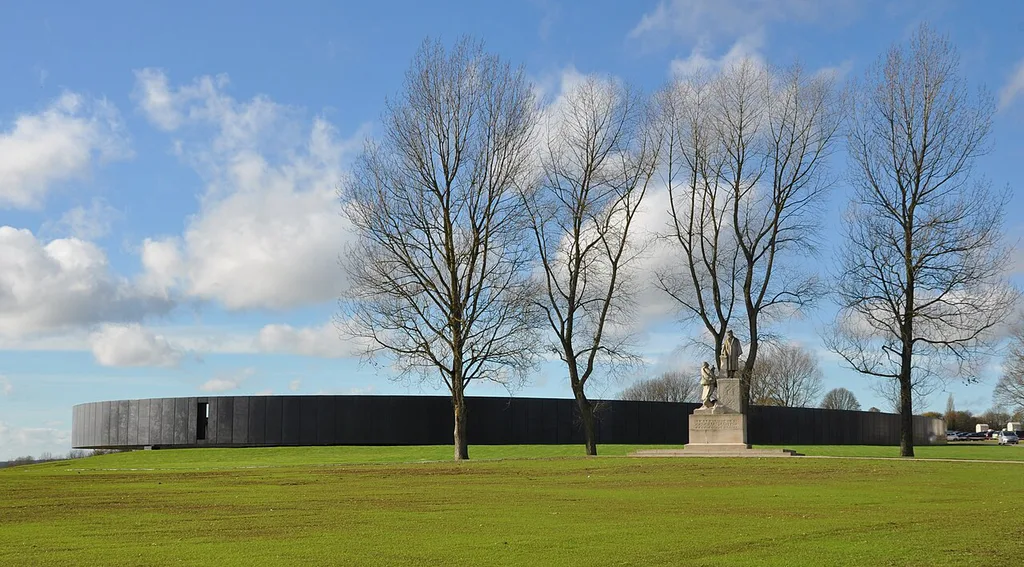
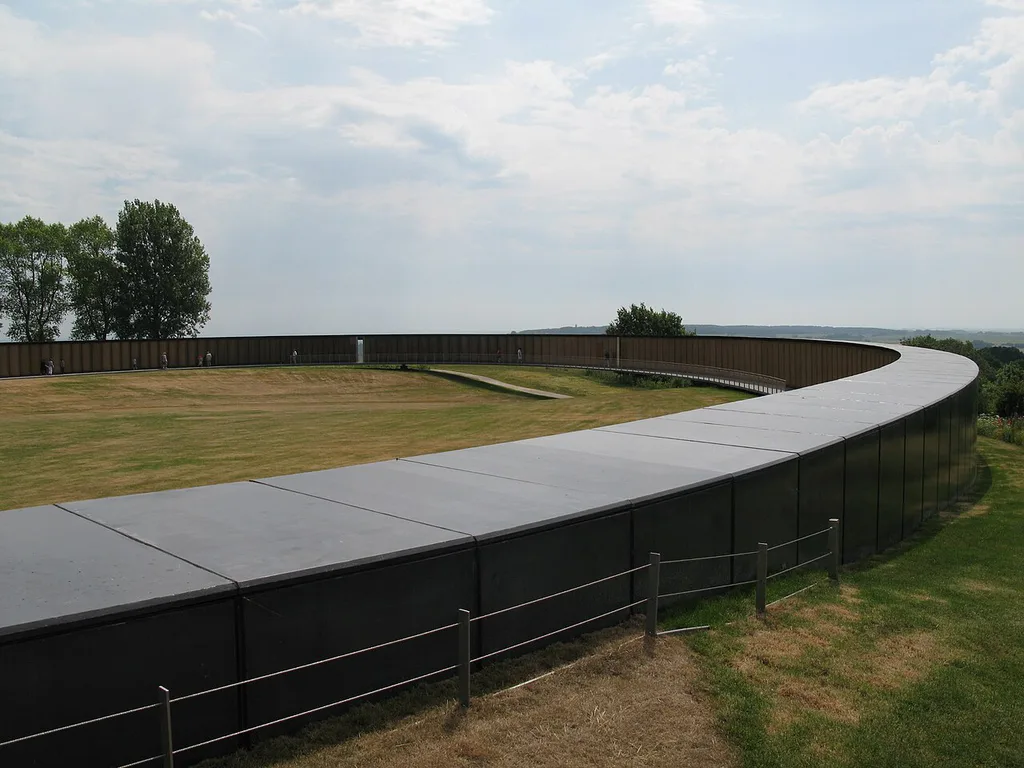
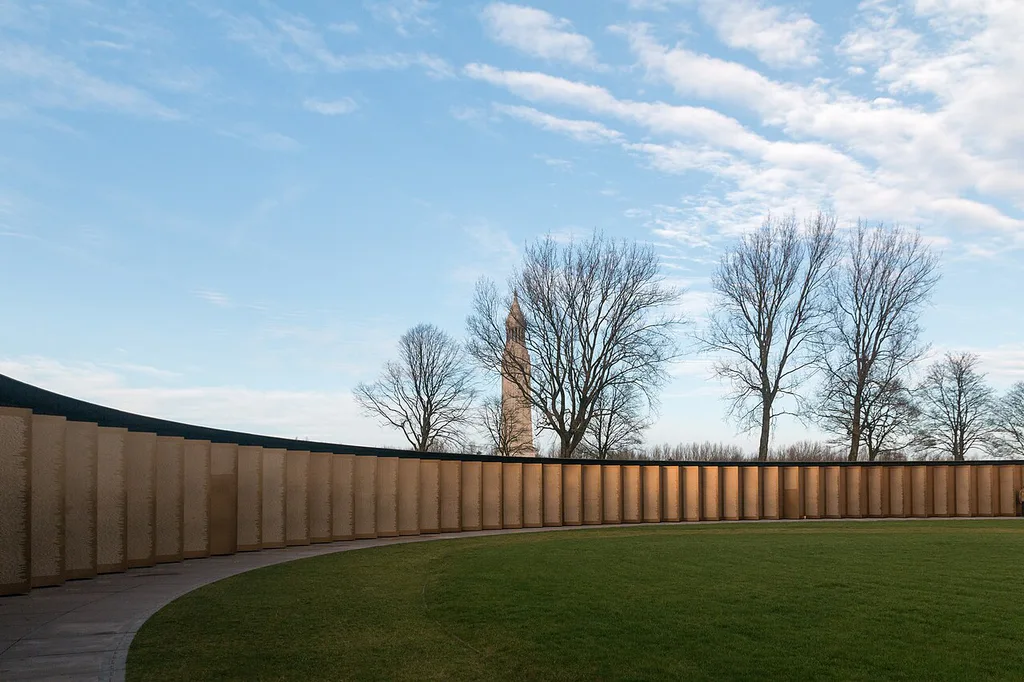
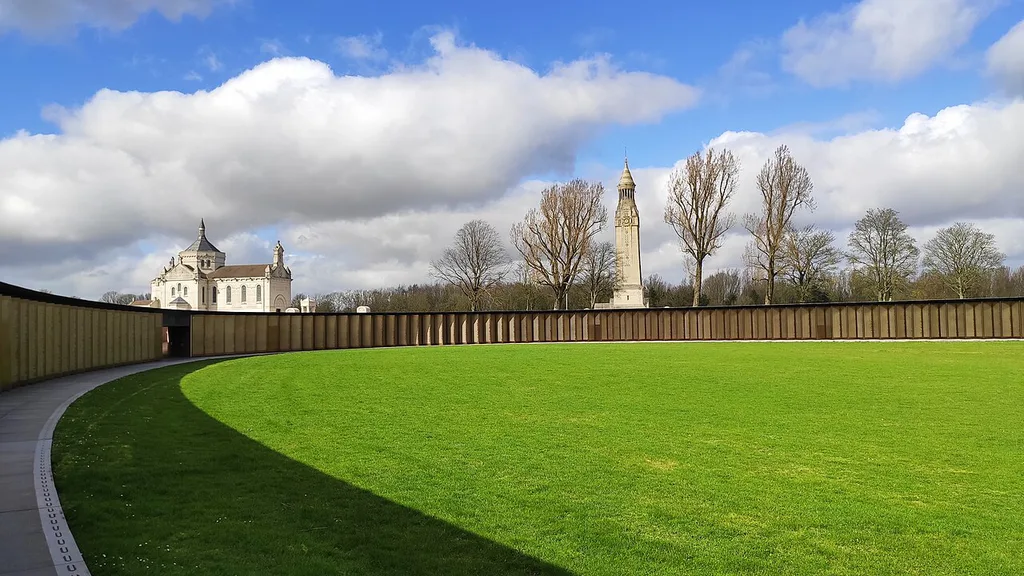
The Ring of Remembrance stands on the hill of Notre-Dame-de-Lorette, close to Ablain-Saint-Nazaire in the Pas-de-Calais department of France. It is an international memorial: the names of fallen soldiers are inscribed regardless of the nation they served. It is a place of mourning and remembrance, not a museum or a themed attraction. It has nothing to do with jewelry, ashes rings or memento mori rings.
How the Memorial Works: Names and What You'll See
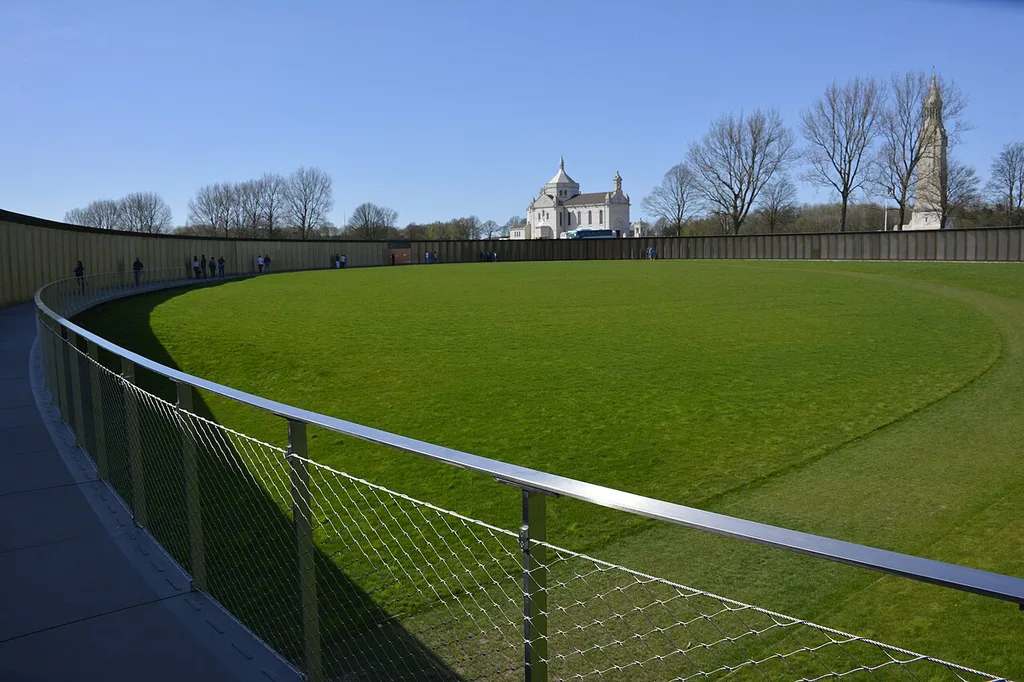
Visitors come to read the inscribed names, and many come to find one name in particular. Arrive with the full name, unit and nationality of the soldier you are looking for. Those three details make a search far quicker than a surname alone. Official sources describe how the names are arranged and whether a name finder is available. Check the current visitor information before you travel so you know what help exists on site.
- Full name, with any spelling variants used in military records
- Unit or regiment, if you know it
- Nationality or army the soldier served in
Is It Worth the Stop? Who It Suits and Who Can Skip
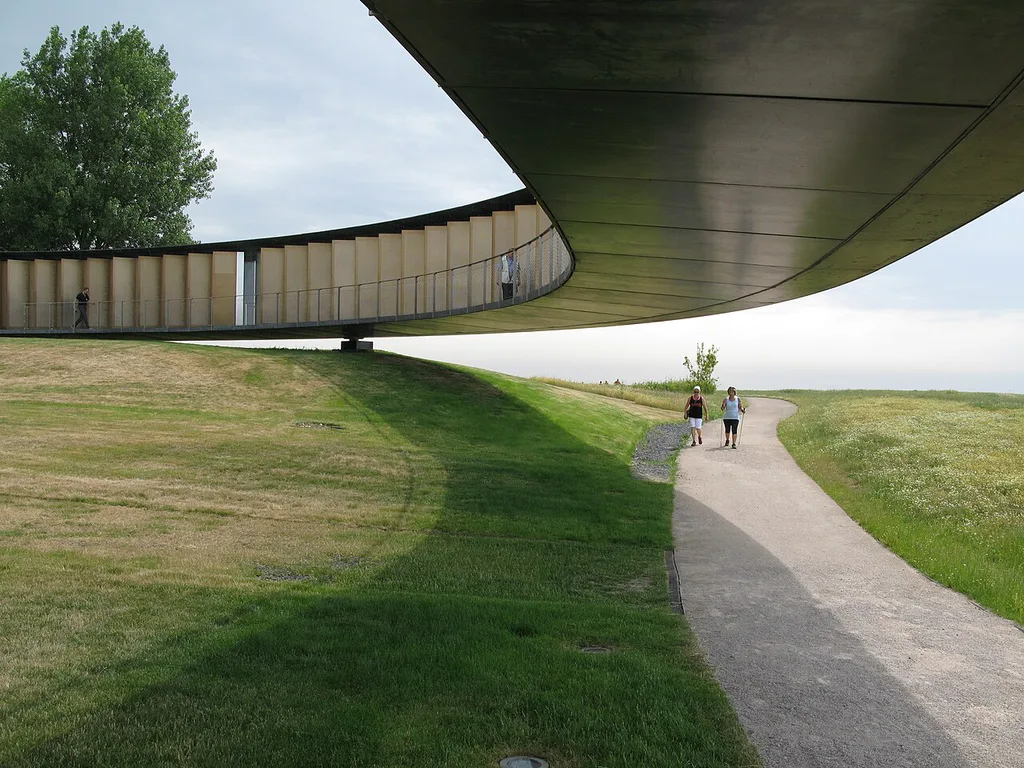
The memorial suits some visitors more than others. Use these criteria to decide how much time to give it.
| Visitor | Suggested approach |
|---|---|
| Family-history researchers | Worth a dedicated visit, with your prepared details in hand |
| General Western Front visitors | A meaningful stop that shows the scale of loss across all nations |
| Drivers short on time | A brief visit, treated as a place for quiet reflection |
| Visitors with limited mobility | Ask the tourism office about access first, since ground conditions vary on the hilltop |
- Family-history researchers: worth a dedicated visit, with your prepared details in hand.
- General Western Front visitors: a meaningful stop that shows the scale of loss across all nations.
- Drivers short on time: a brief visit works, but treat it as a place for quiet reflection rather than a quick photo stop.
- Visitors with limited mobility: ground conditions on a hilltop site vary, so ask the tourism office about access first.
Getting There, Hours, Costs, and Access
No verified opening hours, fees or parking details are listed here, because they can change by season. Check Pas-de-Calais Tourisme for current hours, access and transport options. Many Western Front sites are hard to reach without a car, so look at transport links before you plan a car-free visit.
Pairing the Ring of Remembrance With Nearby Sites
Notre-Dame-de-Lorette works well as part of a wider Western Front day. For the closest comparable stop, read our guide to 4 Vimy Ridge Sights: Memorial, Trenches & Tunnels. If you want something hands-on afterwards, the tunnels and trenches add an underground view of the front line. Arras makes a practical base, and Arras and the First World War explains what to see there. For an underground add-on, see the Wellington Quarry. Readers extending the route can continue to Fromelles or the Cambrai tank battlefield.
- Mistake to avoid: assuming you can reach the hill by public transport without checking.
- Mistake to avoid: arriving without a name, unit or nationality to search for.
Visiting Respectfully: Etiquette and Practical Tips
Keep your voice low and give other visitors space, since many are looking for a relative's name. Take photographs discreetly and never step on or lean against inscribed surfaces. An elevated site is exposed to wind and rain, so bring a waterproof layer and sturdy shoes. Follow any rules posted at the memorial and any guidance from site staff.
Start with 1 person rather than a long, unstructured list of relatives. Pair that name with the unit and nationality you gathered for the names search.
Preparing for a Family-Name Search
Bring the full name, unit and nationality for the person you hope to find. Those 3 details make the search more useful than arriving with a surname alone. Record spelling variants before leaving, especially where military records use different forms of a first name or place name.
Start with 1 person rather than a long, unstructured list of relatives. Keep their details together in a note on your phone or on paper. Add any regiment or army information you have, since several people can share the same surname. Check current visitor information before travelling to learn whether staff or a name finder can assist on site.
The memorial is a place of reflection, so allow time after locating a name. A prepared search lets you spend less of the visit sorting records and more time understanding the person and the wider loss commemorated here.
Keep planning
Guides on the same trip





