WW1 Sites in France: Top Battlefields, Memorials & Planning Guide
WW1 sites in France by region: Somme, Verdun, Arras, Compiègne and more. See which are day trips from Paris, which need a night, and what is open.
In this guide
Last updated November 2026: WW1 sites in France sit mostly in the north and north-east, across the Somme, Arras, Champagne and Aisne, Verdun and Compiègne. A day trip from Paris covers only some of them, such as Compiègne, Laon or Fort Pompelle. Verdun and the Somme reward an overnight base, and this guide shows how to choose between regions.
Featured image: Clemens Vasters, CC BY 2.0, via Flickr.
WW1 sites in France at a glance
Pick a region before you plan transport, because the sites are spread over several hundred miles of mostly rural country. The table below sorts each area by who it suits and whether Paris can be your base. Regions marked overnight assume you want more than a rushed few hours on site.
| Region | Main sites | Best for | Day trip from Paris or overnight |
|---|---|---|---|
| Somme | Thiepval Memorial, Pozières, Albert area | First-timers with a car, family history | Overnight preferred |
| Verdun | Mémorial de Verdun, Fort Douaumont, the Citadel | Battlefield and fort enthusiasts | Overnight (2 days) |
| Arras | Underground tunnels | Visitors who want a town base for the north | Overnight base |
| Compiègne | Armistice clearing, carriage museum | First-timers short on time | Day trip |
| Laon | Citadel, Séré de Rivières forts | Fort enthusiasts, walkers | Long day trip |
| Champagne | Fort Pompelle | Fort visitors combining Reims or Verdun | Day trip, or on the way to Verdun |
| Chemin des Dames | Ridge battlefield and memorials | History readers, ancestor tracing | Car needed; overnight in Reims or Laon area |
| Cambrai | British Mk V tank museum | Tank enthusiasts | Limited opening days; plan around them |
Major regions and what each one offers
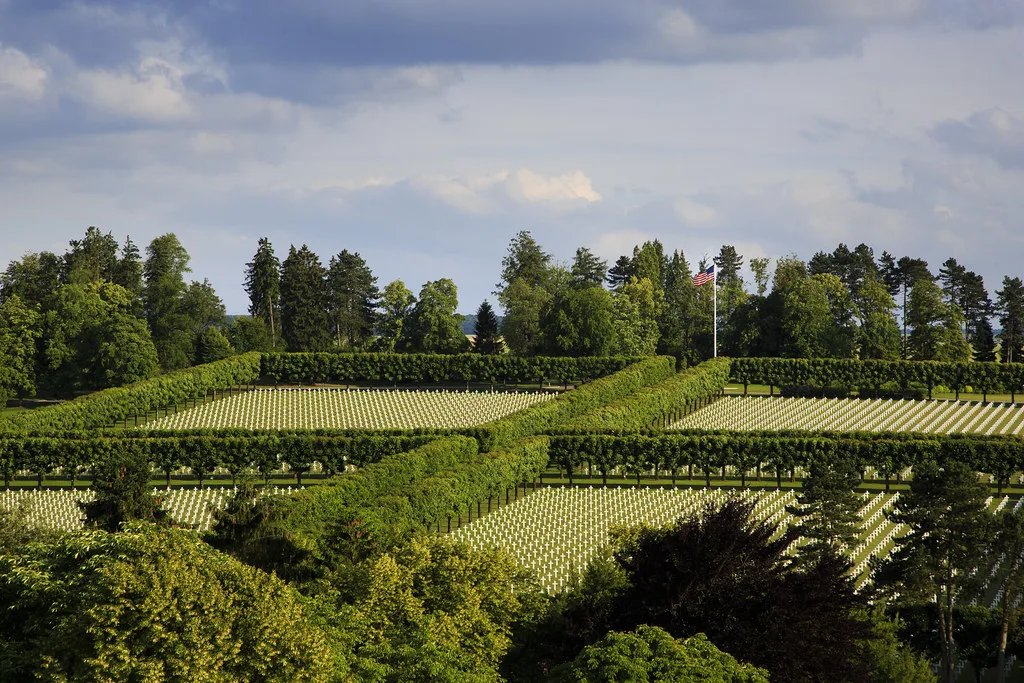
Most visitors build a trip around two or three regions instead of trying to see everything. Each entry below gives the reason to go, and our full battlefield guide covers routes in depth.
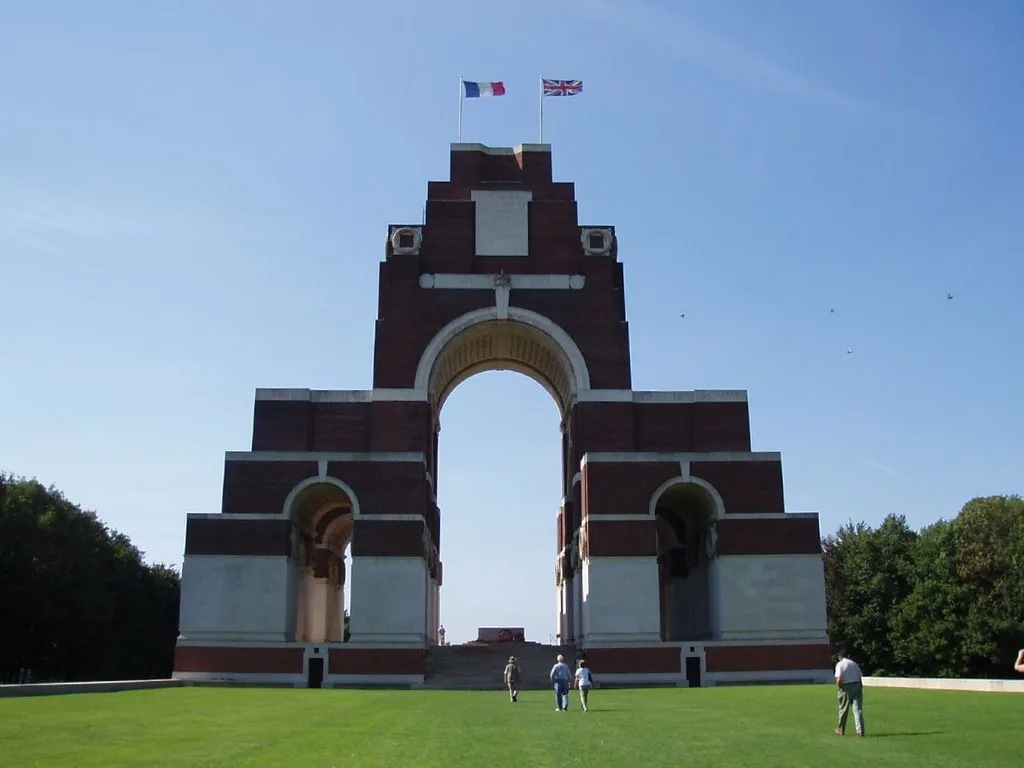
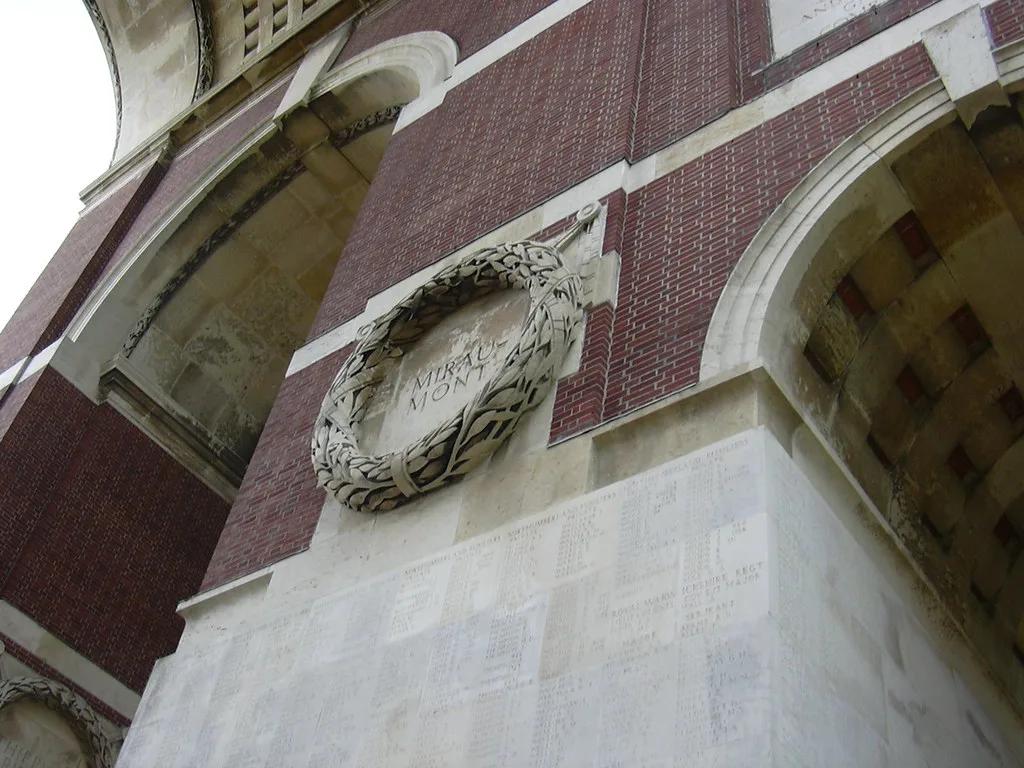
- Somme: this 1916 battle is commemorated at Thiepval Memorial. Pozières is where tanks first went into action. Albert makes a practical base.
- Verdun: the 1916 battle is the centerpiece, and the Mémorial de Verdun stands at Fleury-devant-Douaumont. Fort Douaumont and the Citadel complete the picture. The Verdun tourism office lists current visitor information.
- Arras: soldiers used the underground tunnels during the war, and they are the main reason to stop here. The town also works as a base for the Somme.
- Compiègne: the 1918 armistice was signed here, and the clearing and carriage museum tell that story. Our guide to the Compiègne armistice clearing has the detail. For official visitor information, see the Armistice clearing museum site.
- Laon and Champagne: Laon has a citadel and views toward the Séré de Rivières forts. Fort Pompelle in Champagne gives a closer look at one fortification.
- Chemin des Dames: this ridge is a separate stop for readers who want the Aisne front. Our page on the Chemin des Dames ridge explains what to see.
- Cambrai: the British Mk V tank museum draws tank enthusiasts. It opens only on certain days, so build the visit around its schedule.
Trenches, forts and museums: what you can actually walk into
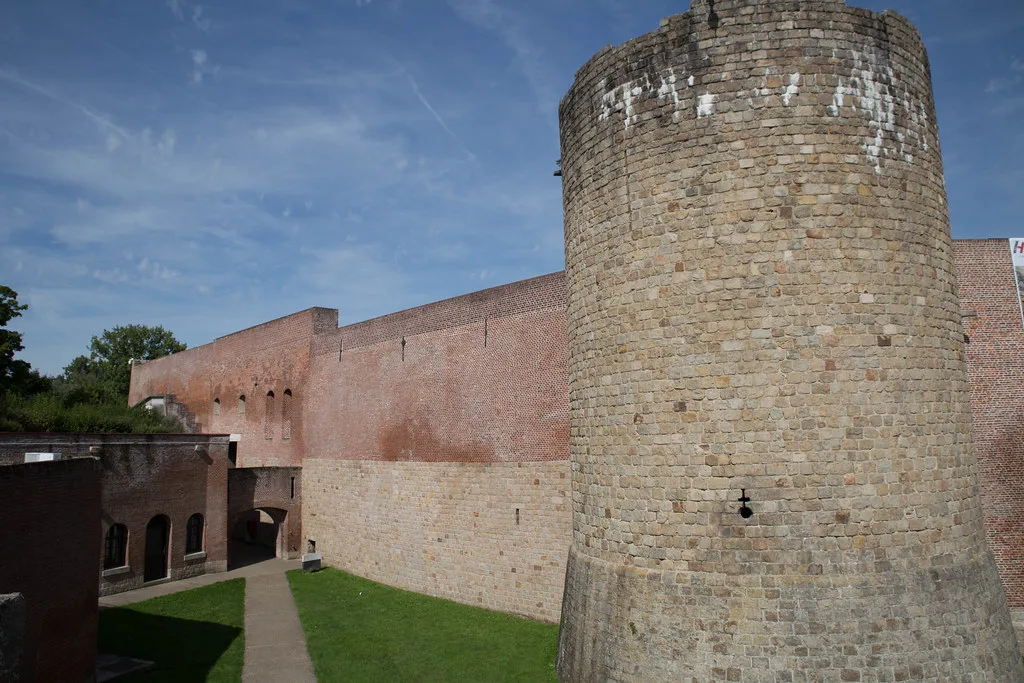
Very few original trenches and dugouts survive in France. Of the hundreds of surviving forts, only a few allow interior visits, and those run on schedules. Some forts are private property and closed to visitors. Fort Valérian is reported as bookable in advance only, and the Cambrai tank museum keeps limited days. Our guide to trenches you can visit lists the better preserved lines. Museum collections fill much of the gap, and our overview of WW1 museums in France compares them.
| Site | Access type | Planning note |
|---|---|---|
| Fort Douaumont, Verdun | Interior visit | Opening times vary by season |
| Fort Valérian | Bookable, scheduled | Reserve in advance |
| Cambrai Mk V tank museum | Limited days | Fit your route to its calendar |
| Laon forts | Often seen from outside | Interior access is not guaranteed |
| Compiègne clearing and carriage museum | Museum visit | Allow at least 2 hours |
| Arras tunnels | Visit with the operator | Confirm tour times |
How to plan your time

Verdun needs at least 2 days if you want the memorial, the Citadel and the forts without rushing. Compiègne takes 2 hours or more for the forest memorials and the carriage museum. Laon and its fortifications fill almost a full day. Forecast your time per region, then pair regions that sit on the same road.
Compiègne takes 2 hours or more, and it is one of three sites named as a Paris day trip. Build that day around the time it needs.
- 1 day: Compiègne on its own, or Laon with a fort stop, or Champagne with Fort Pompelle.
- 2 days: Verdun with an overnight stay, or the Somme paired with Arras.
- 4 to 5 days: Somme and Arras first, then Cambrai, then Champagne and Aisne, ending at Verdun.
Mistakes to avoid
A few planning errors cause most disappointment on these trips.
- Squeezing Verdun into a single day from Paris.
- Assuming every fort is open, when most are closed or scheduled.
- Arriving on a Monday, when many museums close.
- Relying on regional taxis, which are scarce outside the larger towns.
- Ignoring transport strikes, which can disrupt trains with little notice.
Getting around: car, train or tour

Many battlefield sites are rural and poorly served by public transport. Self-driving gives the most freedom, especially in the Somme and around Verdun. Regional trains reach larger towns such as Arras, Compiègne and Reims, but you will need a taxi or rental for the memorials themselves. Taxis are hard to find in the regions, so book them ahead. Private or small-group tours from Paris solve the access problem for a single day and cost more than driving yourself. Check SNCF timetables for your dates, since strikes can change service.
Costs, tickets, opening hours and booking
Fees and hours change by season, so none are quoted here. Use the Mémorial de Verdun site for Verdun entry details. The Compiègne museum site covers the carriage visit. For northern sites, Hauts-de-France tourism is the regional starting point. Before you go, check which sites charge, which need advance reservation, seasonal or winter closures, and last-entry times. Private tours and Paris hotels usually cost noticeably more than self-driving and regional stays.
Where to stay
Pick a base near the sites you care about. Arras or Albert suit the Somme. Verdun suits the Meuse battlefield and its forts. Reims or Compiègne suit Champagne and Aisne. Paris works only for day trips. A Paris base keeps your hotel and city plans fixed but adds long drives. A regional base costs less per night and puts you on site early, though evening options are quieter.
Respect and practicalities
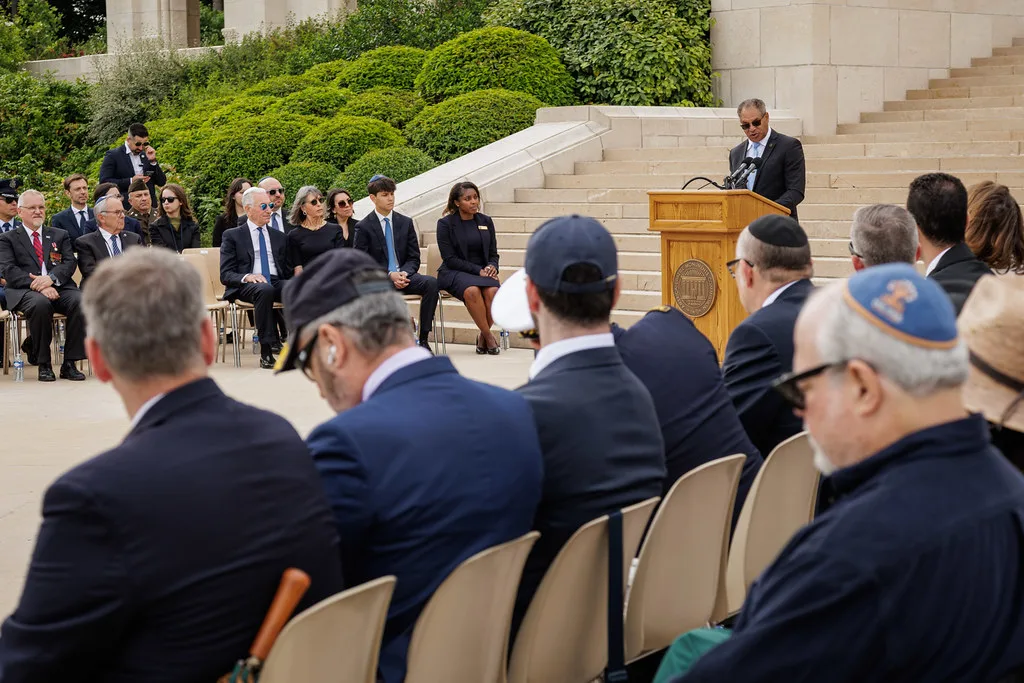
Treat cemeteries and memorials as places of mourning. Keep voices low, stay on paths and avoid climbing on monuments. Former battlefields can still hold unexploded ordnance, so stay on marked routes and never pick up metal objects. Follow local signs and rules at each site. Fields and forests can be muddy, so wear sturdy waterproof footwear and carry layers. Winter weather can shorten opening hours.
Which trip suits you
Match the region to your situation before booking.
- First-timer: start with Compiègne and one larger battlefield area.
- Ancestor tracing: build the route around the front where your relative served.
- Fort or tank enthusiast: combine Verdun, Laon and Cambrai.
- Family with children: choose museums and short walks over long fort visits.
- Non-driver: choose Compiègne, Arras and tour-based days.
Special-interest routes
Our guide to Canadian WW1 Sites in France: Vimy Ridge and Where to Go Next covers the Canadian memorials in northern France. Armistice timing is explained in our page on Armistice Day in France: 11 November Guide. For memorials created around the centenary, see WW1 Memorials in France: Where to Go and How to Visit. The French commemoration portal helps with official records when tracing an ancestor.
Frequently Asked Questions
Was WW1 mainly fought in France?
The Western Front ran through northern and north-eastern France, which is why the main sites sit there. Battles such as the Somme and Verdun took place in 1916.
What places from WW1 can you still not visit?
Some forts are private property and closed to visitors. Of the hundreds of surviving forts, only a few allow interior visits on a schedule.
Keep planning
Guides on the same trip