9 Historic Battlefields UK Visitors Should See
Compare 9 historic battlefields UK visitors can see, with what is on site, access, visitor centres and routes for Wars of the Roses and Scotland.
In this guide
Last updated November 2026: historic battlefields UK visitors can reach range from a full visitor centre to a field and a plaque. Bosworth suits a visitor-centre day, Tewkesbury works from a town, Bannockburn leads for Scotland and Naseby suits walking the ground. Open land is usually free to enter, while visitor centres set their own admission.
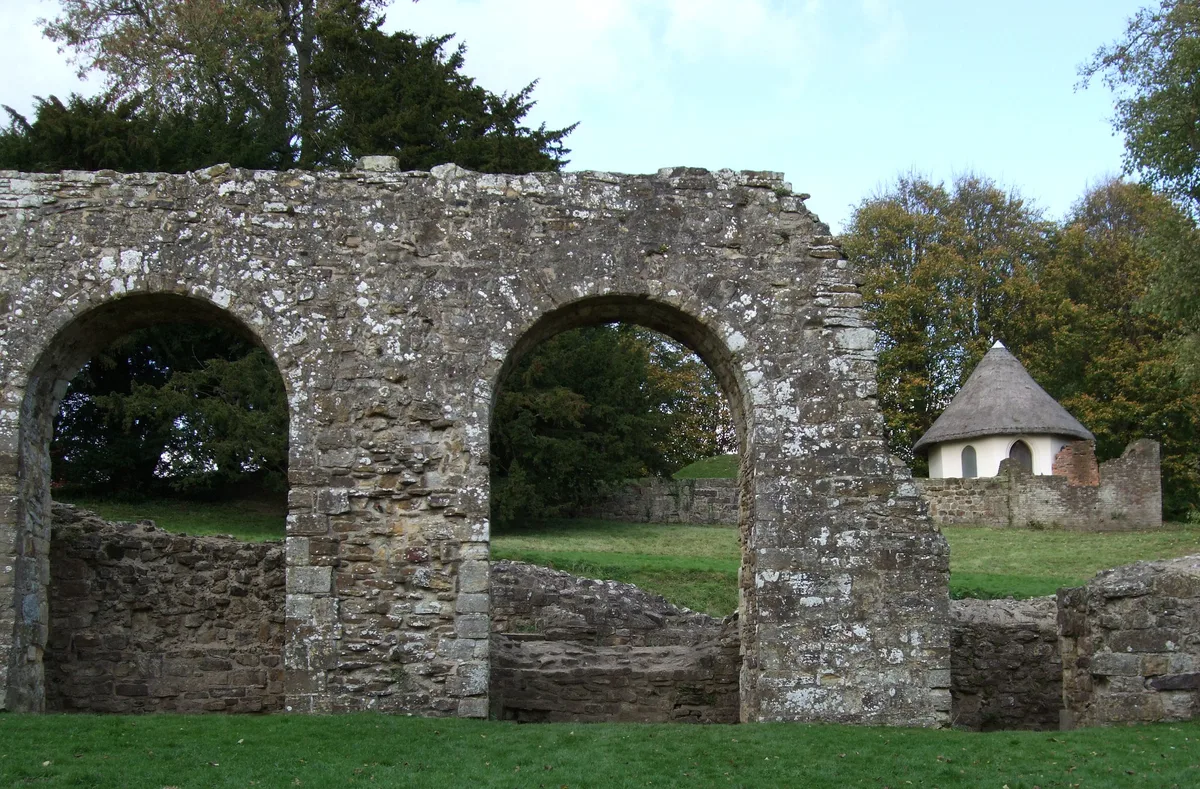
Featured image: Cmao20, CC BY-SA 4.0, via Wikimedia Commons.
Historic Battlefields UK: Quick Picks at a Glance
Hastings, Bosworth and Naseby show how far the experience varies. Battle Abbey marks 1066, Bosworth's centre interprets 1485, and Naseby's fields recall 1645. Scotland's picks are Bannockburn, Stirling Bridge and Killiecrankie. This page covers England and Scotland, and the Battlefields Trust lists further sites. The table says "Check official site" wherever a visit time or facility is not fixed.
| Battlefield | Nation / region | Period | What you can see | Visitor centre? | Time needed | Best for |
|---|---|---|---|---|---|---|
| Hastings (Battle Abbey) | England, East Sussex | 1066 | Abbey grounds at Battle | Check official site | Check official site | Best-known name |
| Stirling Bridge | Scotland | Wars of Independence | Wallace Monument at Stirling | Check official site | Check official site | Stirling base |
| Bannockburn | Scotland | Wars of Independence | Visitor centre | Yes | Check official site | Scotland |
| Flodden | England, Northumberland | 1513 | Open ground at Branxton Moor | Check official site | Check official site | Border route |
| Towton | England, North Yorkshire | 1461 | Open ground | Check official site | Check official site | Walking the ground |
| Tewkesbury | England, Gloucestershire | 1471 | Fields at Wheatpieces | Check official site | Check official site | Near a town |
| Bosworth | England, Leicestershire | 1485 | Heritage Centre and trail | Yes | Check official site | Visitor centre |
| Naseby | England, Northamptonshire | 1645 | Open ground near Clipston | Check official site | Check official site | Walkers |
| Killiecrankie | Scotland | Jacobite era | Check official site | Check official site | Check official site | Jacobite history |
How to Choose a Battlefield to Visit
Start with interpretation. A visitor centre at Bosworth gives you exhibits and context, while Towton and Flodden are mainly open ground. Decide next between a short walk and a drive-by, because rural sites suit a car. Season matters too, since centres keep their own hours and fields can be wet. Ask each site about mobility access before you set out. Note whether the exact location is debated, as at Towton, where Historic England notes inconsistencies between the main written accounts. Scotland and England also differ: different heritage bodies run sites, and ticketing and interpretation vary. The table below sets expectations.
| Site | What to expect |
|---|---|
| Bosworth | Visitor centre plus a marked trail |
| Bannockburn | Visitor centre |
| Hastings | Abbey grounds at Battle |
| Tewkesbury | Fields at Wheatpieces, in the town |
| Naseby, Towton, Flodden | Open ground; local societies and trusts supply interpretation |
| Stirling Bridge | Monument-led visit around the Wallace Monument |
| Killiecrankie | Check the official page for facilities |
9 Historic Battlefields UK Travellers Can Visit
Items run roughly in date order, from 1066 to the Jacobite era. Prices and hours checked November 2026: no entry fees are quoted here because each official site sets its own. Every entry says what you can see, why it earns a place and who should skip it.
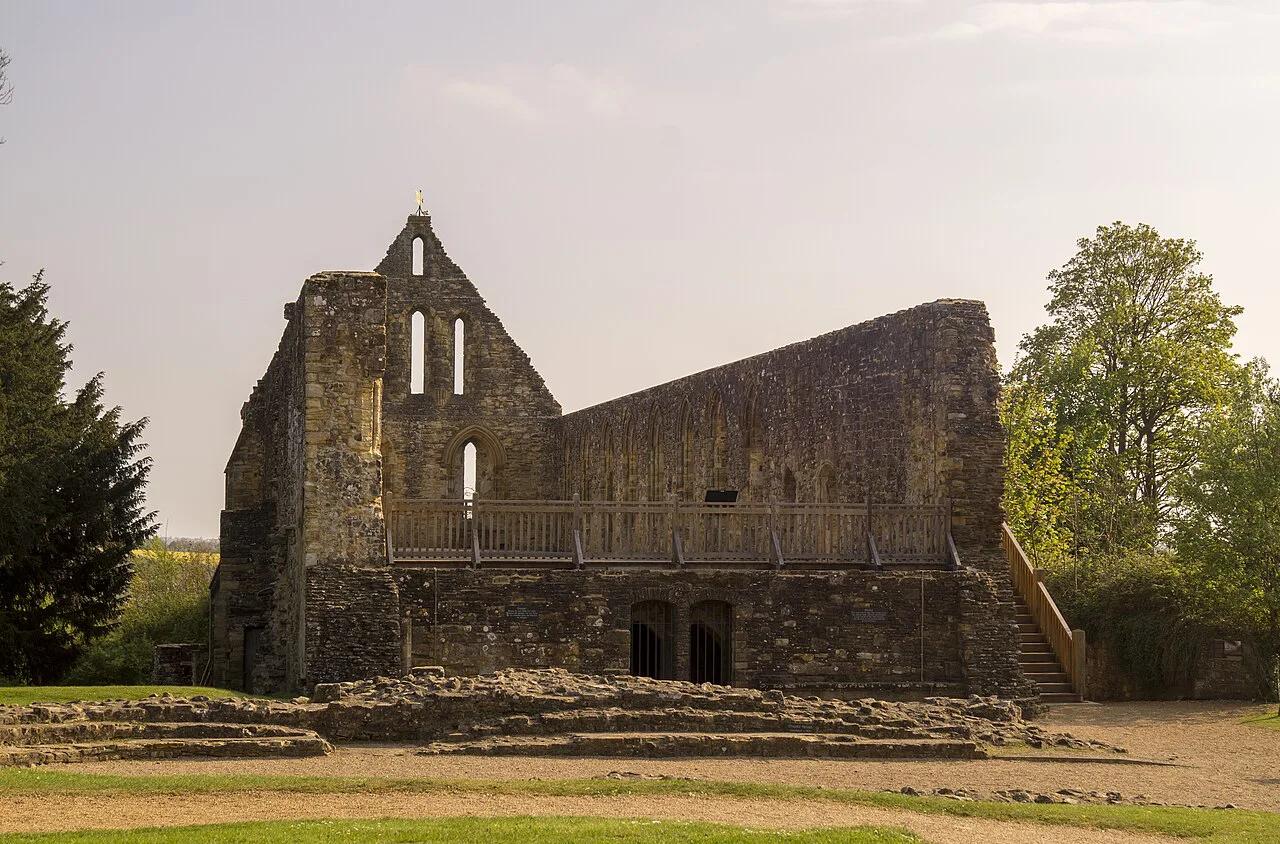
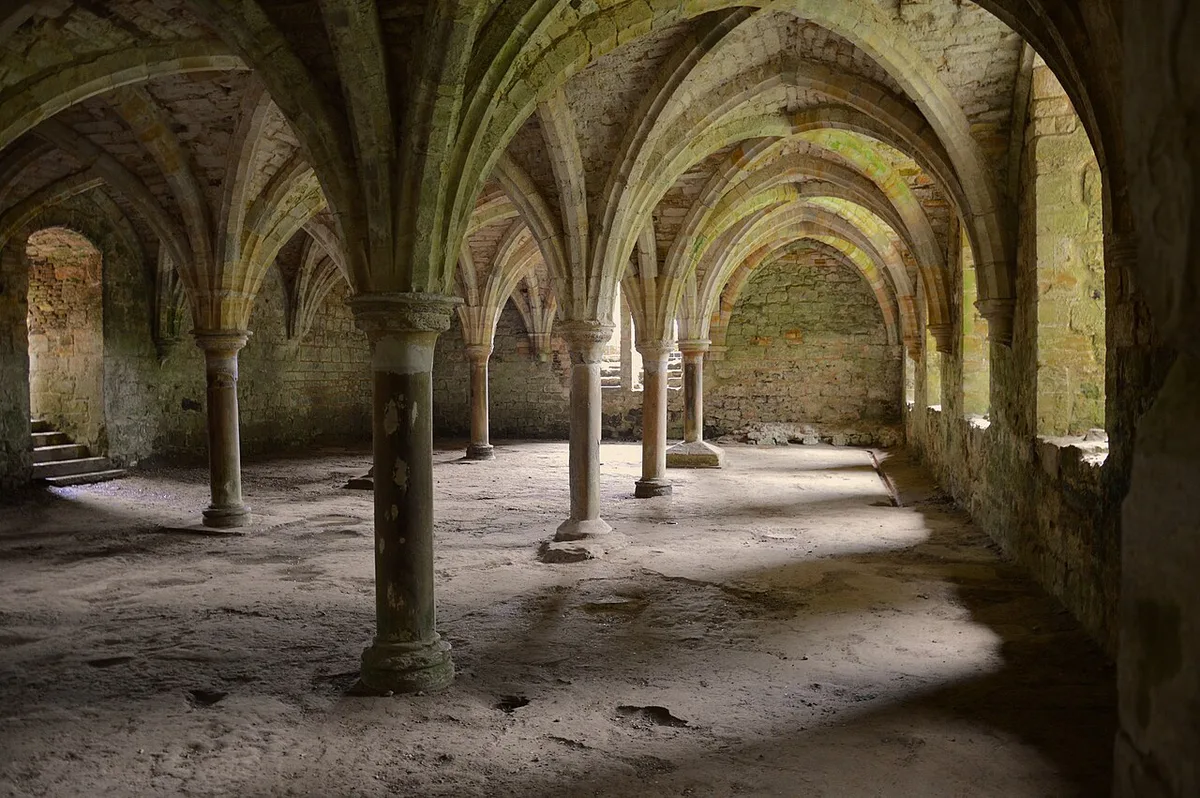
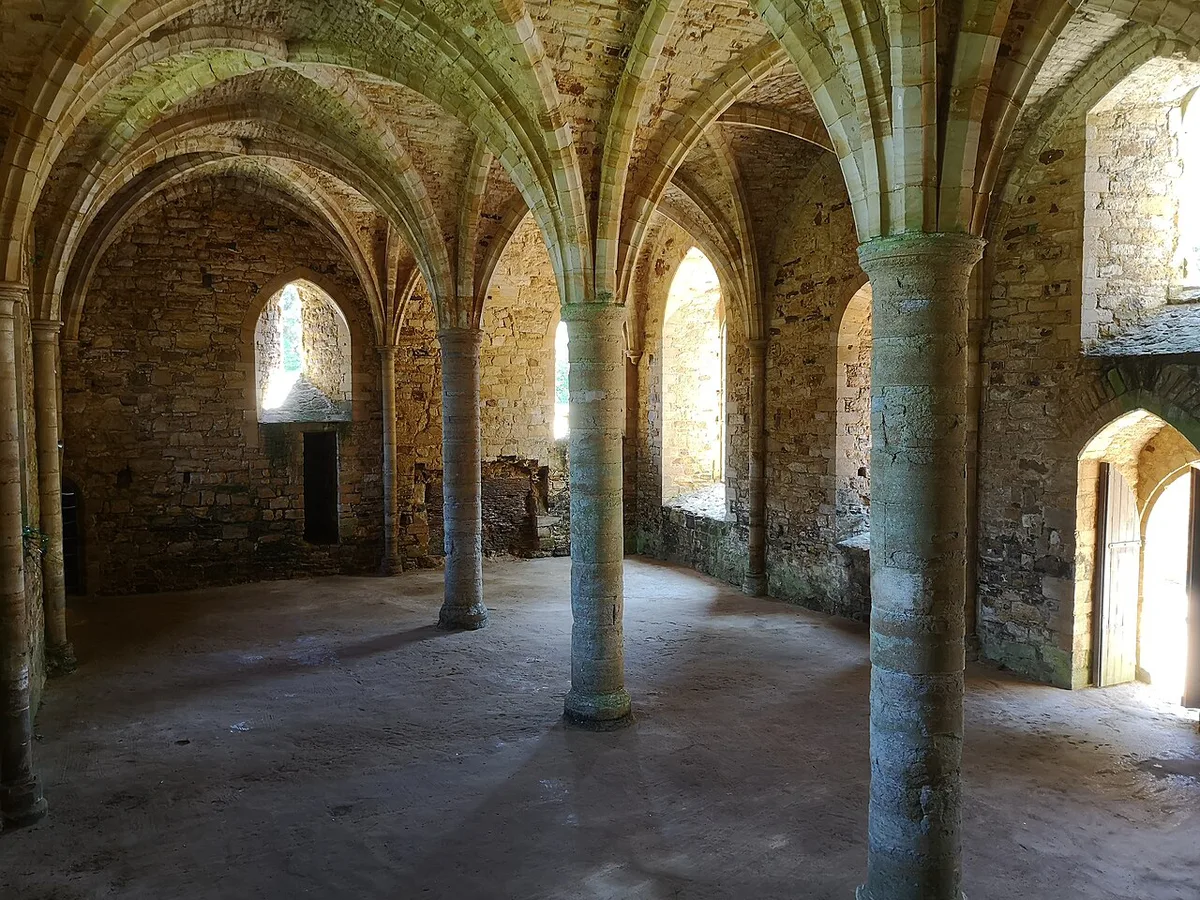
1. Battle Abbey, Hastings
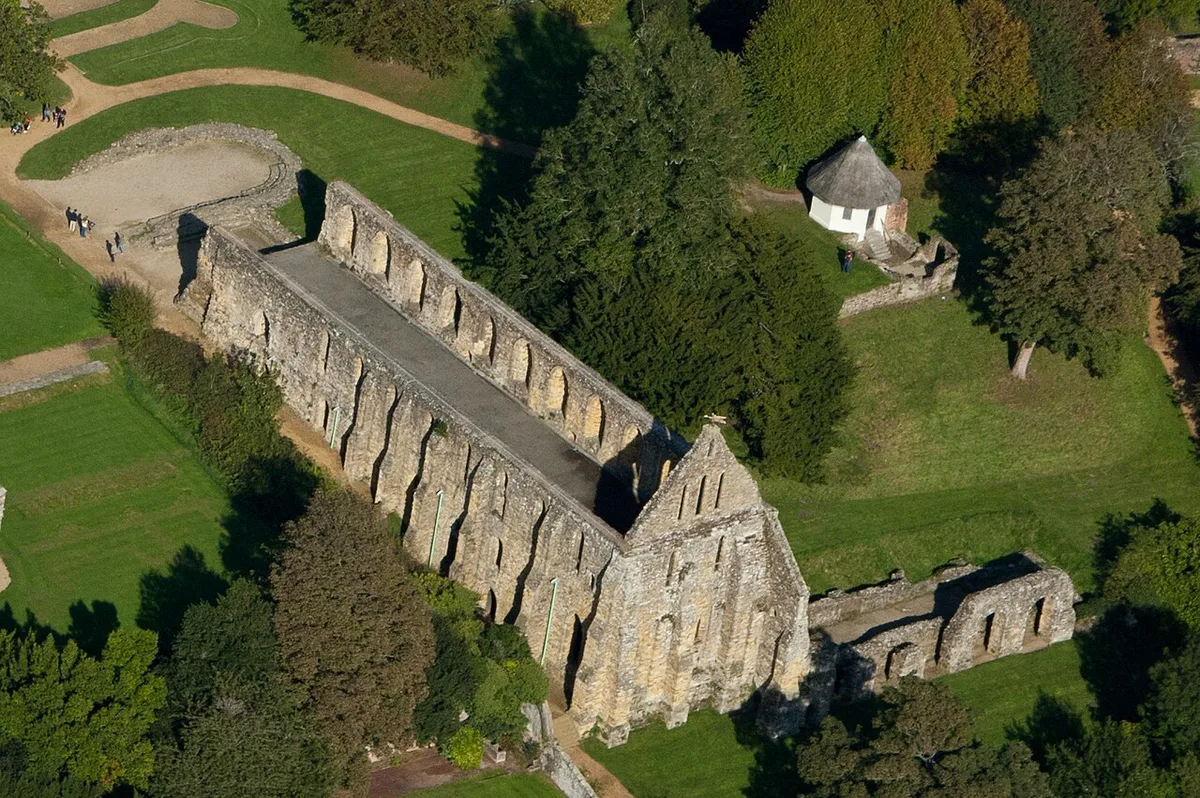
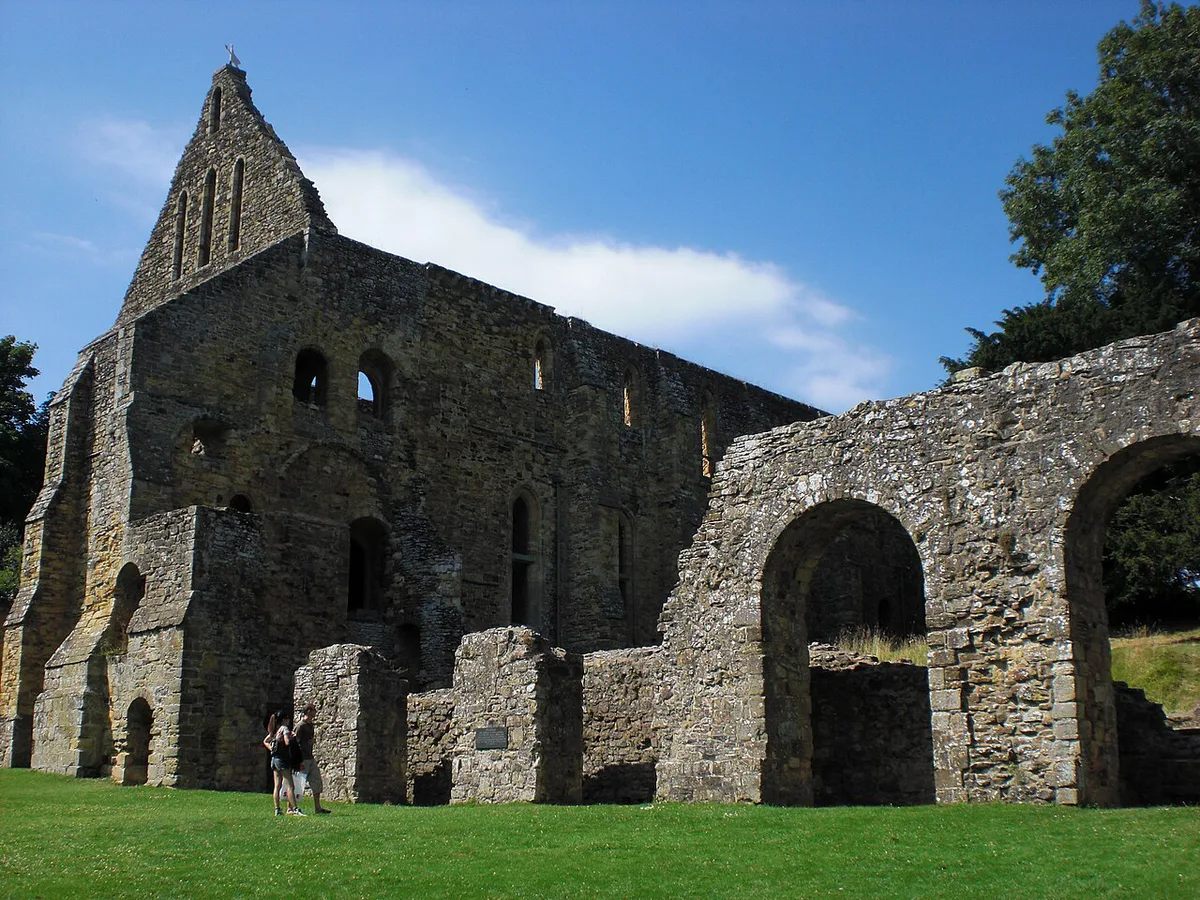
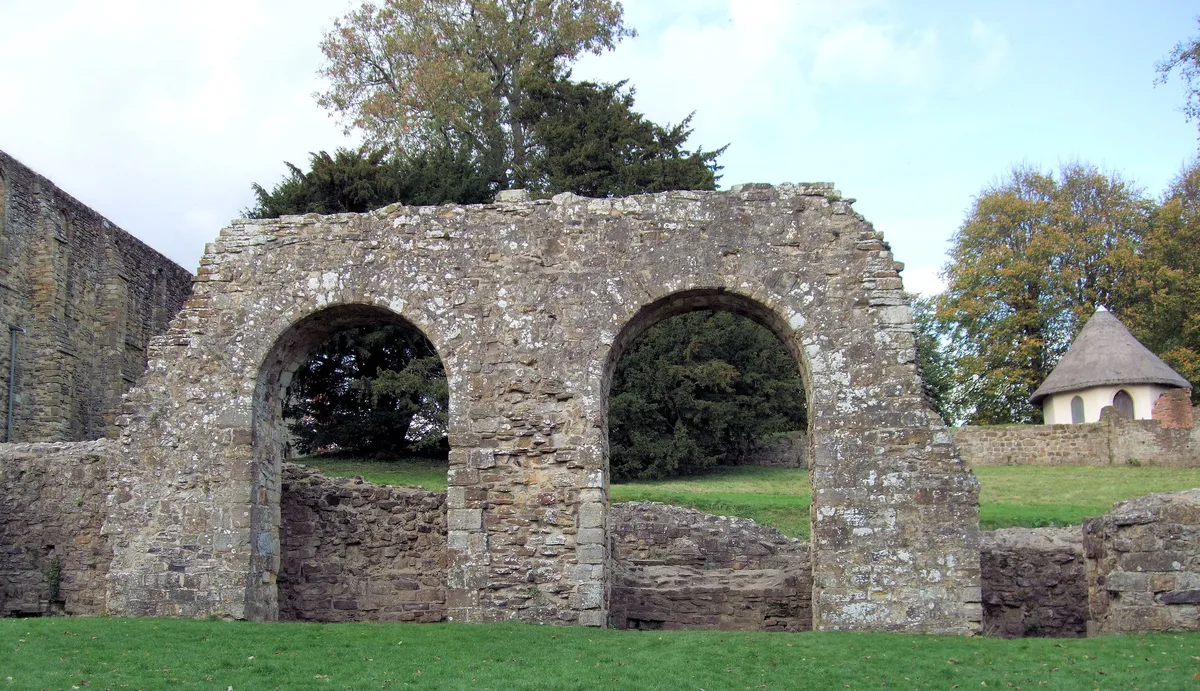
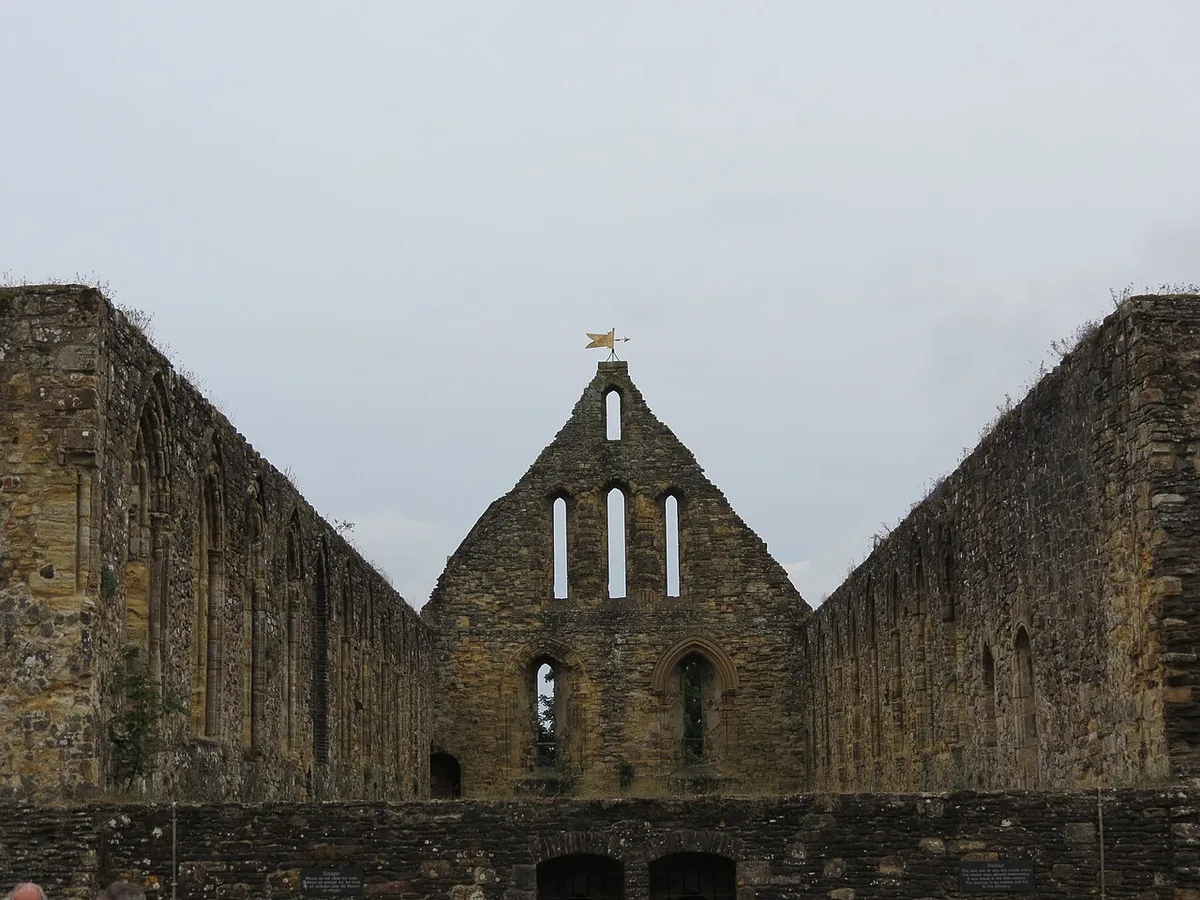
Battle Abbey at Battle, East Sussex, is the listed site of the Battle of Hastings in 1066. Harold's English army met William of Normandy's invaders there, and after most of a day of fighting Harold's death collapsed the English line. That result handed the crown to William, which makes this among the best-known names on any UK battlefield list.
Harold's army had fought at Stamford Bridge in Yorkshire about 3 weeks earlier, which helps explain how stretched it was. Our Hastings battlefield visit guide covers what to see on site. Skip it if you want unmanaged open countryside, and check the official site for entry arrangements and opening hours.
2. Stirling Bridge and the Wallace Monument
Stirling Bridge belongs to the Scottish Wars of Independence and is remembered above all through the Wallace Monument at Stirling. The monument gives the visit its focus, so expect a landmark-led stop rather than a wide field to walk. Stirling works as a base, which makes this a natural pairing with Bannockburn on one Scottish route.
Our Wallace Monument at Stirling guide explains how the two sites fit together. Check current opening hours before you travel, because the monument keeps its own schedule. Skip it if you want open ground to walk, since Flodden or Naseby suit that better.
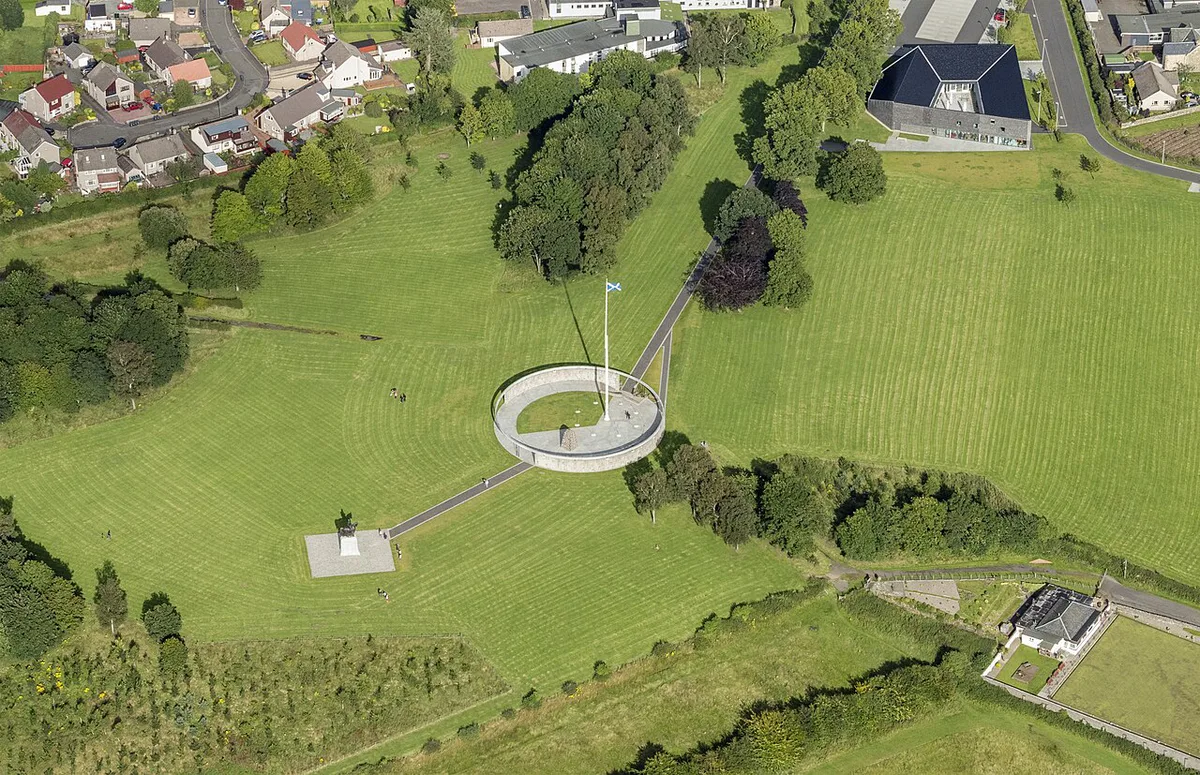
3. Bannockburn
Bannockburn is the strongest Scottish pick for interpretation because it has a dedicated visitor centre. Our Bannockburn site guide explains what the centre covers and how to reach it. It belongs to the Scottish Wars of Independence, so it pairs with Stirling Bridge on a Stirling-based route.
Choose it when weather rules out a long walk, since a centre gives you a covered start. Skip it if you want a field with no admission rules and no exhibits.
4. Flodden
Flodden was fought in 1513 on Branxton Moor, Northumberland, between an English force under the Earl of Surrey and a Scottish army led by James IV. James was among the Scottish dead, along with many nobles. It anchors the Anglo-Scottish border route and sits on rural ground, so plan on a car.
Our Flodden ground guide covers the setting. Visit Northumberland lists places to stay and local travel information. Skip it if you need a visitor centre, because Bosworth and Bannockburn suit that better.
5. Towton
Towton in North Yorkshire saw Edward, Duke of York's Yorkist troops defeat Henry VI's Lancastrians in 1461. Victory forced Henry to flee the country and confirmed Edward's claim to the throne by force. Written accounts are inconsistent, so the exact fighting zone is interpreted rather than fixed.
Local interpretation comes from the Towton Battlefield Society. Our Towton ground guide covers access and what to look for. Skip it if you travel without a car or want exhibits, because this is open ground.
6. Tewkesbury
Tewkesbury in Gloucestershire was the 1471 battle that brought a decisive Yorkist victory in the Wars of the Roses. Edward, Prince of Wales, the Lancastrian heir, died there with many noblemen, leaving Edward IV free to reign until 1483. Registered ground lies at Wheatpieces in Tewkesbury, so the site suits a visit from the town itself.
Local information comes from the Tewkesbury Battlefield Society. Our Tewkesbury fields guide shows how to combine the ground with the town. Skip it if you want a large visitor-centre experience.
7. Bosworth
Bosworth in Leicestershire, near Stoke Golding, is the best-fit pick for a visitor centre, with the Bosworth Battlefield Heritage Centre as its base. Henry Tudor's rebel force beat Richard III's royal army in 1485, Richard died on the field, and Henry became Henry VII. Archaeology has since placed the core fighting about 2 miles south-west of Ambion Hill. Finds include a silver-gilt boar badge discovered near Fenn Lane in 2009.
Our Bosworth trail guide covers the walk. Start at the centre, then walk, so the signage makes sense. Skip it if you want free open ground only, because the centre sets its own admission.
8. Naseby
Naseby in Northamptonshire, near Clipston, saw Oliver Cromwell's New Model Army defeat Charles I's main Royalist army in 1645. Most of the King's force was lost, and within a year the remaining Royalist pockets were subdued, ending the First Civil War. Walkers get the most from it, with the Naseby Battlefield Project as the local source.
Our Naseby field guide covers the route. For the wider picture, see Civil War sites across England. Skip it if you rely on public transport, and check access first.
9. Killiecrankie
Killiecrankie is the list's Jacobite-era stop, set apart from the medieval sites around it. Jacobite-era fighting differs from medieval clashes, so let that context shape what you look for on the ground. Our Killiecrankie battlefield guide covers the site and how to reach it.
Scottish sites sit under different heritage bodies than English ones, so ticketing and interpretation differ. VisitScotland carries current visitor information. Skip it if you want a full visitor centre, because Bannockburn is stronger.
If You Only Have One Day: Our Ranking
In our editorial assessment, rank by what you will actually see. Bosworth comes first because its Heritage Centre pairs exhibits with the ground where Henry Tudor beat Richard III in 1485. Bannockburn is second for Scotland, since it has a dedicated visitor centre. Tewkesbury is third for anyone staying in town, as the 1471 fighting took place at Wheatpieces. Naseby and Towton follow for walkers who prefer open ground. Hastings is the pick if the famous 1066 name matters most.
Routes and Time Trade-Offs
Three themed routes work from this list. Wars of the Roses links Tewkesbury (1471), Towton (1461) and Bosworth (1485), and a car is effectively required between them. Scottish Wars of Independence centres on Stirling, pairing Stirling Bridge with Bannockburn. Flodden anchors the border route in Northumberland. Two sites in a day is realistic only where they share a base, such as Stirling. Marston Moor, Edgehill and Stamford Bridge are also worth knowing, though this page does not cover them.
| Route | Sites | Transport logic |
|---|---|---|
| Wars of the Roses | Tewkesbury, Bosworth, Towton | Car effectively required; rural sites often lack buses |
| Scottish Wars of Independence | Stirling Bridge, Bannockburn | Stirling base; check rail and bus options before you go |
| Anglo-Scottish border | Flodden | Car; local information via Visit Northumberland |
Costs, Tickets and Opening Hours
Open ground is generally free, while visitor centres such as Bosworth's set their own ticket prices. Current prices and hours are on each official site, including the Bosworth Battlefield Heritage Centre page.
Where to Stay and How to Get Around
Base towns follow the clusters: Battle for Hastings, Tewkesbury for its own battlefield, and Stirling for the Scottish pair. Rural sites often lack buses, so check public transport on each official site.
Visiting Battlefields Responsibly
Treat the ground with respect, because many people fought and died on it. Do not use a metal detector on battlefield ground without permission. The Battlefields Trust supports detecting only within properly designed archaeological surveys and warns that ad hoc removal distorts surviving evidence. Stay on paths, keep out of crops, and follow any visitor rules each site posts. Expect uneven interpretation, because some sites hold little beyond a marker.
How Archaeology Has Changed What You See
Bosworth shows why older signage can disagree with newer research. Ambion Hill was long identified with the battle, but later research placed the core fighting about 2 miles south-west of it. Historic England stresses that the detailed movements of the armies remain provisional. The Heritage Centre records a silver-gilt boar badge found near Fenn Lane in 2009, alongside lead cannonballs from the wider survey. Towton carries a different lesson. Written accounts there are inconsistent, and a grave near Towton Hall was found in 1996. Blank areas on find maps may reflect limited survey rather than an absence of fighting. When a sign and a guide disagree, ask the site which interpretation its trail follows.
Mistakes to Avoid
Four mistakes recur. Expecting reconstructions on open fields leads to disappointment, since many sites hold only a trail or marker. Assuming a signed spot is the true fighting location ignores revisions such as Bosworth's. Visiting rural sites without a car can leave you stranded. Ignoring seasonal visitor-centre hours can waste a trip, so check them before you travel.
Bosworth's core fighting lay about 2 miles south-west of Ambion Hill, so a signed hilltop may miss the battle. Ask the centre which trail it follows.
For the battlefields of the twentieth century, start with our overview of WWI battlefields on the Western Front.
Explore More Guides
Keep planning your trip with these guides.
Guides
- Battle of Hastings Battlefield: Where It Is and How to Visit
- Bosworth Battlefield: Visitor Guide, Trail & Planning Tips
- Battle of Bannockburn Visitor Centre
- Flodden Battlefield: Visiting Guide and Trail Tips
- Naseby Battlefield: Visiting Guide and Tours
- Towton Battlefield: Visitor Guide, Walks and History
- Tewkesbury Battlefield: What to See and Visitor Guide
- Killiecrankie
- English Civil War Sites to Visit
- Wallace Monument, Stirling
Keep planning
Guides on the same trip