Towton Battlefield: Visitor Guide, Walks and History
Visiting Towton Battlefield in North Yorkshire: what happened on 29 March 1461, where to walk, how long to allow and how to pair it with other battlefields.
In this guide
Last updated November 2026. Towton battlefield is working farmland near Towton in North Yorkshire, where Edward IV's Yorkists beat Henry VI's Lancastrians on Palm Sunday, 29 March 1461. You visit on foot along waymarked paths and at memorials, not at a staffed visitor centre. This guide covers the ground, the access rules and how Towton fits into a wider trip through 9 Historic Battlefields UK Visitors Should See.
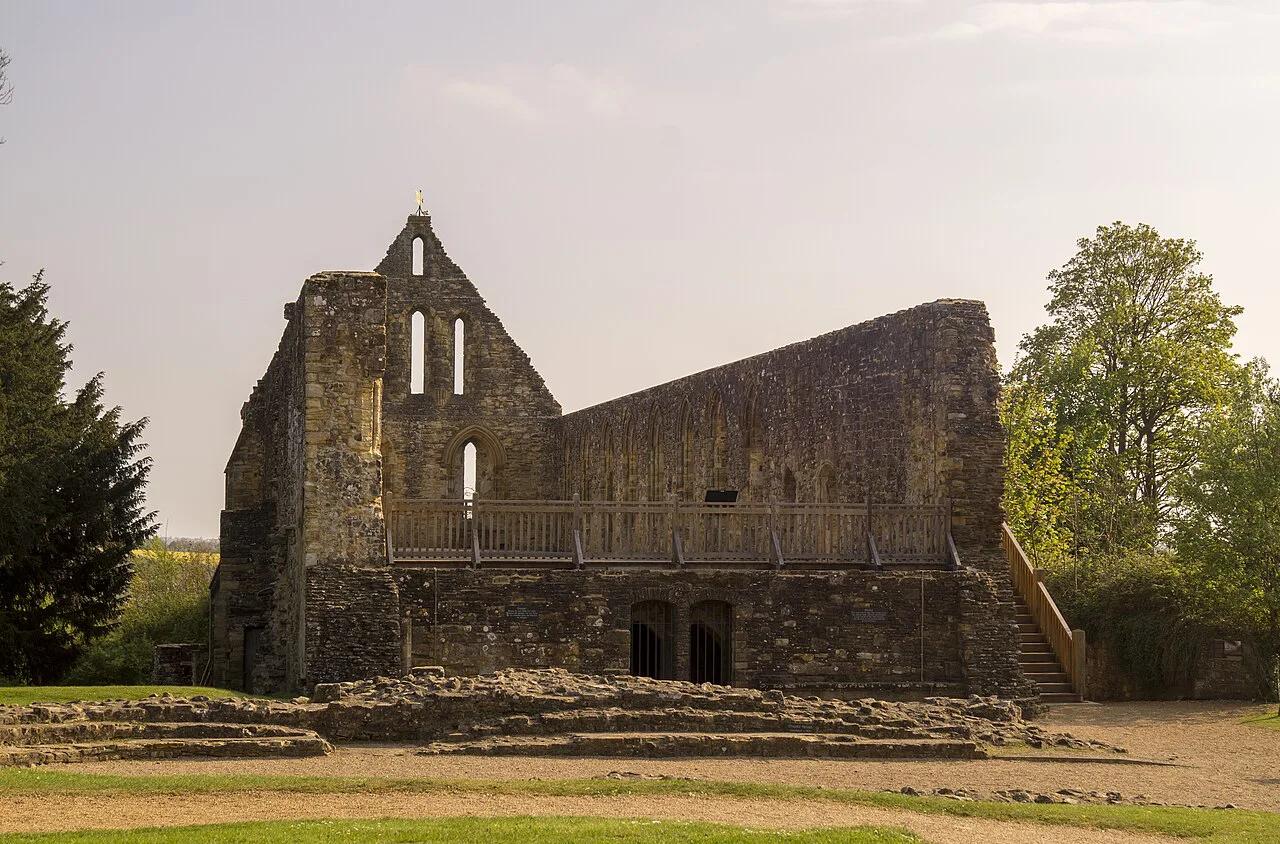
Featured image: domfell, CC BY 2.0, via Flickr.
Towton Battlefield at a Glance
Towton was fought between the villages of Saxton and Towton, on a plateau above the ravine of Cock Beck. The battle took place on 29 March 1461, during the Wars of the Roses. Most of the land is private farmland, so you walk the marked Towton Battlefield Trail and public rights of way. The Towton Battlefield Society is the local body to check for current trail and event information.
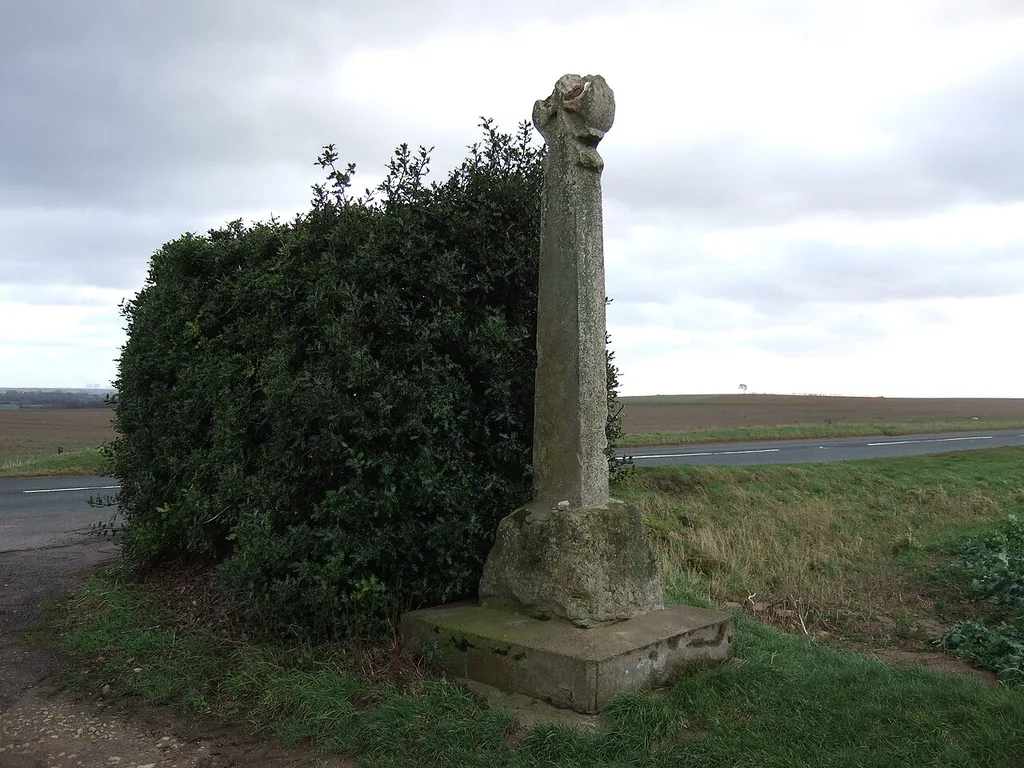
- What it is: an open battlefield with a marked trail and memorial cross, not a museum.
- Date of the battle: Palm Sunday, 29 March 1461.
- Location: between Saxton and Towton, near Tadcaster, North Yorkshire.
- Best season: late autumn to early spring, when crops do not hide the terrain.
- Facilities: assume none on the ground. Bring water, a map and waterproof boots.
What Happened at Towton (Short Version)
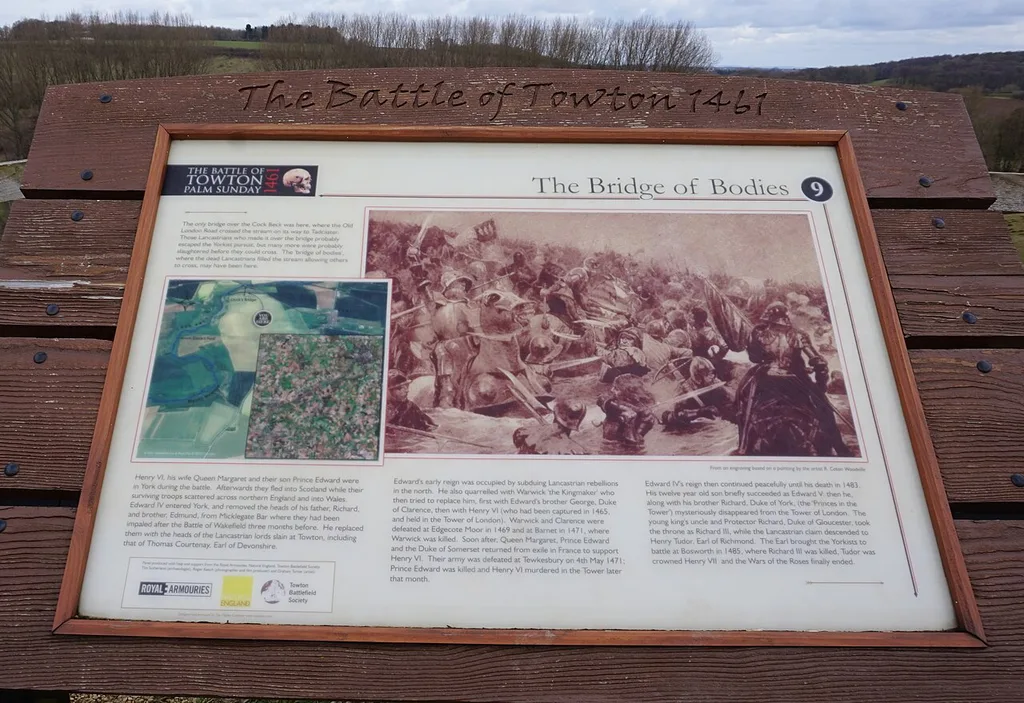
Richard, Duke of York, died at Wakefield in the winter before the battle. His son Edward, then 19, won at Mortimer's Cross in February 1461. London's authorities backed him, and he was proclaimed Edward IV in early March. Both sides then marched north. On Palm Sunday, snow blew toward the Lancastrian line. Yorkist archers shot farther with the wind behind them, and Somerset's Lancastrians advanced to escape the volleys. Hours of close fighting followed. Late in the afternoon the Duke of Norfolk's reinforcements hit the Lancastrian flank, and the line broke. Many of the fleeing men were caught at Cock Beck. Estimates put the combined armies at 50,000 to 80,000 men, but those figures are contested.
| Stage | What to picture on the ground |
|---|---|
| Morning | Snow and wind across open plateau; archers open the fight |
| Midday | Close fighting along the ridge between Towton and Saxton |
| Late afternoon | Norfolk's fresh troops arrive and strike the flank |
| Evening | Lancastrian rout toward the Cock Beck crossing |
Reading the Ground: What You Can Actually See
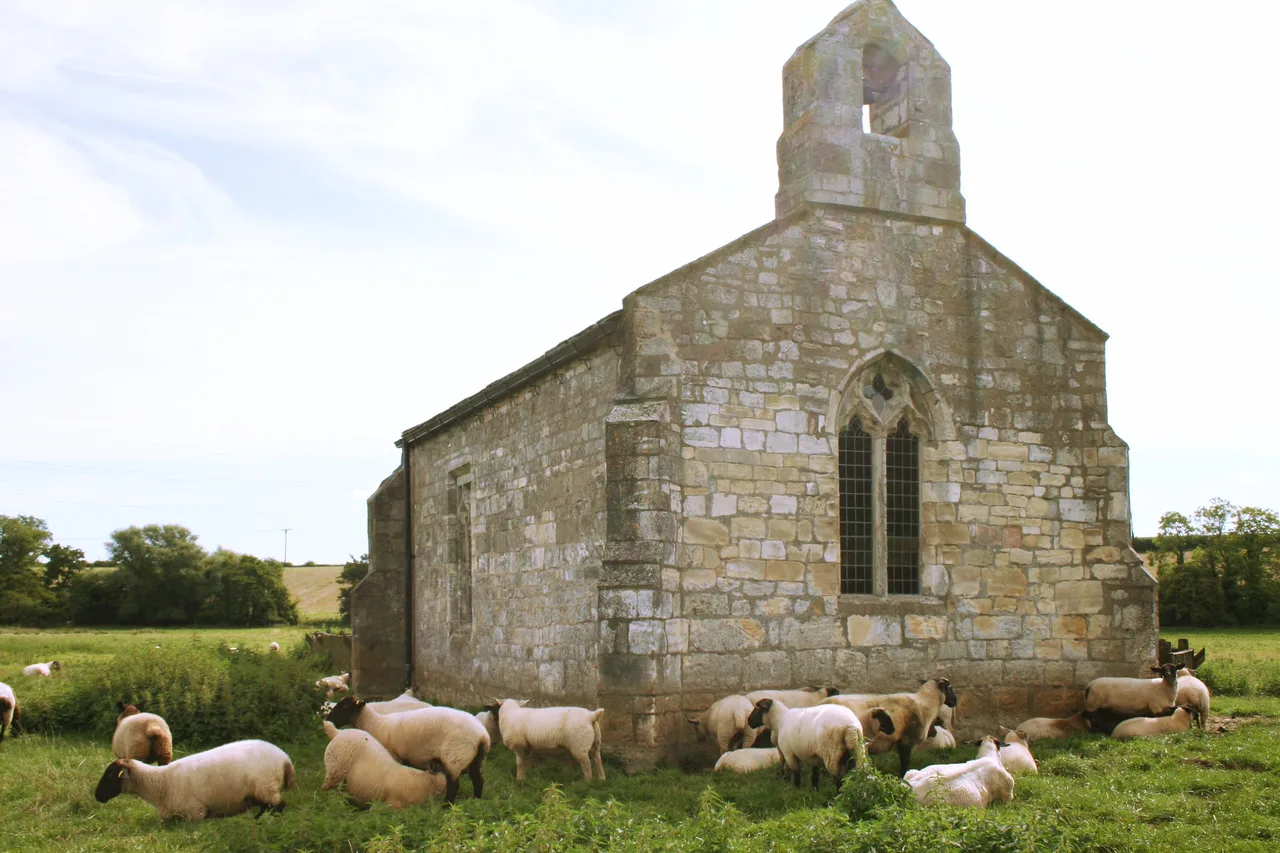
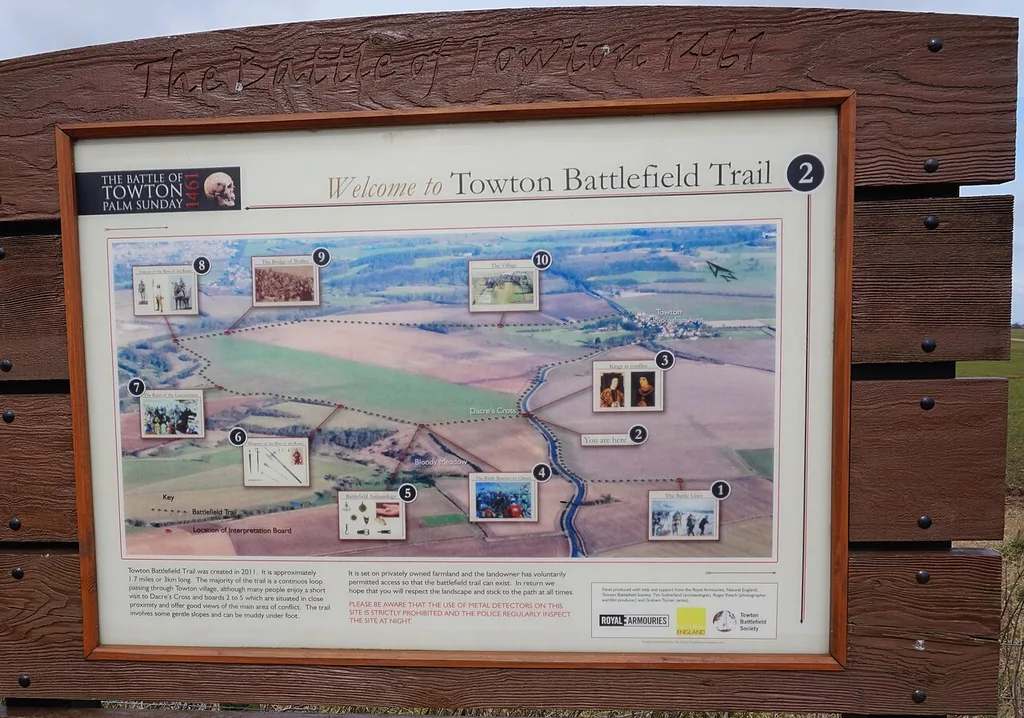
Towton rewards walkers who read the landscape. The plateau is broad and exposed, and it drops steeply into the Cock Beck ravine. Standing at the edge, you can see why retreat became a disaster. Narrow crossings and steep banks trapped thousands of men. The memorial cross is a quiet place to pause, and the trail points you toward other battle-related spots. Little is staffed or interpreted, so read the trail information before you set out. Farmland and hedges have replaced the medieval fields. Treat the whole area as a memorial landscape and as a burial site.
- Plateau: the ridge where the armies met, best read from the public paths.
- Cock Beck ravine: the steep drop behind the Lancastrian line.
- Memorial cross: a point for reflection on the marked trail.
- Private land: stay on paths, close gates and keep dogs under control near livestock.
How to Visit Towton Battlefield: Getting There and Access
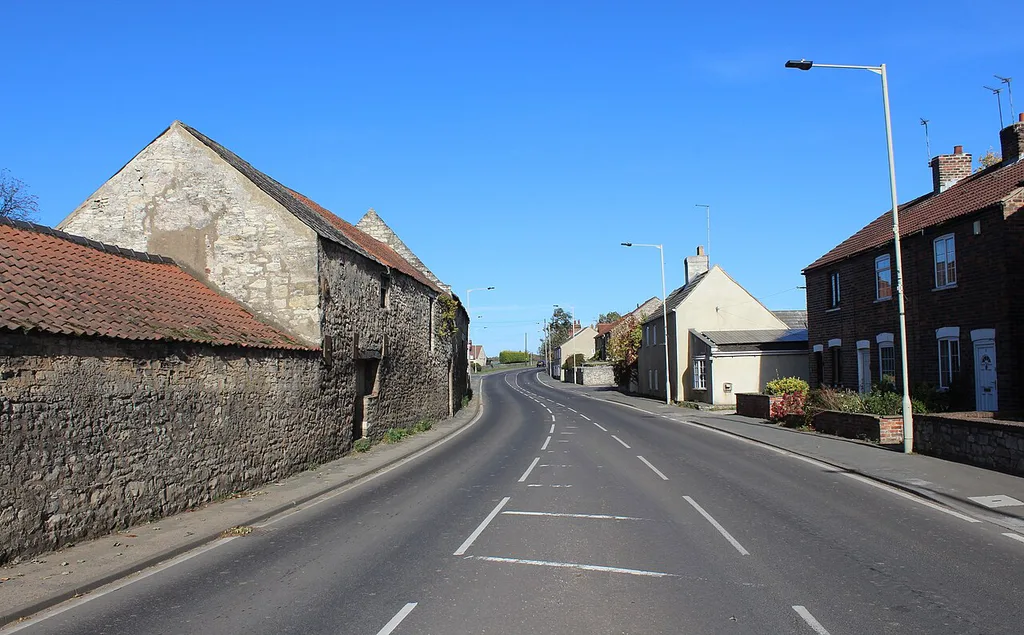
A car is the easiest way to reach Towton, because the battlefield sits in farmland between villages. Without a car, base yourself in Tadcaster, York or Leeds. From there, check bus and rail journey planners for the last leg, since services to small villages change often. Park considerately on roadside spots or at the trail's start point, and never block farm gateways. Paths cross fields and can be muddy after rain, so wear sturdy boots. Surfaces are uneven, so accessibility is limited. The Towton Battlefield Society is the place to check for current access notes and any trail leaflet.
Costs, Opening Hours and Tours
Walking the open paths is normally free, and there are no set opening hours for the fields. Guided walks and talks are the exception. The Towton Battlefield Society and The Battlefields Trust are the best places to look for current events, leaflets and tours.
How Long to Allow and Sample Plans
Allow 1 hour for a short stop at the memorial cross and the nearest viewpoint. A half-day suits the full marked trail with time at the ravine. For a longer day, pair Towton with York, which works well as a base without a car.
| Plan | Time | Effort | Car needed? | Best for |
|---|---|---|---|---|
| Quick stop | About 1 hour | Low | Yes | Drivers passing through |
| Full trail walk | Half a day | Moderate, muddy in winter | Preferably | Walkers and history readers |
| Towton plus York | Full day | Moderate | No, with planned transport | Car-free visitors |
If You Only Have 90 Minutes
Park considerately, walk to the memorial cross and follow the trail toward the plateau edge. Then look down toward Cock Beck to understand the rout. Skip the full loop and keep to the paths. You will see the key ground without needing a museum.
- Mistake to avoid: expecting a museum or café on site.
- Mistake to avoid: trainers in winter, when fields turn to mud.
- Mistake to avoid: cutting across farmland off the paths.
- Mistake to avoid: visiting in high summer, when crops can hide the terrain.
Best Time to Go
Palm Sunday weekend is the natural date for anniversary events, so check the Towton Battlefield Society for what runs each year. Winter gives open views and the closest feel of the weather in 1461. It also brings mud and early dusk, so plan your walk for daylight hours. Summer crops can hide the ground, which makes the plateau harder to read.
Palm Sunday weekend anniversaries fall around 29 March 1461, but winter brings mud and early dusk, so walk in daylight hours.
Where to Stay and Eat Nearby
York suits car-free travelers who want rail links and a medieval setting. Tadcaster is closer for drivers who want a short hop to the fields. Leeds offers the widest range of rail connections and budgets. Pack food and water for your walk, because the battlefield itself has no facilities.
Archaeology and Evidence
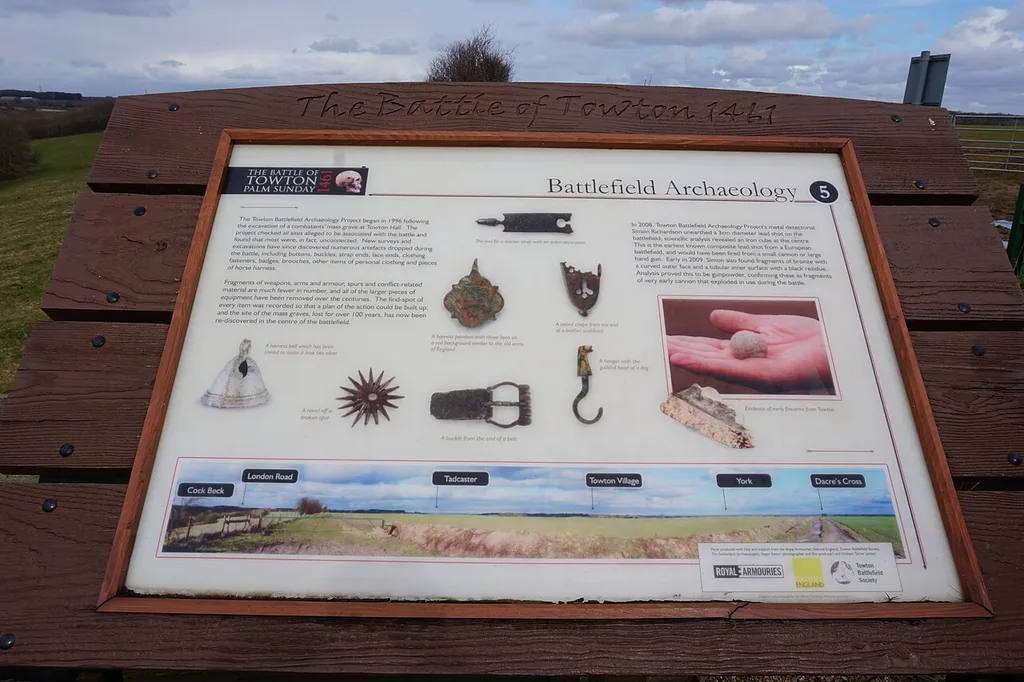
Towton is unusual because the ground has produced physical evidence. In 1996, workers found a mass grave near Towton Hall containing the remains of more than 40 men. The injuries showed severe wounds, which supports accounts of a brutal fight and rout. Treat the finds with respect, and rely on the Towton Battlefield Society or a museum for any display. The grave is not a visitor attraction, so stay on public paths nearby.
Remains of more than 40 men were found near Towton Hall in 1996, so stay on public paths and treat the site as a burial ground.
Combine Towton With Other British Battlefields
Towton pairs well with other Wars of the Roses sites. Bosworth Battlefield: Visitor Guide, Trail & Planning Tips has a heritage centre, and the Bosworth Battlefield Heritage Centre publishes its current visitor details. Tewkesbury Battlefield: What to See and Visitor Guide is supported by the Tewkesbury Battlefield Society. For a later English conflict, see Naseby Battlefield: Visiting Guide and Tours or the wider English Civil War Sites to Visit: Battlefields, Castles and Trails. Those who want a northern border story can read about Flodden Battlefield: Visiting Guide and Trail Tips.
| Battlefield | Visitor centre? | Style of visit |
|---|---|---|
| Towton | No staffed centre | Open-ground walking on marked trail |
| Bosworth | Yes, a heritage centre | Centre plus trail |
| Tewkesbury | Check the Battlefield Society | Walks and local trail information |
Frequently Asked Questions
Where was the Battle of Towton?
Towton was fought between the villages of Saxton and Towton in North Yorkshire, near Tadcaster. The armies met on a plateau above the Cock Beck ravine on 29 March 1461. Today it is farmland crossed by waymarked paths.
What is the bloodiest battle in medieval history?
Towton is often described as the bloodiest battle on English soil. A tradition of 28,000 dead exists, but historians treat that number cautiously. Army sizes of 50,000 to 80,000 are estimates, not settled fact.
Keep planning
Guides on the same trip