English Civil War Sites to Visit: Battlefields, Castles and Trails
Where to see the English Civil War: key battlefields, castles and museums, what each site offers on the ground, and how to plan a route.
In this guide
Last updated November 2026: the best English Civil War sites fall into three types, which are battlefields, siege castles and museums, and Naseby in Northamptonshire is the strongest first stop. Edgehill, Marston Moor, Newbury, Cropredy Bridge and Worcester complete a shortlist that follows the war from 1642 to 1651. Most of these places are open farmland with a monument or trail, so plan for walking rather than a staged attraction.
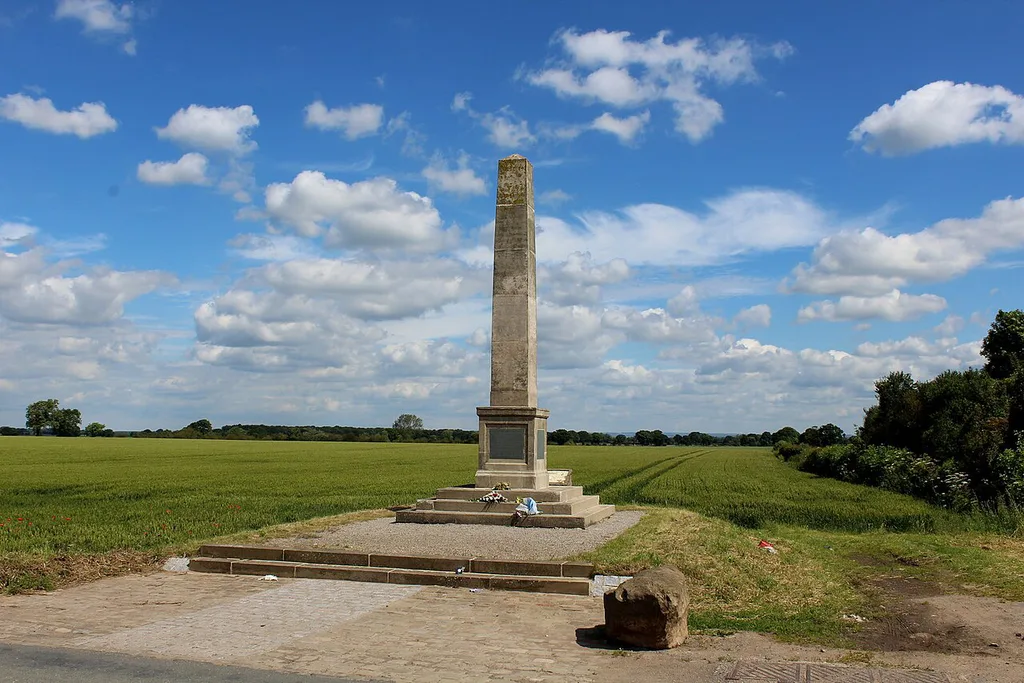
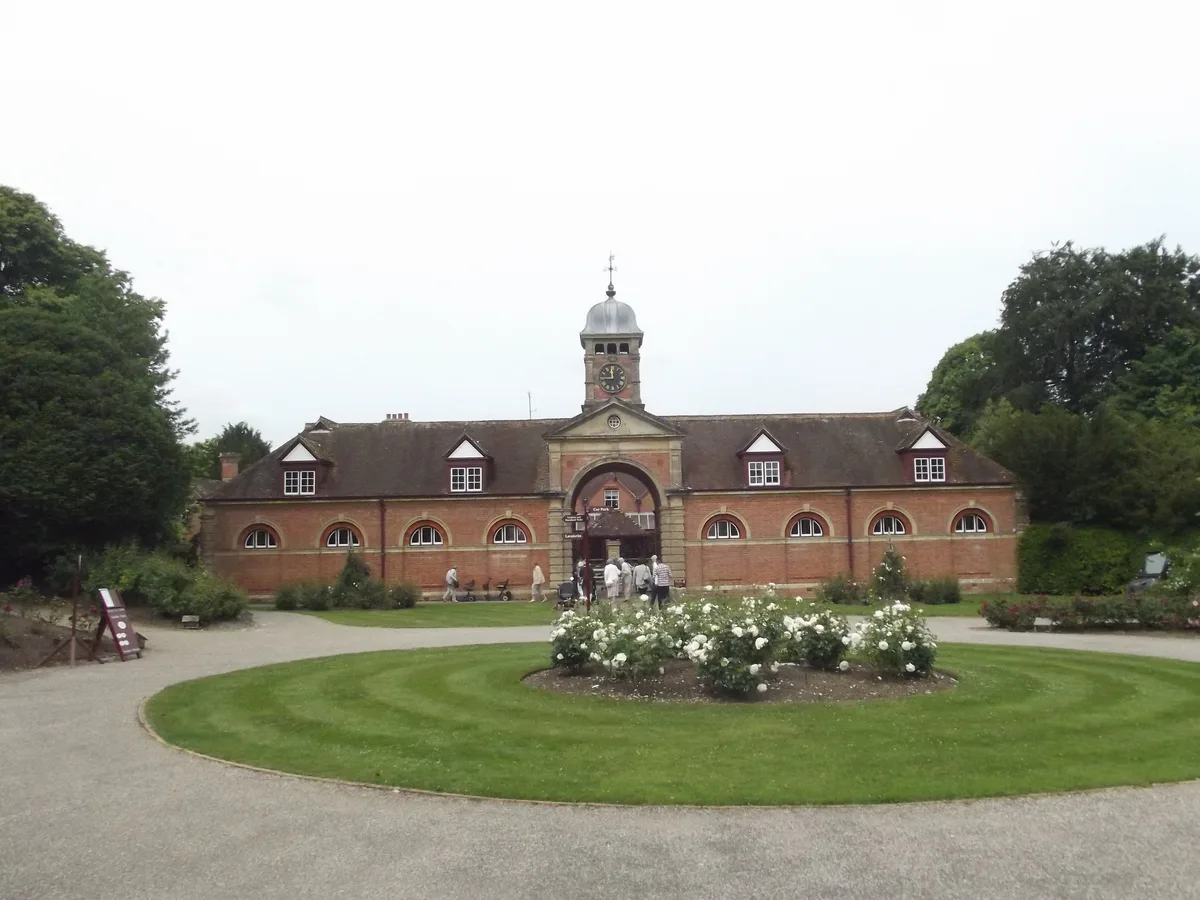
Featured image: Roger Davies, CC BY-SA 2.0, via Wikimedia Commons.
Best English Civil War sites: the short answer
Choose by what you want to see. Battlefields suit walkers who like reading a landscape. Castles and museums suit visitors who want objects, rooms and interpretation. Our wider guide to British battlefields places these sites alongside other periods. The war is also called the Wars of the Three Kingdoms, and it has nothing to do with the Wars of the Roses.
- First-timer: Naseby, Northamptonshire, the decisive battle of 1645.
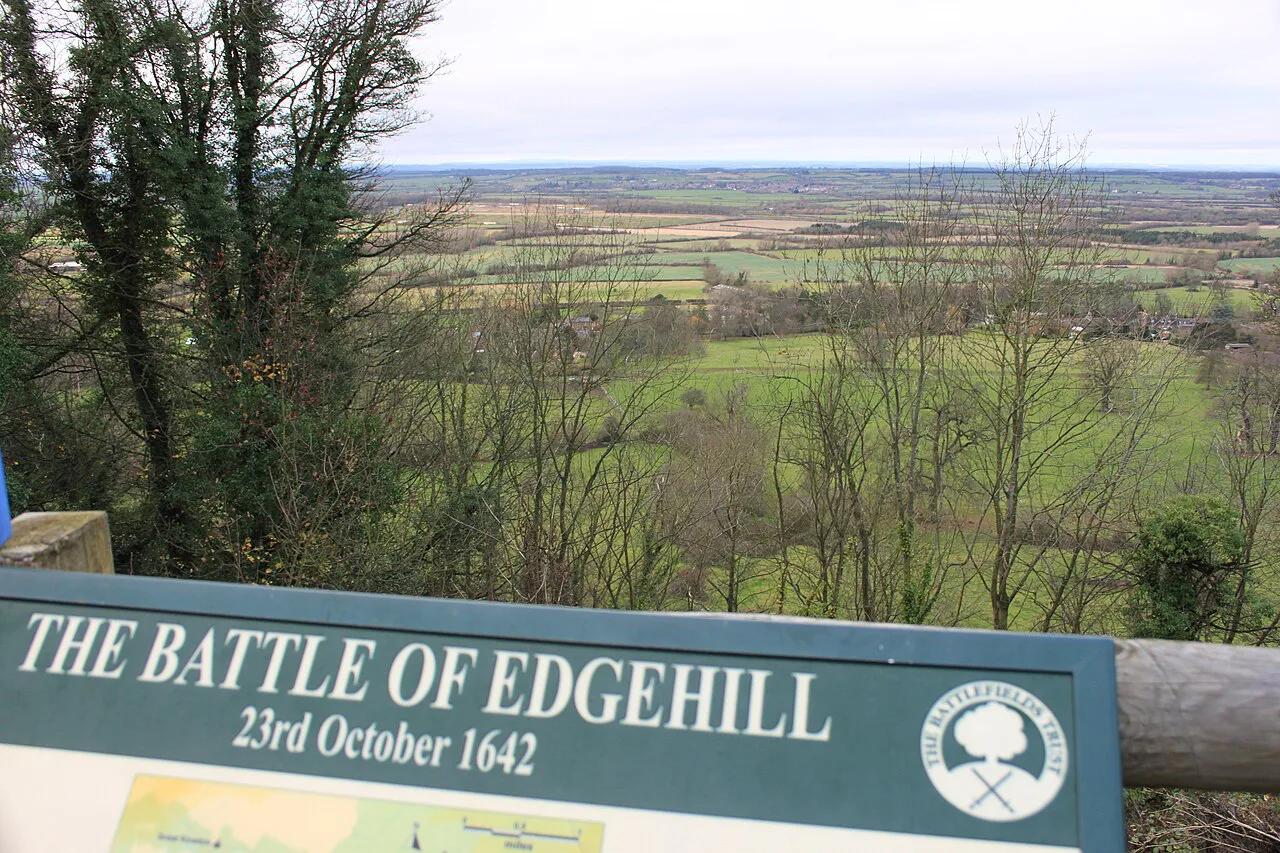
- Where the fighting opened: Edgehill, Warwickshire.
- Largest northern field: Marston Moor, North Yorkshire.
- Where the war ended: Worcester, with the 1651 battle.
- Siege history: Basing House, Corfe Castle and Carisbrooke Castle.
- Indoor history: the Cromwell Museum in Huntingdon and the Commandery in Worcester.
What to expect on the ground
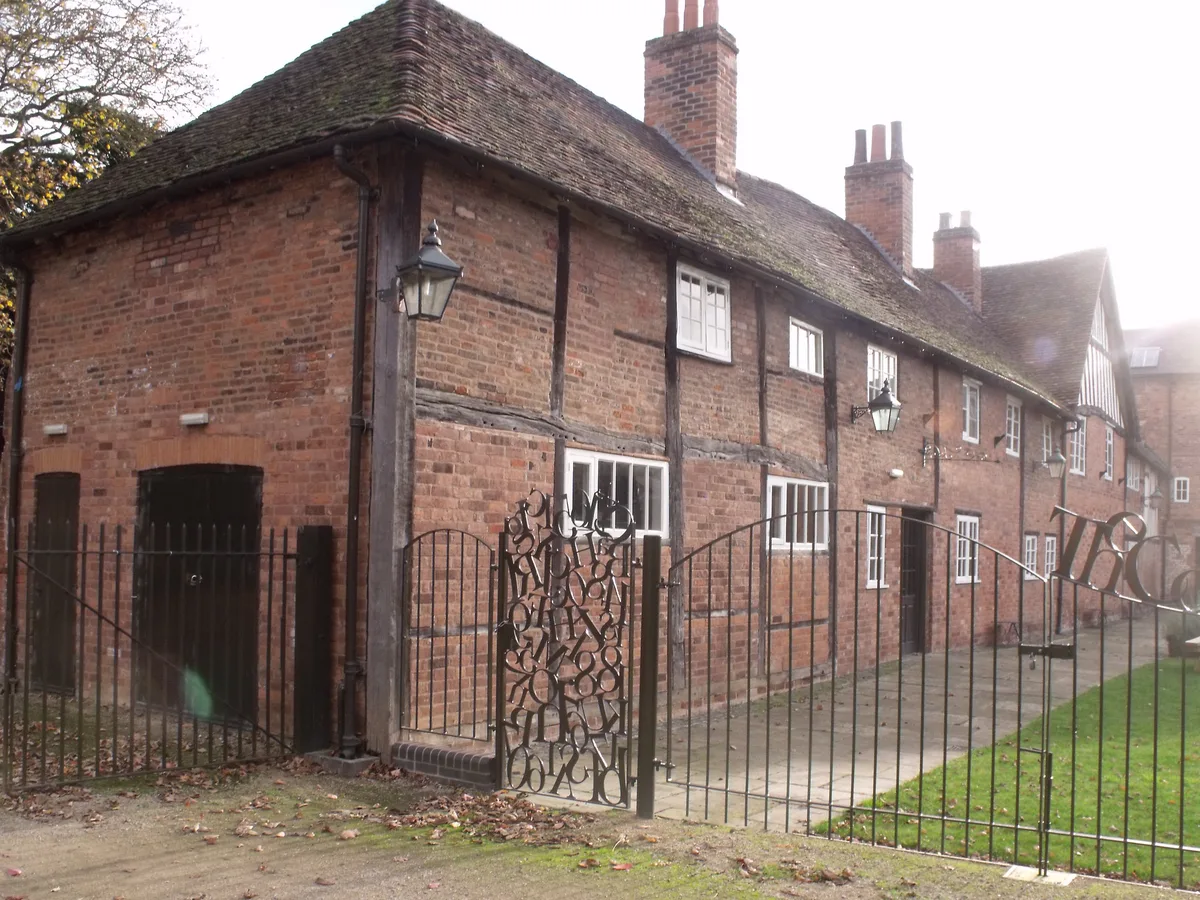
Many Civil War battlefields are working farmland. You will usually find a monument, a waymarked walk or a small interpretation point, not a ticketed visitor centre. Castles and museums are different, because they have staffed entrances and fixed opening patterns. Set expectations accordingly. A battlefield visit rewards a map, sturdy shoes and patience more than a long list of facilities.
Key English Civil War battlefields
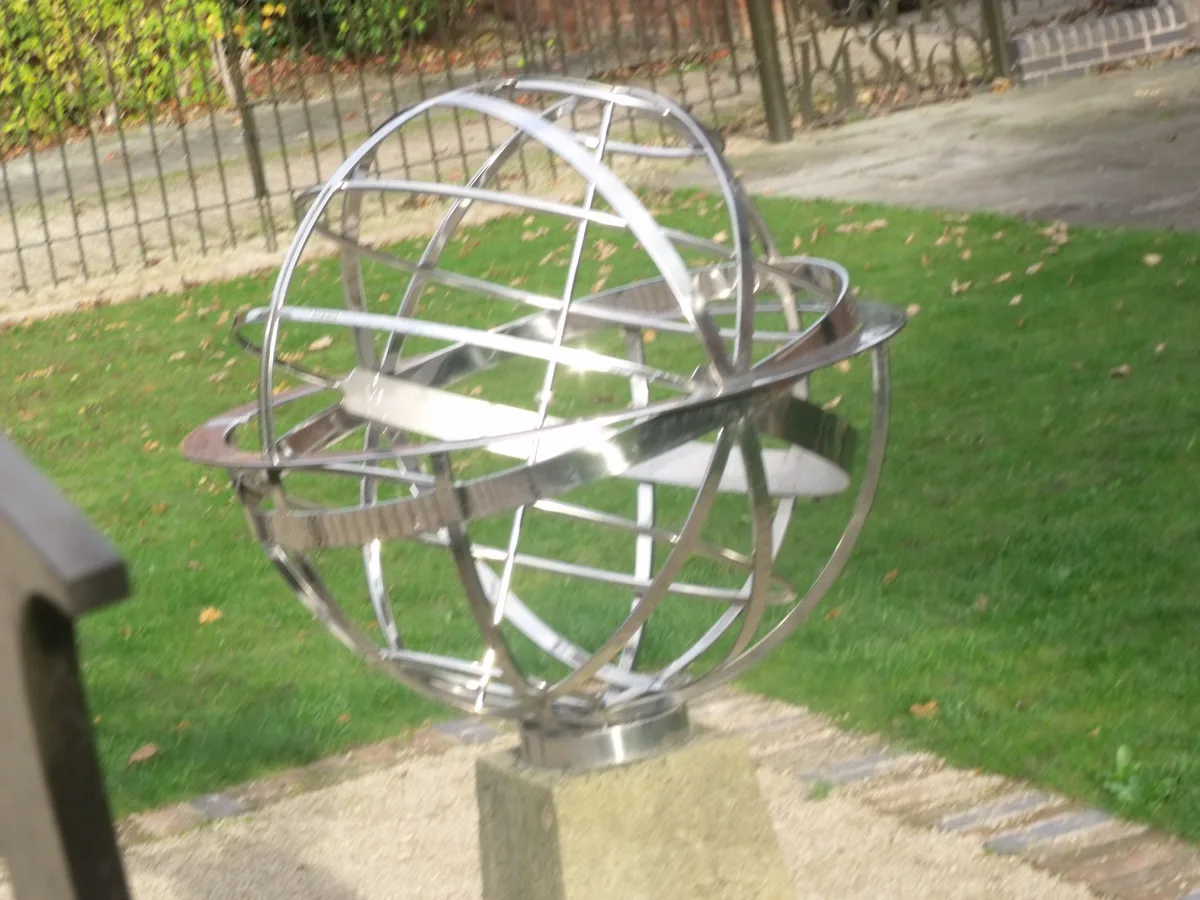
Each battlefield below has a clear role in the war. Edgehill is the first major battle, fought in 1642. Naseby in 1645 broke the main Royalist field army. Our Naseby battlefield guide covers that site in detail, and the Naseby Battlefield Project publishes local information. For maps, trails and access notes elsewhere, start with The Battlefields Trust.
- Naseby (Northamptonshire): suits anyone wanting the decisive campaign in one place. Skip it if you expect a museum on site.
- Edgehill (Warwickshire): suits readers who want the opening of the war. Skip it if you need a built attraction.
- Marston Moor (North Yorkshire): suits northern road trips and walkers. Skip it if you have only an hour.
- Newbury (Berkshire): suits a short stop from southern England. Expect built-up edges around the fighting area.
- Cropredy Bridge (Oxfordshire): suits a small-scale village visit near the river crossing. Skip it for a full day out.
Siege sites, castles and museums
Sieges shaped the war as much as field battles. Basing House, Corfe Castle and Carisbrooke Castle are the main castle and siege candidates. Each is an official heritage site with its own visitor arrangements. In Worcester, the Commandery covers the 1651 end of the war. In Huntingdon, the Cromwell Museum covers the man himself. Use these when weather or access rules out a field walk.
Sites at a glance
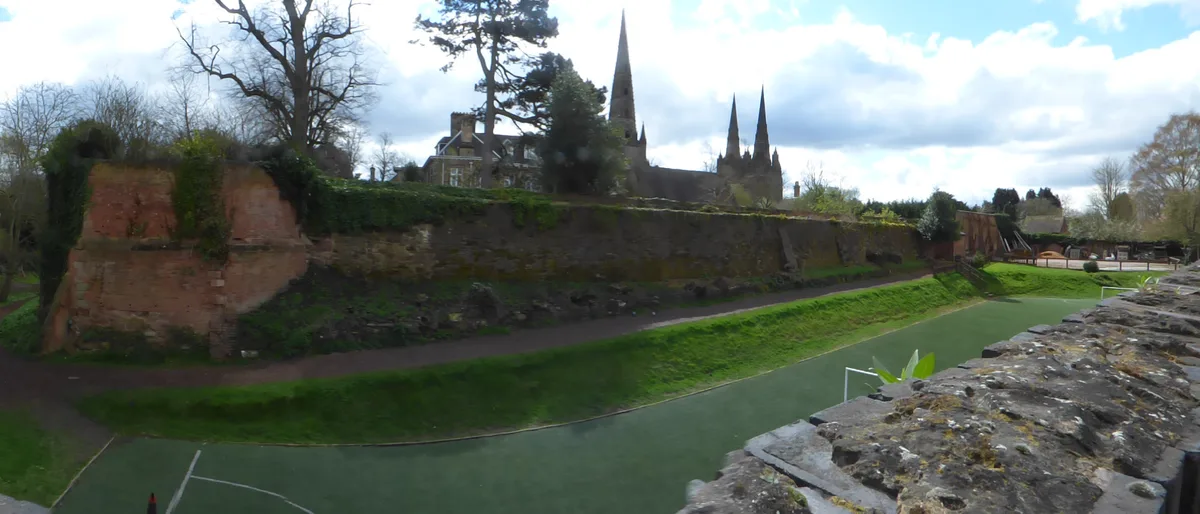
This table compares what you will actually see. Time needs depend on how far you walk, so none is quoted here.
| Site | Region | On the ground | Best for |
|---|---|---|---|
| Naseby | Northamptonshire | Open farmland, monument, local trail | First-timers, 1645 campaign |
| Edgehill | Warwickshire | Open ridge and farmland | Opening of the war |
| Marston Moor | North Yorkshire | Open fields, monument | Northern road trips |
| Newbury | Berkshire | Mixed land near the town | Short southern stop |
| Cropredy Bridge | Oxfordshire | Village and river crossing | Small, quick visit |
| Worcester | Worcestershire | City museum and sites | Ending of the war, indoor visit |
| Corfe Castle, Basing House, Carisbrooke | South of England | Ruined or restored castle sites | Siege history |
Planning a route
Group sites by region, not by date. A Midlands cluster pairs Naseby, Edgehill and Cropredy Bridge, which makes sense because they sit in neighbouring counties. A southern and western cluster pairs Newbury with the siege castles and Worcester. Marston Moor works best as its own northern trip. Midlands clustering saves driving. Southern clustering gives more indoor stops. Check each site's own page for road and parking details before you set a schedule.
Edgehill, fought in 1642, and Naseby sit in neighbouring counties, so the Midlands cluster covers the war's opening and its decisive campaign in one trip.
Costs, access and seasons
Battlefield walks are usually free to enter, while castles and museums charge admission under their own rules. Prices and hours change, so use the official English Heritage, National Trust, council or museum page for each site. Winter ground on farmland is often muddy, and summer growth can hide paths. Fields in active use may restrict access, so follow the trail signs and any landowner notices.
Mistakes to avoid
A few errors cost visitors the most time.
Civil War sites cover from 1642 to 1651, so check a site's dates before assuming it belongs to the Wars of the Roses.
- Expecting a visitor centre at every battlefield.
- Arriving without checking parking and footpath access.
- Treating battlefield boundaries as open land when the fields are private farms.
- Mixing up Civil War sites with medieval battlefields from the Wars of the Roses.
Beyond the Civil War
Other periods have their own guides. For the Wars of the Roses, read about Bosworth Battlefield: Visitor Guide, Trail & Planning Tips. Another option from that era is Towton Battlefield: Visitor Guide, Walks and History. Neither belongs to the Civil War story. Return to the main battlefields hub to compare all periods.
Follow the war through three key visits
Use the sites in chronological order if you want the clearest introduction. Begin at Edgehill in Warwickshire, where the first major battle was fought in 1642. Its open ridge and farmland suit a walking-focused stop. Bring a map and allow time to understand the ground rather than expecting an indoor attraction.
Then make Naseby your central battlefield visit. The 1645 battle broke the main Royalist field army, making this the best place to understand the decisive campaign. Finish in Worcester, where the 1651 battle ended the war. The Commandery offers an indoor option there, which is useful after a field visit or in poor weather. This sequence connects the opening clash, the decisive campaign and the final defeat without trying to visit every battlefield in one trip.
Keep planning
Guides on the same trip