Flodden Battlefield: Visiting Guide and Trail Tips
A practical guide to visiting Flodden Battlefield near Branxton, Northumberland: the 1513 Trail, the memorial cross, getting there and what to pair it with.
In this guide
Last updated November 2026: the Flodden battlefield lies near Branxton in north Northumberland, close to the Scottish border. You visit it on foot by walking the Flodden 1513 Trail past the memorial cross. Allow a short stop or a relaxed half-day, and read our guide to historic battlefields across Britain if you are planning a wider trip.
Featured image: Luke McKernan, CC BY-SA 4.0, via Flickr.
Flodden Battlefield At a Glance
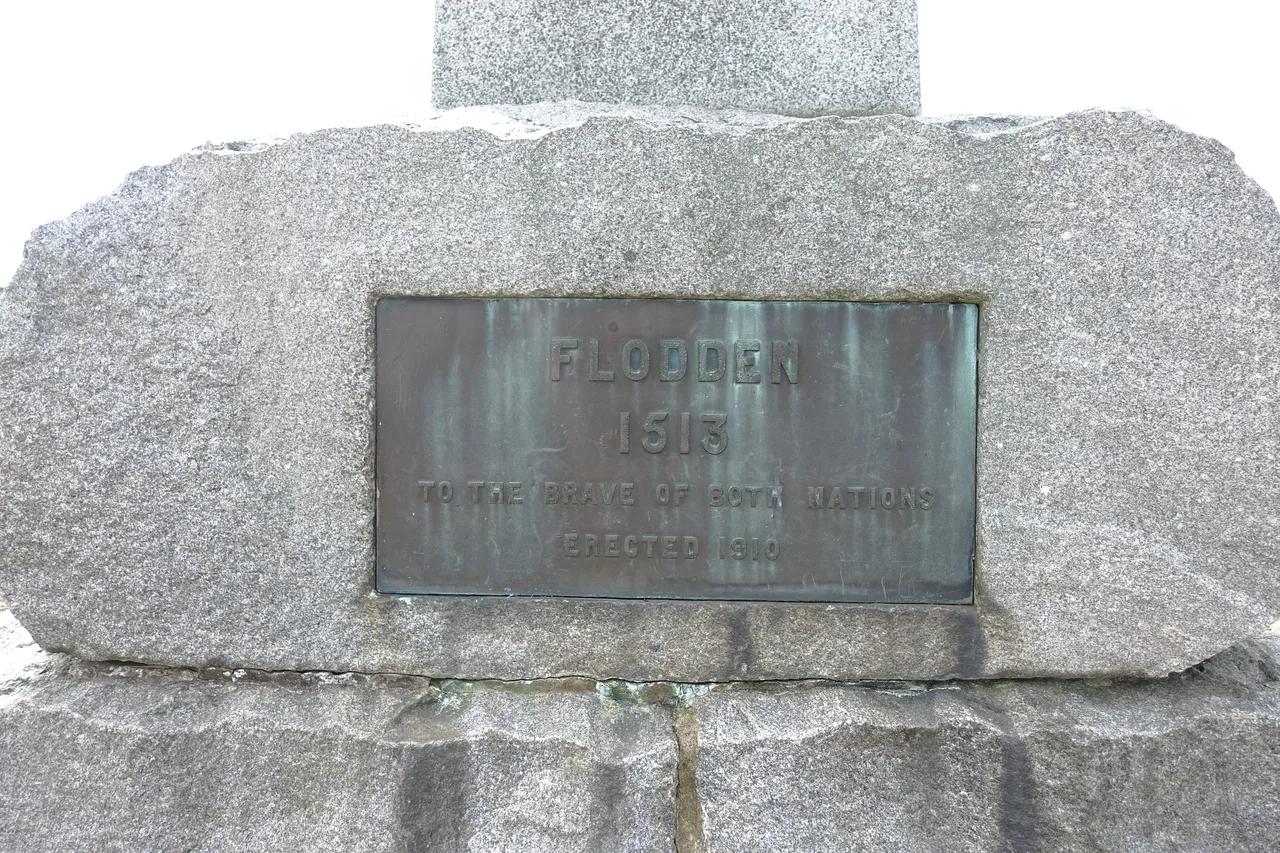
Flodden Field is open countryside, not a staffed attraction. There is no ticketed museum, so you read the landscape yourself. Fighting began at about 4pm on 9 September 1513, and a memorial erected in 1910 now honours the brave of both nations. Tributes and flowers are still left there. Treat the site as a memorial to the dead of both armies.
- Location: near Branxton, north Northumberland, close to the Scottish border
- Format: self-guided walk on the Flodden 1513 Trail, with the memorial cross as the focal point
- Best for: history readers, road-trippers and anyone who prefers quiet ground to visitor centres
- Skip if: you want a visitor centre, reenactments or ruins to explore
What Happened at Flodden in Brief
Scotland's James IV invaded England in 1513 to honour the Auld Alliance with France, while Henry VIII was campaigning abroad. His army crossed the border at Coldstream on 22 August and took the border strongholds of Norham, Etal and Ford. Thomas Howard, Earl of Surrey, led the English army north to meet him. Battle began on 9 September in heavy rain. The Scots' long pikes lost momentum on boggy ground, and English bills cut them down. The Battlefields Trust estimates about 10,000 Scottish and 4,000 English dead. James IV was killed. Sources differ on army sizes, so treat all numbers as estimates.
How the Fighting Unfolded, Division by Division
The battle opened with an exchange of artillery. The English guns got the better of it, and the Scottish divisions then advanced downhill. What followed was a series of connected fights with very different results, so it helps to picture them separately before you look across the field.
| Scottish force | Main English opponent | What happened |
|---|---|---|
| Left: Lord Home and the Earl of Huntly | Edmund Howard | The Scots broke much of Howard's wing. Lord Dacre's horsemen helped to steady the English side. |
| Earls of Errol, Crawford and Montrose | Thomas Howard, the Lord Admiral | The Scottish attack failed, and all three earls were killed. |
| Centre: James IV | Earl of Surrey | The king's division pressed forward into close combat, where James was killed. |
| Right: Earls of Lennox and Argyll | Sir Edward Stanley | Stanley's men attacked, including with archery, and routed this wing. |
The early success on the Scottish left shows that the result was not settled from the first clash. Elsewhere, the ground mattered enormously. A long pike worked best when a tightly packed formation kept moving together. Once the soft ground at the foot of the slope broke that momentum and order, men carrying the shorter English bill could get in among the pike shafts.
On site, start by working out which way each army faced, then follow the Scottish line of descent towards the low ground. A dip that looks minor from a distance is worth studying closely. Modern drainage and field boundaries mean that today's surface is not an exact picture of what the soldiers crossed. For another English field where the lie of the land helps explain the fighting, see our guide to Tewkesbury battlefield.
What You Can See on the Flodden Battlefield
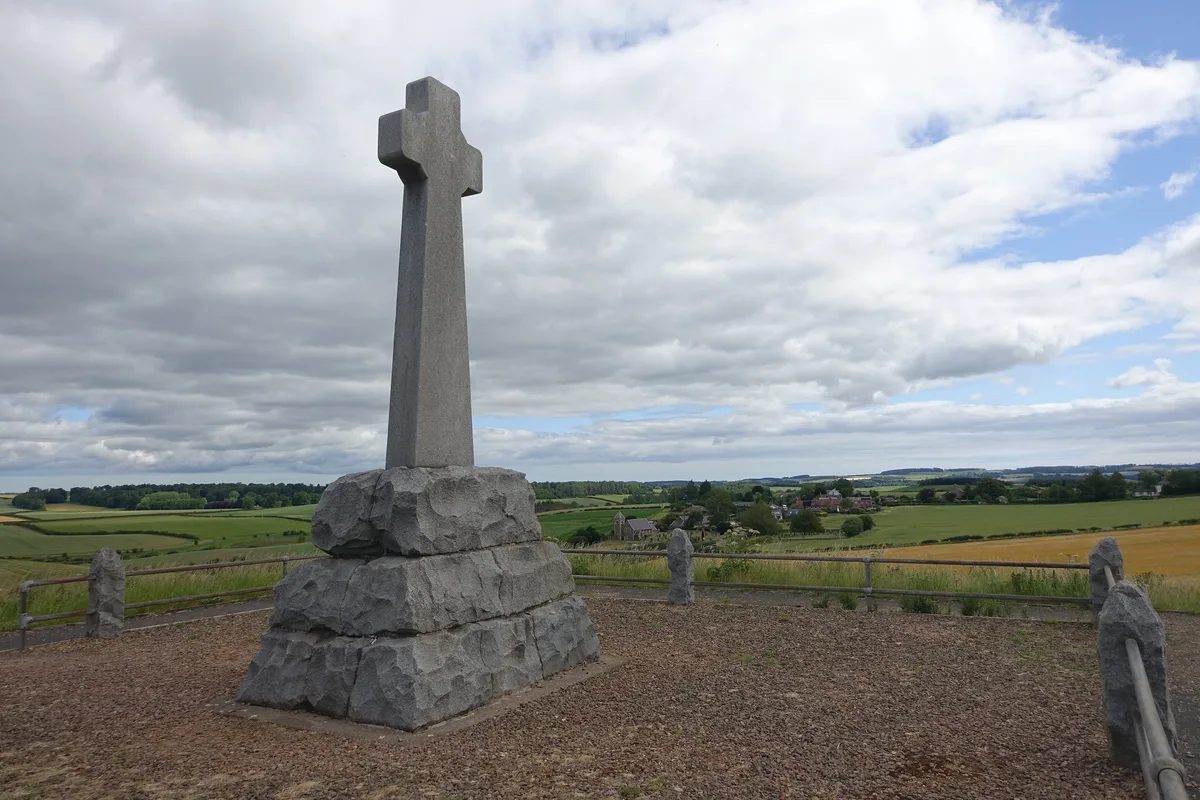
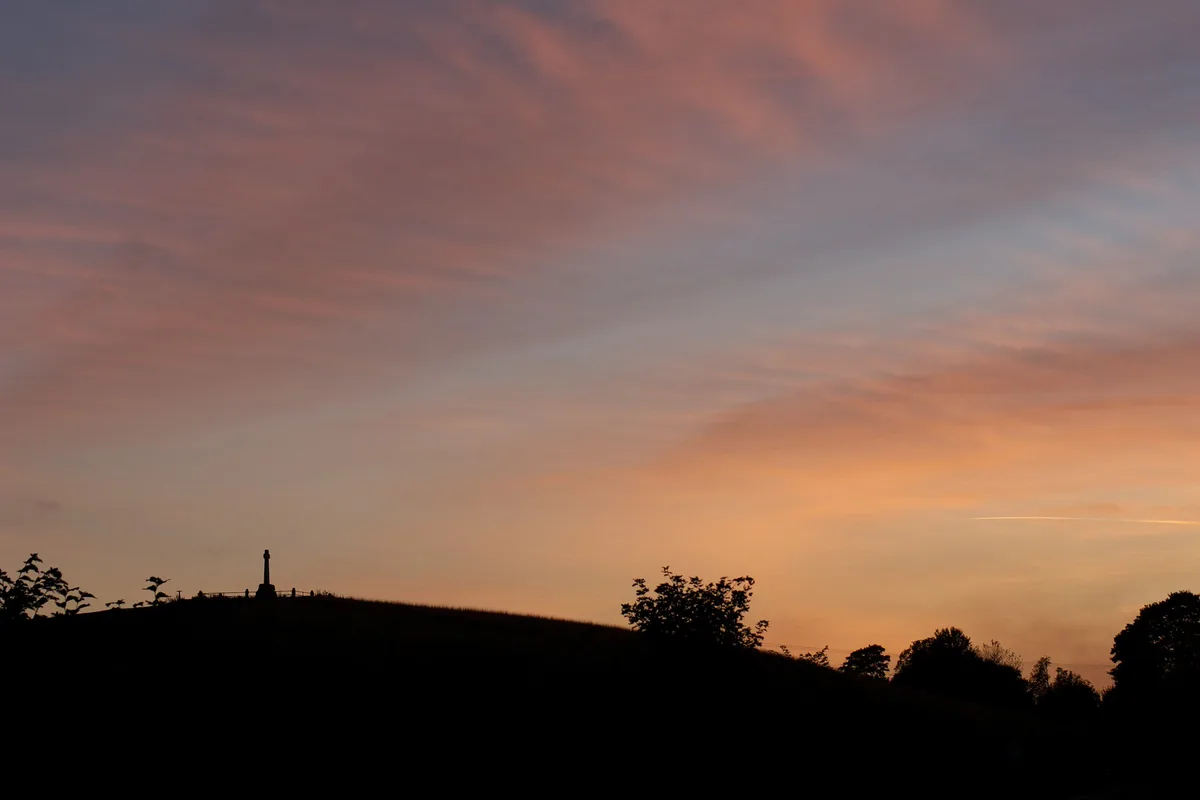
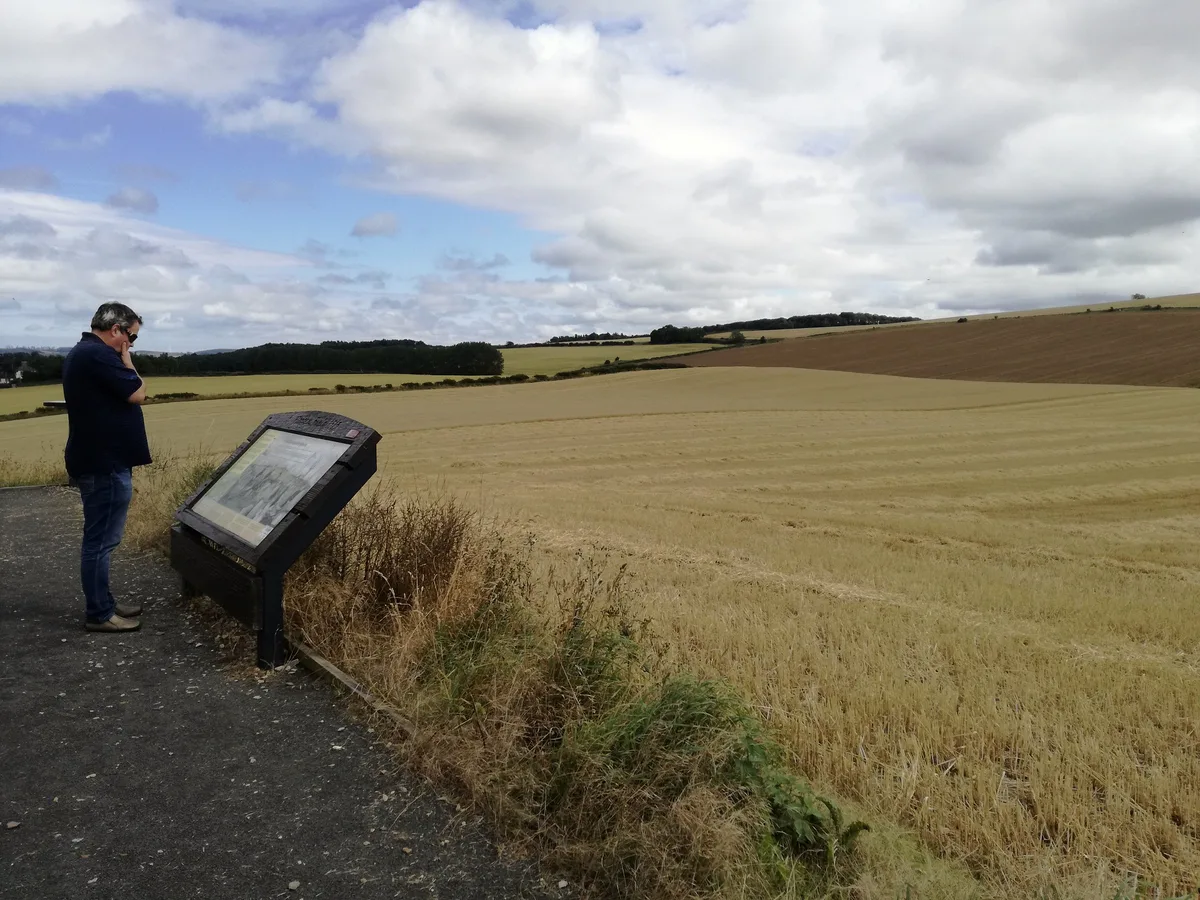
Start at the memorial cross above Branxton. It stands on the ground where the Scottish and English lines met, and it is the clearest place to grasp the scale of the fight. From here the Flodden 1513 Trail lets you look across the slopes toward Branxton Hill. The Scots came down that slope in the rain. Flodden Hill, the strong position James first held, rises beyond. English forces crossed the River Till at Twizel Bridge before marching toward Branxton. Keep Flodden Hill and the memorial area distinct on your map, because they are not the same spot. Read interpretation boards where they stand, and follow any visitor notices on the trail.
How to Get to Flodden Battlefield
Driving is the practical option. A 2021 route description from the A1 turns off just north of Morpeth onto the A697 toward Coldstream. It runs about 38 miles, passes through Milfield, then follows signs for Branxton. In Branxton, the car park for the Flodden 1513 Trail is signposted. Check a current map before you set off, because road works and signs change. Rural lanes can be slippery in wet weather. Public transport and taxi access to Branxton are limited, so plan a car or a pre-booked ride. Mobile signal can be weak, so download an offline map first. Visit Northumberland lists current area travel information.
Walking the Trail: Terrain and Facilities
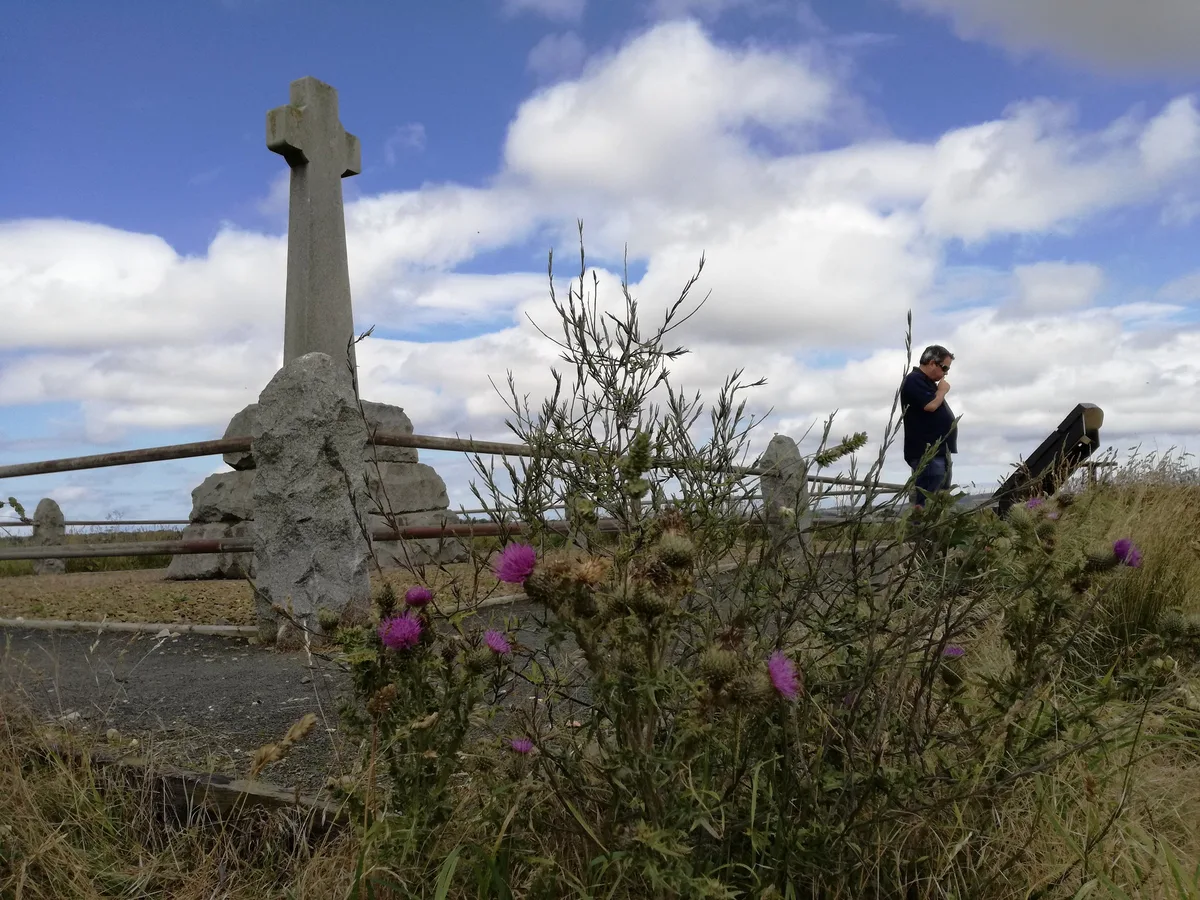
Expect an exposed upland walk over fields and slopes. Surrey's men and the Scots both struggled with wet, slippery ground in 1513, and the same slopes can be muddy today. Wear waterproof walking shoes and bring a rain layer. Trail length, gradients, toilets, dog rules and wheelchair access are not published in a source we can cite here. Check them with Visit Northumberland before you go. Farm animals may graze nearby, so keep dogs under control and close gates behind you.
Costs and Opening Times
No fixed opening hours or admission fee are published in the sources we use. Check parking arrangements and any charges with Visit Northumberland before you travel.
Best Time to Visit
The battle was fought on 9 September, so early September gives the closest link to the anniversary. Late summer light also helps for reading the slopes. Weather shaped the 1513 fight, with rain blowing in the English archers' faces. Poor weather is part of the story, but it makes the lanes and trail harder. Pick a dry day if you can. Check the local listings for any commemorative events around the anniversary.
Combine Flodden With Nearby Sights
Several places on a half-day or full-day loop link directly to the 1513 campaign. Confirm opening arrangements for each before you set off.
| Stop | Link to 1513 |
|---|---|
| Coldstream | Where the Scottish army crossed the border on 22 August |
| Norham, Etal and Ford | Border strongholds taken by James IV before the battle |
| Twizel Bridge | Crossing point used by part of Surrey's army |
| Berwick-upon-Tweed | Nearby town for food and overnight stays |
Branxton Church and How Flodden Is Remembered
The story does not end at the memorial cross. If you have time, these places and traditions show how the loss has been remembered on both sides of the border.
St Paul's Church, Branxton
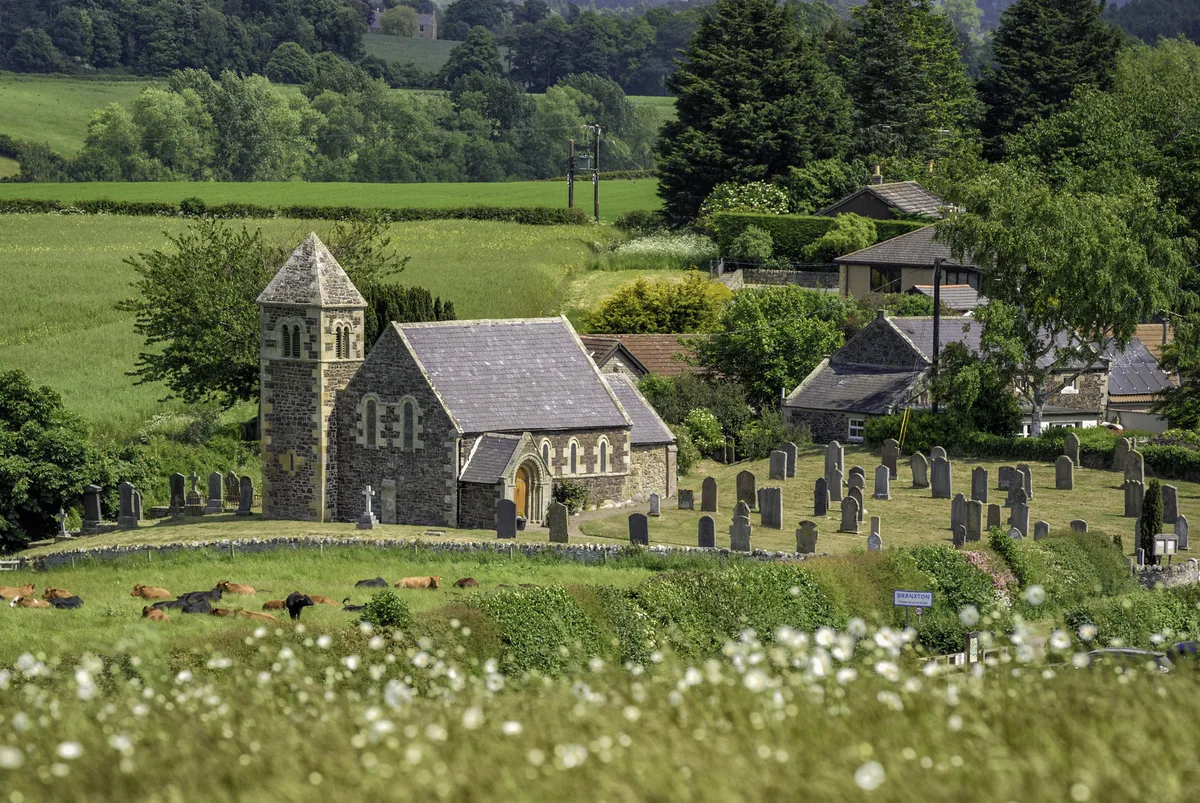
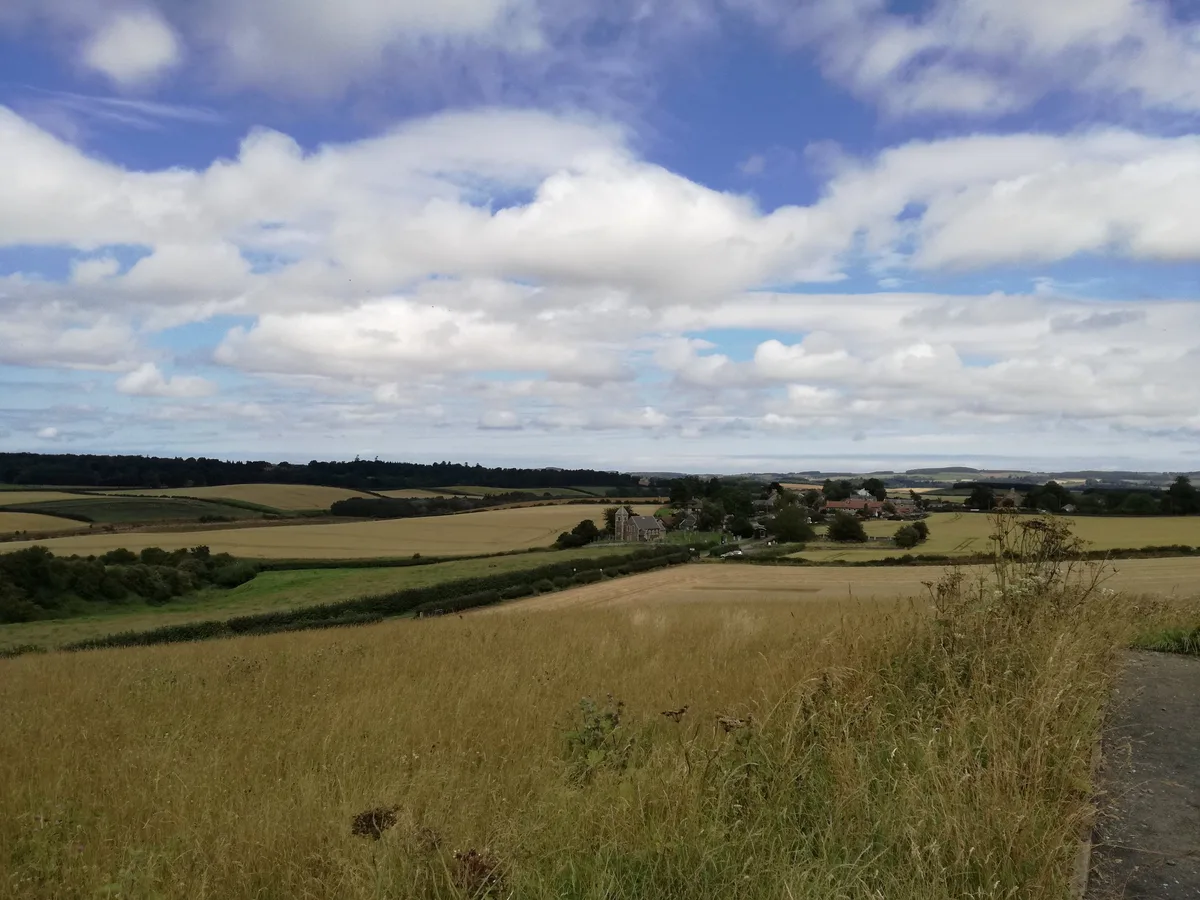
The village church is closely linked with the aftermath of the battle, and James IV's body is traditionally said to have rested here before it was taken to Berwick. The present building is largely a later rebuilding, so don't expect to see the church as it stood at the time. It remains a place of worship: check access locally and be considerate if a service is taking place.
Flodden's Ecomuseum
The Flodden Ecomuseum treats places connected with the battle, in both England and Scotland, as parts of one collection spread across the landscape. It is a useful way to plan a longer trip, since the sites stay in their own settings instead of being gathered under one roof. Check each place separately for access, as inclusion does not mean it has regular opening hours.
Border Ridings and Music
In the Scottish Borders, Flodden is still part of civic life. Coldstream's Civic Week, held in summer, includes a mounted ride-out to Flodden with an act of remembrance. Selkirk's Common Riding includes the Casting of the Colours, which local tradition connects with a lone survivor who returned from the battle carrying a captured English flag. Dates and viewing arrangements change, so check the organisers' current programme, and expect road traffic and parking to be affected around the events.
You may also hear The Flowers of the Forest, a Scottish lament associated with the dead of Flodden. Its best-known lyrics, by Jean Elliot, were written more than two centuries after the battle. The tune is often played by pipers at funerals and memorial services, so it is a fitting piece to listen to before or after your visit.
Is Flodden Worth It? Who Should Go
Go if you enjoy walking ground where history happened and can accept a quiet, open site. For contrast, Bannockburn's staffed centre offers exhibits that Flodden does not. Scottish-side history continues at Stirling Bridge and the Wallace Monument. Another Highland-edge site is Killiecrankie. English walking trails are at Bosworth's trails and Towton's battlefield walk. Skip Flodden if you need facilities or have little time.
- Mistake: expecting a visitor centre or cafe
- Mistake: wearing city shoes on wet ground
- Mistake: confusing Flodden Hill with the memorial area
- Mistake: relying on a phone map with weak signal
Where to Stay Nearby
Berwick-upon-Tweed and Coldstream are the nearest towns named in this guide. The Till valley gives a rural base. Visit Northumberland lists current places to stay.
Frequently Asked Questions
What happened after the Battle of Flodden?
Scotland lost its king, James IV, along with many nobles and churchmen. The Scottish survivors retreated across the Tweed. Henry VIII rewarded Surrey with the title of Duke of Norfolk.
When was Flodden Field?
Flodden Field was fought on 9 September 1513. Fighting began at about 4pm and ended as darkness fell.
Keep planning
Guides on the same trip