Battle of Bannockburn Visitor Centre: Visit Guide
Planning the Battle of Bannockburn Visitor Centre? See what's inside, how long to allow, how to get there and who it suits. Check hours with NTS.
In this guide
Last updated November 2026. The Battle of Bannockburn Visitor Centre is an interactive attraction run by the National Trust for Scotland (NTS) on Glasgow Road, Stirling FK7 0LJ. It tells the story of the 1314 clash between Robert the Bruce and Edward II through a game-style format rather than glass cases. This guide covers what is inside, the monuments outdoors, tickets, timing and transport, as one stop within our wider look at historic battlefields across Britain.
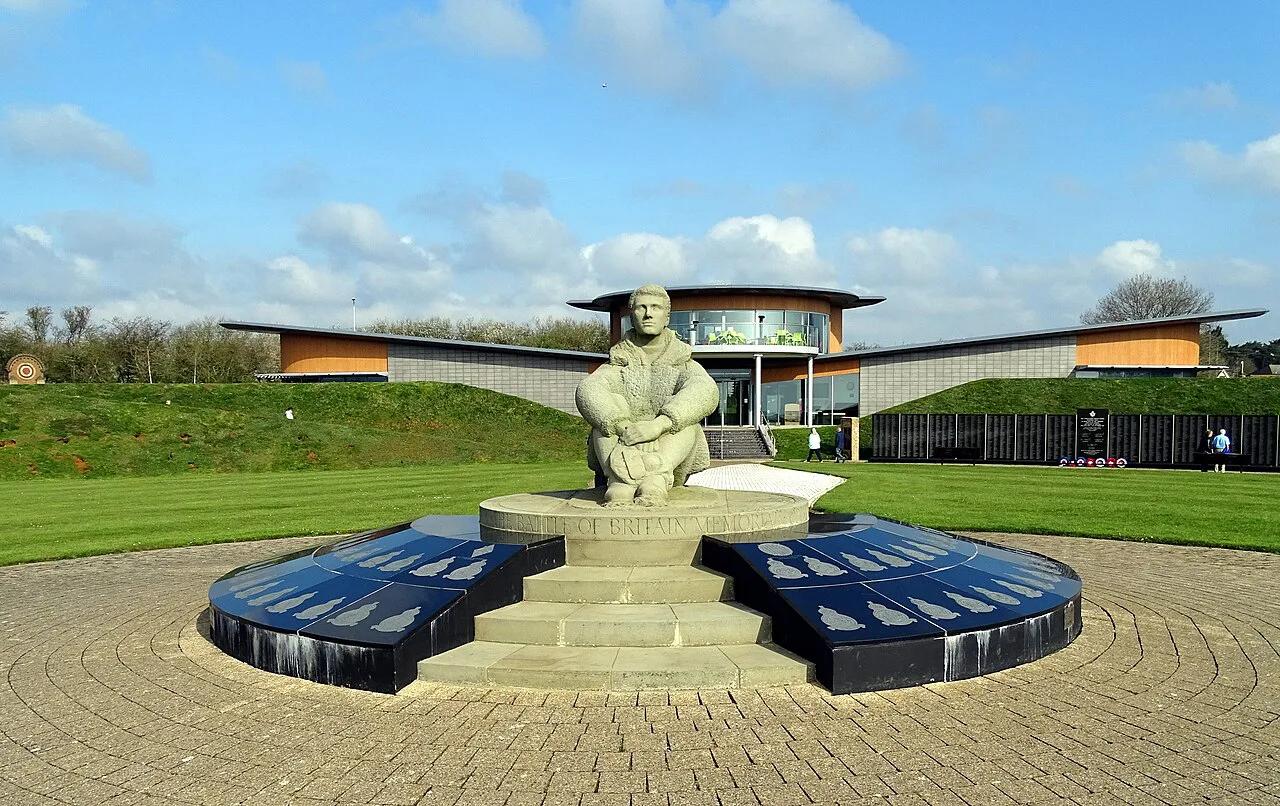
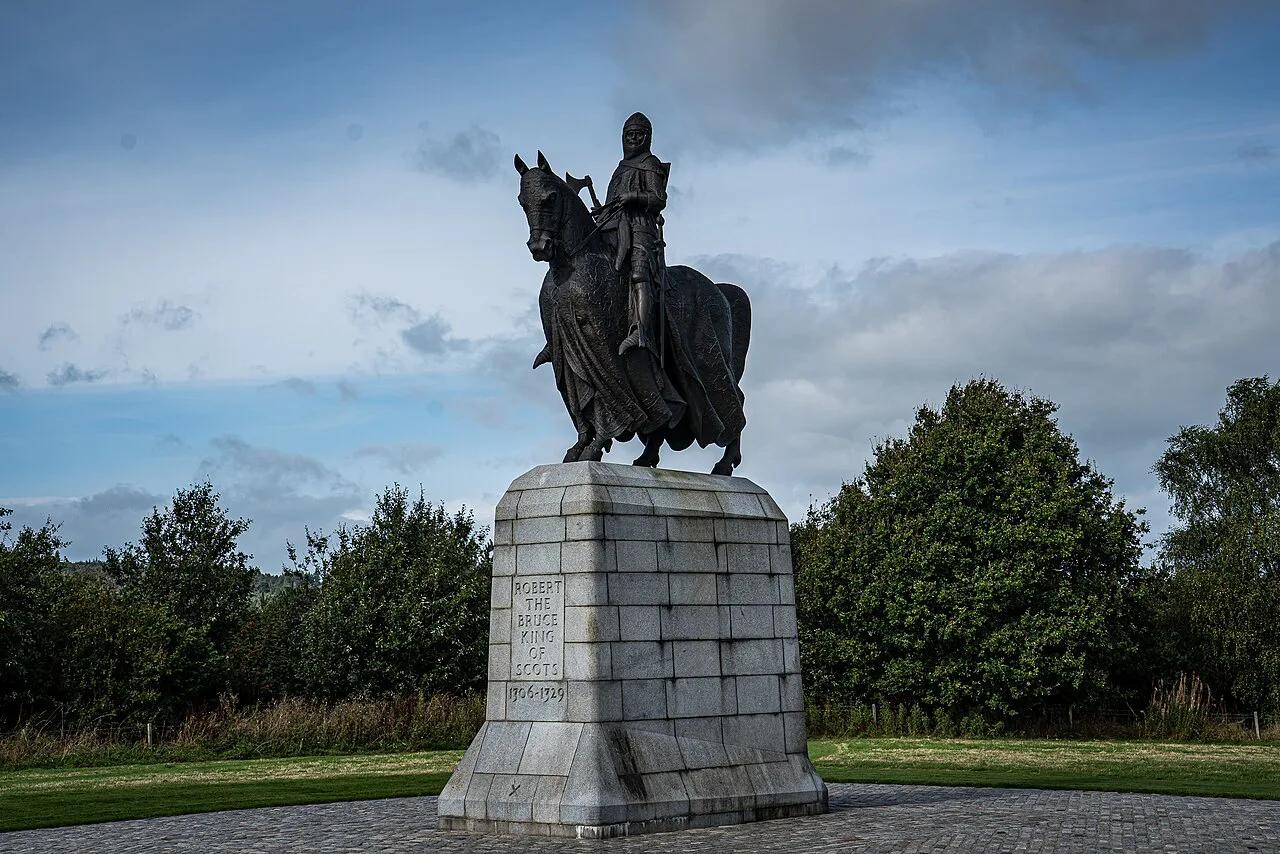
Featured image: Brian Deegan, CC BY-SA 2.0, via Wikimedia Commons.
What the Battle of Bannockburn Visitor Centre Is (and Who It Suits)
NTS operates the centre, and its official page at nts.org.uk/visit/places/bannockburn is the place for current details. Visitors arrive at Glasgow Road, Whins of Milton, Stirling FK7 0LJ. The centre opened on 1 March 2014, ahead of the 700th anniversary of the battle on 23-24 June 2014. It was developed jointly by NTS and Historic Scotland. Bannockburn matters because Robert the Bruce led the Scottish army against an invading English force under Edward II in 1314. Our verdict is simple. Go if you want to understand the ground and the tactics through play rather than reading. Shorten or skip it if you prefer plaques and artefacts.
The Battle in Brief: How the Two Days Unfolded
Knowing the sequence of events makes the tactics and the landscape easier to follow. The fight grew out of the contest for Stirling Castle, still held by an English garrison. Its commander had agreed to surrender it unless relief arrived by midsummer, and Edward II marched north with a large army. Bruce's force was considerably smaller.
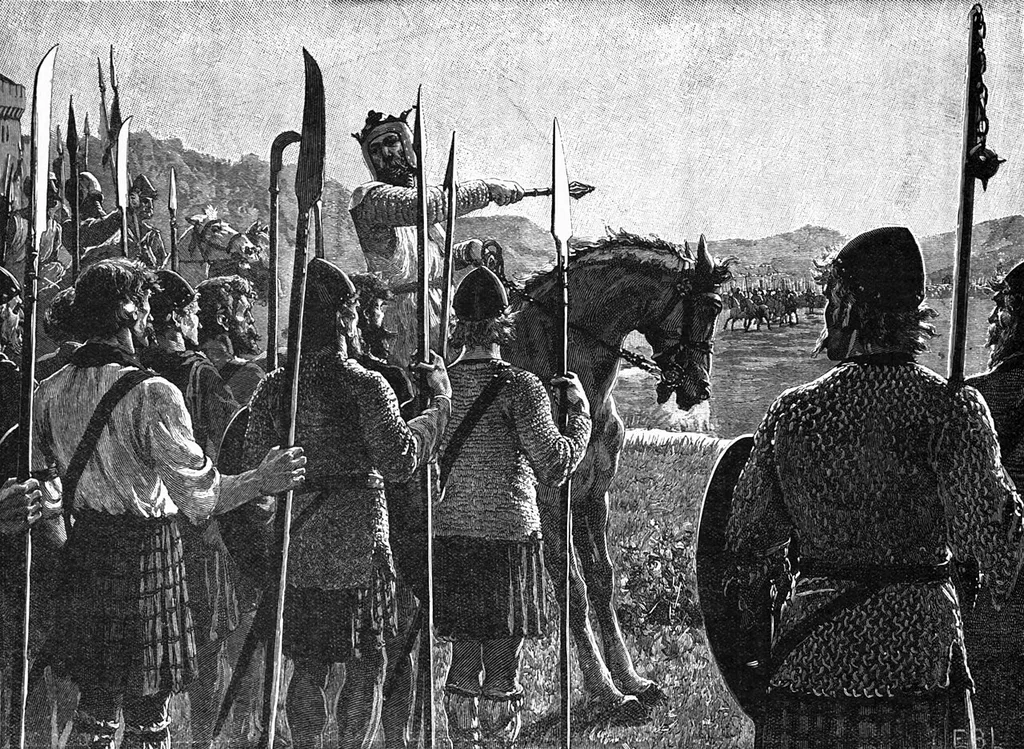
First day: 23 June
The opening clashes included the best-known moment of the story. The English knight Sir Henry de Bohun spotted Bruce out in front of his men and charged him with a lance. Bruce, on a smaller horse, evaded the point and killed him with a single axe blow. Scottish troops also checked an English mounted force that was moving towards the castle.
Second day: 24 June
The Scots took the initiative and advanced in schiltrons, which were tightly packed bodies of spearmen. The English army was crowded into ground hemmed in by streams, including the Bannock Burn, with too little room for its heavy cavalry to work effectively or for its numbers to count. As the pressure grew, the English line broke. Edward II escaped the field and eventually left Scotland by boat from Dunbar.
The victory did not end the war. English recognition of Scotland's independence came 14 years later, in the Treaty of Edinburgh–Northampton. Historians also still debate exactly where the main fighting took place, so read the monuments as places of commemoration rather than precise markers of each phase. For a longer account before you go, see the Battle of Bannockburn overview on Wikipedia.
What You'll Experience Inside
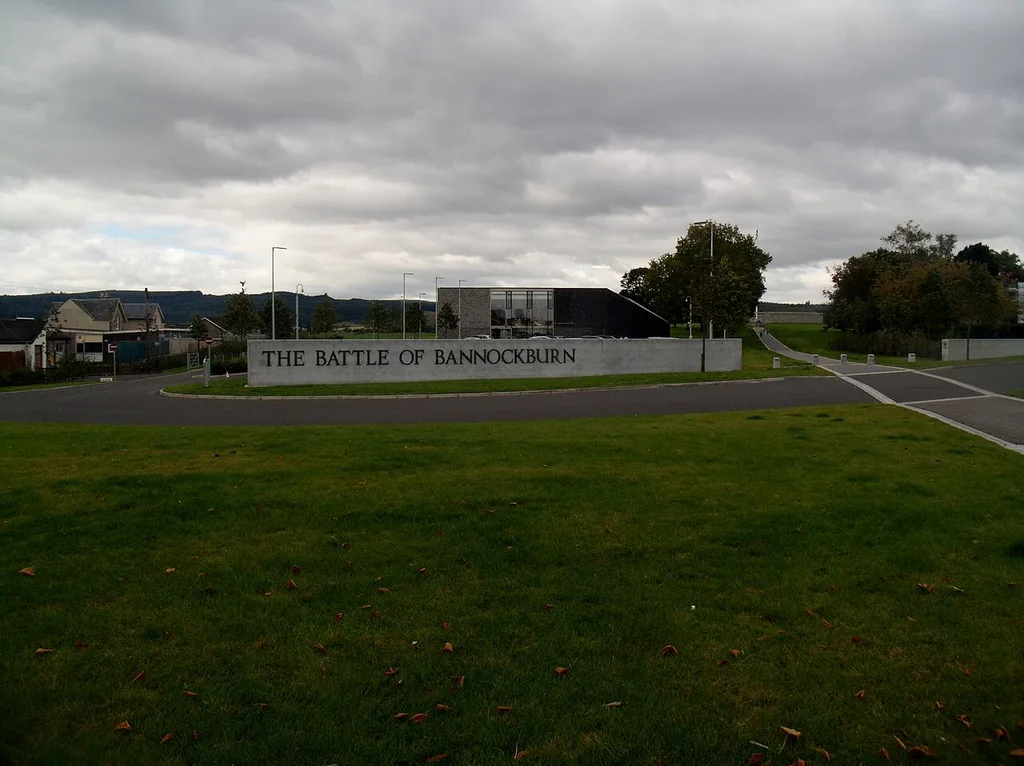
Launch coverage in 2014 described a visit built around 3D and digital storytelling. Those launch features included 10 digital characters from both armies who answered visitors through gesture recognition. A "Prepare for Battle" room set visitors in the camps on the night before the fight. The visit then ended in a Battle Game. Each visitor was given an army division on a large 3D map of the Stirling landscape, with a costumed Battlemaster guiding the result. Exhibits may have been updated since 2014, so treat these as the original format and read the NTS page for today's line-up. Expect a commander's-eye view of tactics rather than a traditional museum of weapons and relics.
Its 1 March 2014 opening means the launch-era format may have changed, so confirm the current line-up with NTS.
The Battlefield Outside: Statue, Rotunda and Memorial Cairn
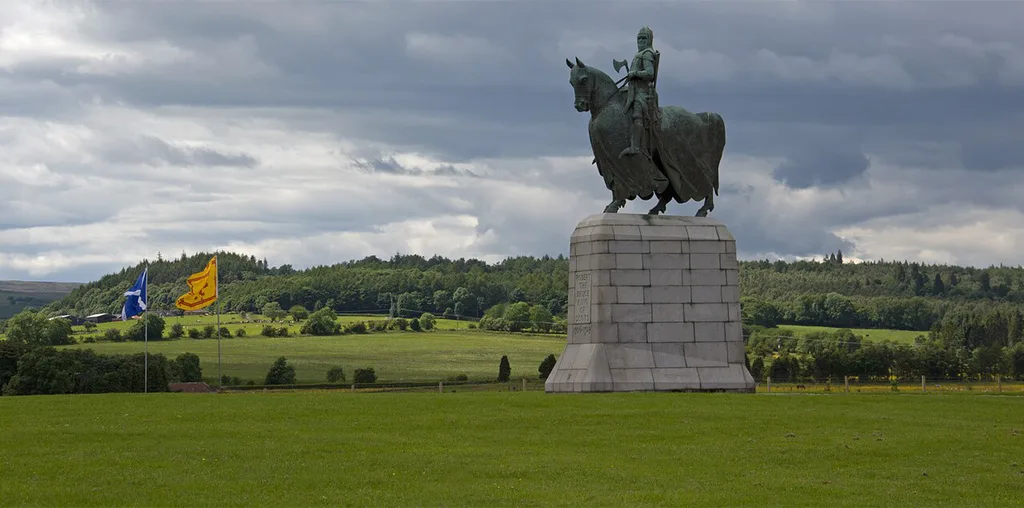
Outdoors, the commemoration takes over. The Rotunda and memorial cairn, with its flagpole, sits on Borestone Brae about 174 m from the centre. The equestrian statue of Robert the Bruce stands roughly 245 m away. Both are short walks from the building, so skipping them means missing the part of the visit set in the landscape. Allow time for them whatever the weather, and wear shoes you do not mind getting damp. Check the NTS page for access to the grounds, since paths and gates can differ from the opening hours of the indoor exhibition.
What to Look For at the Bruce Statue and Rotunda
The outdoor monuments reward a closer look, especially if you know what you are seeing.
- The Robert the Bruce statue: This bronze is the work of sculptor Charles d'Orville Pilkington Jackson. Queen Elizabeth II unveiled it at the time of the battle's 650th anniversary. It shows Bruce on horseback in armour, holding an axe, the weapon tied to his duel with de Bohun.
- The Rotunda: The open circular monument frames the cairn and flagpole. Look up at the timber ring around the top, which carries lines by the Scottish poet Kathleen Jamie. Walk the full circle to read them.
- The surrounding view: Pause to compare the open ground and higher land around you with the modern housing and roads. The setting has changed greatly since the battle, so it takes some imagination to picture two armies moving across it.
For photographs, walk around the statue before choosing your angle, as the direction of the light can leave one side in shadow. The monuments are exposed, so bring a waterproof layer if the forecast is unsettled. If you are visiting with children, ask them to find the axe on the statue and connect it with the story of the first day.
Tickets, Opening Hours and Booking
Prices and hours are set by NTS and change by season, so use the official Bannockburn page rather than a third-party listing. This guide quotes no fares. NTS also lists a phone line for the site, and the centre's pages are the best source for group bookings.
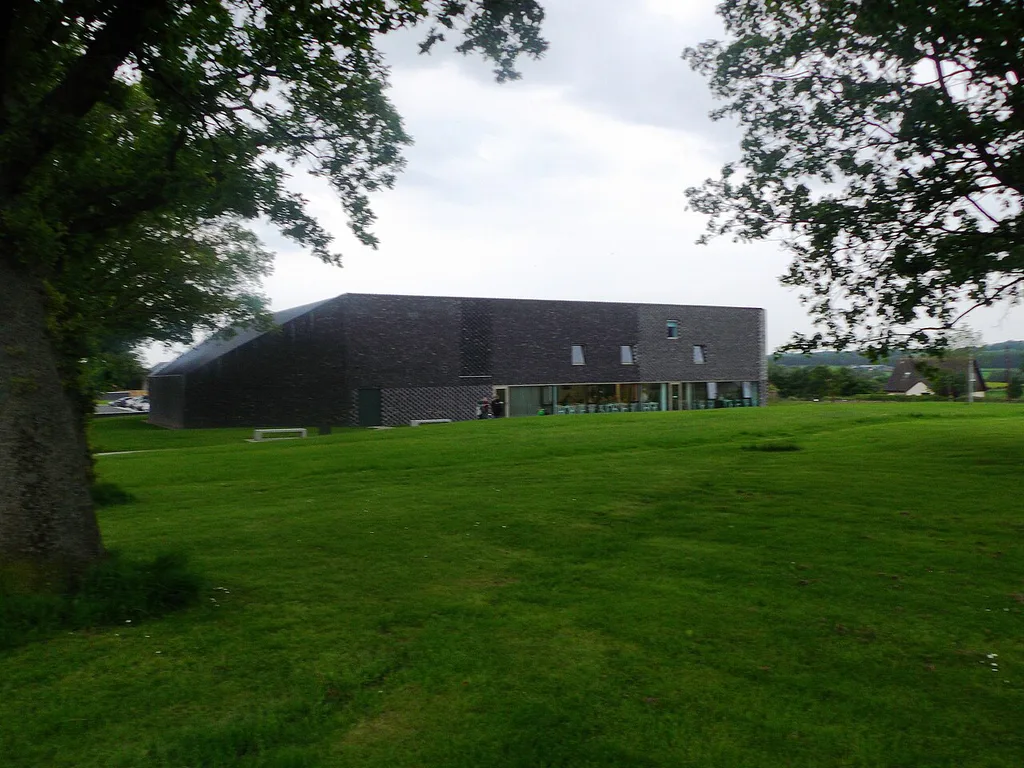
Opened ahead of the 700th anniversary on 23-24 June 2014, the centre's events and anniversary weekends can change normal access.
- Opening days and seasonal closures, which can differ between summer and winter.
- Whether entry is timed or you can turn up and join the next slot.
- NTS membership benefits, if you already hold a card.
- Events and anniversary weekends, which can change normal access.
- Wheelchair, buggy and path conditions, if mobility matters for your group.
How Long to Allow and a Sample Half-Day Plan
NTS publishes the guide time, so confirm it before you plan. Treat the indoor game as the main block, then add a separate outdoor walk to the Rotunda and the statue. A half-day works well in this order. Start at the centre when it opens, walk out to Borestone Brae and the statue, then head into Stirling for lunch. A pairing with the Wallace Monument and Stirling Bridge fills a second half-day and adds the earlier chapter of the independence story.
Getting There and Parking
The centre is at Glasgow Road, Whins of Milton, Stirling FK7 0LJ. Bannockburn House is about 2 km away, so the area is not a walk-in-from-the-castle trip. Drivers should look for parking details on the NTS page before leaving. Without a car, plan a train or bus into Stirling and then a local bus or taxi onward. VisitScotland is a good starting point for regional travel information. Check a live journey planner for the final leg, because local routes and timetables change.
Is It Worth It? Decision Guide
Use this table to decide how much of the site suits your group. Verdicts are our editorial assessment.
| Visitor type | Verdict | Why |
|---|---|---|
| Families with children | Go | The game format keeps younger visitors involved. |
| History enthusiasts | Go, then walk the grounds | Pair the tactics game with the statue and Rotunda outdoors. |
| Short-stay or cruise day-trippers | Shorten | Do the outdoor monuments and a shorter indoor visit. |
| Wet-weather days | Go | Much of the experience is indoors. |
| Plaque and artefact readers | Skip or shorten | The format is interactive, not a classic museum. |
| Accessibility needs | Check first | Confirm paths and access with NTS before you travel. |
- Mistake: turning up without checking opening days.
- Mistake: expecting a traditional museum.
- Mistake: skipping the outdoor monuments.
Pair It With Other Stirling and Scottish Battle Sites
Bannockburn sits well beside other Scottish sites. Killiecrankie shows a very different Highland battlefield. The long border conflict continues at Flodden on the English side. For a more English angle, Bosworth offers a heritage centre of its own. The Battlefields Trust is a useful starting point for wider research.
Frequently Asked Questions
Why is Bannockburn famous?
Bannockburn is where Robert the Bruce's Scottish army faced Edward II's English force in 1314. It is remembered as a major Scottish victory and a landmark in the story of independence.
Can you visit the Battle of Bannockburn?
Yes, through the NTS-run visitor centre on Glasgow Road, Stirling. Outdoors you can see the Rotunda and the Robert the Bruce statue. Check the NTS page for current access.
Is Bannockburn worth a visit?
It suits visitors who enjoy interactive tactics and want to see the landscape. Readers who prefer artefacts and plaques may find a shorter visit enough.
Keep planning
Guides on the same trip