Wallace Monument, Stirling: Visit Guide and Tips
Plan a Wallace Monument visit: what it is, how to reach Abbey Craig from Stirling, the climb, and how it links to the 1297 Battle of Stirling Bridge.
In this guide
Last updated November 2026: the Wallace Monument is a Victorian Gothic tower on Abbey Craig above Stirling, and it commemorates Sir William Wallace and his 1297 victory at the Battle of Stirling Bridge. Allow a half day with Stirling Old Town, and go if you want hilltop views and a clear picture of Scotland's independence-era history. Book only through the official operator, because several lookalike domains appear in search results.
Featured image: aaranged, CC BY-SA 2.0, via Flickr.
Why the Wallace Monument matters: Stirling Bridge in brief
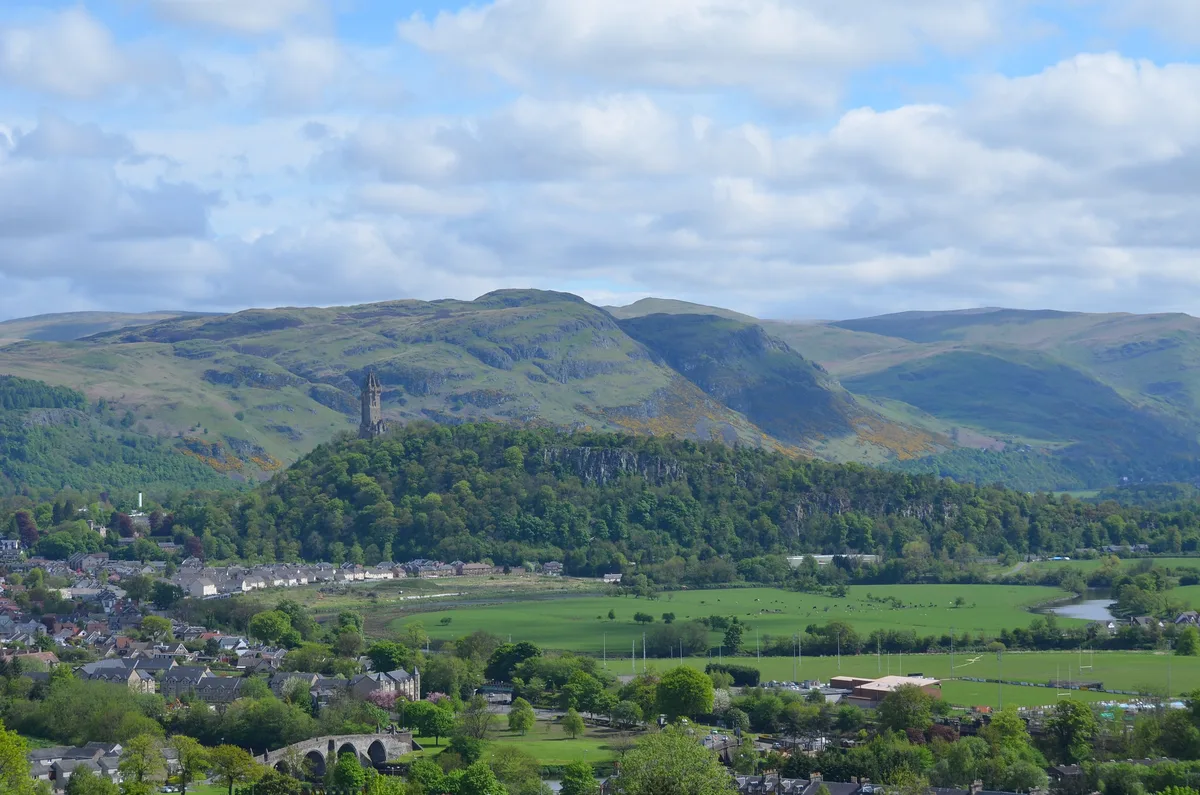
Wallace is remembered for the Battle of Stirling Bridge in 1297, fought near Stirling beside the River Forth. The monument stands on Abbey Craig, a crag above the town, so you look out over the country around the battle.
That setting is the reason to visit. A tower on a hill is easy to photograph, but standing above the Forth and the town explains why Stirling mattered as a crossing point. For wider context on the battle, the Battlefields Trust publishes research on British battlefield sites.
Wallace's story continues in later Scottish history. Bannockburn followed in 1314, and our Bannockburn visitor guide covers that battlefield. For the full picture of sites across the country, start with our 9 Historic Battlefields UK Visitors Should See overview.
How the 1297 fight unfolded, and Old Stirling Bridge today
The Battle of Stirling Bridge took place on 11 September 1297. Scottish forces led by William Wallace and Andrew Moray faced an English army under John de Warenne, Earl of Surrey, with Hugh de Cressingham, England's treasurer in Scotland.
The crossing decided the fight:
- A narrow crossing: the English had to move over the Forth on a narrow wooden bridge, so their army could reach the far bank only gradually.
- Timing: the Scots held back until part of that army was across, then attacked.
- A divided army: with the bridgehead cut off, the troops who had crossed could not be properly supported by those still on the other side. Cressingham was among the dead.
It was a major Scottish victory, but it did not end the war. Edward I defeated Wallace at Falkirk in 1298. Moray's part is easy to miss on a visit centred on Wallace: he shared command at Stirling and died later in 1297, and he is widely thought to have been wounded in the battle.
What you are looking at by the river
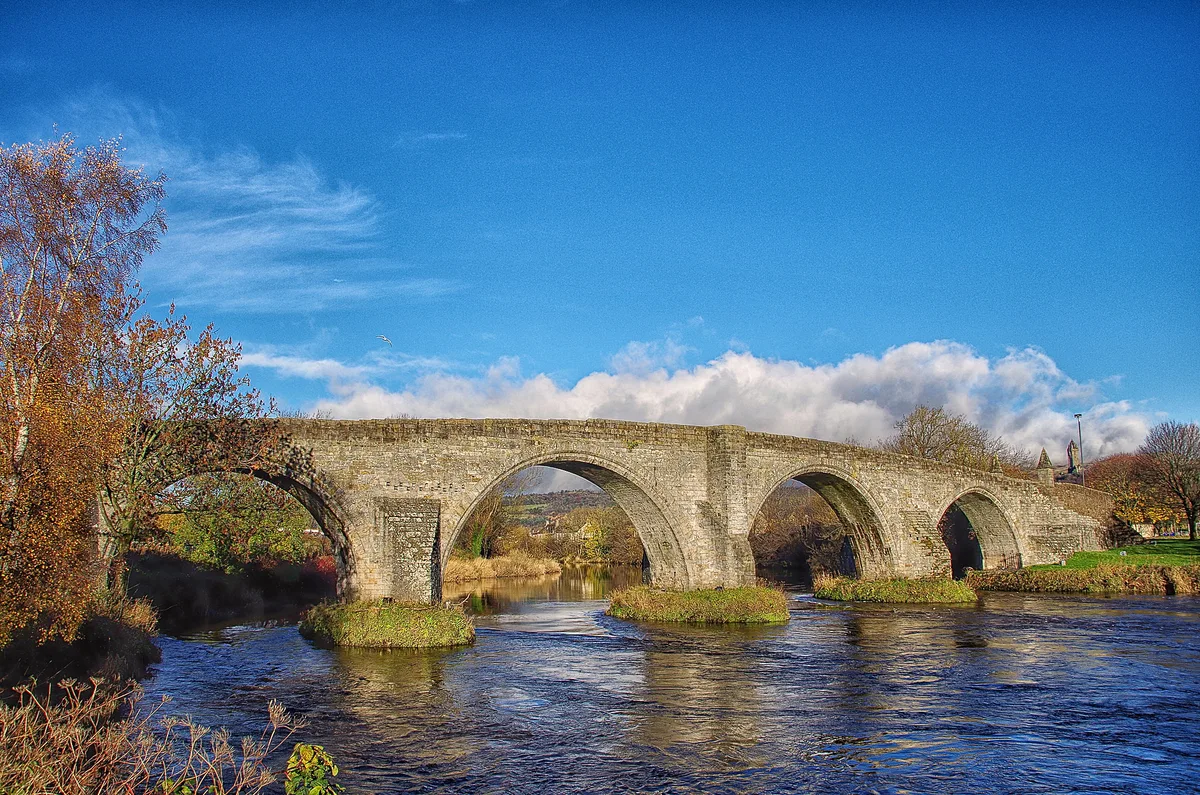
The stone arches of Old Stirling Bridge are not the bridge Wallace knew. The surviving structure was built later, around the late 15th or early 16th century, while the timber bridge of 1297 stood close by. You can walk across the stone bridge, then look towards Abbey Craig to see how the river crossing relates to the high ground. Picture a more open, wetter river plain in place of today's roads and buildings. If you visit the bridge after the tower, the view from above will help you place what you see at ground level.
Getting to the Wallace Monument from Stirling
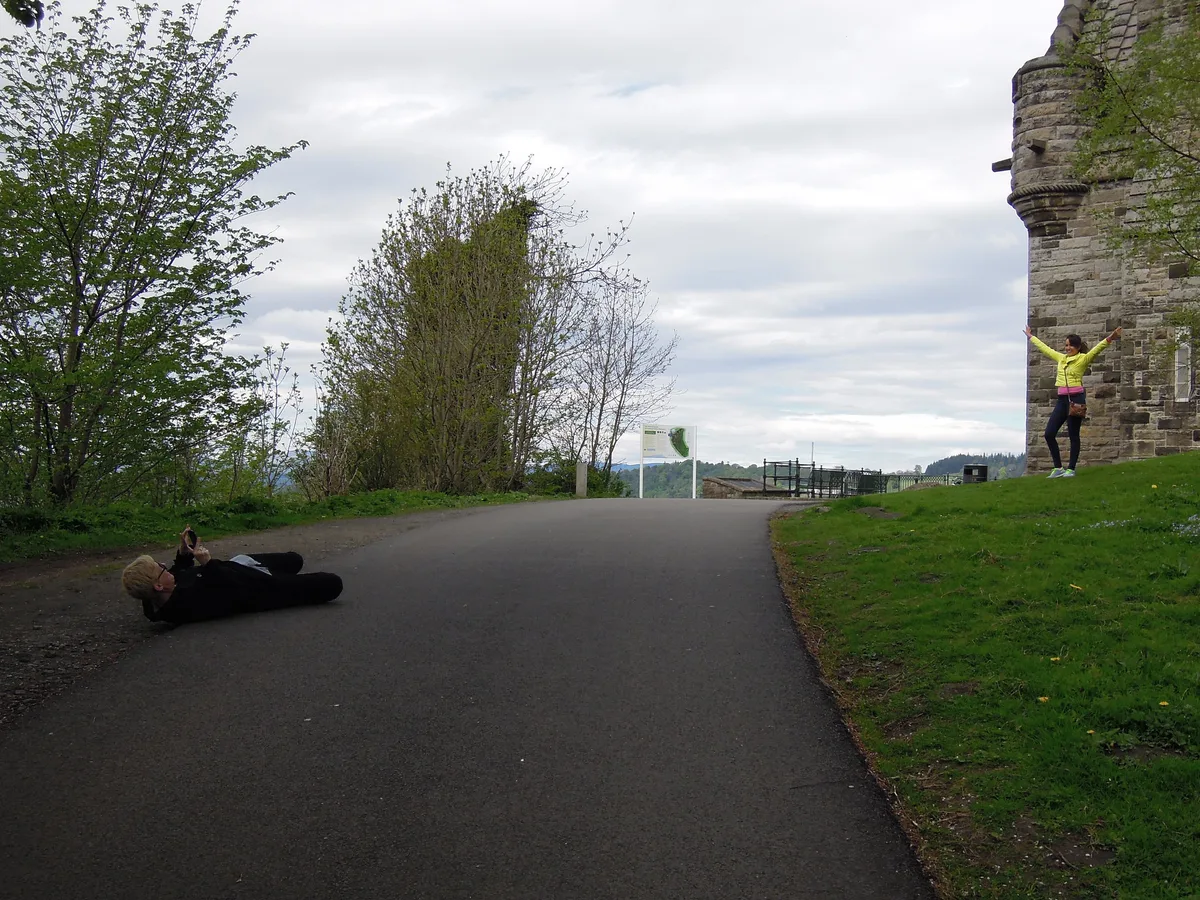
Abbey Craig sits above Stirling, so every route ends with a climb of some kind. Journey times, shuttle arrangements and parking charges change, and the official site is the place to check them before you travel.
| Mode | Effort | What to check |
|---|---|---|
| Walk from Stirling | Uphill, the hardest option | Route, gradient and daylight |
| Bus or taxi | Low effort | Current timetable and drop-off point |
| Drive | Low effort | Car park charges and space |
| Train to Stirling | Needs a second leg to the hill | Onward connection to Abbey Craig |
Wallace Monument tickets, opening hours and booking
Ticket prices, seasonal hours, last entry and winter closures are set by the operator and change from year to year. Check the official National Wallace Monument site for current figures, and treat unofficial domains in search results with caution.
Who built the tower, and what is the Wallace Sword?
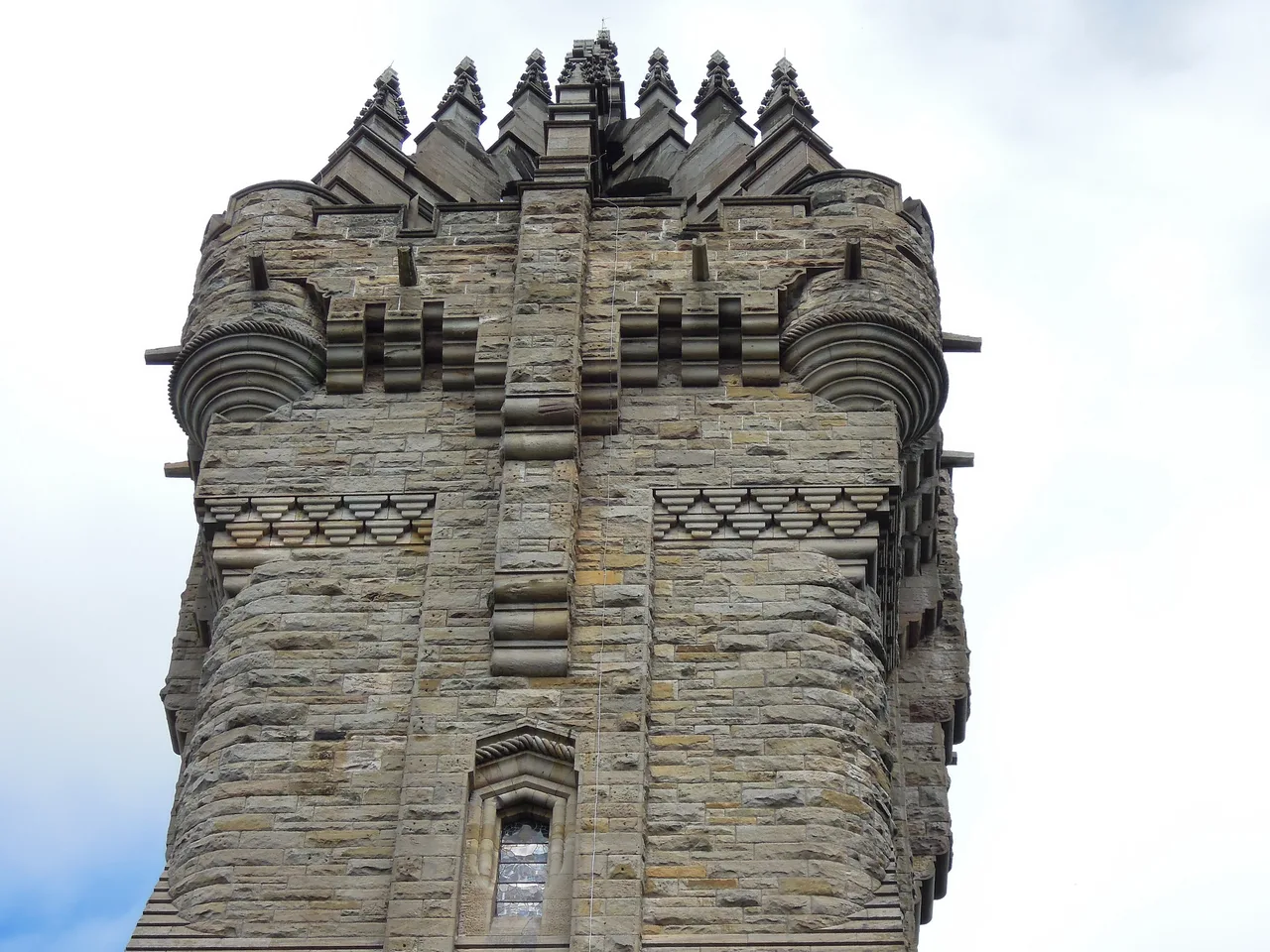
The tower is much younger than the story it tells. Its foundation stone was laid in 1861 and the finished monument opened in 1869, more than five and a half centuries after the battle. It was funded largely by public subscription during a 19th-century revival of interest in Scottish national history.
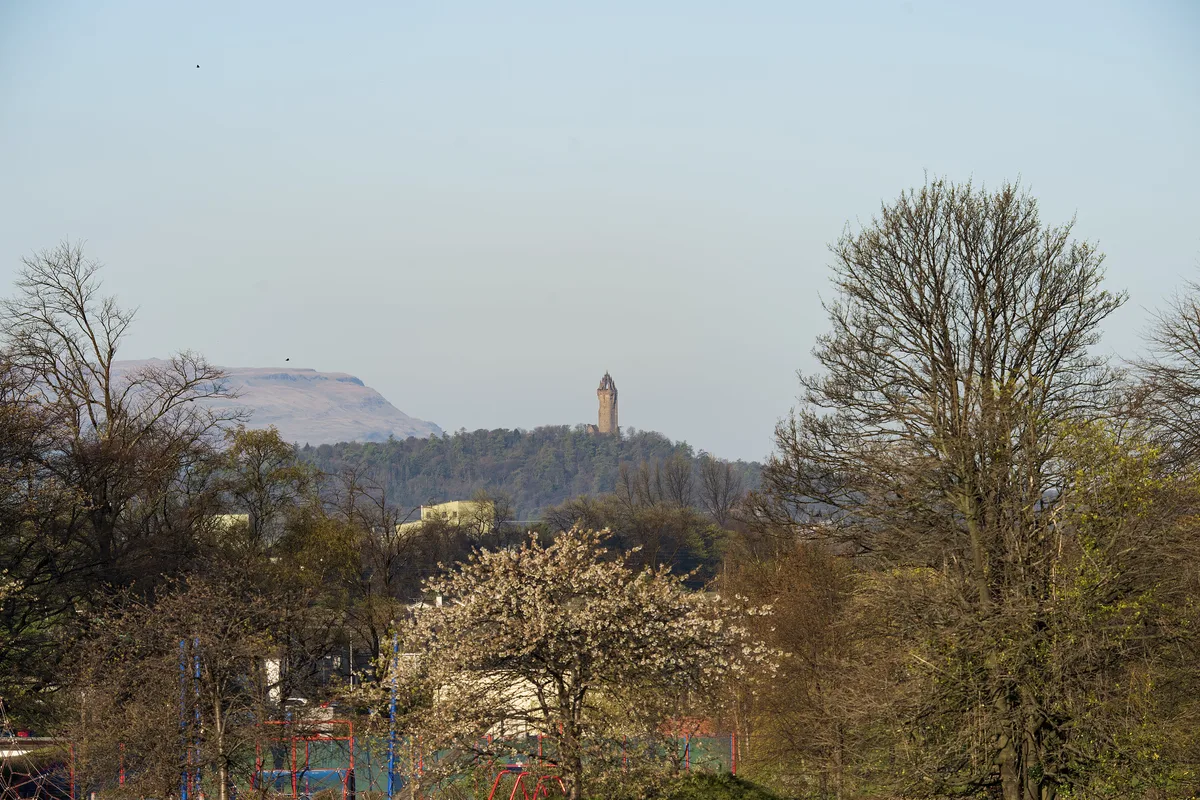
The Glasgow architect John Thomas Rochead designed it in the Scottish Baronial take on Victorian Gothic. The sandstone tower rises about 67 metres, and its distinctive top takes the form of a crown. Because it stands on Abbey Craig, it looks taller still from the low ground around Stirling. The monument's background and design are worth a short read before you go.
Two features are especially worth looking out for:
- The Wallace Sword: a very large two-handed sword traditionally associated with Wallace. Treat that link as tradition, because it has not been proven that he used the weapon in its present form.
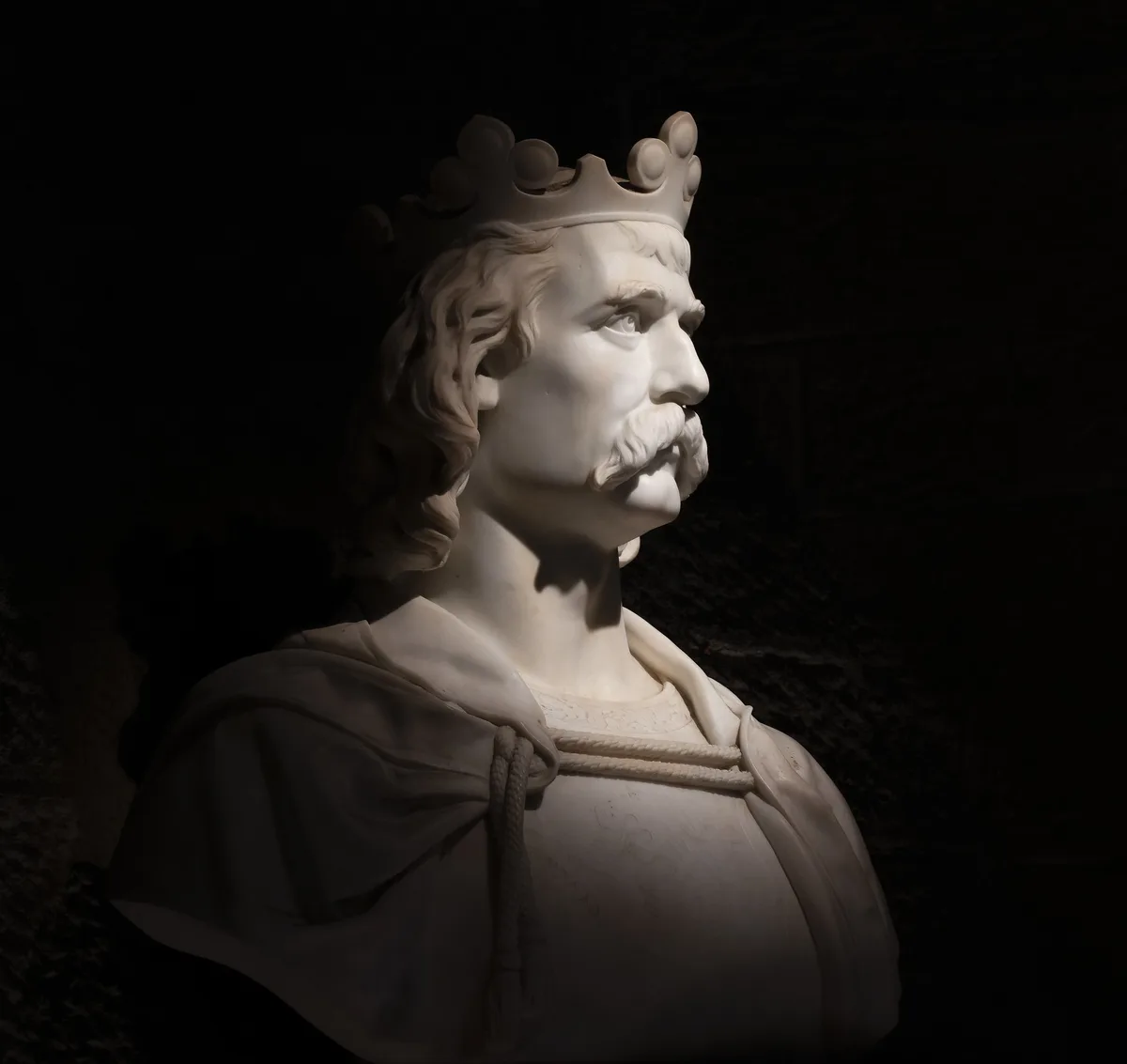
- The Hall of Heroes: a collection of busts honouring notable Scots, which shows how the building celebrates national memory as well as one man.
Keep the two periods separate as you go round. Wallace belongs to the late 13th century and was executed in London in 1305. The architecture and much of the commemorative mood belong to Victorian Scotland. Displays can be moved or closed for conservation, so check the official monument site if seeing a particular item is the main reason for your visit.
The climb and what you will see inside
This is a tower visit, so expect stairs and a narrow interior rather than a flat walk. Check the official site for the step count and for what is displayed on the way up.
At the top, the view runs across Stirling, the River Forth and the hills beyond. Wind and cloud on Abbey Craig can reduce visibility, so a clear day gives the best return on the effort. In winter, check daylight hours before you commit to a late-afternoon climb.
- Go up if the weather is clear and everyone in your group is comfortable on stairs.
- Admire it from below if cloud is low, if anyone has limited mobility, or if time is short.
- Allow extra time if you want to stop and read on the way up.
How long to allow: a half-day plan
Treat these timings as approximate. A relaxed visit pairs the tower with Stirling itself.
- Start at the monument on Abbey Craig, ideally in the morning for clearer light.
- Head back toward the Old Stirling Bridge area to connect the hill with the battle story.
- Finish in Stirling Old Town, where Stirling Castle is the other major heritage site, run by Historic Environment Scotland.
Is the Wallace Monument worth it?
Yes, if you want a landmark with a clear purpose and a view over Stirling. It suits history readers, photographers and anyone building a Scottish battlefield route.
Skip the climb if you have mobility needs, young children who tire on stairs, or only an hour to spare. On a wet or cloudy day, consider swapping the top for Stirling Old Town.
Mistakes to avoid
Lookalike sites and parked domains rank for this search, so book through the official operator only. Do not arrive close to closing time, because last entry comes before the doors shut.
Do not underestimate the uphill approach from Stirling. Finally, remember that the monument stands on Abbey Craig and not on the battle site itself. The 1297 fighting took place near the river crossing.
Where to stay and onward trips
Stirling is the natural base, since the monument, the castle and the old bridge area are all close together. Compare current options on a booking site for your dates.
From there, you can extend the trip with our Killiecrankie battlefield guide. Border-conflict readers can continue to Flodden Battlefield: Visiting Guide and Trail Tips in Northumberland.
Frequently Asked Questions
How many steps are there to the top of the Wallace Monument?
Step counts are best taken from the operator directly. Check the official National Wallace Monument site for the current figure and any access notes.
Keep planning
Guides on the same trip