5 WW2 Sites in Scotland to Plan Your Trip Around
A region-by-region guide to 5 WW2 sites in Scotland, with how to combine them, access notes, what to check on costs and who should skip each.
In this guide
Last updated November 2026. The best-known ww2 sites in Scotland sit in 3 regions: the Highlands (Commando Memorial, Loch Ewe), Orkney (Italian Chapel, Scapa Flow) and Glasgow and the Clyde (Clydebank Blitz). Most are memorials, museums or open landscapes, so access is easier than at many war sites elsewhere. This guide groups them by region, compares access and time, and flags where a visit takes real planning.
Featured image: Gregory J Kingsley, CC BY-SA 3.0, via Wikimedia Commons.
5 Best WW2 Sites in Scotland, Region by Region
Each entry gives what the site is, why it earns a place, the practical side and who should skip it. Hours and prices change, so check each official site before you travel. Many of these places commemorate loss, so keep voices low and follow any visitor rules posted on site.
1. Commando Memorial, Spean Bridge (Highlands)
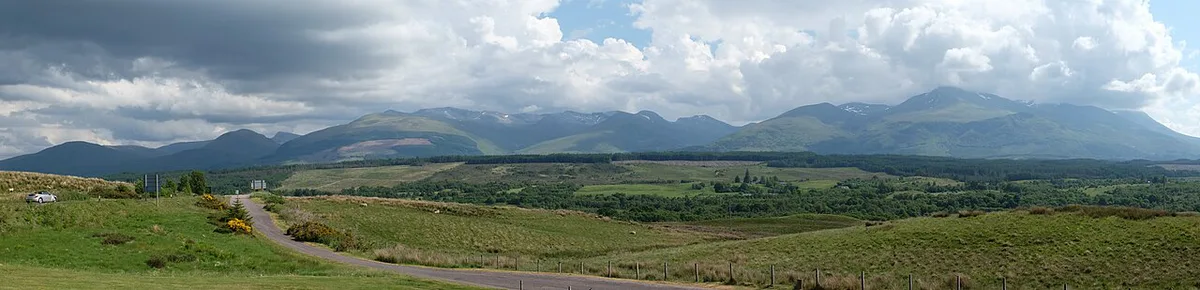
This Commando Memorial near Spean Bridge honors the British Commandos of the Second World War. It stands in the Great Glen and looks across to the Ben Nevis massif, so the setting does much of the work. Come for the sculpted figures and the view, then read the inscriptions at your own pace.
Allow a short stop rather than half a day, and fit it into a drive through Lochaber. Best for: military history and photography on a Highlands road trip. Skip if: you want exhibits, since this is an open-air memorial rather than a museum.
2. Loch Ewe and the Arctic Convoys (Western Highlands)
Loch Ewe was a gathering point for the Arctic convoys that carried supplies to the Soviet Union, and our guide to Loch Ewe and the convoys covers the history. The Russian Arctic Convoy Museum is the place to start for objects and stories. Walk the loch shore afterwards to picture the anchorage that held the ships.
This is a remote stretch of the north-west, so expect long single-track drives and limited public transport. Best for: remote travel and readers interested in the maritime war. Skip if: you only have a day in the Highlands and are not already driving north-west.
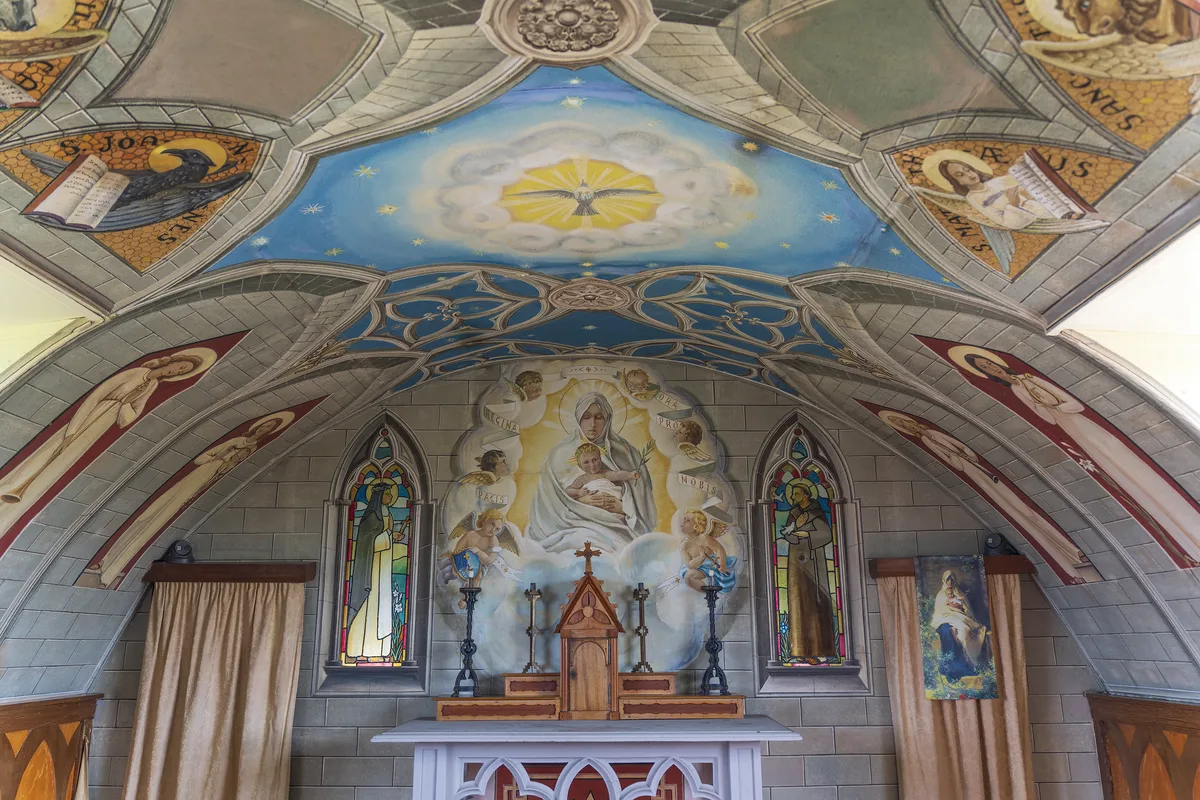
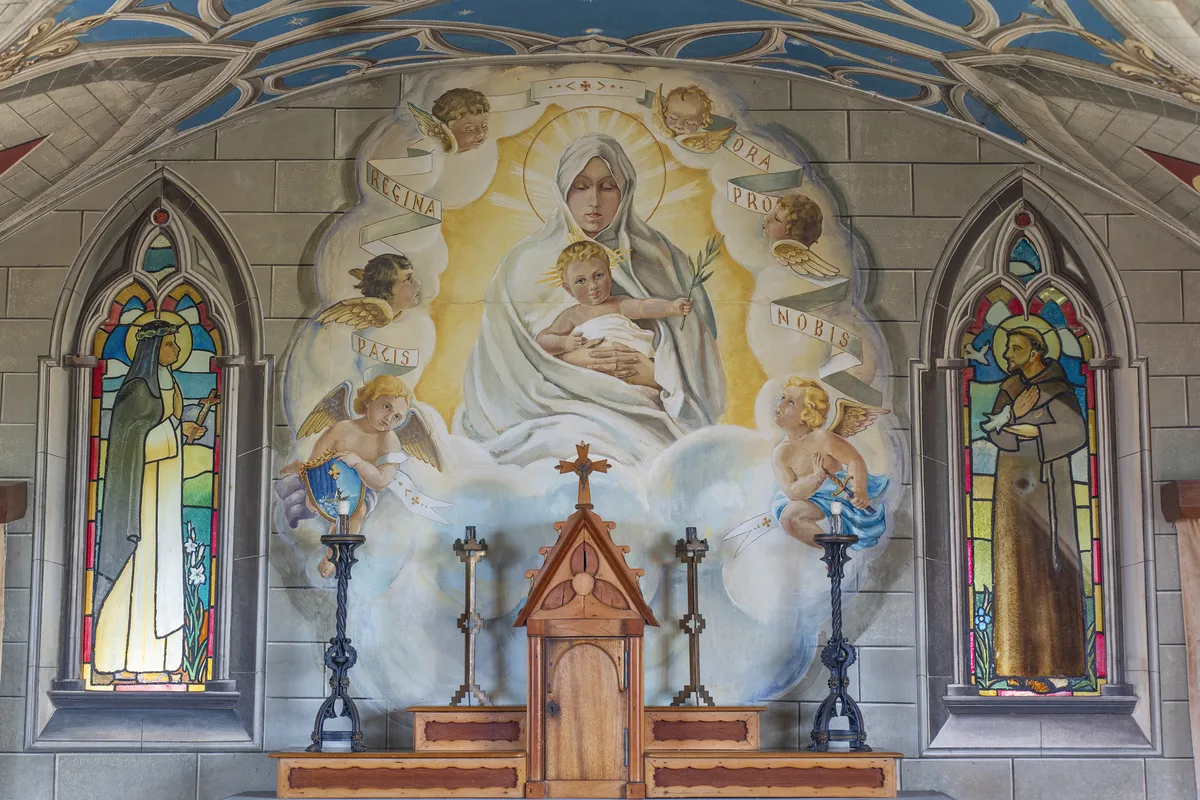
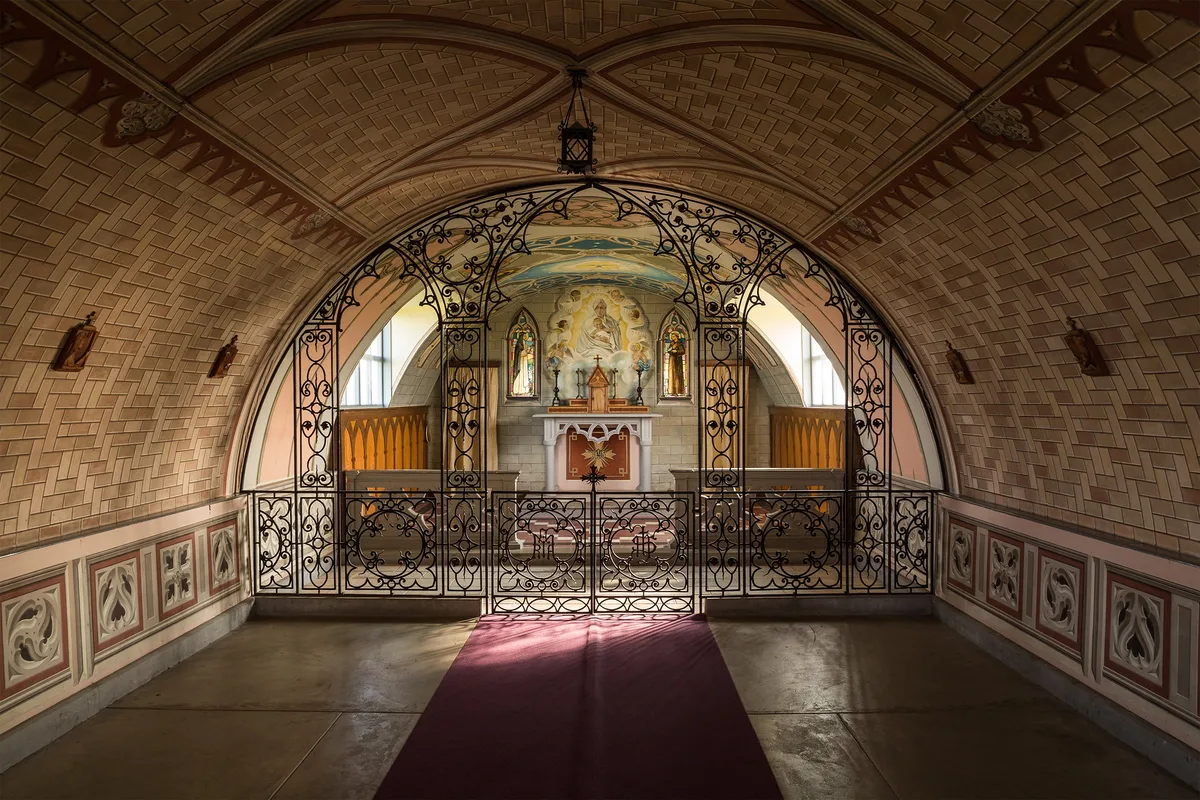
3. Italian Chapel, Lamb Holm (Orkney)
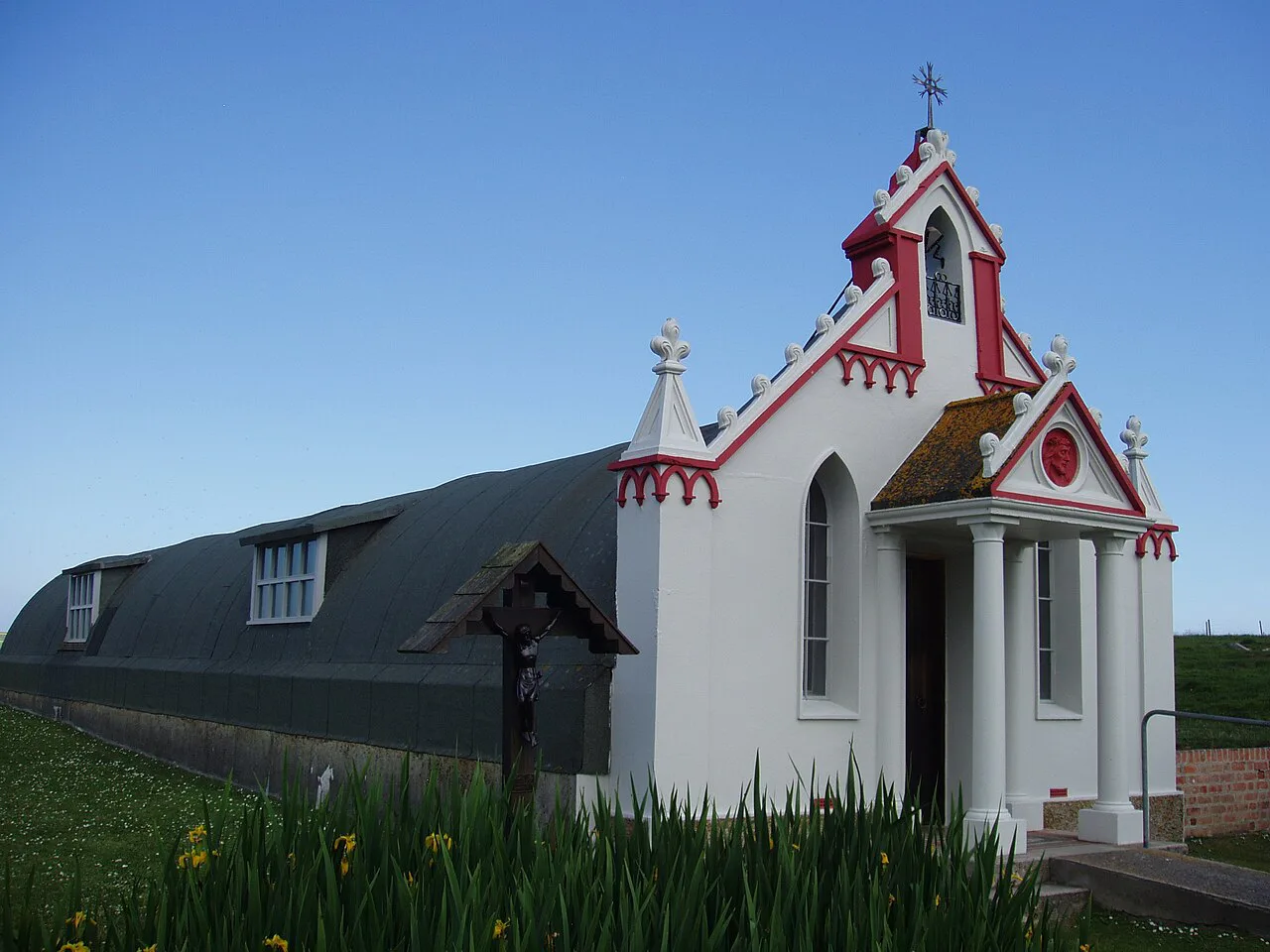
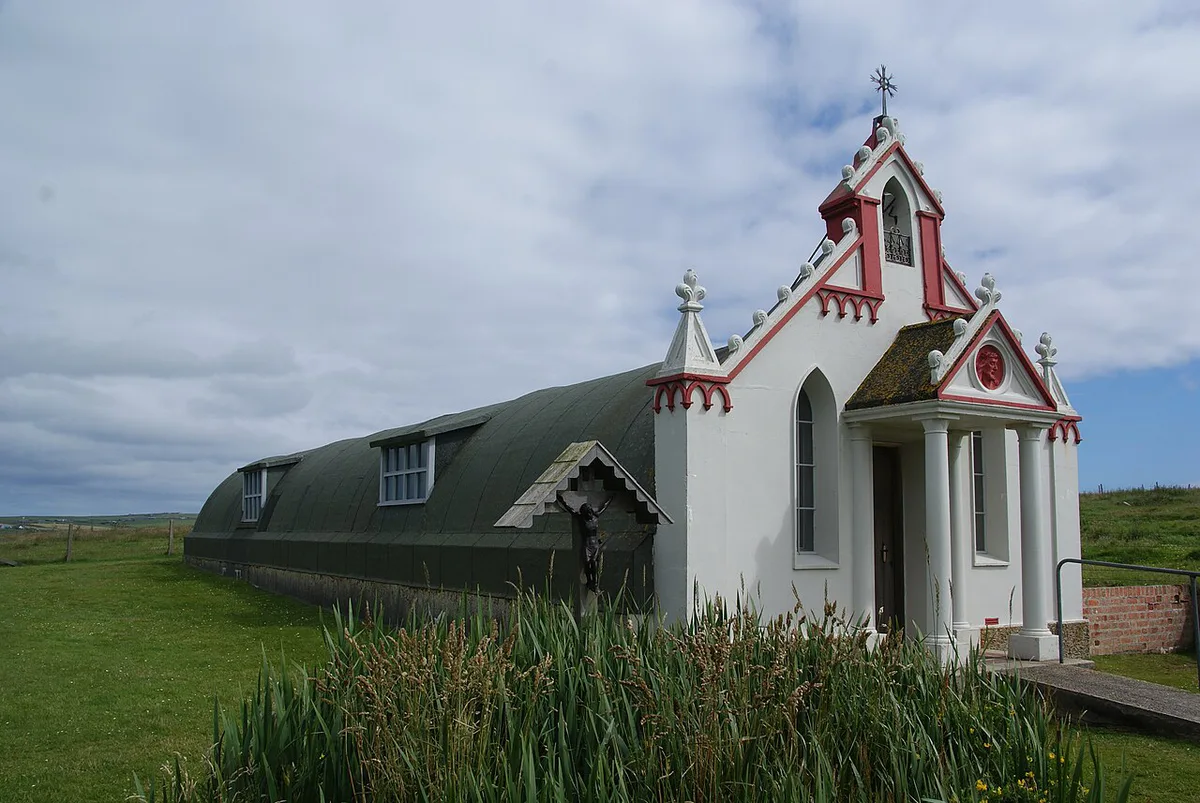
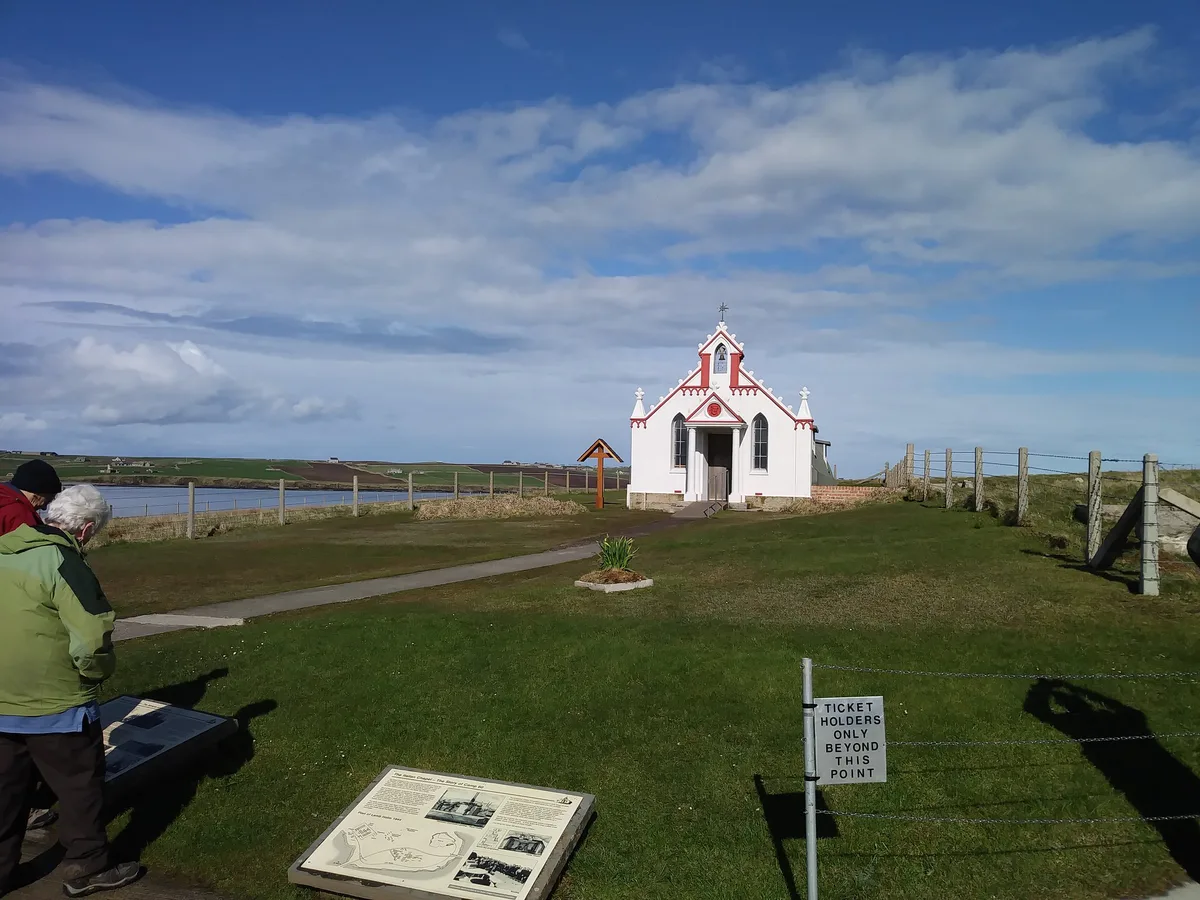
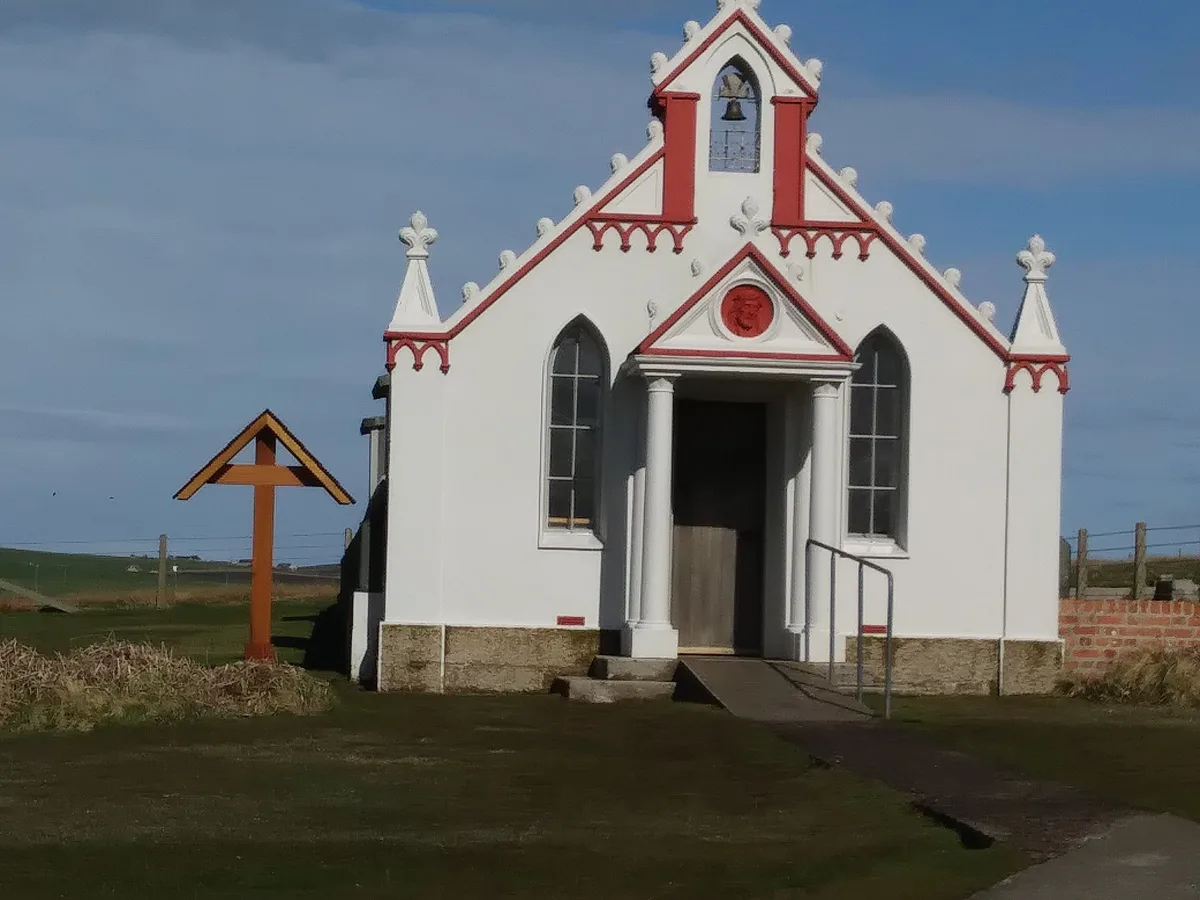
The Italian Chapel on Lamb Holm was built by Italian prisoners of war and is among the most visited WW2 sites in Orkney. Lamb Holm is reached over the Churchill Barriers, which link the southern islands to the Mainland. Look closely at the painted interior and the story of how it was made from simple materials.
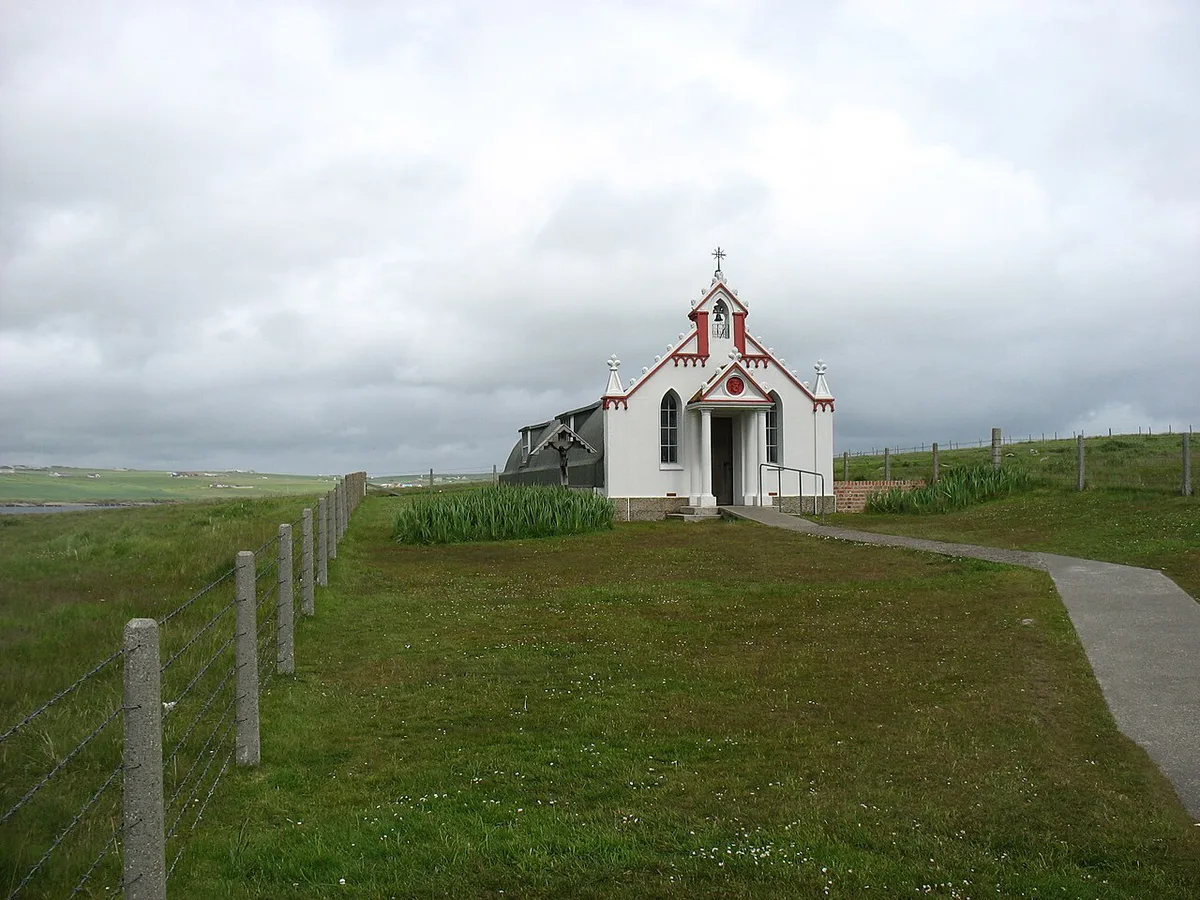
See the official chapel site for opening details, as access can vary by season. Best for: families, photography and visitors short on time. Skip if: you want a full museum, since the chapel is small and a visit is brief.
4. Scapa Flow Wrecks and the Naval Anchorage (Orkney)
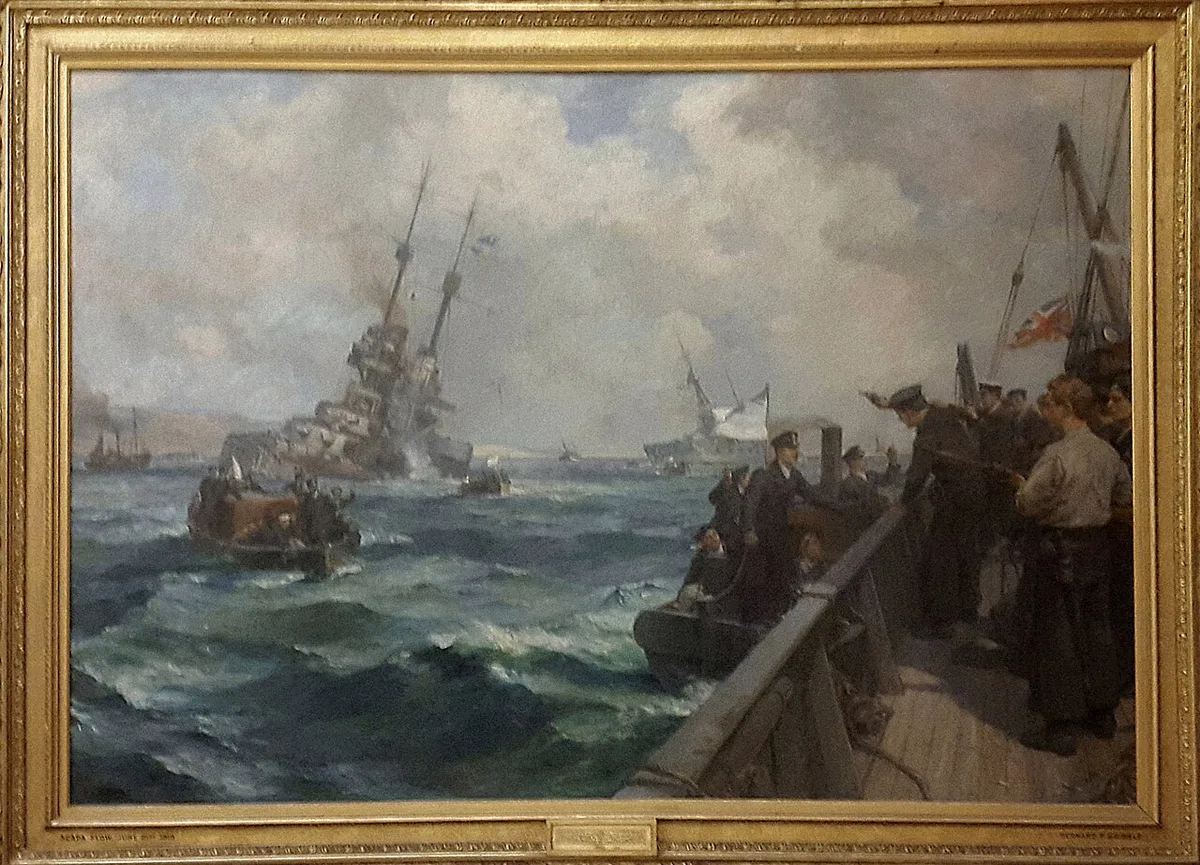
Scapa Flow was the Royal Navy's northern anchorage, and the Scapa Flow Wrecks: What's Down There and Who Can Dive Them still lie in its waters. Most of what you can see from land is the shoreline, the barriers and the wider anchorage. Seeing the wrecks themselves is a diving matter, so non-divers should lean on museums and viewpoints.
Plan Orkney logistics early, covering ferry or flight, a car and weather. VisitScotland's Orkney page is a sound starting point. Best for: naval history and divers. Skip if: you are not diving and have limited days, since the Italian Chapel gives more to see.
5. Clydebank Blitz (Glasgow and the Clyde)
Clydebank was a shipbuilding town, and the Clydebank Blitz 1941: What Happened and What to See Today story explains how air raids hit its homes and yards. This is the best place on the list to understand civilian life under bombing. Start at Clydebank Museum, run through West Dunbartonshire Council, and check its hours first.
Clydebank is reachable from Glasgow without a car, which makes it the easiest site here for public transport. Best for: social history and city-based trips. Skip if: you want open landscapes, since this is an urban, museum-led visit.
How to Choose: Match the Site to Your Trip
Access type matters more than distance here. Open memorials need little planning, while island sites need ferry or flight bookings. Use this table to match each site to your trip.
| Site | Region | Access type | Best fit |
|---|---|---|---|
| Commando Memorial | Highlands | Open memorial | Military history, photography |
| Loch Ewe and convoy museum | Western Highlands | Museum, remote | Remote travel, maritime history |
| Italian Chapel | Orkney | Island site, seasonal details | Family, photography |
| Scapa Flow wrecks | Orkney | Island, mostly diving | Naval history, divers |
| Clydebank Blitz | Glasgow and the Clyde | City museum | Social history, no car |
Sample Routes and Time Trade-Offs
A 2-day Highlands loop pairs the Commando Memorial with Loch Ewe, but Highland drives take longer than maps suggest, so check journey times on a mapping service. A 3–4 day Orkney trip covers the Italian Chapel, the Churchill Barriers and the Scapa Flow shoreline with room for weather delays. Clydebank fits into a single day from Glasgow. Orkney and Loch Ewe need the most advance booking.
Build a 3–4 day Orkney trip around a car, since one is strongly advised there, while Clydebank works without one.
Costs, Tickets, Hours and Getting Around
The Commando Memorial is an open site, while the museums and the chapel set their own hours and charges. Historic Environment Scotland publishes details for sites it manages at its official heritage site. A car is essential in the Highlands and strongly advised on Orkney. Clydebank works without one. Check each operator for current prices before you go.
Common Mistakes to Avoid
Do not assume every WW2 site in Scotland is open to the public. Munitions and industrial sites such as Eastriggs, and camps such as Cultybraggan near Comrie, may have limited or no visitor access, so confirm status with the owner before planning around them. Do not underestimate island ferry and flight lead times. Do not underestimate Highland drive times either.
Beyond Scotland: Wales
Wales has its own wartime sites, covered separately. Start with our guide to WW2 sites in Wales, and use Visit Wales for current planning details.
The Shetland Bus crossings and the commandos trained in the Highlands link these sites to Norway at war.
Frequently Asked Questions
What did Scotland do during WWII?
Scotland served as a naval base, a gathering point for Arctic convoys and a major shipbuilding centre on the Clyde. Its cities also suffered air raids, including the Clydebank Blitz.
Explore More Guides
Keep planning your trip with these guides.
Guides
Keep planning
Guides on the same trip