Scapa Flow Wrecks: What's Down There and Who Can Dive Them
Which Scapa Flow wrecks you can see, how deep they lie, what certification they need, and how to visit Orkney if you don't dive.
In this guide
Last updated November 2026. Scapa Flow wrecks are mostly German High Seas Fleet warships scuttled in June 1919, plus HMS Royal Oak, sunk in October 1939 and now a protected war grave. Most of these sites are deep, cold, technical dives. We cover which wrecks matter, who can dive them, and how non-divers can still follow the story on Orkney.
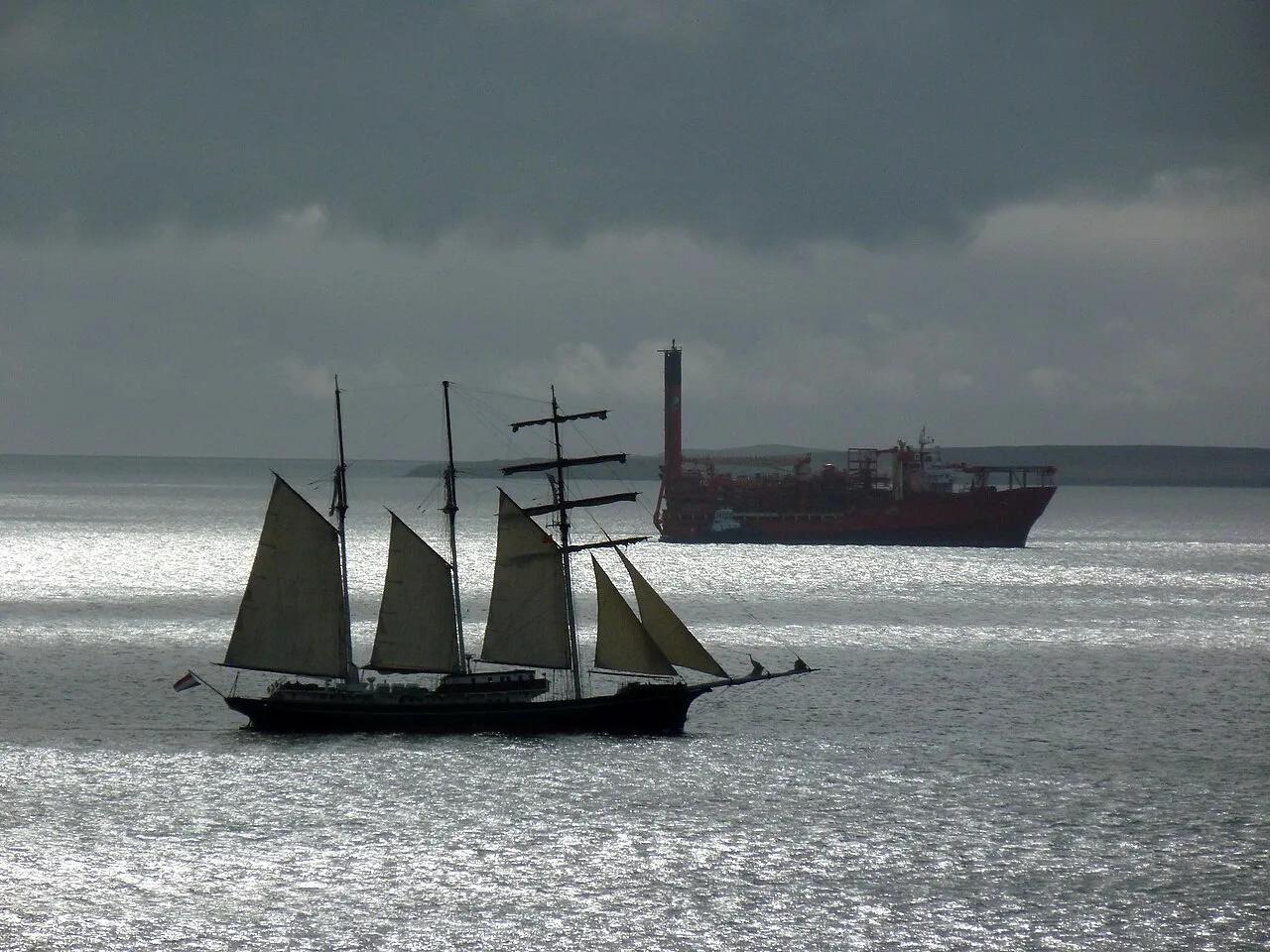
Featured image: Derek Mayes, CC BY-SA 2.0, via Wikimedia Commons.
Scapa Flow Wrecks at a Glance
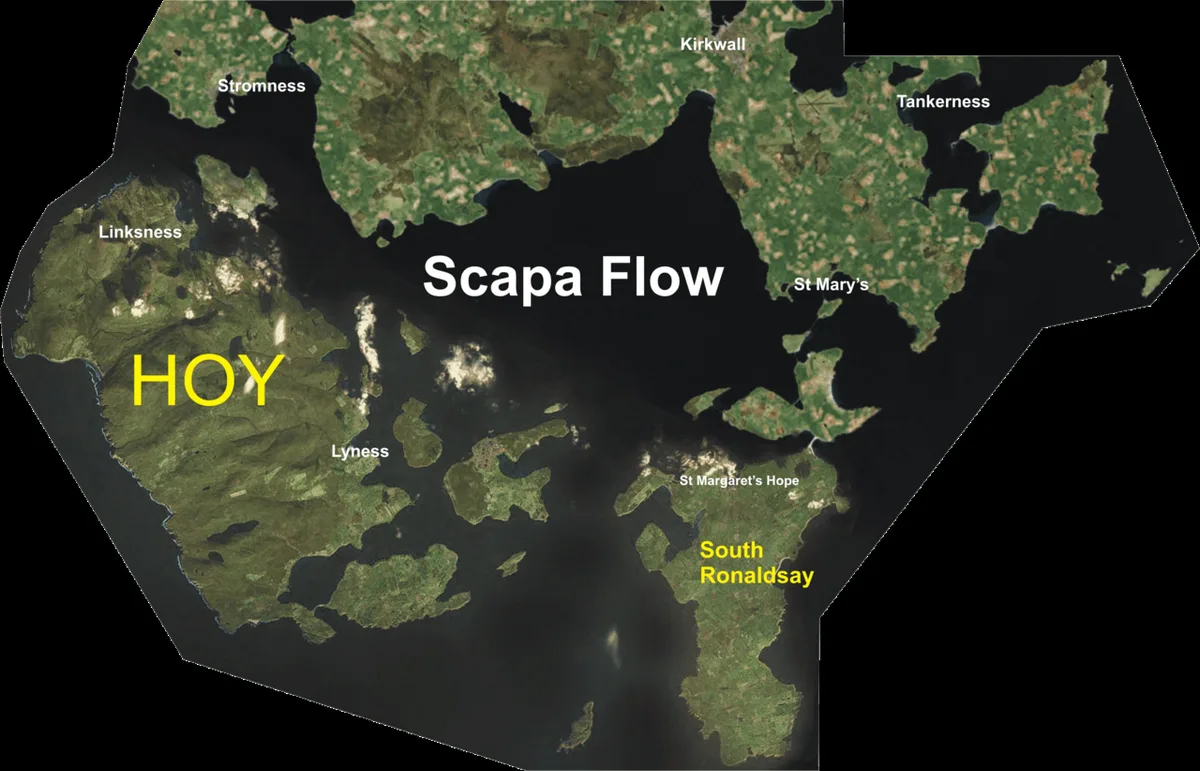
Scapa Flow is the sheltered anchorage in Orkney where the Royal Navy based its fleet. Today its seabed holds German warships scuttled on 21 June 1919, blockships sunk to close channels, and HMS Royal Oak. We'd call it a destination for experienced divers, because the big warships lie deep and the water is cold. Non-divers are not shut out. Orkney's museums, shoreline and causeways tell the same story above water. Our pick for each type of visitor is in the matrix below.
| Visitor type | Our recommended route |
|---|---|
| Non-diver | Spend time at Orkney's shoreline sites and the Italian Chapel; skip boat trips that only promise a view of the water |
| Recreational diver | Ask an operator which blockship or shallower wreck suits your logged experience |
| Technical or trimix diver | Book a multi-day trip with a named dive operator and plan for the deeper German warships |
What Is Down There: The Wrecks Worth Knowing
Depth is the deciding factor at Scapa Flow, so we leave exact figures to the dive operators. They know each wreck's current condition and the depth to the hull or deck. The German warships are the draw for most divers. Salvage crews later lifted many hulls, which is why the surviving wrecks are a fraction of the fleet. Historic Environment Scotland is the place to check protection status for historic wrecks before you plan a dive.
| Wreck | Type or era | Depth and level | Notes |
|---|---|---|---|
| SMS Markgraf | German battleship, scuttled 1919 | Deep; technical level, ask operator | Often described as lying upside down |
| SMS König | German battleship, scuttled 1919 | Deep; technical level, ask operator | Named in dive-boat itineraries |
| SMS Kronprinz Wilhelm | German battleship, scuttled 1919 | Deep; technical level, ask operator | Named in dive-boat itineraries |
| SMS Karlsruhe | German light cruiser, scuttled 1919 | Ask operator | Often a first choice for divers stepping up from shallower sites |
| SMS Brummer | German cruiser, scuttled 1919 | Ask operator | Often combined with other wrecks on one trip |
| Blockships | Sunk to close channels in the world wars | Generally shallower; ask operator | Often the best match for advanced recreational divers |
| HMS Royal Oak | Royal Navy battleship, sunk October 1939 | Protected war grave | Not a normal dive site; follow Ministry of Defence rules |
How the German Fleet Ended Up on the Seabed
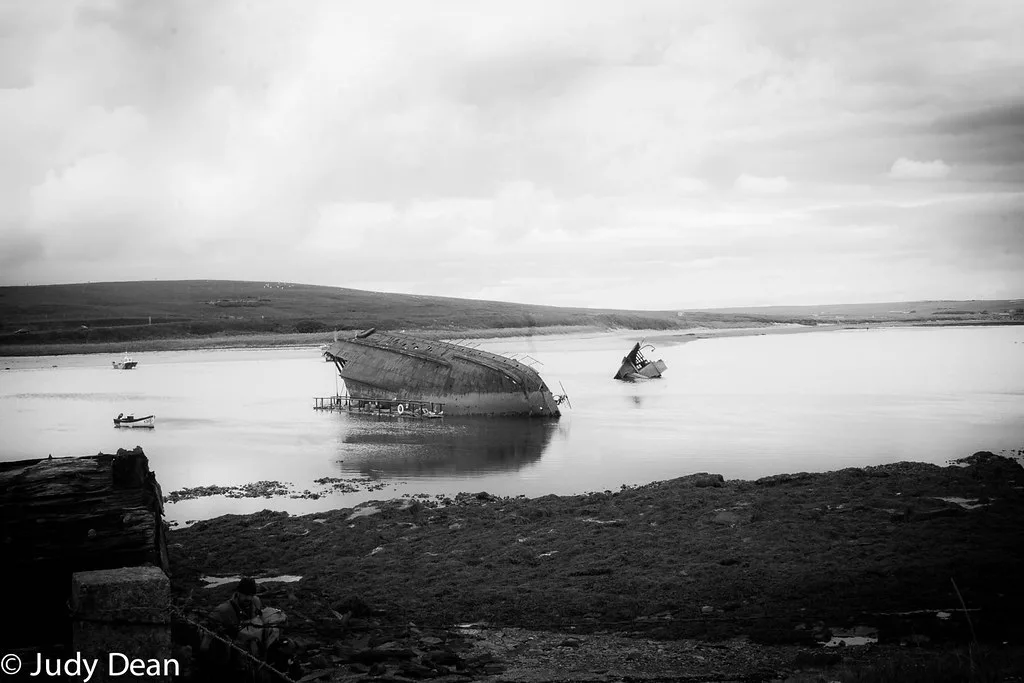
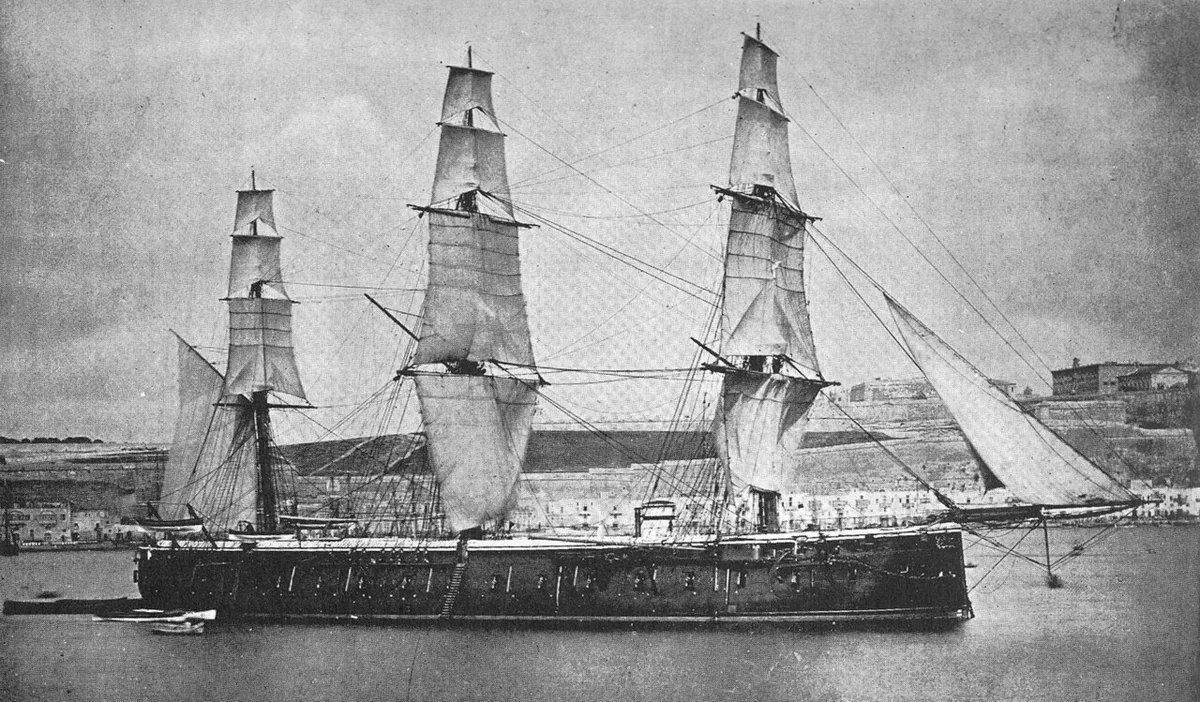
After the Armistice that ended the First World War, German warships were interned at Scapa Flow while their fate was decided. On 21 June 1919, Admiral Ludwig von Reuter ordered the fleet scuttled. Crews opened the ships to the sea rather than let them pass to the victors. Many ships went down in the anchorage. Salvage firms later raised most hulls for scrap, which is why only some wrecks remain. Those that stayed on the bottom are the ones divers visit today. We'd keep the history short before a dive, because the briefing from your operator matters more than any background reading.
Who Can Dive Them: Certification, Depth and Risk
Three groups of diver should approach Scapa Flow differently. Recreational divers should look at the shallower wrecks and blockships. Advanced divers should ask operators about their logged depth and cold-water experience. Technical divers working on trimix should plan multi-day trips with a team and proper surface support. Cold water, currents, poor visibility from silt, and any wreck penetration all raise the risk. This article is not dive training. Talk to a certified operator before you commit to any dive.
- Who should skip: divers with no cold-water or drysuit experience.
- Who should skip: anyone hoping to enter a wreck without penetration training.
- Who should skip: divers who would treat HMS Royal Oak as a routine dive.
Seasons, Visibility and Conditions
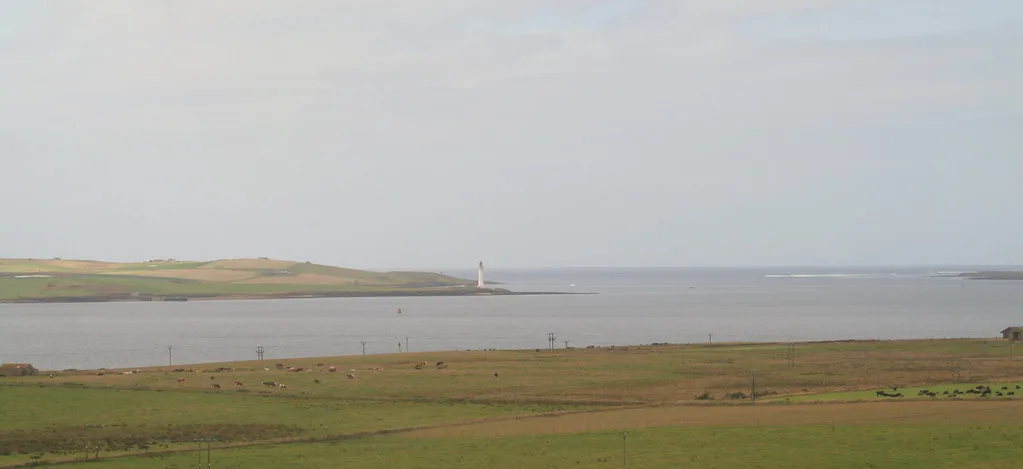
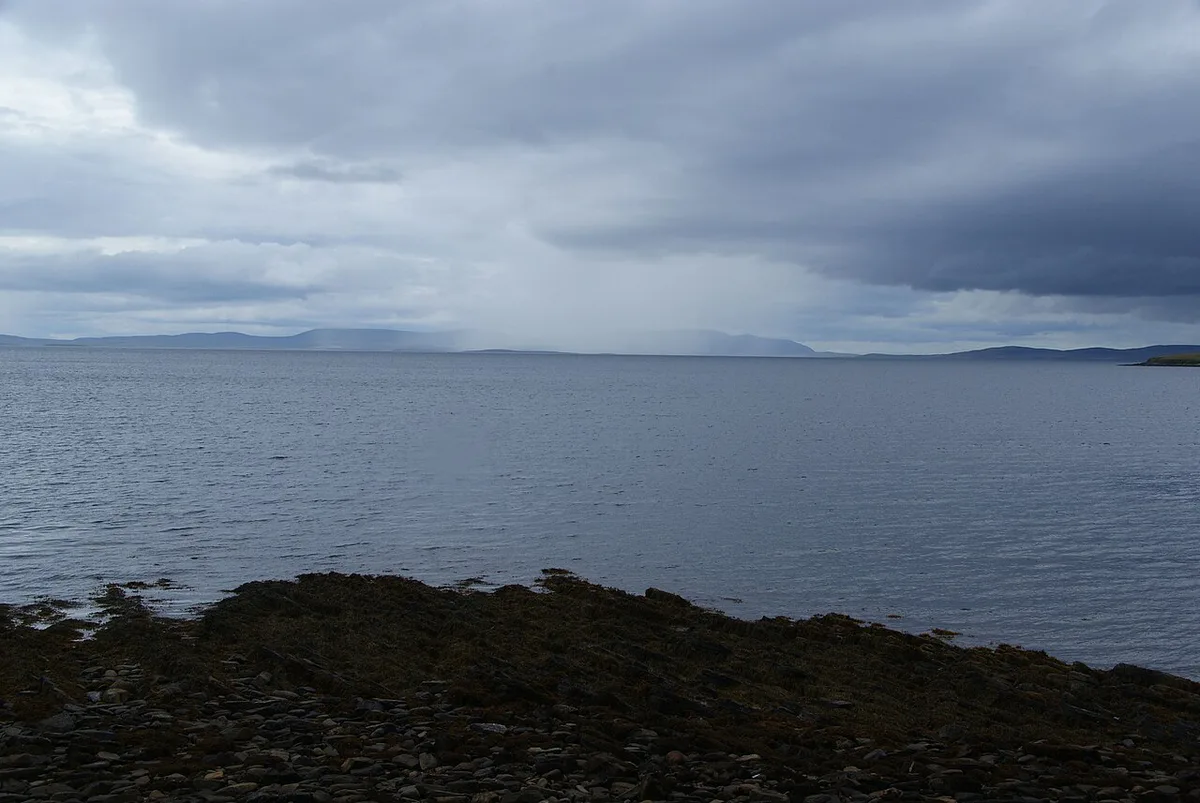
Conditions at Scapa Flow shift with weather, light, and ferry or flight disruption. We would not rely on a single visibility figure, because published claims conflict. Ask your operator what they are seeing on the day. Summer usually offers longer daylight for a late boat or a second day, while winter trades that for shorter days and more weather risk. Treat the table below as a planning trade-off, not a promise.
| Factor | Warmer months | Colder months |
|---|---|---|
| Daylight | Longer days, more flexibility | Short days, tighter schedule |
| Crowds and boats | Busier; book early | Quieter; fewer trips running |
| Weather and travel | Still changeable | Higher risk of ferry or flight disruption |
| Visibility and temperature | Ask operator for current report | Ask operator for current report |
Booking, Cost and Time Trade-Offs
Costs depend on the operator, the boat, and how many dives you want. We can't quote a price, so check the operator's own site for current rates and what is included. A day boat gives flexibility and lets you sleep ashore in Kirkwall or Stromness. A liveaboard keeps you on the water for more dives but commits you to its itinerary. One dive per wreck rarely covers a large warship, so plan more than 1 day. Book the boat early, then fit travel around it.
Deep, technical German battleships call for a longer booking, so plan more than 1 day rather than one boat trip.
Getting to Orkney and Around
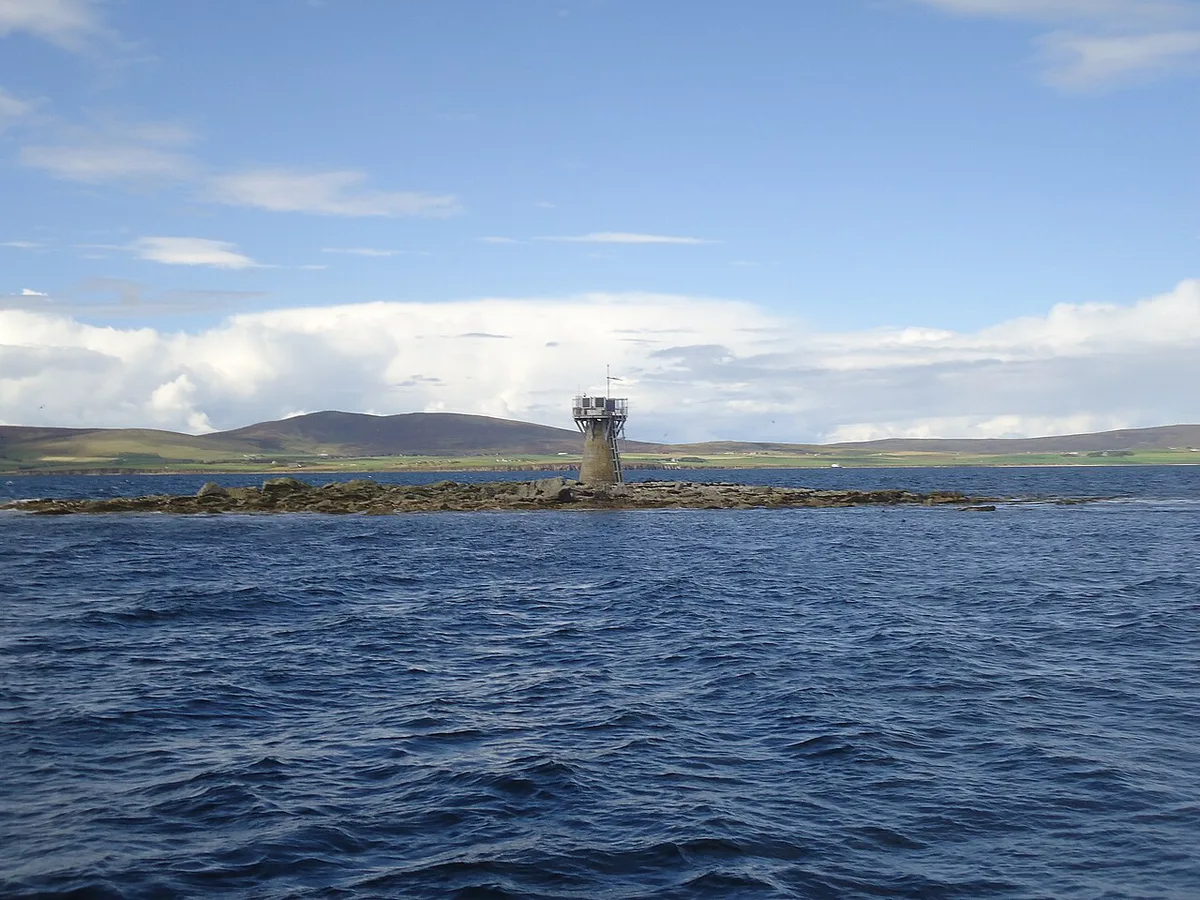
Orkney is reached by air or by ferry. Kirkwall and Stromness are the two bases visitors most often use. A hire car or taxi helps for the Scapa Flow shoreline. We'd build a weather buffer into any trip that depends on a ferry. Check current routes with the carriers and read VisitScotland's Orkney overview for general planning.
If You Don't Dive: See Scapa Flow Without Getting Wet
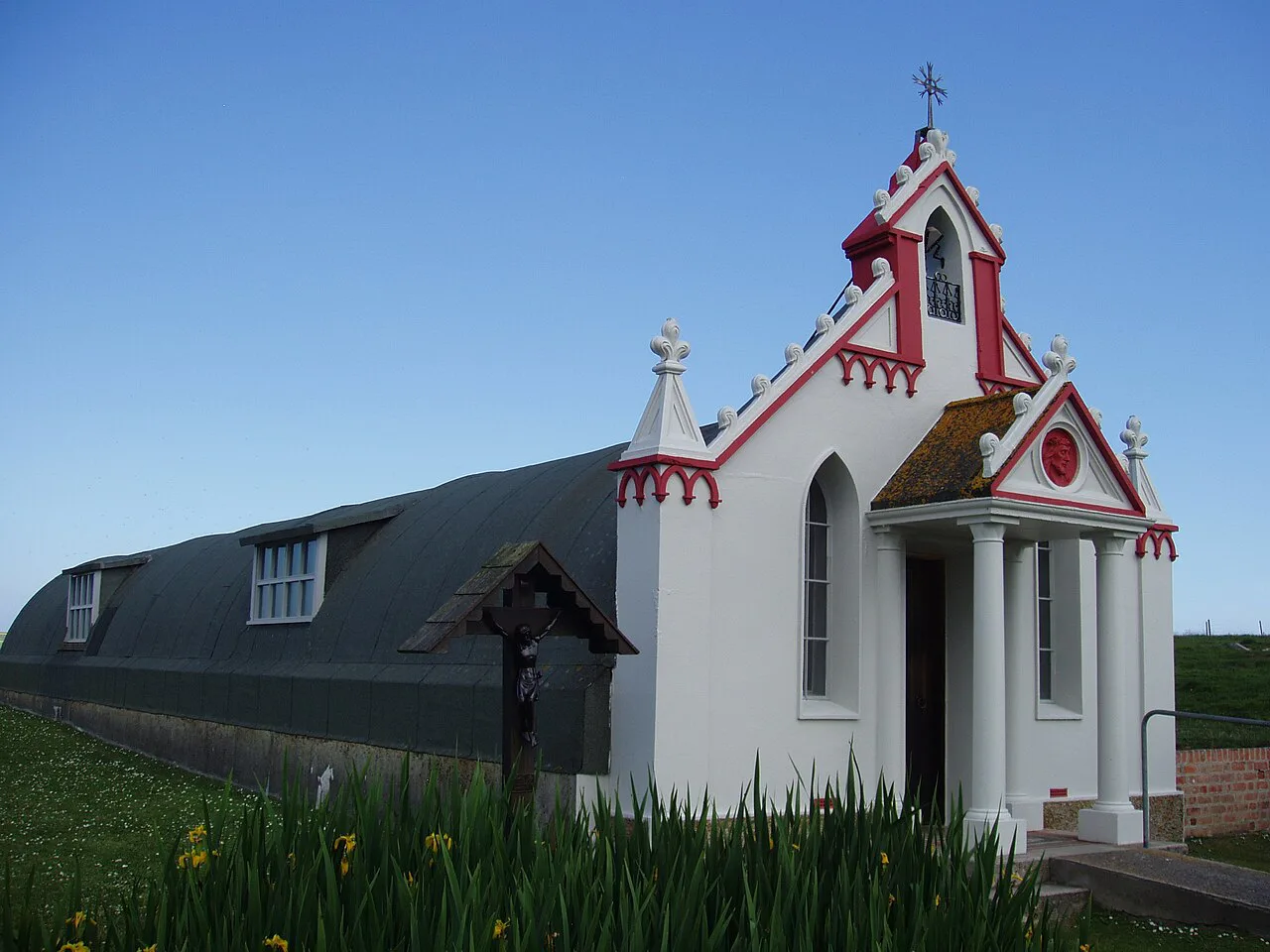
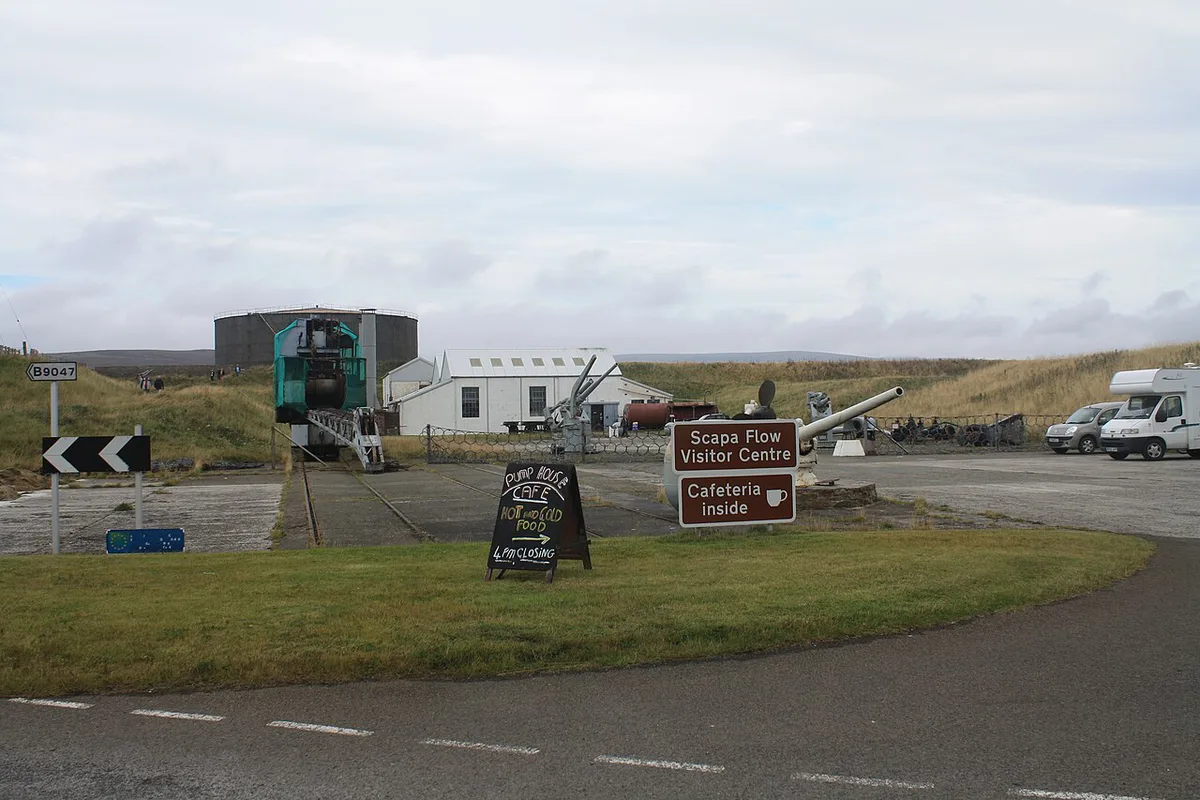
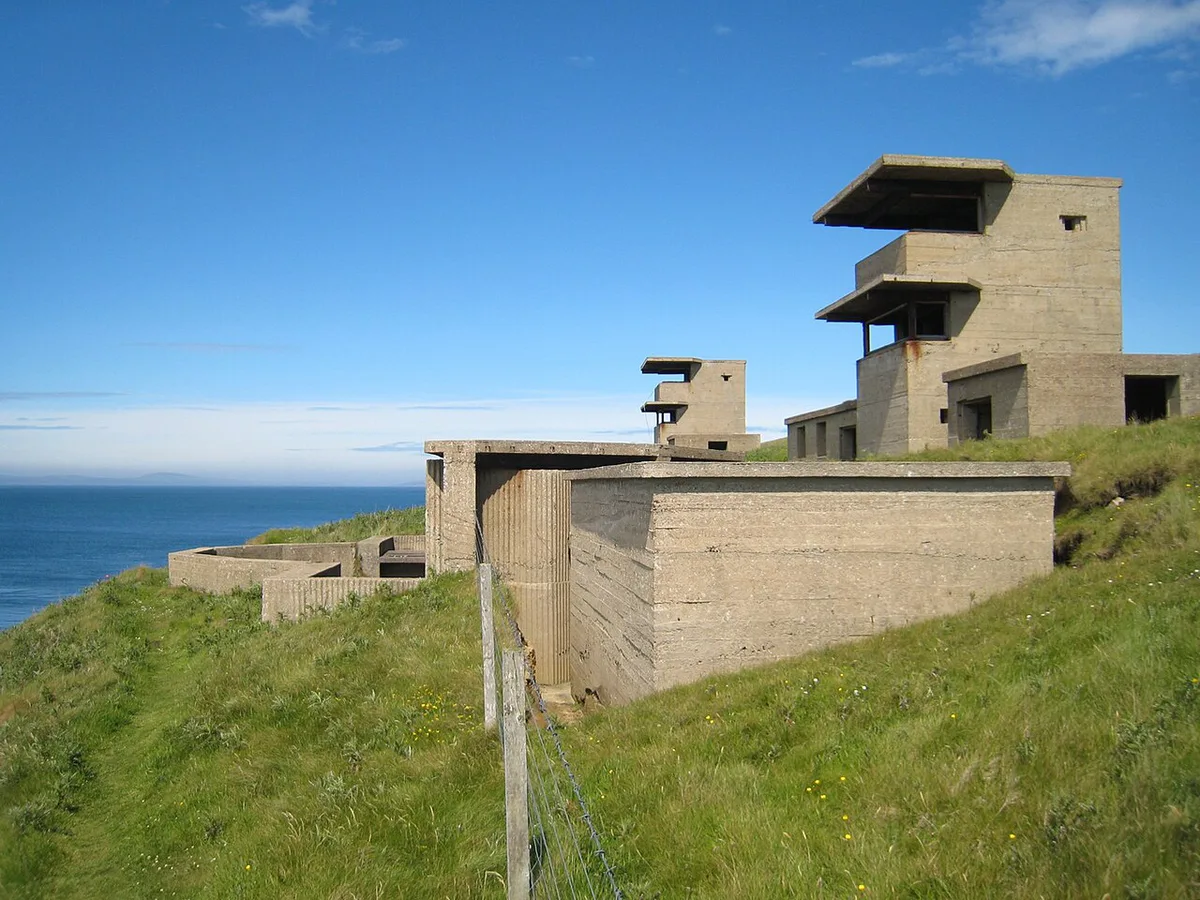
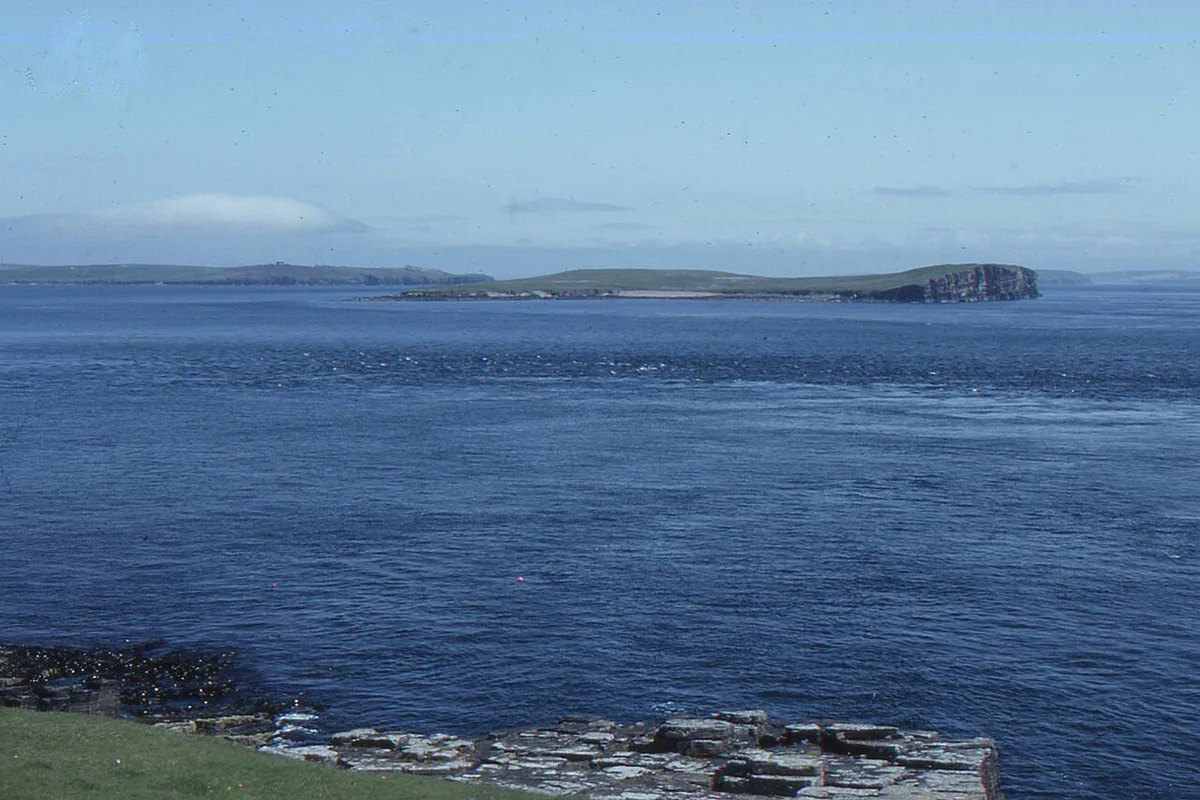
Non-divers can still follow the Scapa Flow story on land. The Churchill Barriers close several of the eastern channels and are a good shoreline stop. Check local museum listings for current opening times before you set out. Our best non-diving stop is Orkney's Italian Chapel. The official Italian Chapel site lists current visiting details. For the Royal Navy's northern-waters role, read about the Arctic convoy story at Loch Ewe.
- Day 1: Scapa Flow shoreline and museum stop, then the Churchill Barriers.
- Day 2: Italian Chapel, then a second shoreline viewpoint before heading home.
- Keep both days flexible; ferry and weather delays are the usual trip-breakers.
Common Mistakes and Quick Planning Checklist
The common errors are easy to avoid. Don't book trimix dives without the experience to match. Don't ignore ferry weather buffers. Don't treat Royal Oak like any other wreck, because it is a war grave. Don't assume 1 day covers Orkney. For a wider trip, our guide to WW2 sites in Scotland links the region's other stories. Our guide to the Commando Memorial near Spean Bridge is another northern stop. For the Clyde, see Clydebank Blitz history. For Wales, start with our Welsh WW2 sites overview.
- Confirm your certification level and logged dives with the operator.
- Book the boat first, then flights or ferry.
- Leave a spare day for weather.
- Respect Royal Oak's protected status.
Keep planning
Guides on the same trip