WW2 Sites in Wales: Shelters, Museums and Planning Tips
Plan a WW2 trip in Wales: which wartime sites to visit, what you'll see, how long to allow, and how to fit them into a Cardiff or wider Wales itinerary.

In this guide
Last updated November 2026: ww2 sites wales offer are mostly home-front history, not a single battlefield. Cardiff Castle's wartime shelters are the clearest starting point, and Pembrokeshire's coast is the second area to look at. Our table below helps you choose, and the Britain-wide WW2 overview covers Scotland.
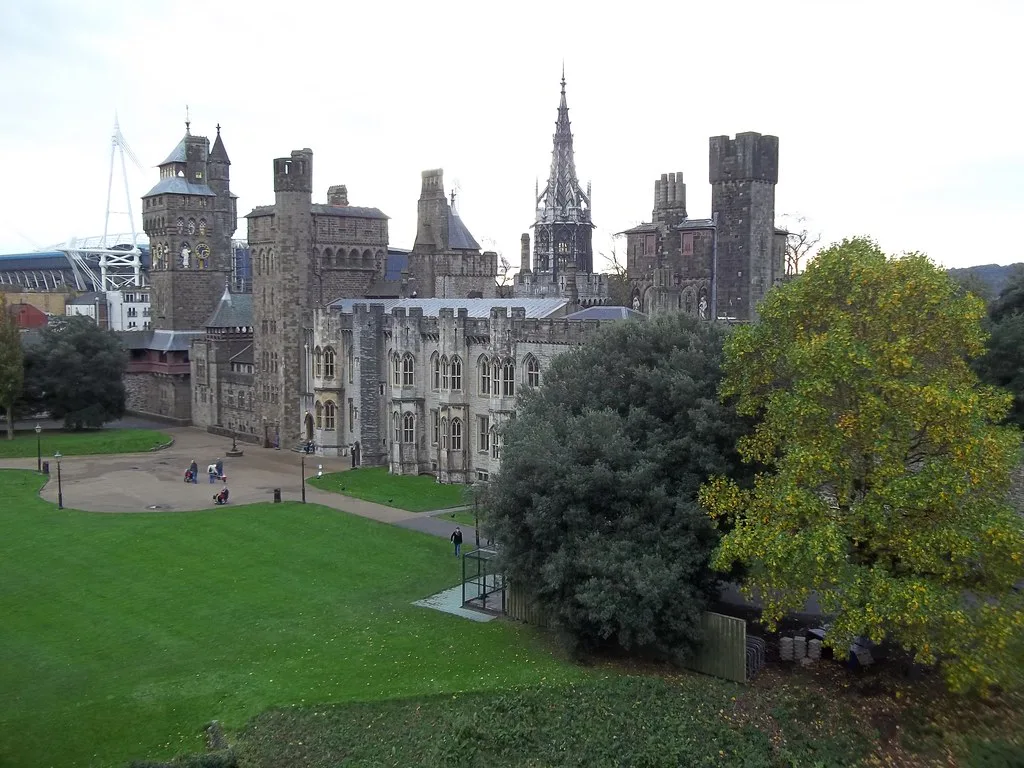
Featured image: Mat Tuck, CC BY-SA 2.0, via Wikimedia Commons.
Quick answer: the best WW2 sites in Wales
Wales has fewer headline WW2 sites than Scotland. Its story is air raids, shelters, civilian life and prisoner-of-war records. Start with the air-raid shelters inside the walls of Cardiff Castle at 330 North Rd, Cardiff CF10 3FG. Add Pembrokeshire's coastal defences if you are travelling west, and use Museum Wales collections for research. Work out which fits your trip using the table below.
WW2 sites in Wales at a glance
Only places with a clear wartime link are listed here. Check each venue's own site before you set out.
| Site | Type | Area | What you see | Cost and access |
|---|---|---|---|---|
| Cardiff Castle wartime shelters | Air-raid shelter | Cardiff | Tunnels inside the castle walls, with bunks, kitchens and sound recreations | Check Cardiff Castle's official site for ticket and tour details |
| Museum Wales Collections Online | Research resource | Online, via Amgueddfa Cymru | Catalogue records, including a Red Cross and St John War Organisation POW camp map dated September 1943 | Online record, not a visitable exhibit |
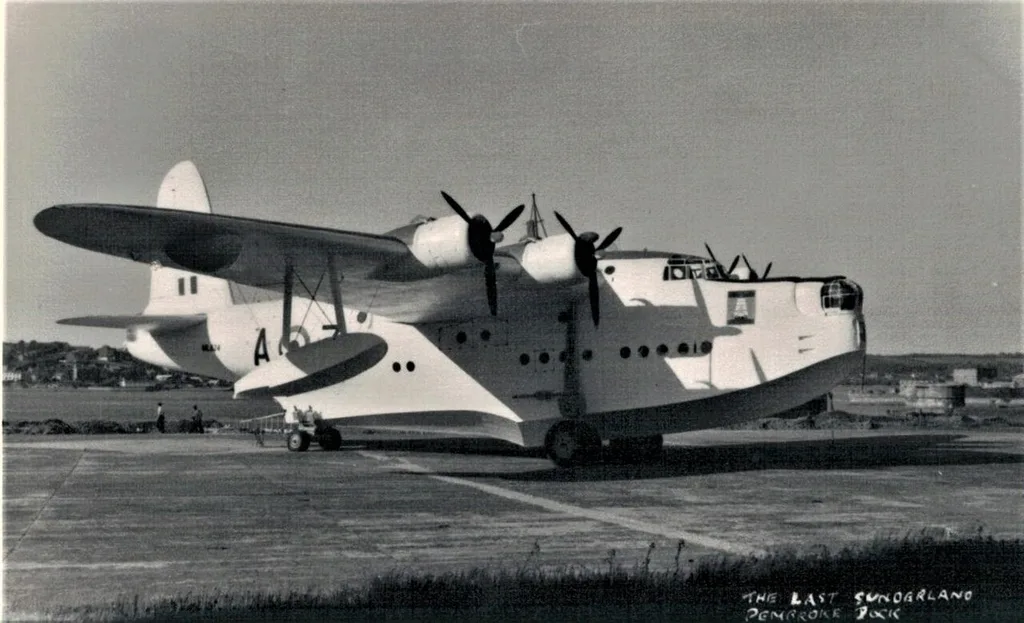
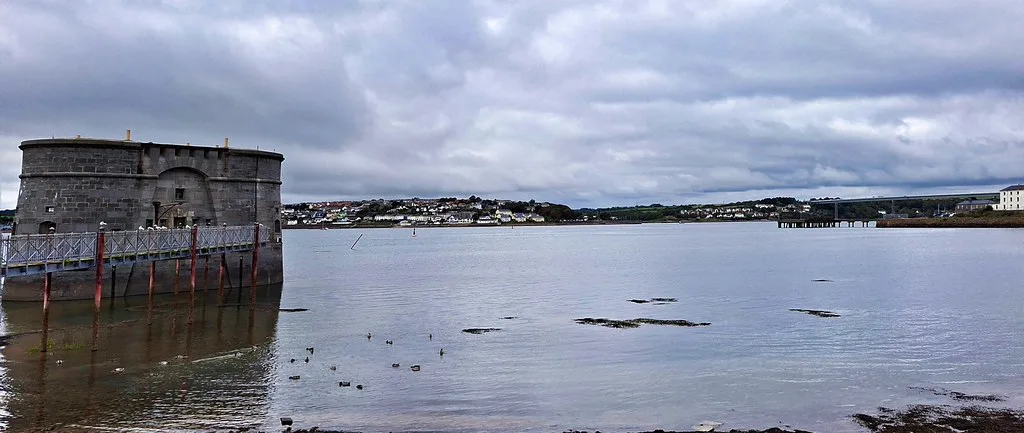
| Pembrokeshire coastal defences | Coastal defence | West Wales | Coastline defence remains; choose individual sites through Visit Wales | Access varies by site; check each venue |
Cardiff Castle wartime shelters: what to expect
Tunnels inside Cardiff Castle's walls became air-raid shelters in the Second World War. More than 1,800 people are estimated to have sheltered there when the sirens sounded. Special ramps let people reach the walls quickly. Research describes dormitories with bunks, kitchens, toilets and first-aid posts hidden within the walls. Today you can see what the shelters looked like and hear sound recreations of the period. Families can also follow a trail around the grounds.
- A shelter visit is about the lived experience of a raid: cramped space, bunks and first aid.
- A museum visit is about objects and labels, so the two feel quite different.
- Check whether the shelters need a castle ticket, a timed tour or a separate entry.
Other WW2 places worth adding
Museum Wales (Amgueddfa Cymru) holds a Red Cross and St John War Organisation map of prisoner-of-war camps, dated September 1943. Its item number is 83.92I/102. One side covers camps in Italy, and the other covers Germany, Austria and Poland. Treat it as a research record, not a place to visit. St Fagans National Museum of History is in the Cardiff area, but confirm its home-front content on the Museum Wales site first. For Pembrokeshire, use Visit Wales to find individual coastal-defence sites and their current access.
Use the Museum Wales online collection for research, and search item number 83.92I/102 to find the POW camp map record.
How to plan your time
A half-day plan fits Cardiff: allow the shelters, then the grounds, then a research stop on the Museum Wales online collection. A multi-day plan needs Pembrokeshire added and most likely a car, because coastal sites sit away from stations. Cardiff itself works well without a car. Journey times between Cardiff and Pembrokeshire vary by route, so check an official timetable or route planner. If you carry on north, the Clydebank Blitz story continues the bombing theme. The Italian Chapel on Orkney picks up the prisoner-of-war thread.

Enter 330 North Rd, Cardiff CF10 3FG into a route planner to check the journey before you commit to a Pembrokeshire day.
Costs, tickets and opening hours
A third-party listing gives Cardiff Castle's shelter hours as Monday to Sunday, 9:00–16:00. It also carries a "Free" label that is ambiguous, so do not rely on it. Cardiff Castle's official site is the place for current ticketing and hours. Museum Wales online records are free to read.
Mistakes to avoid
A few assumptions cause most wasted trips.
- Assuming every site is open all year; seasonal hours and closures are common.
- Relying on third-party hours instead of the venue's own site.
- Treating a collections record, such as the POW map, as a visitable exhibit.
- Skipping the access questions: ask each venue about step-free routes before you travel.
Frequently Asked Questions
Was Wales part of WWII?
Yes, Wales was part of the United Kingdom during the war. Its history is mostly home-front, and Cardiff Castle's tunnels sheltered an estimated 1,800 people during air raids.
Keep planning
Guides on the same trip