Clydebank Blitz 1941: What Happened and What to See Today
What happened in the Clydebank Blitz of March 1941, why the town was targeted, and how to remember it today with memorials, museums and walking context.
In this guide
Last updated November 2026. The Clydebank Blitz was a two-night Luftwaffe air raid on 13 and 14 March 1941 that hit the shipbuilding town of Clydebank, near Glasgow. It targeted the shipyards and munitions production, and almost every house in the town was damaged. Some web pages show a 1937 date for the raid, but the year is 1941. This guide covers the timeline, why Clydebank was chosen, the human cost and how to learn more today.
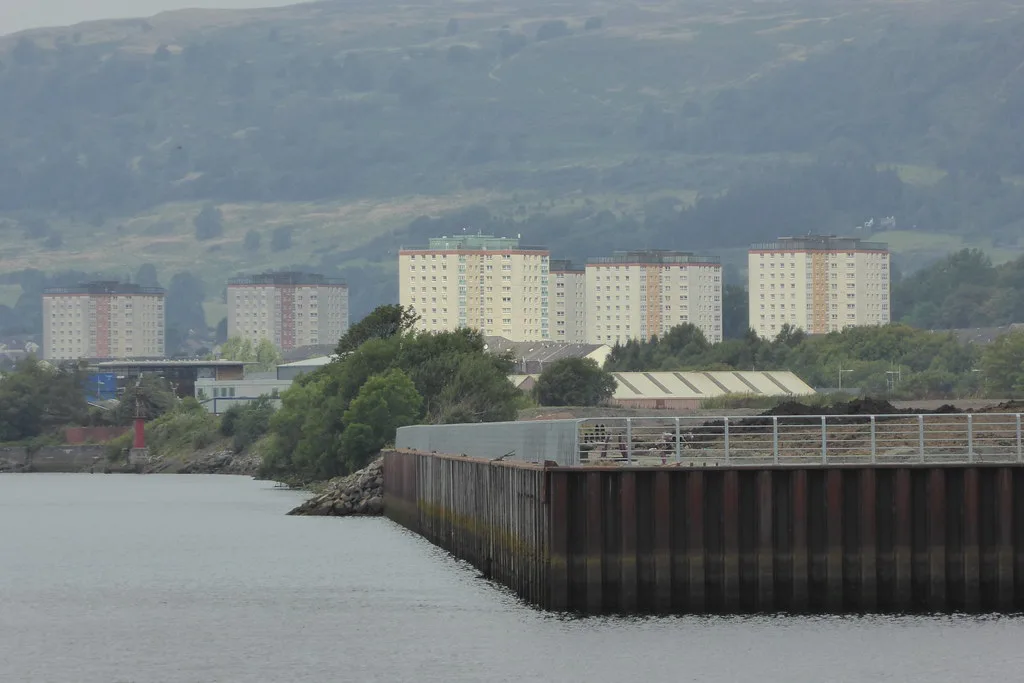
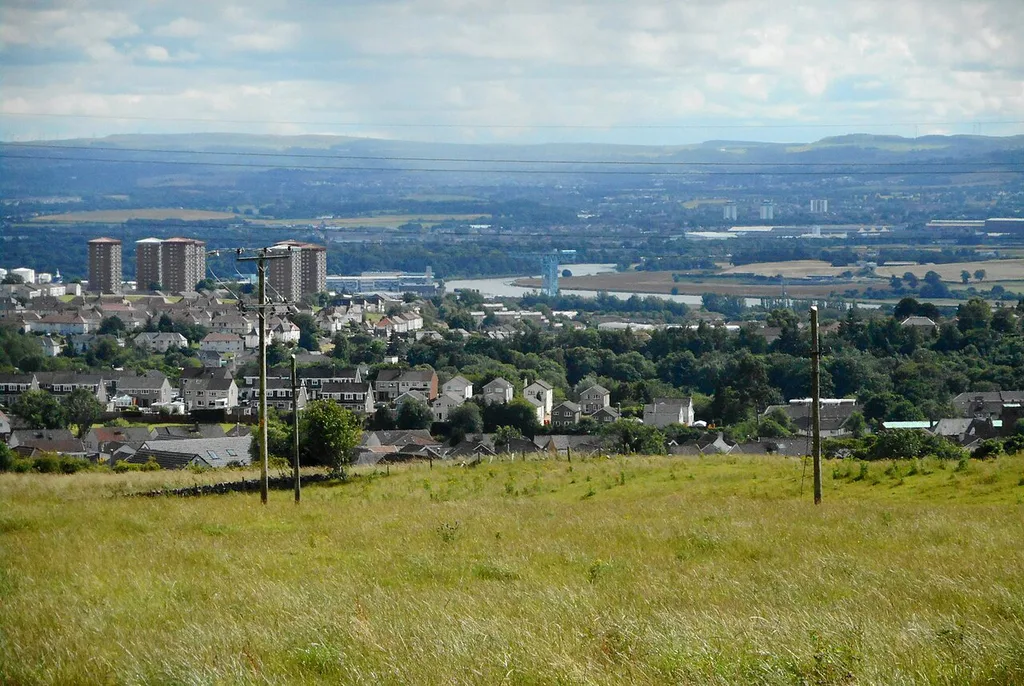
Featured image: Lairich Rig, CC BY-SA 2.0, via Wikimedia Commons.
What Was the Clydebank Blitz?
Clydebank sits on the north bank of the Clyde, and its yards and factories made it a priority target in the Second World War. Over two nights in March 1941, German bombers attacked the town in waves. Commonly cited figures put the raid at around 260 aircraft on the first night and about 200 on the second. Those numbers are widely repeated, so treat them as approximate and check them against the council's archive material.
| Fact | Detail |
|---|---|
| Dates | 13 and 14 March 1941 |
| Place | Clydebank, near Glasgow, Scotland |
| Targets | Shipbuilding yards and munitions production |
| Aircraft | About 260 on the first night, about 200 on the second |
| Deaths | Commonly given as approximately 528 |
| Housing | Only 7 of about 12,000 houses reported undamaged |
| Displaced | Over 35,000 people made homeless |
Why Clydebank Was Targeted
Clydebank's value was industrial. The John Brown & Company shipyard built vessels for the Royal Navy and the merchant fleet. The Singer factory had been converted to make munitions. Together, these sites made the town part of the Clyde's wartime production. Bombers aiming at them hit a densely built residential area, which explains why housing losses were so severe.
Timeline of the Two Nights
Each night followed a similar pattern, with raiders arriving after dark and fires spreading through tenement streets. Only details supported by the record are listed here.
Treat the figure of more than 1,200 bombs as loose, like the aircraft counts, because accounts differ on whether it includes incendiaries.
- 13 March 1941: about 260 aircraft attack the town and its industrial sites.
- 14 March 1941: about 200 aircraft return for a second night of bombing.
- Over the two nights: more than 1,200 bombs are said to have fallen, though accounts differ on whether that figure includes incendiaries.
- Afterwards: tens of thousands of residents leave their damaged homes and are rehoused or evacuated.
The Human Cost and Aftermath
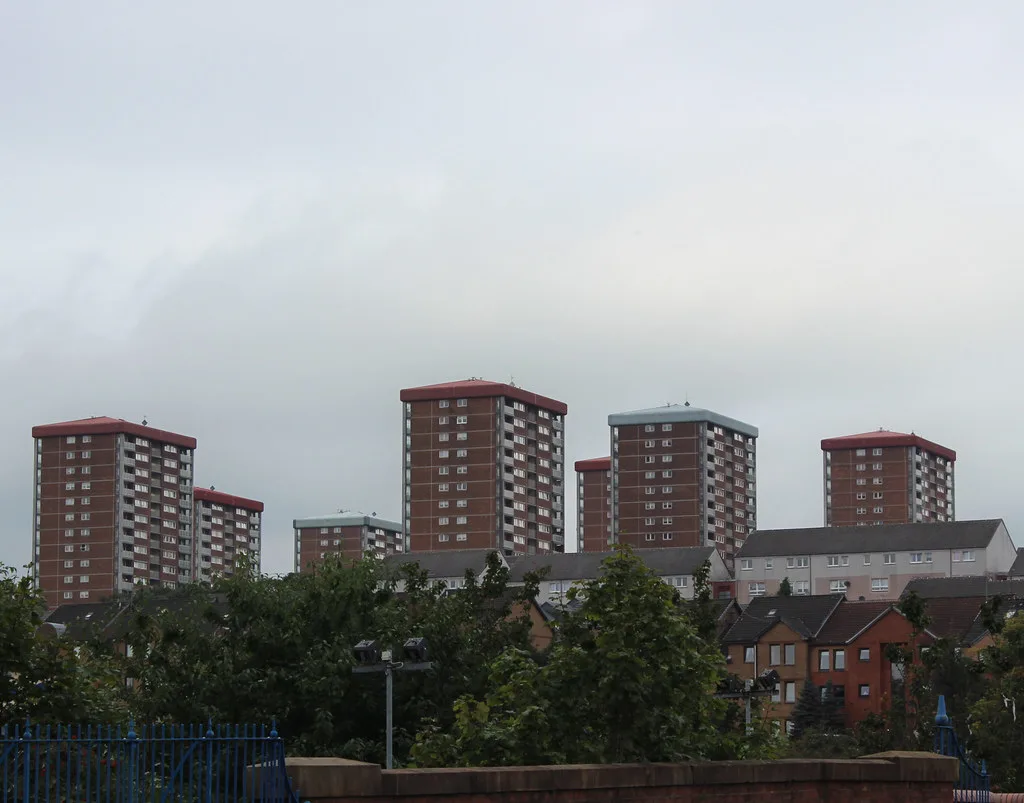
About 528 people are commonly recorded as killed, and thousands were injured. Of roughly 12,000 houses, only 7 are said to have escaped damage. More than 35,000 people were left without a home. Many families left for neighbouring towns and villages, and the town was rebuilt over the following decades. The shipyards and factories resumed work, but the loss of life and housing marked the community for generations. Council and archive pages are the best place for the official casualty figure.
How Clydebank Is Remembered Today
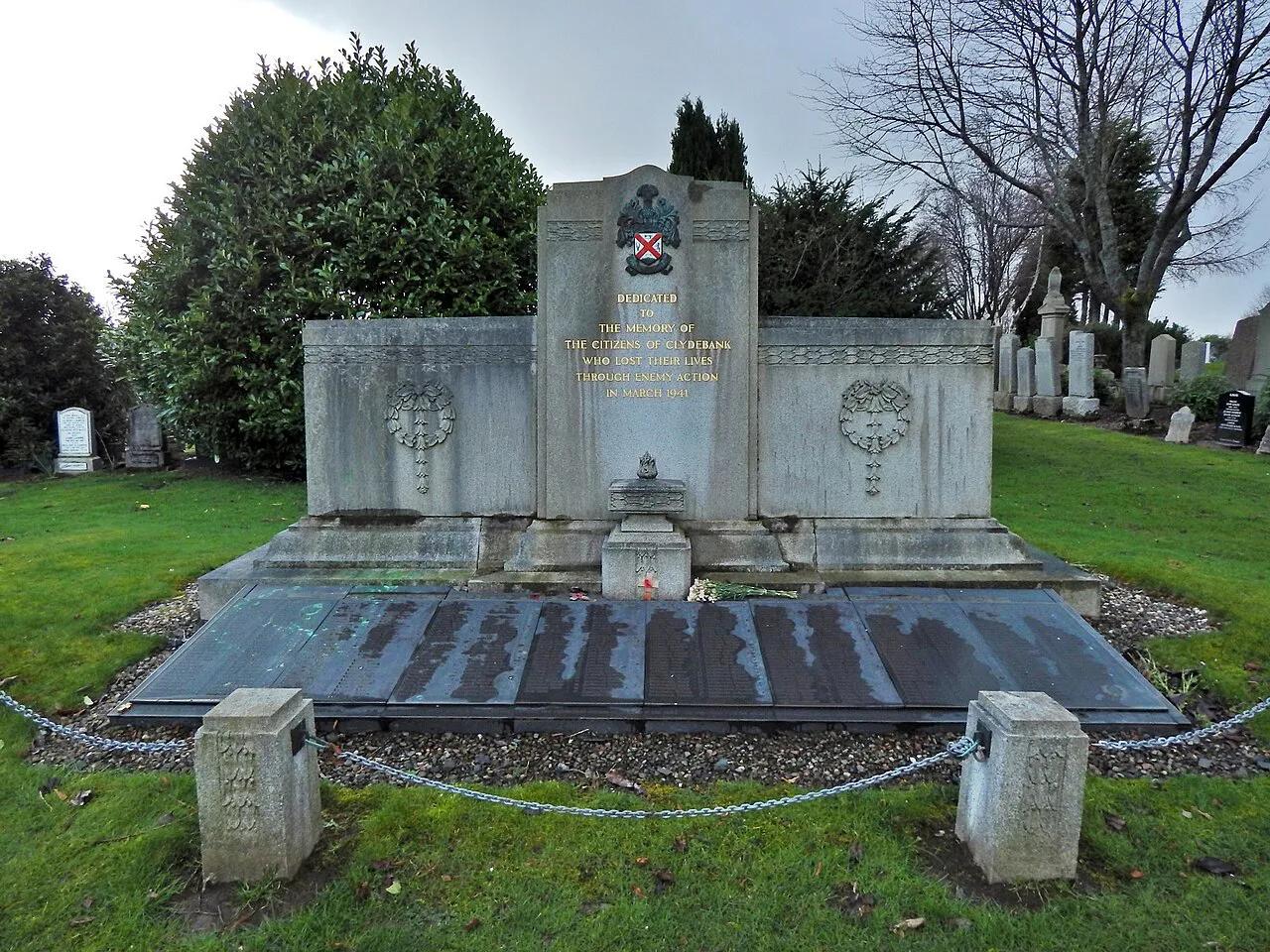
West Dunbartonshire Council runs the local museum and library services, and its Clydebank Museum and archive pages are the first place to look for Blitz collections and survivor accounts. Remembrance events are held around 13 and 14 March. Dates, locations and public access vary by year, so check the council listing before you plan a trip around them. Visit respectfully, as many local families still carry personal ties to the raid.
Visiting Clydebank: Practical Logistics
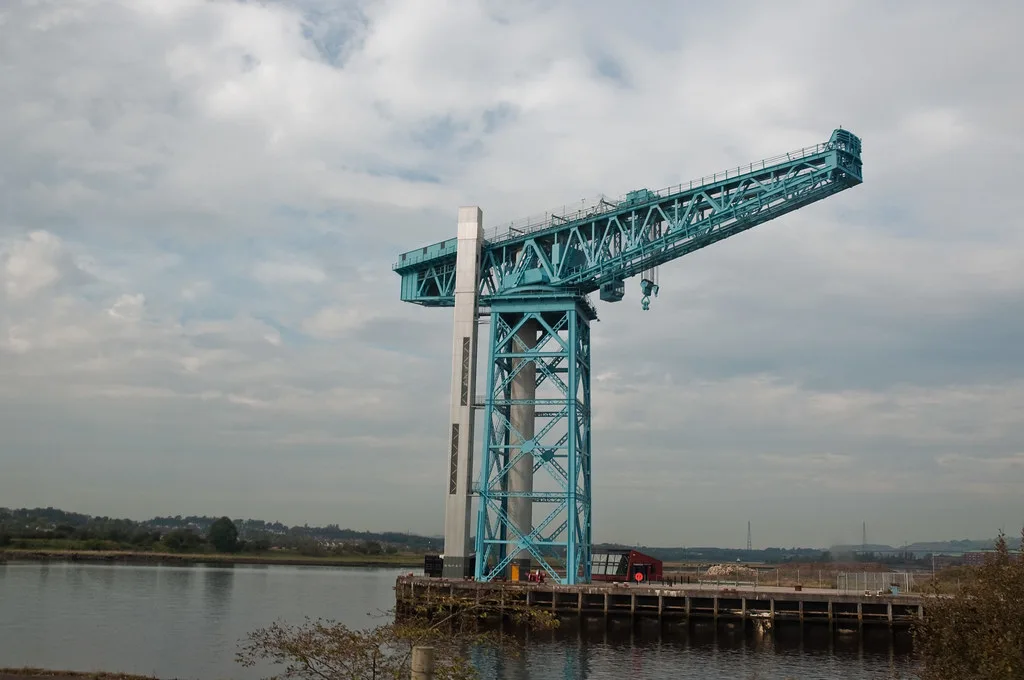
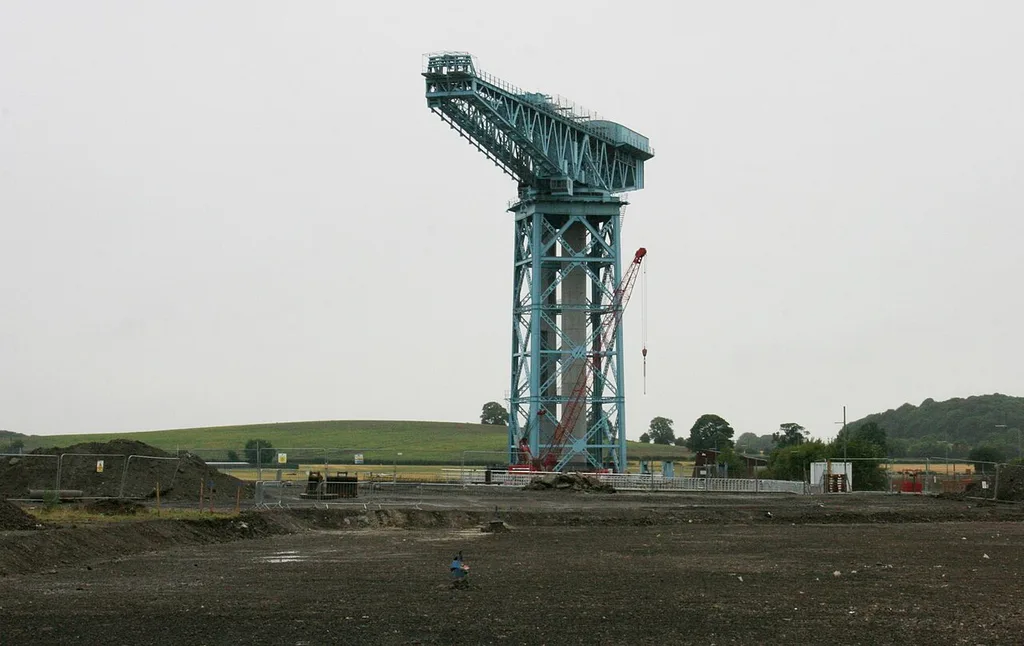
Clydebank is a short trip from Glasgow, which makes it workable as a half-day add-on. Use the national journey planner for current train times, and look up museum hours and costs on the council site. Much of the town was rebuilt after 1941, so little original fabric survives. Visitors looking for preserved ruins or ship-launch heritage will find the history mostly in museum material and memorials.
Remembrance events fall around 13 and 14 March, but dates vary by year, so look up the council listing before timing a Glasgow day trip.
| Stop | Best for | Check before you go |
|---|---|---|
| Clydebank Museum and archive | History students, families | Opening days and any admission cost |
| Memorials and plaques in the town | Remembrance visitors | Locations on the council site |
| March remembrance events | Those paying respects | Date, organiser and public access |
| Glasgow day trip | Short-stay visitors | Train times and journey length |
Clydebank Blitz in the Wider WWII Picture
Clydebank was one home-front site among many across Britain. Our guide to WWII sites in Scotland and Wales places it alongside other wartime locations. For a naval contrast, see the Scapa Flow Wrecks: What's Down There and Who Can Dive Them in Orkney. Shipping and supply history continues at the Arctic Convoy Museum, Loch Ewe: Visitor Guide story. For another Scottish memorial, visit the Commando Memorial at Spean Bridge. A quieter human story sits in the Italian Chapel in Orkney. Comparing UK sites is easier with our Wales WWII sites overview. Historic Environment Scotland also publishes heritage records for Scottish sites.
Frequently Asked Questions
How many were killed in the Clydebank Blitz?
About 528 people are commonly recorded as killed over the two nights of 13 and 14 March 1941. Thousands more were injured. Check West Dunbartonshire Council's archive pages for the figure it uses today.
Keep planning
Guides on the same trip