Vemork Heavy Water Plant & Museum: Visitor Guide
What Vemork is, the 1943 heavy-water story in brief, and how to plan a visit from Rjukan: time, access and what to pair it with.
In this guide
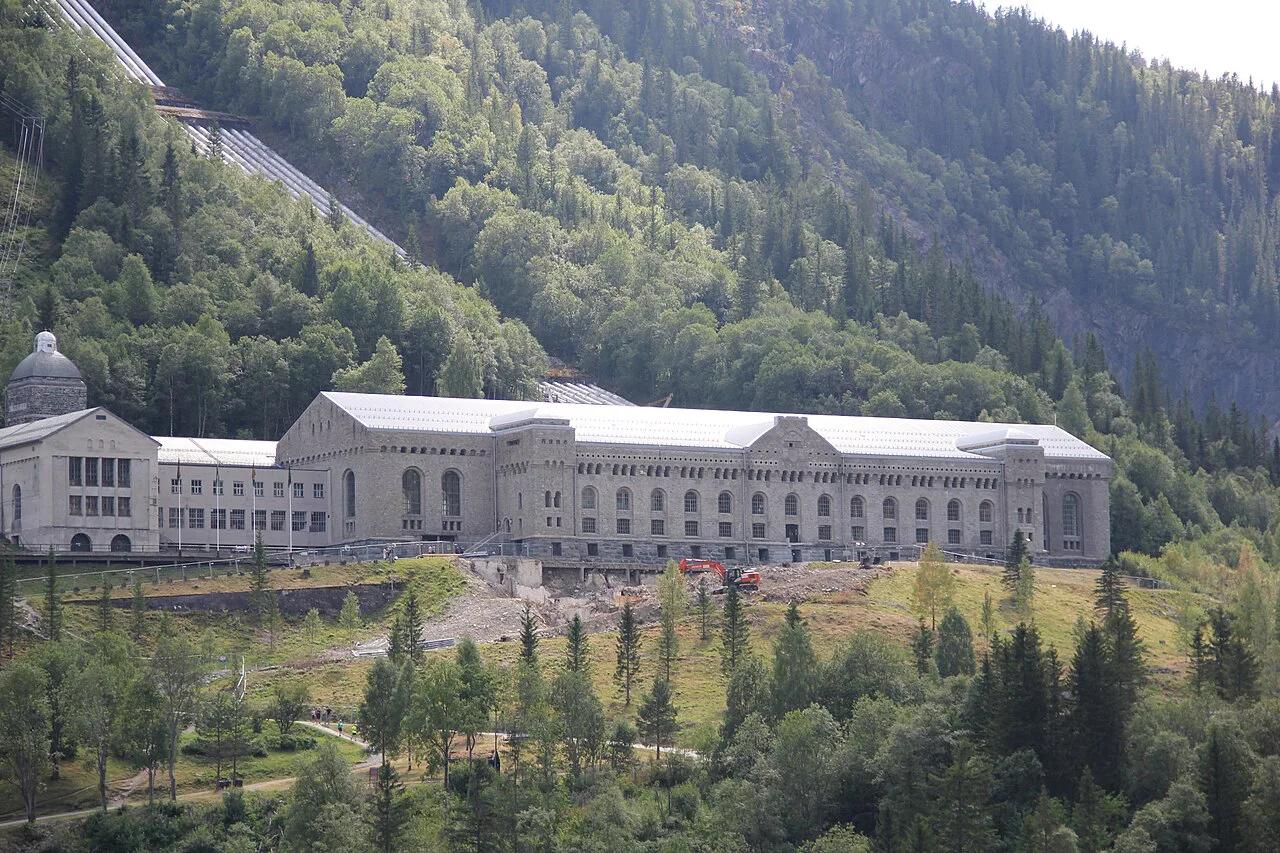
Last updated November 2026: vemork is the former Norsk Hydro hydroelectric plant near Rjukan in Telemark, and the site of the 1943 heavy-water sabotage. Its stone plant building now houses a museum on the sabotage and the Norwegian labour movement. This guide covers who should go, how to reach it from Rjukan and Oslo, and what to pair it with.
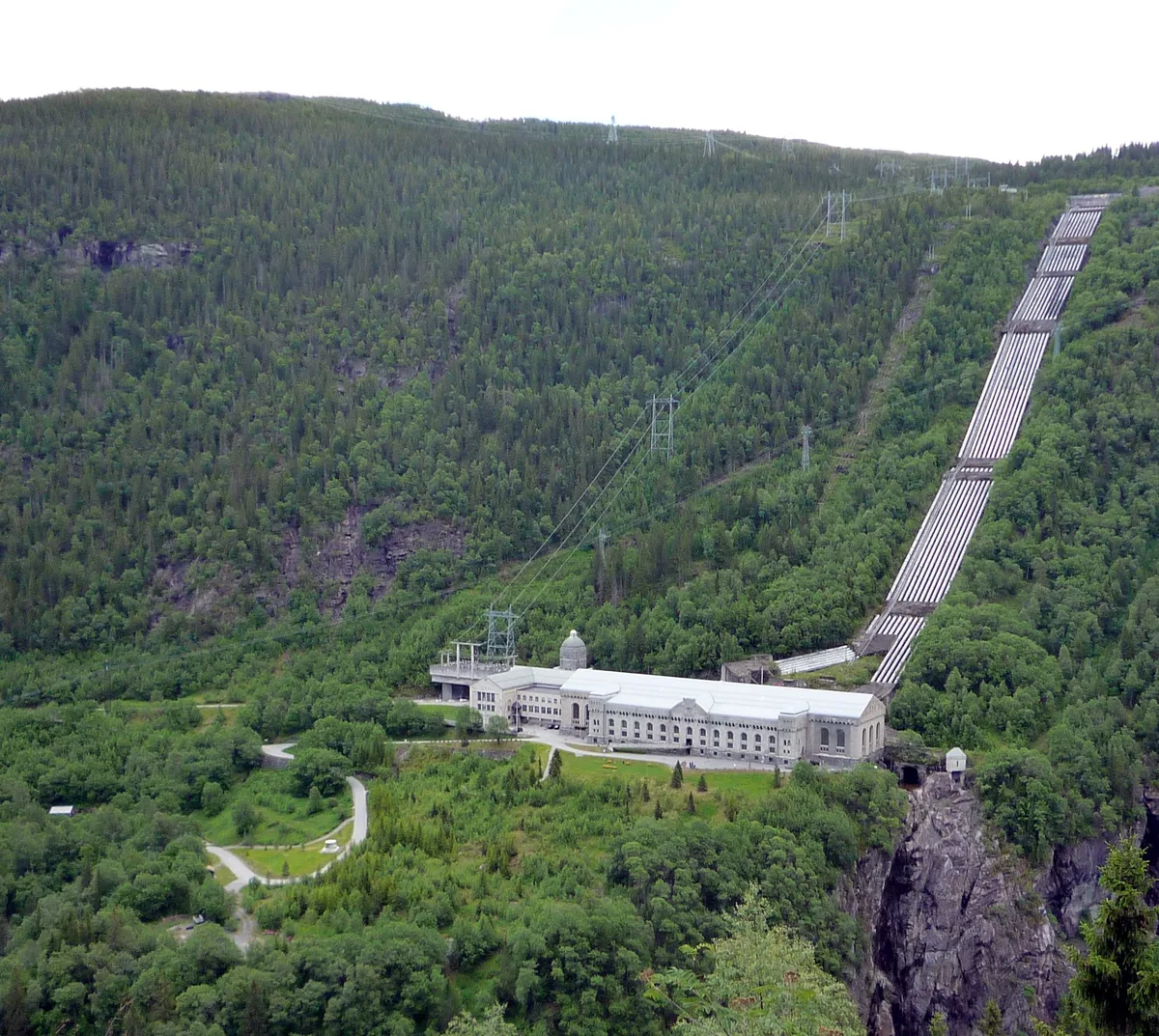
Featured image: Linus Folke Jensen, CC BY-SA 4.0, via Wikimedia Commons.

What Vemork Is and Why It Matters
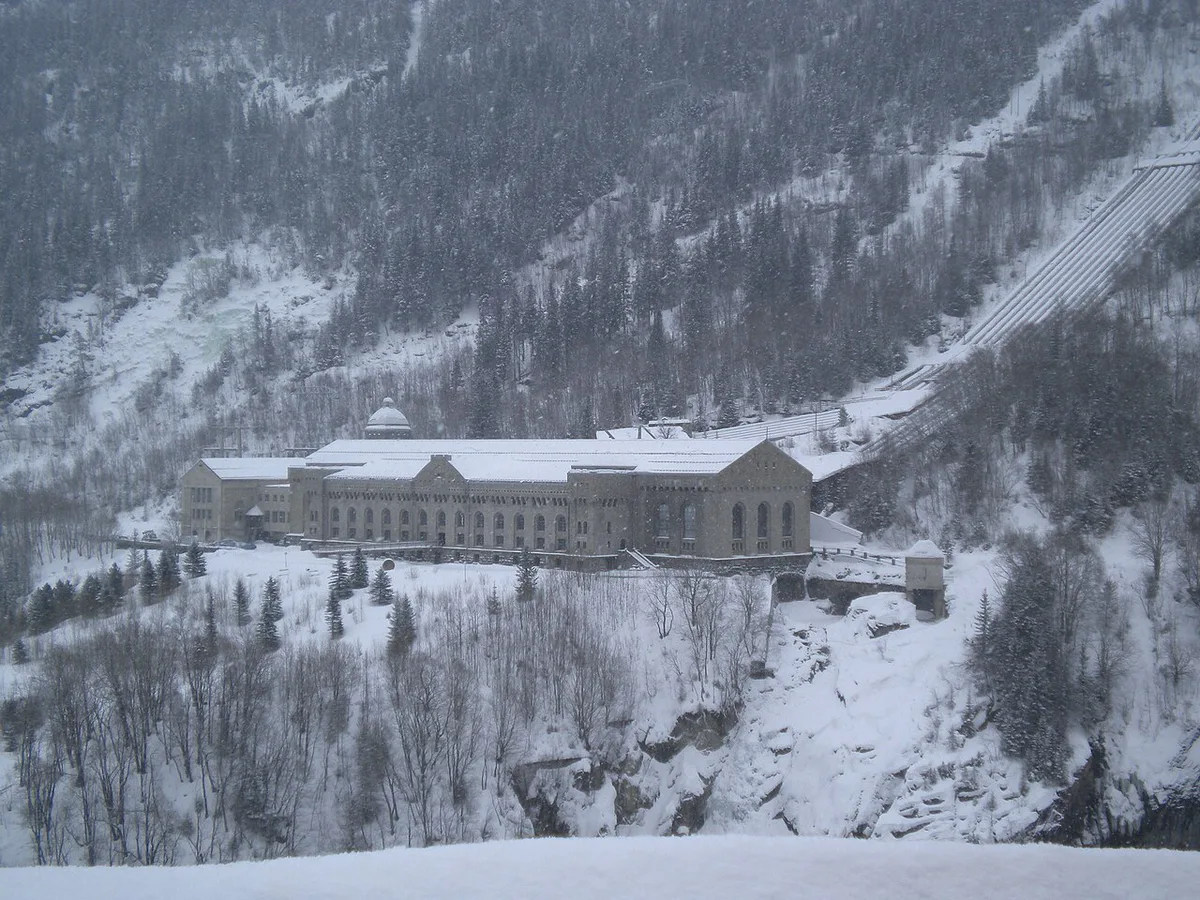
Vemork started producing hydroelectric power in 1911, using water that drops from the Hardangervidda plateau into the narrow Vestfjord valley. Norsk Hydro grew out of this industrial setting. In the Second World War the plant made heavy water, which German scientists wanted for nuclear research. That made it a target for Allied sabotage. Visitors now find a museum in the plant building rather than a ruin. It suits you if you want history told with original machinery around it.
Heavy Water Explained: Why Germany Wanted It
Heavy water, or D2O, is water in which the ordinary hydrogen is replaced by deuterium. Deuterium has a neutron as well as a proton in its nucleus. Heavy water looks like normal water, but each molecule is roughly a tenth heavier. It is not radioactive.
Its wartime value lay in the reactor. A reactor can use heavy water as a moderator, which slows neutrons so they are more likely to keep a chain reaction going. Heavy water absorbs very few of those neutrons, so in principle a reactor can run on natural, unenriched uranium. German researchers pursued this route. Graphite can also act as a moderator, but it has to be very pure to work well.
Vemork's link to the material came from fertiliser production. Norsk Hydro used the plant's abundant electricity to split water and obtain hydrogen. Ordinary hydrogen tends to come off more readily than deuterium during this electrolysis, so the water left in the cells gradually becomes richer in heavy water. Concentrating it to a high purity took many stages and a great deal of power, and output built up slowly. That made existing stocks and production equipment hard to replace quickly.
Keep one distinction in mind as you tour the museum: heavy water is not an explosive or a bomb fuel. It was a possible tool for building a working reactor, and a reactor could in turn open a path to plutonium. The sabotage targeted one part of that longer chain.
The Heavy Water Story in Brief
Operation Freshman, a British glider raid in November 1942, ended in failure. Norwegian-led Operation Gunnerside followed. A team of Norwegian saboteurs skied in from the Hardangervidda and destroyed heavy-water production equipment on the night of 27–28 February 1943. The Germans later repaired the plant. Allied bombers hit it in November 1943. In February 1944 the ferry SF Hydro was sunk on Lake Tinnsjø while carrying heavy water. Civilians were among the dead, so the memorial there is a place for quiet reflection. Historians still debate how close Germany came to a working reactor, so treat popular claims about Hitler's bomb with caution. The museum presents the full account in its own exhibits. For wider context, see our guide to WWII sites across Norway.
The Saboteurs to Know, Plus What to Watch and Read
Knowing a few names before you arrive makes the story easier to follow. The sabotage campaign relied on Norwegians trained by Britain's Special Operations Executive (SOE), as well as on local knowledge and intelligence.
- Advance party: Jens-Anton Poulsson, Arne Kjelstrup, Knut Haugland and Claus Helberg went in first, under the codename Grouse, later Swallow. They endured a harsh wait on the Hardangervidda before the Gunnerside team joined them.
- Gunnerside team: Joachim Rønneberg led Knut Haukelid, Kasper Idland, Fredrik Kayser, Hans Storhaug and Birger Strømsheim.
- Planning in London: Leif Tronstad, a Norwegian chemist who knew Vemork's heavy-water production, was a key figure behind the operations.
- Later ferry action: Haukelid also played a central part in the sinking of the SF Hydro.
The Gunnerside raiders placed their charges and got away from the plant without a firefight. When you read about the raid, look at the roles of radio contact, cold-weather skills and information about the building, not only the explosion.
Before your visit
- The Heavy Water War (Kampen om tungtvannet): a Norwegian television drama, also released as The Saboteurs, that follows the German, Allied and Norwegian sides.
- The Heroes of Telemark: a feature film starring Kirk Douglas and Richard Harris. Treat it as an adventure film, since it takes large liberties with the events and people.
- The Winter Fortress by Neal Bascomb: a detailed narrative history for readers who want more depth.
- Skis Against the Atom by Knut Haukelid: a participant's own account.
What You'll See at the Vemork Museum
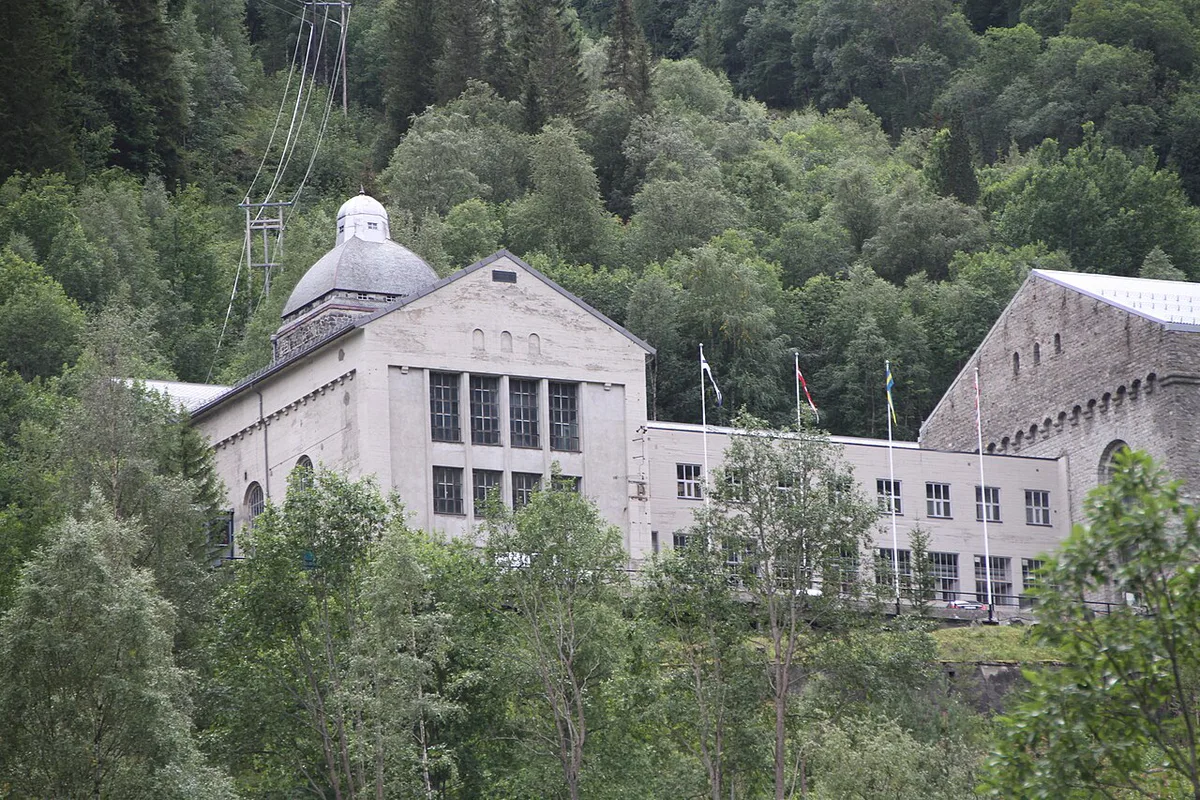
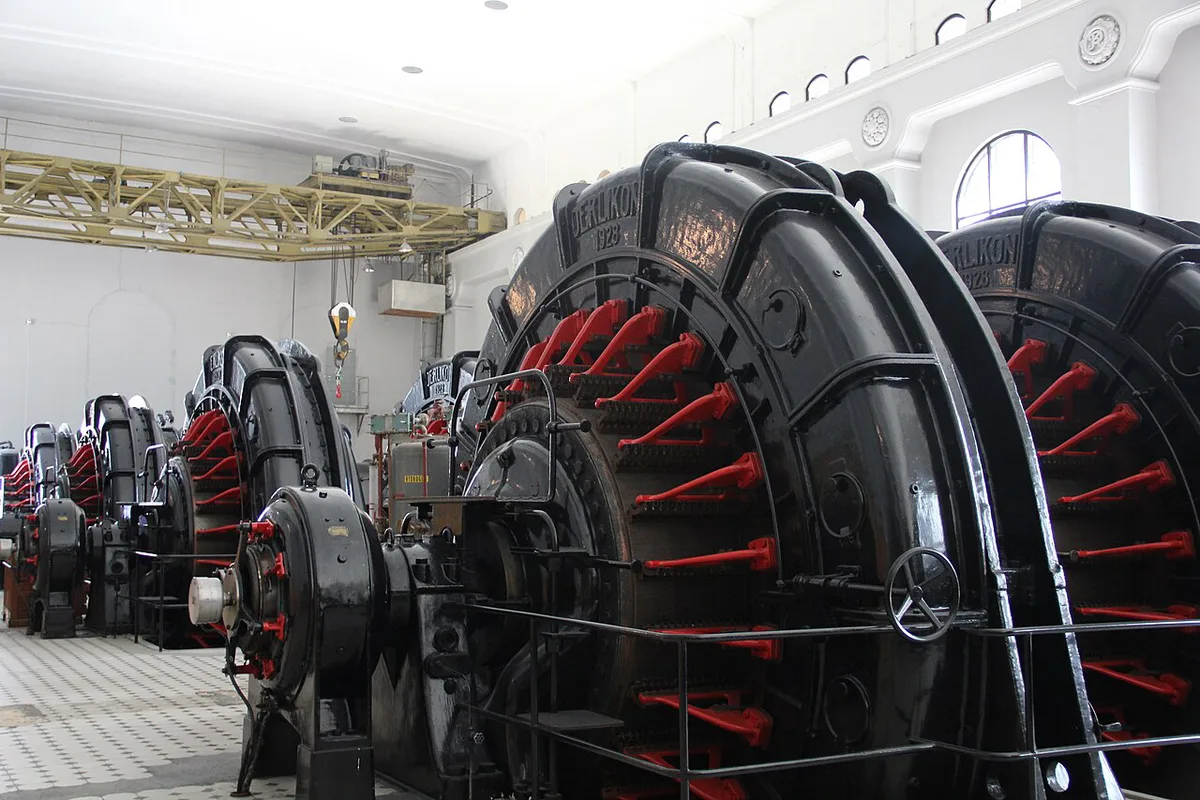
The museum's own description names three themes. One is the sabotage actions that disrupted the German nuclear effort. Another is the history of the Norwegian labour movement. The third is the preserved old machine hall, which appeals to anyone interested in hydroelectric engineering. The museum is part of the Norwegian Industrial Workers Museum. It also hosts changing exhibitions, so look up the current programme on the Rjukan visitor site before you plan around one display.
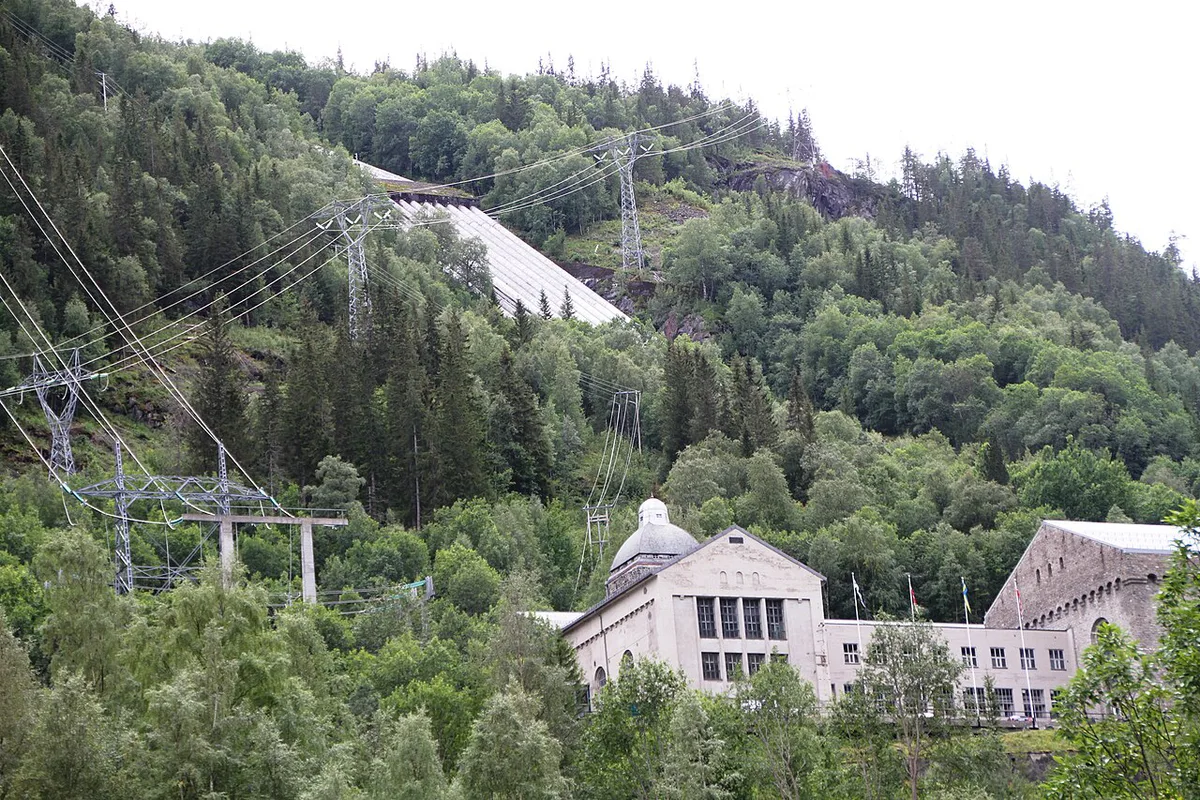
- Sabotage story: the heavy-water plant, the raids and their aftermath.
- Labour history: how Norsk Hydro shaped workers' lives in Rjukan.
- Machine hall: preserved generating equipment from the early plant.
- Do not expect a battlefield. The saboteurs' gorge route is not a visitor trail.
Is Vemork Worth Visiting? Who It Suits
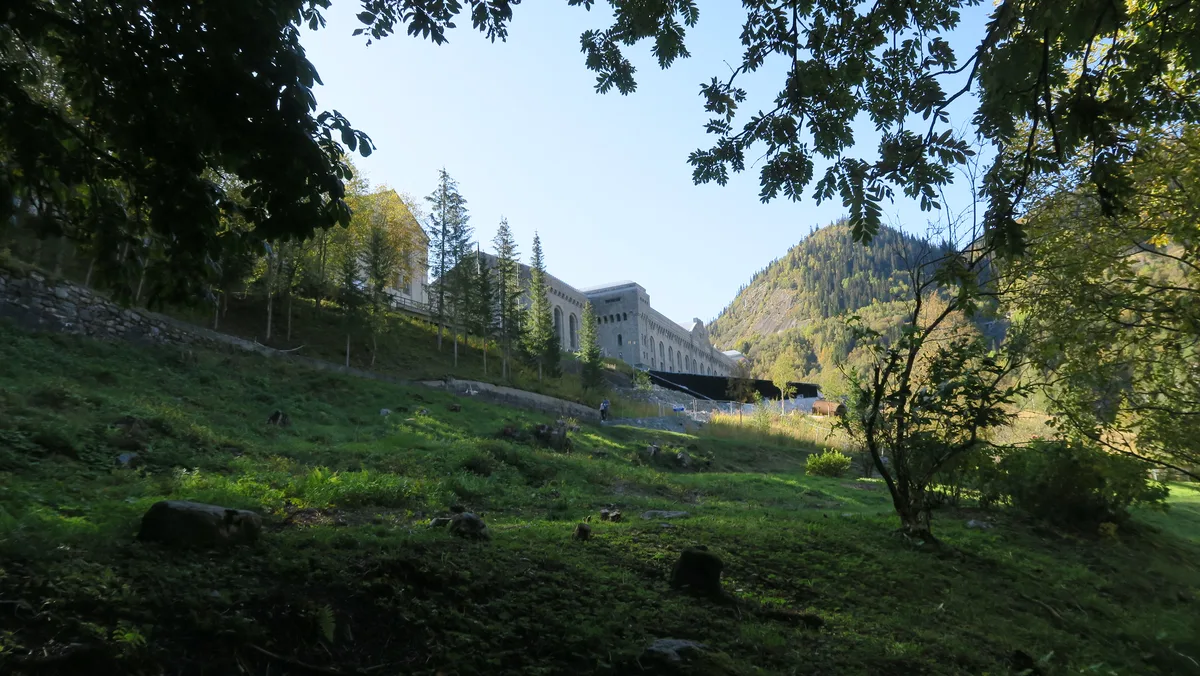
Vemork is worth the trip if you are already in Rjukan or driving through Telemark. It rewards WWII and espionage readers, and also engineering and industrial-heritage fans. Skip it or shorten the visit if scenery is your only goal. Very young children may find the exhibits text-heavy, so judge by the museum's own content. Do not come expecting ruins to walk through. This is a museum inside a plant building.
- Good fit: WWII history readers, industrial-heritage visitors, Rjukan and Telemark road-trippers.
- Shorten or skip: scenery-only trips, tight schedules, visitors wanting outdoor ruins.
Tickets, Opening Hours and Time Needed
Admission prices and opening hours can change, and winter hours can be shorter than summer ones. Check the official Rjukan tourism site for the current ticket price in NOK and the days it opens. Plan roughly a half-day block for the museum alone, and avoid arriving late in the afternoon without checking the closing time.
How to Get to Vemork from Rjukan and Oslo
Rjukan is the base for Vemork. Cars give the most flexibility from Oslo, while public transport needs a bus connection, so plan that leg before travelling. Winter road conditions and bus frequency can turn this into a real constraint. Same-day trips from Oslo are possible only if the return departure fits your visit. Check road status with Statens vegvesen and bus times with the operator before you go. If you start in Oslo, our Oslo WWII sites guide helps you plan the city days first.
| Plan | Realistic time block | Transport need | Season sensitivity | Cost level |
|---|---|---|---|---|
| Museum only | Half a day | Car, taxi or local bus from Rjukan | Winter hours may be reduced | Ticket only; see official site |
| Museum + Rjukan town | Full day | Car or local bus | Short winter daylight | Low to moderate |
| Add Krossobanen and sun mirror area | Full day plus | Walking in Rjukan | Winter shade in the valley | Cable car fare |
| Add Tinnsjø and SF Hydro memorial | Extra half day | Car recommended | Roads and weather | Low |
| Add Hardangervidda hike | Full extra day | Car and gear | Strong seasonal limits | Varies |
Combine Vemork With Other Rjukan Sights, and Where to Stay
Nearby places include Såheim power station, the Rjukan sun mirrors, the Sam Eyde statue and the SF Hydro memorial on Tinnsjø. Check which of these are open and accessible in your travel month. Rjukan itself is the natural base. Staying there avoids long winter drives and puts you near the town's other industrial-heritage sights. A day trip from elsewhere in Telemark works if you have a car. For regional ideas, browse Visit Telemark. Compare lodging on walkability, winter parking and hotel versus cabin style.
- Do not assume daily year-round opening.
- Do not leave the visit until late afternoon without checking closing time.
- Do not plan a same-day Oslo round trip without checking transport.
- Do not confuse the Vemork museum with other Rjukan museums or sites.
- Do not expect the saboteurs' gorge climb to be a trail.
Related WWII Sites in Norway
Vemork sits inland, far from the coastal and northern sites. If you continue west, our Bergen WWII sites guide is the nearest fit. Telavåg adds another story of Norwegian resistance and the Shetland Bus context. For fortress history near Oslo, see Oscarsborg Fortress: History, Ferry & Visitor Guide. The northern sites, such as the Narvik War Museum: What to See and Visit Tips, are a long way from Rjukan and need a separate trip.
Keep planning
Guides on the same trip