
10 Best WW2 Sites in Norway by Region
Plan a WWII trip in Norway: 10 key museums, fortifications and Resistance sites sorted by region, with access, season and time trade-offs.
In this guide
Last updated November 2026, this guide sorts the main ww2 sites in Norway by region. Top picks are Narvik, Vemork near Rjukan, Oscarsborg in the Oslofjord, plus the occupation sites of Oslo and Bergen. Each of the 10 entries below links to a full guide.
Featured image: Pudelek (Marcin Szala), CC BY-SA 4.0, via Wikimedia Commons.

Quick answer: the best WWII sites in Norway
For the 1940 naval campaign, start at Narvik's war museum. For Resistance sabotage, go to Vemork near Rjukan. For a fortress story in the Oslofjord, choose Oscarsborg. First-time visitors with limited time can base themselves in Oslo or Bergen and add 1 outlying site. Readers after bunkers should open the Atlantic Wall overview first, because fortifications stand in every region.
How the war shaped Norway
Germany invaded Norway in April 1940, and the occupation lasted until the end of the war. Fighting at Narvik and in the Oslofjord came first. Occupation then brought coastal fortifications, forced-labour projects and reprisals against communities. The Norwegian Resistance answered with sabotage and intelligence work. Sources such as the Norwegian Armed Forces Museum hold the national record. These themes are separate stories, not one linear route.
10 Best WW2 Sites in Norway, Region by Region
Entries run from south to north. Hours and ticket rules change by season, so check each operator's page before booking transport.
1. Oslo occupation sites
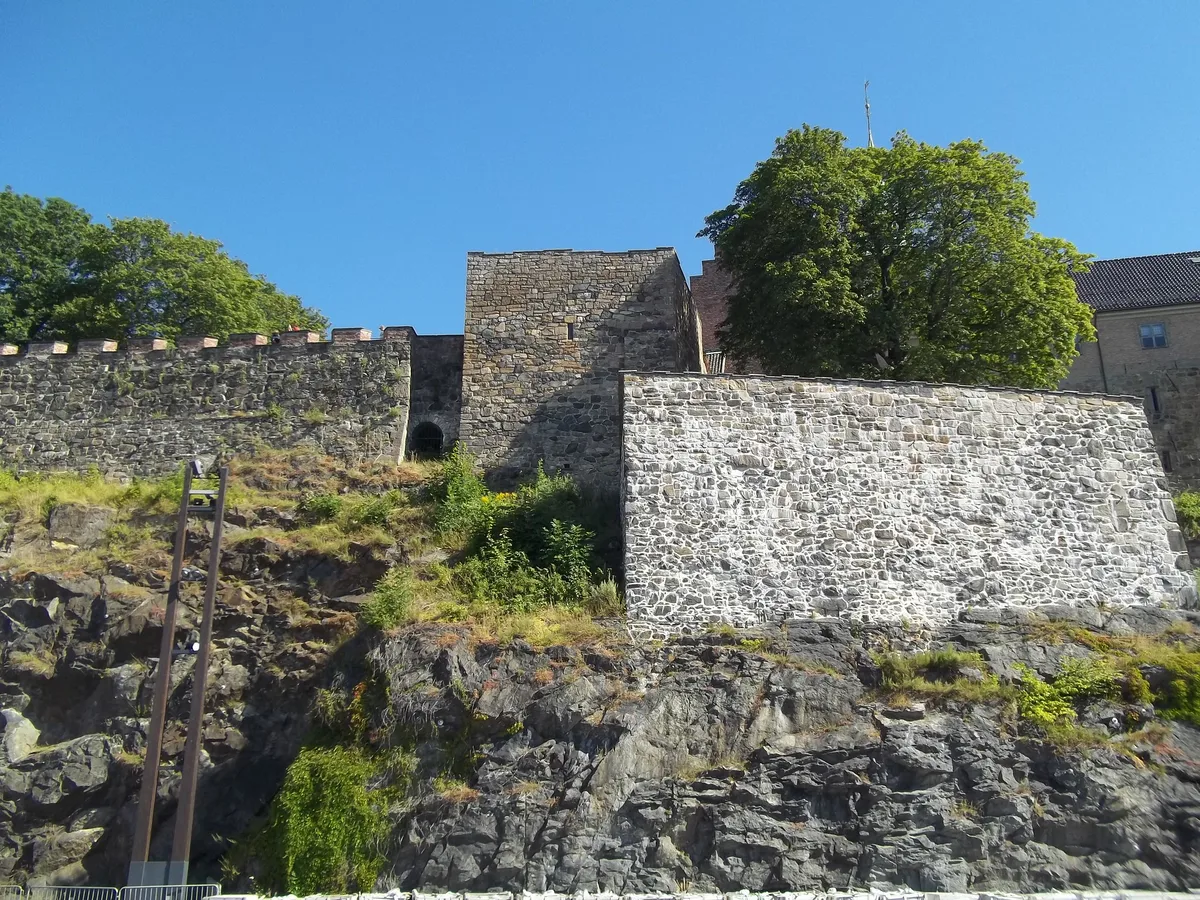
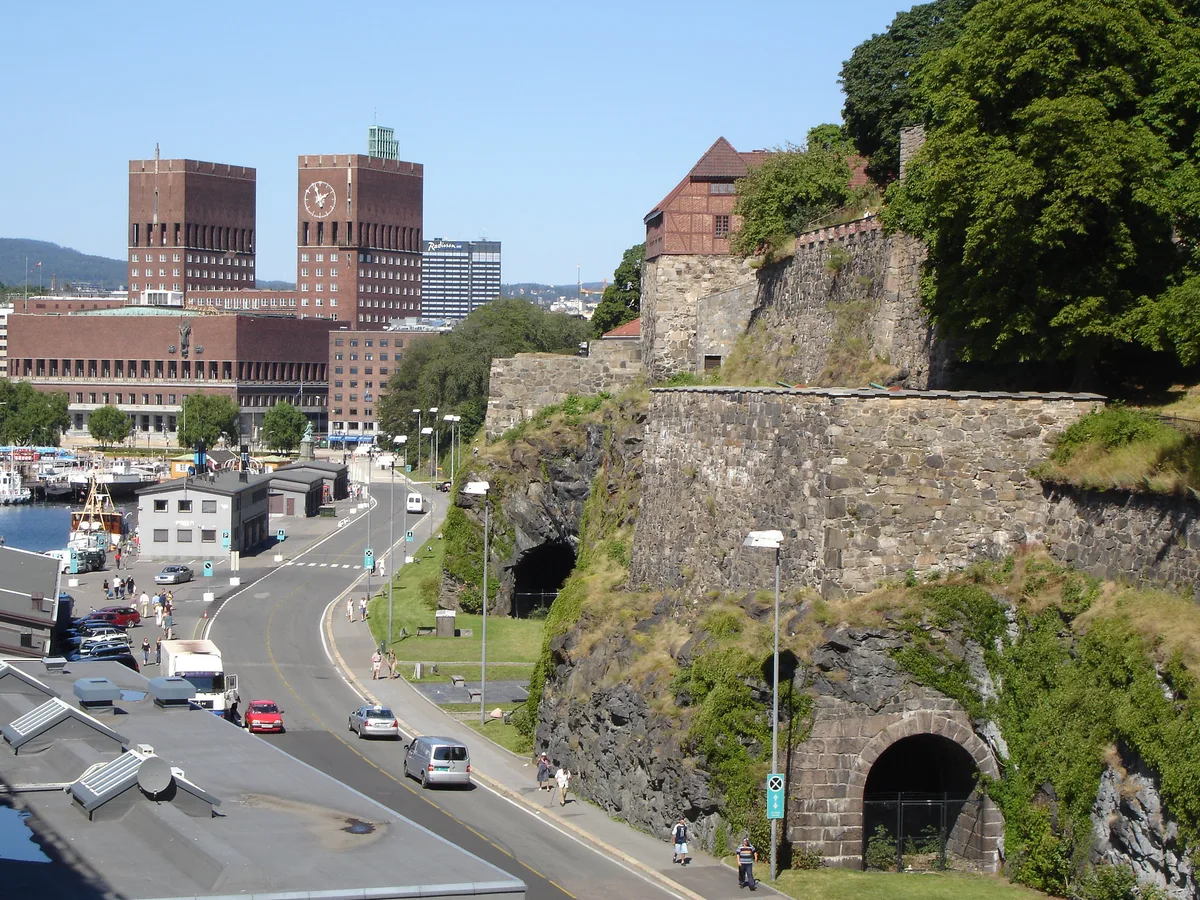
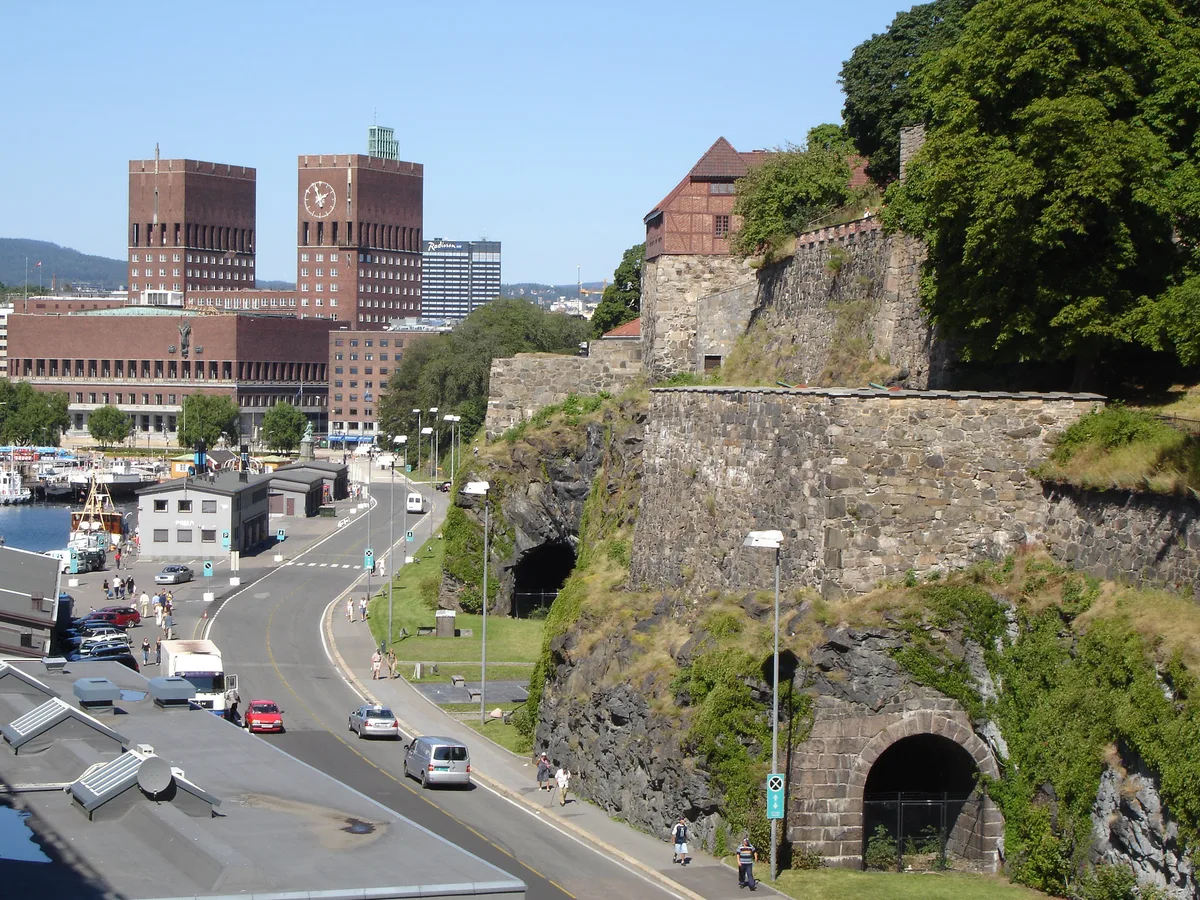
Oslo was the seat of the occupation government, so the capital holds the widest mix of museum and memorial stops. Start with Oslo's occupation sites to see how the city lived under German rule. Plan a day on foot and by tram, with museum visits grouped by neighbourhood.
The sites suit first-time visitors who are in the capital anyway. Skip it if you want open landscapes or fortifications, which sit outside the city.
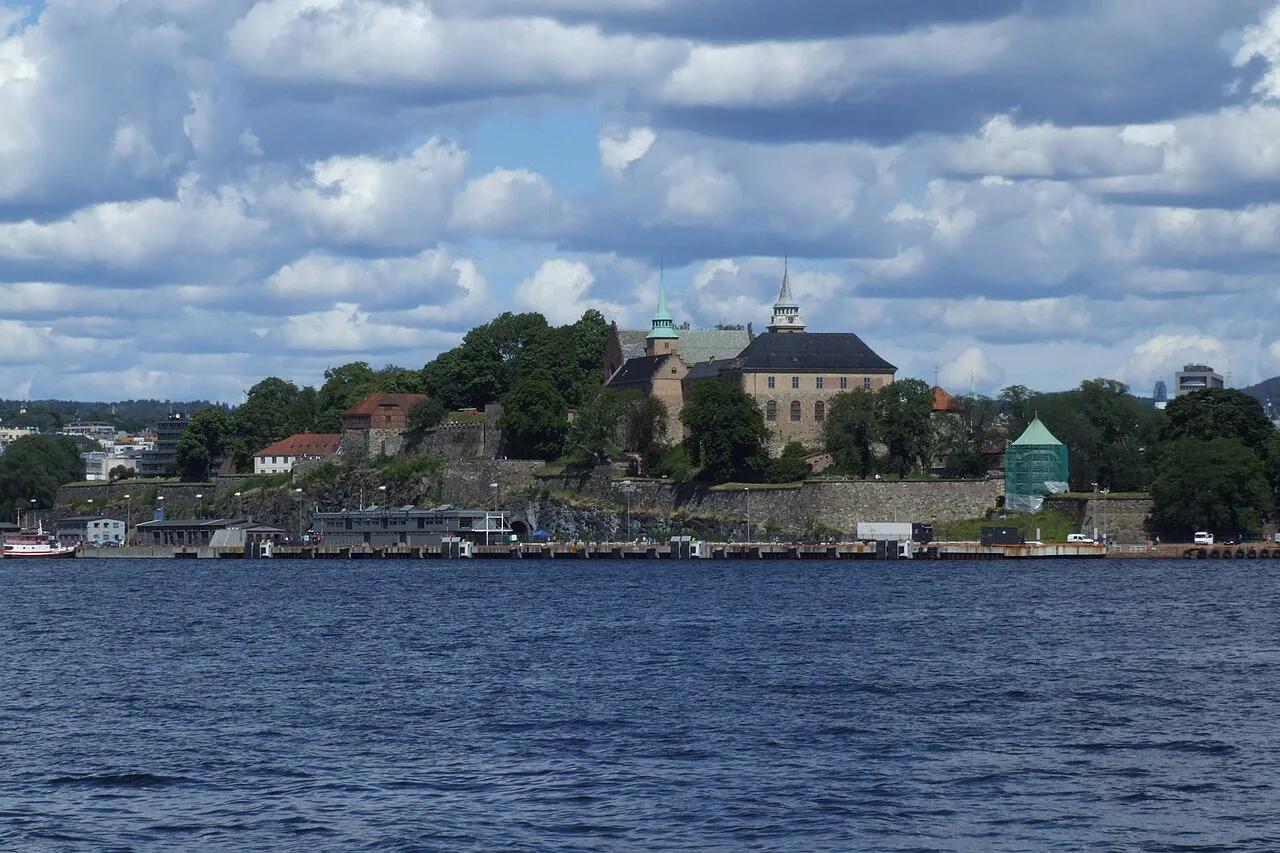
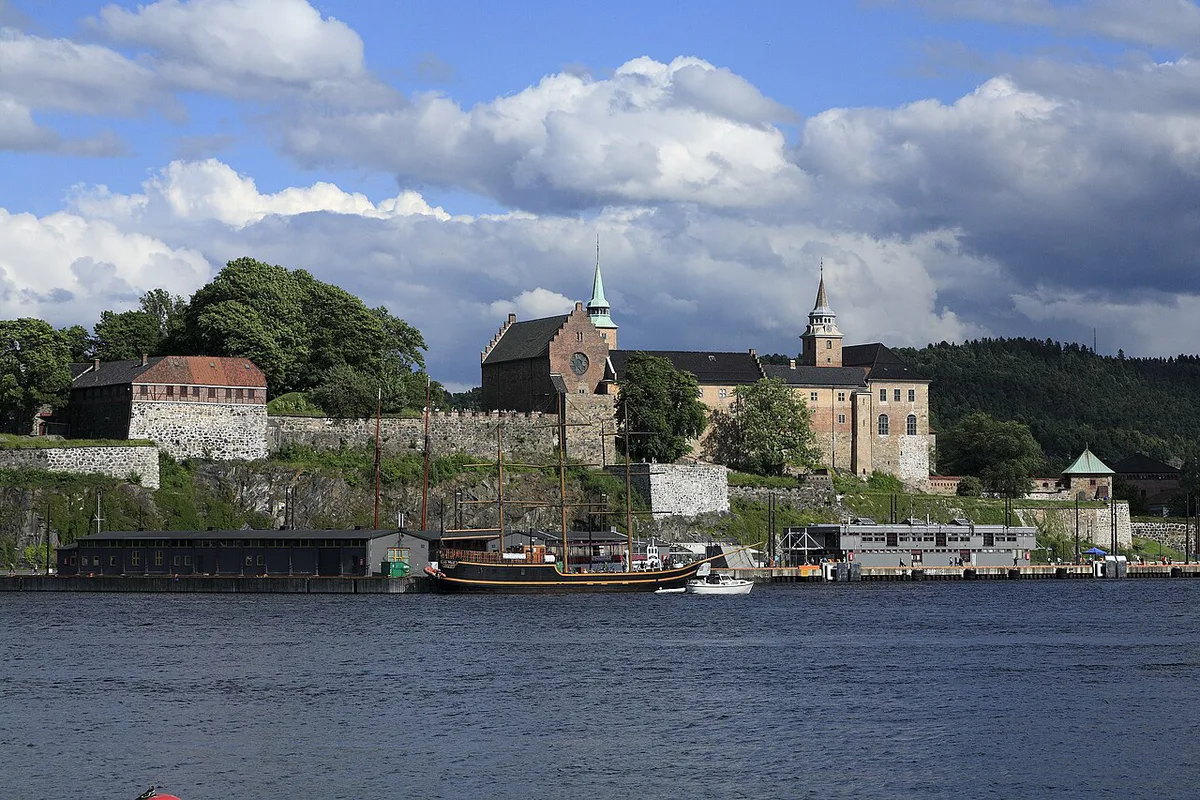
2. Oscarsborg Fortress, Oslofjord
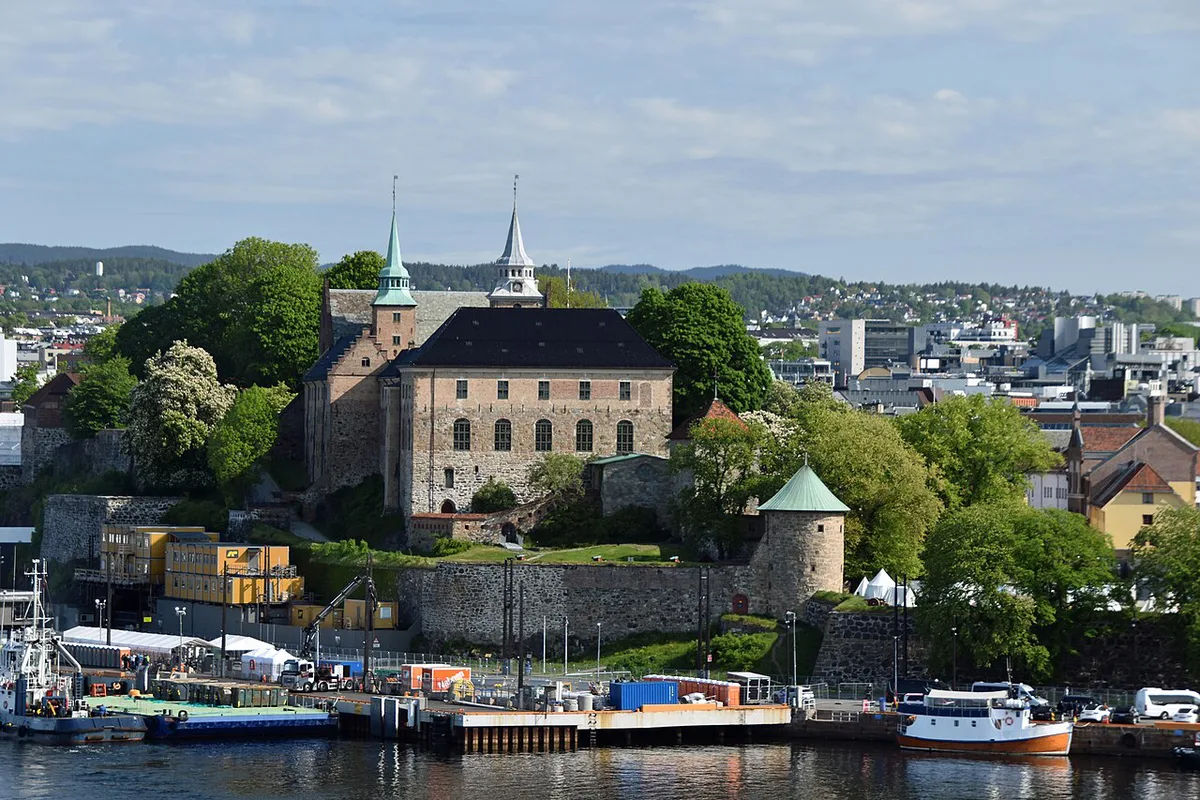
Oscarsborg is an island fortress in the Oslofjord, and it is tied to the sinking of the Blücher. The story shows how a coastal battery changed the course of the invasion in the first hours. Visit for the setting as much as the history, since access involves a boat crossing.
Details of Oscarsborg's fort in the Oslofjord are in our full guide. The fortress's official site lists sailing and tour arrangements. Skip it in winter without checking that boats run.
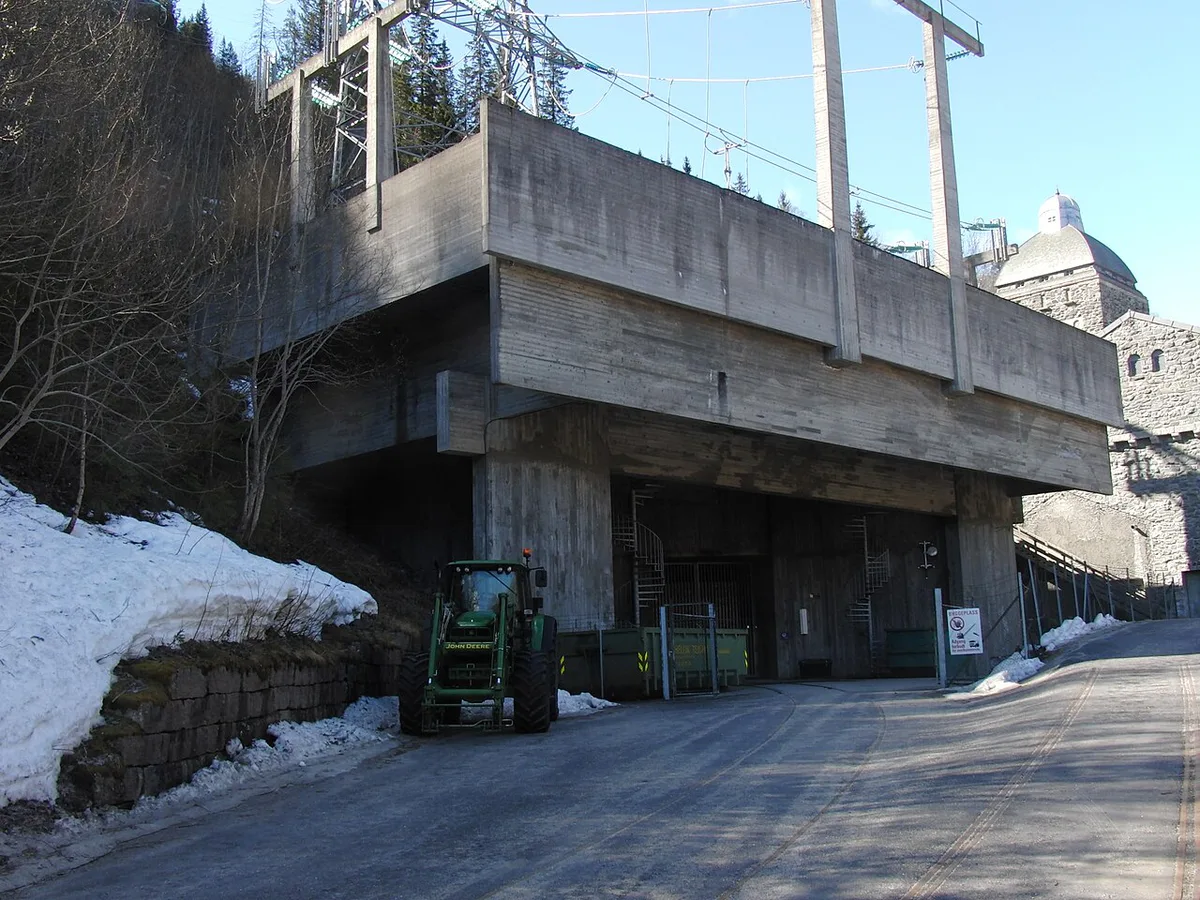
3. Vemork and the heavy-water sabotage
Vemork, near Rjukan in Telemark, is where Resistance saboteurs targeted the heavy-water production linked to German atomic research. It is the best-known Resistance story in Norway and works well for readers who like narrative history. Exhibits sit with the industrial heritage of the valley, covered by Visit Rjukan.
Read the Vemork sabotage story before you go. A car or a connecting bus is needed from Oslo, so treat it as a full day. Skip it if you want fortifications rather than a single event.
4. Bergen occupation sites
Bergen was a major port during the occupation, and German forces fortified the harbour and surrounding coast. Today you can combine a harbour walk with museum and fortress stops. Our guide to Bergen's occupation sites groups them by area.
Bergen is a good base for a west-coast loop. Choose it if you want city history with easy public transport. Skip it if you only want open-air bunkers.
5. Telavåg
Telavåg is a village on the west coast near Bergen, and it was the site of German reprisals against local people. The story is about the cost of Resistance to ordinary communities, and it calls for a quiet, respectful visit. Read the Telavåg village story for context before travelling.
A car or a booked connection is the practical way to reach it. It suits readers focused on civilian history. Skip it if you want a lighter day out with children.
6. Blood Road, Mo i Rana
Mo i Rana sits on the Nordland Line, called the Blood Road for the forced labour used to build the railway. This is the entry for readers interested in forced-labour and prisoner history. Our Blood Road railway history explains the sites in the area.
Treat it as a stop on the way north rather than a standalone trip. Skip it if you want a quick stop with large visitor facilities.
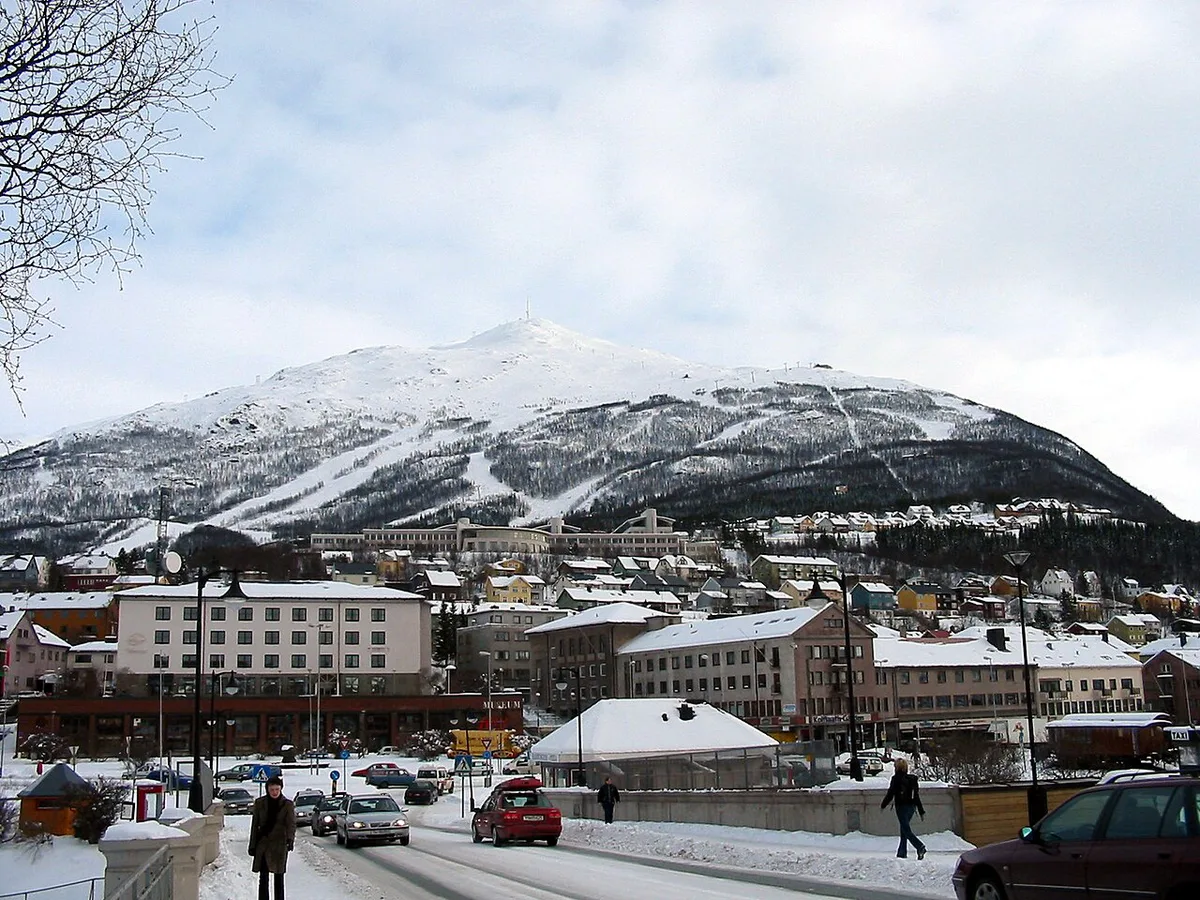
7. Narvik War Museum
Narvik is where the 1940 naval battles unfolded in the fjord, and the town is the focus of the northern campaign. The Narvik museum guide covers what the displays explain. Combine the museum with a fjord view to understand why the harbour mattered.
The Visit Narvik site lists local visiting information. Narvik works best for readers interested in naval history. Skip it if you only have a day in the south.
8. Tirpitz story, Troms and Finnmark
The battleship Tirpitz shaped Allied planning in the Arctic, and its sinking is the northern naval story many visitors want to follow. Our guide to the Tirpitz story explains what you can see. Distances in the north are long, so plan transport first.
It suits readers who have already seen Narvik. Skip it on a short first trip, because it is remote.
9. Finnmark's wartime sites
Finnmark is the northernmost county, and it carries a distinct wartime story from the south. Read about Finnmark's wartime sites to plan a northern leg. Northern Norway, meaning Nordland, Troms and Finnmark, covers about 35% of the mainland.
That scale makes road and ferry planning the main challenge. Choose it if you want the most remote landscape. Skip it if you have only a few days.
10. Atlantic Wall bunkers
German fortifications stand along the Norwegian coast and form the Atlantic Wall in Norway. Our Atlantic Wall bunker overview shows where to find them by region. Many sites are outdoors and free to see from outside.
Do not enter closed or unstable structures. This entry suits enthusiasts of fortifications. Skip it if you want museum interpretation.
Which WWII sites suit which traveller
Use this table to match a site to your interests. Where a cell says check official site, the operator's page holds the current detail.
| Site | Region | Theme | Best for | Access |
|---|---|---|---|---|
| Oslo occupation sites | Oslo | Occupation history | First-timers | Check official site |
| Oscarsborg | Oslofjord | Fortress, Blücher | Fortress fans | Boat; check official site |
| Vemork | Telemark | Sabotage | Resistance story | Check official site |
| Bergen sites | West coast | Occupation, harbour | City visitors | Check official site |
| Telavåg | West coast | Reprisals | Civilian history | Check official site |
| Mo i Rana | Nordland | Forced labour | Railway history | Check official site |
| Narvik | Nordland | 1940 naval battles | Naval history | Check official site |
| Tirpitz | Troms and Finnmark | Naval | Arctic route | Check official site |
| Finnmark | Finnmark | Northern war | Remote travel | Check official site |
| Atlantic Wall | All regions | Fortifications | Bunker enthusiasts | Outdoor; do not enter closed structures |
Choosing by interest
If you prefer museums, choose Oslo, Bergen or Narvik. If you prefer outdoor fortifications, choose Oscarsborg and the Atlantic Wall. For the Resistance story, Vemork is the clearest pick. For naval and fjord history, pair Narvik with the Tirpitz story. For forced-labour and prisoner history, go to Mo i Rana. Families and less mobile visitors should favour city sites in Oslo and Bergen, and skip remote bunkers.
Route and time trade-offs
Three routes work well. An Oslo base covers the city, Oscarsborg and Vemork. A west-coast loop links Bergen and Telavåg. An Arctic route runs from Mo i Rana to Narvik and on to Troms and Finnmark. Distances in the north are long, and ferry or road links can decide the day. Take journey times from the operator or the national transit planner, not from a guide.
Northern Norway covers about 35% of the mainland, so ferry and road links on an Arctic leg can decide the day.
Costs, tickets and opening hours
Expect museum entry, guided tours, boat access and car hire to be the main costs. Regional passes may cover some sites. Prices and hours were last checked November 2026 and change by season, so use the operator pages linked above. Winter closures are common for boats and outdoor sites.
Visiting respectfully and safely
Memorials and war graves are places of mourning, so keep voices low and follow posted rules. Do not enter closed or unstable bunkers. Some sites may sit on military land with restricted access, so follow signs and the operator's guidance. Treat Telavåg and the Blood Road as sites of loss rather than attractions.
Norway’s coastal batteries formed the northern end of the Atlantic Wall.
Explore More Guides
Keep planning your trip with these guides.
Guides
- Narvik War Museum: What to See and Visit Tips
- Vemork Heavy Water Plant & Museum
- Telavåg Tragedy & North Sea Traffic Museum
- Bergen WW2 Sites: What to Visit, Time Needed & Getting There
- Oslo WW2 Sites: What to See and How to Plan
- Oscarsborg Fortress: History, Ferry & Visitor Guide
- Tirpitz Museum: Denmark Bunker vs the Norway Battleship Sites
- Atlantic Wall in Norway
- Finnmark WW2: What to See and How to Plan a Visit
- Blood Road Norway