
8 WW2 Sites in Luxembourg: Occupation to the Bulge
Plan a trip to WW2 sites in Luxembourg: American Cemetery, Diekirch and Clervaux museums, Bulge sites, occupation memorials and routes.
In this guide
Last updated November 2026: ww2 sites in Luxembourg split into two themes, the 1940–44 German occupation and the Battle of the Bulge of December 1944 to January 1945. Luxembourg City holds the occupation, resistance and Shoah memorials, while the Ardennes north holds the Bulge museums. Eight stops below cover both themes, with the German war cemetery at Sandweiler as a necessary counterpoint.
Featured image: Matti Blume, CC BY-SA 4.0, via Wikimedia Commons.

Quick answer: the main WW2 sites in Luxembourg at a glance
With one stop, choose the American Cemetery at Hamm. Add Diekirch and Clervaux for the Bulge story, and the station memorials in Luxembourg City for the occupation. Eight stops are compared below by theme, setting and best use.
| Site | Theme | Area | Best for | Setting | Hours source |
|---|---|---|---|---|---|
| American Cemetery, Hamm | Liberation and Bulge dead | Luxembourg City | Remembrance, Patton's grave | Outdoor | ABMC |
| Sandweiler German war cemetery | German war dead | Near Luxembourg City | Counterpoint to Hamm | Outdoor | Volksbund |
| Diekirch military museum | Bulge and liberation | East | History buffs, museum depth | Indoor | nmhm.lu |
| Clervaux | Bulge | North | Museum plus town stop | Indoor and outdoor | Visit Luxembourg |
| Wiltz | Bulge | North | Bulge loop add-on | Mixed | Visit Luxembourg |
| Schumann's Eck | Bulge | Ardennes | Battlefield context | Outdoor | Visit Luxembourg |
| Patton museum, Ettelbruck | Liberation and Bulge | North-east | Short stop on the loop | Indoor | Visit Luxembourg |
| City occupation memorials | Occupation, resistance, Shoah | Gare, Ville-Haute, Hollerich | Walking visit, short on time | Outdoor | Visit Luxembourg |
Luxembourg in WW2: a short timeline
Germany occupied Luxembourg in 1940, and occupation, annexation and forced conscription followed. 3,614 young Luxembourg women were sent into the Reichsarbeitsdienst, and 658 Jewish men, women and children were deported from Luxembourg City's station between 1941 and 1943. US forces liberated the capital on 10 September 1944, when the 5th Armored Division advanced through the area. Fighting returned in December 1944, and the Battle of the Bulge ran into January 1945. For deeper occupation history, the University of Luxembourg's C2DH runs the ww2.lu research portal.
8 WW2 sites in Luxembourg worth planning around
Hours and admission change, so this list gives none. Use each linked official source for current details (checked November 2026). Items start with the largest cemetery and end with the city's occupation memorials.
Luxembourg's Armed Forces Memorial covers 1940–45, spanning both the occupation and the Bulge winter, so it suits a visit that combines both themes.
1. Luxembourg American Cemetery, Hamm
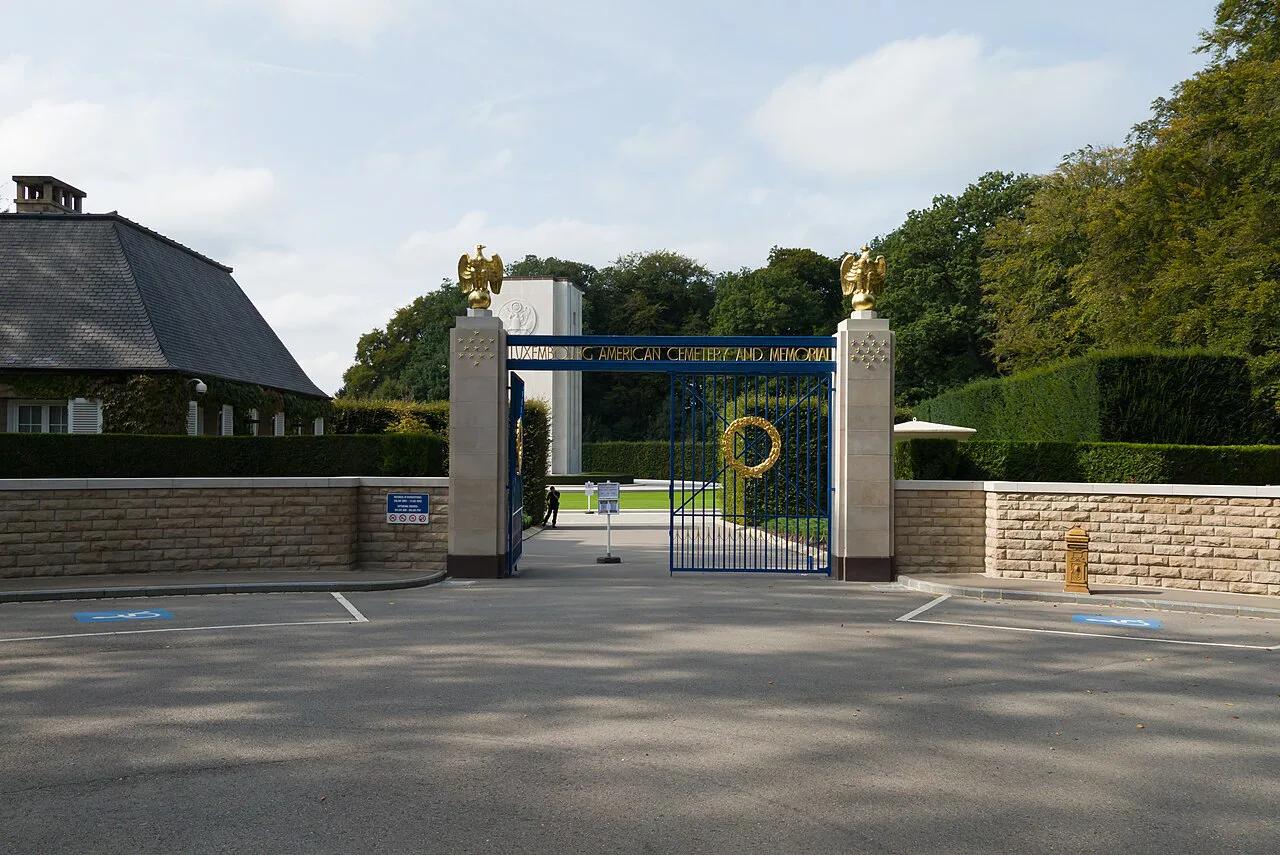
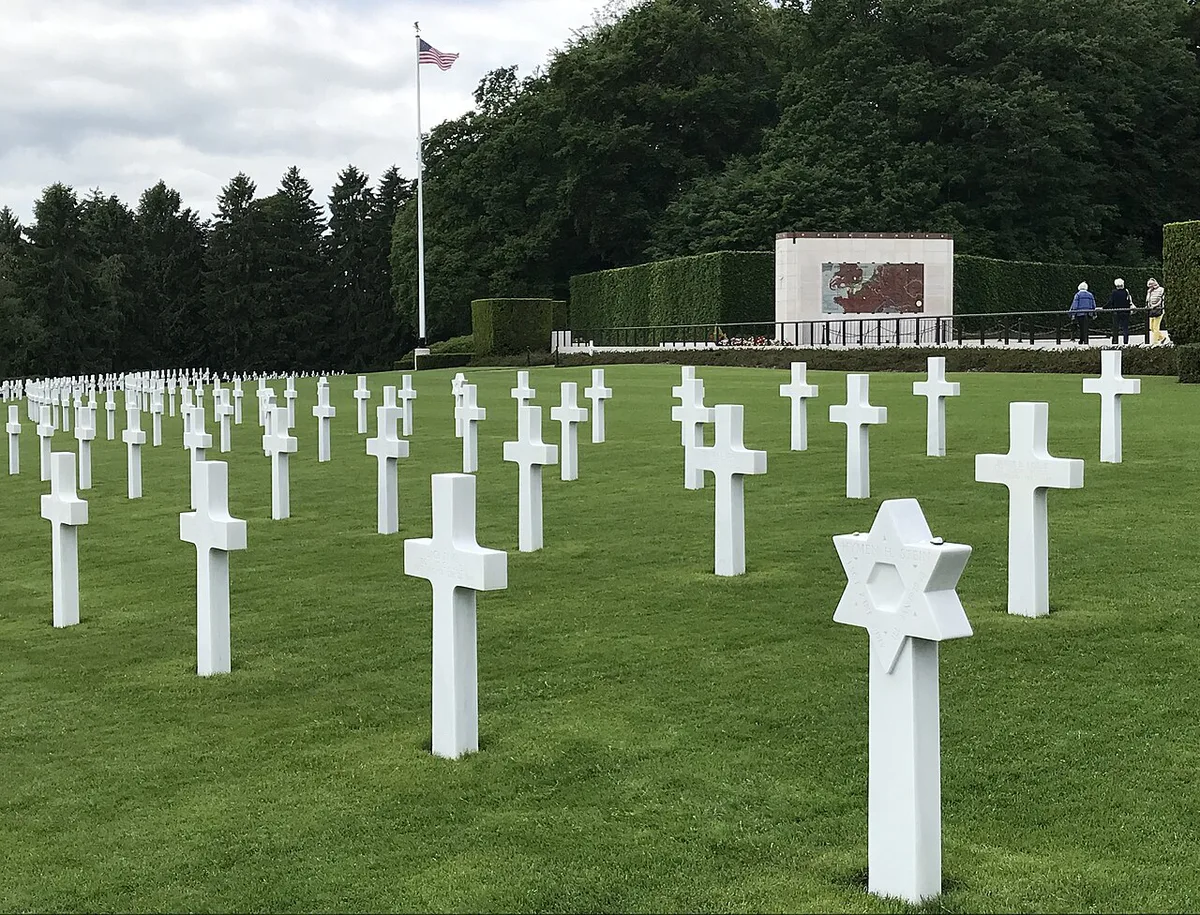
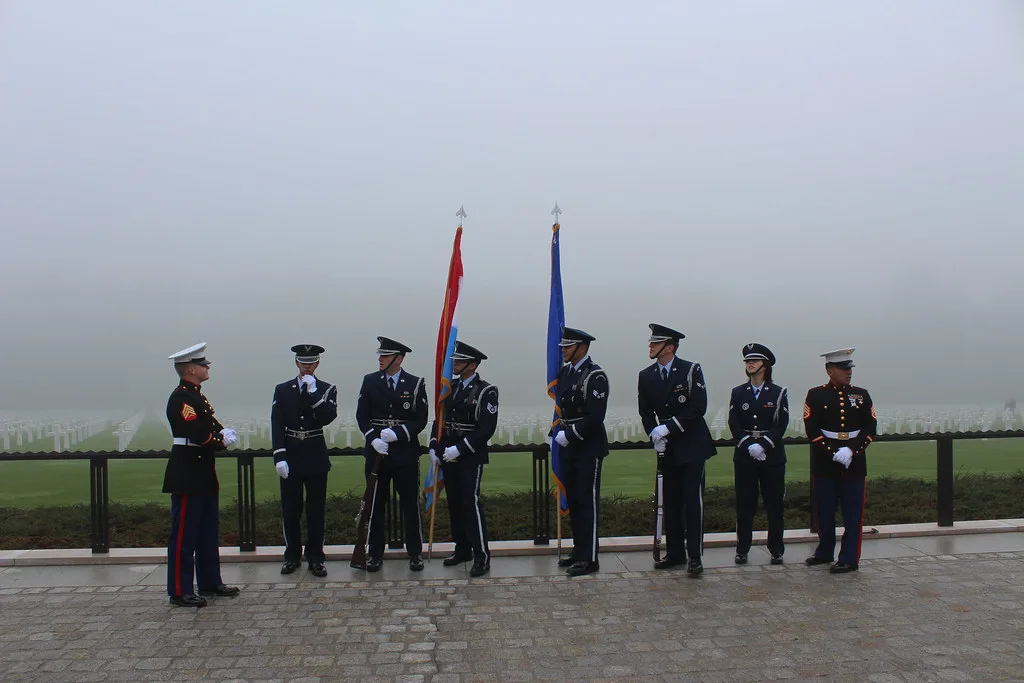
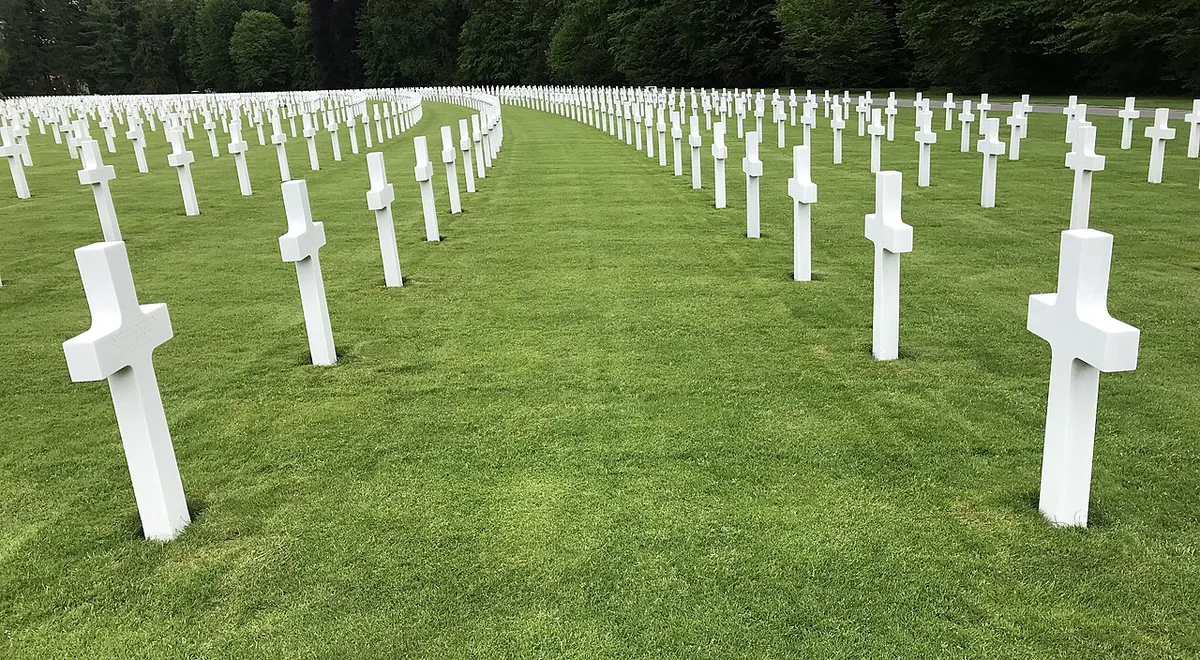
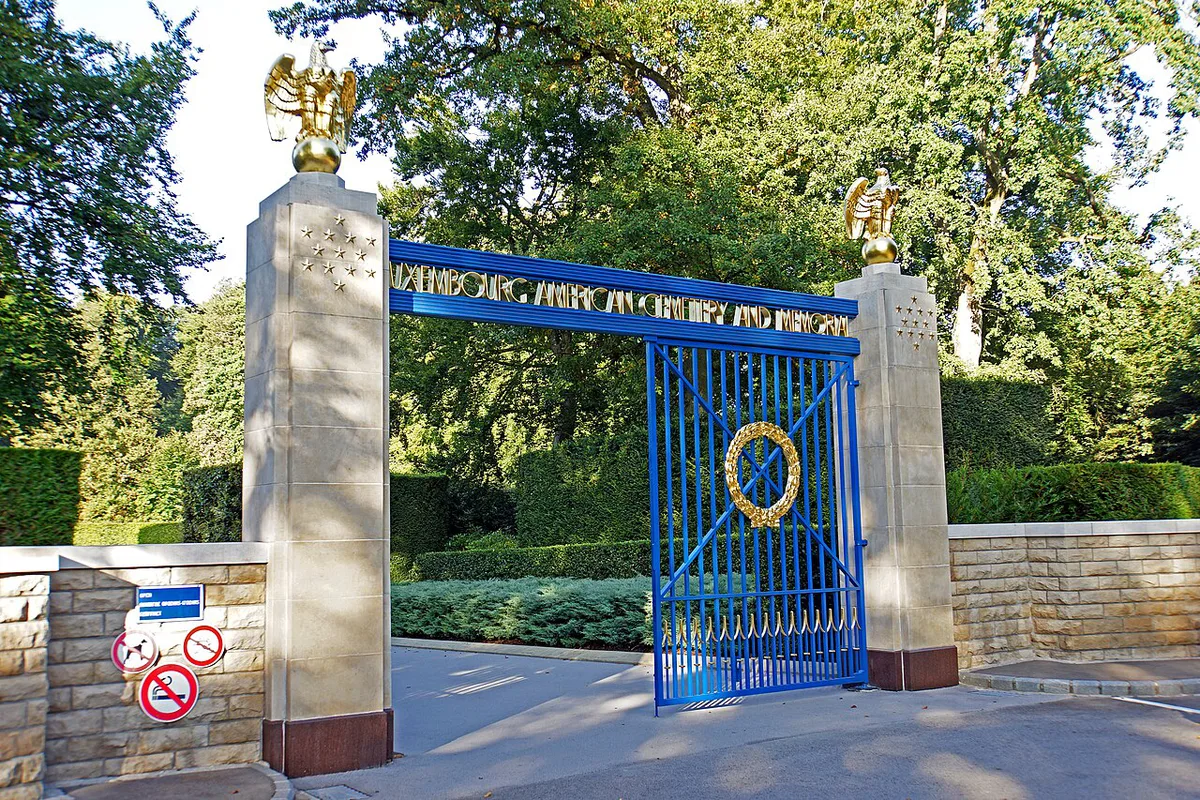
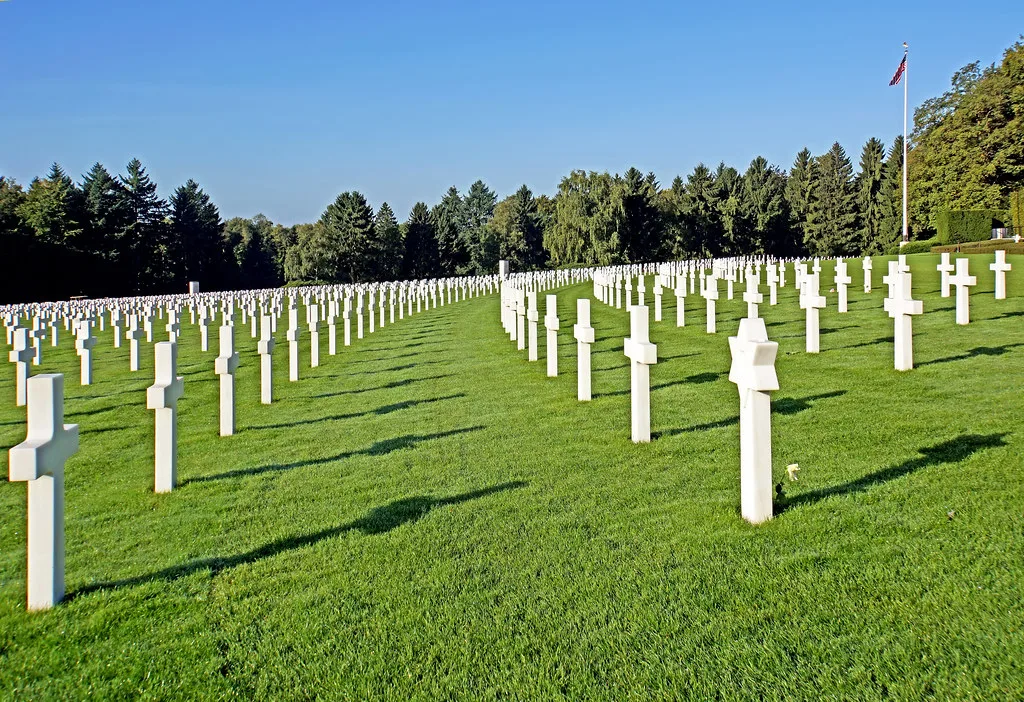
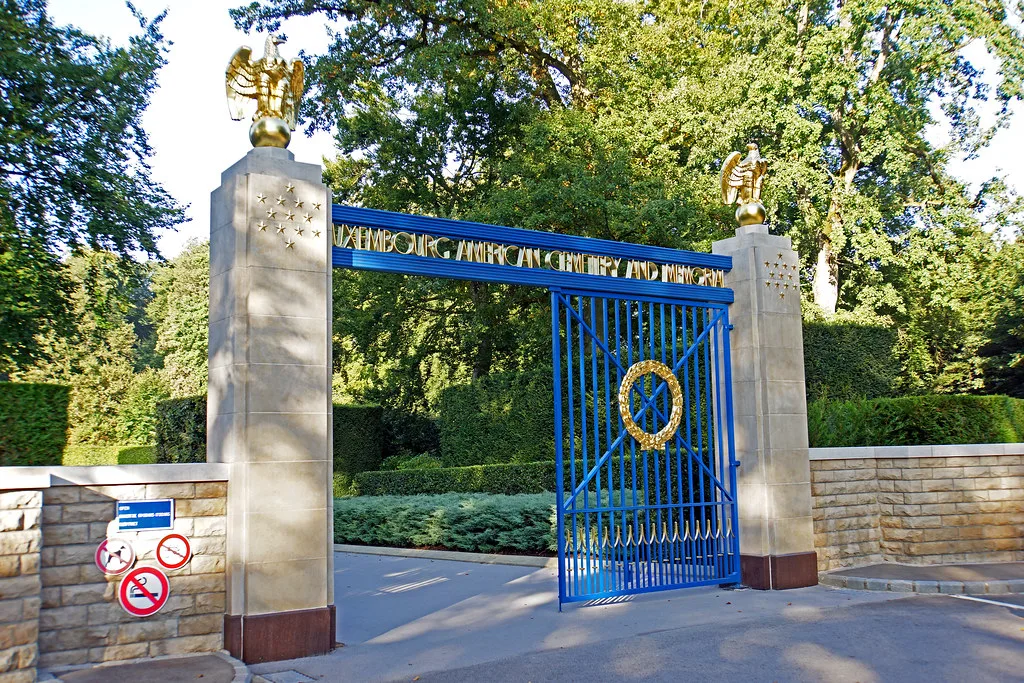
Hamm, in Luxembourg City, holds the best-known US burial ground in the country. The American Battle Monuments Commission maintains the site, and General George Patton is buried here. Its memorial inscription speaks of 'the achievements of her sons' and 'their sacrifices'. Walk the headstone rows quietly and read the memorial text before you leave.
Our page on the American Cemetery at Hamm covers the layout in more detail. Allow roughly an hour here. Skip it only if you want indoor exhibits, because this is an outdoor site.
2. Sandweiler German War Cemetery
Sandweiler lies just outside the capital and holds German war dead. The Volksbund, the German war graves commission, is the reference source for the site. Visiting it after Hamm shows the other side of the same winter. Our guide to the Sandweiler war cemetery explains the setting.
The village of Sandweiler also has a memorial to the 5th US Armored Division. It names Sgt Joseph L. Passet and Sgt Jesse Mittiga as the first US soldiers killed on Sandweiler soil. Skip it if your visit centers on liberation, but pair it with Hamm for balance.
3. National Museum of Military History, Diekirch
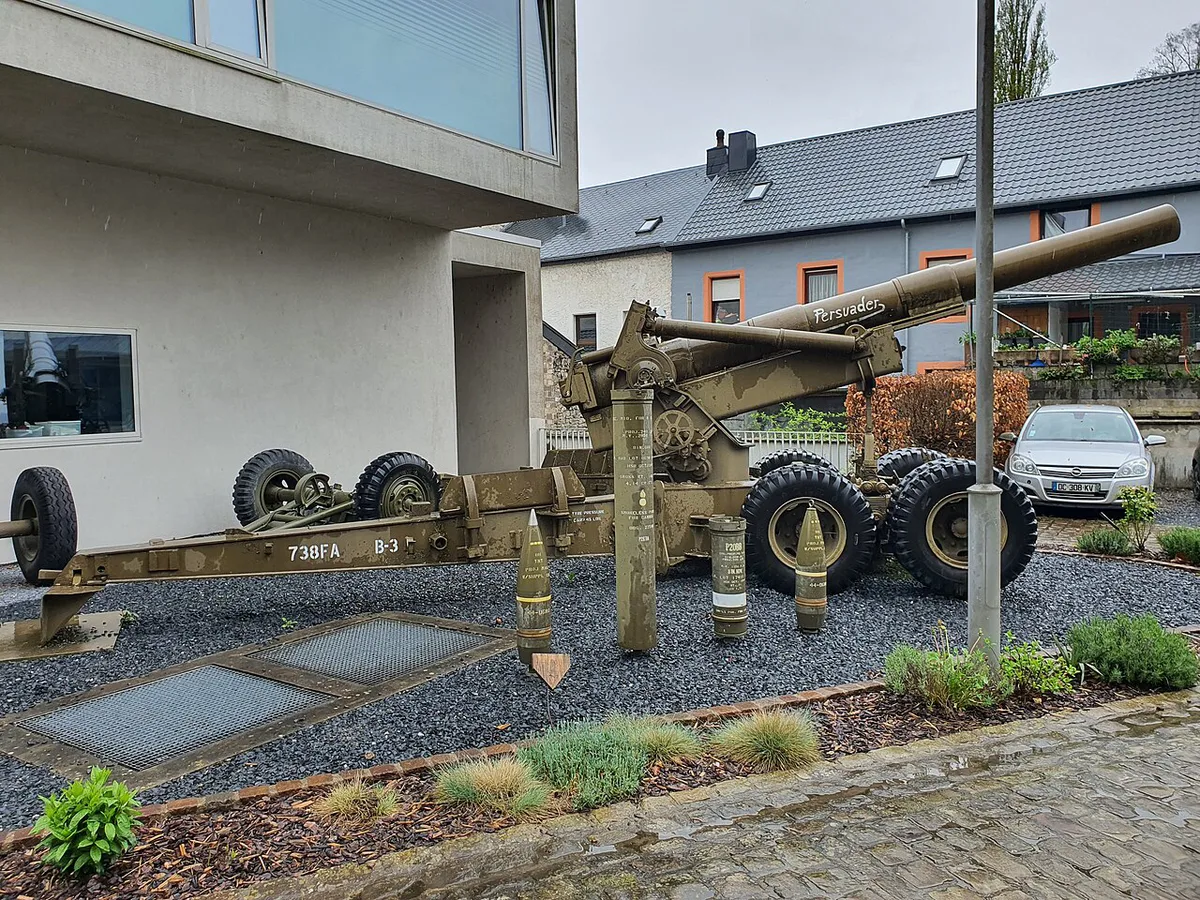
Diekirch hosts the National Museum of Military History, the deepest indoor collection on the Bulge route. Expect uniforms, vehicles and wartime displays tied to the winter of 1944–45. Our page on the Diekirch military museum lists what to see. History buffs should reserve a full morning or afternoon.
Diekirch sits between Ettelbruck and the northern sites, so it works as the midpoint of a one-day loop. Skip it with young children if you want only short stops, because the displays reward slow reading.
4. Clervaux
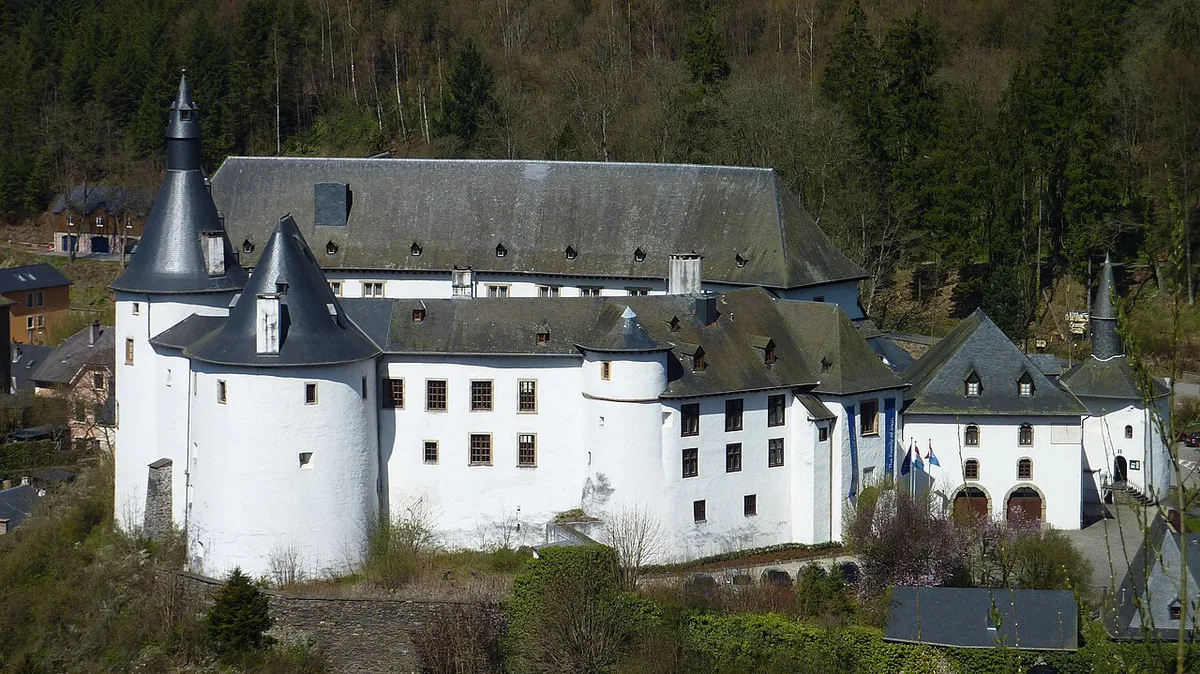
Clervaux is a northern Ardennes town with a Battle of the Bulge museum. It is the most scenic stop on the loop and pairs well with a lunch break. Our Clervaux WW2 guide covers the museum and the town's wartime role.
Reach it by car or by careful public-transport planning, since it lies well north of the capital. Skip it in a half-day city visit, because the round trip alone takes a large share of the day.
5. Wiltz
Wiltz is the second northern town on the Bulge loop. Visit it as an alternative or an addition to Clervaux. Our Wiltz WW2 guide sets out what survives of the 1944–45 story.
With a car, add Wiltz to a Diekirch and Clervaux day. Without one, choose between Clervaux and Wiltz. Skip it if you only have one day and want museum depth, since Diekirch offers more.
6. Schumann's Eck
Schumann's Eck is a Battle of the Bulge stop for travelers who want landscape context rather than exhibits. It suits visitors who have already seen a Bulge museum and want to connect the stories. Our Schumann's Eck site guide gives directions and background.
Time at the stop is short, so combine it with Clervaux or Wiltz. Skip it if you rely on public transport, because it needs careful route planning.
7. Patton Museum, Ettelbruck
Ettelbruck is the usual first stop on a Bulge loop heading north. Its Patton museum covers the general who is buried at Hamm. Our Patton museum in Ettelbruck guide explains what the collection holds.
It makes a short, indoor stop that fits before Diekirch. Skip it if Hamm already satisfied your interest in Patton and time is tight.
8. Luxembourg City occupation memorials
Three clusters cover the occupation. At the Gare, the Female Conscripted Labor Memorial recalls 3,614 women sent to the Reichsarbeitsdienst, 58 of whom died. A second plaque marks the deportation of 658 Jewish people between 1941 and 1943. In Ville-Haute, the Kaddish Monument by Shelomo Selinger honors Shoah victims. The Luxembourg Armed Forces Memorial covers 1940–45, and the National Monument of Luxembourg Solidarity was inaugurated on 10 October 1971.
In Hollerich, Villa Pauly was Gestapo headquarters from 1940 to 1944 and carries a memorial plaque for tortured resistance members. These are outdoor memorials. Skip them only if you cannot visit the capital at all.
Battle of the Bulge in Luxembourg: how the sites connect
Our overview of Bulge sites across Luxembourg traces the campaign across the north and east. Ettelbruck, Diekirch, Clervaux and Wiltz form the main museum loop. Smaller markers fill gaps near Berdorf and Echternach. The Hill 313 Memorial at Lauterborn honors the defenders of December 1944, naming the 12th Regiment, 4th Infantry Division, and the 159th Combat Engineers. A 10th US Armored Division memorial stands at Berdorf. At Rodenbourg, a marker records Ernest Hemingway's stay as a war correspondent in December 1944.
Occupation, resistance and the Holocaust in Luxembourg City
Occupation memorials cluster in three districts. Start at the Gare, move to Ville-Haute, and finish at Villa Pauly in Hollerich. Check a map for the walking order before you set out. A plaque in Ville-Haute marks where the second synagogue stood before its destruction in 1941–43. Resistance history reaches beyond the capital. In Echternach, an itinerary marks the school protest of 1 September 1942. A memorial in Berdorf recalls Raymond Petit, who died on 21 April 1942 at age 22. Echternach also has 'Hei huet gewunnt' plaques for Berthold Kahn and Herbert Kerngut, both expelled and deported.
How to plan your time
Choose by interest. Museum depth points to Diekirch, remembrance to Hamm, and the Shoah and resistance to the capital's memorials. Three routes cover most trips.
- Half day in Luxembourg City: Gare memorials, Ville-Haute memorials, then Villa Pauly in Hollerich.
- One day on the Bulge loop: Ettelbruck, Diekirch, then Clervaux or Wiltz.
- Two days combined: day one in the capital with Hamm and Sandweiler, day two on the Bulge loop.
- If you must cut one stop, drop Schumann's Eck first and keep Diekirch.
Costs, tickets and opening hours
Cemeteries and street memorials are outdoor sites, while museums are staffed and may charge admission. No verified admission figures are listed here, so check each museum's official site and the Visit Luxembourg pages before you go.
Getting around and where to stay
Luxembourg's public transport is free nationwide, according to Visit Luxembourg. The northern sites still need a car or careful route planning, so do not treat them as a quick hop from the capital. Base yourself in Luxembourg City for the occupation memorials and rail links. Choose Ettelbruck, Diekirch, Clervaux or Wiltz if the Bulge is your priority. Winter brings snow and shorter days around December and January, which suits commemoration visits but cuts sightseeing time.
Visiting respectfully
Cemeteries and Shoah memorials are places of mourning. Dress simply, keep voices low, and photograph with restraint. Follow any rules posted at the entrance. Remember that the Gëlle Fra on Place de la Constitution honors WWI dead, although the Nazis destroyed it and it was rebuilt after WWII. Do not count it among the WW2 memorials.
The Luxembourg American Cemetery at Hamm is one of the American cemeteries in Europe covered in our overview.
Frequently Asked Questions
Did Luxembourg exist before WWII?
Yes. Luxembourg was an independent country when Germany occupied it in 1940. The occupation lasted until liberation in September 1944.
Explore More Guides
Keep planning your trip with these guides.
Guides
- Luxembourg American Cemetery: Visiting Guide, Hours & Tips
- National Museum of Military History Diekirch: Visitor Guide
- Battle of the Bulge in Luxembourg: Sites & Visit Guide
- Clervaux WW2: Battle of the Bulge Sites and Visit Guide
- Wiltz WW2: Battle of the Bulge Museum and Visit Guide
- Sandweiler German War Cemetery: Visiting Guide (Access, History)
- Schumann's Eck Luxembourg
- Patton Museum Ettelbruck: Hours, Exhibits & Visit Tips