Sandweiler German War Cemetery: Visiting Guide (Access, History)
Plan a visit to Sandweiler German War Cemetery in Luxembourg: history, practical access, how it compares with the nearby American cemetery, and etiquette.
In this guide
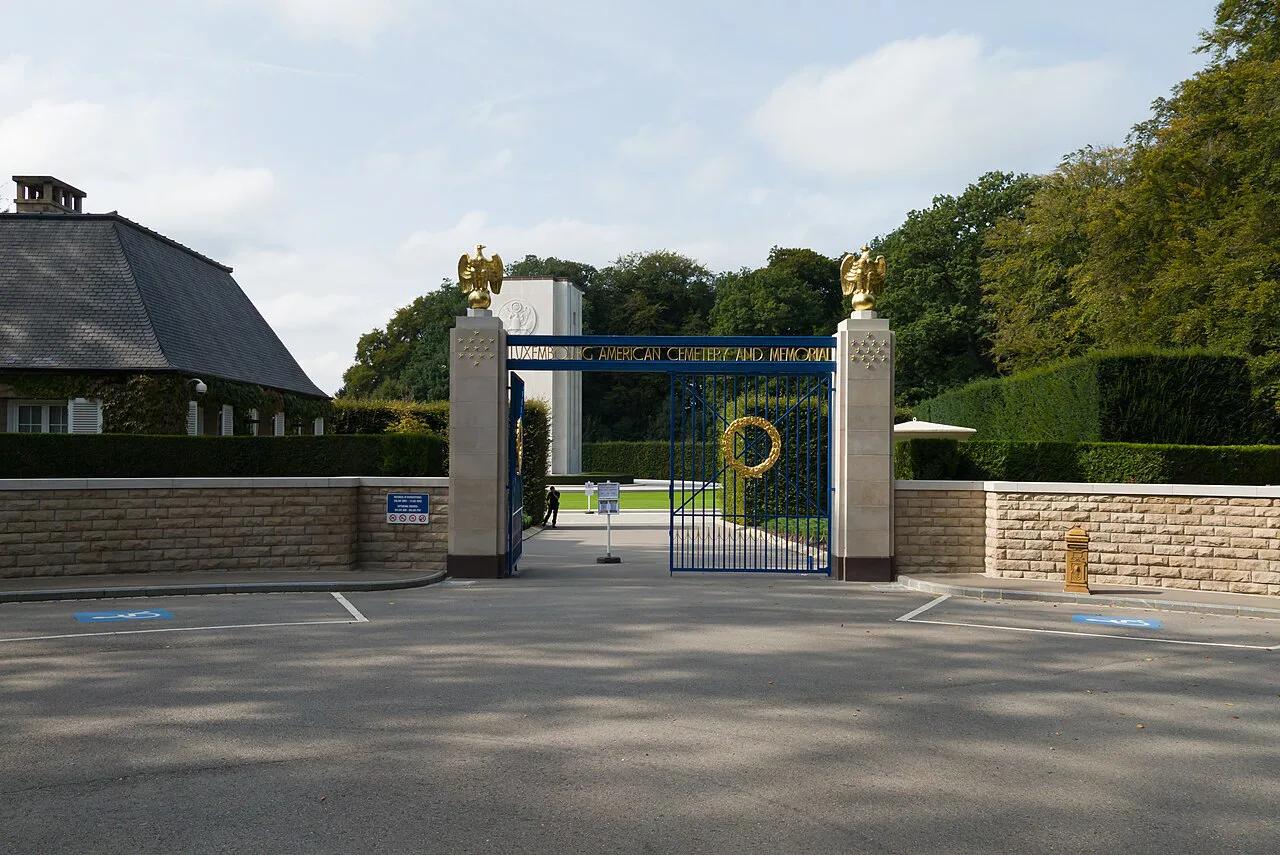
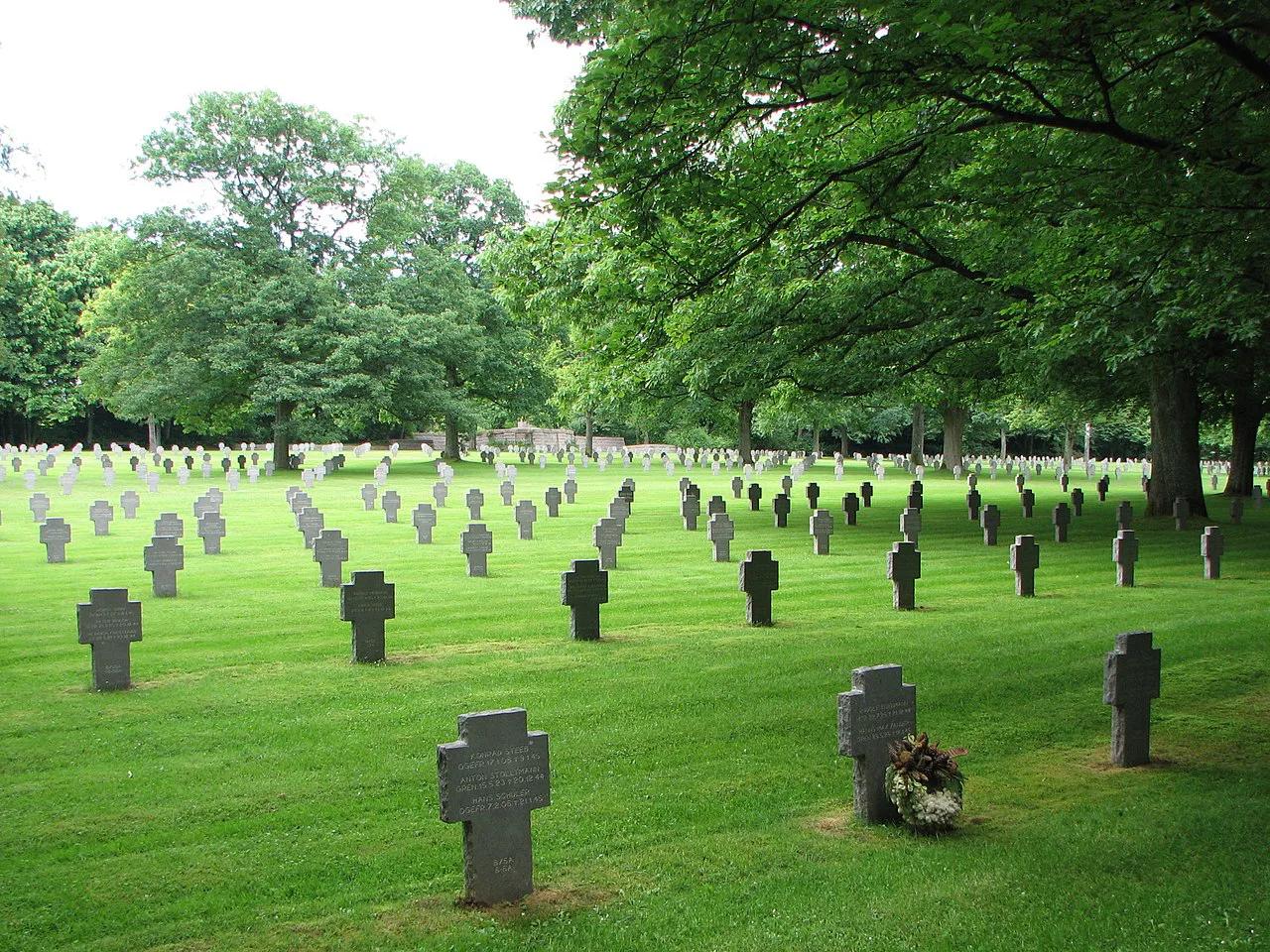
Last updated November 2026: the Sandweiler German war cemetery is a Second World War military cemetery in southern Luxembourg, maintained by the Volksbund Deutsche Kriegsgräberfürsorge. It holds the graves of 10,913 German servicemen, mostly from the Battle of the Bulge. Luxembourg's American cemetery lies about 1.5 km (0.93 mi) away in Hamm, and many visitors see both on one trip.
Featured image: TCY, CC BY-SA 3.0, via Wikimedia Commons.
Quick answer: what the cemetery is and who it suits
Sandweiler is a German military cemetery in southern Luxembourg, close to Luxembourg City. Its graves belong mainly to men who died in the winter of 1944 and the spring of 1945. Most visitors combine it with the Luxembourg American Cemetery: Visiting Guide, Hours & Tips, which is about 1.5 km (0.93 mi) away in Hamm. Both sites are places of mourning, so plan a quiet, unhurried stop.
- Suits: visitors who want the German side of the 1944–45 campaign, and anyone already visiting the American cemetery.
- Suits: travellers who prefer a reflective stop of roughly 30 to 60 minutes. That range is our own judgment, not an official figure.
- Might skip: visitors looking for a museum, exhibitions or a guided programme. The museum in Diekirch is a better fit, as covered below.
History of the cemetery
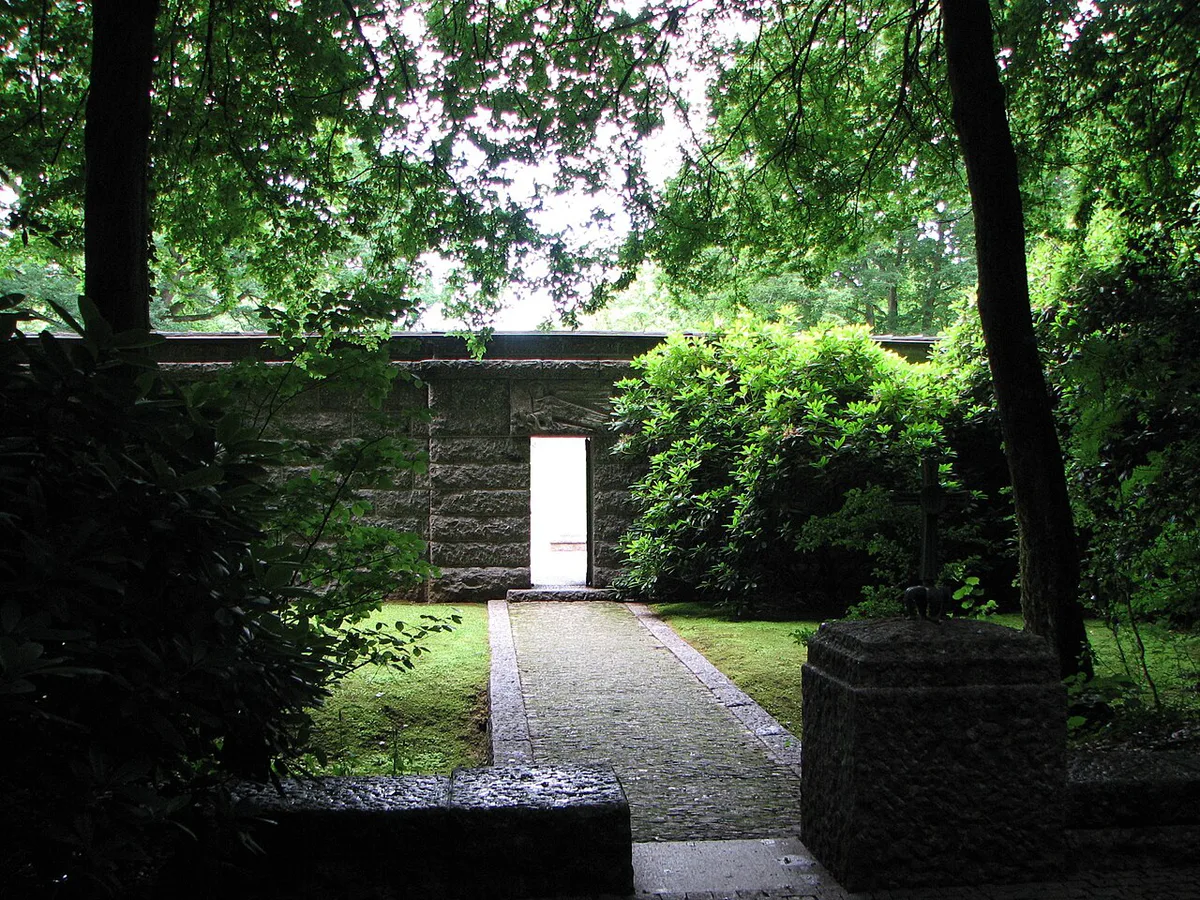
Many of the dead had been buried in mass graves with incomplete records. After a 1952 agreement between Luxembourg and West Germany, 5,286 were moved to Sandweiler from about 150 cemeteries across Luxembourg. Planning began in May 1952. The cemetery was inaugurated on 5 June 1955, in front of more than 2,000 relatives whom the Volksbund had brought in special trains. For campaign context, read our guide to the Battle of the Bulge in Luxembourg: Sites & Visit Guide. The Volksbund worked to identify as many of the dead as it could. Of the 4,829 men in the communal comrades' graves, 4,014 are identified and listed. The last burial was an unknown German soldier found in late 2007 in the forest at Schumann's Eck. That site lies near Wiltz in northern Luxembourg.
Of the 10,913 buried here, 5,286 were moved from about 150 cemeteries across Luxembourg, not gathered from one battlefield.
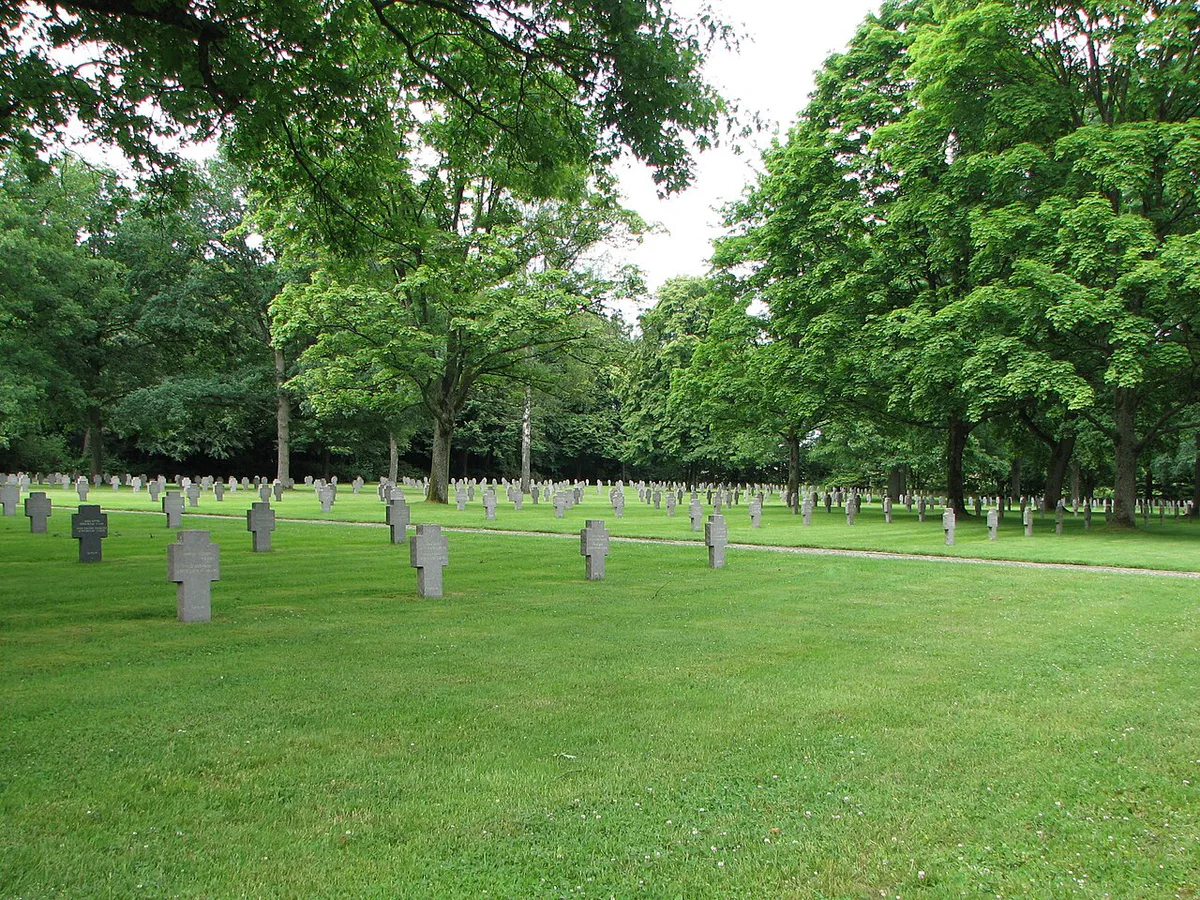
Visiting Sandweiler German War Cemetery
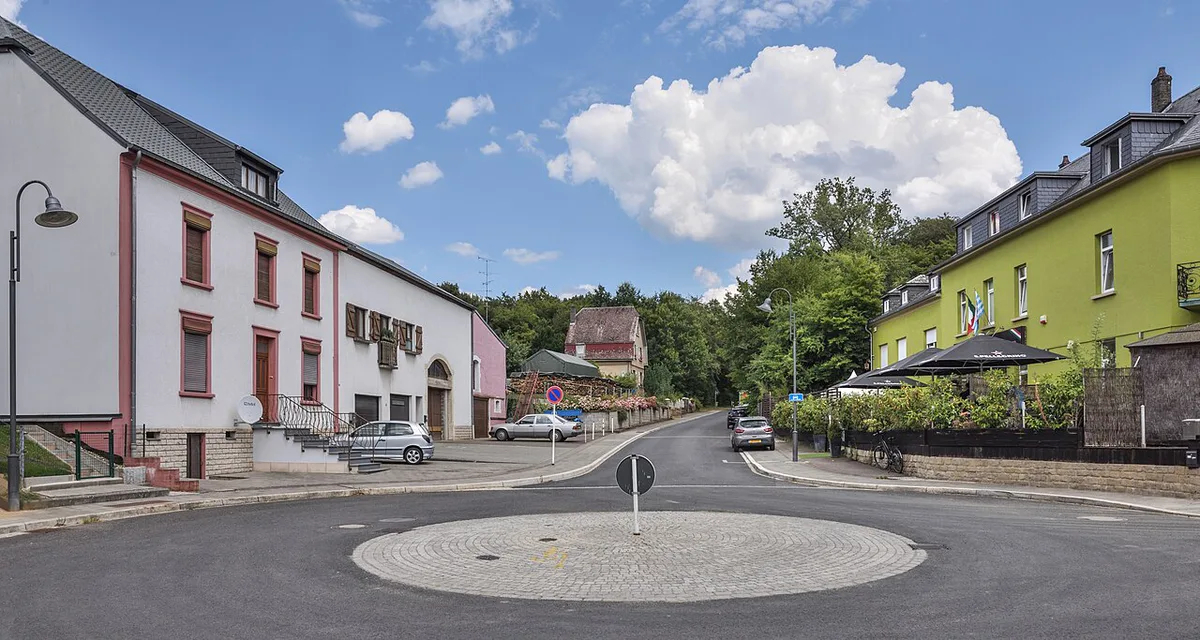
The cemetery is in Sandweiler, southern Luxembourg. The Volksbund's Sandweiler page is the place to confirm opening times, access rules and any admission charge. Some directories list the site as open 24 hours, but that listing can go stale. Directories also map a parking area about 10 m from the cemetery, with no stated capacity. Visit Luxembourg publishes a place page on WWII heritage for wider planning. The site is open-air, so dress for the weather. Winter brings low light and damp ground, so sturdy shoes help. Allow 30 to 60 minutes, and longer if you want to read the names and reflect.
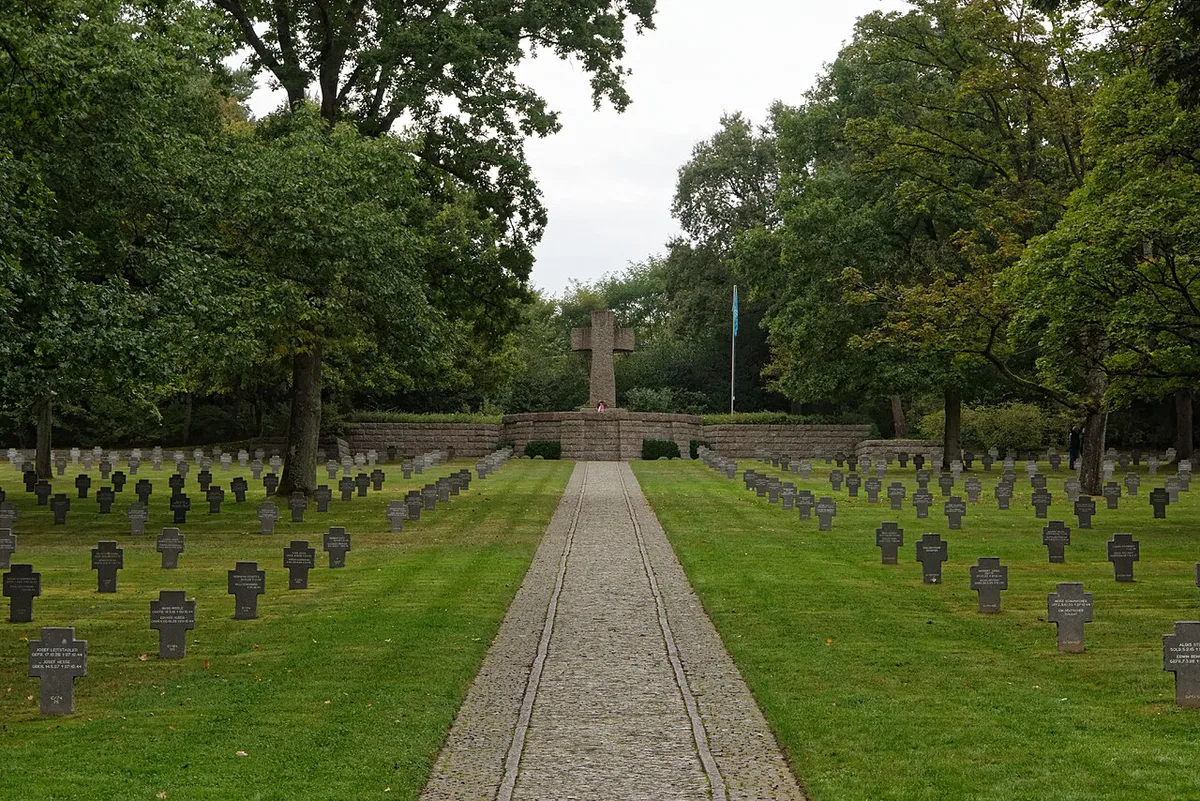
German vs American cemetery: how the two sites compare
Both sites commemorate the dead of the same campaign. They differ in who is buried there, who maintains them and how they came to be. This table sets out the basics without ranking either one.
| Point | Sandweiler German cemetery | Luxembourg American Cemetery |
|---|---|---|
| Who is buried there | 10,913 German servicemen, mostly from the Battle of the Bulge | American service members, as described by the ABMC |
| Who maintains it | Volksbund Deutsche Kriegsgräberfürsorge | American Battle Monuments Commission (ABMC) |
| Location | Sandweiler, southern Luxembourg | Hamm, about 1.5 km (0.93 mi) away |
| Comrades' graves | 4,829 men in communal graves, 4,014 identified | See the ABMC page for its own records |
| Visitor facilities | Check the Volksbund page | Check the ABMC page |
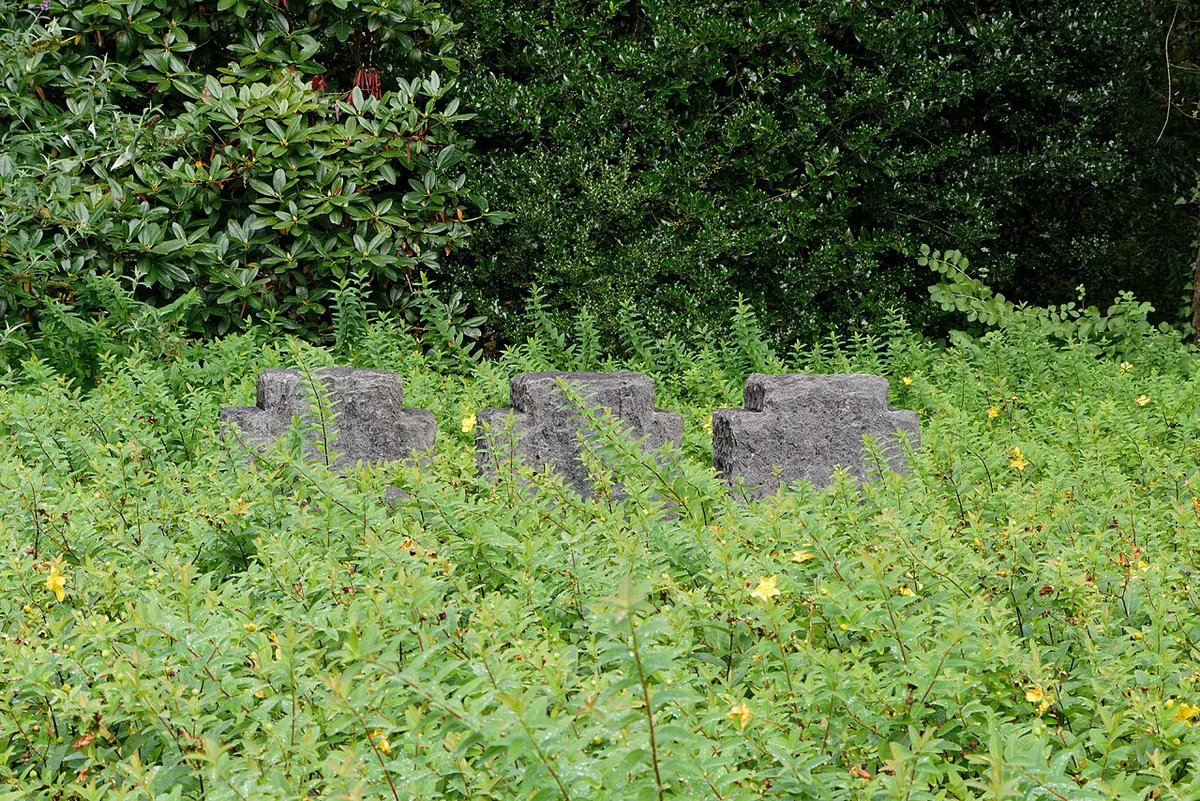
Visiting both cemeteries in one trip
Both cemeteries fit comfortably into half a day. Start with whichever is closer to your arrival point, as neither order is required. The 1.5 km (0.93 mi) gap between them suits a short drive. Walking is possible if the weather is dry. Current bus routes and times are on the national journey planner, mobiliteit.lu. Some visitors find two cemeteries back to back heavy, so take a break between them. Details on the second site are in our guide to the American cemetery. The ABMC Luxembourg page covers its own visitor information. If you have the day, the Patton museum in Ettelbruck makes a natural next stop. The museum is separate from both cemeteries, so treat it as its own visit.
Budget 30 to 60 minutes at each site, so the short drive or walk between them is a small share of a half-day trip.
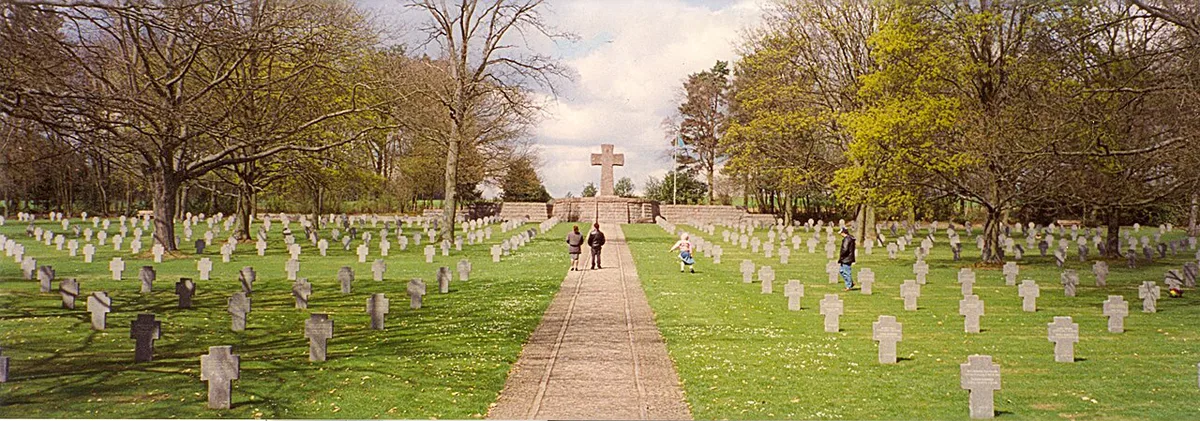
Etiquette and respectful visiting
This is a war cemetery and a place of mourning for families. Keep your visit quiet and your manner reserved.
- Speak softly and silence your phone.
- Walk on the paths and keep off the graves; never climb on markers.
- Take photographs sparingly and avoid including other visitors.
- Do not treat the site as a backdrop for posing or social media content.
- Read the Volksbund's visiting notices if any are posted at the entrance.
- Comrades' graves hold many men together, and some are unknown soldiers. Treat them with the same respect as individual graves.
Where this fits in Luxembourg's WWII sites
Sandweiler is one stop among many. Our overview of WWII sites in Luxembourg maps the wider picture. In northern Luxembourg, Clervaux is a natural next stop. The National Museum of Military History in Diekirch offers the museum experience this cemetery does not. Our Diekirch museum guide covers what to expect.
Keep planning
Guides on the same trip