Clervaux WW2: Battle of the Bulge Sites and Visit Guide
The December 1944 Battle of Clervaux explained, plus the WW2 sites to visit in town and how to fit Clervaux into a northern Luxembourg route.
In this guide
Last updated November 2026. Clervaux WW2 history centres on 16–18 December 1944, when the 110th Infantry Regiment of the 28th Infantry Division defended the town in the opening days of the Battle of the Bulge. Today Clervaux is a living town rather than a preserved battlefield, so you visit it for a castle exhibition, a military display and a Sherman tank memorial. Our guide to WW2 sites in Luxembourg shows where it fits in the wider country.
Featured image: Asurnipal, CC BY-SA 4.0, via Wikimedia Commons.
Clervaux in the Battle of the Bulge: the short version
In mid-December 1944 the 28th Infantry Division held a front along the Our River that had been regarded as a quiet rest area. The division had come there after the fighting in the Hürtgen Forest. By one wartime account, that line stretched about 20 miles. The 110th Infantry Regiment held the sector that covered Clervaux. The German offensive struck on 16 December, and the fighting at Clervaux lasted until 18 December. Colonel Hurley E. Fuller, who commanded the 110th, later wrote that his orders were to hold at all costs. By his own account, the stand delayed three German divisions. Historians still debate how much that delay mattered to the defence of Bastogne, so treat it as the commander's view rather than settled fact. For the wider campaign across the country, read our Battle of the Bulge in Luxembourg: Sites & Visit Guide overview.
Clervaux WW2 sites you can visit today
Clervaux has no marked battlefield ground. What you see is a town with a few places that carry the story. Check the town's page on Visit Luxembourg for current details on each one.
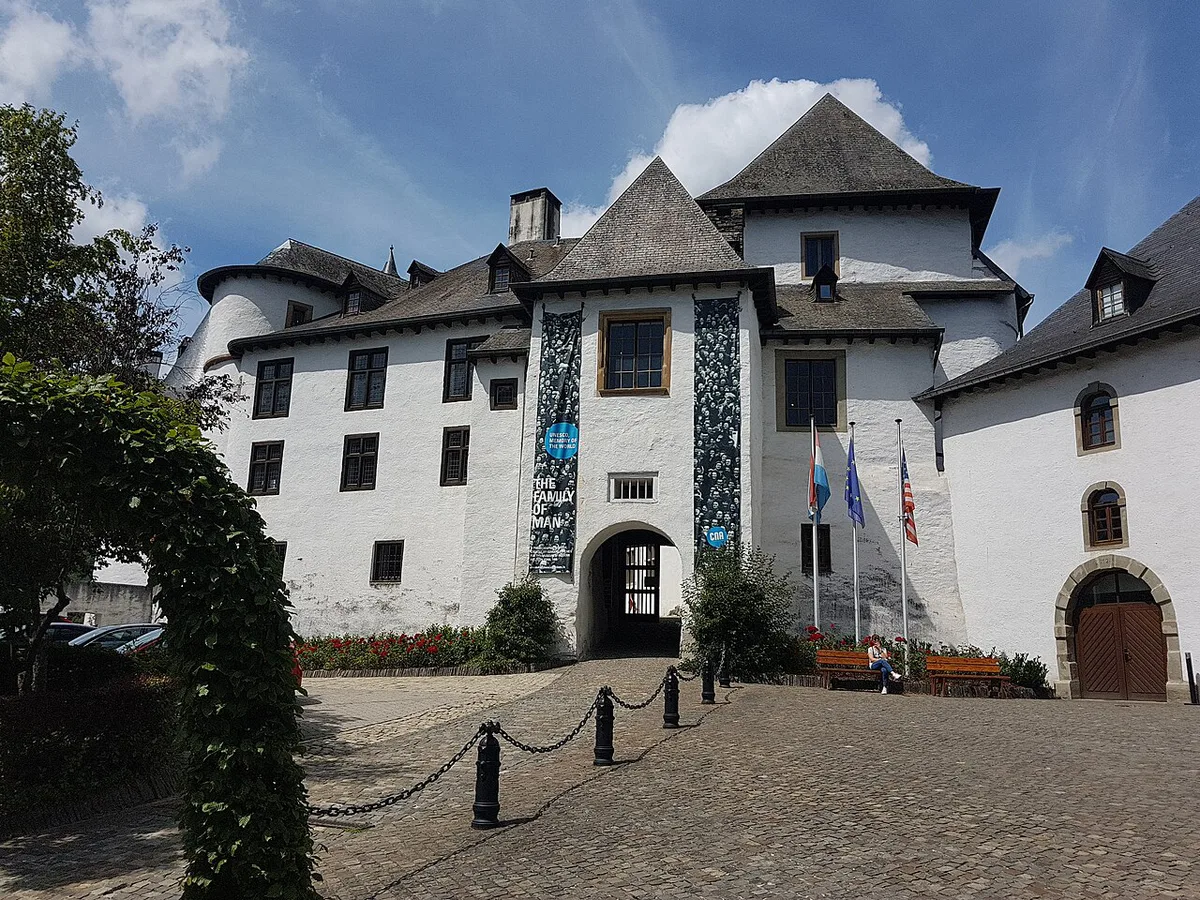
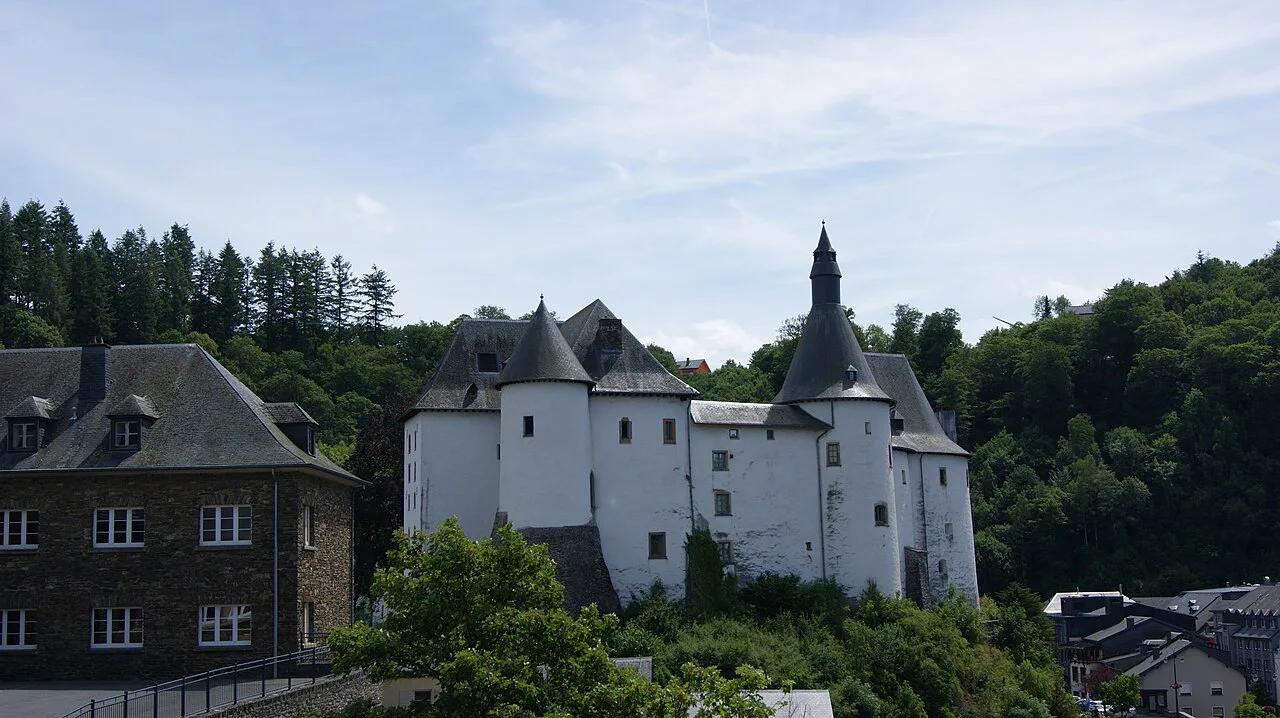
- Clervaux Castle: it houses the Family of Man photography exhibition and a military display on the 1944 fighting. Start here for context.
- Sherman tank memorial: a US tank stands in town as a memorial to the American soldiers who fought here. Look for it on the town map.
- Diorama of the battle: a 1/35 scale model of the Clervaux fighting has been built by a Luxembourg modeller, Claude Joachim, who also published a book about it. Ask locally whether it is on display, since it is not part of the castle exhibits.
How long to allow, and who should skip it
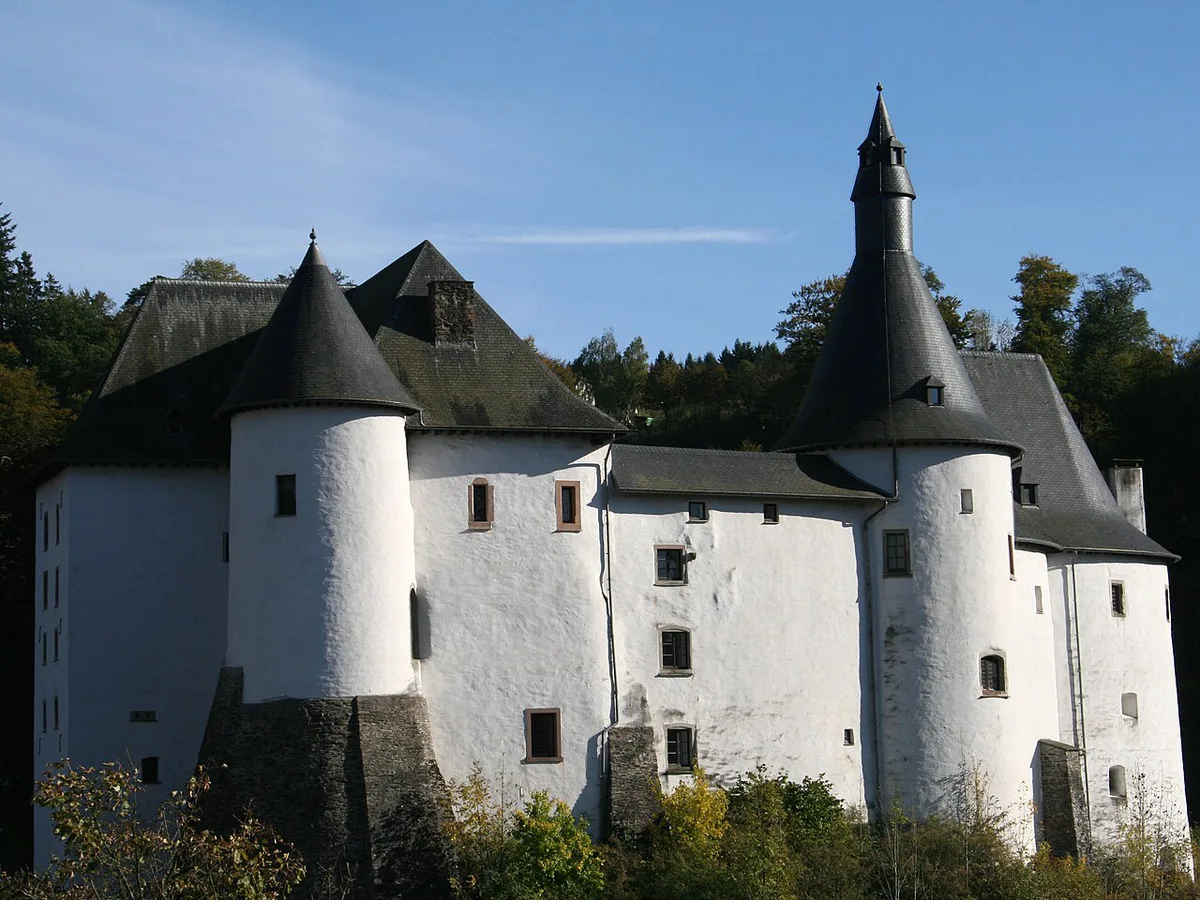
Most visitors need about one to two hours for the castle and the tank memorial. Plan a longer stay if you read every panel in the military display.
- Casual traveller: a short stop on the way through the north is enough.
- History reader: allow a half day and pair Clervaux with a museum stop.
- Family with children: keep it to the castle and the tank, then move on.
- Skip it if you want marked trenches, foxholes or battlefield ground. Clervaux does not offer that.
Getting there and costs
Clervaux lies in northern Luxembourg, in the Ardennes. Hours, admission prices and seasonal closures change, and low season can mean shorter opening. Look up current train, bus and parking details with the operators and on the Visit Luxembourg site before you travel. The castle is on a rise in town, so wear shoes for hills and stairs.
Combining Clervaux with other WW2 sites
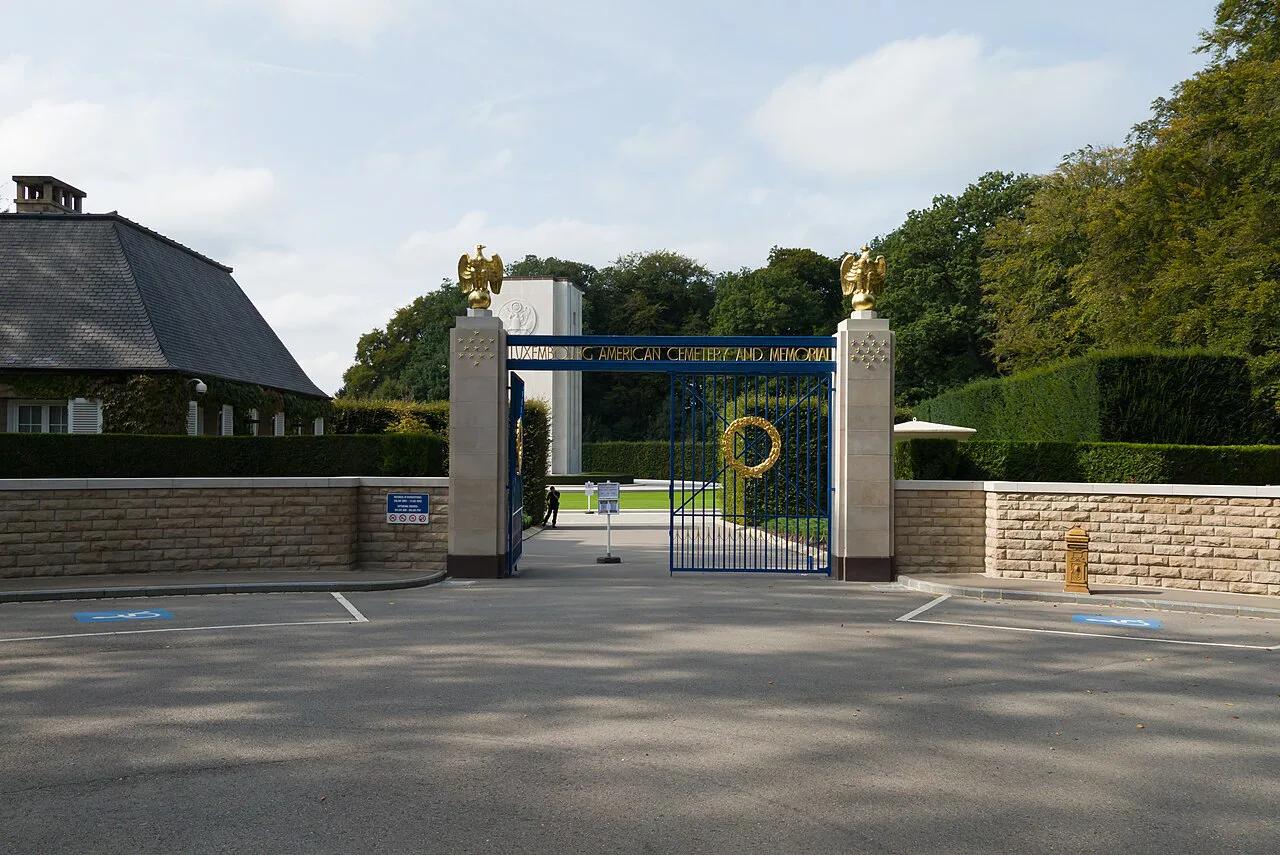
Pair Clervaux with Wiltz and its WW2 history for a northern loop through the same December 1944 front. For artefacts and dioramas, add the National Museum of Military History in Diekirch, covered in our Diekirch museum guide. Our Patton Museum in Ettelbruck page covers another stop on that road. Graves and commemoration sit in a separate, longer trip to the Luxembourg American Cemetery: Visiting Guide, Hours & Tips, where the American Battle Monuments Commission publishes visitor hours and conduct rules. Keep the cemetery for its own visit and treat it as a place of mourning.
Choose Clervaux for the story, not a battlefield walk
Clervaux works best as a town-centre history stop. The fighting ran from 16 to 18 December 1944, but the surviving experience is interpretive rather than a walk through preserved positions. Begin at Clervaux Castle for the military display, then find the Sherman tank memorial in town.
The town is especially useful if you want to understand the opening pressure on the 110th Infantry Regiment of the 28th Infantry Division. Its sector formed part of a front described in one wartime account as about 20 miles long. That scale explains why the defence cannot be reduced to one marked battlefield site.
For model-making or detailed visual history, ask locally about Claude Joachim’s 1/35-scale diorama. It may not be displayed with the castle collection. Pair Clervaux with Diekirch for a deeper artefact and diorama museum visit, or with Wiltz if you want another northern Luxembourg stop connected to December 1944.
Keep planning
Guides on the same trip