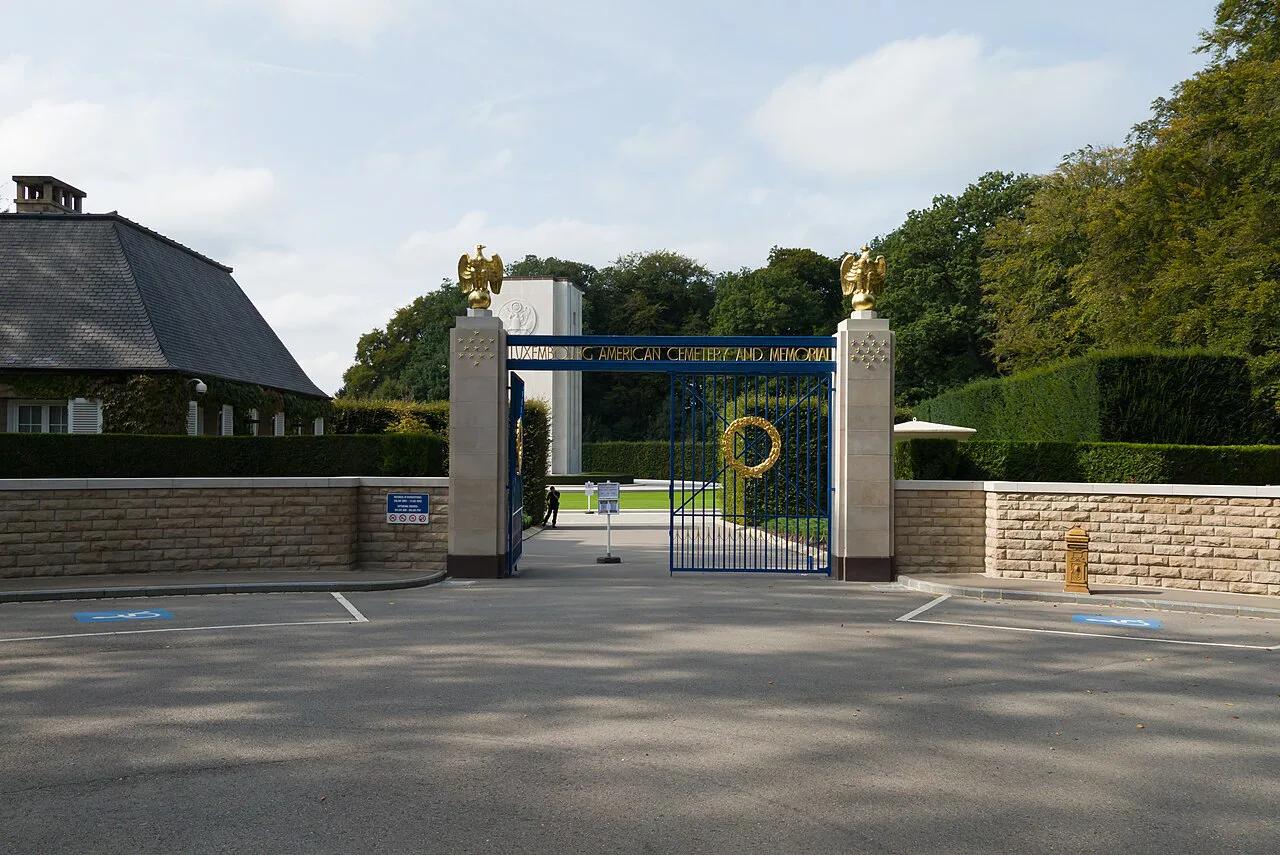
Battle of the Bulge in Luxembourg: Sites & Visit Guide
Where the Battle of the Bulge was fought in Luxembourg, plus which museums, cemeteries and towns to visit and how to link them in one or two days.
In this guide
Last updated November 2026. The Battle of the Bulge in Luxembourg began on 16 December 1944, when German forces crossed the Sauer River near Echternach and Berdorf and pushed into the northern Ardennes. Visitors today can follow it through the museum at Diekirch, the American and German cemeteries, and the Clervaux, Wiltz and Ettelbruck sites. Our full Luxembourg WW2 itinerary links them into day-by-day routes, and this page explains the history and helps you choose.
Featured image: Cayambe, CC BY-SA 4.0, via Wikimedia Commons.
Battle of the Bulge in Luxembourg: The Short Answer
German forces launched the Ardennes offensive on 16 December 1944. In Luxembourg, the fighting fell in two zones: the Sauer front in the east, and the northern Ardennes around Clervaux and Wiltz. Visitors can see the history today at museums, memorials and military cemeteries spread across the Grand Duchy. Prices and hours were last checked November 2026, and the official sites linked below are the place to confirm anything seasonal.
- Start of the offensive: 16 December 1944, with a German crossing of the Sauer River near Echternach and Berdorf.
- East: Echternach and Berdorf, the Sauer valley area nicknamed Luxembourg's Little Switzerland in US Army accounts.
- North: Clervaux and Wiltz, where the northern thrust passed through.
- Centre: Diekirch, Ettelbruck, Hamm and Sandweiler, home to the main museum and cemeteries.
- Best first stop for most visitors: the military history museum in Diekirch.
What Happened in Luxembourg, December 1944 to January 1945
Luxembourg looked like a safe posting in early December 1944. The US 4th Infantry Division arrived after heavy losses in the Hürtgen Forest, and a US Army report called the Grand Duchy a "quiet paradise for weary troops". Its units were thinly spread along a 35-mile front on the west bank of the Sauer and Moselle rivers. Soldiers on leave visited Luxembourg City for a few hours of rest, and by 13 December the division had finished moving into position.
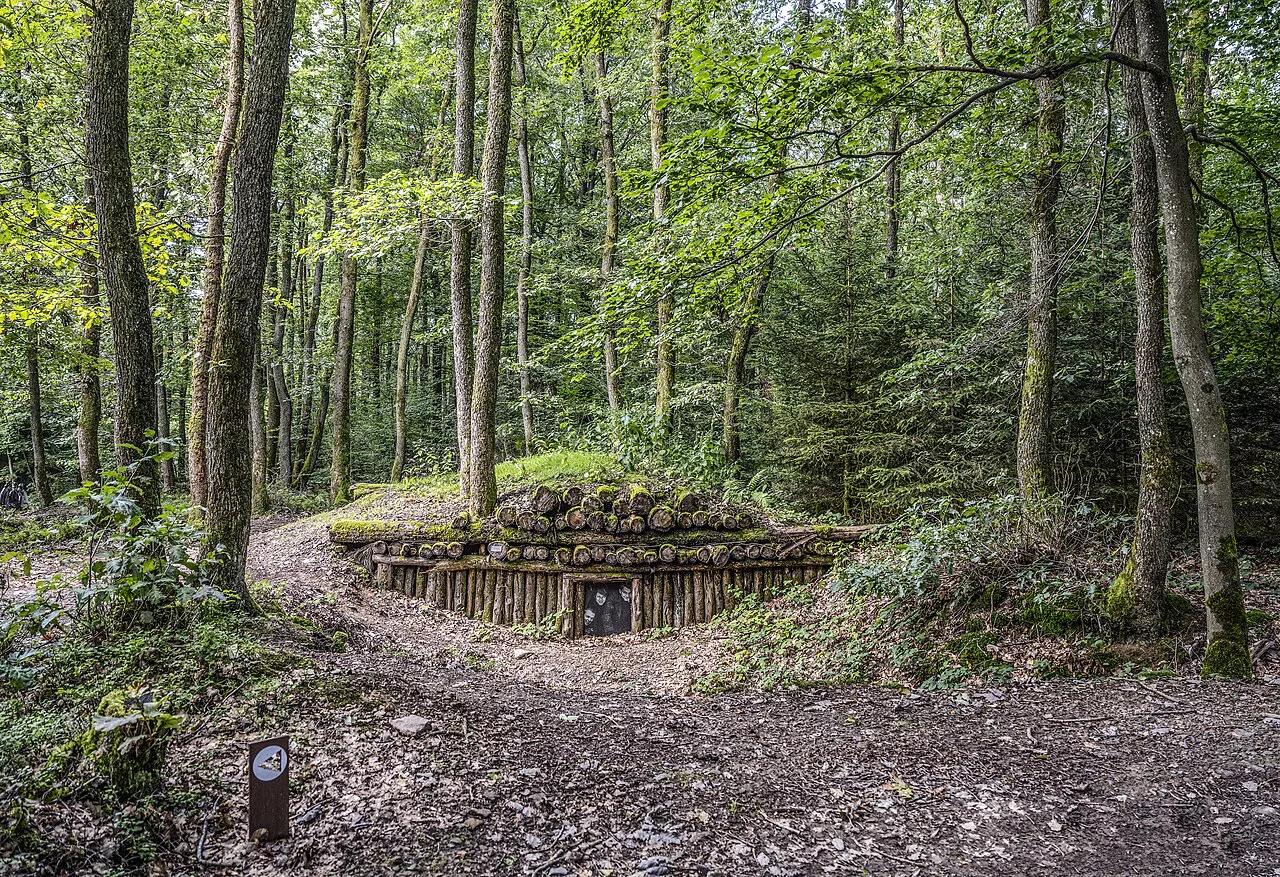
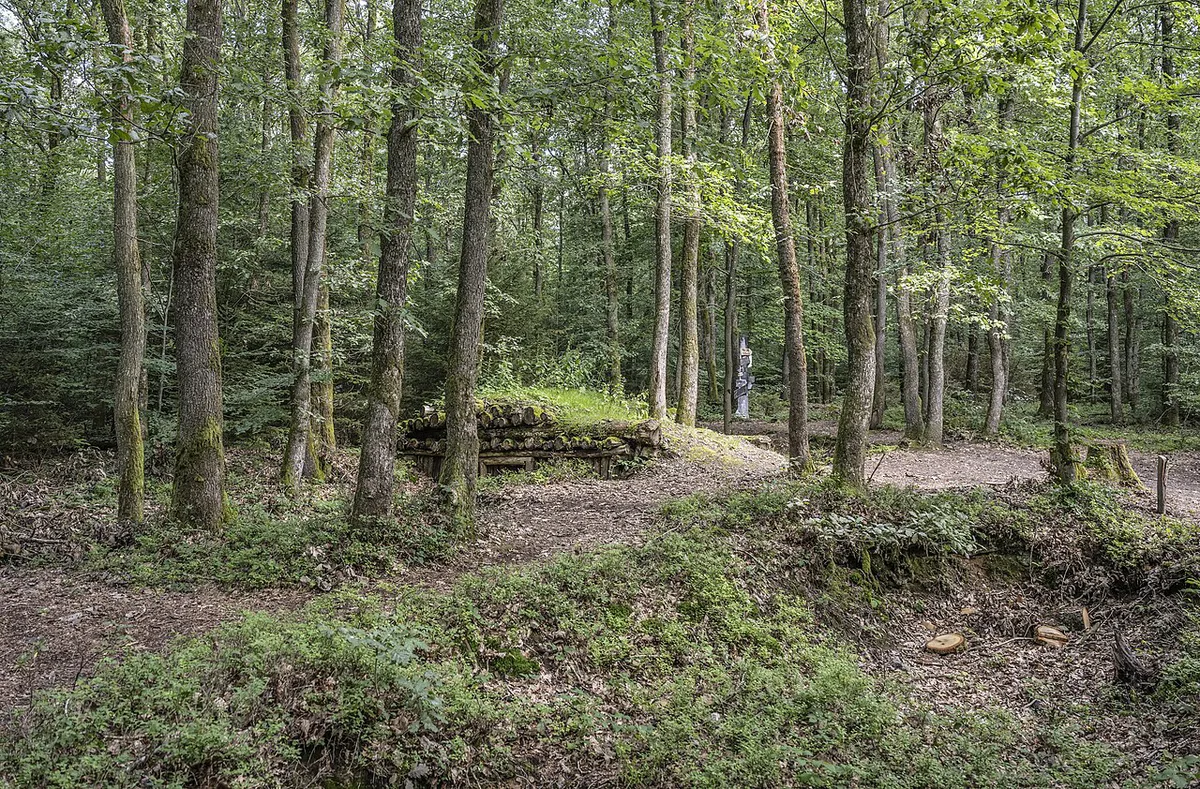
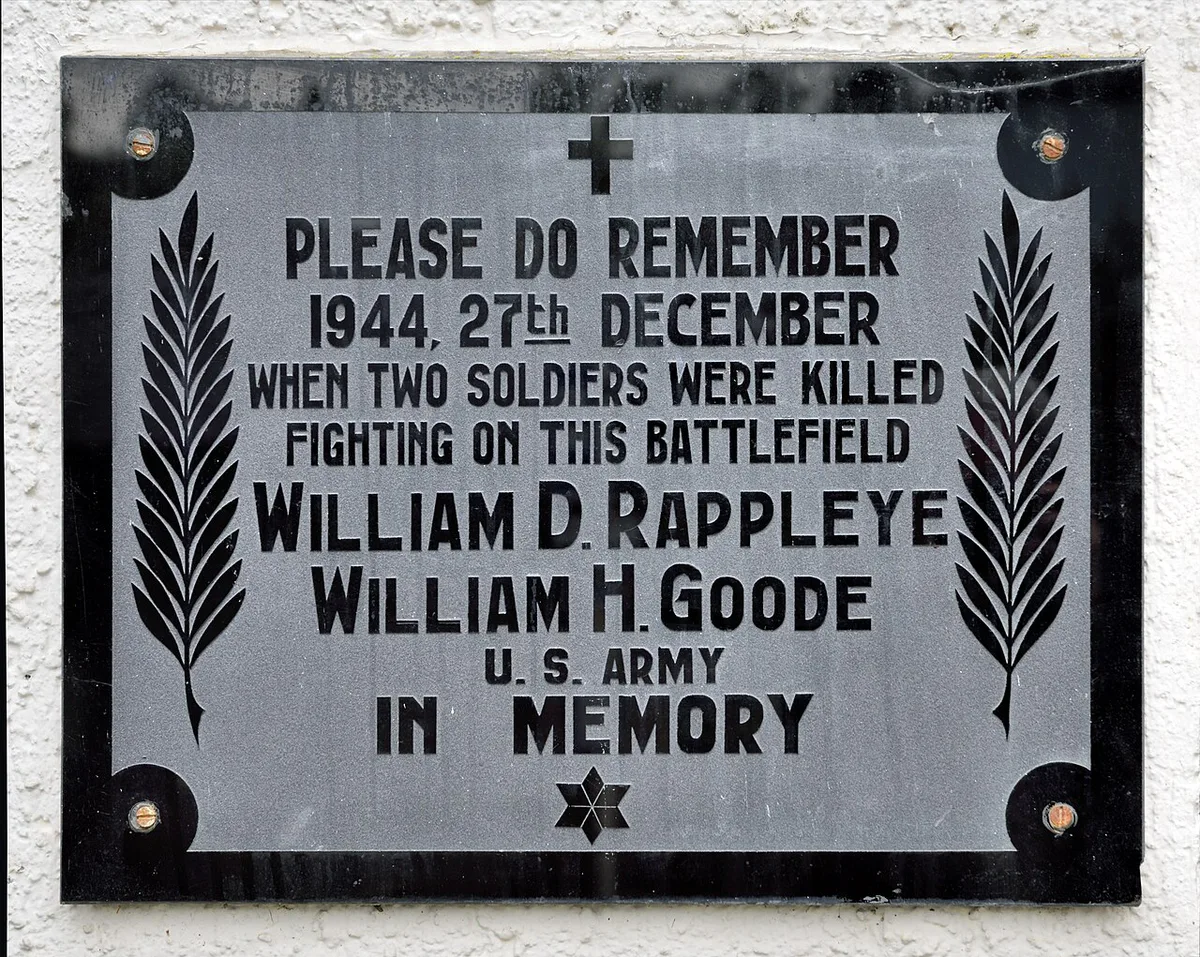
German planners used that quiet. The 212th Volks Grenadier Division moved to the Sauer during the nights before the attack. Before dawn on 16 December, its assault regiments began crossing the river in rubber boats near Echternach. Wire communications at the American command posts failed within hours. The fighting centred on the villages of Berdorf, Echternach, Lauterborn, Osweiler and Dickweiler.
Small American groups held on in several places. At Berdorf, about sixty men of Company F gathered in the Parc Hotel. At Birkelt Farm, a platoon of twenty-one men held out for four days in stone farm buildings. General Barton, the division commander, feared a German drive toward Luxembourg City, although German plans aimed at the plateau and the road toward Junglinster.
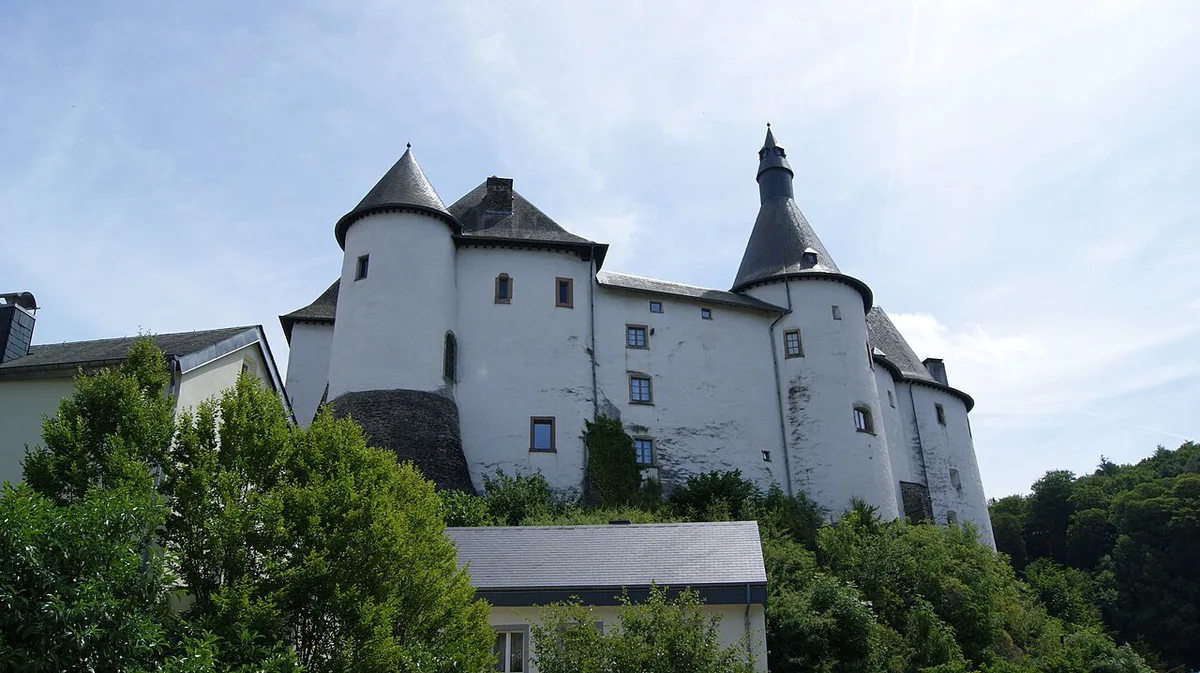
Farther north, the main German thrust ran through Clervaux and Wiltz. Those towns suffered the heaviest damage and are now the best places to read the northern story in the landscape. Our guides to Clervaux in the battle and Wiltz in WW2 cover the details.
American reinforcements, artillery and armor then stabilised the front, and Allied counterattacks pushed German forces back through the winter. Bastogne, across the border, is the better-known siege of those weeks. Our guide stays with the Luxembourg sites. The pillar guide to 8 WW2 Sites in Luxembourg: Occupation to the Bulge places each town in the wider story.
Where the Fighting Happened: A Geography for Visitors
Luxembourg is small, but the battle sites sit in separate clusters. Grouping them by area saves more time than any other planning step. Echternach and Berdorf lie in the east on the Sauer, while Clervaux and Wiltz sit in the north. Diekirch and Ettelbruck are in the centre-north, and Luxembourg City served as the rear headquarters area. The Hamm and Sandweiler cemeteries lie near the capital.
| Area | What happened | What to see | Suggested time | Transport |
|---|---|---|---|---|
| Echternach and Berdorf (east) | 16 December 1944 Sauer crossing; fighting at Parc Hotel and Birkelt Farm | Sauer valley villages and landscape | Half a day | Car easiest; check local bus timetables |
| Clervaux (north) | Northern thrust passed through the town | Clervaux WW2 sites, including the 'To our Liberators' statue | 2 to 3 hours | Rail and bus options; check timetables |
| Wiltz (north) | Northern thrust and liberation | Wiltz WW2 sites | 2 to 3 hours | Bus; car is more flexible |
| Diekirch and Ettelbruck (centre-north) | Allied recovery area | Military museum and Patton museum | Half a day to a full day | Short transfers by car or train |
| Hamm and Sandweiler (near the capital) | Postwar burial sites | American and German war cemeteries | 1 to 2 hours each | City bus and car |
The Key Sites at a Glance
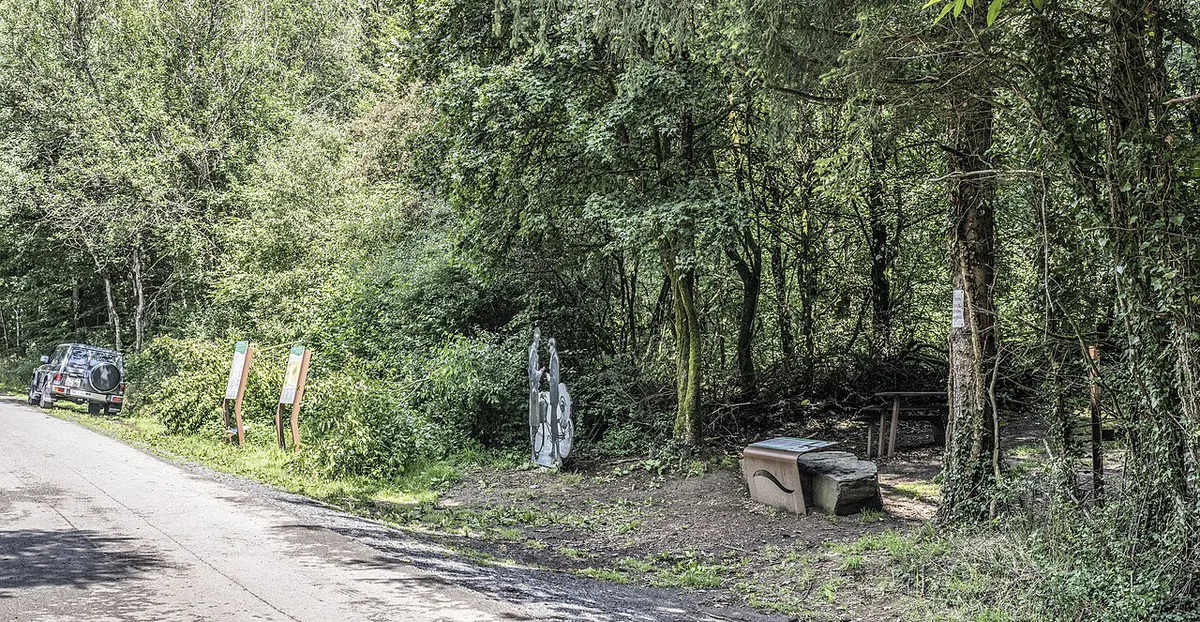
Each site in the table below has its own guide. Use it to decide which ones fit your day, and skip those that duplicate what you have already seen. A site that is listed as a cemetery is a place of mourning and works best as a quiet, short visit. The official Luxembourg tourism site gives general visitor information for each region.
Capital cemeteries take 1 to 2 hours each, so a stop with under 90 minutes leaves little room for them.
| Site | Type | Best for | Skip if |
|---|---|---|---|
| Luxembourg American Cemetery: Visiting Guide, Hours & Tips | US military cemetery near the capital | Paying respects and Patton's story | You have under 90 minutes in the capital area |
| National Museum of Military History, Diekirch | Museum | Understanding the campaign in Luxembourg | You dislike indoor exhibits |
| Clervaux | Town and memorials | The northern thrust and the liberators statue | You cannot reach the north |
| Wiltz | Town and memorials | Northern-front detail | You already visited Clervaux and have limited time |
| Patton museum, Ettelbruck | Museum | Patton's wartime role in Luxembourg | You are focused on the German perspective |
| Sandweiler German War Cemetery: Visiting Guide (Access, History) | German war cemetery | The other side's perspective | You want only Allied sites |
| Schumann's Eck | Battle-linked site | Local landscape and history | You are short on time |
How to Plan Your Visit Without Overloading the Day
A one-day trip works if you pick one cluster. In the north, combine Clervaux with Wiltz, or combine Diekirch with Ettelbruck. A second day lets you add the capital area, where the American and German cemeteries sit near each other.
US units held a 35-mile front in 1944, so the battle sites are spread out too; plan one cluster per day.
Plan two to three sites per day and leave time at each one. A visit to the Diekirch museum alone can fill a morning, so adding Ettelbruck, the Patton museum, usually completes a full day. Rural buses and trains can be slow, so a car is the most flexible option between towns.
If you base in Luxembourg City, you can reach the cemeteries easily and still day-trip north. If you prefer a quieter stay, Diekirch or Clervaux put you close to the northern sites. Our Luxembourg WW2 route guide gives ready-made itineraries.
Costs, Tickets and Opening Hours
Entry fees and seasonal hours change, and no verified 2026 figures are listed here. Check the Diekirch museum website and each other venue's official page before travelling.
Visiting in December and Winter
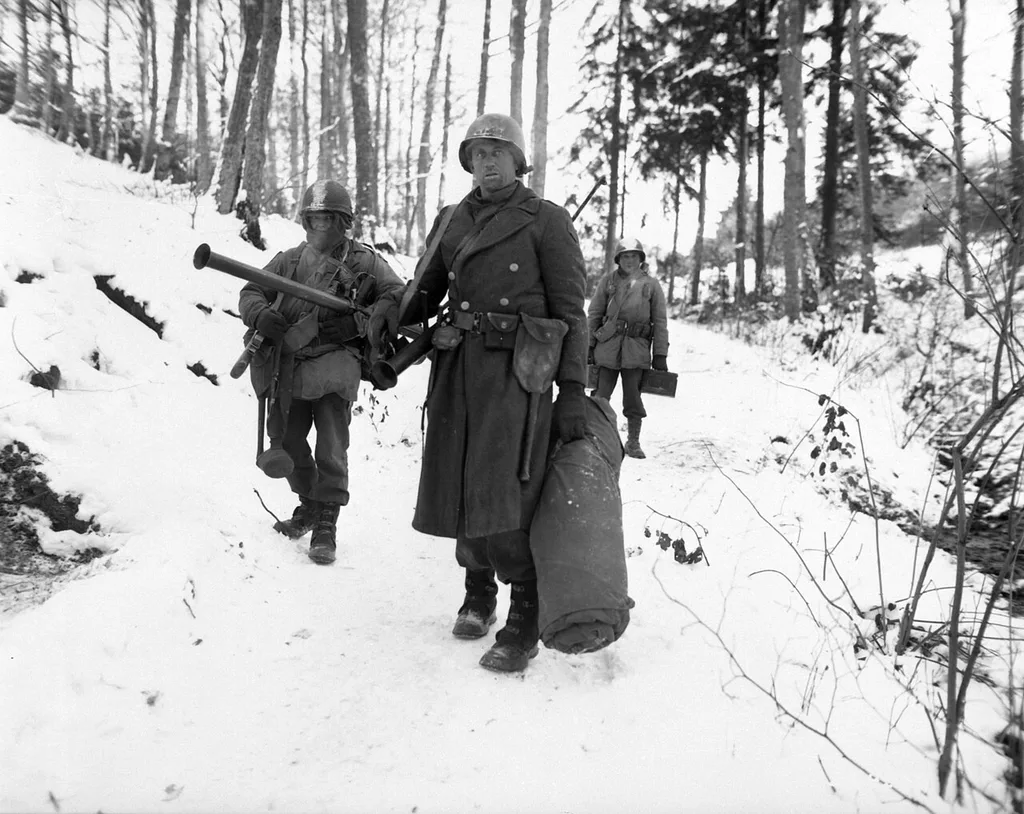
December brings anniversary events around 16 December. Expect more visitors, fuller rooms and busier parking in the towns that hold ceremonies. Winter daylight is short, and some museums run reduced hours, so check them before you plan a long day. Snow or ice can slow rural roads, which makes a flexible schedule wise. The US State Department's archived anniversary photo page shows the winter conditions and the Clervaux statues.
Visiting Respectfully
Cemeteries and memorials are places of mourning. Speak quietly, dress modestly and follow posted rules at each site. The American Battle Monuments Commission publishes visitor information for the Luxembourg American Cemetery. Take photographs of the grounds with discretion and avoid photographing other visitors at graves. The German war cemetery at Sandweiler offers the other side's perspective and deserves the same respect. The Volksbund maintains it.
Common Mistakes to Avoid
Most planning problems come from underestimating distances and seasons. Avoid these:
- Treating Luxembourg as a single stop. Sites cluster in the east, north and centre, so choose a cluster.
- Assuming every site is walkable. Towns are small, but the gaps between them are not.
- Visiting in winter without checking hours. Some museums close or shorten their days.
- Fitting too many sites into one day. Two or three give you time to take each in.
- Mixing up Luxembourg with Belgium's Bastogne. This guide covers the Luxembourg sites only.
Frequently Asked Questions
Which country won the Battle of the Bulge?
Allied forces won. The German offensive that began on 16 December 1944 failed to reach its objectives. US troops held key positions and pushed German forces back through the winter.
Keep planning
Guides on the same trip