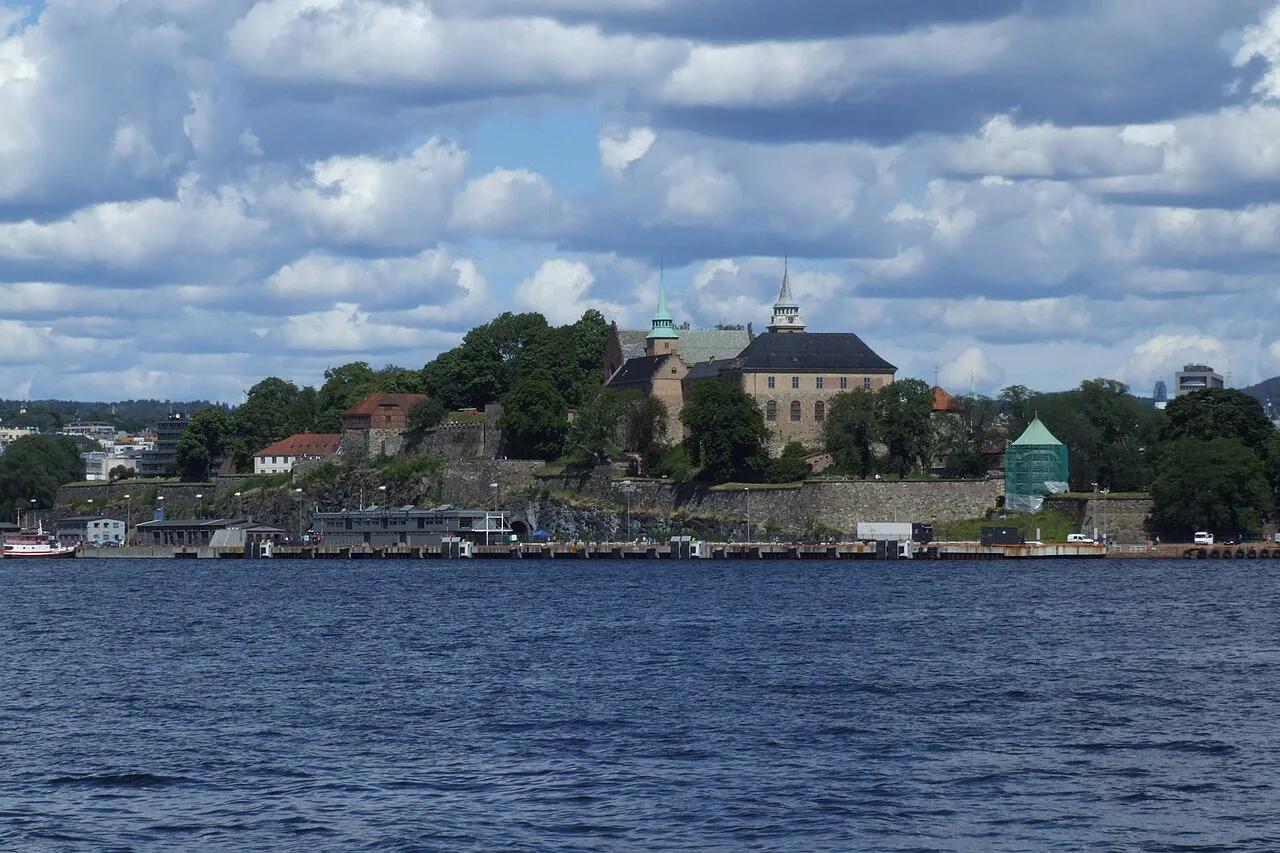
Tirpitz Museum: Denmark Bunker vs the Norway Battleship Sites
Which Tirpitz museum? Learn about the Blåvand bunker museum in Denmark, and where to trace the battleship Tirpitz story in Norway.
In this guide
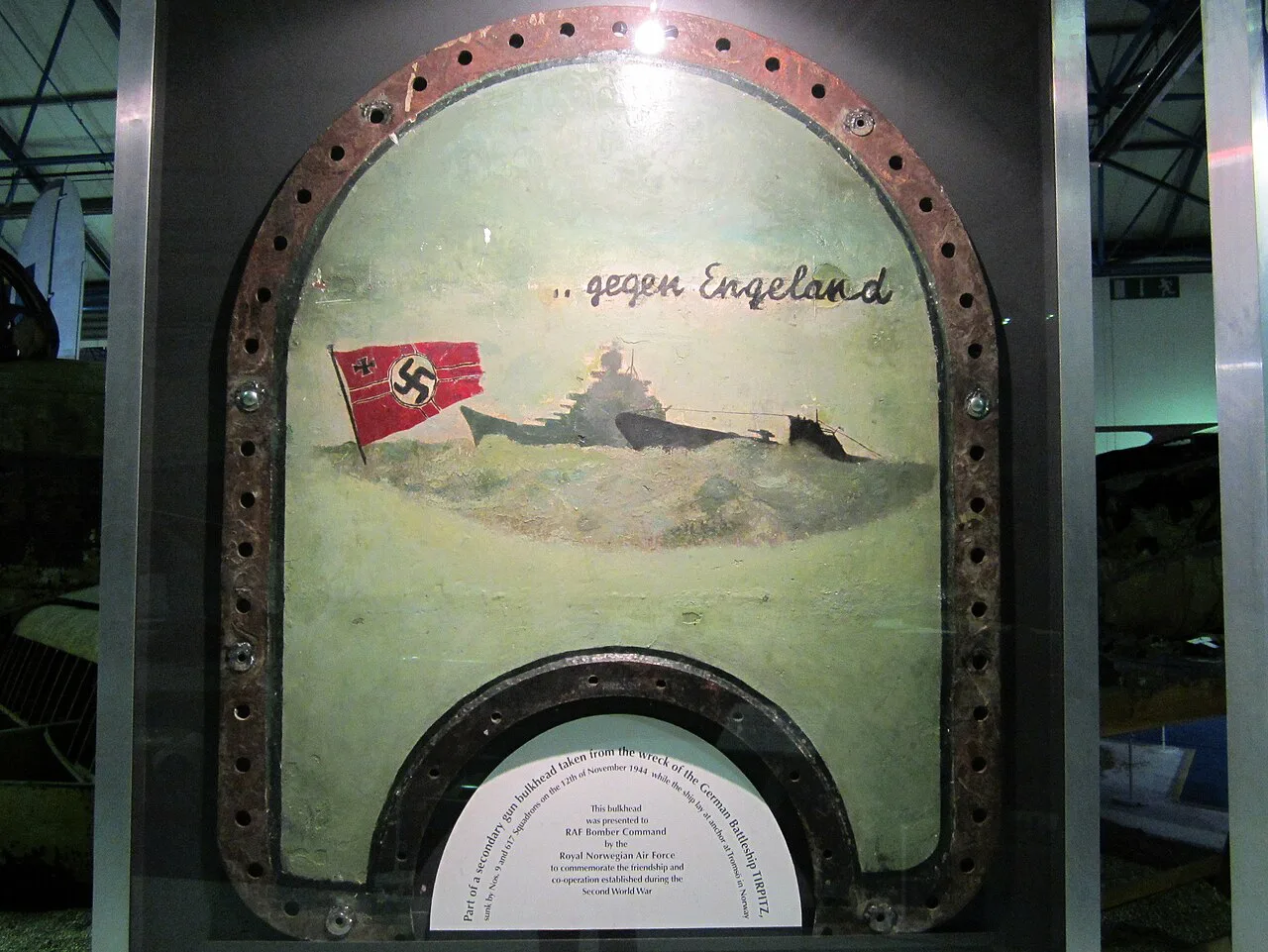
Last updated November 2026: the best-known Tirpitz museum is in Blåvand, Denmark, not in Norway. It occupies a former German gun position and takes its name from that battery. The battleship Tirpitz was sunk in November 1944 in the Tromsøfjord, so the ship's own story belongs to northern Norway.
Featured image: Nick-D, Public domain, via Wikimedia Commons.
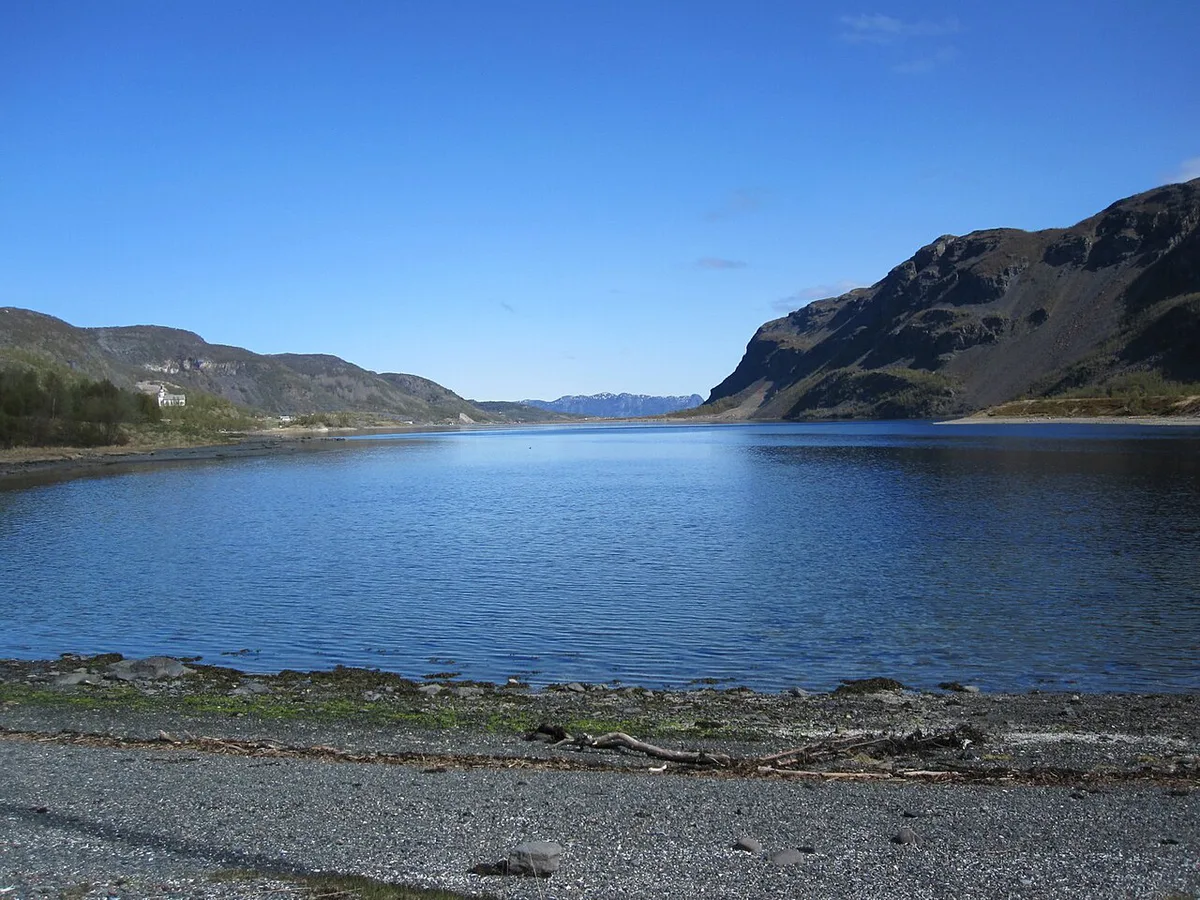
Which Tirpitz museum do you mean?
Search results often blend two separate stories. One is a bunker museum on Denmark's west coast. The other is a battleship that ended its career in Norwegian waters. The table below sorts them out in a few seconds.
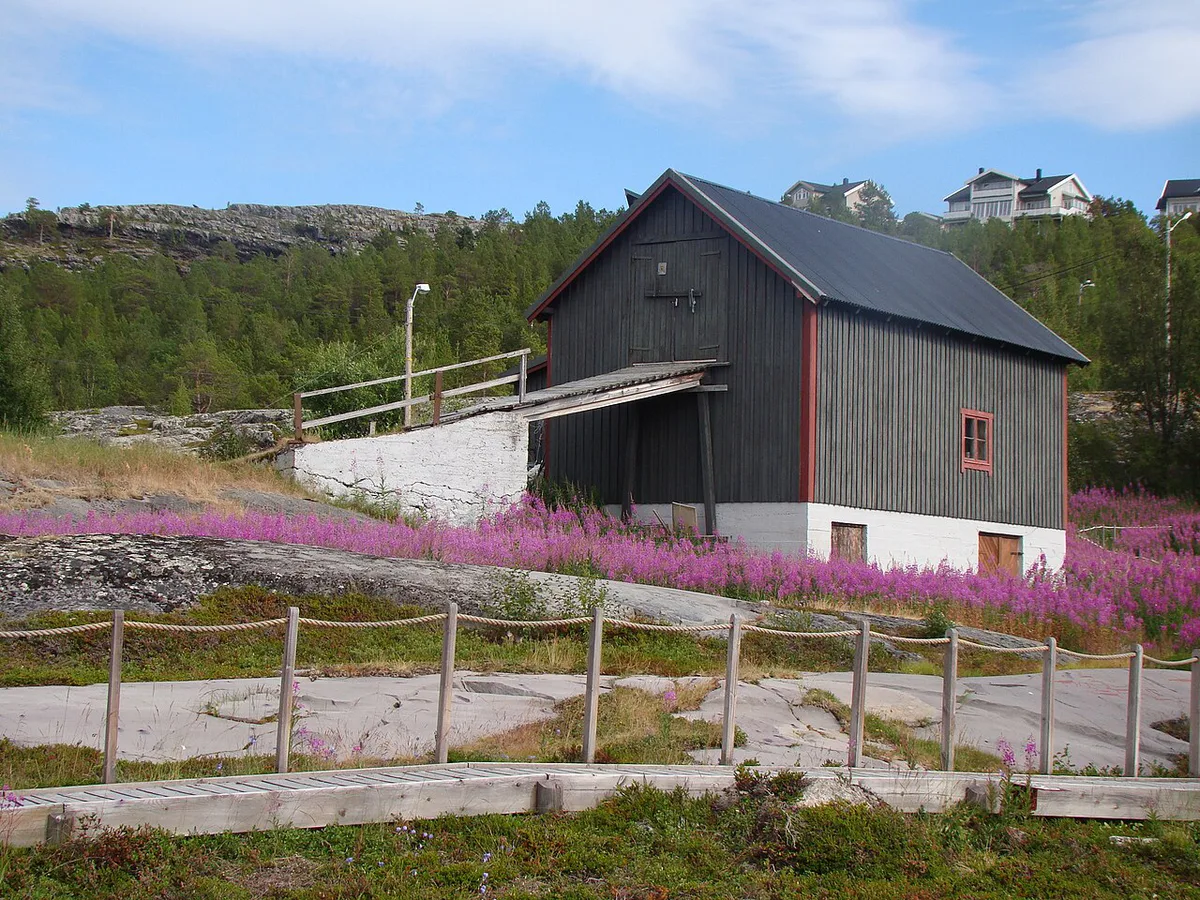
| Blåvand bunker museum | Battleship Tirpitz story | |
|---|---|---|
| What it is | Museum built into two German bunkers at a gun position | Warship sunk in Tromsøfjord, November 1944 |
| Where | Tirpitzvej 1, 6857 Blåvand, Denmark | Tromsø area, northern Norway |
| Best for | Atlantic Wall history, amber, a 4D lifeboat ride | Norway WW2 travelers following the ship's end |
| Time needed | 1.5 to 4 hours | Depends on the Norwegian sites you choose |
| Indoor or outdoor | Indoors | Mostly outdoors and museum-based |
What the Tirpitz Museum at Blåvand is
Blåvand's museum is built into 2 original German bunkers beneath the dunes near Blåvandshuk, Denmark's westernmost point. It opened in its current form in 2017. Architecture is by BIG (Bjarke Ingels Group), with exhibition design by Tinker Imagineers. Indoor space totals about 2,500 m². The roof is covered in marram grass, so the building nearly vanishes into the landscape. Varde Museum runs the site. It belongs to the wider Atlantic Wall, the coastal defense line Germany built along occupied Europe's shore from 1942.
Why it shares a name with a Norwegian battleship
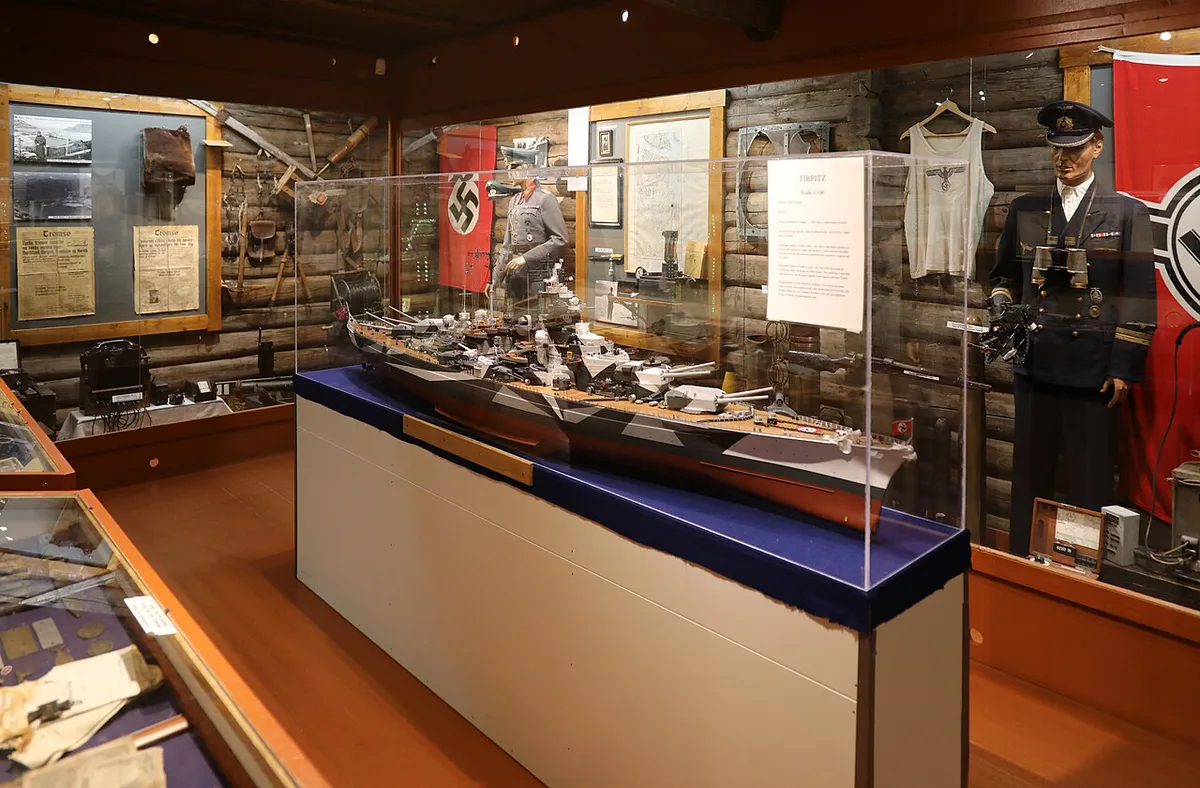
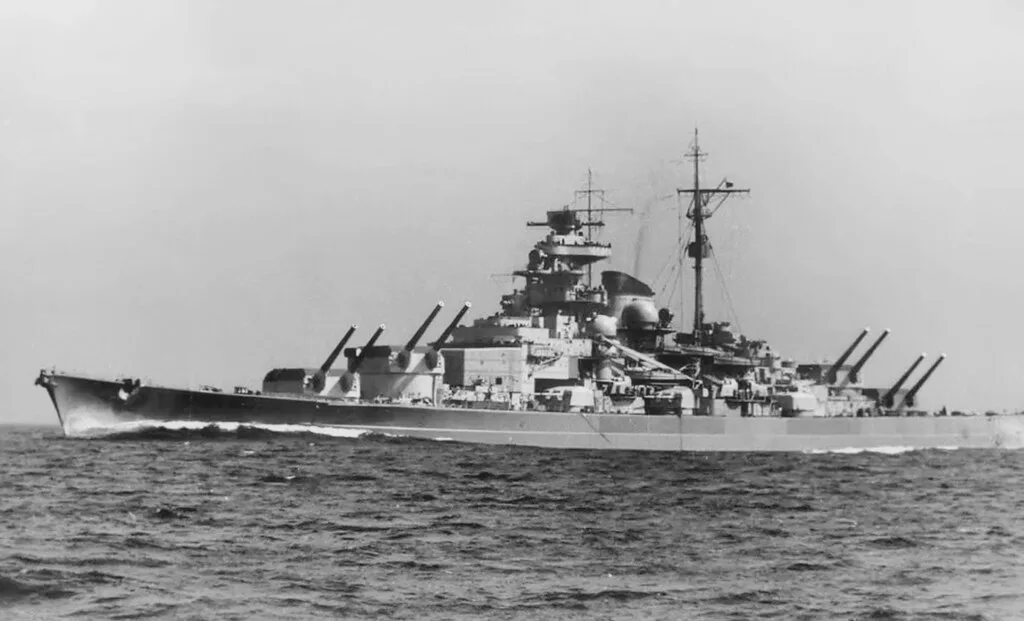
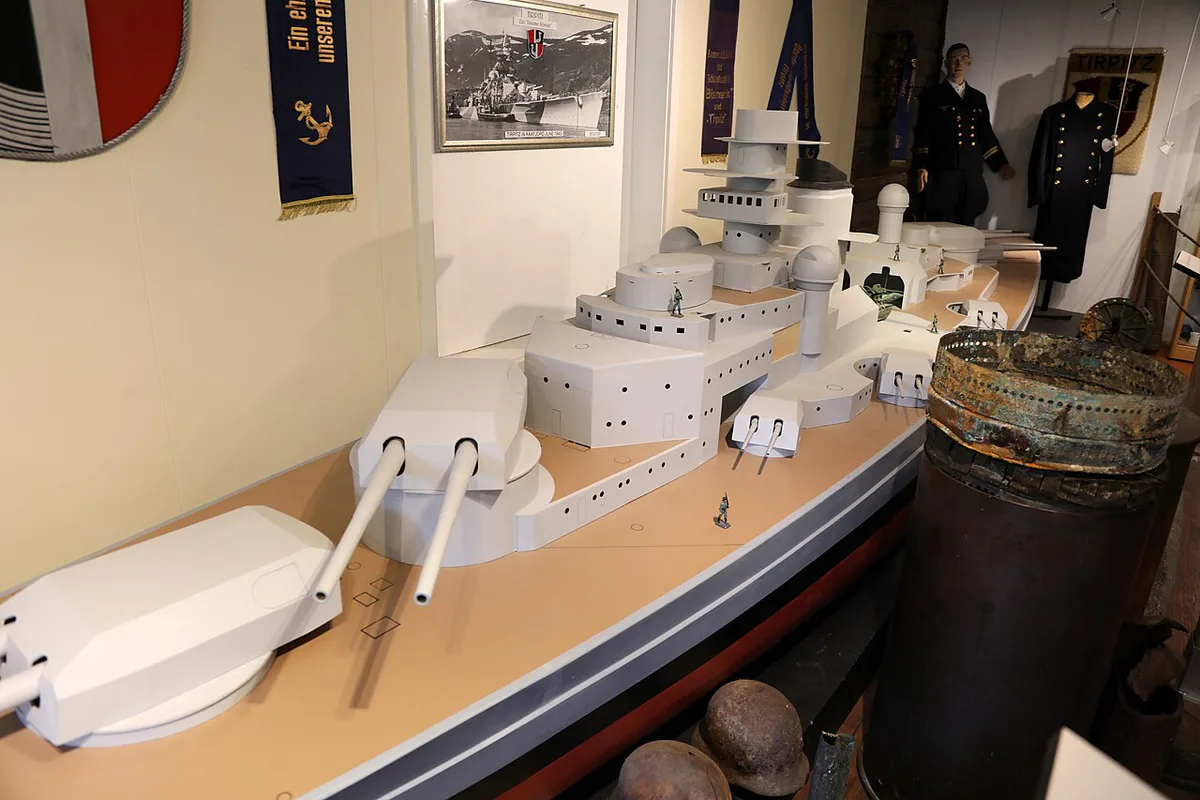
Blåvand's German gun position carried the name Tirpitz, like the battleship. Both honored Grand Admiral Alfred von Tirpitz (1849–1930), founder of the Imperial German naval program. The position had 4 heavy guns of 38 cm caliber, matching the battleship's main battery. It was never fully operational when Germany capitulated in May 1945. The museum covers this gun position, not the ship. Don't expect it to explain the battleship's career.
What you can see and how long to allow
The museum has 4 permanent exhibitions, a 4D lifeboat ride and rotating special shows. Exhibitions are self-guided, with sound, light and interactive elements. Check tirpitz.dk for current special exhibitions.
Time the 4D lifeboat ride around its schedule: about 6 minutes, departing roughly every 30 minutes.
- Havets guld (Gold of the Sea): an amber collection, with tips on finding amber on the beach.
- Den skjulte Vestkyst (The Hidden West Coast): geology, folklore and everyday history from mammoths to modern times.
- En hær af beton (An Army of Concrete): audio interviews with Danish evacuees and German soldiers who lived with the bunkers.
- The Tirpitz bunker itself: you walk through the original war installation.
- 4D lifeboat ride: about 6 minutes, departing roughly every 30 minutes. Strong effects may be intense for small children.
Time and access trade-off
A 1.5-hour visit covers 1 or 2 exhibition spaces plus the 4D ride. A full visit of 2 to 3 hours takes in all 4 exhibitions and the ride. Keen history readers can stretch it to 4 hours. Everything is indoors, so the museum suits bad weather.
Getting there, parking and costs at Blåvand
Address: Tirpitzvej 1, 6857 Blåvand. A local Blåvand guide lists daily opening from 10 to 16 and free parking for cars and buses. It also reports a 20% discount for Hvidbjerg Strand Feriepark guests who show their wristband. Hours change by season, and ticket prices are set by Varde Museum. Check tirpitz.dk for current prices and hours before you drive out.
What to Combine With Tirpitz Around Blåvand
The museum covers only part of this stretch of coast. If you have a half or full day, add one or two nearby stops, depending on the weather and your interests.
- Bunkers on the beach: Concrete remains of the Atlantic Wall still sit along the shore around Blåvand. Some have been turned into an art installation with horse-like heads and tails. Sand and tides change how much you can see and reach. View them with care, and keep children off slippery or half-submerged concrete.
- Blåvandshuk Lighthouse: The lighthouse (Blåvandshuk Fyr) marks Denmark's westernmost point and gives you a high view of the coast. Check its current opening hours and admission before you plan to climb it.
- FLUGT, Refugee Museum of Denmark: This museum in Oksbøl is also part of the Varde museum group, with architecture by BIG. It stands on the site of a camp that housed German refugees at the end of the Second World War, and it connects that history with later refugee stories. It is a short drive inland and a natural follow-on if the wartime years interest you most.
- Amber on the beach: After seeing the amber exhibition, you can search the tideline yourself. Finds are never guaranteed. Don't pocket unknown lumps that look like amber: white phosphorus from old munitions can resemble it on some northern European coasts and can ignite as it dries.
Parts of the heath and coast near Blåvand and Oksbøl are used for military training. Obey warning signs, barriers and signals, and check local access notices before walking or cycling there.
With one day, see Tirpitz and then choose FLUGT for more history or the lighthouse and beach for time outdoors. Trying to fit in everything can cut your museum visit short, especially if you want all 4 exhibitions. If the Atlantic Wall is your main interest and your travels also take you to the Netherlands, see the Atlantikwall Museum in Scheveningen.
Following the Tirpitz story in Norway
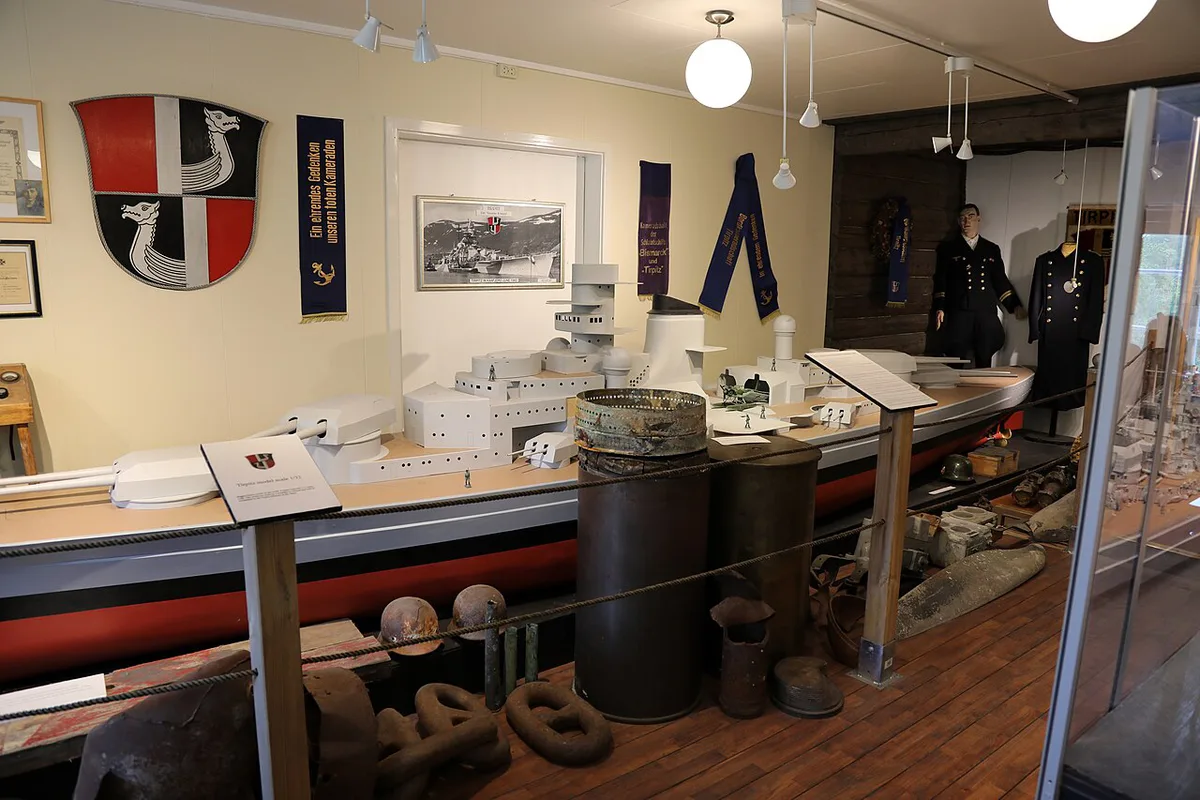
No dedicated Tirpitz museum in Norway has been confirmed. The ship was sunk in November 1944 in the Tromsøfjord. For current visitor information in that area, start with Visit Tromsø. The Norwegian Armed Forces Museum network is the place to check for wartime exhibitions.
For a verified museum visit in Norway, go to Narvik. The Narvik War Museum: What to See and Visit Tips covers the 1940 fighting, and its own site is at warmuseum.no. Northern Norway's wider wartime story is in our Finnmark WW2 guide. Blåvand's gun position has a Norwegian counterpart in the Atlantic Wall in Norway. Our Norway WW2 sites hub ties these stops together.
Which Tirpitz plan fits you?
Pick by where you are and what you want from the visit.
- Norway-based traveler: skip Blåvand unless you are already in Jutland. Plan Tromsø and Narvik instead.
- Denmark road-tripper: Blåvand is a 1.5 to 4 hour indoor stop near Blåvandshuk.
- WW2 history enthusiast: pair Blåvand's gun position with Norway's coastal fortifications. See Oscarsborg Fortress: History, Ferry & Visitor Guide for one Norwegian example.
- Family with young children: Blåvand's 4D ride has strong effects, so judge it by your child's tolerance.
Frequently Asked Questions
Can you see the Tirpitz?
No. The battleship was sunk in November 1944 in the Tromsøfjord, and the Blåvand museum is about a gun position, not the ship. For any visitor access in the Tromsø area, check Visit Tromsø.
Keep planning
Guides on the same trip