Oscarsborg Fortress: History, Ferry & Visitor Guide
Visit Oscarsborg Fortress in the Oslofjord: the guns that sank Blücher in 1940, how to take the ferry from Drøbak, and how to plan your day.
In this guide
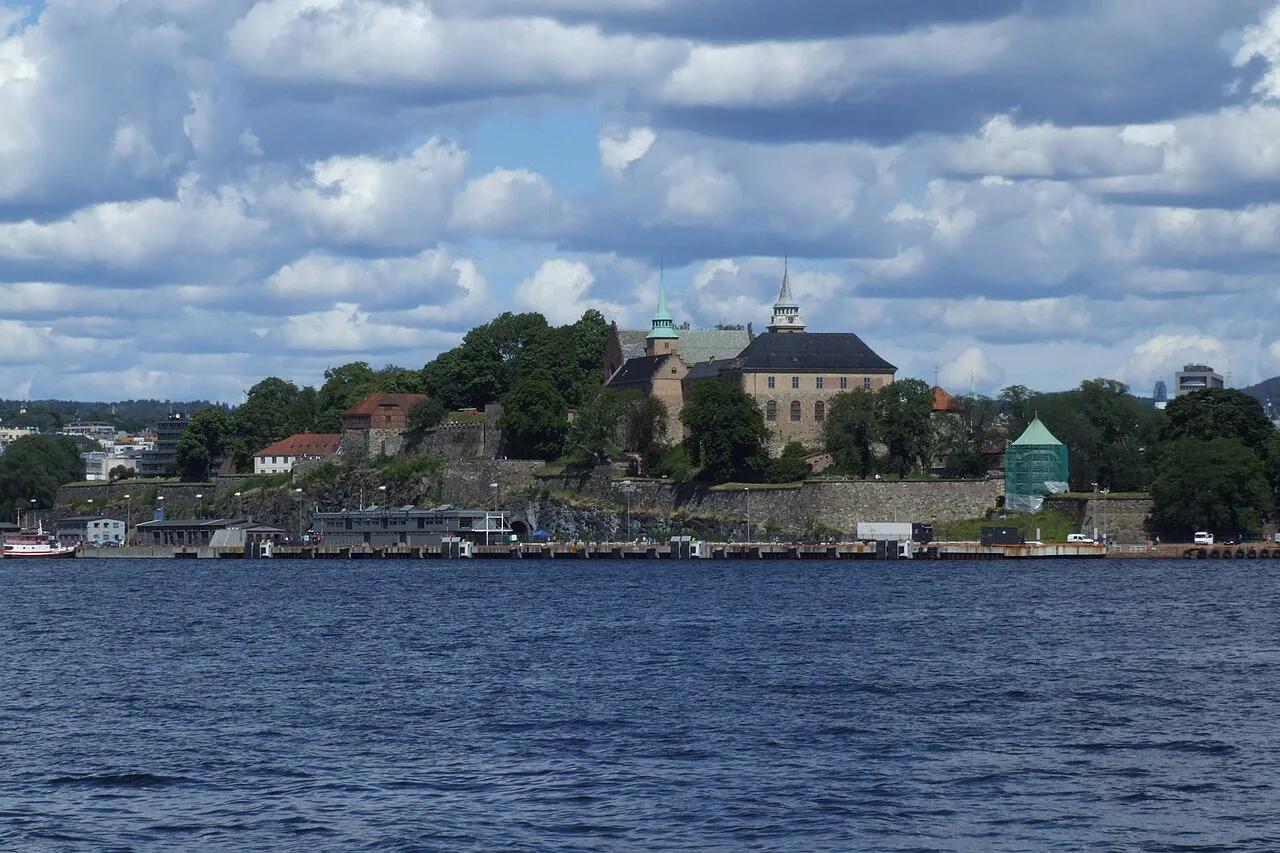
Last updated November 2026: Oscarsborg Fortress stands on small islands in the narrow inner Oslofjord near Drøbak. Its guns and torpedo battery sank the German cruiser Blücher on 9 April 1940, which bought the king and government time to leave Oslo. Visitors cross by a short ferry from Drøbak.
Featured image: Kjetil Lenes, CC BY 2.5, via Wikimedia Commons.
Oscarsborg Fortress at a glance
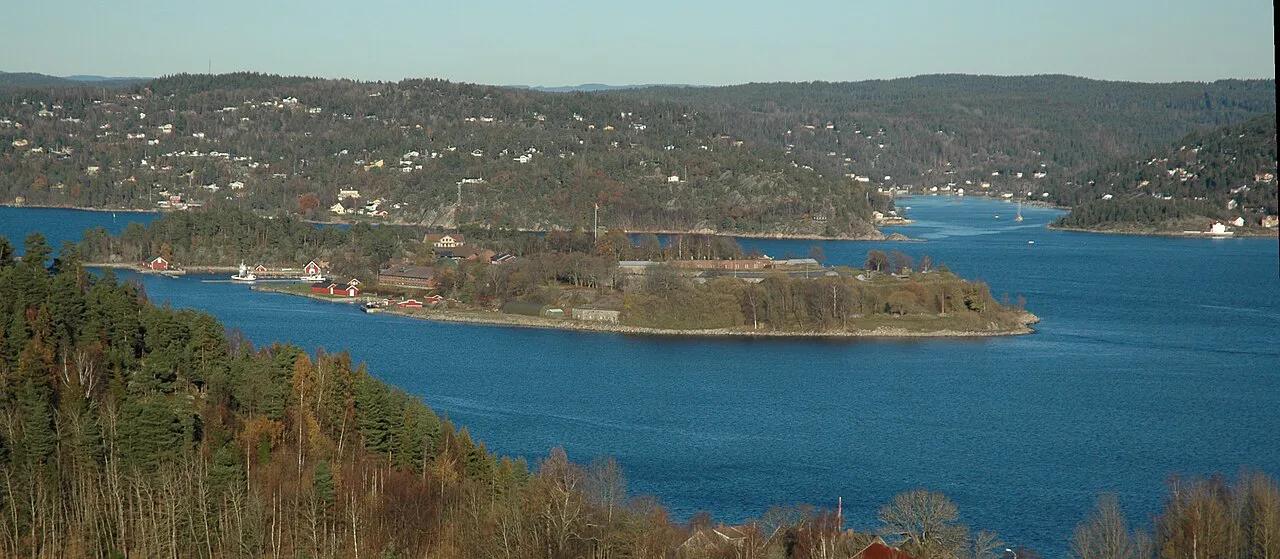
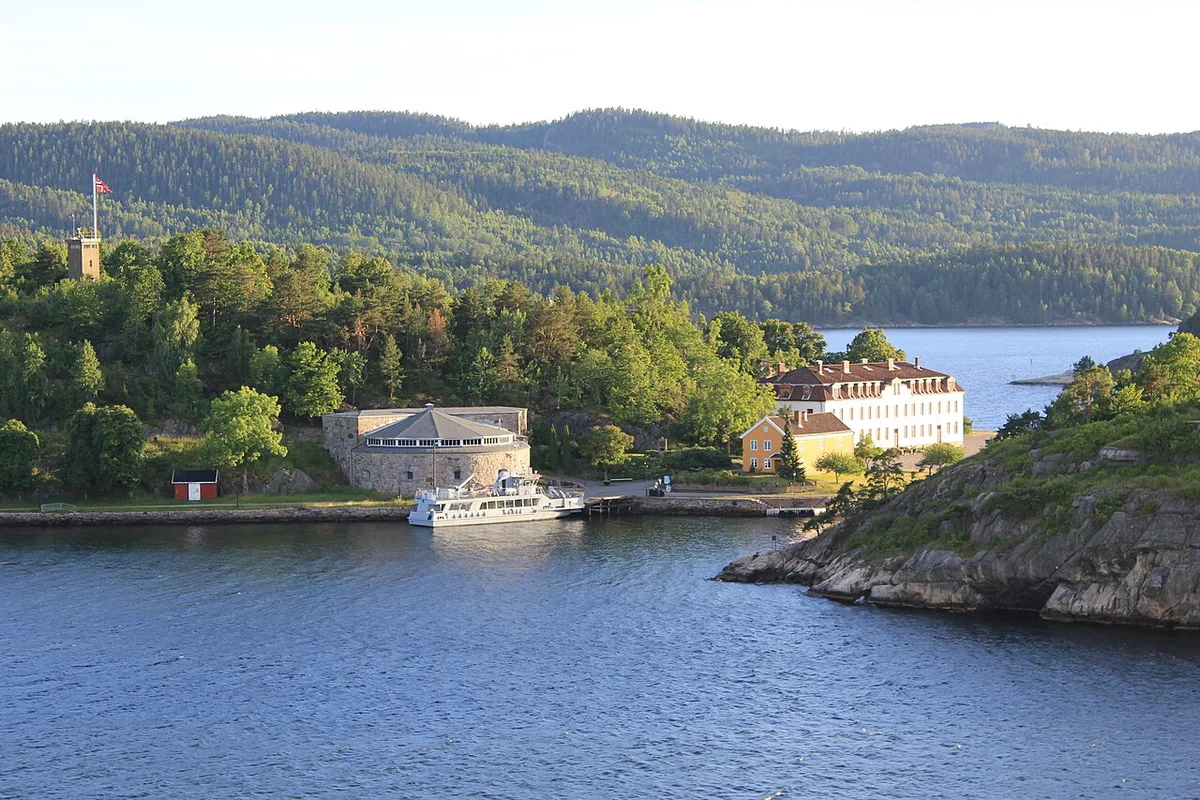
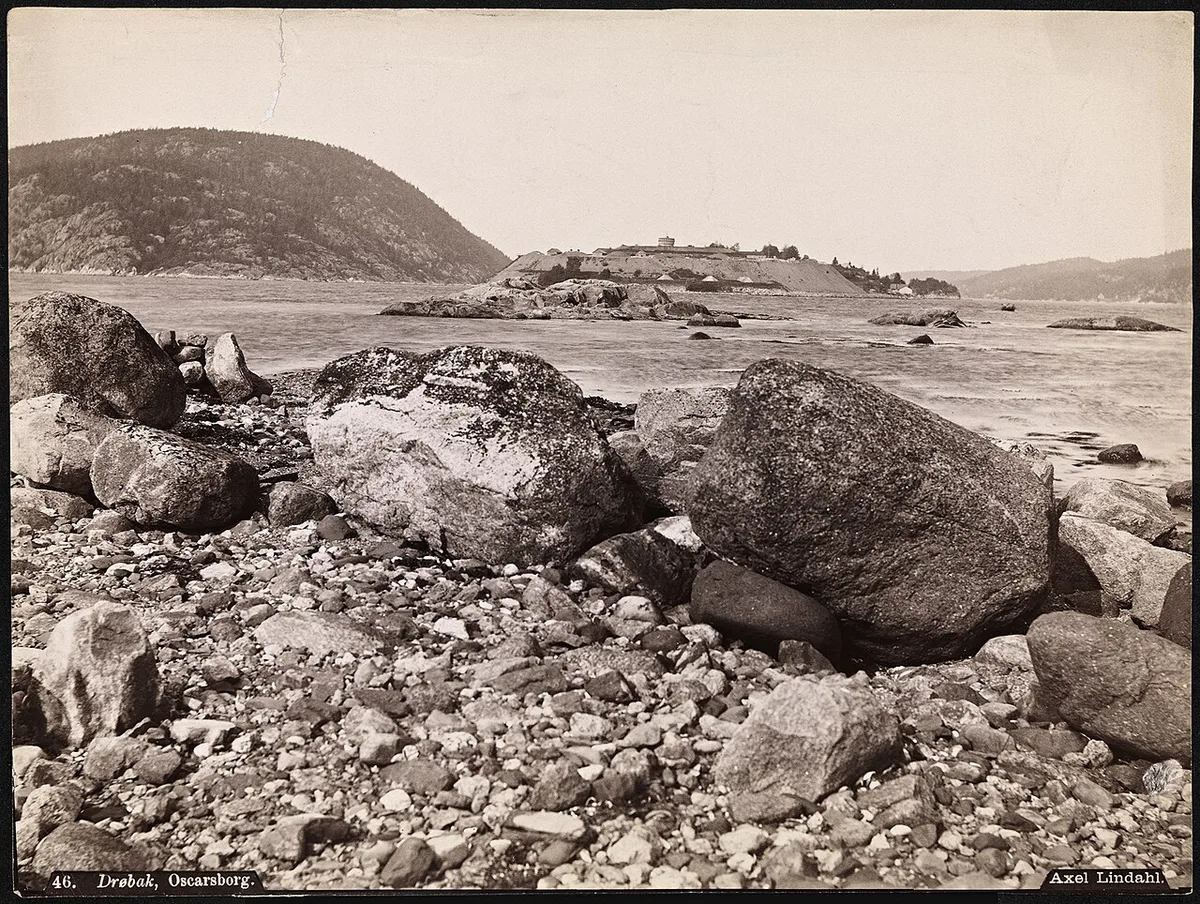
Oscarsborg is a coastal fortress on islands in the narrowest stretch of the inner Oslofjord. Any ship heading for the capital had to pass this bottleneck. It is one of the best-known stops in our guide to WW2 sites in Norway.
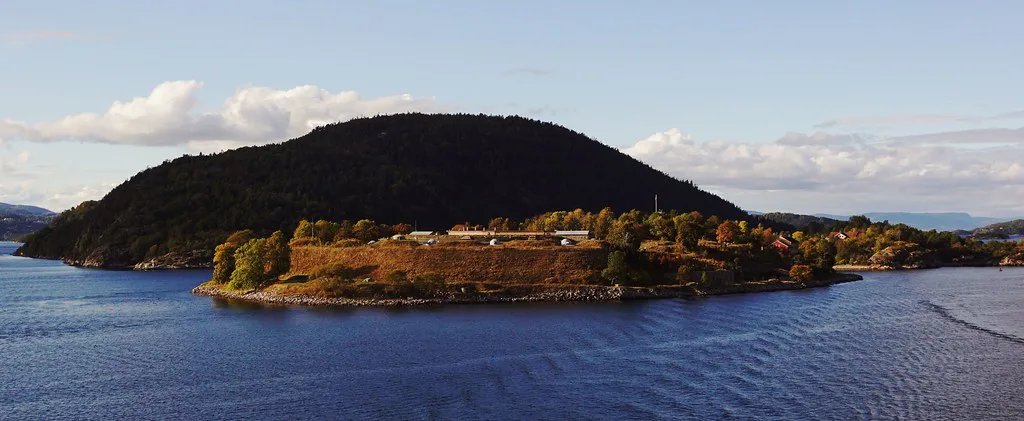
- What it is: a 19th-century island fortress with heavy guns, a rock-cut torpedo battery, tunnels and museums.
- Where it is: the Oslofjord, a short crossing from Drøbak.
- How you get there: ferry from Sundbrygga, the harbour pier in Drøbak.
- How long to allow: 3–4 hours for the fortress alone, longer with a Drøbak walk.
- Who it suits: history readers, families and anyone wanting a fjord day trip from Oslo.
Why Oscarsborg matters: 9 April 1940
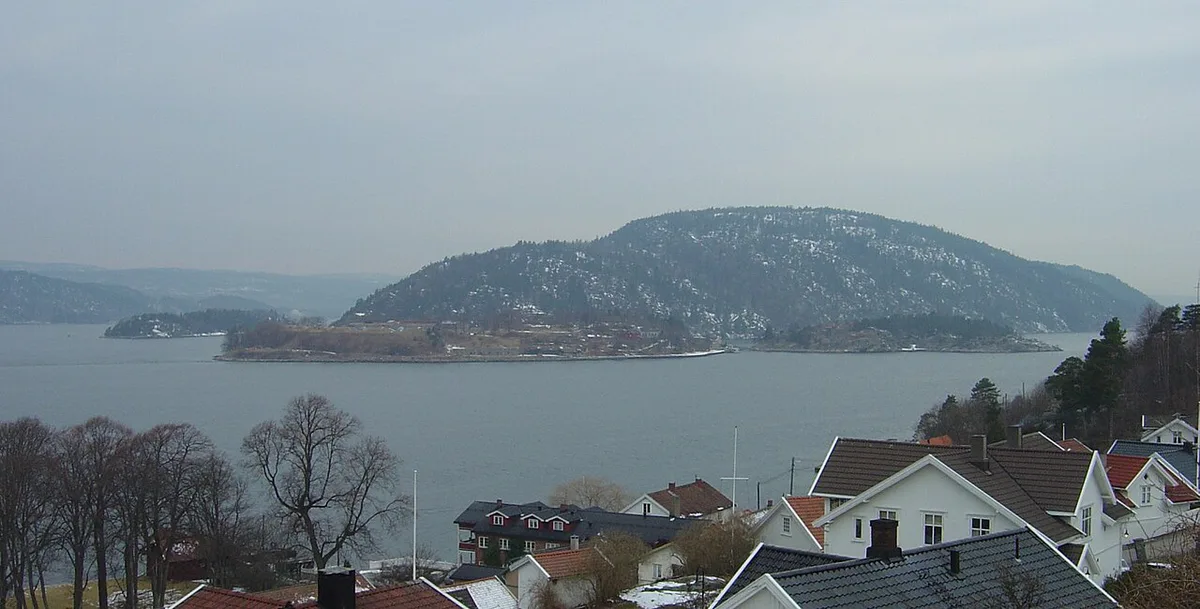
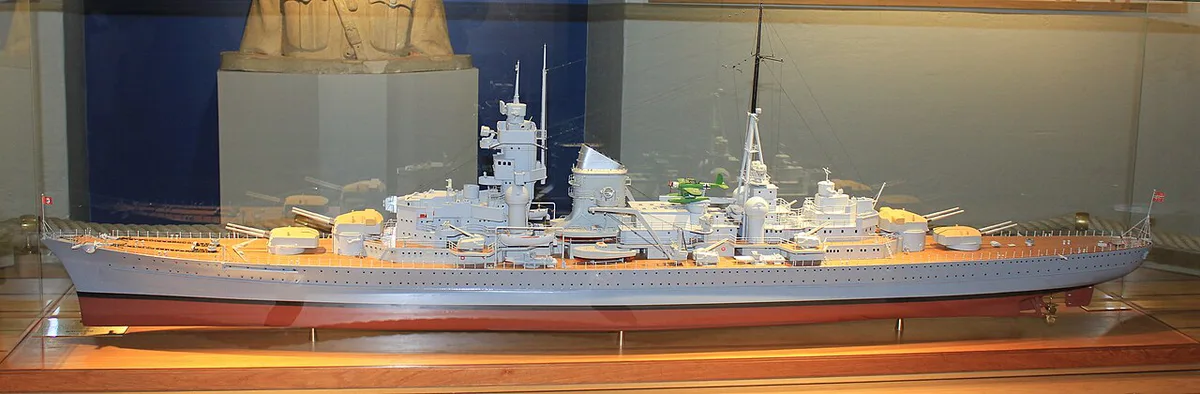
On 9 April 1940, Germany opened Operation Weserübung, its invasion of Norway and Denmark. A fleet of warships entered the Oslofjord at night, heading for Oslo. Its flagship was the heavy cruiser Blücher.
Colonel Birger Eriksen commanded the fortress. Communications were poor and the intentions of the approaching ships were not certain. Later accounts report that he said he would be decorated or court-martialed, then gave the order to fire.
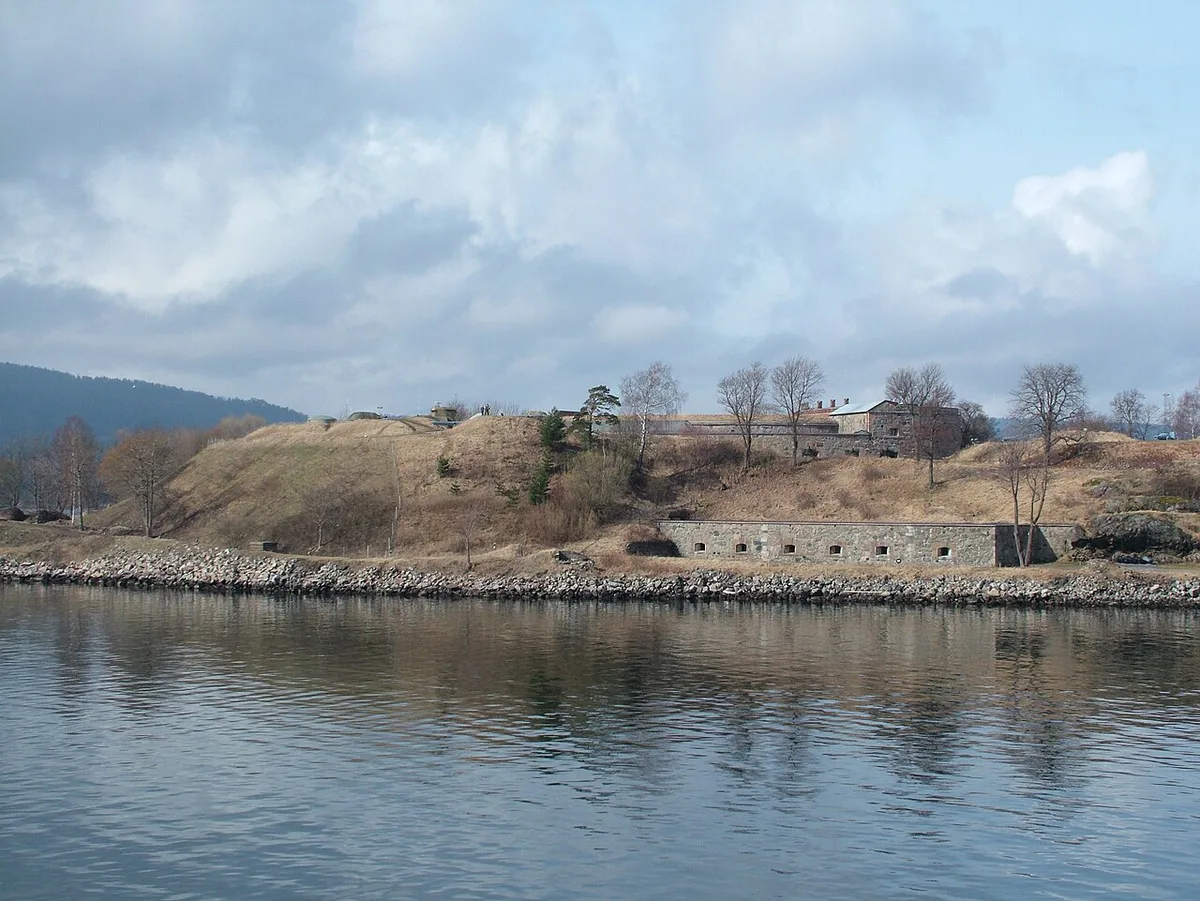
The main battery was a set of 28 cm coastal guns. They carried the names Moses, Aaron and Joshua. Shells set the cruiser on fire. Then 2 torpedoes fired from tubes cut into the rock struck the already burning ship.
Blücher capsized and sank near the fortress. Many German soldiers and sailors died, and the Norwegian Armed Forces museums hold the documented record. The loss stopped the invasion fleet and forced the remaining ships to regroup.
That delay gave King Haakon VII, the government and members of parliament time to leave Oslo. The Norwegian Armed Forces Museum is the place to read the military record. For other sites around the capital, see our Oslo WW2 sites guide.
Getting to Oscarsborg from Oslo and Drøbak
Oslo to Drøbak is the first leg, and the ferry from Sundbrygga is the second. In summer, ferries cross about every 5 minutes. Off-season departures are less frequent, so plan your return crossing before you land.
Prices and hours checked November 2026 against the official channels below. Current fares and timetables are on the fortress site, so check them there.
| Leg | What to do | Where to check |
|---|---|---|
| Oslo to Drøbak | Take public transport or drive south along the fjord | Your local transit operator's journey planner |
| Drøbak harbour | Walk to Sundbrygga, the ferry pier | Drøbak town centre |
| Drøbak to island | Short ferry crossing, most frequent in summer | Oscarsborg Fortress official site |
What to see on the island
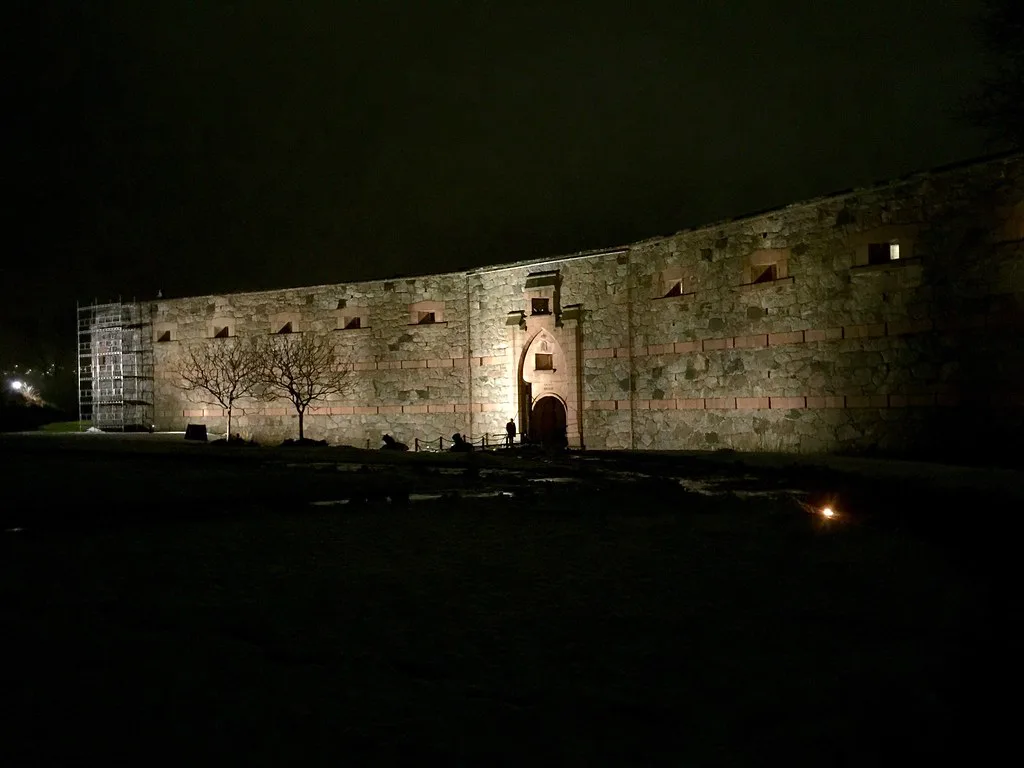
Start with the heavy guns facing the fjord. The 28 cm battery is the reason the fortress still matters. Old cannons, tunnels and barracks survive largely intact.
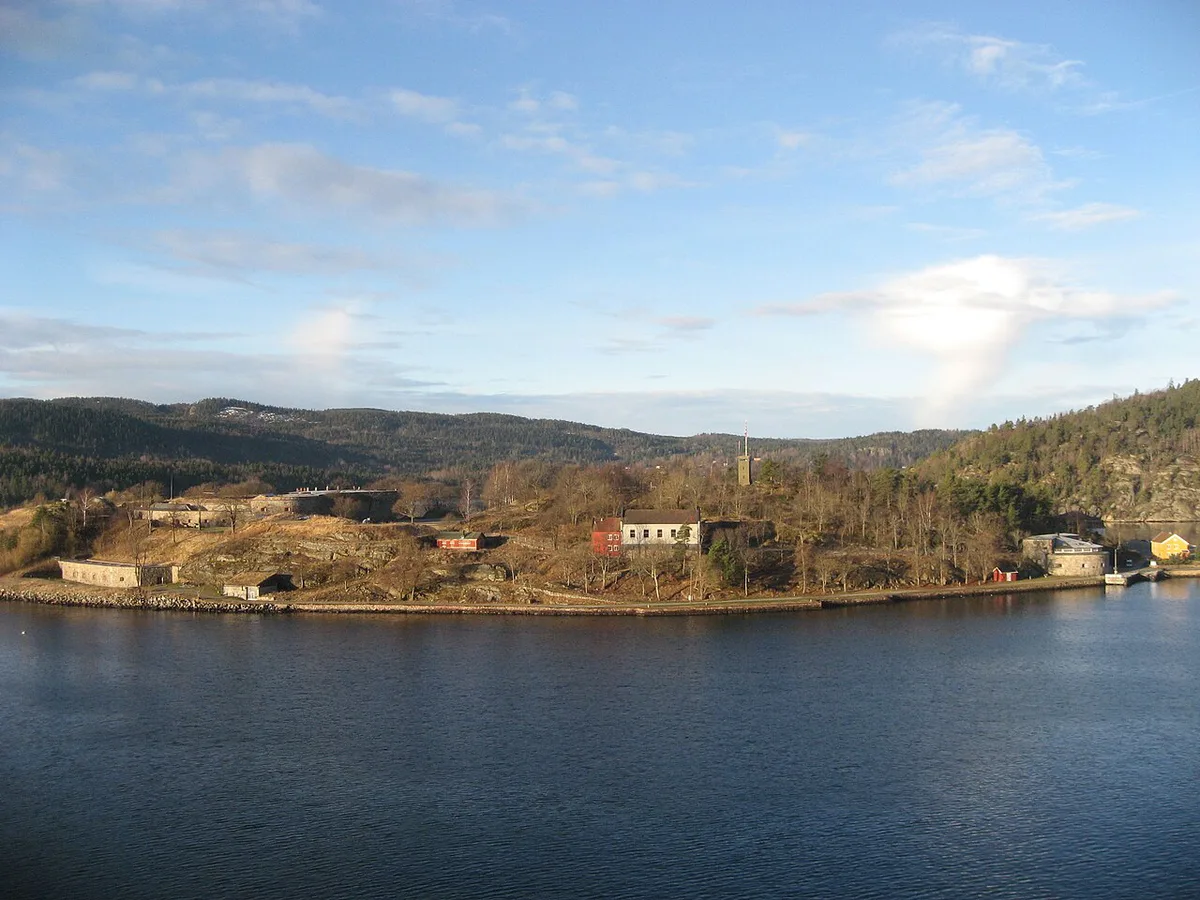
The torpedo battery is hidden in the rock beneath the island. Its tunnels explain how the 2 torpedoes reached Blücher. Museums on the island cover the site's history and the events of 9 April.
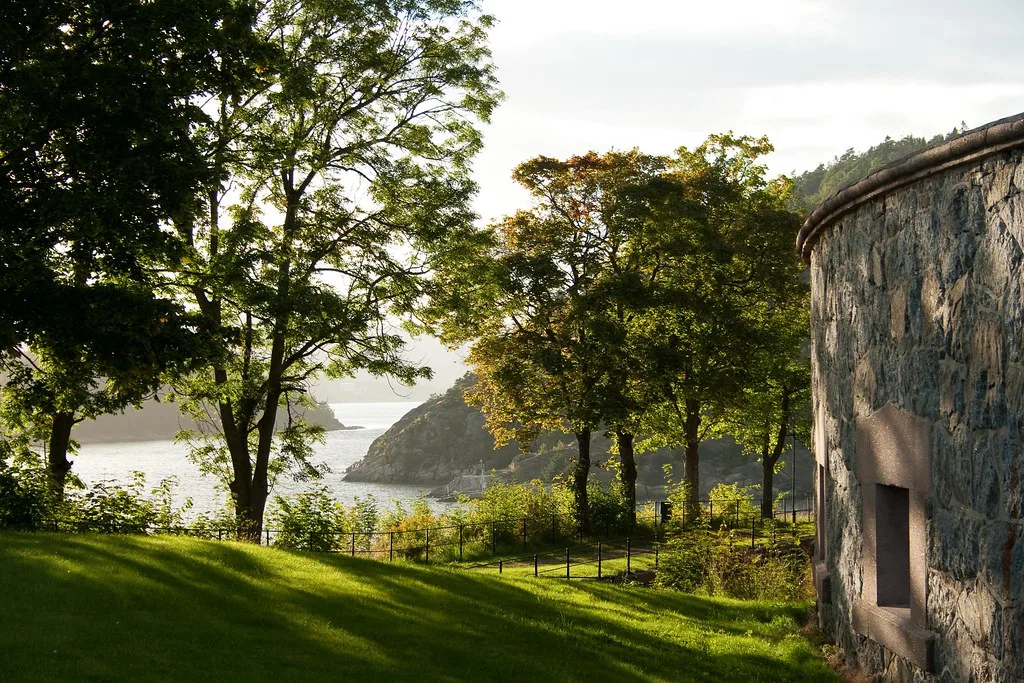
The views along the fjord help you grasp the geography. You can see how narrow the channel is and why ships had no way around the fortress. Bring shoes for uneven ground and stairs. Guided or self-guided access to the tunnels varies, so ask on arrival.
Tickets, opening season and guided tours
No current ticket prices or season dates are confirmed here. The official Oscarsborg Fortress website lists ticket types, the season and guided tours.
How to plan your day at Oscarsborg
Pick the plan that matches your time and the season. Summer brings frequent ferries and open-air concerts, including full operas. Off-season, ferry gaps and limited opening are the main constraints.
Budget 3–4 hours for the fortress alone, and note that summer ferries leave every 5 minutes, so the crossing adds little waiting.
| Plan | Time | Best for |
|---|---|---|
| Fortress only | 3–4 hours | Guns, torpedo battery and museums at an unhurried pace |
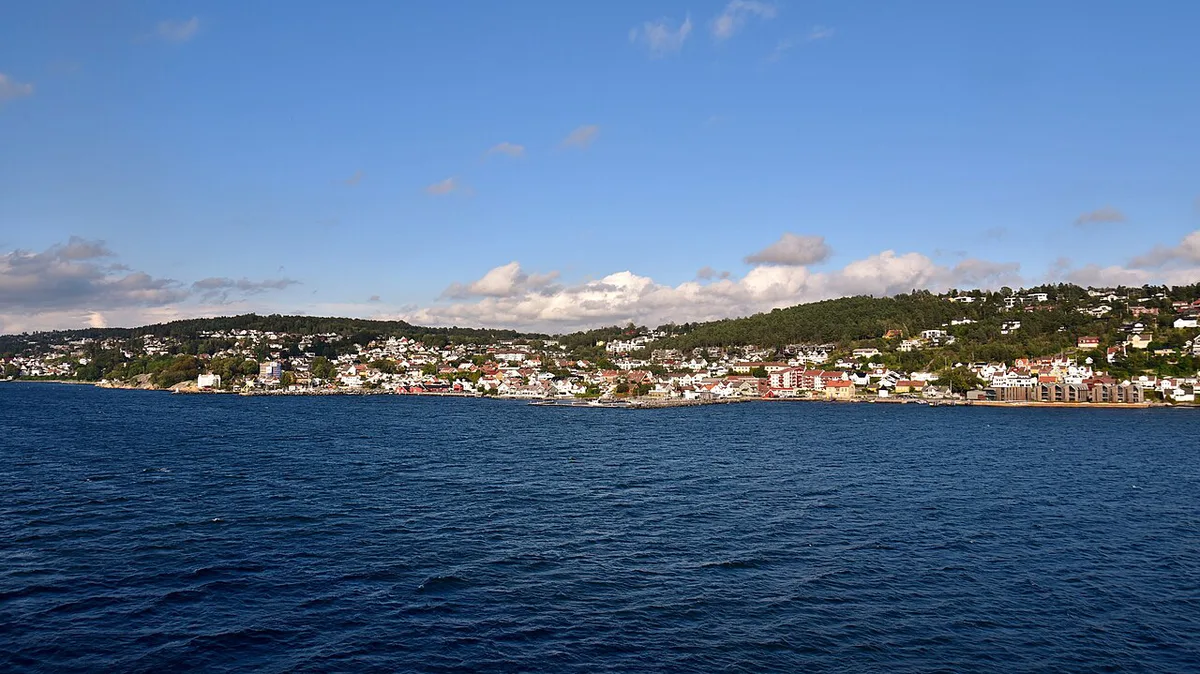
| Fortress plus Drøbak | Half to full day | Adding the wooden houses, the 1776 church and the year-round Christmas House (Julehuset) |
| Overnight stay | 1 night | Evenings on the island after day visitors leave |
Where to eat and stay
The island has a hotel, a spa and a restaurant, according to listings that mention them. Check the official site for current operation before you plan around them. For more choice, eat in Drøbak, where cafés and restaurants line the waterfront near Sundbrygga. Day visitors can take lunch on either side of the crossing.
Mistakes to avoid and who Oscarsborg suits
Do not assume year-round ferries at summer frequency. Do not arrive without checking for events or closures. Do not skip a guided tour if one is offered, because the story is clearer with a guide.
Go if you want the full 9 April story in the place where it happened. Skip it if you only have an hour, since the ferry and walking eat time. The tunnels and uneven ground may limit access for some visitors, so ask the island staff in advance.
- Go if: you want guns, tunnels and a fjord crossing in one trip.
- Skip if: you have under 3 hours.
- Check first: ferry times, events and closures.
Pairing Oscarsborg with other Norway WW2 sites
Oscarsborg shows a Norwegian-built coastal defence at work. For German-built coastal works, see our Atlantic Wall in Norway guide.
For the northern campaign, the Narvik War Museum: What to See and Visit Tips covers fighting in 1940. In the south-west, Bergen's wartime sites show occupation life. The Tirpitz Museum: Denmark Bunker vs the Norway Battleship Sites covers a different battleship story.
Sabotage history sits in Telemark at Vemork and the heavy water story. Coastal raid history is at Telavåg. Farther north, see Finnmark in WW2 and the Blood Road Norway: History and How to Visit.
Frequently Asked Questions
Which ship did the Norwegians sink at Oscarsborg?
Oscarsborg's guns and torpedoes sank the German heavy cruiser Blücher on 9 April 1940. The ship was the flagship of the fleet heading for Oslo.
Is there a movie about the Battle of Oslo?
Yes, the film The King's Choice depicts these events, including the sinking of Blücher at Oscarsborg. It follows the king and government as they left Oslo.
What was the Battle of Oslo?
It was the fight in the Oslofjord on 9 April 1940, when the fortress fired on the invasion fleet. The delay let the king, government and parliament leave the capital.
Keep planning
Guides on the same trip