Naseby Battlefield: Visiting Guide and Tours
Plan a visit to Naseby Battlefield: what you can see, how to get there, guided tours, access limits, and whether it is worth the trip.
In this guide
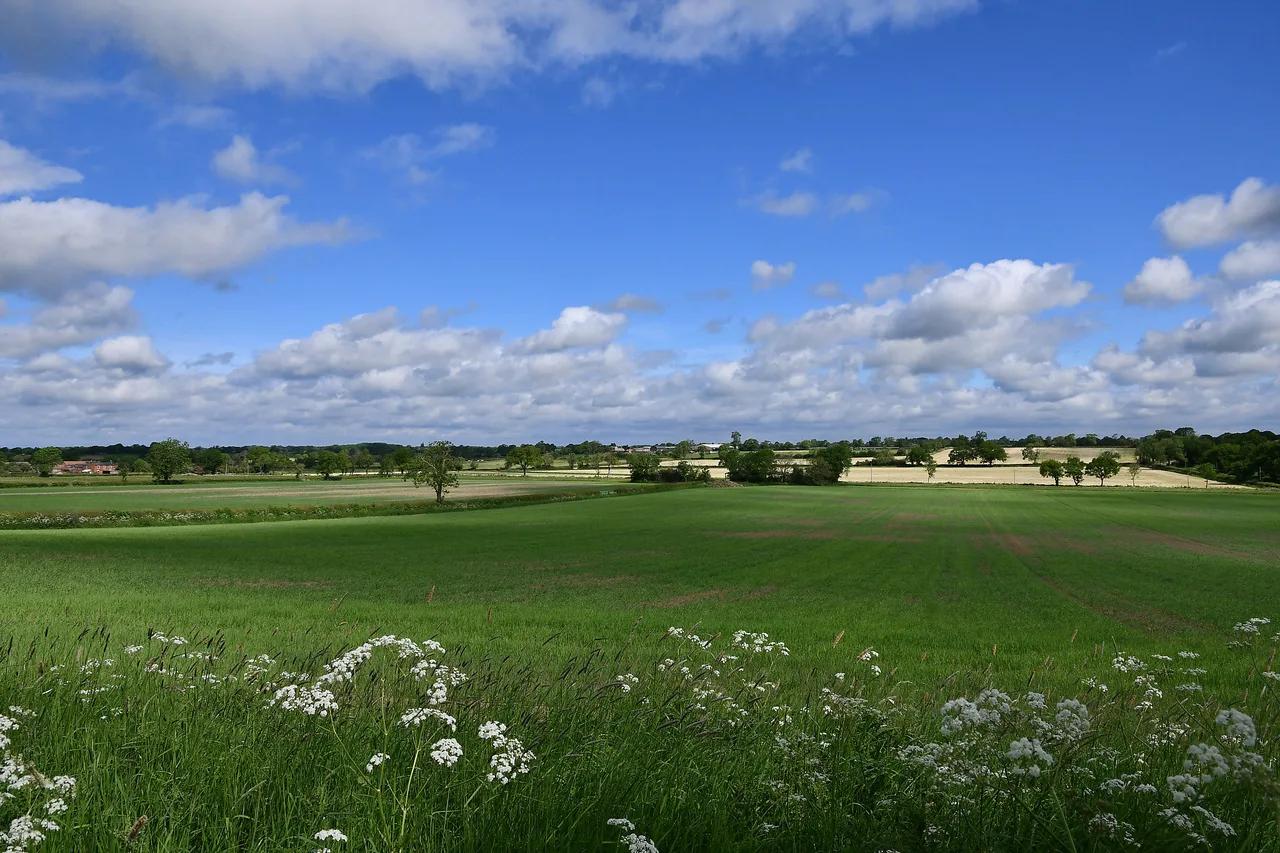
Last updated November 2026: Naseby battlefield lies near Naseby village in Northamptonshire, where Parliament's New Model Army beat Charles I's Royalists on 14 June 1645. We rate it worth the trip for Civil War readers and landscape lovers, but not for anyone expecting a visitor centre. Book a guided tour if you can, because on-site interpretation is limited.
Featured image: martin_vmorris, CC BY-SA 2.0, via Flickr.
Is Naseby battlefield worth visiting?
Our verdict is yes, with the right expectations. According to the Battlefields Trust battle page, the field is relatively well preserved and easy to reach on minor roads. Those roads give a good feel for the landscape. Few rights of way cross it, though, so there is little chance to explore on foot. The same page admits that interpretation does not match the battle's national significance. Naseby rewards visitors who read the ground. It disappoints anyone who wants a trail, a café and a ticket desk.
- Best for: Civil War and military-history readers, people who enjoy reading a landscape, and anyone who books a guided tour.
- Skip if: you want a visitor centre, waymarked trails or facilities on site, and you are not booking a tour.
The Battle of Naseby in five minutes
Naseby was fought on the foggy morning of 14 June 1645 during the First English Civil War. Sir Thomas Fairfax and Oliver Cromwell led the Parliamentarian New Model Army, with Henry Ireton and Philip Skippon among the senior officers. Charles I and Prince Rupert led the Royalists, supported by Lord Astley and Sir Marmaduke Langdale. Parliament won decisively. The Battlefields Trust gives a start of about 9:00am and a length of around 3 hours.
Troop numbers differ between sources, so treat every figure as an estimate. The Trust puts the Royalists at about 12,000 and the Parliamentarians at around 15,000. The National Army Museum gives about 10,000 Royalists and 12,000 Parliamentarians. Losses are also contested. The Trust records about 1,000 Royalist and fewer than 150 Parliamentarian casualties, while other accounts say over 4,500 Royalists were captured.
Where Naseby battlefield is and how to reach it
The Trust locates the battle securely north of Naseby village, fought in open fields. Its grid reference is SP684799 (468490, 279990). Use OS Landranger 141 or OS Explorer 223 to find the ground on a map. The Trust also hosts a downloadable Naseby battlefield OS Explorer map, which helps with planning.
For orientation, the Royalists first stood on a ridge between Little Oxendon and East Farndon, about 2 miles (3.2 km) south of Market Harborough. Clipston sits just over a mile north of Naseby ridge. After the fighting, some of Ireton's cavalry fled as far as Northampton, 15 miles (24 km) away.

We would drive. The Trust stresses access on minor roads, and we found no published bus or rail details for the field itself. Parking spots, toilets and food are not listed on the Trust page either. Ask the tour organiser or the local council before you set out, and expect narrow lanes.
What you can actually see on a visit
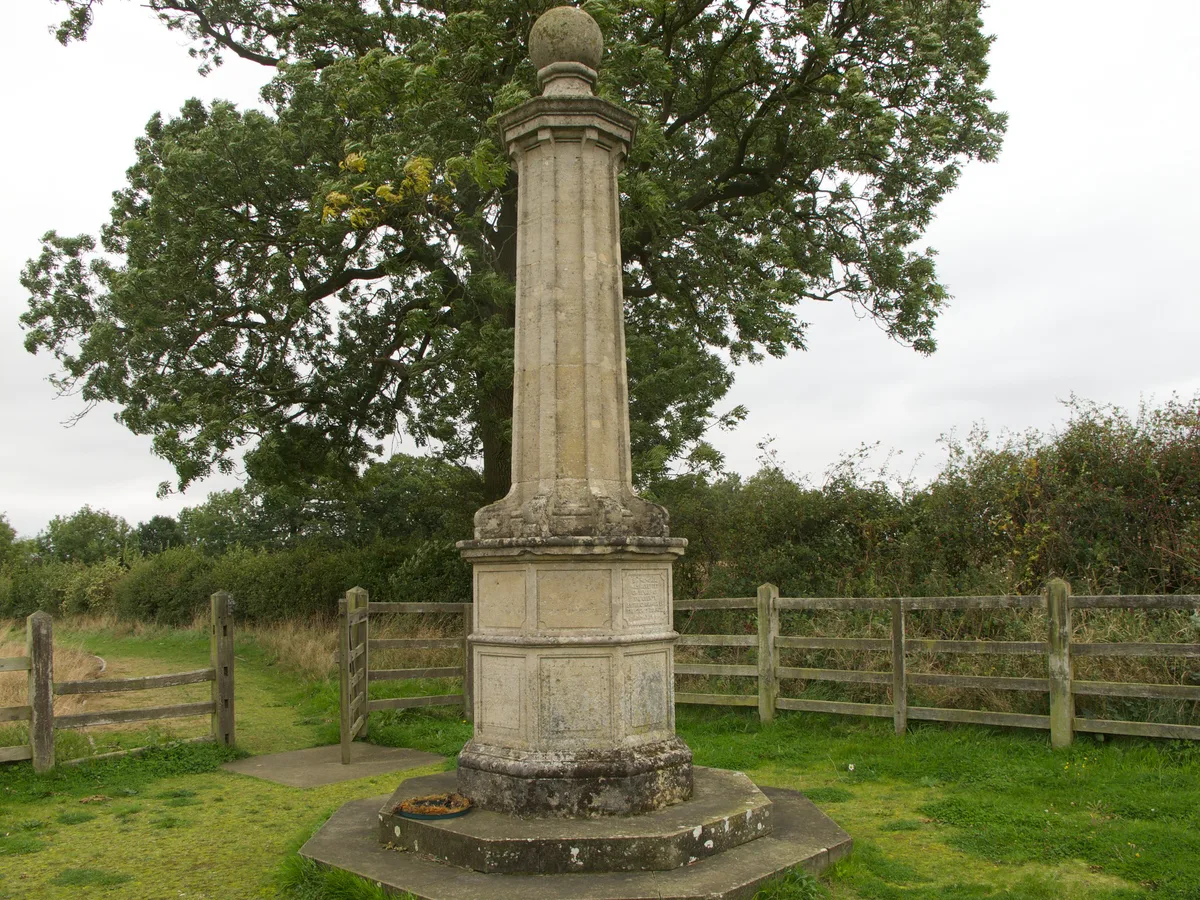
You will see open farmland, the gentle Naseby ridge, the village and the memorials. The Trust lists 9 memorials for the battle. Check their exact positions on the Trust page before you plan a stop, because we have not verified each one. Most of the ground is private farmland. Few rights of way cross it, so much of the view comes from the roadside.
Visitors can check positions for 9 memorials, but a guide can reach land that the roadside never allows.
That limited access shapes the visit. A short loop by car with a map teaches more than wandering without one.
- Stay on public roads and rights of way, and keep to the verge on narrow lanes.
- Do not cross field boundaries or gates onto private farmland.
- Do not metal detect. The musket balls scattered here are the evidence that locates the fighting.
- Park considerately so that farm vehicles can pass, and check conditions after heavy rain.
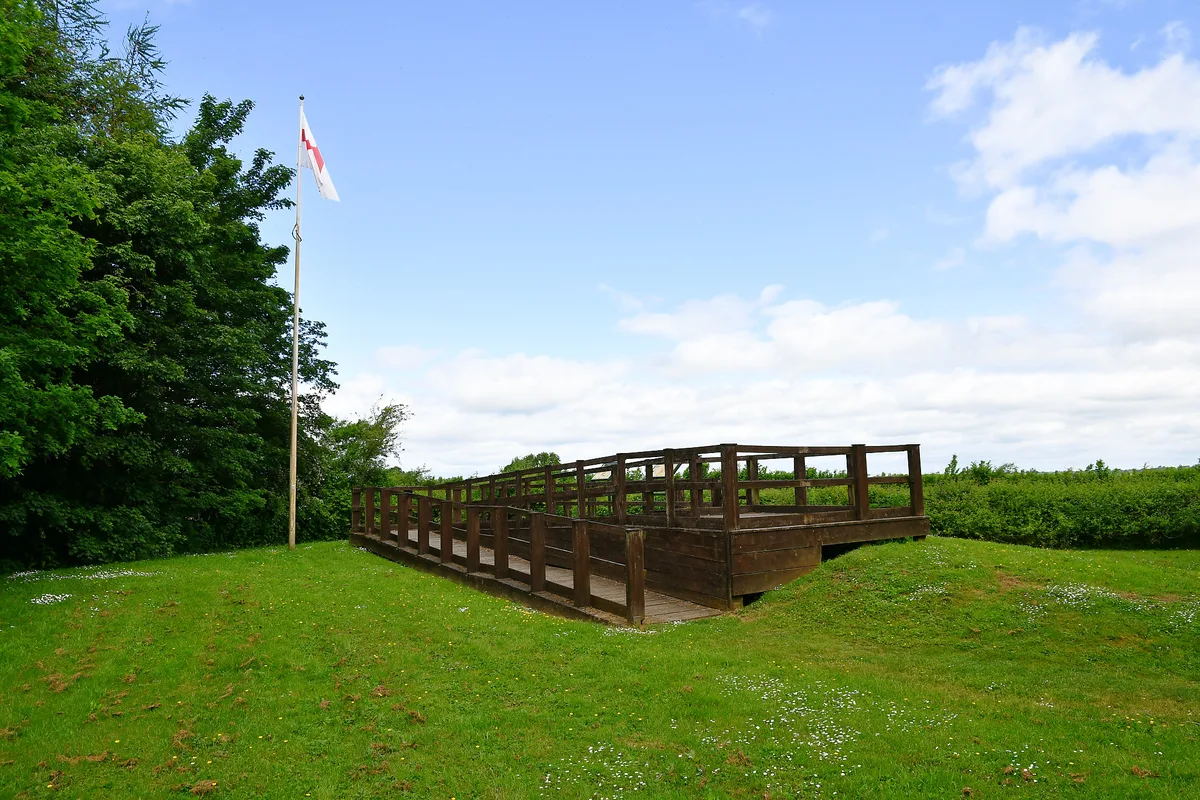
Naseby battlefield tours: how to see it properly
The Naseby Battlefield Project runs expert-led public and bespoke tours, eight times a year. Its tour page lists 2 public dates in 2027: Saturday 17 April (AM) and Saturday 8 May (AM). Reenactor groups often join, though not on every tour. Book through the Project's website, where the current price, meeting point, group size and accessibility details are published.
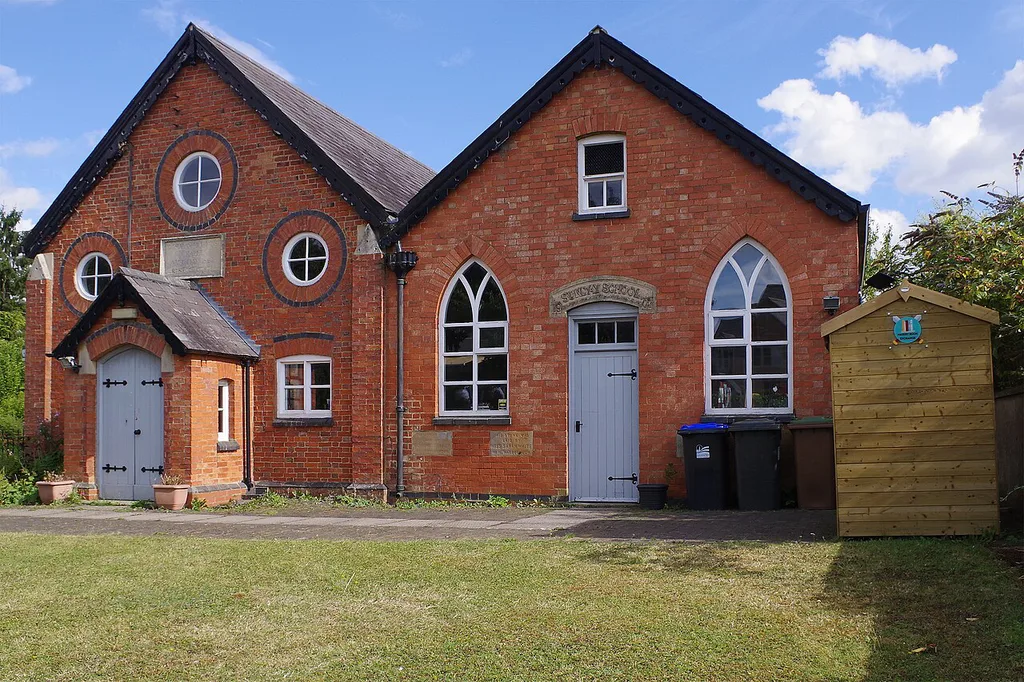
We would pick a tour over a self-guided drive for a first visit. A guide can take you onto land the public cannot reach, which the roadside never allows.
Guided or self-guided: which suits you?
This table compares the two options. Tour fees are set by the Project, so read its booking page before you commit.
| Factor | Guided tour | Self-guided drive |
|---|---|---|
| Time needed | Set by the tour; see booking page | 1 to 2 hours for a drive-and-viewpoint loop |
| Cost | Set by the Project; see booking page | No entry fee to look from public roads |
| Access | Expert-led access beyond the roadside | Minor roads and few rights of way |
| Understanding gained | Highest: stories, reenactors, deployment on the ground | Moderate: depends on your map and reading |
| Best for | First-time visitors and serious history readers | Confident map readers on a flexible schedule |
| Fog or rain | Check the Project's updates before the day | Narrow lanes and mud can limit stops |
| Crops and season | Field use changes what you can reach | Crops may block views over hedges |
Suggested visit plans
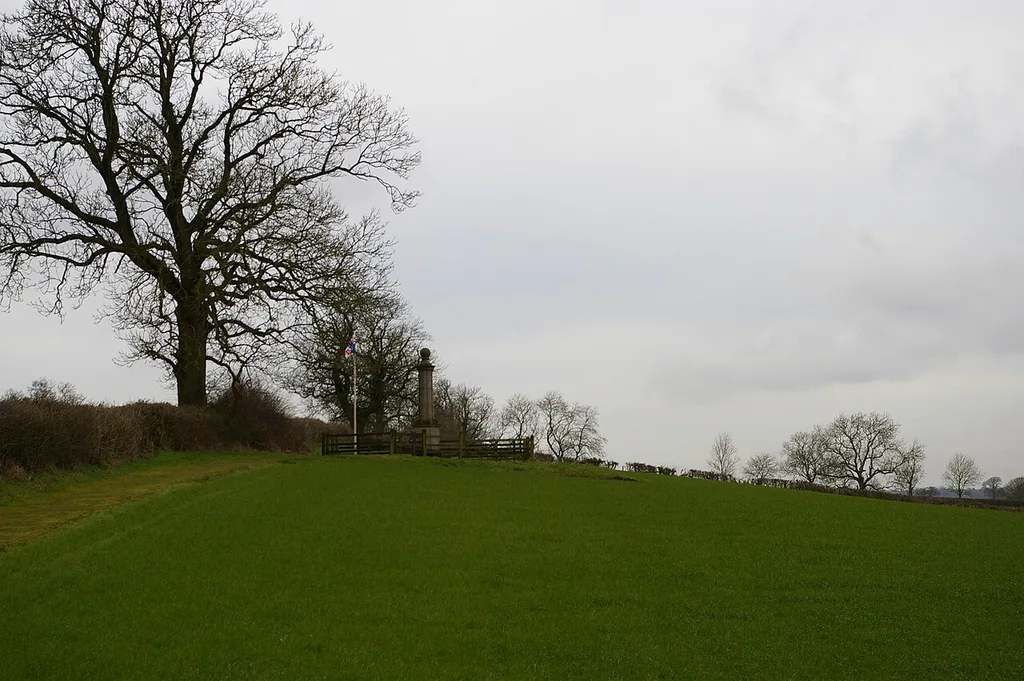
For a short outing, drive a 1 to 2 hour loop between Clipston and Naseby village. Stop at safe verges, read the map, and look across the ridge. Park only where lanes stay clear.
A 1 to 2 hour loop covers less time than the battle itself, which the Trust times at around 3 hours.
For half a day, begin in Market Harborough, which sits about 2 miles (3.2 km) north of the Royalists' first ridge. Then drive to Clipston and on to Naseby. We have not verified opening times for any stop on this route, so check each one locally.
- Market Harborough: orientation stop before the battlefield.
- Clipston: Royalists first saw Fairfax's position here.
- Naseby village: start of the ridge and memorial search.
Reading the landscape: what to look for
A map and a few landmarks turn a plain field into a battle plan. Use the checklist below with OS Explorer 223 in your hand.
- Clipston approach: the Royalists reached it just over a mile north of Naseby ridge and only then saw Fairfax's army.
- Clipston–Naseby track and Sulby Hedges: the Royalist front of about 1.5 miles ran between them. Cromwell sent Colonel Okey's dragoons into the hedges to fire on Rupert's cavalry.
- Naseby ridge: Fairfax drew up a mile north of Naseby, with some troops behind the crest on the reverse slope.
- Long Hold Spinney: musket-ball evidence places the last stand of the Royalist infantry about 1 km (0.62 miles) behind their original positions.
- Castle Yard (Wadborough Hill): fugitives tried to rally here, about 1.5 miles (2.4 km) behind the original line.
Why Naseby mattered, and what to read next
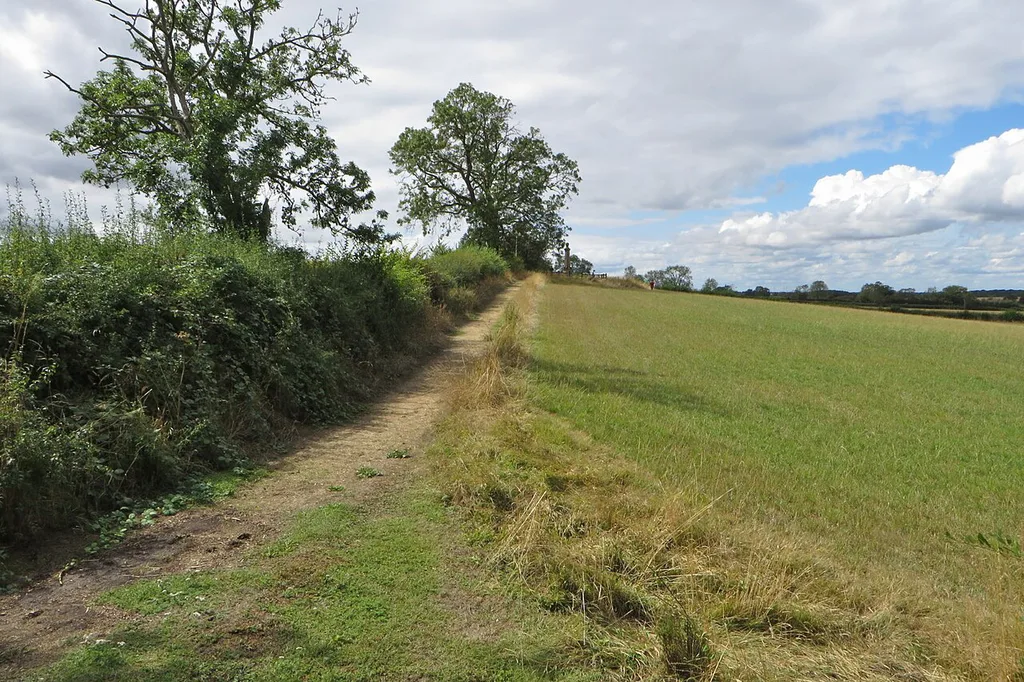
Naseby destroyed the main Royalist field army, and Charles never fielded a force of comparable quality again. The captured King's Cabinet papers, published by Parliament, damaged his cause further. The Naseby Battlefield Project argues that the battle was the birthplace of modern western democracy. Other historians would put it more cautiously. For the wider story, see other Civil War sites in England.
For further reading, start with the Battlefields Trust battle page, the Historic England Battlefields Register entry and the National Army Museum's Naseby page. The Project's podcast on how landscape shaped the battle is also worth a listen before you visit.
How Naseby compares with other British battlefields
Judge any battlefield on three criteria: how much interpretation it offers, how easy access is, and how much of the ground still looks as it did. Naseby scores well on preservation and thinly on interpretation. Our guide to historic British battlefields compares many more.
For other Wars of the Roses fields, see Towton, Tewkesbury and Bosworth. Bosworth has a heritage centre. Hastings offers a comparison on national significance.
For open ground in Scotland and Northumberland, try Flodden or Killiecrankie. Visitor-centre experiences such as the Battle of Bannockburn Visitor Centre: Visit Guide and the Wallace Monument, Stirling: Visit Guide and Tips show what Naseby lacks.
Frequently Asked Questions
Can you visit Naseby battlefield?
Yes, you can see it from minor roads near Naseby village. Few rights of way cross the private farmland, so walking is limited. The Naseby Battlefield Project runs public tours eight times a year.
How many casualties were there in the Battle of Naseby?
Sources differ, so treat figures as estimates. The Battlefields Trust gives about 1,000 Royalist and fewer than 150 Parliamentarian casualties. Other accounts record over 4,500 Royalists captured.
Keep planning
Guides on the same trip