Bosworth Battlefield: Visitor Guide, Trail & Planning Tips
Plan a visit to Bosworth Battlefield: what you'll see, the waymarked trail, getting there, and how to pair it with Leicester's Richard III sites.
In this guide
Last updated November 2026: Bosworth Battlefield Heritage Centre and Country Park is at Sutton Cheney near Market Bosworth in Leicestershire, and Leicestershire County Council runs it. Visiting Bosworth Battlefield means a visitor centre on Ambion Hill and a waymarked trail across open fields and woodland. Fighting here on 22 August 1485 ended with Richard III dead and Henry Tudor on his way to the throne.
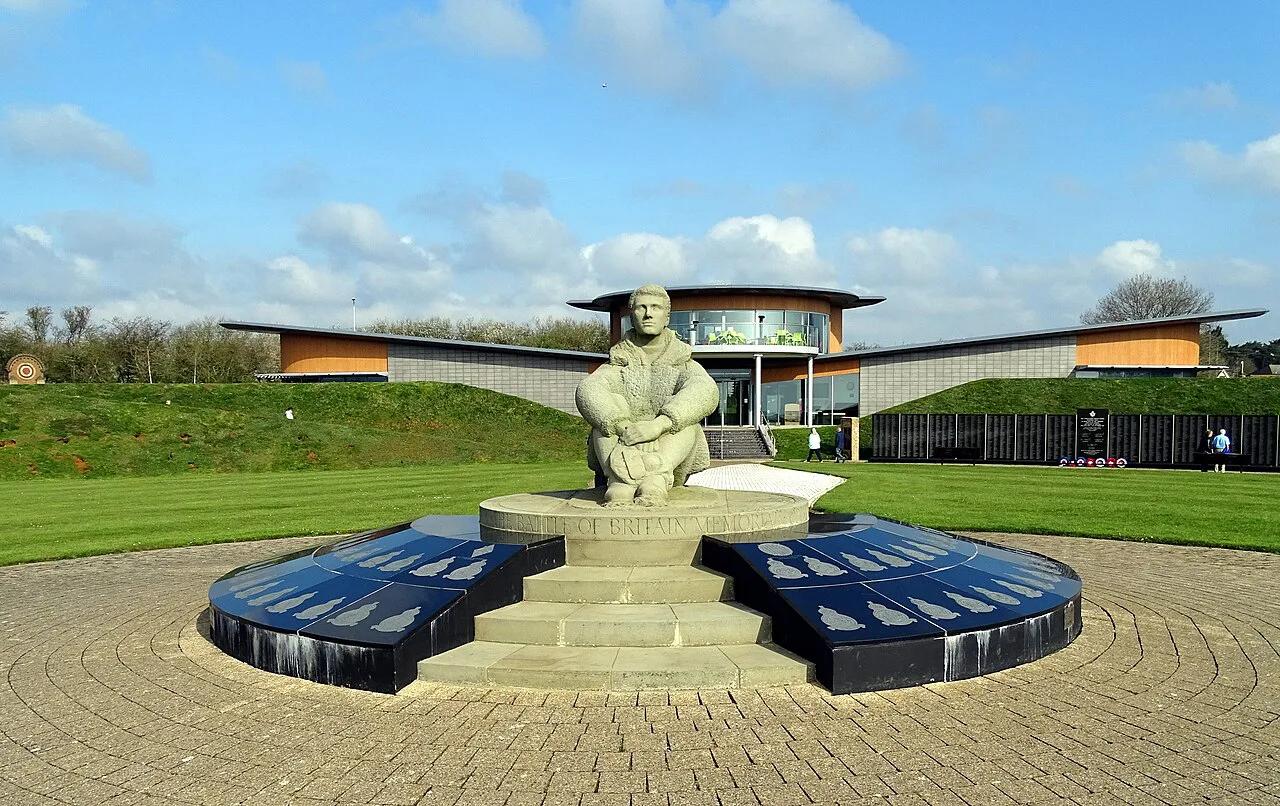
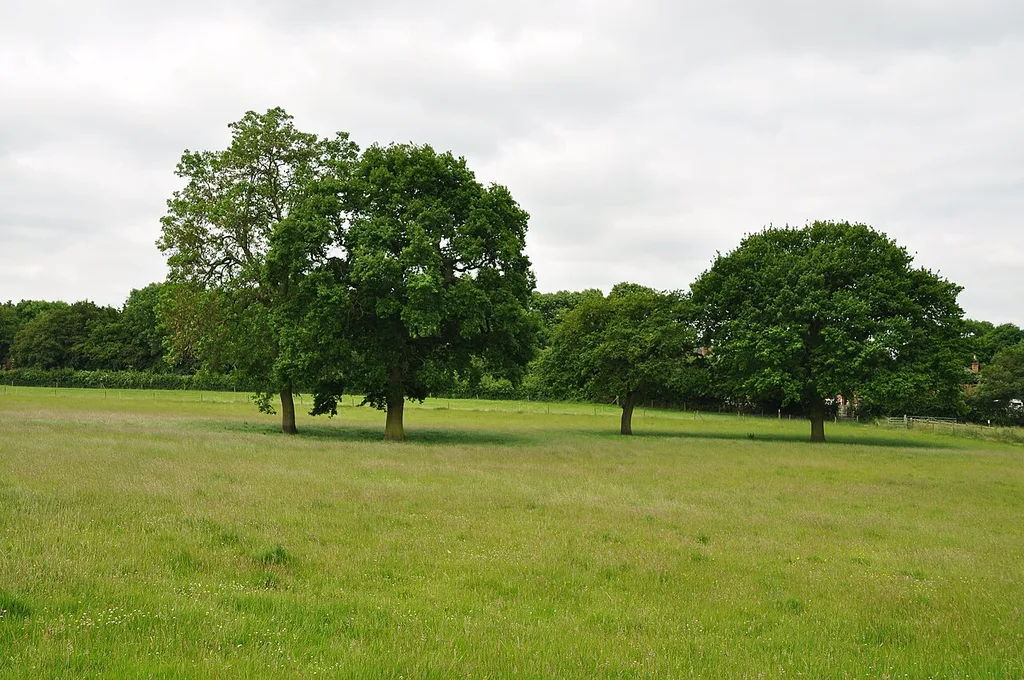
Featured image: kitmasterbloke, CC BY 2.0, via Flickr.
Bosworth Battlefield at a Glance
Bosworth Battlefield is a Leicestershire site with a visitor centre on Ambion Hill and a waymarked trail with audio points. It rewards walkers and history readers who want the landscape and the story. It disappoints anyone expecting a large interactive museum. Our verdict: worth it for the setting and the context, less so as a rainy-day museum stop.
- Location: Sutton Cheney, near Market Bosworth, Leicestershire.
- Run by: Leicestershire County Council.
- On site: visitor centre, exhibition, café in a tithe barn, gift shop, waymarked trail with markers and audio points.
- Best for: walkers, Wars of the Roses readers, and anyone pairing the field with Leicester's Richard III story.
- Skip if: you want a big museum, or you dislike open fields with few dramatic features.
What Happened at Bosworth (Short Version)
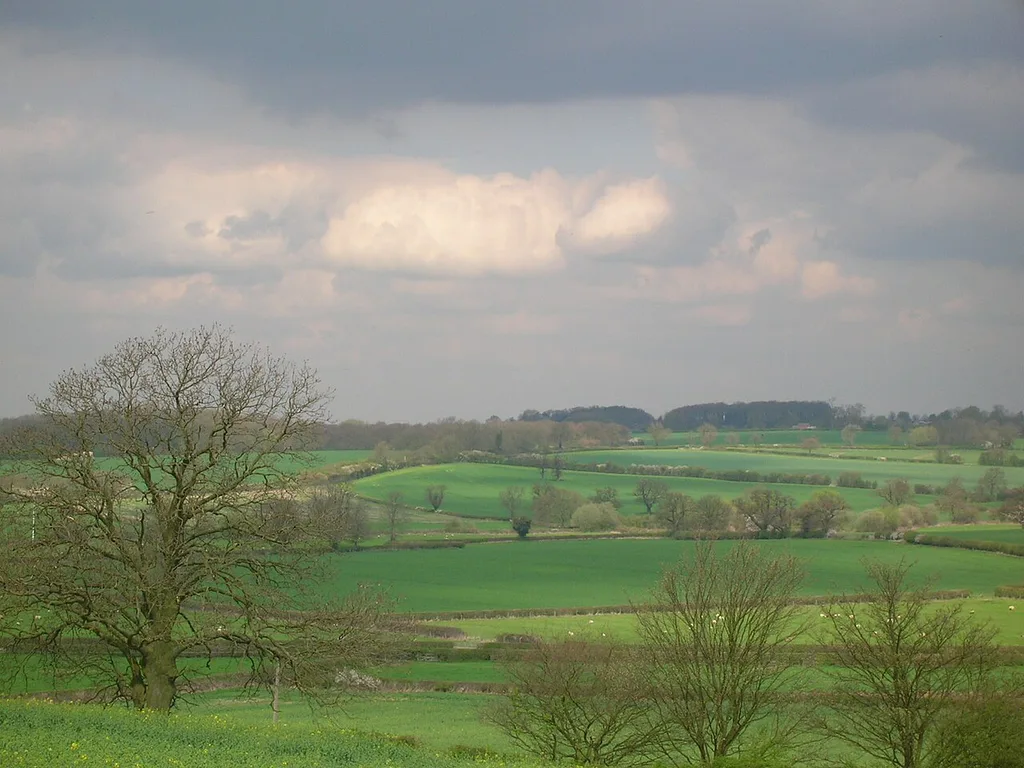
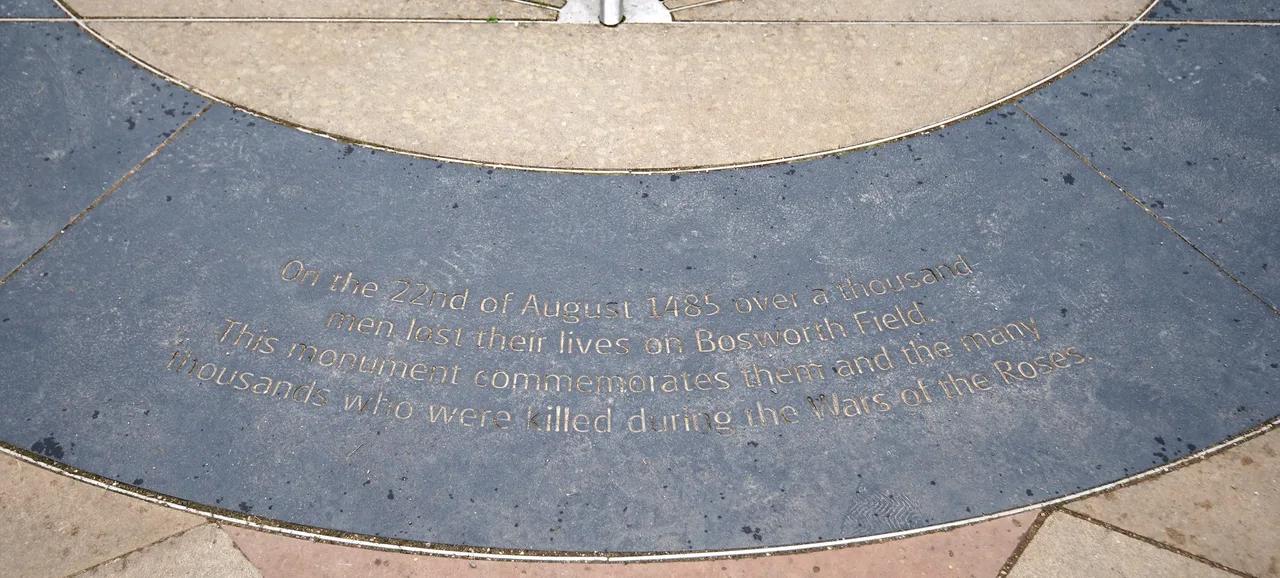
On 22 August 1485, Richard III's army met the forces of Henry Tudor in Leicestershire. It was the last significant battle of the Wars of the Roses, the dynastic struggle between York and Lancaster. Estimates put Richard's army at about 15,000, including about 6,000 under the Stanleys. Henry's force is estimated at about 5,000. Treat these as rough figures. Fighting was short, and deaths were probably no more than 1,200.
Richard led a charge toward Henry's party. Then the Stanleys, who had held back from the main army, intervened on Henry's side. Richard was pulled from his horse and killed, and he was the last English king to die in battle. Henry became Henry VII, and the Plantagenet line ended.
Richard's reputation as a villain is contested, because much of it comes from Tudor-era writing. Where the fighting took place is also debated. Older accounts point to marshy ground near Ambion Hill, between Sutton Cheney and Stoke Golding. For the current archaeological view, follow the Battlefields Trust.
Other Wars of the Roses fields are Towton in Yorkshire and Tewkesbury's battle site.
What You Can Actually See and Do
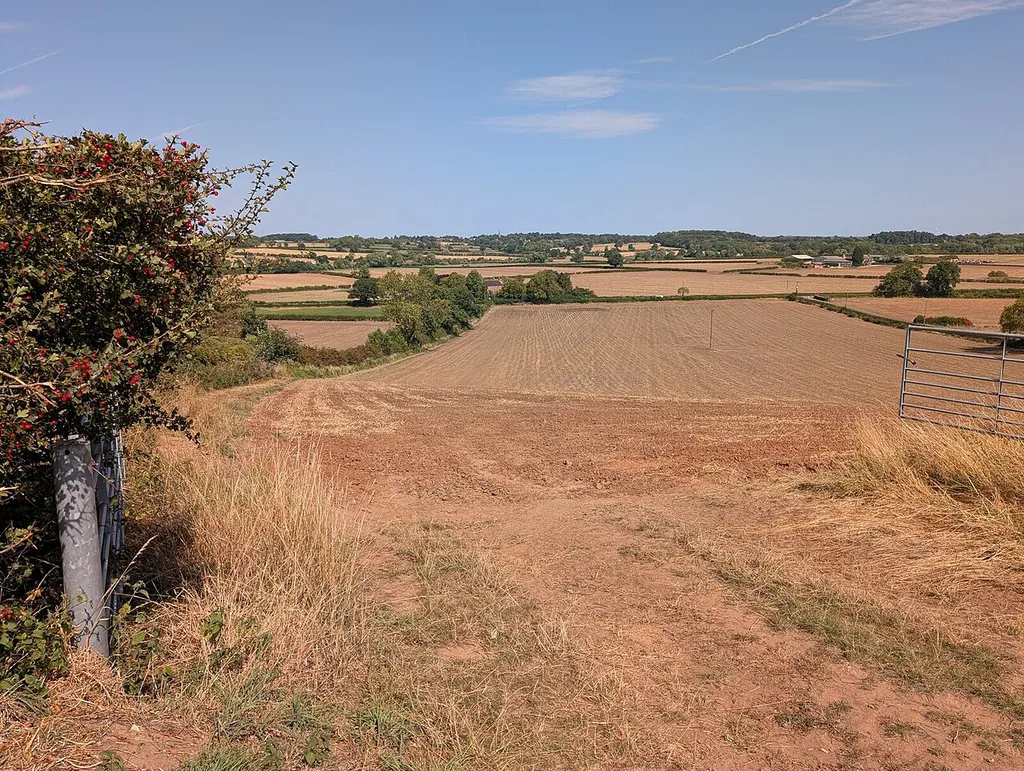
Start at the visitor centre on Ambion Hill, where Richard's army is said to have camped before the battle. Inside are an exhibition, a gift shop and a café in an old tithe barn. Check the Bosworth Battlefield Heritage Centre site for what is open on your day, since the exhibition and shop have been closed while the café ran.
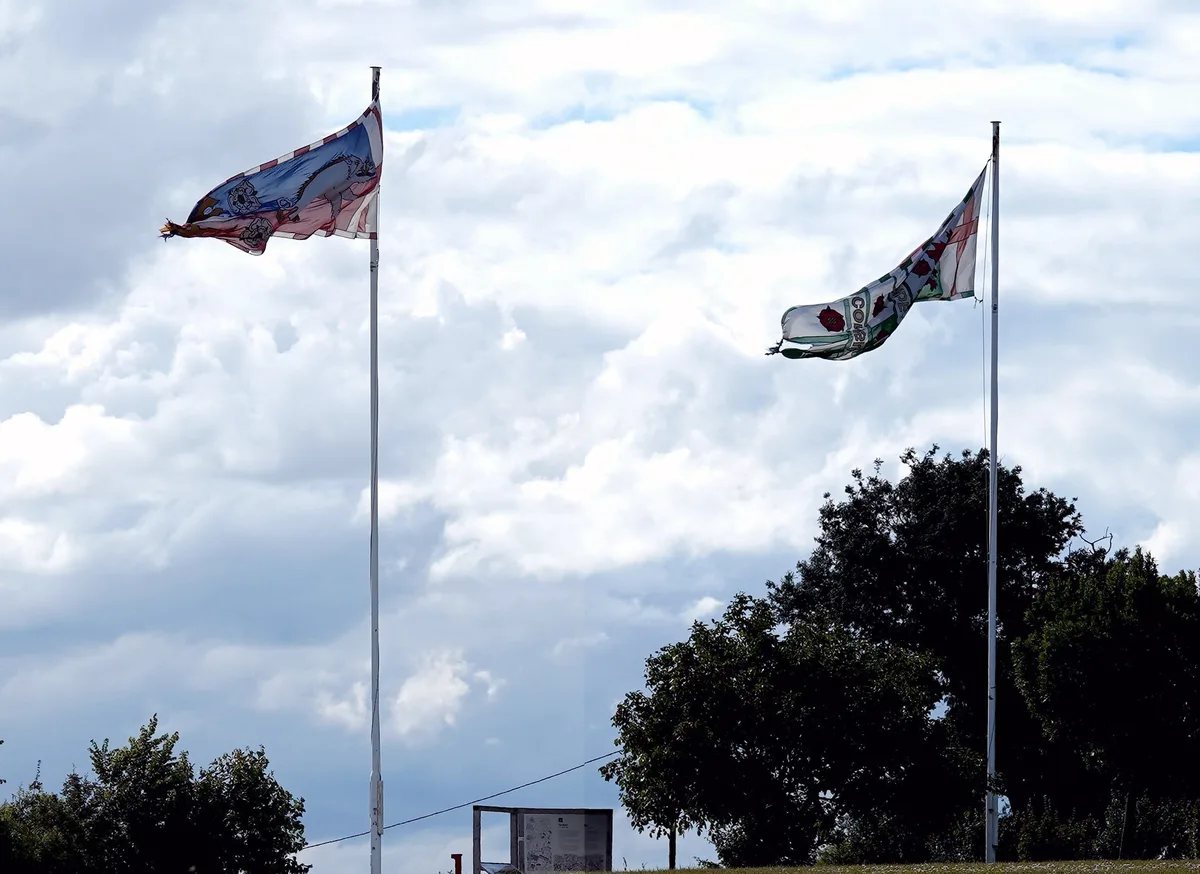
A waymarked trail leads around the battlefield. Markers explain points of interest, and some carry audio commentary. Paths are well maintained and the walk passes fields, trees and plenty of birdlife.
Be realistic about atmosphere. Noise from a nearby race track and aircraft overhead can break the spell. Nobody can point to the exact spot where Richard fell, so the walk takes some imagination.
A 19th-century cairn stands over a well that Richard is said to have drunk from before the battle. Events and re-enactments run around the anniversary in August. Check the official events page before you plan around one.
How Long to Allow at Bosworth Battlefield
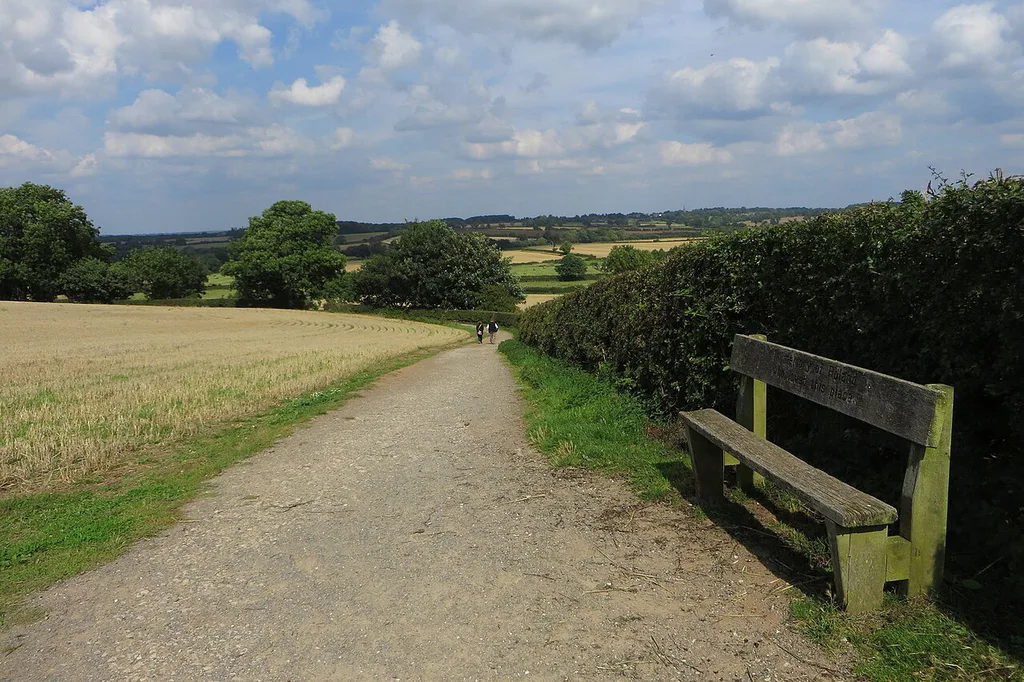
Official trail details give the real length, so check them before you set a schedule. Use this table to choose the shape of your day.
| Option | What it covers | Best for |
|---|---|---|
| Quick stop | Car park, café, a look at the exhibition if open | Drivers passing through Leicestershire |
| Trail walk | Visitor centre plus the full waymarked trail and audio points | Most visitors, and the best way to see the landscape |
| Half day | Trail plus a coffee or pub stop in Market Bosworth | Walkers who want a gentler pace |
| Full day | Morning on the field, afternoon on Richard III sites in Leicester | Readers who want the whole story |
Tickets, Opening Hours and Parking
Entry charges, opening days and parking arrangements change by season and event day. Check the official Bosworth Battlefield site for current details. Parking at the visitor centre has been pay and display.
Getting There: Car, Train and Walking In
Driving is the practical default. Parking is at the visitor centre on Ambion Hill, near Sutton Cheney. Leicester is the nearest big hub for onward travel.
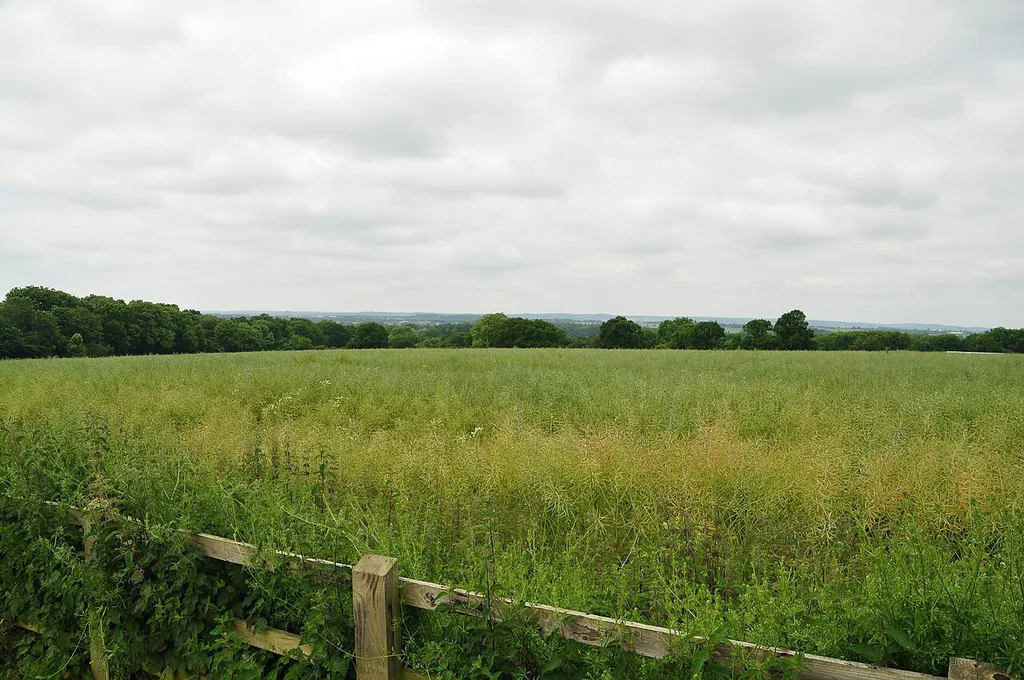
Shenton railway station is an option for walking in, and the old railway line appears to run through the battlefield. Plan the last mile on foot and check train services on the national journey planner before you commit.
Market Bosworth is about 2 miles to the north. That makes it a natural base for a coffee stop, but it is not a substitute for a car or a planned walk.
Accessibility and Who Should Skip
The trail follows a well-maintained footpath through fields and trees. It is an easy stroll for most walkers. Surfaces and slopes for buggies and wheelchairs are not detailed here, so ask the visitor centre before you arrive.
Skip Bosworth if you want a large interactive museum. Skip it too if open, low-feature fields leave you cold. Go if you want the landscape, the audio points and a clear sense of where the Wars of the Roses ended.
- Wear layers and sturdy footwear, because the trail is open ground.
- Check opening before you travel with children who need indoor activities.
- Allow extra time if you plan to use every audio point.
Pair It With Market Bosworth and Leicester
Market Bosworth gives the battle its lasting name and works for a coffee or lunch stop after the trail. Name your venue once you have checked what is open that day.
Leicester carries the other half of the story. Richard's body was displayed there after the battle and buried at the Greyfriars church. In February 2013, a skeleton found under a council car park on that site was confirmed as Richard III. Look for the official Leicester Richard III visitor attraction to plan that stop.
Base yourself in Leicester if you want a full day of both sites. Choose Market Bosworth for a quieter stay near the field.
Mistakes to Avoid
Assuming everything is open is the most common slip, because exhibitions and shops can close while the café runs. Expecting a preserved field of battle is another, since the ground has changed and the fighting site is debated. In wet weather, bring layers and footwear that cope with mud. Before an anniversary weekend, check event days so crowds and closures do not surprise you.
Some quotes attached to Richard are probably apocryphal, including the horse line from Shakespeare. Treat them as theatre, not evidence.
Where Next: Other British Battlefields
For comparison, Naseby's open fields show another inland English battle site. Different era, similar countryside: see the Civil War sites guide. For another medieval English battle with a visitor site, try the Hastings battle site.
Continuing north, Bannockburn's visitor centre is a Scottish option. Browse other British battlefields to plan a longer trip.
Frequently Asked Questions
What happened to Lord Stanley after the Battle of Bosworth Field?
Thomas Stanley's intervention helped decide the battle for Henry Tudor. By legend, he placed Richard's crown on Henry's head. For his later career, consult a biography.
Keep planning
Guides on the same trip