Battle of Hastings Battlefield: Where It Is and How to Visit
A visit guide to the 1066 Battle of Hastings battlefield at Battle, East Sussex. Where the fight happened, what you can see, how to get there, and how long to allow.
In this guide
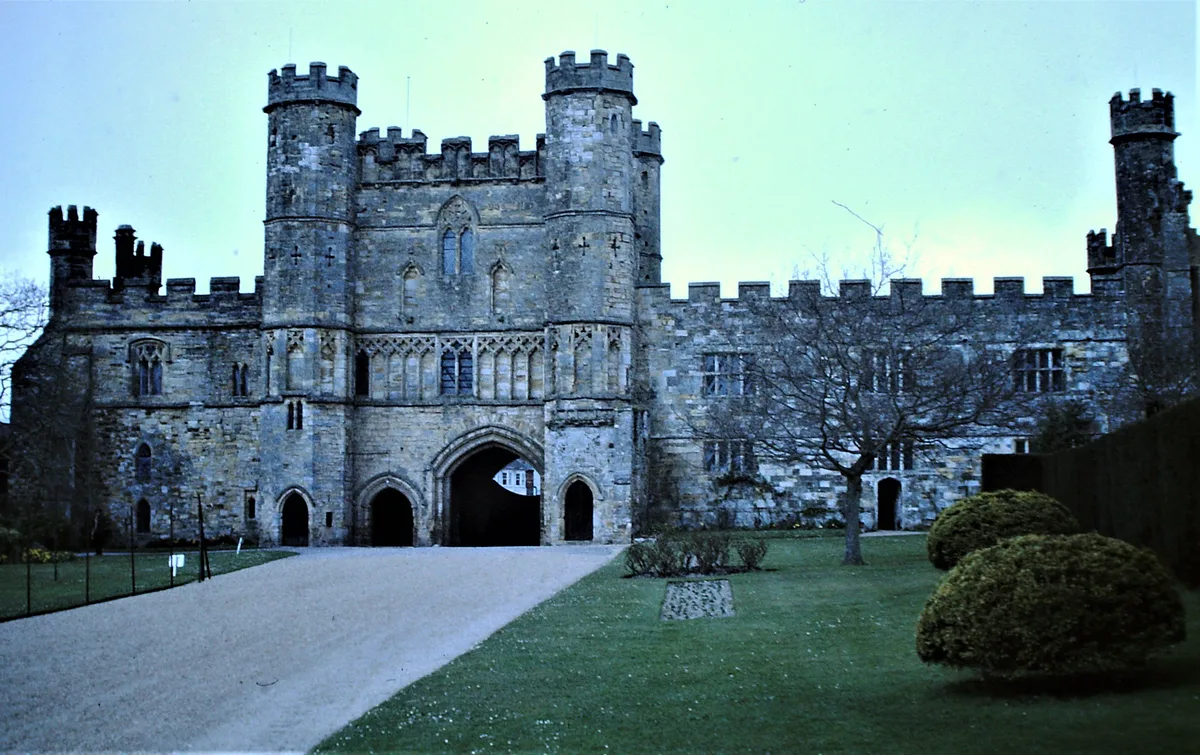
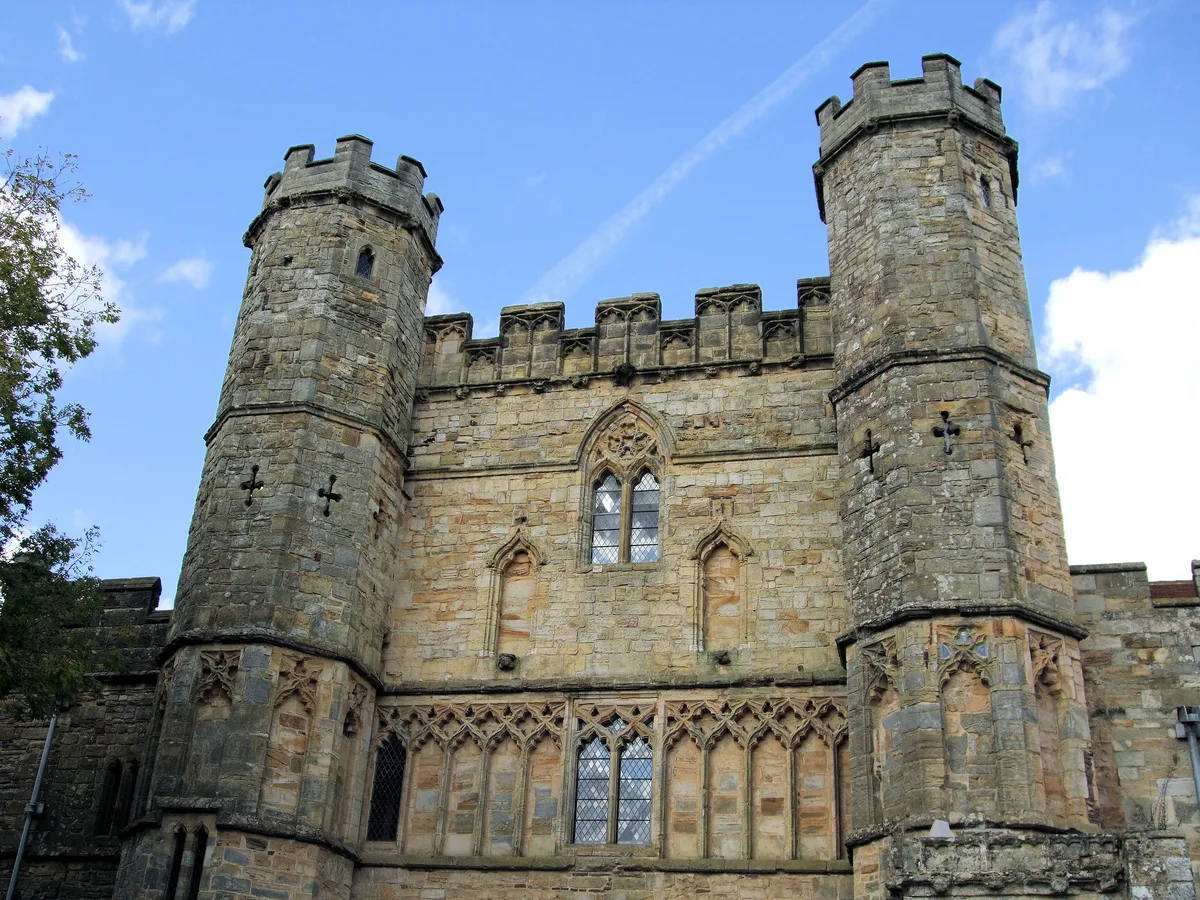
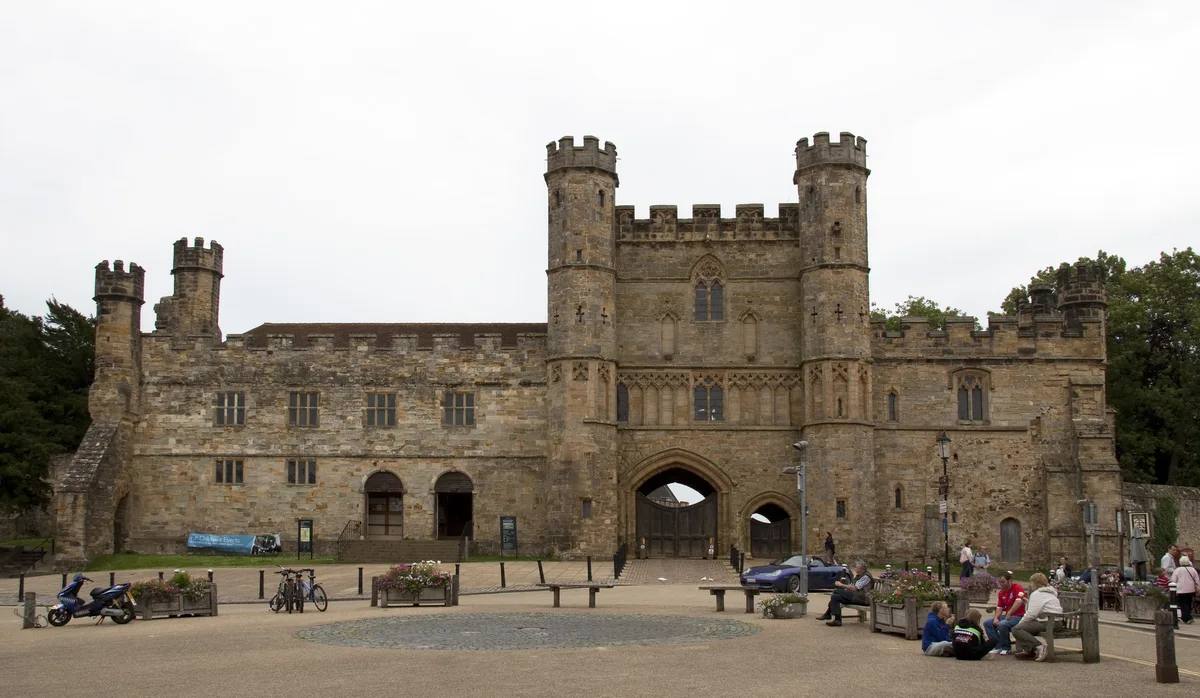
Last updated November 2026: the Battle of Hastings battlefield sits at 1066 Battle Abbey and Battlefield in the town of Battle, East Sussex, and English Heritage runs it. William of Normandy founded the abbey on the ground where the fight took place on 14 October 1066. Battle lies about 7 miles (11 km) northwest of Hastings, so plan your trip to Battle and not to the seaside town.
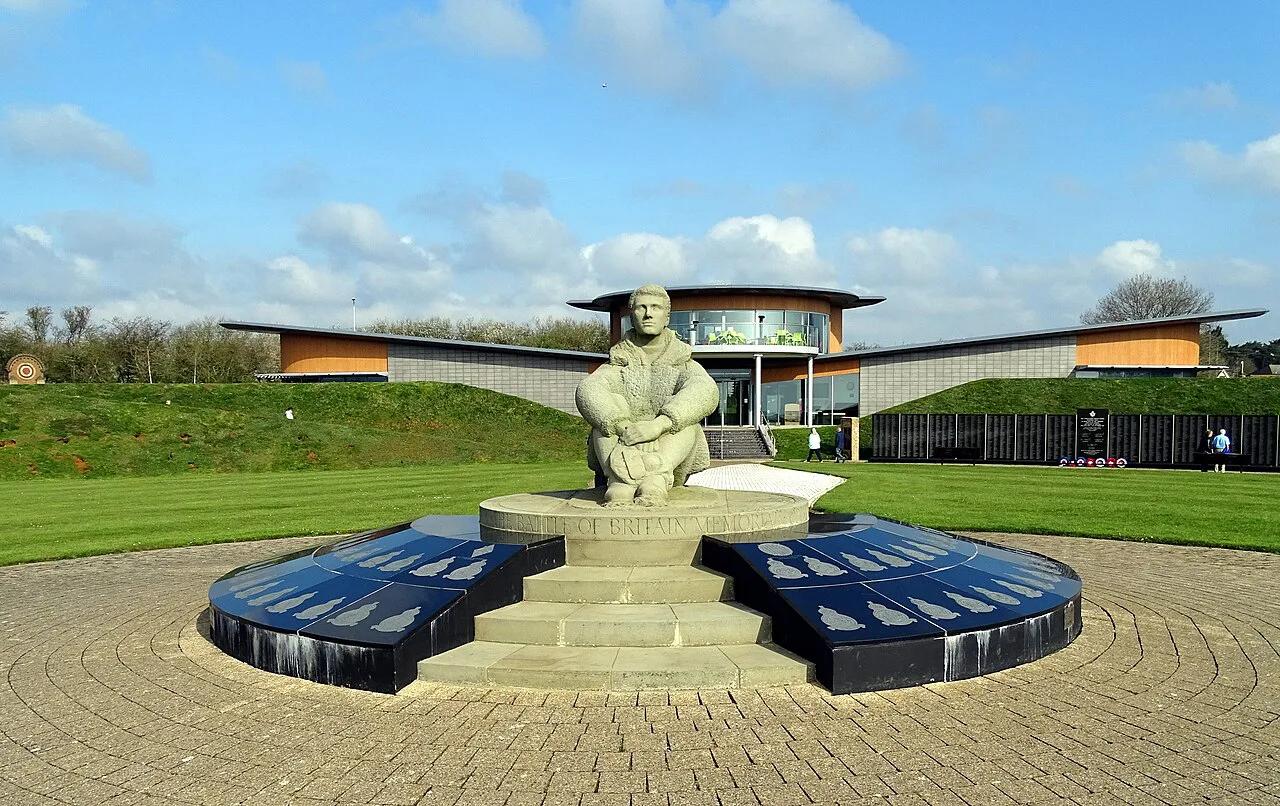
Featured image: Mike Knell, CC BY-SA 2.0, via Flickr.
Where the Battle of Hastings was actually fought
Fighting began at about 9 am on 14 October 1066 and lasted until dusk. Harold Godwinson's English army held the ridge at Senlac Hill, where Battle Abbey and the town now stand. Hastings gave the battle its name because William's army marched out from its base there. Many visitors still go to Hastings town first by mistake. The stop you want is Battle station, and the abbey gatehouse sits at the south end of Battle High Street. The postcode for navigation is TN33 0AD. For later fights across the country, see our wider guide to British battlefields.
What you can see on the battlefield today
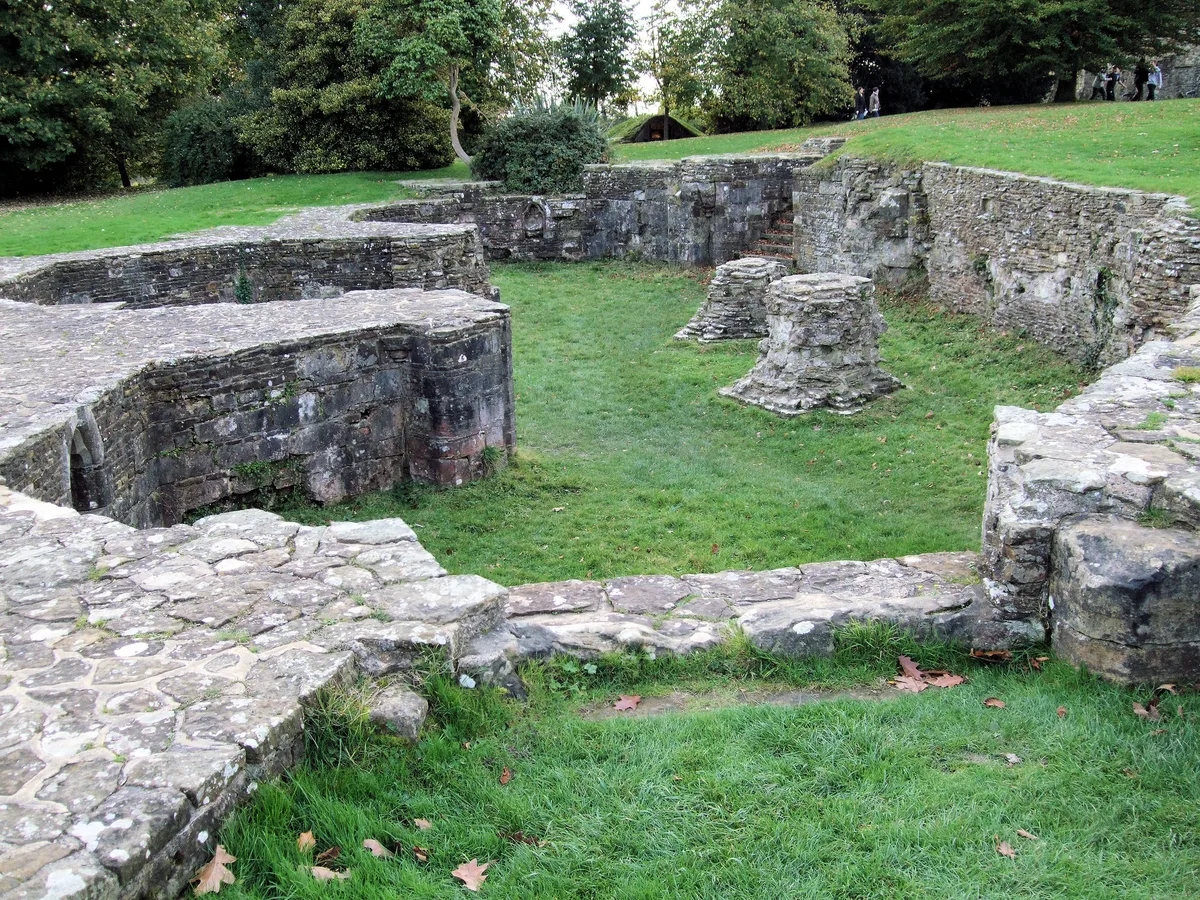
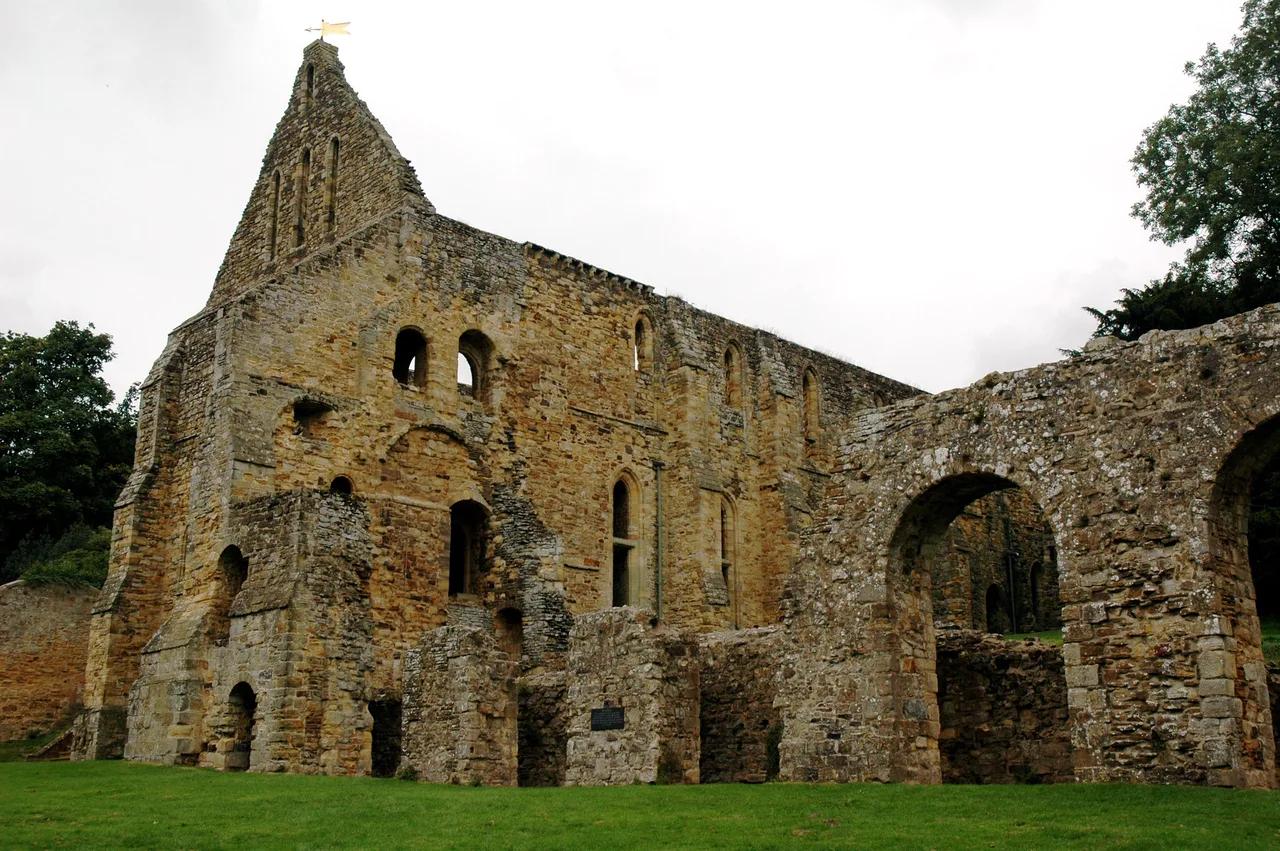
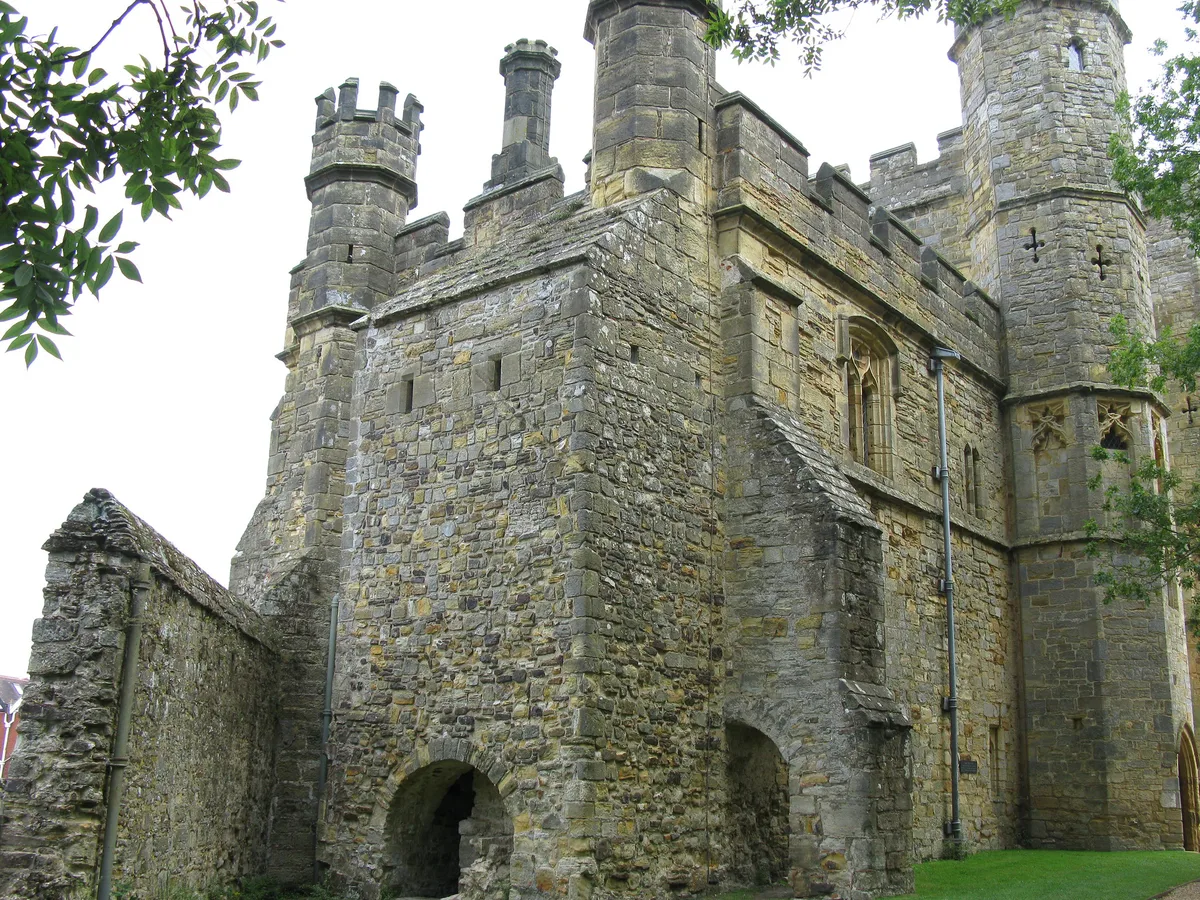
Nothing on the grass records the violence of 1066. The slopes were probably scrubby grazing land then, and later centuries turned them into park and farmland. After the battle, parts of the ridge were levelled and terraced to build the abbey. The abbey church was destroyed after the abbey closed in 1539. Here is what survives for visitors.
- The ridge where Harold's line stood, with the battlefield walk along it.
- Wooden sculptures along the walk that show Anglo-Saxon and Norman soldiers with their weapons and armour.
- The Harold Stone, a plaque in a semicircle of grass that marks where the church's high altar is believed to have stood.
- A monument put up in 1903 by the Souvenir Normand society, a few yards from where Harold is said to have been killed.
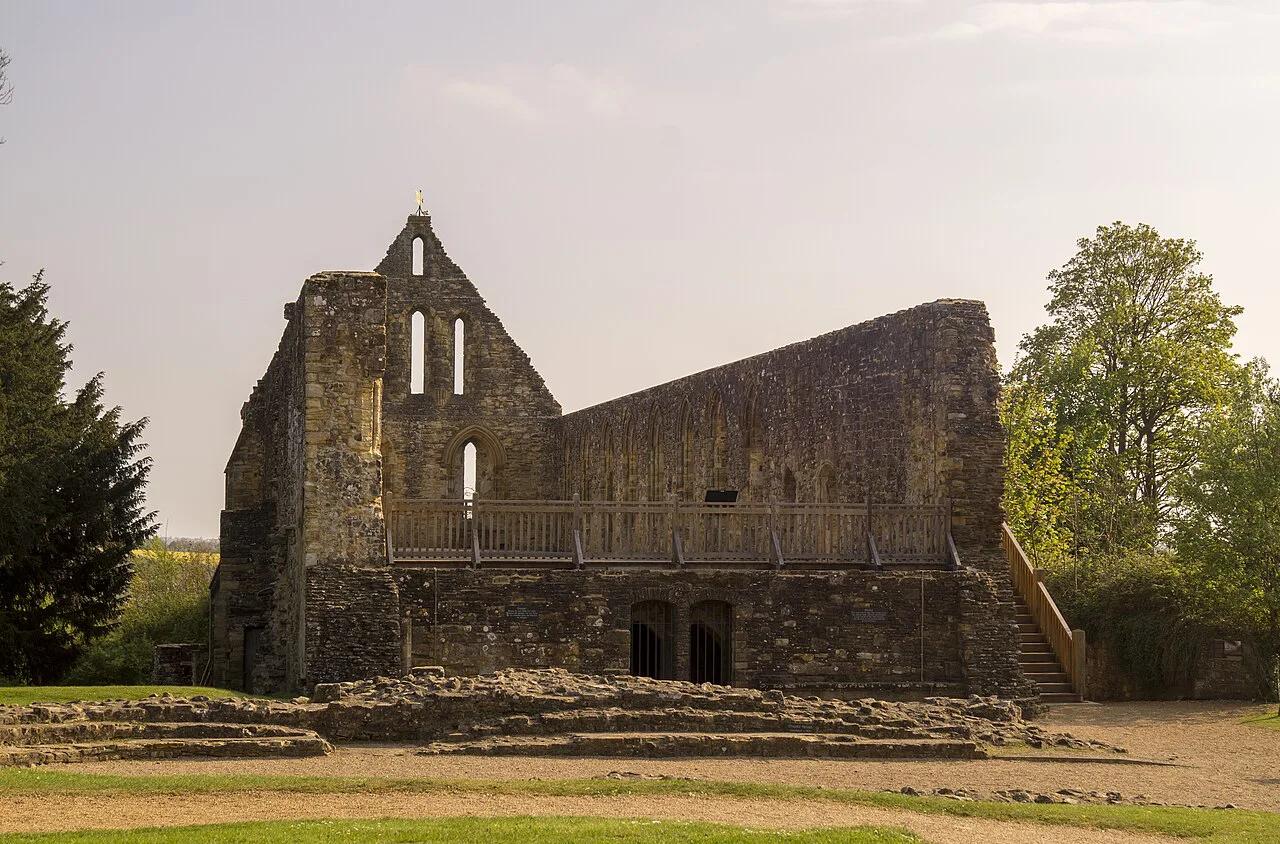
- Abbey ruins, including the vaulted monks' common room with its Sussex marble pillars and the remains of the east range.
- An exhibition and visitor centre, plus a cafe with views over the battlefield.
- A restored Victorian orchard, replanted with local varieties such as Wadhurst Pippin and Sussex Mother apples.
A walk through the battle: what happened where
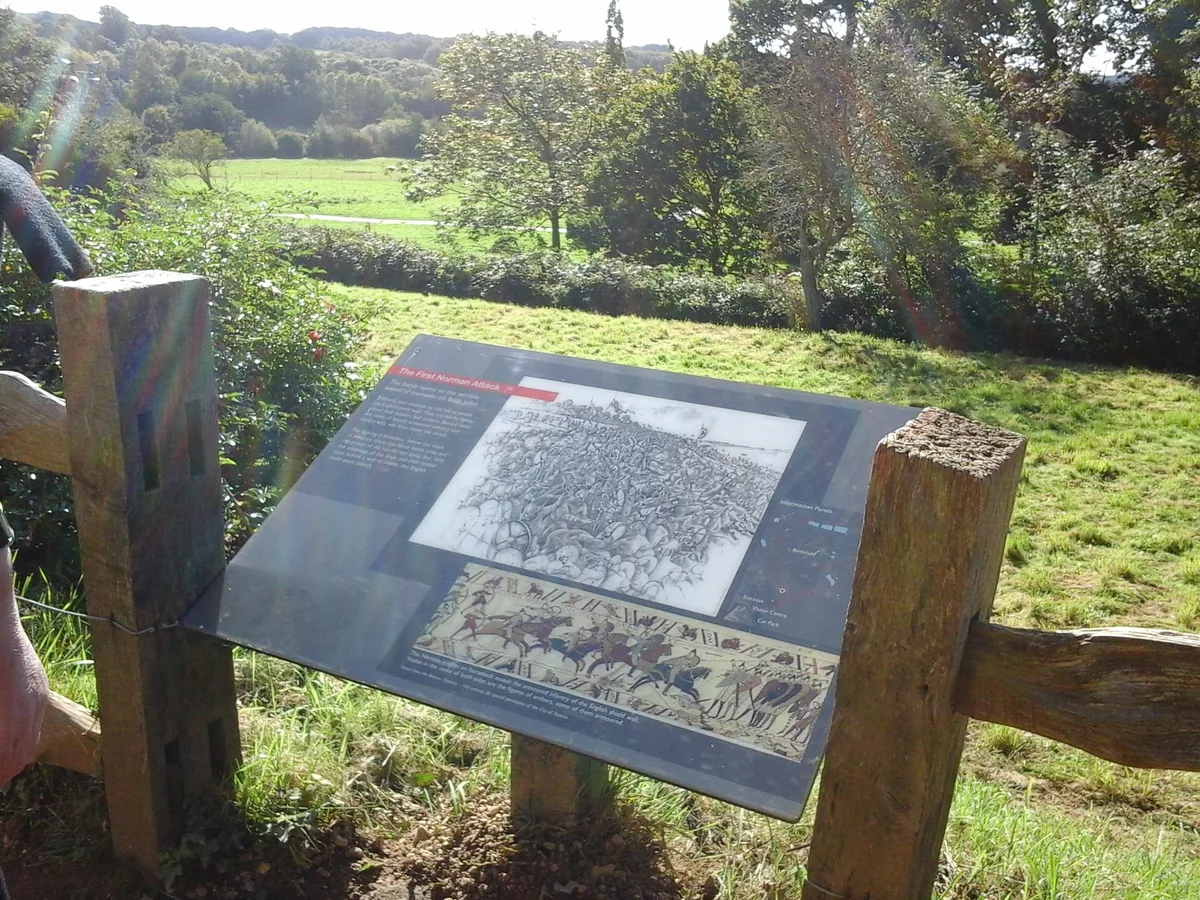
Harold camped on Caldbec Hill on the night of 13 October. His army then took the ridge, with Caldbec Hill to the north and Telham Hill to the south. Soldiers stood shoulder to shoulder with overlapping shields. That formation was hard to attack but left little room to manoeuvre. Look south from the ridge and you see the far hillside where William drew up his forces above a marshy valley. His archers stood in front, then infantry, then mounted knights behind. Army sizes are unknown. Modern estimates run from about 5,000 to 13,000 for the English and 7,000 to 12,000 for the Normans. Historians also debate whether the Normans' feigned flights were deliberate. The manner of Harold's death is debated too. Tradition places it where the abbey's high altar later stood, so the Harold Stone is where the story ends.
How long to allow at the battlefield
Match your time to the season, because winter days are short and opening is limited. Last entry is one hour before closing.
| Time budget | What you cover | Best for | Trade-off |
|---|---|---|---|
| About 1 hour | Battlefield walk and Harold Stone | A winter afternoon or a tight schedule | Skips the exhibition and most abbey ruins |
| Half a day | Walk, exhibition, abbey ruins, orchard and cafe | Most first-time visitors | Needs a full opening day |
| Full day | Everything above plus Battle High Street and nearby sights | History fans and slow walkers | Adds travel and meal planning |
Getting to the battlefield from Hastings, London and by car
Battle station is the nearest station and the route is signposted. The Visit 1066 Country listing gives the road route as the A21 from London, then the A2100 into Battle. Walkers can use Ordnance Survey grid reference TQ750157, listed by the Battlefields Trust, on OS Explorer 124 or OS Landranger 199. Journey times and fares change, so check National Rail or your operator before you travel.
| Route | Access | Effort | Caveats |
|---|---|---|---|
| Train to Battle | Battle station, signposted to the abbey gate | Low, with a short walk | Check timetables and fares with the operator |
| Driving | A21 from London, then the A2100 to Battle | Moderate | Parking details are not confirmed here; check English Heritage |
| Hastings day trip | About 7 miles (11 km) southeast of the site | Low to moderate | Go to Battle, not Hastings town, for the field |
Tickets, opening times and accessibility
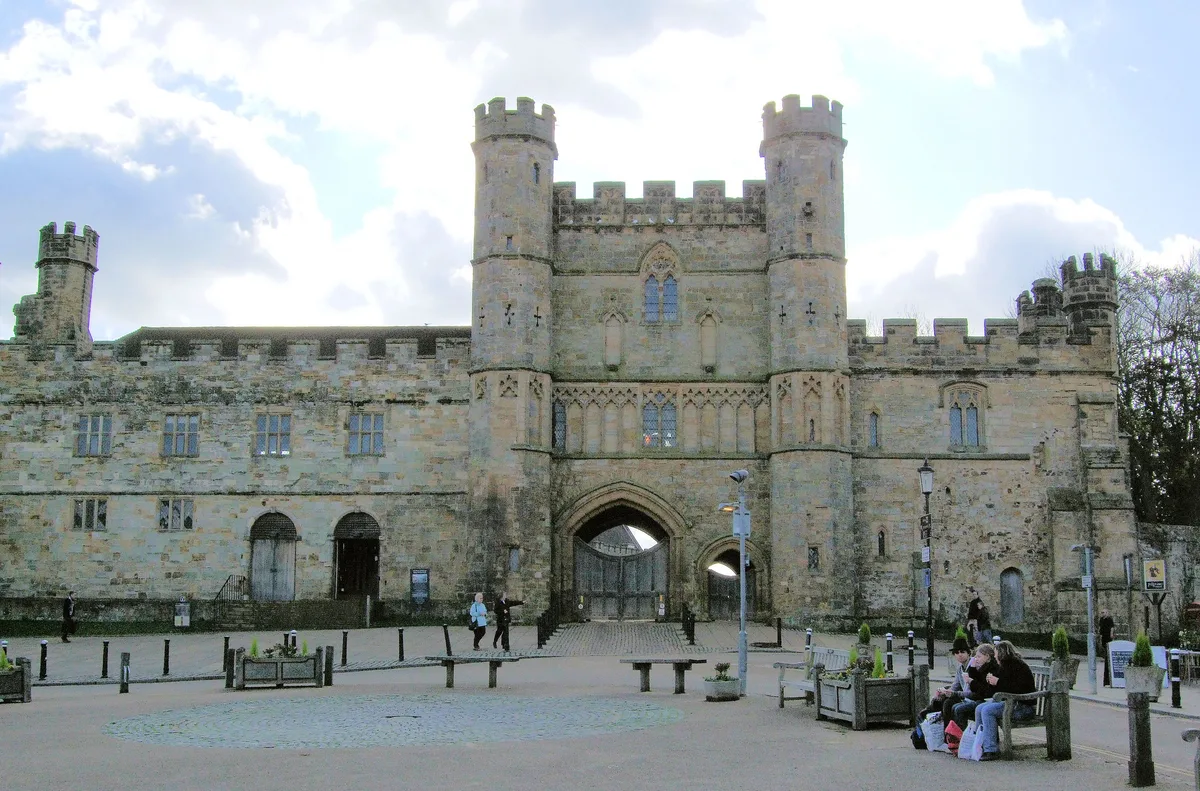
Prices and hours checked November 2026 against the Visit 1066 Country listing. From 1 Nov 2026 to 13 Feb 2027 the winter season lists Wednesday to Friday as closed and Saturday and Sunday as 10:00 to 16:00. The spring season runs 21 Feb to 31 Mar 2027, with Monday and Tuesday closed and Wednesday to Sunday open 10:00 to 16:00. Last entry is one hour before closing. Ticket prices are not listed there, so check the English Heritage booking page for current fares. The ridge was terraced and the site slopes, so wear shoes with grip. English Heritage's access information is the place to confirm step-free routes.
When to go: the October re-enactment and winter daylight
The annual re-enactment of the battle takes place every October. Expect crowds that month, and confirm the current year's dates on the official site. Winter is quieter but has fewer open days, and a Celebration of Christmas event is listed for 7 December 2026. With 16:00 closing and last entry an hour earlier, you have a short window. Dusk matters here because the battle itself ended at dusk.
Celebration of Christmas on 7 December 2026 falls in winter, when Wednesday to Friday are listed as closed. Check that date's opening before you travel.
Combine it with Battle town and the 1066 Country sites
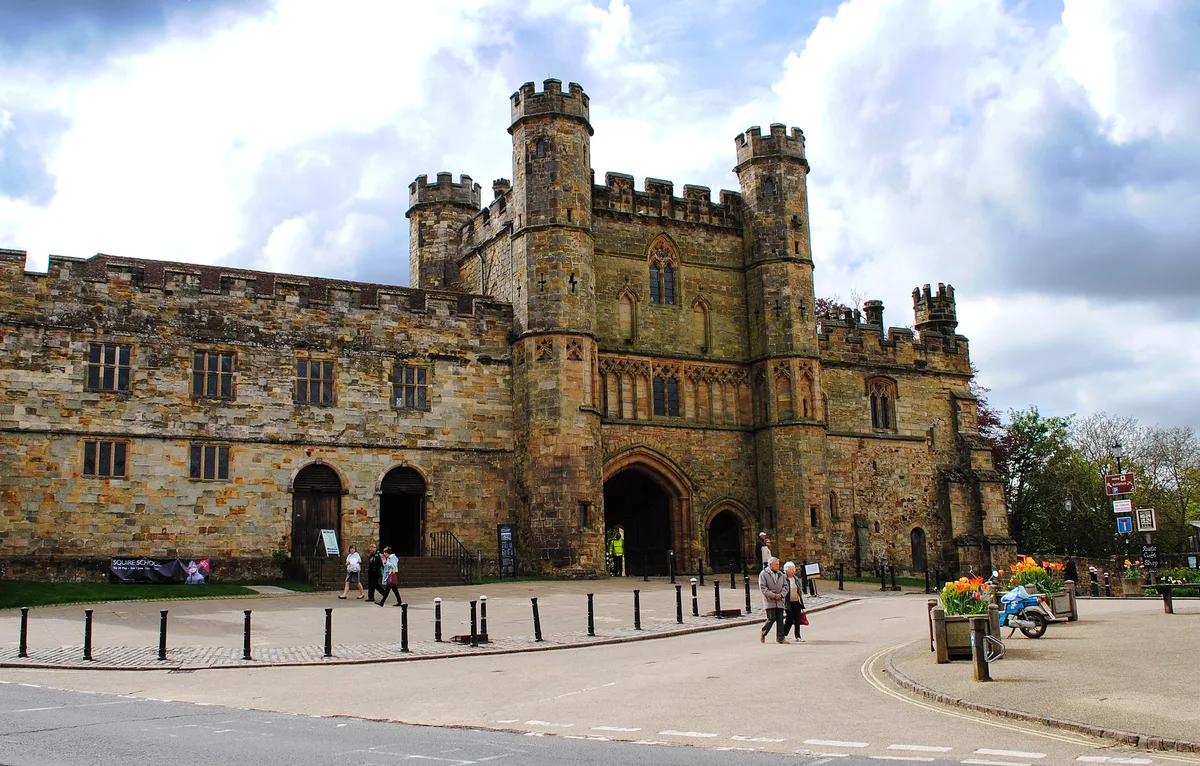
Battle High Street has independent shops, and several sights sit within 0.31 miles of the abbey. St Mary's Church is 0.1 miles away, and it holds the Battle Tapestry, a three-metre work. Almonry Gardens are 0.26 miles away and open Monday to Saturday, 11am to 2pm. Battle Museum of Local History is 0.31 miles away. For the wider 1066 story, Pevensey is where William landed on 28 September 1066. William then built a wooden castle at Hastings. Treat both as pointers for a longer stay, and use Battle's cafes and pubs for food.
Pevensey, where William landed on 28 September 1066, sits alongside Battle's 14 October fight in one campaign.
Other British battlefields to visit next
For the Wars of the Roses, start with Bosworth Battlefield: Visitor Guide, Trail & Planning Tips. Then add Towton Battlefield: Visitor Guide, Walks and History. Tewkesbury Battlefield: What to See and Visitor Guide makes a third medieval English comparison. For a later conflict, Naseby Battlefield: Visiting Guide and Tours shows the Civil War. Our English Civil War Sites to Visit: Battlefields, Castles and Trails page adds more stops. In Scotland, go to Bannockburn. Next, try Flodden. Then see Killiecrankie. Finish at the Wallace Monument, Stirling: Visit Guide and Tips.
Frequently Asked Questions
Did William and Harold actually fight at Hastings?
Yes, but not in Hastings town. The battle took place on 14 October 1066 on Senlac Hill, where the town of Battle now stands. That is about 7 miles (11 km) from Hastings.
Were the Vikings involved in 1066?
Yes. Harald Hardrada of Norway invaded northern England in September 1066. His army defeated an English force at Fulford on 20 September. Harold then beat the Norwegians at Stamford Bridge on 25 September, before turning south to face William.
Keep planning
Guides on the same trip