
Dunkirk War Sites: Museum, Beaches, Memorials and Day Plan
Plan the Dunkirk war sites: museum, beaches, memorials and wrecks, with time, access and cost trade-offs and a route for a day trip.
In this guide
Last updated November 2026. The main Dunkirk war sites from Operation Dynamo sit close together: the museum in Bastion 32, the beaches, the East Mole, and the Dunkirk Memorial in the town cemetery. Allow a half day for the core sites, or a full day if you add Zuydcoote and Bray-Dunes. A car makes the route far easier.
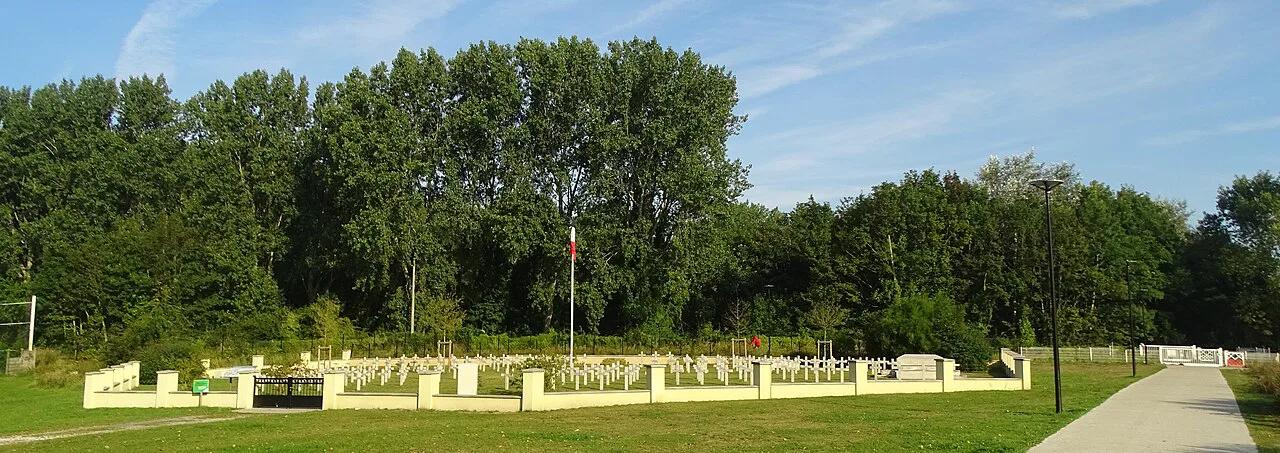
Featured image: Jérémy-Günther-Heinz Jähnick, CC BY-SA 3.0, via Wikimedia Commons.
Dunkirk War Sites at a Glance
Most visitors build the day around four stops. Start at Bastion 32 for context, walk to the beach, see the port, then finish at the cemetery. Dunkirk Town Cemetery and its memorial are about 8.7 km from the Bray-Dunes end of the coast, so plan driving time between the two ends. Wormhout lies roughly 30 minutes south by car, and suits a second day.
- Best first stop: the museum, for French and British context
- Best for quiet reflection: the Dunkirk Memorial and cemetery
- Best for scenery: Zuydcoote and Bray-Dunes, but only if the tide cooperates
- Most underwhelming for 1940 atmosphere: the main town beach, with its promenade and industrial backdrop
Operation Dynamo in Brief
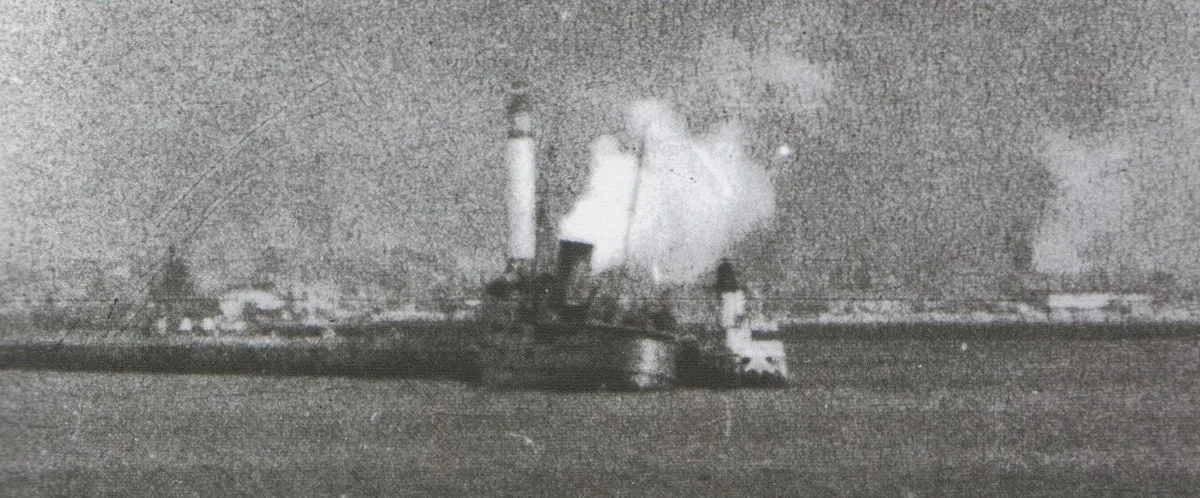
In May 1940 the British Expeditionary Force and French armies were trapped against the coast. Operation Dynamo, ordered on 26 May, brought out about 338,000 men from the harbour and beaches. Around 700 boats took part, from destroyers to fishing craft. The smallest was the Tamzine, an 18-ft fishing boat now held at the Imperial War Museum. More than 130,000 French soldiers were taken off after the BEF had gone. Troops holding the perimeter largely gave up their own chance of escape. For the wider story, see our Dunkirk 1940 overview.
Core Dunkirk Sites
These sites are all in or beside the town. Each entry says what you see and what to expect.
- Museum and Le Sablier: Musée Dunkerque 1940 occupies Bastion 32, a 19th-century fortification used as headquarters for French and Allied forces in 1940. A 12-minute film plays alternately in French and English, and boards are in English. A free car park has been reported. Our Dunkirk 1940 museum guide covers the galleries. Opposite stands Le Sablier, a large hourglass monument built in 2017.
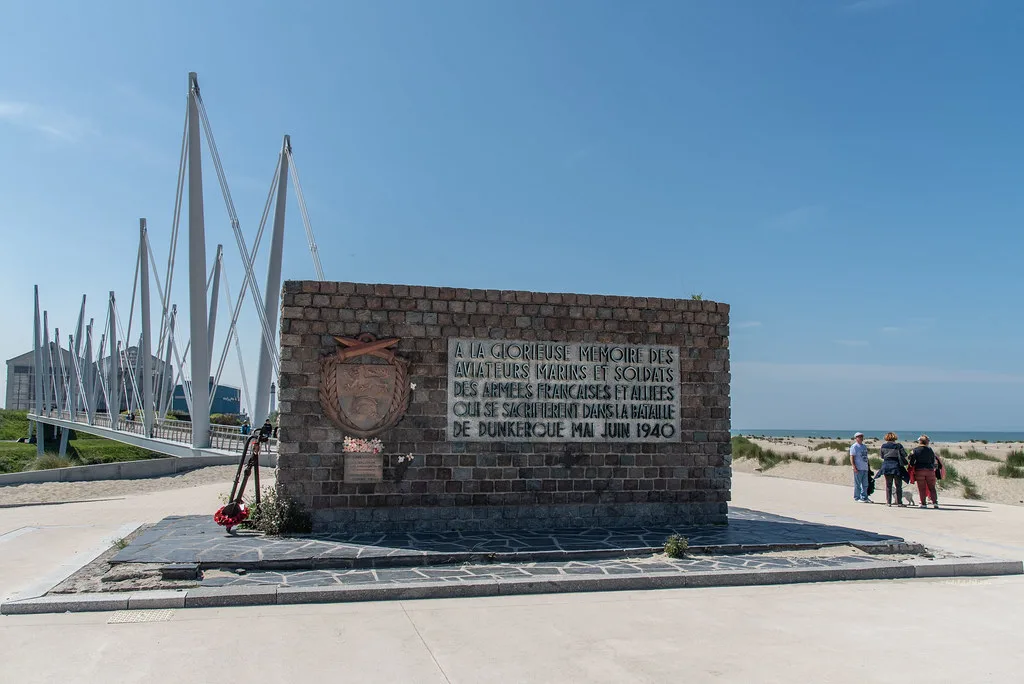
- Memorial to the Allies: Built from cobblestones of the original harbour quay in 1962, it stands just before the beach. Its inscription honours the pilots, sailors and soldiers who sacrificed themselves in May and June 1940.
- Beaches: Malo-les-Bains is wide, golden and full of families. Be realistic here, because the promenade, cafés and industrial skyline make 1940 hard to picture. Read our guide to the evacuation beaches before you go, and walk toward the dunes for a better sense of place.
- East Mole and port: Dunkerque Tourisme says most soldiers left from the East Mole. A preserved section can be viewed from beside a German-built bunker on the guided tour. Our East Mole guide explains what you can reach on foot.
- Princess Elizabeth: This paddle steamer made four crossings and brought back 1,673 troops. It is now a floating restaurant, so treat it as a photo stop unless you plan to dine.
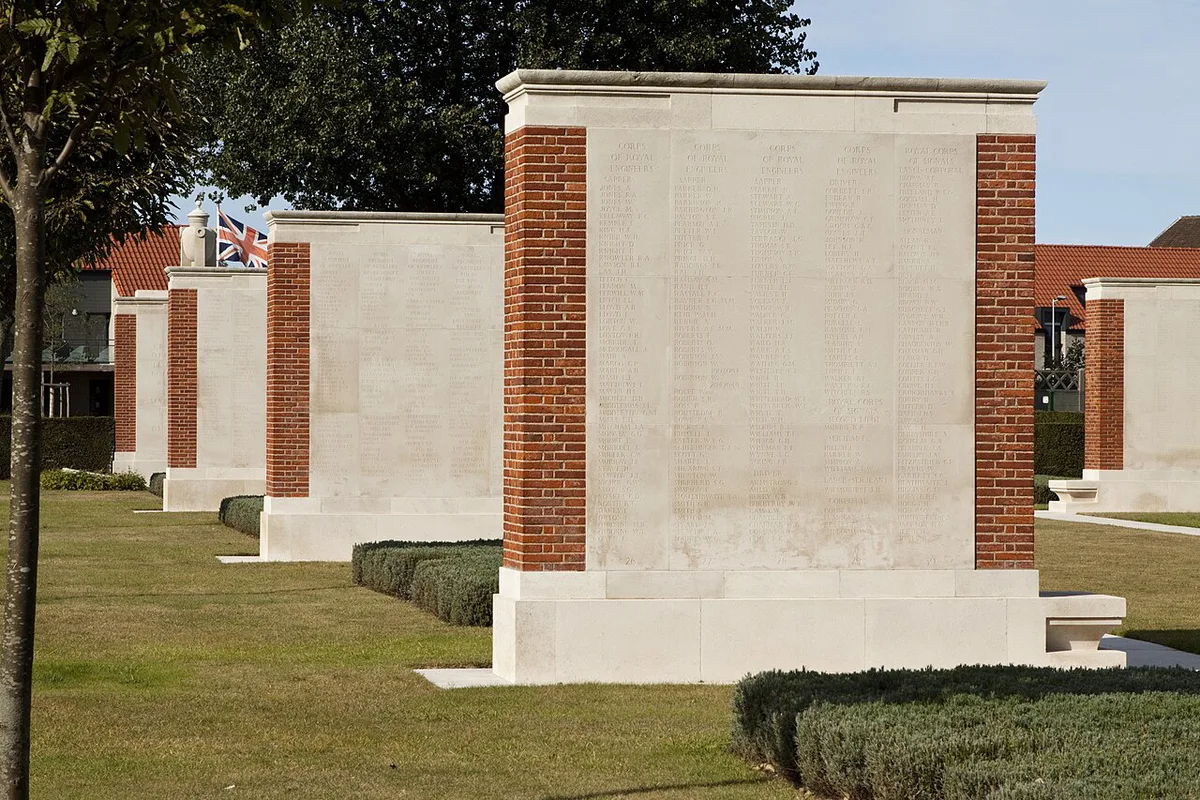
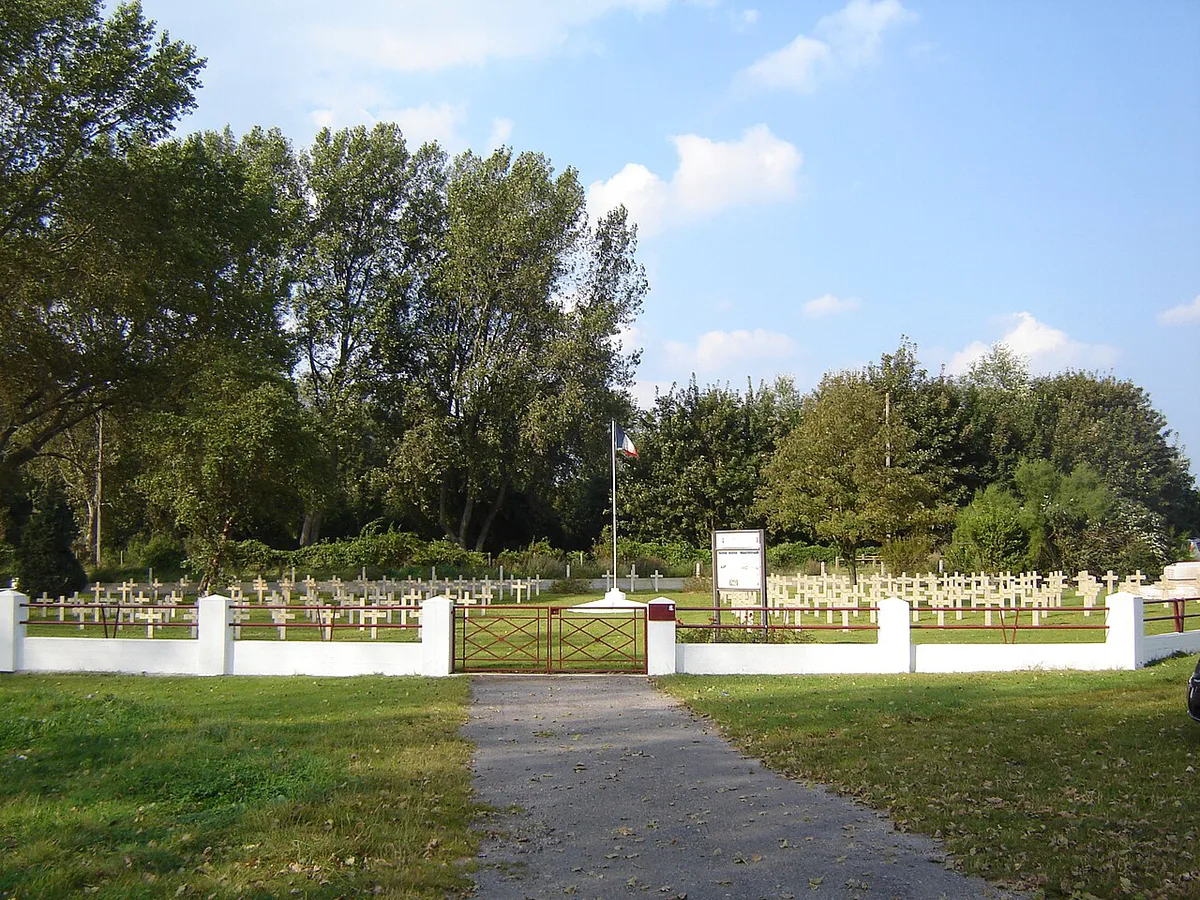
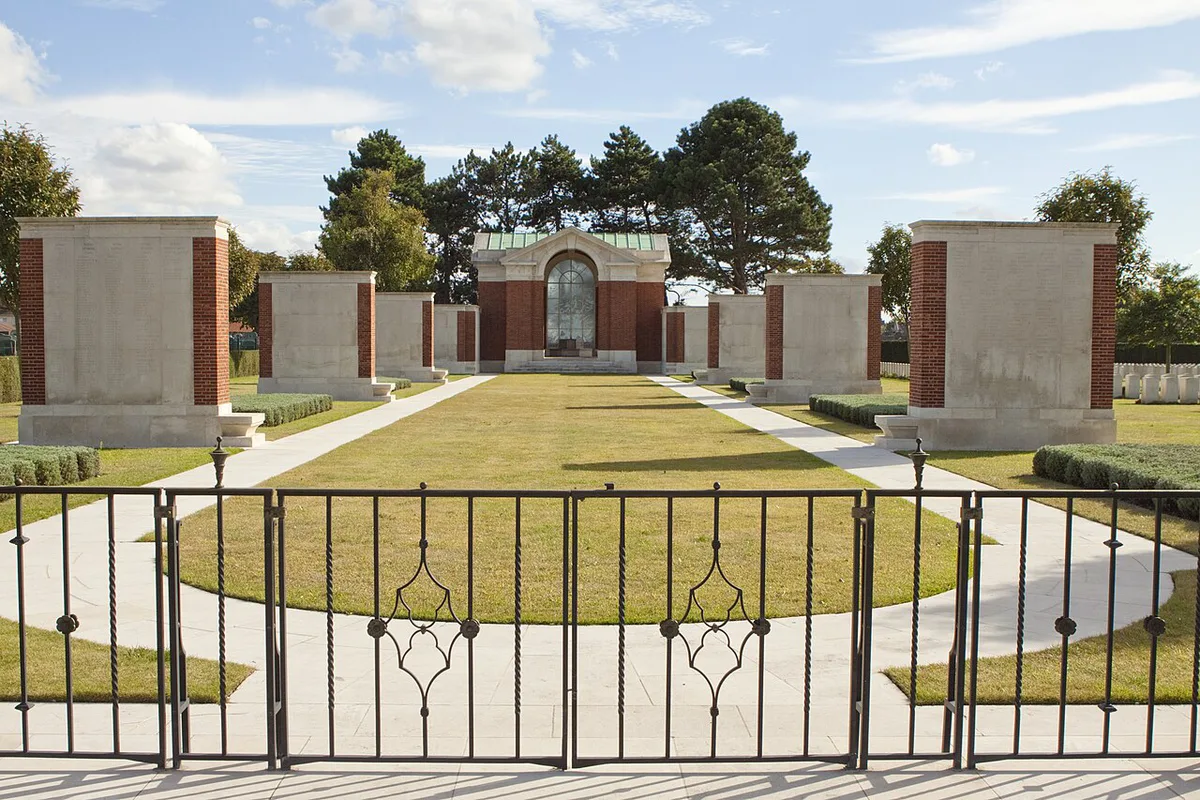
- Dunkirk Memorial and cemetery: The Commonwealth War Graves Commission memorial stands within Dunkirk Town Cemetery. It was unveiled in 1957. Stone pylons carry the names of 4,528 soldiers with no known grave, and 810 graves lie adjacent. Walk quietly, keep to the paths and treat it as a place of mourning, not a photo stop. Our British memorial guide adds detail.
Beyond Dunkirk: Zuydcoote, Bray-Dunes, Wormhout and the Bunkers
Zuydcoote and Bray-Dunes were also Dynamo beaches. Shipwrecks, including the Crested Eagle, show only at low tide. Check a dedicated maritime tide table, not a generic search result, because one traveller was caught out at full tide. Zuydcoote military cemetery is about 1.7 km from Bray-Dunes. Fort des Dunes is about 4 km away, and the Leffrinckoucke bunkers lie between, at roughly 3.4 and 3.8 km. Check access and opening status before you drive. Wormhout, about 30 minutes south, is the site of the May 1940 massacre in which 90 British prisoners were shot after surrendering. A replica barn and a small museum serve as the memorial. Visit with a car, and expect a sombre stop. Film fans can use our film locations page to link the beaches to the 2017 shoot. La Coupole and Éperlecques, both about 35 to 45 km away, suit a separate day.
Site Comparison: Time, Cost, Access and Best For
Use this table to choose. Cost entries marked check mean you should consult the official page.
| Site | What you see | Access | Cost | Best for |
|---|---|---|---|---|
| Dunkirk 1940 museum | Artefacts, 12-minute film, Le Sablier | Car or walking from centre | Check official page | First-timers |
| Malo-les-Bains beach | Wide sand, promenade | Walk or bus | Free | Families, context |
| East Mole and port | Preserved section near bunker | Guided tour or car | Tour from €160 | Detail seekers |
| Dunkirk Memorial and cemetery | Names, graves, pylons | Car or taxi | Free | Reflection |
| Zuydcoote and Bray-Dunes | Low-tide wrecks | Car | Free | Beach walkers |
| Wormhout | Replica barn, small museum | Car only | Check official page | Second day |
How to Plan Your Time: Half Day, Full Day, Two Days
Pick the plan that fits your transport. All three assume a car except where noted.
Bray-Dunes and Zuydcoote's military cemetery sit about 1.7 km apart, so the two stops can be combined on one outing.
- Half day: Museum and Le Sablier, the Memorial to the Allies, a walk on the beach, then the cemetery.
- Full day: Add the East Mole and port, then Zuydcoote or Bray-Dunes at low tide. Check the tide table the night before.
- Two days: Add Wormhout and the bunkers and Fort des Dunes on day two. Stay overnight in the centre.
- Without a car: Stay central, walk to the museum and beach, and book the guided Dunkirk battlefield tour for the port and cemetery.
Costs, Tickets and Opening Hours
Beaches, memorials and cemeteries are free to visit. As of November 2026, the Dunkerque Tourisme site lists a private two-hour battlefield tour from a flat rate of €160. Museum tickets and opening days change, so check the museum's page and the city's official site before you travel. Restaurant prices aboard the Princess Elizabeth are not fixed, so look at the menu first.
Without a car, the €160 tour is the booking that reaches the port and cemetery.
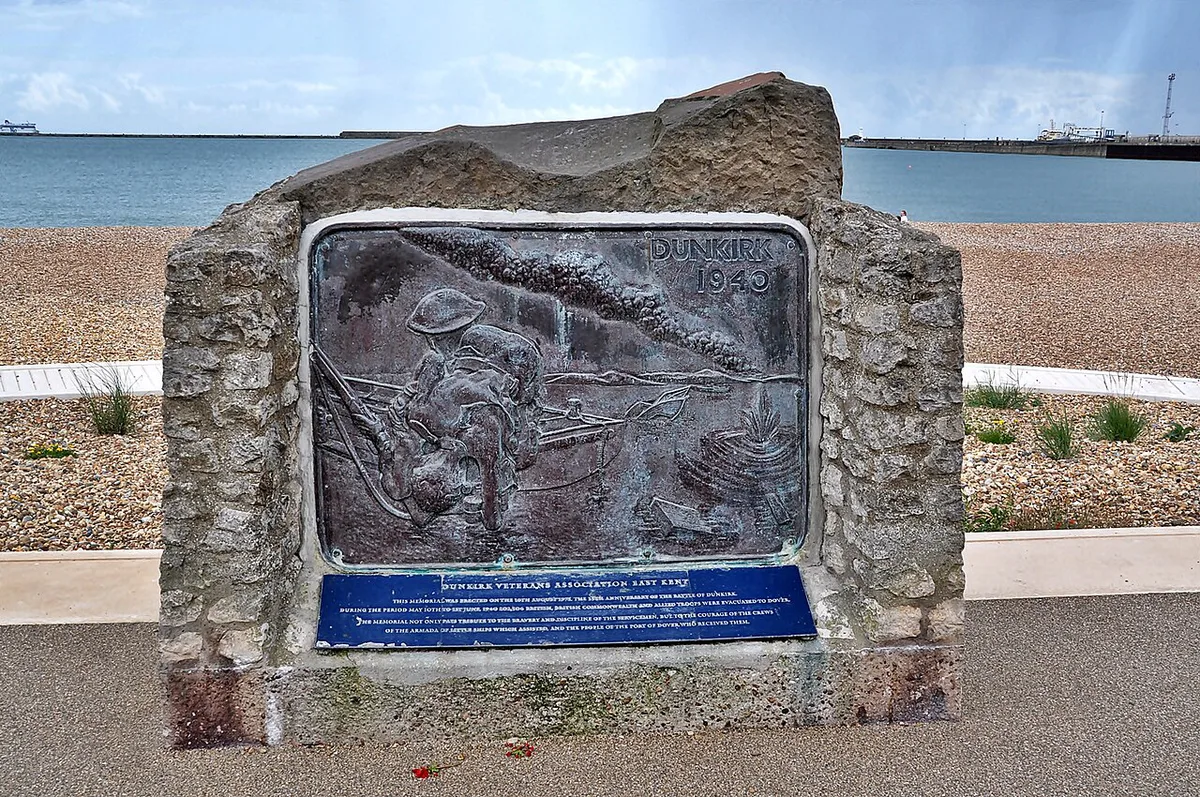
Getting There and Around Without a Car
DFDS ferries run from Dover to Dunkirk in about two hours. Trains take about two hours from Brussels and about three from Paris. Our Dunkirk from London guide covers the full route. Inside town, the museum and beach are walkable. Zuydcoote, Bray-Dunes and Wormhout are impractical without a car, so use a taxi or tour.
Where to Stay
A central hotel in Dunkirk lets you split the sites across two days and see the beach at a quieter hour. Choose a base within walking distance of the museum if you have no car.
Is Dunkirk Worth Visiting for War History?
Yes, if you go in with realistic expectations. The museum and cemetery carry the most weight, while the main beach is mainly a seaside promenade. Plan around tide and opening days, and treat the memorials with respect.
Frequently Asked Questions
Is Dunkirk set in WW1?
No. The evacuation took place in May and June 1940, during World War II. Dunkirk Town Cemetery also holds World War I graves, so both wars are visible there.
Why did the Germans stop at Dunkirk?
Hitler delayed his panzer regiments by three days, citing marshy ground and a wait for reinforcements. That pause gave the Allies time to build a perimeter.
Is Dunkirk based off real events?
Yes. The 2017 film dramatises the real evacuation of Operation Dynamo. Our film locations guide shows where it was shot.
Keep planning
Guides on the same trip






