
Dunkirk Memorial: Visiting Guide and Practical Tips
Visit the Dunkirk Memorial in France: what it commemorates, how to find a name, access, timing, and how to combine it with other Dunkirk 1940 sites.
In this guide
Last updated November 2026. The Dunkirk Memorial in Dunkirk (Dunkerque), France, commemorates British and Commonwealth servicemen from the 1940 campaign who have no known grave. It is a Commonwealth War Graves Commission (CWGC) site, and it is not the town of Dunkirk in New York. This guide explains what you will find, how to look up a name before you go, and where the memorial fits among the other Dunkirk 1940 stops.
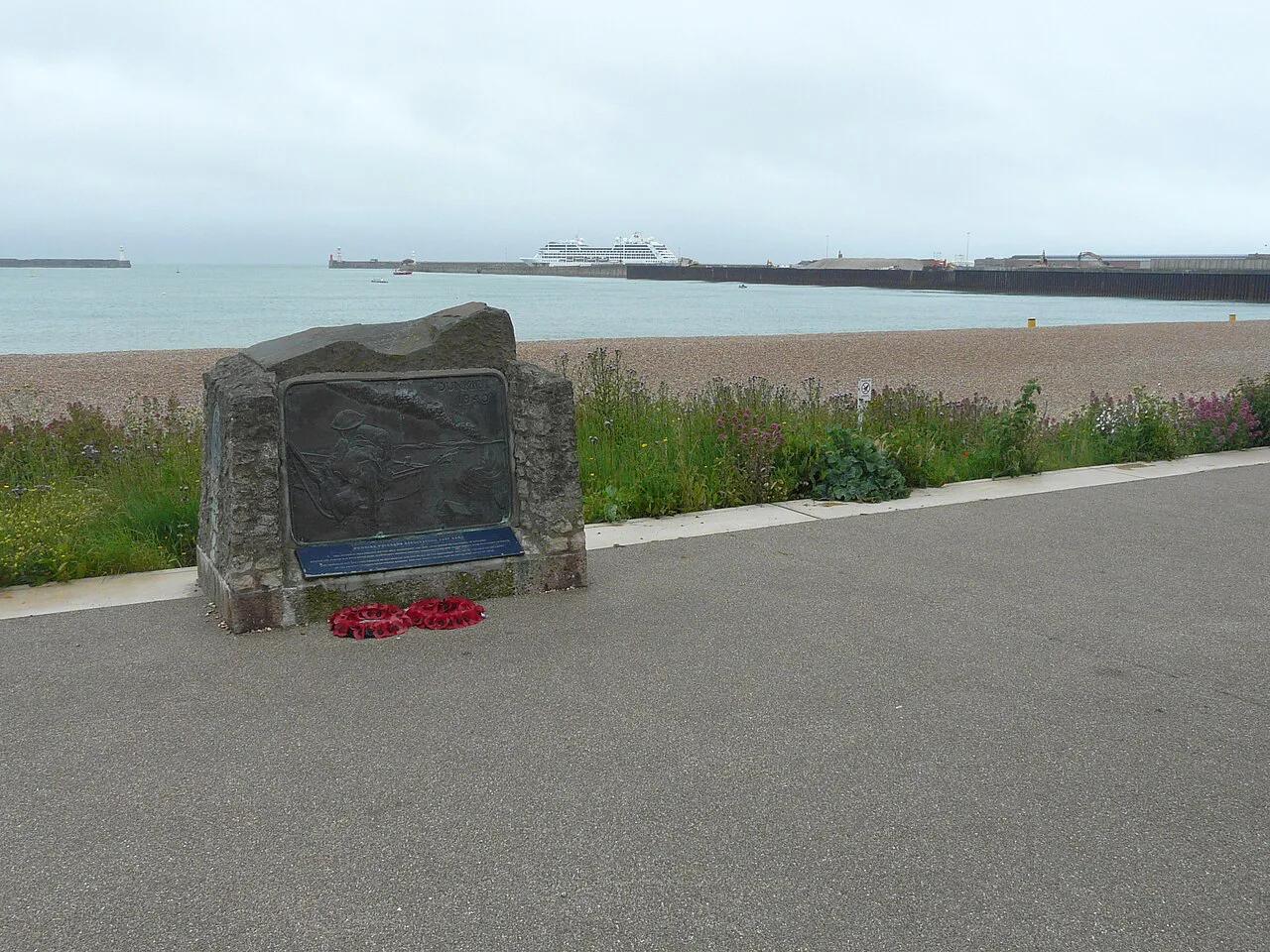
Featured image: John Baker, CC BY-SA 2.0, via Wikimedia Commons.
Dunkirk Memorial: what it is and who it commemorates
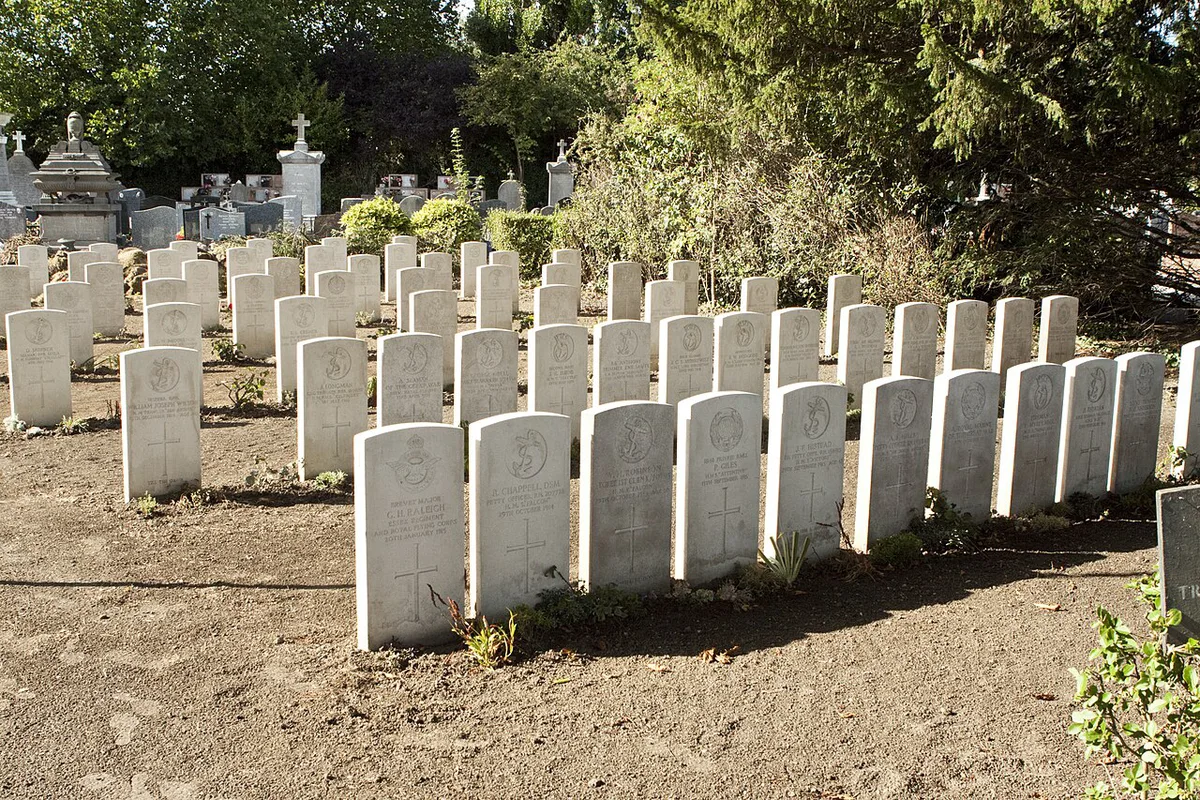
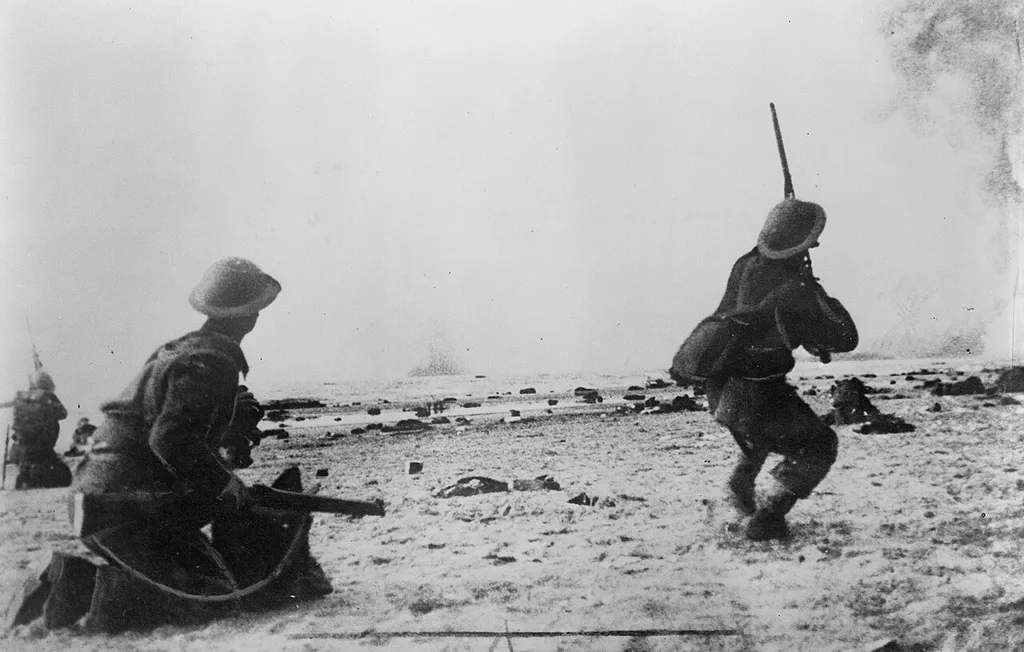
The memorial records the names of Commonwealth servicemen who died in the 1940 campaign in France and Belgium and whose graves are not known. It is a place of commemoration, not a burial ground for the named. Many of those listed were lost during the fighting that led to Operation Dynamo, the evacuation of the British Expeditionary Force from Dunkirk. For the wider story of those days, start with our Dunkirk 1940 overview.
Where it is and how to get there
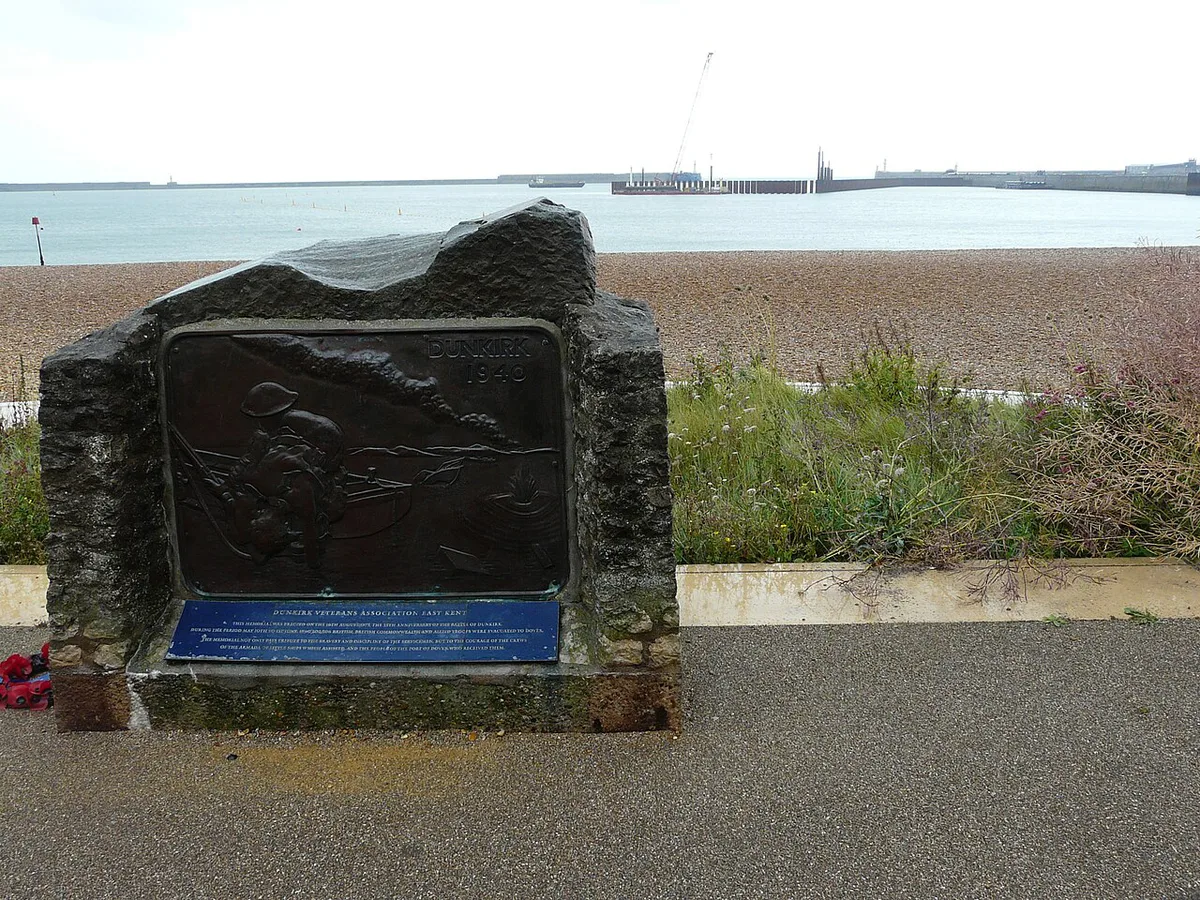
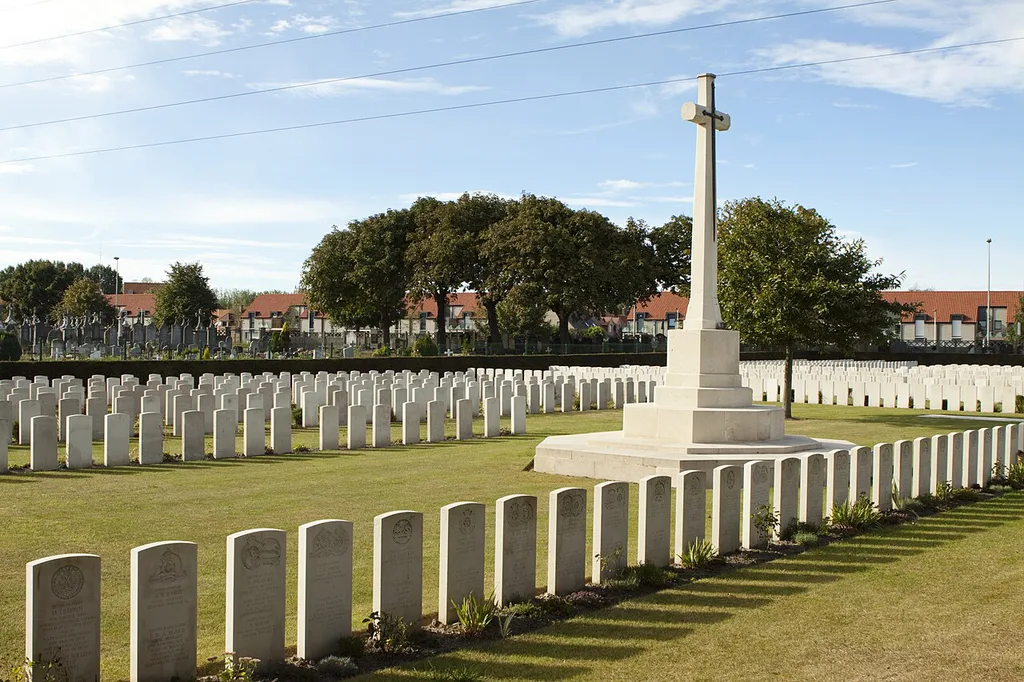
CWGC places the memorial beside Dunkirk Town Cemetery, which holds marked Commonwealth war graves. Visitors often confuse the two, so treat them as neighbouring parts of one visit. Driving is the simplest option because the site sits away from the beaches and the museum quarter. If you come by train or on foot, plan a taxi or a longer walk from the station. Coming from Britain, our guide to Dunkirk From London: Ferry, Train & Car Options covers crossing options and the day-trip trade-offs. Look up the exact address on the CWGC site page before you set your navigation.
Opening, access and etiquette
CWGC publishes access details for each of its sites, and no verified opening hours are listed here. Check the CWGC page for the Dunkirk Memorial for current times and any seasonal closures.
- Speak quietly and keep children close to you.
- Do not walk on grave plots, and do not touch or move wreaths and tributes.
- Take photographs without crowding other visitors, particularly anyone laying flowers.
- Leave no rubbish, and follow any signs posted at the entrance.
How to find a name or a relative
Do the lookup before you travel. The CWGC Find War Dead search lets you search by surname, service number or unit, and shows whether a person is commemorated on the memorial or buried in a cemetery. Bring the full name, regiment and service number if you have them. Note the panel or grave reference the record gives, because it tells you where to look on site.
- Mistake to avoid: assuming a name on the memorial means a grave exists at Dunkirk. The memorial exists because no grave is known.
- Mistake to avoid: searching only Dunkirk Town Cemetery. A relative may be recorded on the memorial, or in a different CWGC cemetery altogether.
Combining the memorial with other Dunkirk 1940 sites
Allow a quiet, unhurried visit at the memorial, then choose one or two interpretive stops. Each of these pages covers a different part of the evacuation story. The local Dunkirk tourist office lists current visitor information for the wider area.
Plan to see 2 neighbouring CWGC places. Read the CWGC record first, since it shows whether a relative is on a panel or buried in a cemetery.
- Indoor context: the Dunkirk 1940 Museum: Hours, Tickets & Is It Worth It explains the evacuation with exhibits.
- Open air: the Dunkirk Beaches: Malo-les-Bains and 1940 History are where troops waited for boats.
- Waterfront: the East Mole was a key embarkation point.
- More stops: other Dunkirk war sites help you build a fuller route.
Who it suits, and who might skip it
Genealogy visitors and anyone with a family connection to the 1940 campaign will find this the most meaningful stop. General visitors with limited time may prefer the museum and beaches first, then add the memorial if a relative or personal interest brings them. Younger children may find the site quiet and abstract, so brief them on the purpose beforehand. Fans of the 2017 film can pair a visit with our guide to Dunkirk Film Locations: Where Nolan Filmed and What You Can Visit, though the memorial itself is not a filming attraction.
Costs and practical logistics
CWGC memorials are normally open to the public without an entry fee, but confirm this on the CWGC page. Parking, taxis and tolls are separate costs, so check them with the operator you use. For lodging and guided options, see our Dunkirk Tour: Guided, Self-Drive or Mixed? How to Choose page, and check the City of Dunkirk website for local transport updates.
Memorial and cemetery: what to see at each
Plan to see 2 neighbouring CWGC places: the Dunkirk Memorial and Dunkirk Town Cemetery. They commemorate people from the 1940 campaign in different ways. The memorial carries names of servicemen with no known grave. The cemetery contains marked Commonwealth war graves.
Start with the memorial if you are looking for a relative’s name. Use the CWGC record to note whether the person is commemorated on a panel or buried in a cemetery. A memorial inscription does not identify a grave. A grave reference does not mean the name will appear on the memorial.
Seeing both places gives useful context, even on a short visit. Keep the atmosphere quiet and allow time to read inscriptions without treating the cemetery as an extension of the beach or museum itinerary.
Keep planning
Guides on the same trip






