
Dunkirk Tour: Guided, Self-Drive or Mixed? How to Choose
Choosing a Dunkirk tour? Compare guided, self-drive and mixed options, see what each covers, and plan around tides, transport, booking and respectful visiting.
In this guide
Last updated November 2026: a Dunkirk tour usually links the 1940 evacuation sites, from the museum and East Mole to Malo-les-Bains, Fort-des-Dunes and a war cemetery. Your main choice is guided or self-guided, and the table below shows which suits your time, budget and transport. For context first, read our Operation Dynamo overview before you pick a format.
Featured image: Wernervc, CC BY-SA 3.0, via Wikimedia Commons.
Which Dunkirk tour is right for you?
Three formats cover most visits. Guided tours with a local operator handle the driving and the storytelling. Self-drive routes give you control of the clock. Mixed plans pair a guided half-day with a free afternoon on the sand. Costs below are relative levels, because operator rates change by season and group size.
| Format | Best for | Cost level | Flexibility | Vehicle needed? |
|---|---|---|---|---|
| Guided tour | First-timers, solo travellers, anyone who wants the story explained | Mid-range to premium | Low: fixed stops and times | No, transport is included |
| Self-drive route | Families, photographers, repeat visitors | Budget to mid-range | High: you set the pace | Yes, car or taxi |
| Mixed plan | Short stays, mixed-interest groups | Mid-range | Medium | Only for the self-guided part |
| On foot in town | Bad weather, tight budgets, short layovers | Budget | High, but limited reach | No |
What a Dunkirk tour covers
The 1940 sites are spread across the town and its coast, so they do not sit in one walkable cluster. A half-day tour realistically reaches three or four stops. If time is short, prioritise the museum and the East Mole, then add the beach. The list below follows a sensible driving order, with the reason each stop matters.
- <strong>Museum:</strong> the 1940 museum explains the evacuation indoors, which makes it your wet-weather anchor.
- <strong>East Mole:</strong> the East Mole walk follows the long breakwater men queued along in 1940. Wind and spray are common, so dress for them.
- <strong>Beach:</strong> Malo-les-Bains beach shows the wide, shallow sand where soldiers waited for small boats. Tide and weather change what you see.
- <strong>Fort-des-Dunes:</strong> this fortified site sits among the dunes along the coast and needs a vehicle or tour transport to reach.
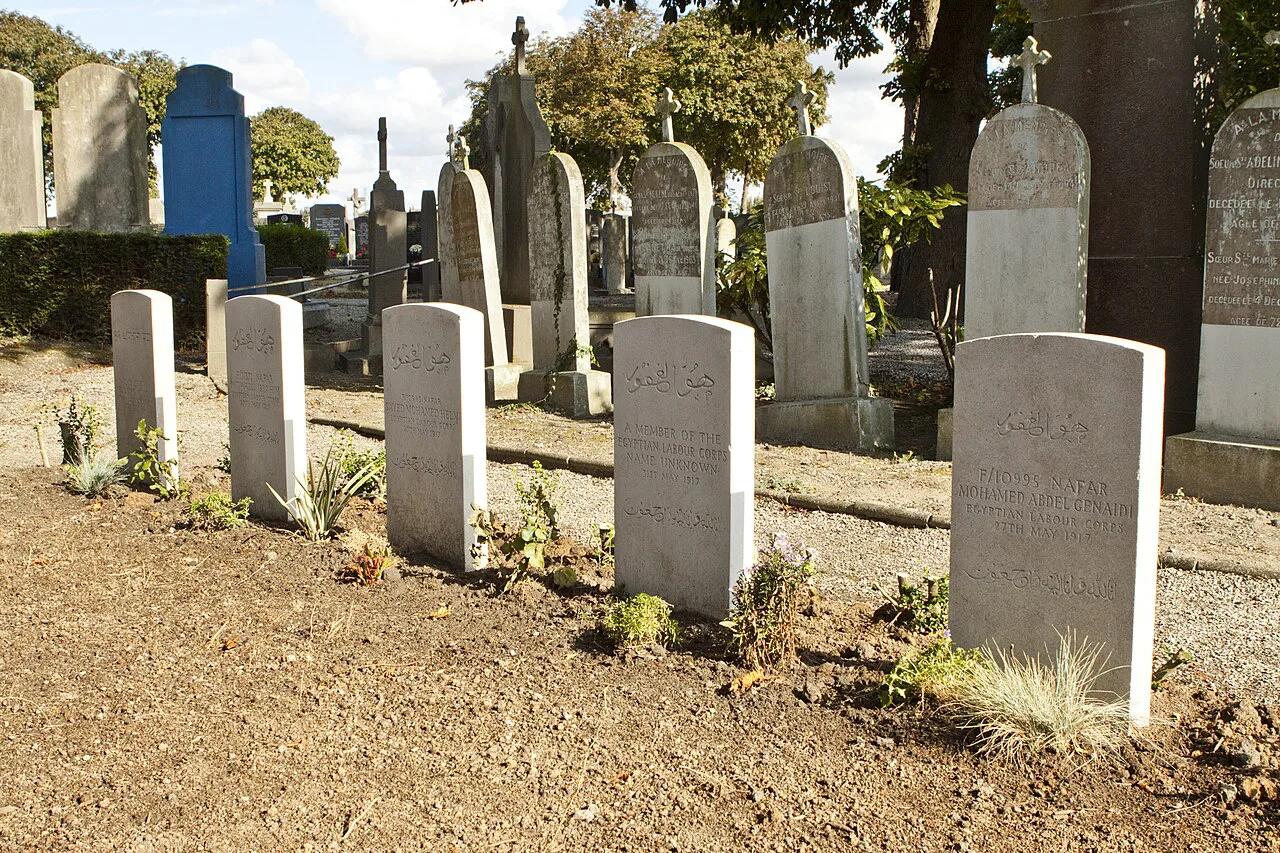
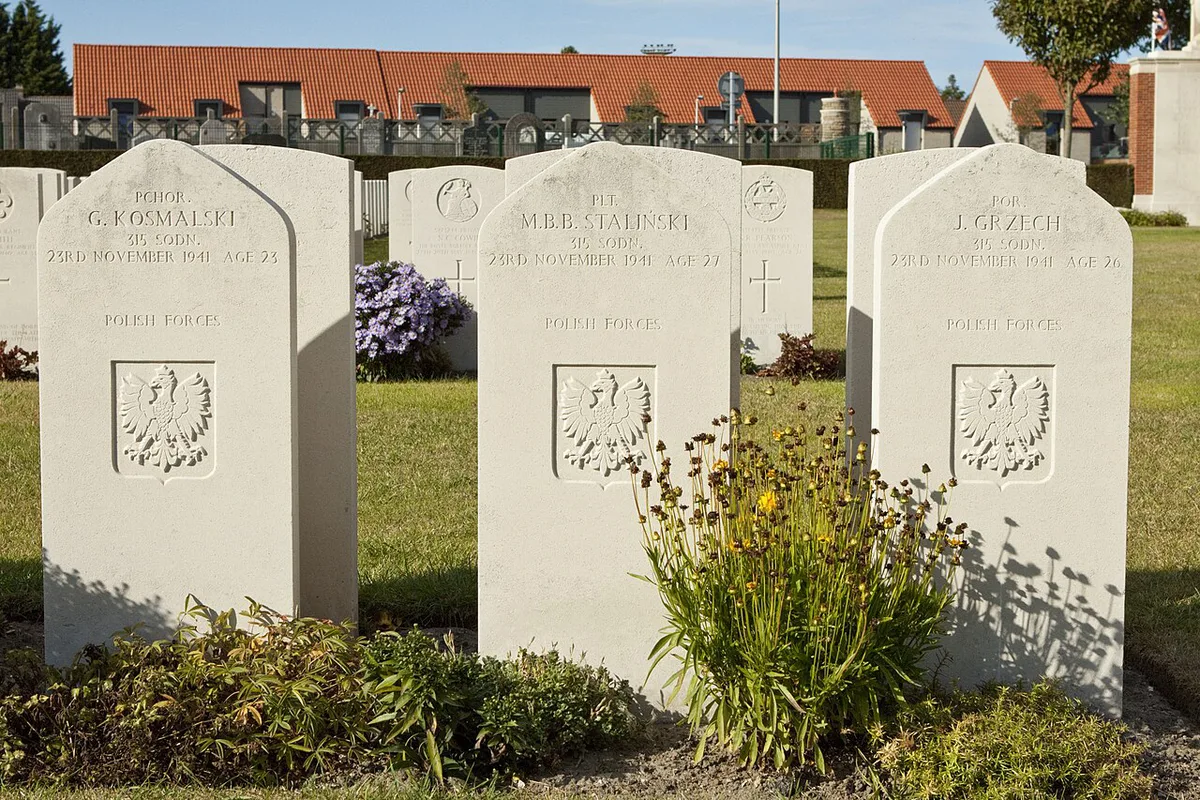
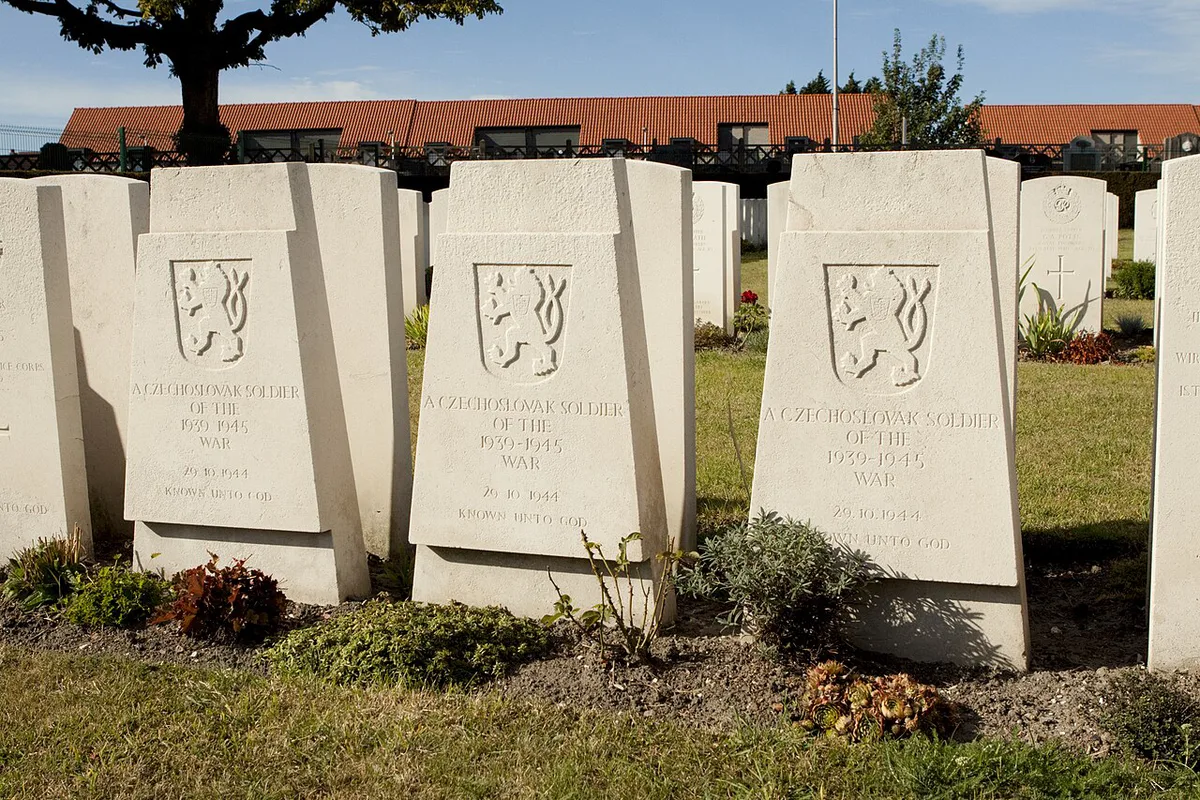
- <strong>Cemetery and memorial:</strong> the war cemetery and the British memorial are places of remembrance. Our guide to other war sites lists more stops if you have a second day.
How to get to Dunkirk, by starting point
Your starting point decides whether this is a day trip or an overnight. Transit times, ferry crossings and rail connections change by season, so check each operator's current timetable. The Dunkirk tourist office is the best place to confirm local guided visits and pickup points.
- <strong>London and the UK:</strong> a day trip is possible but tight once you add border steps. Our guide to travelling from London compares the options.
- <strong>Paris:</strong> treat it as an early start with a late return, or stay one night to avoid rushing the mole and the museum.
- <strong>Lille and the wider region:</strong> this is the easiest day-trip origin, and a rental car or a tour pickup both work.
- <strong>Staying in Dunkirk:</strong> you can fit the museum and town centre on foot. For the beach, fort and cemetery, book a taxi or a guided transfer.
Guided vs self-guided: time, cost and flexibility
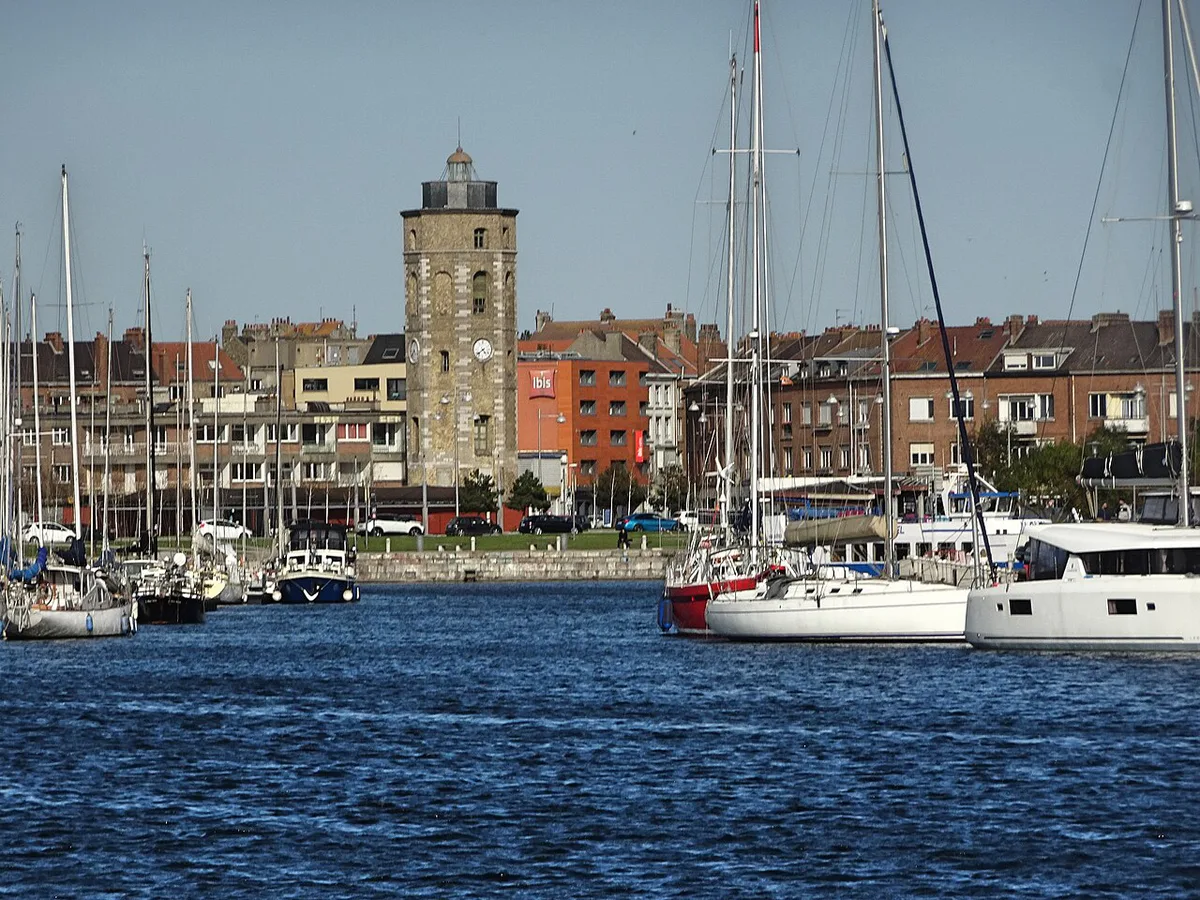
Guided tours cost more than a self-drive day, but they remove parking, navigation and the need to read the history yourself. You pay for a guide who can explain what happened at each stop. Self-drive saves money and lets you linger at the mole or skip the fort. It works best if you read the background first. Budget separately for museum entry, fuel or taxis, parking and lunch. Check current prices on the official city of Dunkirk site and the venue pages, because none of these costs is fixed.
When to go
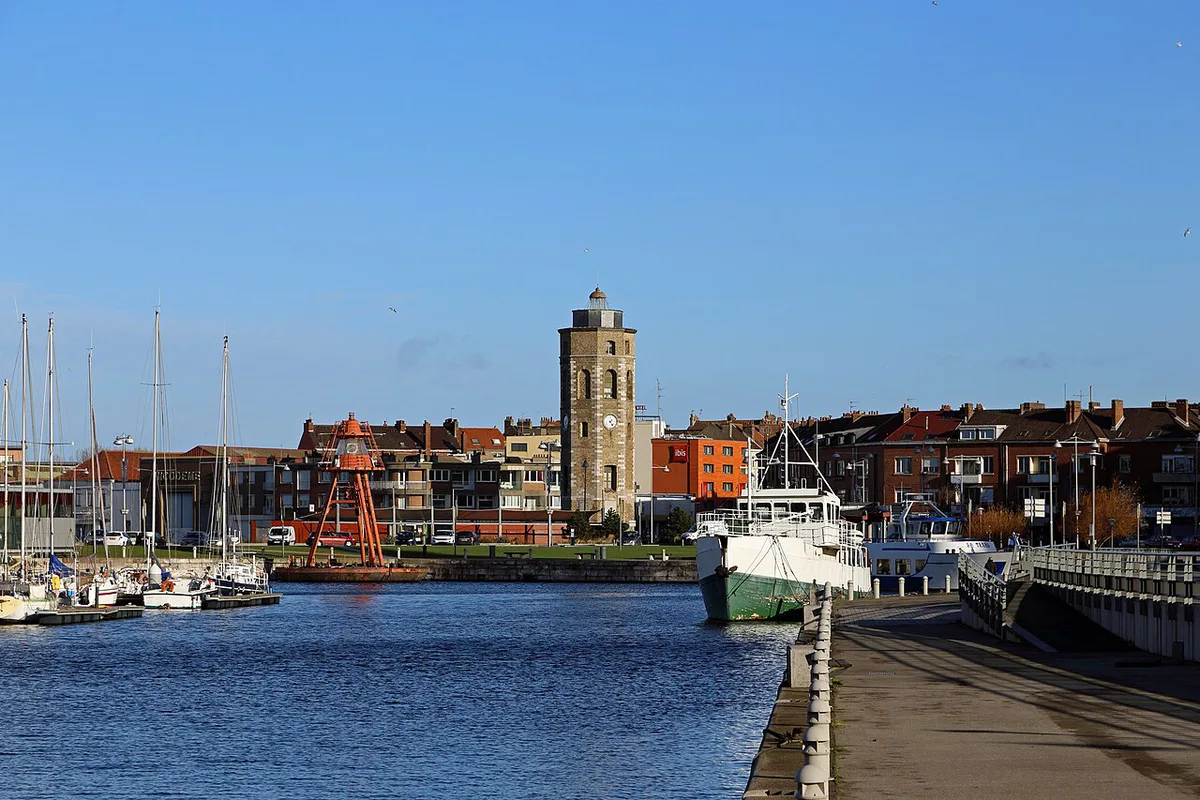
The beach changes with the tide. At low tide the sand stretches far out, while high tide narrows it sharply. Check the tide table before you plan beach time. Weather on this coast shifts fast, and wind on the mole can be strong even on sunny days. Summer gives longer daylight for a full route and brings more visitors at the museum and beach. Spring and autumn are quieter, but daylight is shorter, so start early. In winter, build the day around indoor stops and confirm opening times in advance.
How to choose and book a Dunkirk tour
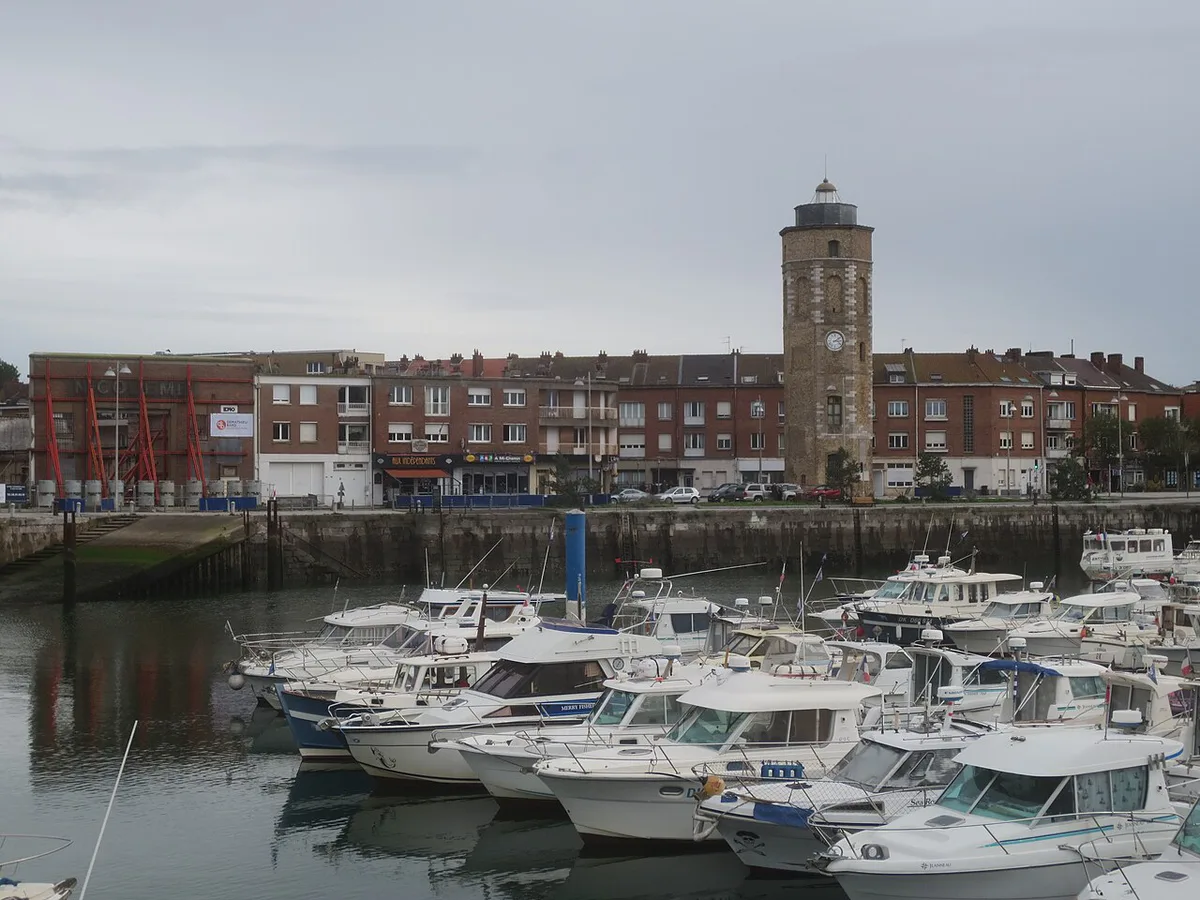
Ask each operator a short list of questions before you pay. Clear answers are a good sign, and vague ones are worth walking away from.
- What is the maximum group size?
- Is the guide local, and do they have formal guiding credentials?
- Are museum entry fees included, or paid on the day?
- Where is the pickup point, and how long does the tour wait for late arrivals?
- What are the cancellation terms if weather or tides change the plan?
- Which stops are guaranteed, and how long do you spend at each?
- Red flags: no named guide, no stop list, pressure to pay immediately, or promises to cover every site in a short window.
Adding the film locations
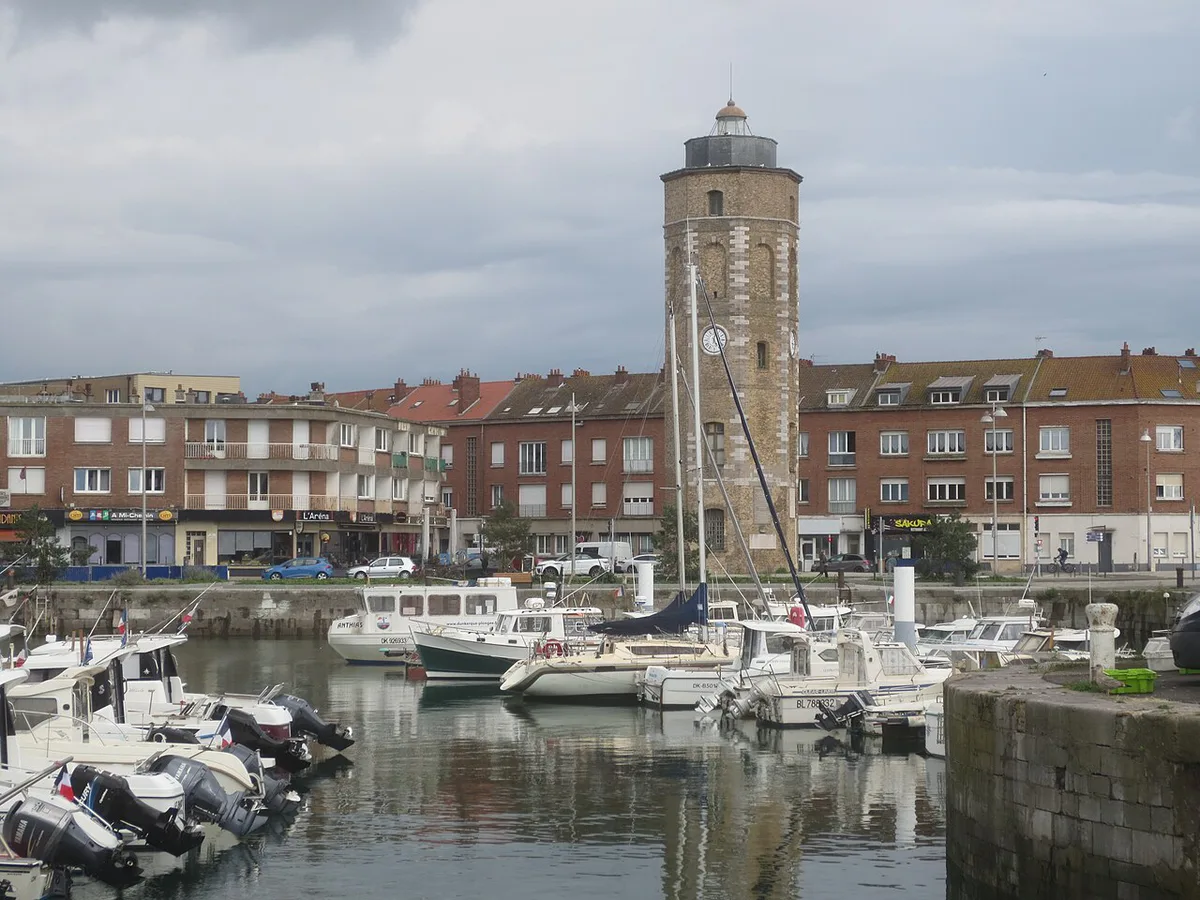
Some visitors come for the 2017 film rather than the history. Treat film interest as a secondary layer on top of the real sites. The mole and beach are the natural overlap, and light and crowds affect photographs. Our film-location guide separates what you can actually visit from what was staged elsewhere. Keep the film as a lens, because the evacuation involved real people and real losses.
Practical tips and respectful visiting
Wear shoes you can walk in on sand and on the uneven stone of the mole. Mobility is limited at the beach and mole, so ask your operator about step-free alternatives and seating. Pack a rain layer, even in summer. At the cemetery and memorials, keep voices low, stay on paths, and do not walk on graves. Photography is usually fine, but avoid posing for jokes or selfies at headstones. Check each site's posted rules when you arrive. Commonwealth War Graves Commission records are the best way to look up an individual casualty before you go.
Keep planning
Guides on the same trip






